Best Practices for Installing PPF, Wraps, or Ceramic Coating on a Freshly Painted Car
When you’ve just had your car freshly painted, the last thing you want is to let that new finish get damaged by the elements or everyday wear. That’s where Paint Protection Film (PPF), wraps, and ceramic coatings come into play! These protective layers are vital for preserving that pristine finish, but the key to getting the most out of them lies in the installation process.
Installing PPF, wraps, or ceramic coatings on a freshly painted car isn’t as simple as just slapping them on. The process requires careful attention to detail, timing, and technique. If done incorrectly, you could be risking damage to your paint or ending up with an uneven application. That’s why understanding the best practices is so crucial.
This article will guide you through the essential steps for ensuring a flawless installation. We’ll cover everything from the ideal timing for applying these products, to the tools you’ll need, and how to make sure your freshly painted surface is perfectly prepped. Whether you’re installing PPF, applying a wrap for a custom look, or using ceramic coating to keep your car shiny and protected, we’ve got you covered!
By the end of this article, you’ll know exactly how to protect your investment in your car’s paint job. It’s all about making informed choices, using the right techniques, and taking your time. Ready to dive in? Let’s explore the best practices for keeping your freshly painted car looking as good as new for years to come!
What is the Recommended Waiting Period Before Applying Protective Coatings to a Freshly Painted Car?
After your car has had a fresh coat of paint, patience is key. I know, waiting can be tough, especially when you’re eager to get that Paint Protection Film (PPF), wrap, or ceramic coating on. But here’s the deal—it’s recommended to wait at least 30 days before applying any protective coatings. Why? Because freshly applied paint needs time to fully cure. The curing process ensures the paint is completely dry, hardens properly, and achieves optimal adhesion for any protective layers you plan to apply.
If you rush into it and apply PPF, wraps, or ceramic coatings too soon, the risk of peeling or adhesion issues increases significantly. The coating might not bond well to the surface, leading to bubbling or even damage to the paint underneath. So, yes, while the idea of adding that extra layer of protection is tempting, remember that a little patience now can save you from bigger headaches down the road!
By giving your paint the time it needs, you’re setting yourself up for success and ensuring the longevity and effectiveness of those protective coatings. Keep this in mind, and your car will thank you later!
Why is Surface Preparation Crucial Before Applying Protective Layers?
Surface preparation—it’s the unsung hero of a successful protective coating application. You might be eager to dive into applying that Paint Protection Film (PPF), wrap, or ceramic coating, but hold up! Before you start, thorough surface preparation is non-negotiable. It’s the foundation for everything that follows. Why? Because if the surface isn’t properly cleaned and decontaminated, you’re setting yourself up for failure.
Think of it this way: any dirt, oils, or contaminants left on the surface can interfere with how well the protective layer sticks. It’s like trying to paint a wall covered in dust—it just won’t work! By thoroughly cleaning the car and removing any debris or oils, you’re ensuring that the protective coating can bond to the surface effectively. This step is crucial for the durability and performance of the protective layers you’re applying.
Proper surface prep also helps avoid issues like bubbling, peeling, or poor adhesion, which could lead to costly repairs or reapplications down the line. So, while it may seem like a tedious extra step, it’s absolutely worth the effort! Taking the time to clean and decontaminate your car ensures
How Does Paint Correction Impact the Application of Protective Coatings?
Paint correction—sounds technical, right? But trust me, it’s an essential step that can make all the difference when it comes to applying protective coatings like PPF, wraps, or ceramic coatings. Why? Because a flawless surface is the key to achieving the best results!
When you perform paint correction, you’re tackling imperfections like swirl marks, scratches, or oxidation. These issues can seem minor, but they affect the overall appearance of the paint and the bonding process of the protective layer. A smooth, corrected surface not only boosts the adhesion of PPF or coatings but also enhances the final look—giving your car that mirror-like finish.
Think about it—if the surface has uneven textures or scratches, the protective coating might not adhere evenly. This can lead to bubbles, peeling, or even premature wear. Paint correction eliminates those imperfections and ensures the coatings have the best possible surface to bond to.
So, while it may take a little extra time and effort, paint correction isn’t just a cosmetic fix. It’s an investment in the durability and effectiveness of the protective layers, ensuring your car stays in top shape for longer. Plus, a flawless finish just looks so much better!
Where Should Protective Coatings Be Applied on the Vehicle?
When it comes to applying protective coatings like PPF, wraps, or ceramic coatings, not every part of your car needs the same level of protection. That’s why it’s important to focus on high-impact areas that are more prone to damage.
The front bumper is a top priority. It’s constantly bombarded with debris, rocks, and road grime, making it one of the most vulnerable spots on your car. Similarly, the hood gets a lot of attention from flying stones and road debris, so it’s a smart idea to coat this area as well.
Don’t forget about the side mirrors! They’re not only prone to scratches from other cars and pedestrians but also tend to collect dirt and grime more easily. Coating the door edges is another essential step—those areas see a lot of wear and tear from opening and closing the doors, especially in tight spaces.
In essence, focusing on these high-risk areas ensures that your protective coatings do their job in preventing chips, scratches, and wear. This targeted approach gives your vehicle the best protection, saving both time and money in the long run. After all, it’s all about giving your car the care it deserves!
When is it Appropriate to Apply Ceramic Coating in Relation to PPF or Wraps?
When it comes to applying ceramic coating, timing and order matter! The golden rule is simple: always apply ceramic coating
over
Paint Protection Film (PPF) or wraps, not beneath them. Why? Because ceramic coatings work by bonding to the top layer of the surface, creating a hydrophobic, glossy finish that repels water and dirt. If you apply the coating underneath the PPF or wrap, it won’t be able to bond correctly, and you could lose out on the full protective benefits.
Applying ceramic coating over PPF or wraps helps to enhance the durability and overall effectiveness of the protective film. PPF is designed to absorb impacts, while ceramic coatings add an extra layer of protection by reducing water spots, minimizing dirt buildup, and enhancing the shine. By layering these protective solutions properly, you ensure that the vehicle benefits from the strengths of both.
In summary, apply ceramic coating last! This ensures better adhesion, a flawless finish, and maximizes the protective qualities of both the PPF and the coating. It’s all about layering up to protect your car in the best possible way!
What Tools and Materials Are Necessary for the Application Process?
When it comes to applying protective coatings like PPF, wraps, or ceramic coatings, having the right tools and materials is key to achieving a flawless finish. Let’s dive into what you’ll need to get the job done right!
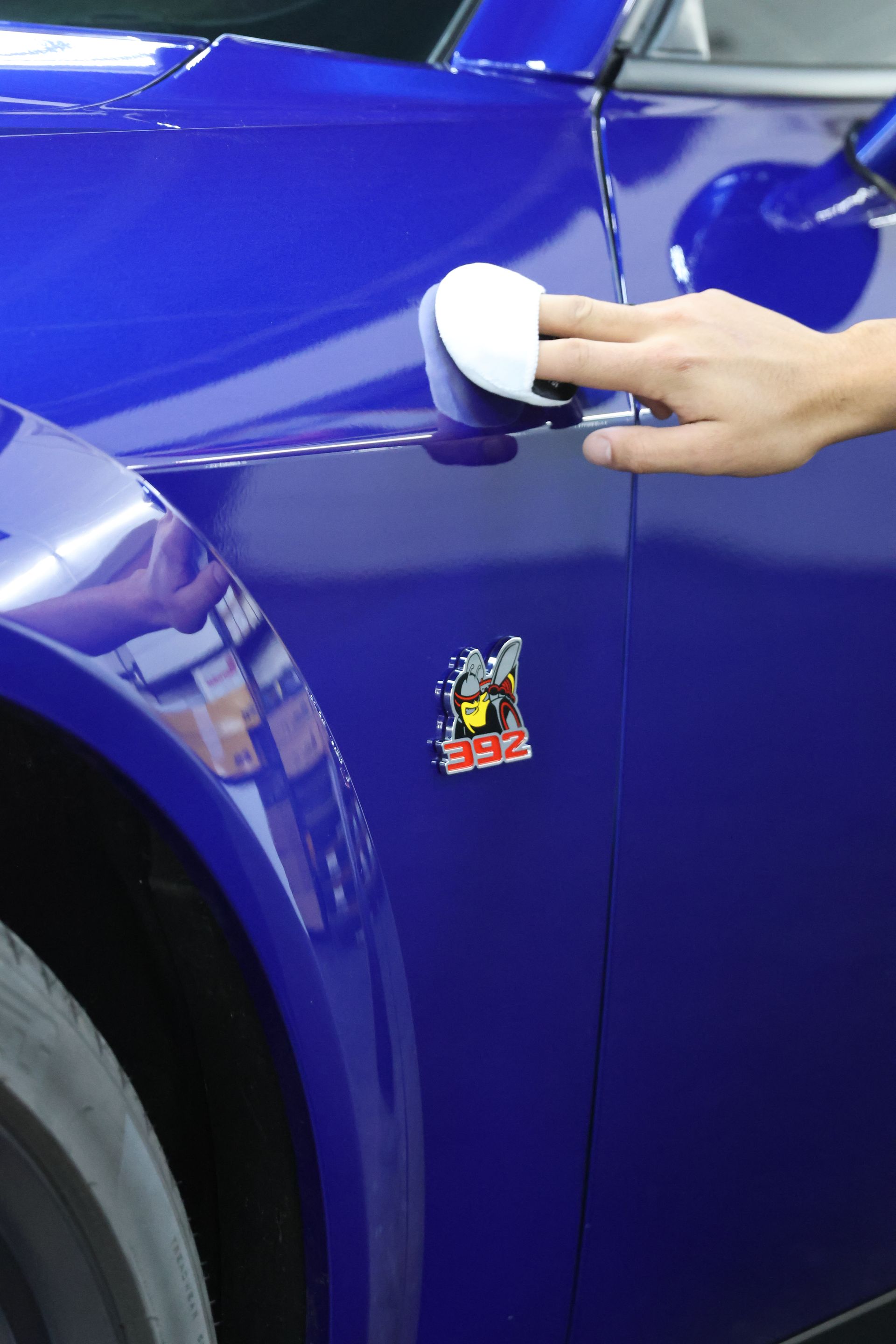
First off, microfiber towels are a must-have. They’re gentle on your car’s surface while being highly effective at cleaning, wiping, and buffing without causing scratches. You’ll also need applicator pads to apply the ceramic coating or any other layer smoothly and evenly. These pads help in distributing the product without leaving streaks or uneven spots.
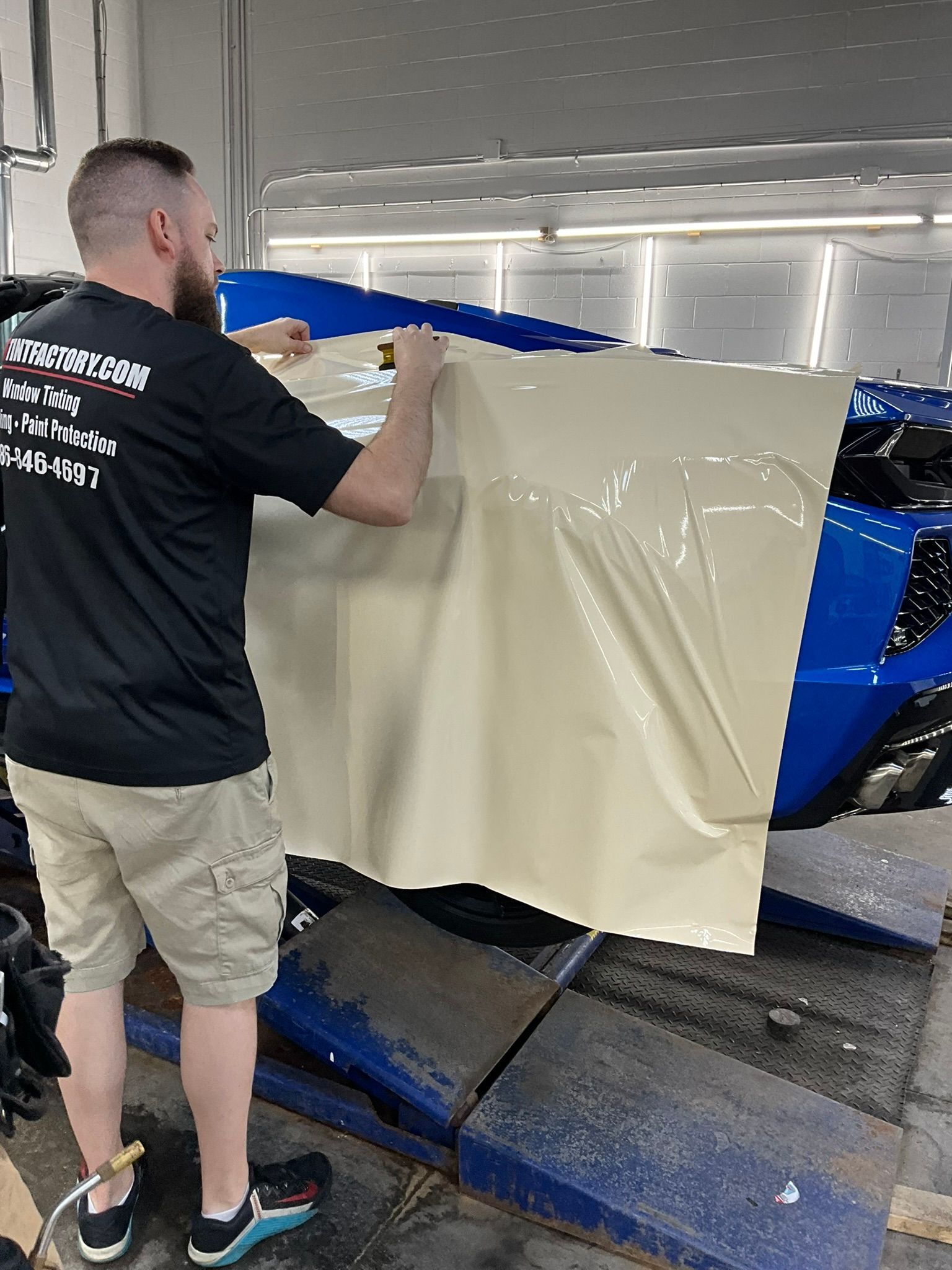
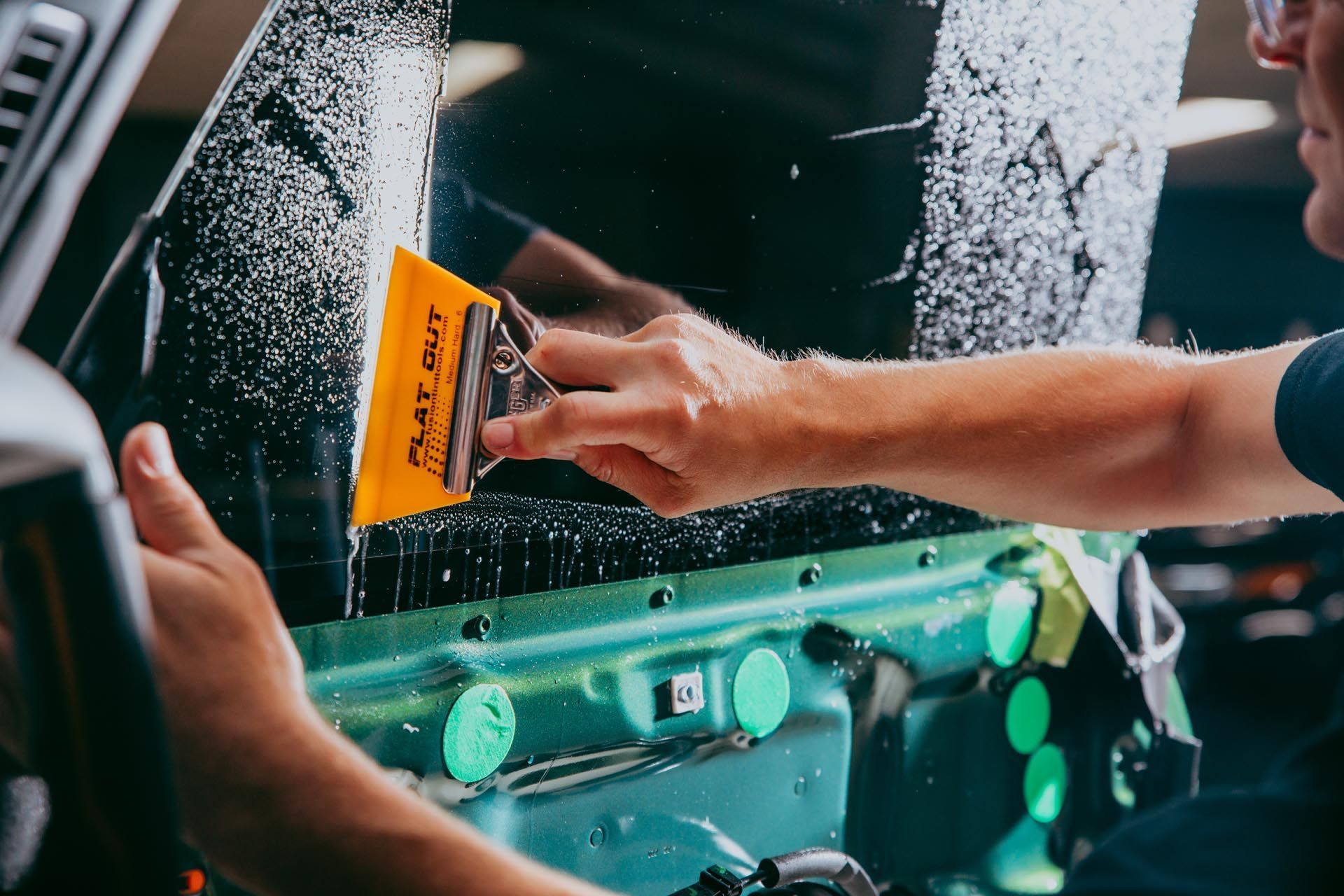
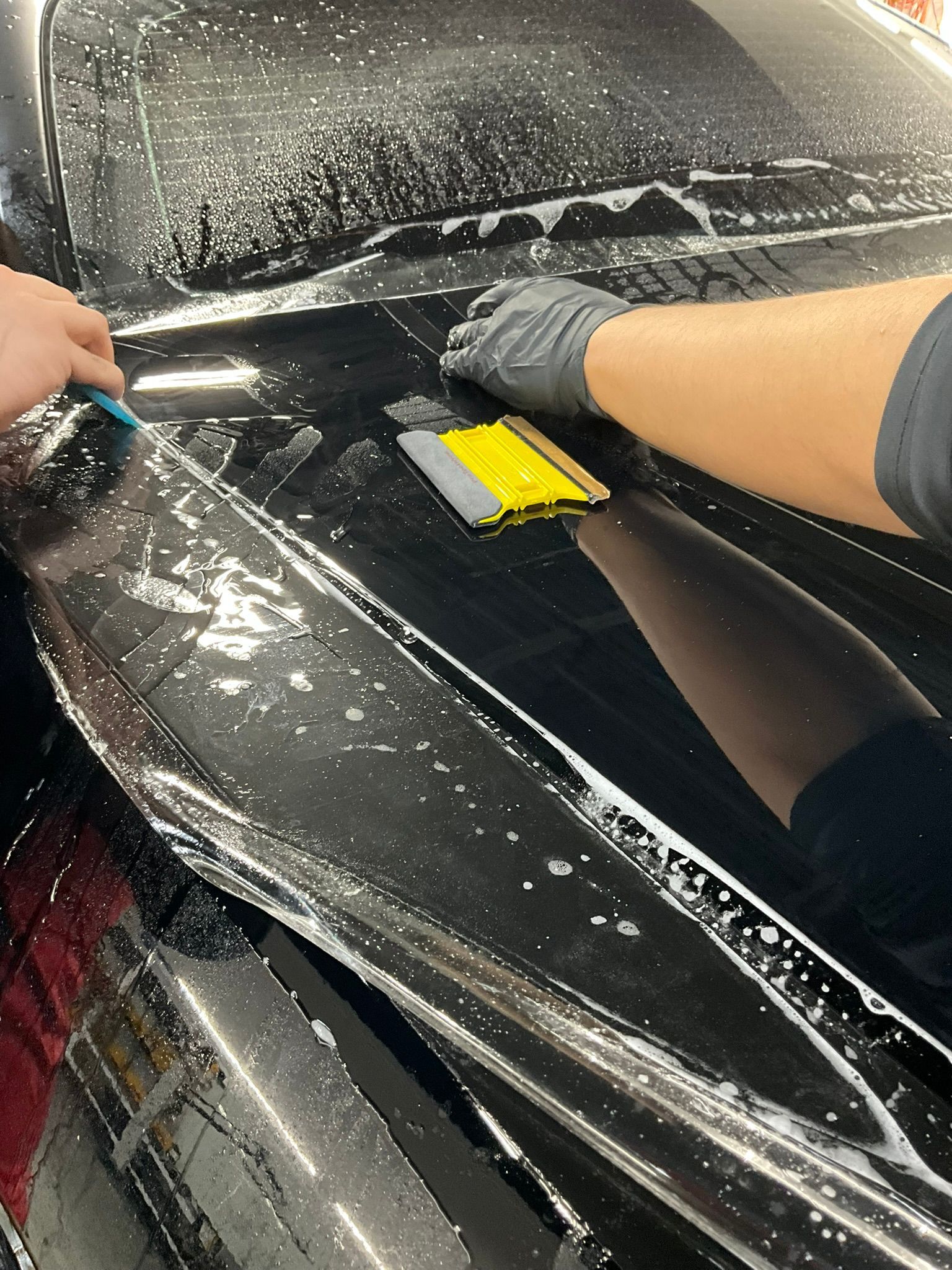
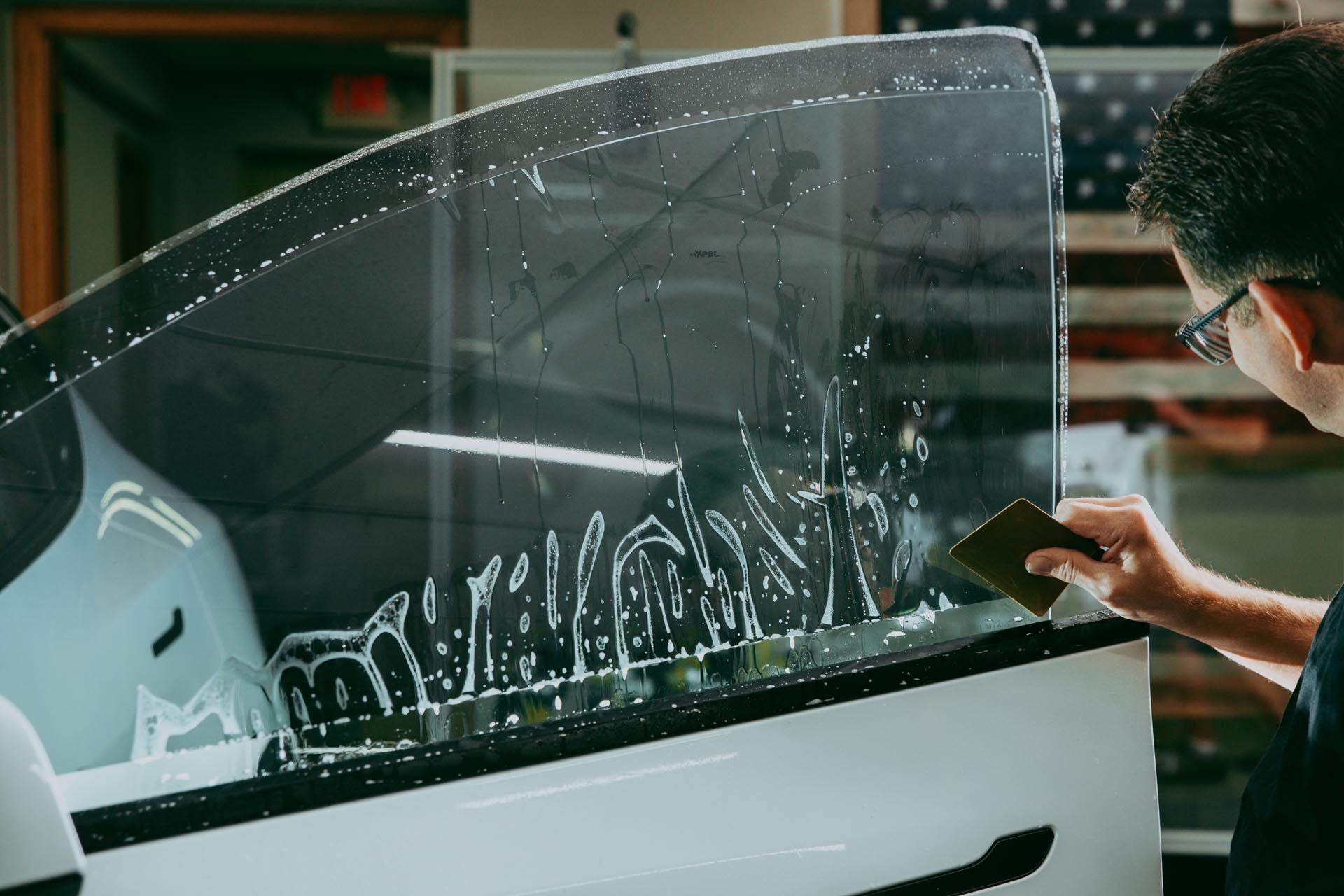
Next up, squeegees play an important role, especially when applying PPF or wraps. They help to smooth out air bubbles and ensure that the film adheres to the surface properly. Without a squeegee, you could risk trapping bubbles, which would compromise the overall finish.
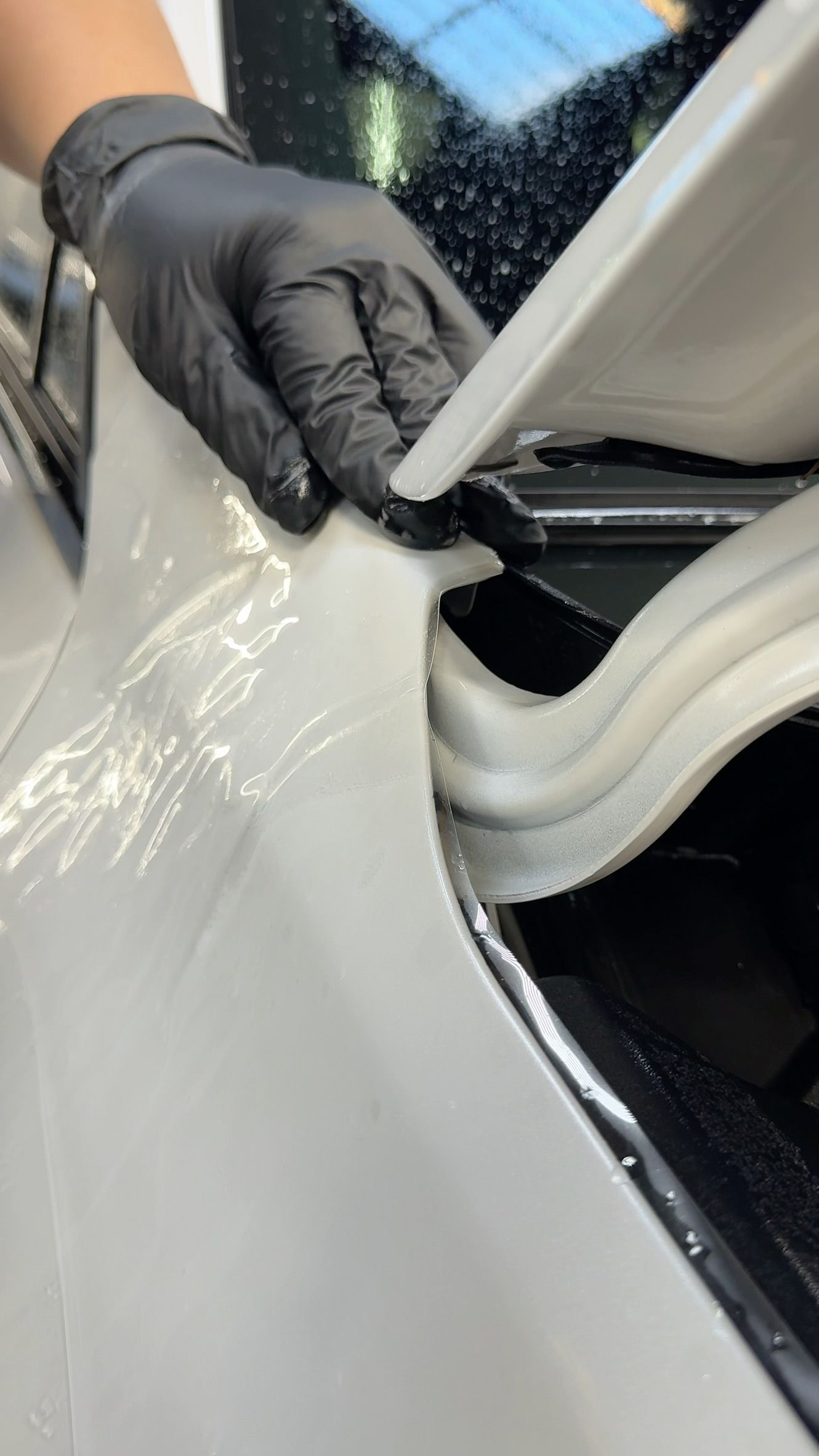
Finally, heat guns are crucial, especially when applying PPF. They’re used to help the film conform to the car’s curves, making the application process much easier and smoother. They also come in handy for ensuring that wraps stick properly and that any air bubbles are removed during installation.
Using high-quality tools and materials not only ensures a professional result but also contributes to the durability and longevity of the protective layers. So, stock up on the right gear and get ready to give your car the protection it deserves!
Why Should Professional-Grade Products Be Considered Over Consumer-Grade Options?
When it comes to applying protective coatings like PPF, wraps, or ceramic coatings to your freshly painted car, the quality of the products you use makes all the difference. While consumer-grade options may seem more budget-friendly, professional-grade products are the way to go for long-lasting, high-performance results.
Professional-grade products are designed to withstand the elements and everyday wear and tear. They provide superior durability compared to their consumer-grade counterparts. For example, professional PPF is thicker and more resistant to scratches, chips, and fading, while consumer-grade films may wear out more quickly and require more frequent replacements.
In addition to durability, professional-grade products offer better protection. Whether it’s a high-quality ceramic coating or a premium wrap, these products are formulated to provide top-tier defense against UV rays, road salts, and contaminants. This means that your car’s paint is safeguarded for a longer period, giving it that showroom shine year-round.
Perhaps the most significant advantage is the longer-lasting results. Professional-grade products, while sometimes more expensive upfront, deliver value in the long run. They require fewer touch-ups and can keep your car looking pristine for years, making them a smart investment.
So, when it comes to the protection of your vehicle, opting for professional-grade products is an investment in both the longevity and appearance of your car. It’s a choice that pays off—big time!
How Does Environmental Control During Application Affect the Outcome?
When it comes to applying protective coatings like PPF, wraps, or ceramic coatings, the environment where the application takes place is just as important as the products themselves. A controlled environment with the right temperature and humidity levels plays a critical role in achieving a flawless finish.
First and foremost, applying protective coatings in a stable environment helps prevent common issues like bubbling or peeling. Extreme temperatures or high humidity can cause the coatings to cure unevenly, leading to imperfections that could ruin the appearance of your car. For example, if it’s too hot, the adhesive might cure too quickly, causing bubbles or uneven adhesion. On the other hand, excessive humidity can prevent the coatings from bonding properly, leaving you with a surface that’s less durable and prone to peeling.
By applying the coatings in a controlled space, you give the products the best chance to adhere smoothly and cure properly. A consistent temperature range, ideally between 60-75°F (15-24°C), ensures that the products work as intended, providing a uniform finish and optimal protection. Humidity levels should also be kept in check to prevent condensation from interfering with the curing process.
In short, creating the perfect environment for application ensures a flawless, durable finish. By controlling these external factors, you’re not just enhancing the aesthetics of your car—you’re also extending the life of the protective coatings. It’s a small detail that makes a big difference!
What Maintenance is Required After Applying PPF, Wraps, or Ceramic Coatings?
Once you’ve invested in applying protective layers like PPF, wraps, or ceramic coatings to your car, maintaining them properly is key to preserving their effectiveness and appearance. After all, these coatings are designed to protect your vehicle, but they still need a little TLC to keep them in top shape!
Regular cleaning is essential. The protective coatings can trap dirt, water spots, and other contaminants, so it’s important to wash your vehicle regularly using appropriate cleaning products. Choose a pH-neutral shampoo that won’t strip the coating’s protective properties. Avoid harsh detergents or abrasive sponges that could damage the layers. It’s also a good idea to use microfiber towels to dry the car, as they are gentle and reduce the risk of scratching the surface.
Beyond cleaning, you’ll want to inspect the coatings periodically for any signs of damage or wear. For ceramic coatings, you may need to reapply hydrophobic sprays every few months to maintain water repellency. With PPF and wraps, check for any edges lifting or signs of damage that could affect their protection.
By maintaining these protective coatings with regular cleaning and careful inspection, you can extend their lifespan and keep your car looking fresh and shielded from the elements for years to come! After all, a little maintenance goes a long way when it comes to preserving that brand-new look.
Why is Consulting with Professionals Beneficial for Applying Protective Coatings?
When it comes to applying protective coatings like PPF, wraps, or ceramic coatings to your vehicle, consulting with professionals is a game-changer! While DIY options might seem appealing, the expertise, experience, and access to high-quality materials that professionals bring to the table are hard to beat.
Expertise and experience make all the difference. Professionals have spent years perfecting their craft, understanding the nuances of surface preparation, application techniques, and post-installation care. This experience ensures the coatings are applied flawlessly, with no issues like bubbling, peeling, or improper adhesion. They know exactly how to handle each specific vehicle and coating type, ensuring optimal results.
Another huge benefit is access to premium materials. Professionals work with high-quality, industry-grade products that are more durable and long-lasting compared to consumer-grade alternatives. These materials provide superior protection, enhancing the overall lifespan of the coatings. Plus, professionals have the right tools, such as advanced squeegees and heat guns, that ensure the job is done efficiently and correctly.
In short,
consulting with professionals guarantees that your vehicle gets the best possible protection, preserving both its appearance and resale value. Why risk doing it yourself when you can rely on the experts to get it done right? Your car deserves it!
Conclusion
In conclusion, applying Paint Protection Film (PPF), wraps, or ceramic coatings to a freshly painted car is an incredible way to safeguard its surface and preserve its stunning appearance for years to come. However, to achieve the best results and ensure long-lasting protection, following key best practices is essential. It’s not just about slapping on a layer and calling it a day — the process requires careful attention to detail.
Here are some important takeaways to keep in mind:
- Ensure Proper Timing
: Patience is key! Always wait at least 30 days before applying any protective coatings. This allows the paint to fully cure and ensures that the coatings will adhere properly.
- Prepare the Surface Thoroughly
: A clean, contaminant-free surface is a must. Take the time to clean and decontaminate the car thoroughly to guarantee that your PPF, wraps, or ceramic coatings will stick effectively and last longer.
- Consider Paint Correction
: If your car’s paint has imperfections like swirl marks or scratches, addressing these through paint correction will lead to a smoother surface and better overall results.
- Apply in a Controlled Environment
: The environment matters! Ensure the temperature and humidity levels are ideal when applying coatings to prevent issues like bubbling or peeling.
- Use Quality Products and Tools
: Opt for professional-grade products and high-quality tools. These may cost a bit more upfront but will pay off in the long run by providing better protection and durability.
Remember, every step counts! Whether you decide to tackle the job yourself or hire a professional, taking these precautions will ensure that your vehicle looks fantastic and stays protected for years. The extra effort in preparation and proper application truly makes all the difference. Your car deserves nothing less than the best care!