How Window Tinting Can Improve Your Car’s Resale Value
When it comes to selling your car, every detail matters. Whether you’re trying to increase appeal, improve performance, or boost resale value, the choices you make today can impact how much you’ll get for your car down the line. One often overlooked yet highly effective upgrade? Window tinting! While it’s typically viewed as an aesthetic or comfort-enhancing feature, window tinting can actually play a crucial role in how much your car is worth when it’s time to sell.
In this article, we’re diving deep into how window tinting can elevate your vehicle’s resale value. We’ll explore how it boosts the visual appeal of your car, protects the interior from harmful sun damage, and enhances overall comfort, making your car more desirable to potential buyers. But that’s not all—there are legal considerations, installation quality, and potential downsides to think about. All of these factors can influence whether window tinting will truly add value or end up being a deal-breaker for buyers.
By the end of this article, you’ll understand why tinting your windows is a smart investment—not just for the comfort of your daily drives, but also for the long-term health of your car’s value. So, whether you’re considering window tinting to freshen up your car or preparing to put it on the market, stick around as we break down all the reasons why this upgrade can give you a competitive edge when selling. Let’s dive in!
What is Window Tinting?
Window tinting is a process where a thin, colored film is applied to your car’s windows. This film not only gives your vehicle a sleek, stylish look but also provides a host of practical benefits. Imagine driving in the summer heat without the sun blazing through your windows or getting into your car without the usual glare! That’s the power of window tinting.
But there’s more to it than just aesthetics. There are several types of window tints available, each with unique features. Dyed tint is the most basic option, offering a deep color that blocks some UV rays and heat. Ceramic tint, on the other hand, is top-tier, providing superior heat rejection and UV protection without interfering with your car’s electronics. Metallic tints are known for their durability and ability to reflect heat, but they can sometimes interfere with signal reception. And carbon tints provide a high-end look, offering excellent heat rejection without the shiny appearance of metallic tints.
Each tint type serves a specific purpose, whether it’s blocking heat, reducing glare, or boosting privacy. No matter what you need, there’s a window tint that suits your car and lifestyle perfectly!
How Window Tinting Enhances Vehicle Aesthetics
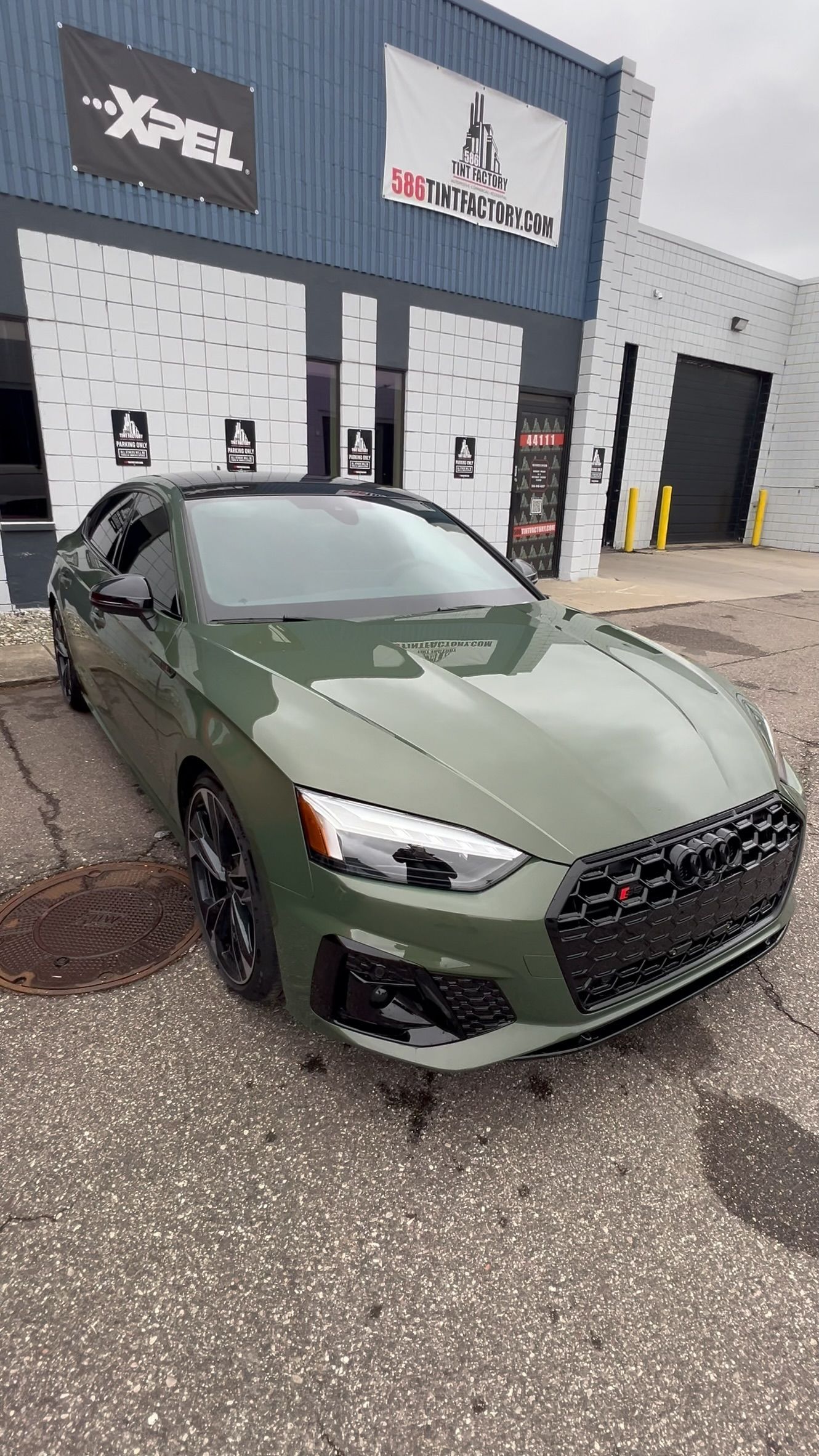
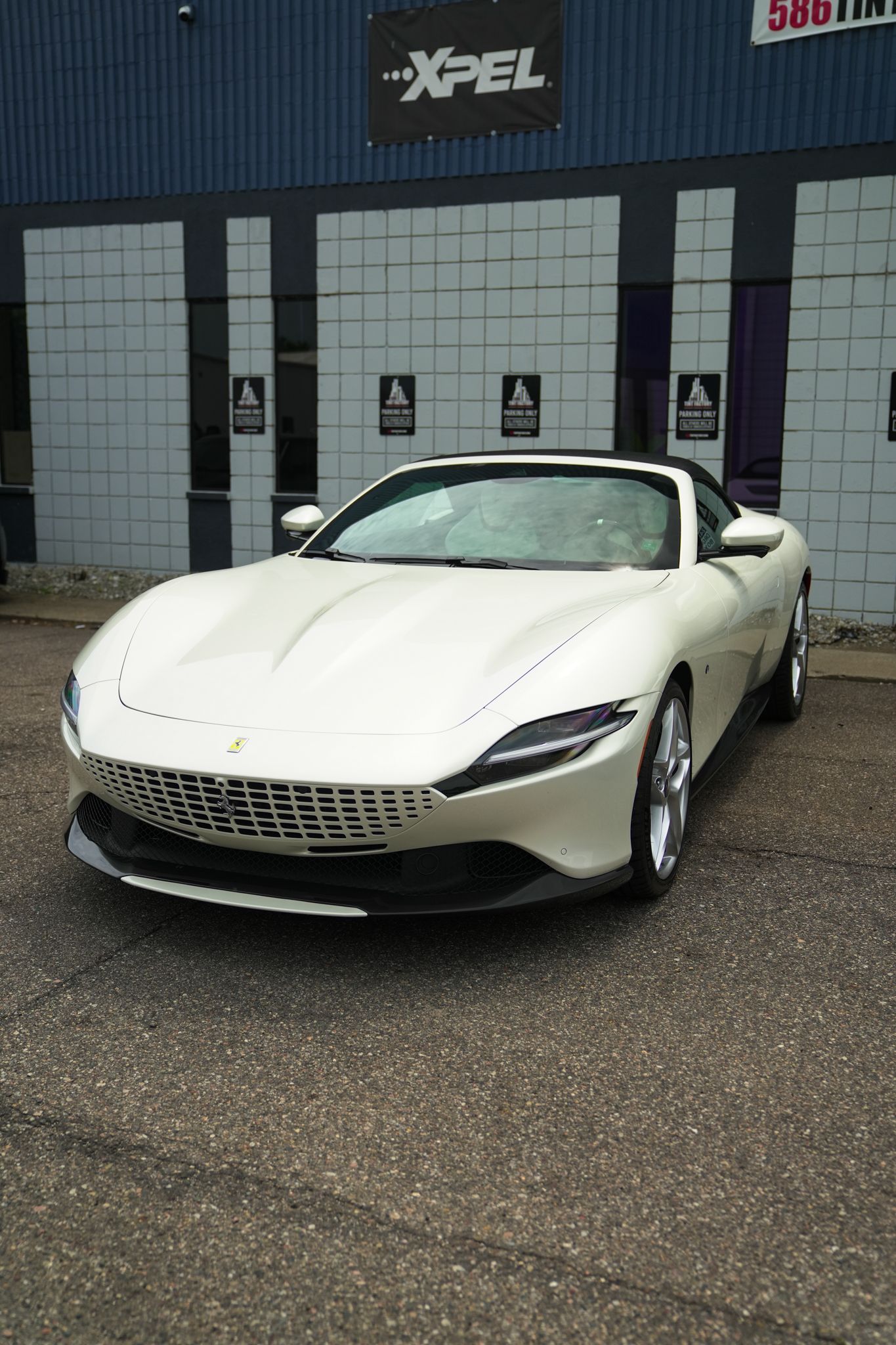
Window tinting can work wonders for your car’s visual appeal. It’s not just about protection from the sun—it’s about elevating the overall look of your vehicle. When you apply window tint, it instantly transforms your car into a sleek, modern machine. That darkened glass gives your ride a high-end, polished finish that catches the eye of anyone walking by.
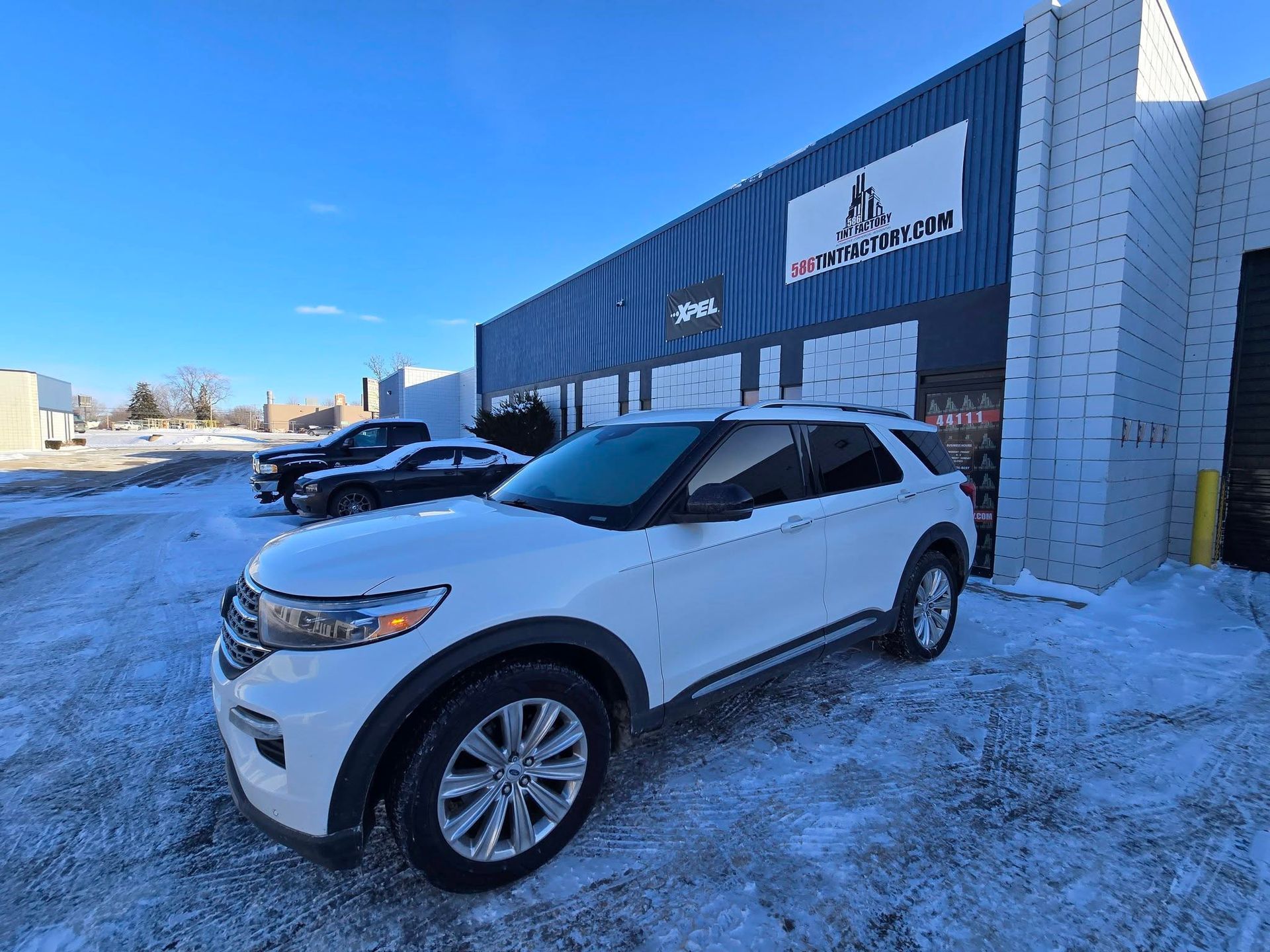
It’s amazing how such a small change can have such a big impact! Tinted windows create a cohesive, sophisticated look that complements the body of your car. Whether you go for a subtle dark tint or something more reflective, the right window tinting can make your vehicle stand out in a crowd. And let’s face it—when a potential buyer is cruising through the lot, that tinted look could be what makes them stop and take a closer look at your car!
Not only does window tinting enhance aesthetics, but it also offers a sense of privacy. You’re not just adding style; you’re adding a level of exclusivity, which is something many buyers appreciate. So, if you want to give your vehicle a polished, high-class vibe, window tinting is the perfect way to go!
Protection of the Car’s Interior with Window Tinting
Window tinting does more than just improve your car’s look—it’s a game changer when it comes to protecting your interior. If you’ve ever left your car parked in the sun for too long, you know how harsh UV rays can be on your upholstery and dashboard. Window tinting acts as a shield, blocking up to 99% of harmful UV rays, preventing them from wreaking havoc on your car’s interior.
Fading upholstery, cracked dashboards, and discolored leather are all common problems caused by prolonged sun exposure. With window tinting, you’re actively safeguarding your seats, steering wheel, and other surfaces from the damaging effects of the sun. It’s not just about aesthetics—it’s about preserving the value of your car in the long run. After all, no one wants to drive around in a car with a sun-bleached interior!
Additionally, window tinting keeps your cabin cooler on hot days, reducing the need for constant air conditioning. This can also extend the lifespan of your vehicle’s interior by preventing the materials from drying out and cracking. In short, window tinting is an investment that protects your car’s interior and keeps it looking fresh for years to come.
Window Tinting and Comfort: Reducing Heat and Glare
One of the biggest benefits of window tinting is the comfort it brings to your driving experience. Have you ever stepped into your car on a hot day and felt like you were sitting in an oven? Window tinting helps regulate the internal temperature by blocking out a significant amount of heat from the sun. This means your car stays cooler, and you don’t have to blast the air conditioning just to make the drive bearable. Not only does this make your ride more comfortable, but it can also reduce the strain on your car’s cooling system, improving overall efficiency.
In addition to heat control, window tinting plays a major role in reducing glare. We’ve all been there—driving into the sun, squinting at the road, and struggling to see clearly. The right tint can minimize glare, allowing for a much clearer view of the road ahead. This makes driving safer and less stressful, particularly on bright days or when the sun is low on the horizon. Whether you’re on a long road trip or just running errands, tinted windows provide a more comfortable, enjoyable driving experience by keeping the interior cooler and the glare at bay.
Security and Privacy Benefits
One of the most compelling reasons to consider window tinting is the enhanced security and privacy it provides. Tinted windows create a significant barrier between the inside of your vehicle and the outside world. This means that whether you’re driving or parked, you’re less likely to have your personal items or valuables on display. For anyone concerned about privacy, tinted windows help keep your conversations and belongings hidden from prying eyes.
Additionally, window tinting can deter thieves. When the interior of your vehicle is less visible, it makes it much harder for someone to target valuable items, like electronics or bags, that might be left behind. Thieves often look for quick and easy opportunities, and when your vehicle is more difficult to peer into, the temptation to break in is greatly reduced. With this added layer of protection, your car becomes a less appealing target.
So, not only do tinted windows provide an extra sense of privacy for you and your passengers, but they also make your vehicle a less attractive option for criminals. This increased security can give you peace of mind, knowing that your car is more protected from theft or unwanted attention.
Does Window Tinting Increase a Car’s Resale Value?
When it comes to selling a car, every little detail counts – and window tinting might just be one of those details that add value! Many car buyers appreciate the added benefits of tinted windows, such as improved privacy, enhanced aesthetics, and interior protection. But does it actually increase the resale value of a vehicle? Let’s take a closer look.
While the impact of window tinting on resale value can vary depending on factors like the type of vehicle and the market, studies suggest that well-maintained, tinted windows can be a selling point. Experts argue that buyers are often willing to pay a premium for cars that already have tinting, as it saves them the cost and hassle of getting it done themselves. For instance, if you’re in an area with intense sun exposure, potential buyers may find the heat-reducing and UV-blocking properties of tinting particularly attractive.
Some statistics show that cars with tinted windows may see up to a 5-10% increase in resale value, though this varies from market to market. The key is to make sure that the tinting is professionally done, as poorly applied or faded tint can have the opposite effect, detracting from the vehicle’s appeal.
Ultimately, if you’re looking to boost your car’s resale value, window tinting could be a smart investment, especially if done with care and attention to quality.
Potential Downsides of Window Tinting on Resale Value
While window tinting can offer several benefits to both the car owner and potential buyers, it’s not always a guaranteed way to increase resale value. In fact, there are a few potential downsides to consider before adding tint to your vehicle, especially when it comes to selling it later on.
One significant issue is the risk of non-compliance with local tinting laws. Many regions have strict regulations regarding the darkness of window tints, and failing to follow these laws can lead to fines or the need to remove the tint altogether. This not only adds hassle for the seller but can also discourage potential buyers who might be wary of legal issues.
Another downside is poor installation. If the tint is improperly applied—such as with bubbles, wrinkles, or peeling—it can make the car look unkempt, even if the vehicle itself is in great condition. Overly dark tint can also be a turn-off for some buyers, as it might make the vehicle feel too enclosed or difficult to see through. In some cases, buyers might even assume that the car has something to hide, which could lead them to undervalue it.
Ultimately, while window tinting can increase resale value when done correctly, poor execution or failure to follow local laws can have the opposite effect, potentially lowering the car’s appeal to prospective buyers.
The Legal Aspects of Window Tinting
When it comes to window tinting, understanding the legal landscape is crucial. Window tint laws vary significantly from state to state and even between countries. While some regions have lenient regulations, others are much stricter about the darkness and reflectivity of window tints. For instance, certain states may allow darker tints on rear windows, while others may have stringent limits even for the front windows. This is where things can get tricky.
One of the most important things to note is that non-compliance with these laws can have serious consequences. If your car’s tint is too dark or doesn’t meet legal requirements, you may face fines or be required to remove the tint. In some cases, getting caught with illegal tint can affect the overall resale value of your vehicle. Potential buyers might be hesitant to purchase a car that doesn’t meet their local tinting laws or assume that they will need to deal with the removal process.
Additionally, the resale process itself can be impacted by these legal considerations. If the tint is not in compliance with local laws, it may become a negotiation point, with buyers factoring in the cost of removal or legal risk. Even if the vehicle is in otherwise excellent condition, legal tint issues can detract from its perceived value. It’s important to always check your local laws before investing in window tinting, especially if you plan on reselling the vehicle in the future.
How to Maximize Resale Value with Quality Tinting Installation
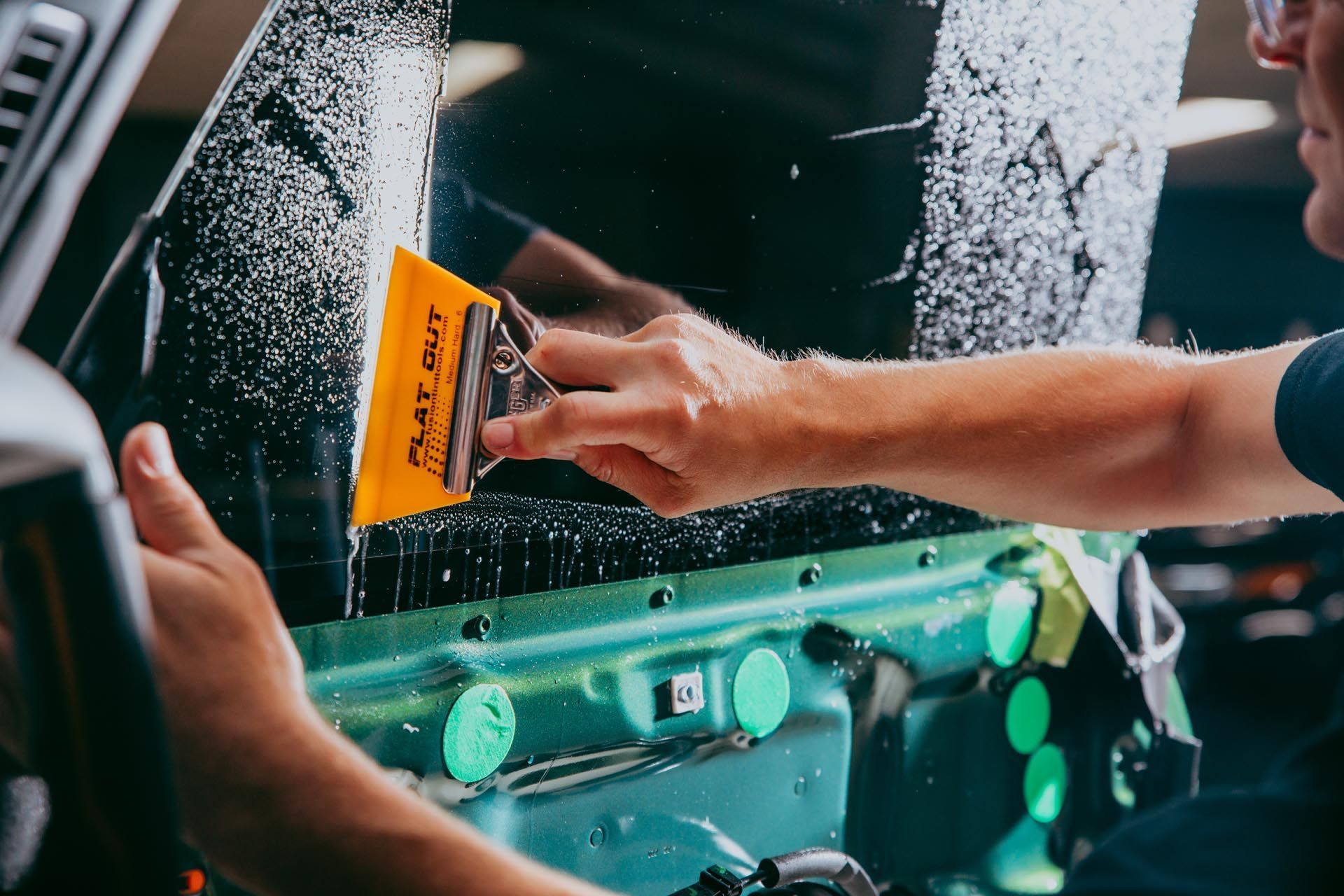
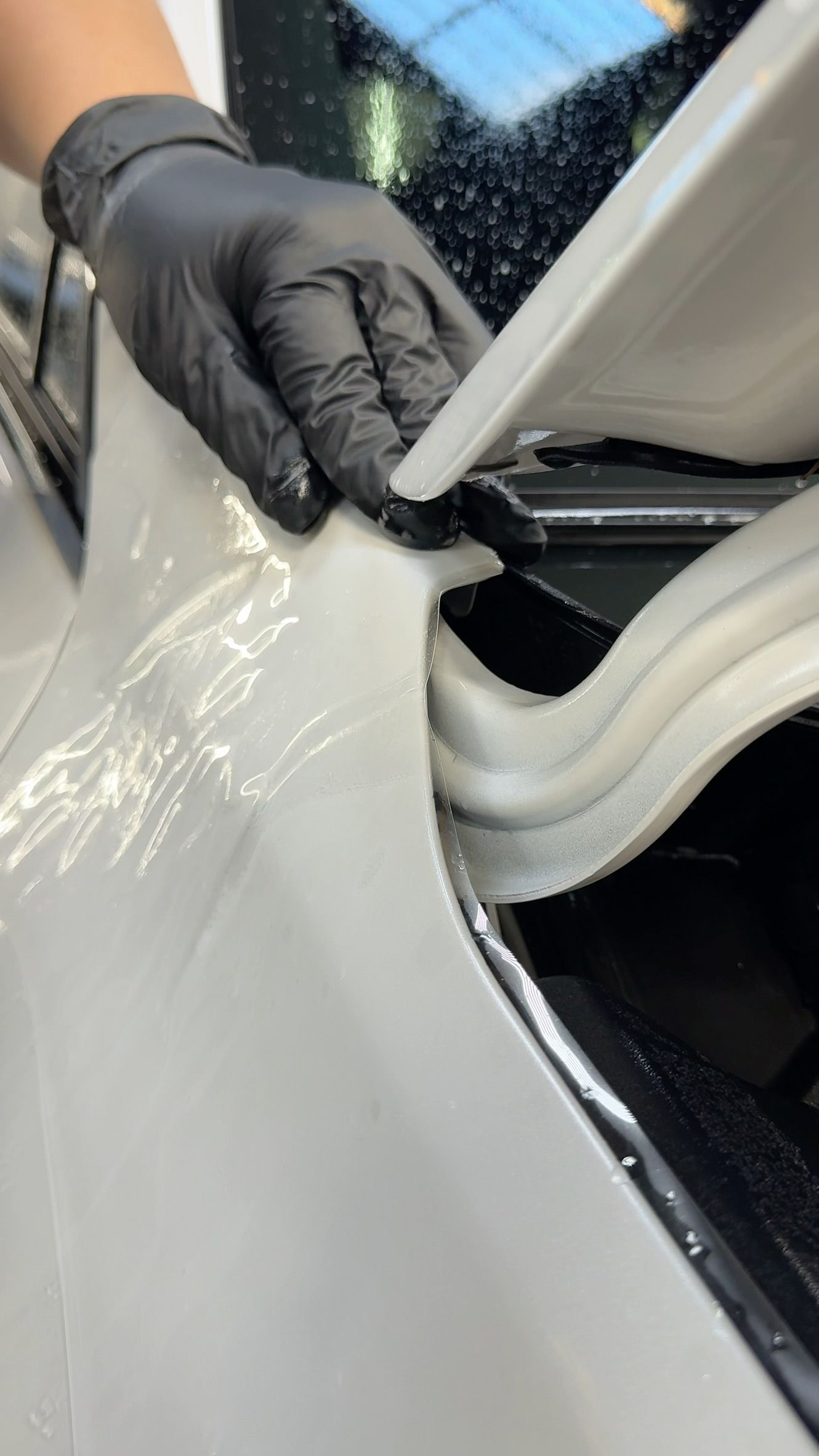
When it comes to window tinting, installation quality can make all the difference in the long run. While DIY tinting kits might seem like a quick and inexpensive option, they often result in subpar outcomes. Bubbles, peeling, or uneven tinting can negatively affect the look of your car and potentially lower its resale value. This is why opting for professional installation is key to ensuring that the tint not only looks great but also lasts for years to come.
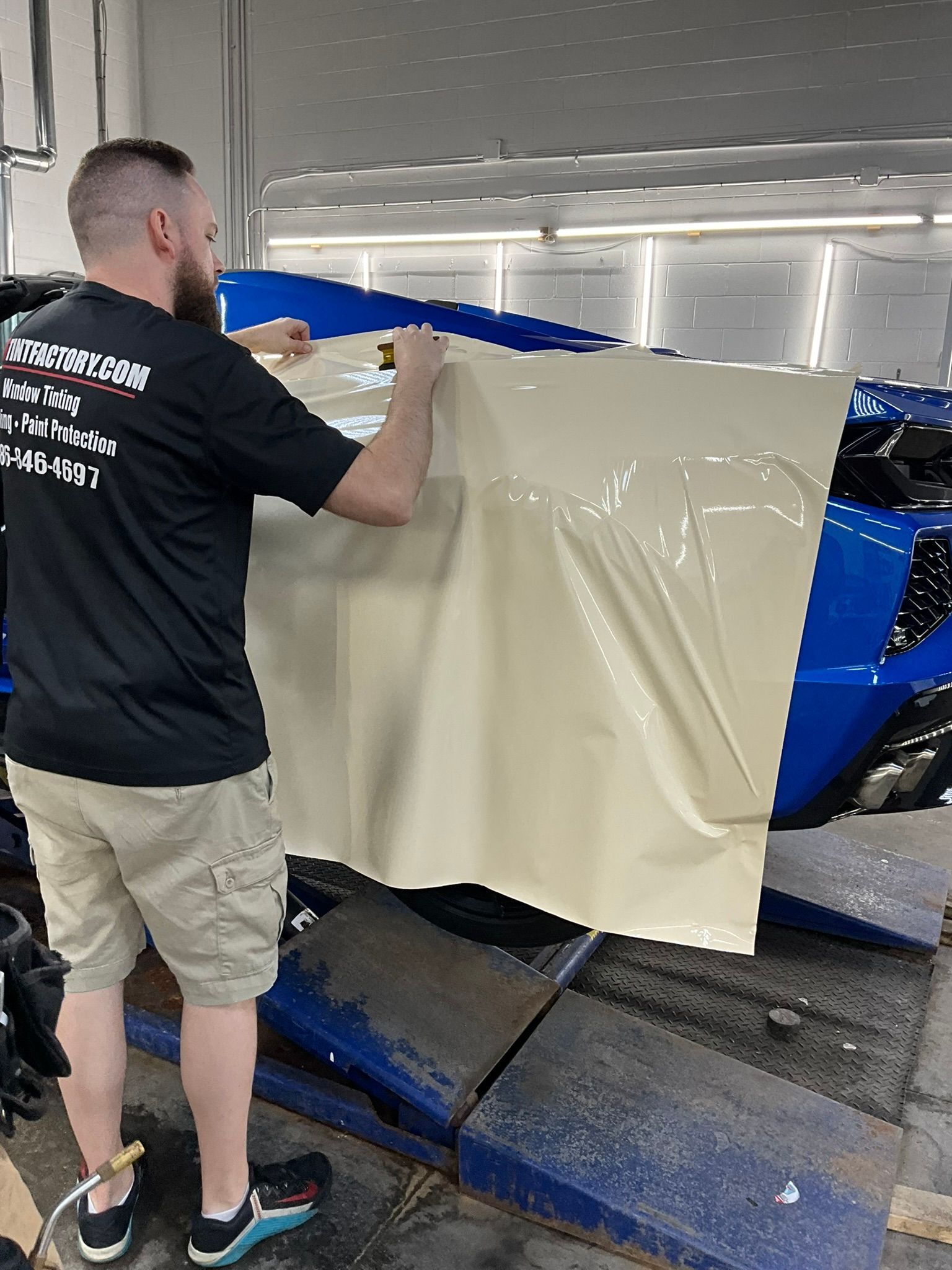
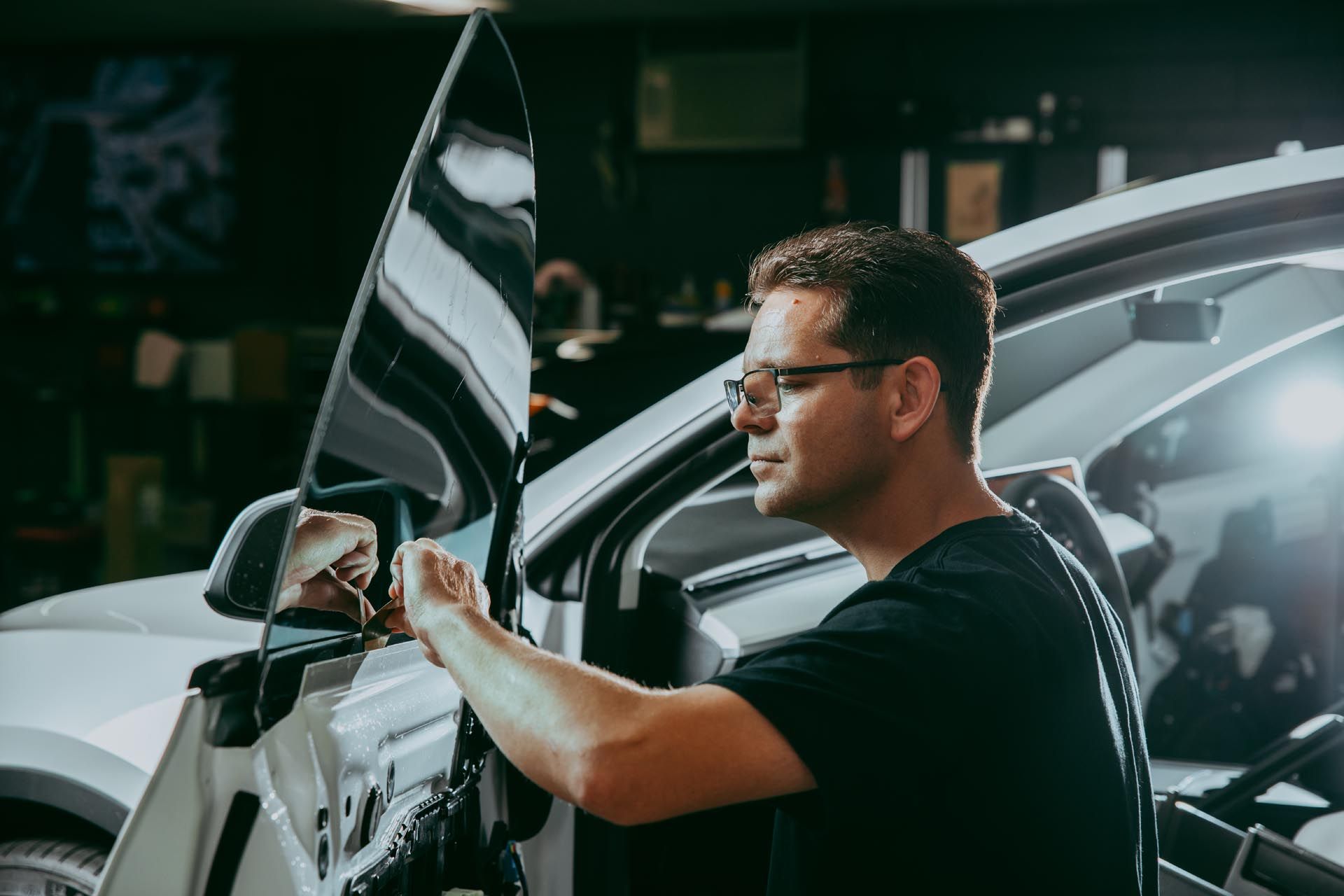
A professional tint installation ensures precision, giving your vehicle a clean and flawless appearance. Skilled technicians know the correct tinting techniques, allowing them to apply the film smoothly and evenly across the windows, avoiding any air pockets or wrinkles. This level of care can help maintain the car’s aesthetic appeal, which is crucial when you’re aiming to sell it later.
Additionally, investing in high-quality tint films made from durable materials provides lasting protection against UV rays, heat, and glare. Buyers are more likely to appreciate a vehicle that has high-quality, properly installed window tint. It signals that the car has been well-maintained and cared for, which can make it more attractive in the used car market. Quality tinting enhances not only the comfort and protection of the car but also its overall resale value, ensuring that your investment in tinting pays off when it’s time to sell.
Conclusion
As we’ve explored, window tinting offers far more than just a sleek look for your vehicle—it can significantly boost your car’s resale value. From enhancing aesthetics and providing comfort to protecting the interior and improving security, tinted windows contribute to both the functional and visual appeal of your car. They prevent sun damage, reduce glare, and even add an extra layer of privacy, making your vehicle more attractive to potential buyers.
The financial benefits are clear as well. A professional tinting job can be a smart investment that pays off when it’s time to sell. Not only do well-installed tinted windows improve the car’s overall condition, but they also demonstrate to buyers that the vehicle has been well-maintained. The result? A potentially higher resale price and a faster sale.
Of course, it’s important to consider factors like tinting laws, the quality of installation, and potential downsides like poorly done tints or overly dark shades. These aspects could impact your vehicle’s marketability, so always opt for professional installation and ensure your tint complies with local regulations.
In conclusion, if you’re a car owner looking to maximize the long-term value of your vehicle, window tinting is a worthwhile investment. It’s a simple upgrade that enhances the car’s appeal, protects it from damage, and potentially increases its resale value. So, why wait? Consider window tinting as a strategy to boost your car’s appeal and ensure that when the time comes to sell, your vehicle stands out in the best way possible!