Why PPF and Ceramic Coating Are Essential for Fleet Vehicles
For any fleet manager, maintaining a large number of vehicles can be a constant challenge. Whether it’s ensuring the vehicles are operating smoothly or keeping them looking presentable, it’s no secret that the appearance of your fleet can impact your business’s image. That’s where Paint Protection Film (PPF) and ceramic coatings come in. These two game-changing solutions can dramatically improve the longevity of your fleet’s appearance while protecting your investment.
But why are these treatments so critical for fleet vehicles? Simple. Fleets endure a lot of wear and tear – from harsh weather conditions to frequent road debris and accidental scratches. Over time, this can lead to costly repairs and significant depreciation. That’s why proactive protection is key. PPF acts as a durable shield against stone chips, scratches, and environmental pollutants, while ceramic coatings offer an additional layer of defense against dirt, water, and contaminants, making washing and maintaining the vehicles far easier.
In this article, we will explore the numerous reasons why fleet managers should consider applying PPF and ceramic coatings to their vehicles. We’ll dive into how these treatments not only preserve the paintwork but also reduce maintenance costs, enhance resale value, and contribute to a more professional appearance. Whether you’re managing a fleet of delivery trucks, service vehicles, or company cars, understanding the benefits of these protective layers can help you make informed decisions that pay off in the long run.
Let’s explore how these powerful solutions can take your fleet’s appearance and maintenance to the next level!
What is Paint Protection Film (PPF), and How Does It Safeguard Fleet Vehicles?
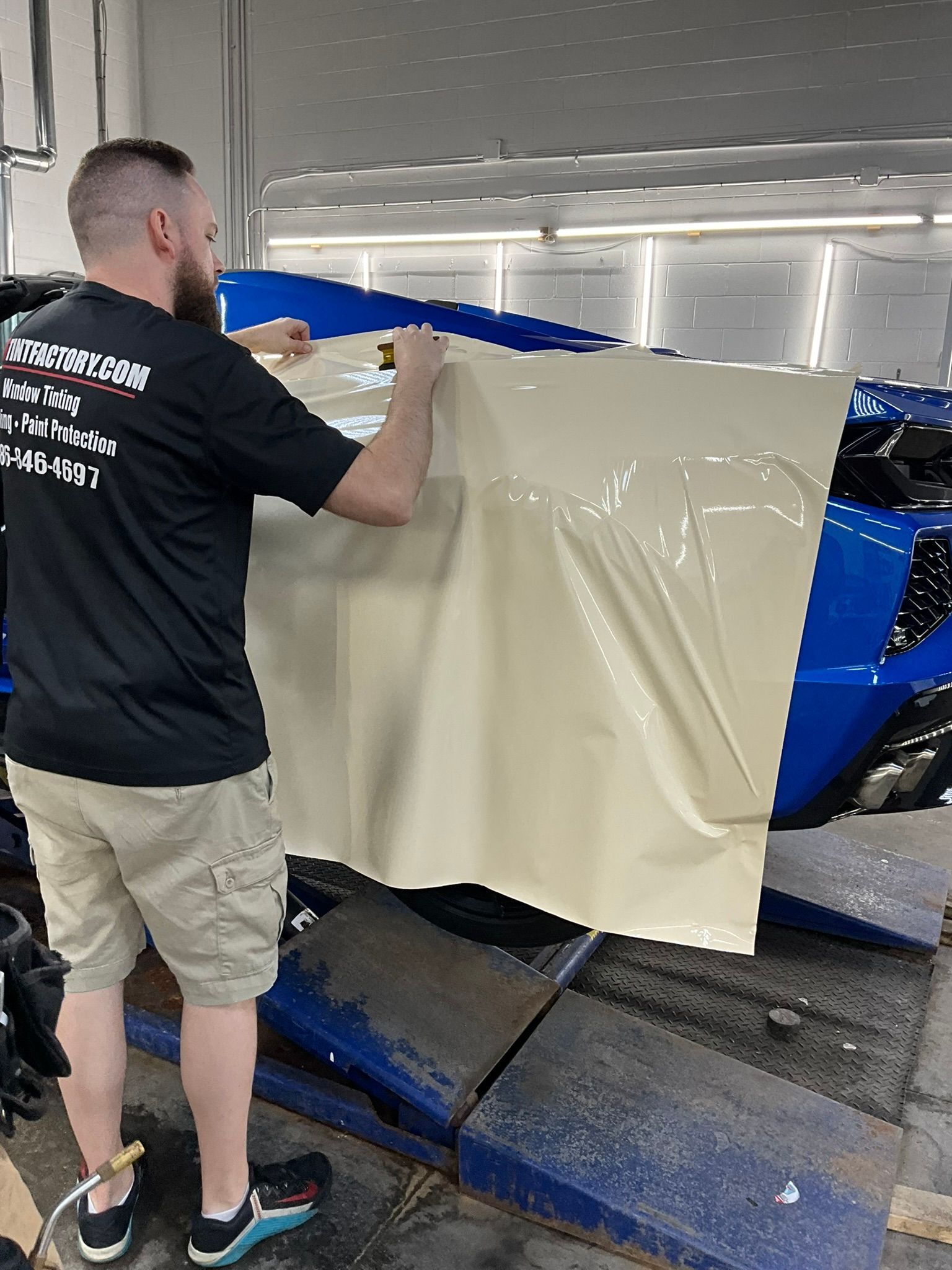
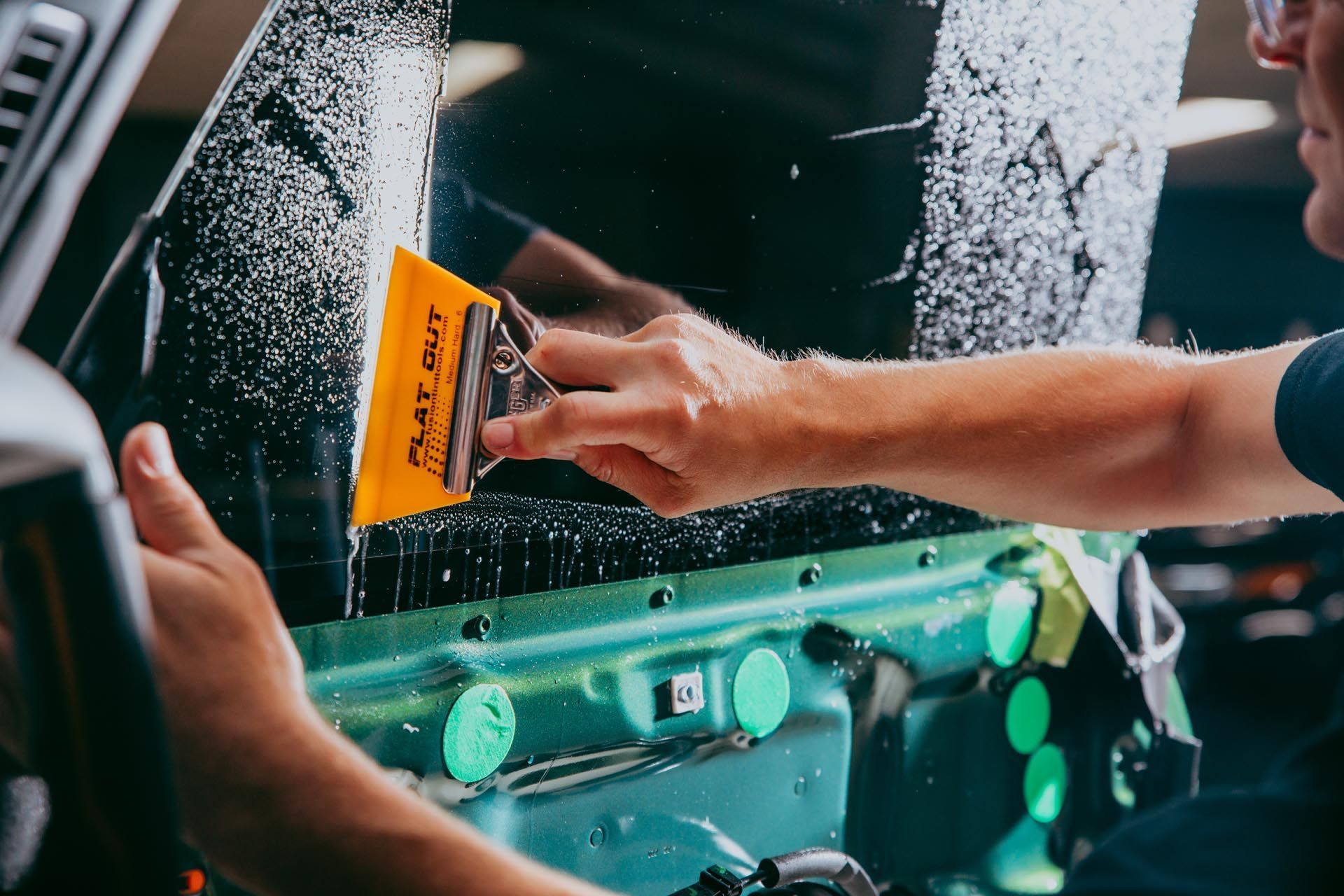
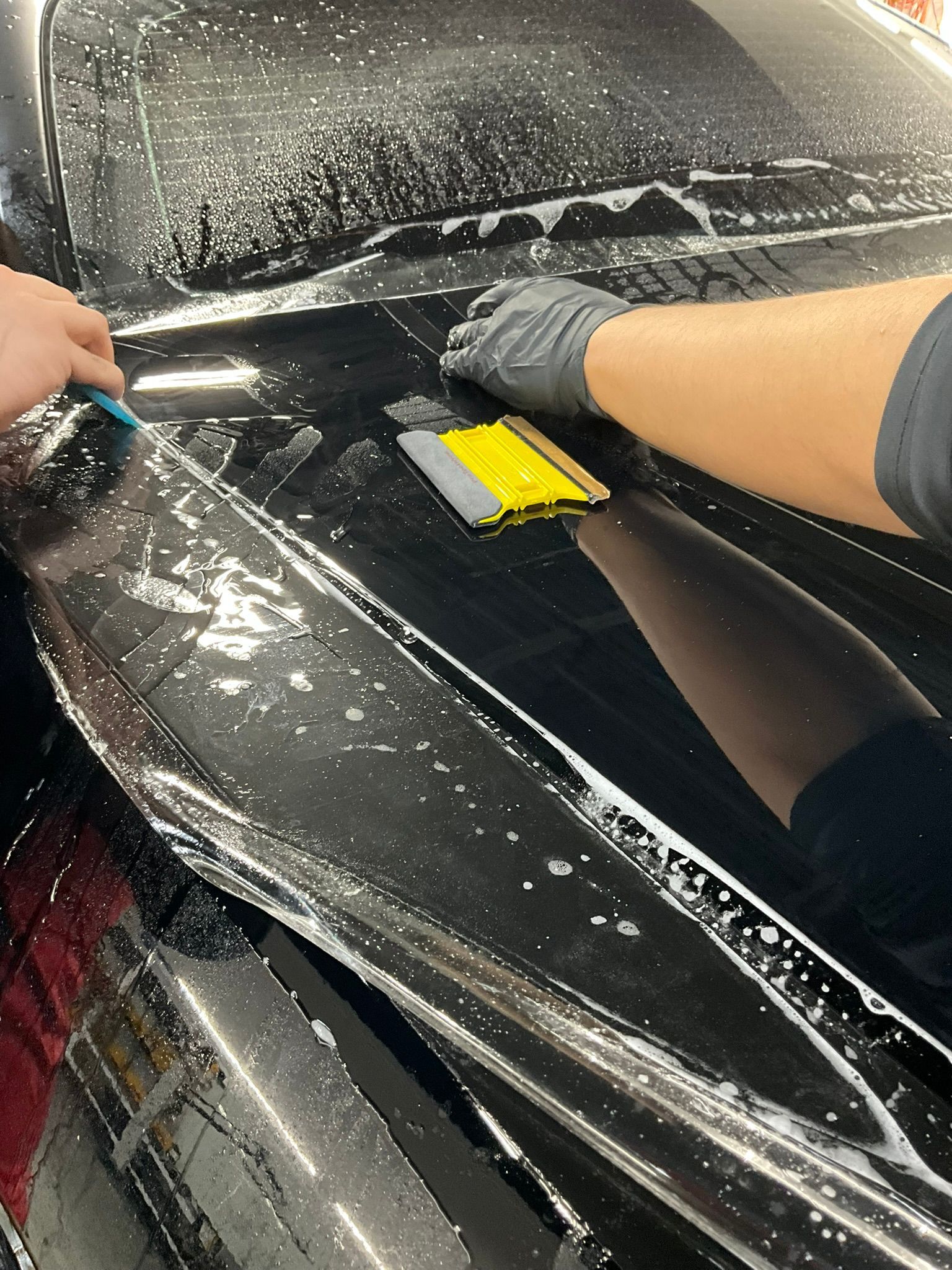
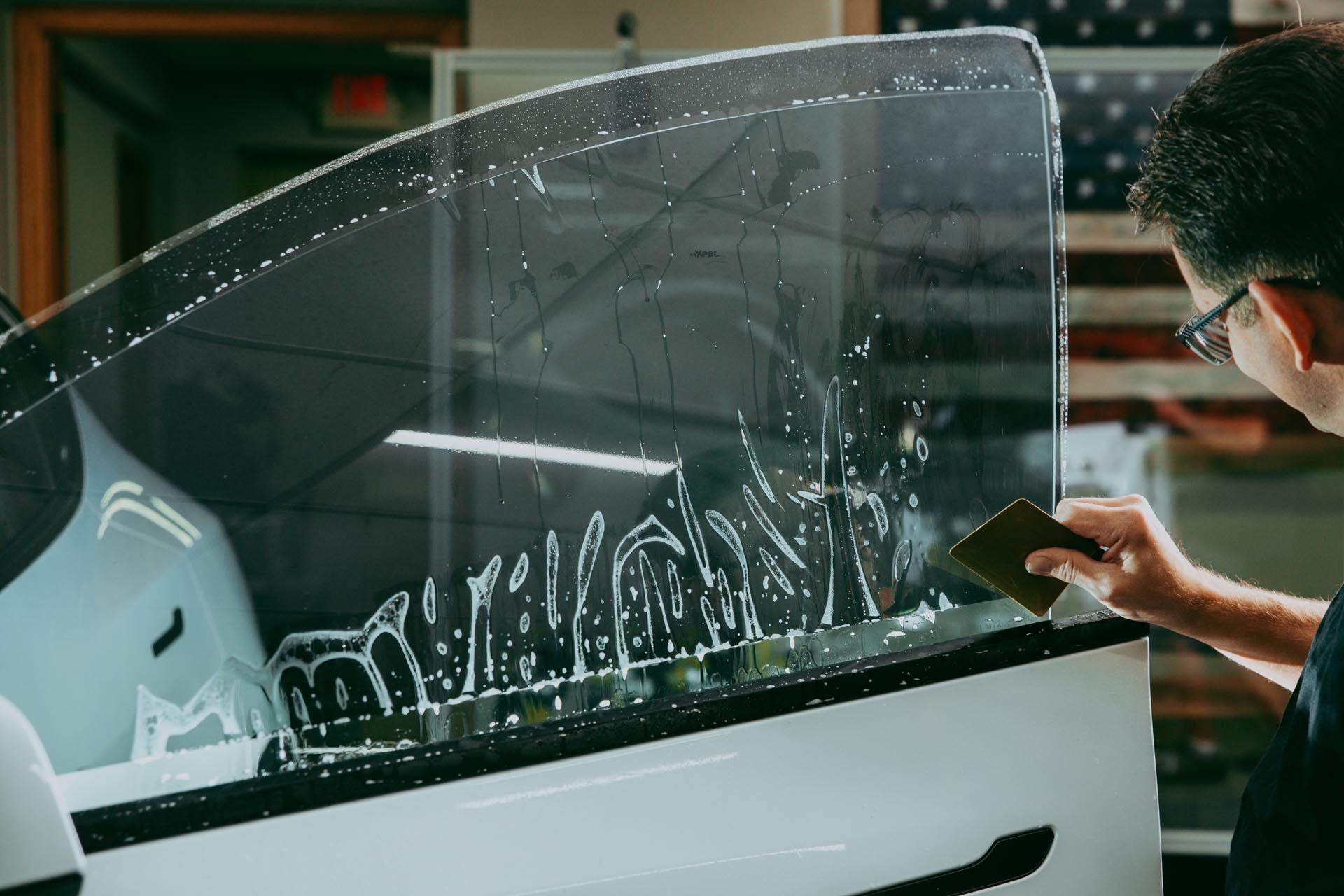
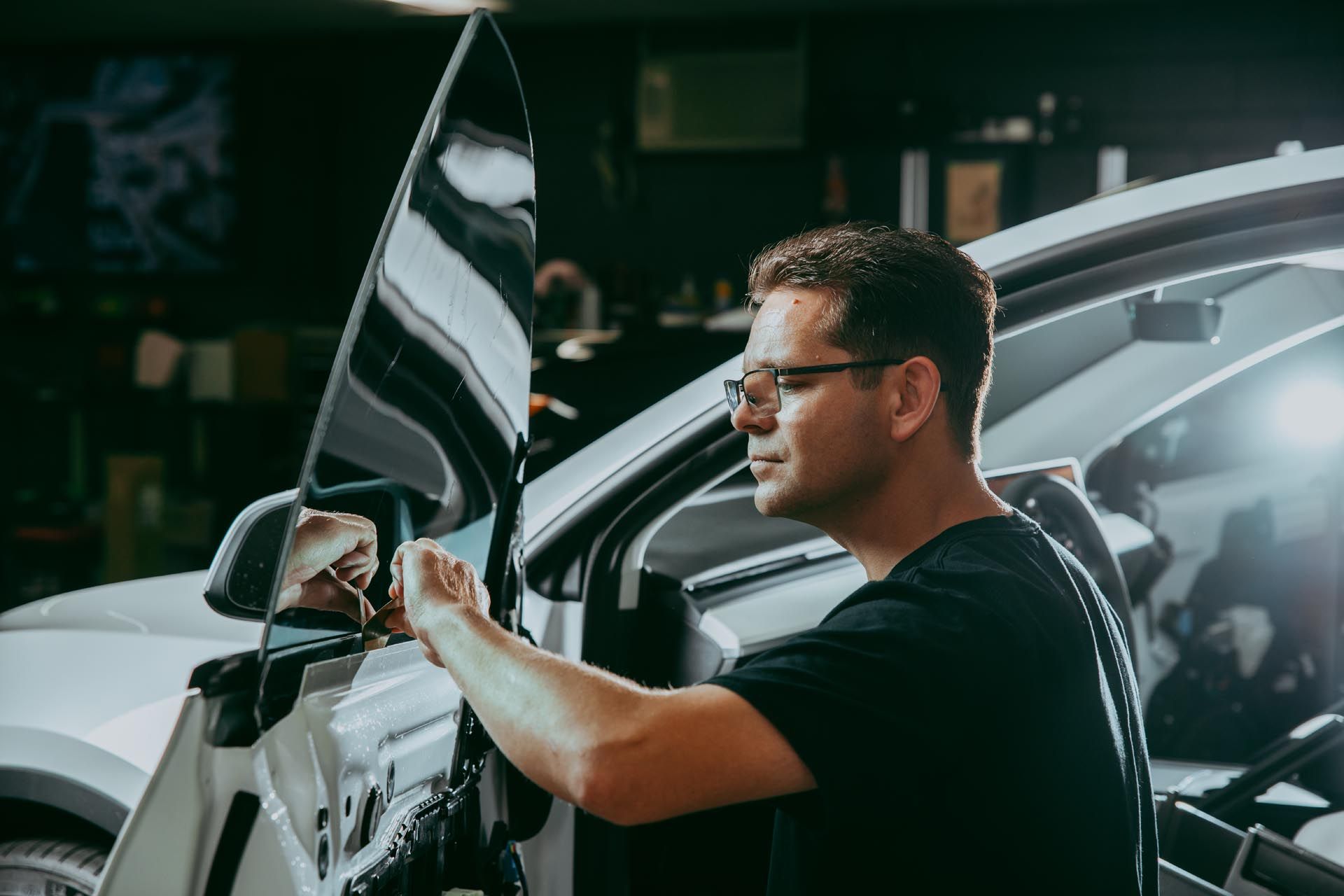
Paint Protection Film (PPF) is a transparent, durable layer applied to the exterior of a vehicle, designed to protect the paint from scratches, chips, and other damage. Think of it as an invisible shield that defends your fleet vehicles from daily wear and tear, keeping them looking brand new for longer!
So, how does it work? PPF is made from a tough, high-quality polymer material that absorbs impacts from road debris like rocks and gravel. It forms a nearly impenetrable barrier between your fleet’s paint and the environment. Whether it’s a stray pebble on the highway or the occasional shopping cart bump, PPF ensures that the vehicle’s paint stays intact.
One of the best features of PPF is its self-healing technology. Minor scratches and swirl marks actually disappear over time when exposed to heat – either from the sun or a warm wash – making it a long-lasting solution. Beyond just protection, PPF enhances the overall appearance of the vehicle by preserving the paint’s original shine and gloss.
For fleet managers, applying PPF means fewer touch-ups and repairs, less downtime, and ultimately, a more professional look for your entire fleet. It’s an investment that truly pays off!
How Does Ceramic Coating Enhance the Protection of Fleet Vehicle Exteriors?
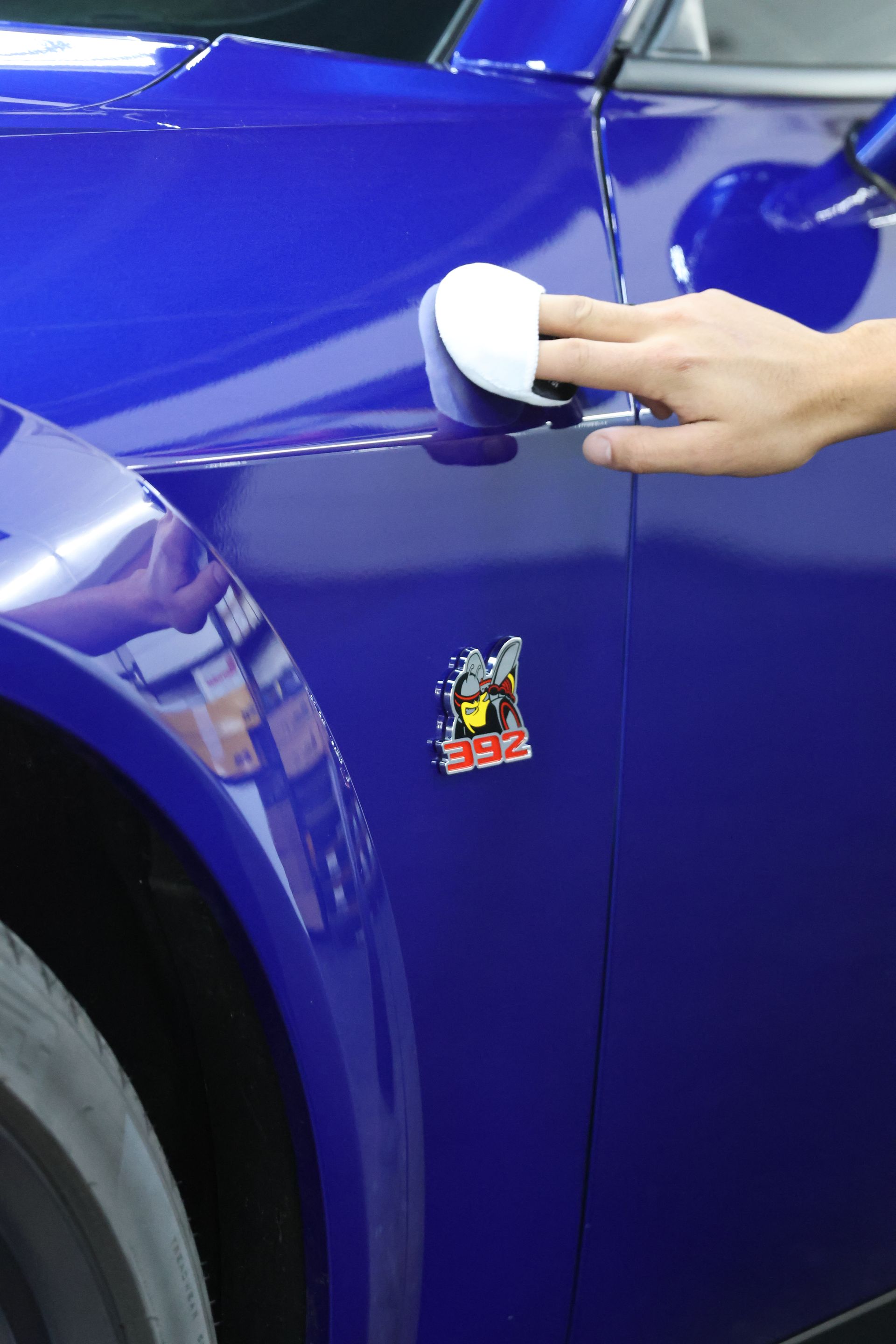
Ceramic coating is a liquid polymer applied to the exterior of a vehicle, creating a protective layer that bonds with the paint. It’s more than just a shine booster – it’s a high-tech solution designed to keep fleet vehicles looking pristine for much longer!
So, what makes ceramic coating so special? The key lies in its ability to form a durable, hydrophobic surface. Once applied, it creates a slick, water-repellent shield that prevents water, dirt, and contaminants from sticking to the vehicle’s surface. This means no more worrying about muddy rain spots or water stains that can dull the paint.
Ceramic coating also acts as a barrier against harmful UV rays, oxidation, and chemicals that can wear down your fleet’s exterior. The smooth surface reduces friction, making it harder for contaminants like bird droppings, tree sap, or road salt to damage the paint. As a result, cleaning becomes much easier, saving time and money on frequent washes and detailing.
For fleet managers, ceramic coating isn’t just about aesthetics—it’s about minimizing long-term maintenance and preserving the value of each vehicle. With its self-cleaning properties and lasting protection, ceramic coating ensures your fleet stays in top shape, regardless of the elements.
Why Should Businesses Invest in PPF and Ceramic Coating for Their Fleets?
When it comes to maintaining a fleet, businesses are always looking for ways to save on costs and maximize the longevity of their vehicles. That’s where Paint Protection Film (PPF) and Ceramic Coating come in! Investing in these protective solutions is not just a luxury—it’s a smart business decision.
The long-term benefits of PPF and ceramic coatings are significant. Both create a shield against the elements, preventing scratches, chips, and damage from UV rays. This protection keeps the fleet looking fresh, which is essential for maintaining a professional image. After all, the appearance of your vehicles is a reflection of your brand!
But the real savings come in the form of reduced maintenance costs. Regular cleaning and upkeep are far less frequent with PPF and ceramic coatings. These coatings prevent contaminants like dirt, tree sap, and bird droppings from adhering to the paint, which means less time and money spent on detailing. Additionally, the durable nature of PPF and ceramic coatings reduces the risk of costly paint repairs, saving businesses a significant amount in the long run.
By investing in PPF and ceramic coating, businesses can not only protect the visual appeal of their fleet but also keep maintenance costs low and improve the resale value of their vehicles. It’s an investment that pays for itself over time!
What Are the Specific Benefits of Applying Both PPF and Ceramic Coating Together?
Why settle for one layer of protection when you can have two? When it comes to safeguarding fleet vehicles, combining Paint Protection Film (PPF) and Ceramic Coating offers a powerhouse solution for maximum defense. These two protective layers work in harmony, providing a level of protection that neither could achieve on its own.
First off, PPF acts as the first line of defense, physically shielding the vehicle’s exterior from rock chips, scratches, and abrasions. It’s like an invisible armor for your fleet. But that’s where ceramic coating steps in, enhancing the PPF’s performance by adding a hydrophobic layer that repels water, dirt, and other contaminants. Together, they form a formidable barrier against the elements.
The synergistic benefits are clear. While PPF provides a durable, self-healing shield that absorbs impacts, the ceramic coating adds a glossy, easy-to-clean finish that protects against UV rays and oxidation. The result? A fleet that looks newer for longer, with minimal maintenance required.
By applying both PPF and ceramic coating, you ensure that your vehicles are protected against both physical damage and the daily environmental hazards they face. It’s a winning combination that keeps your fleet looking sharp and performing at its best—while saving you time and money on upkeep.
When Is the Optimal Time to Apply PPF and Ceramic Coating to New or Existing Fleet Vehicles?
Timing is everything! When it comes to applying Paint Protection Film (PPF) and Ceramic Coating to fleet vehicles, choosing the right moment can make all the difference. So, when should you apply these protective layers?
For new vehicles, the best time is right after the car’s paint has fully cured—typically within 30 to 60 days of purchase. During this period, the paint is still in the process of settling, and applying PPF and ceramic coating too soon could interfere with the curing process. Once that window has passed, the vehicle’s surface is ready for protection, and applying these coatings will ensure a smooth, long-lasting finish right from the start.
For existing vehicles, the application timeline may require more preparation. Before applying PPF and ceramic coating, the vehicle’s paint should be properly cleaned and prepped. This may include addressing any imperfections through paint correction to remove swirl marks or scratches. If the vehicle has been on the road for a while, it’s important to ensure the surface is in the best condition possible for proper adhesion.
Whether it’s a fresh-off-the-lot car or a well-used fleet vehicle, applying PPF and ceramic coating at the right time is key to ensuring maximum protection, durability, and long-term aesthetic appeal!
Where on the Vehicle Should PPF Be Applied for Maximum Protection?
When it comes to maximizing protection with Paint Protection Film (PPF), it’s all about strategic placement! While PPF can be applied to the entire vehicle, certain areas are particularly vulnerable to damage and should be prioritized for maximum effectiveness.
High-risk areas on fleet vehicles typically include the front end, where chips, scratches, and rock impacts are most likely. This means the hood, front bumper, fenders, and side mirrors should be top candidates for PPF application. These areas take the brunt of road debris, bugs, and even weather-related damage.
The front bumper is especially crucial since it is exposed to the highest number of impacts from rocks and road debris. Similarly, the hood bears the brunt of flying debris and windshield wiper damage. If you want to go a step further, applying PPF to the side skirts, door edges, and door handles can also help guard against everyday wear and tear, like scratches from shopping carts or minor parking lot dings.
When deciding where to apply PPF, think about the areas most exposed to the elements and regular contact. Prioritizing high-impact spots ensures the protection lasts longer, keeping your fleet looking sharp while saving you from costly repairs!
How Does the Application of PPF and Ceramic Coating Impact the Maintenance Routine of Fleet Vehicles?
The addition of Paint Protection Film (PPF) and Ceramic Coating to fleet vehicles can significantly streamline maintenance routines! These advanced protective layers don’t just shield vehicles from external elements—they also reduce the amount of time and effort needed for upkeep.
First off, reduced washing and detailing time is one of the biggest benefits. With Ceramic Coating’s hydrophobic properties, water and dirt slide right off the surface, making it easier to clean your fleet. Water spots, bird droppings, and grime won’t stick as stubbornly to the paint, allowing for quicker washes and less frequent detailing sessions. This means your vehicles stay cleaner for longer, and you’ll spend less time on regular cleaning.
Additionally, fewer repairs and touch-ups are needed. PPF acts as a shield against rock chips, scratches, and environmental contaminants, reducing the need for costly bodywork repairs and paint touch-ups. Ceramic Coating further enhances the protection by preventing oxidation and fading, preserving the vehicle’s appearance over time.
Together, PPF and Ceramic Coating make fleet maintenance simpler, more efficient, and cost-effective. With these protective coatings in place, you can spend less time worrying about wear and tear, and more time focusing on your business!
What Cost Savings Can Businesses Expect from Implementing PPF and Ceramic Coating on Their Vehicles?
Implementing Paint Protection Film (PPF) and Ceramic Coating on fleet vehicles can lead to significant cost savings in the long run! These protective layers are more than just a luxury—they offer tangible financial benefits that businesses can rely on.
One of the most noticeable cost-saving advantages is reduced maintenance costs. Since PPF helps protect vehicles from chips, scratches, and other surface damages, businesses can save on expensive repairs and touch-ups. Similarly, Ceramic Coating’s hydrophobic properties make it easier to clean vehicles, reducing the need for frequent detailing services. As a result, your fleet’s upkeep becomes less time-consuming and costly.
Another key area of savings comes from longer lifespan and higher resale value. Vehicles with PPF and Ceramic Coating are less prone to wear and tear, meaning they last longer and maintain their appearance over time. This extended lifespan reduces the frequency of vehicle replacements, which can be a major expense for businesses managing large fleets. Additionally, when it’s time to sell or trade in vehicles, their well-preserved condition—thanks to the protection from PPF and Ceramic Coating—means they’ll fetch a higher resale value.
Ultimately, the upfront investment in these coatings pays off by lowering ongoing maintenance costs and boosting the resale potential of your fleet vehicles.
Are There Any Potential Drawbacks or Maintenance Requirements Associated with PPF and Ceramic Coating?
While Paint Protection Film (PPF) and Ceramic Coating offer exceptional protection for fleet vehicles, it’s important to consider the potential drawbacks or maintenance requirements that come with them.
One challenge that some businesses may face is the initial cost of applying PPF and Ceramic Coating. These protective layers can be a significant upfront investment, especially when applying them to a large fleet. However, the long-term benefits, such as reduced repair costs and extended vehicle lifespan, generally outweigh the initial expenses. It’s also essential to factor in the cost of professional installation, as these coatings require expertise to ensure proper application.
In terms of maintenance, both PPF and Ceramic Coating require some care to preserve their effectiveness. While they do reduce the need for frequent washing or detailing, routine maintenance is still necessary. For instance, PPF should be inspected regularly for any damage or peeling, especially in areas that are prone to high wear, like bumpers and side mirrors. Similarly, Ceramic Coating may need to be reapplied periodically to maintain its hydrophobic properties and ensure maximum protection.
Another consideration is that improper cleaning or using harsh chemicals on the coatings can cause damage over time, reducing their effectiveness. To preserve the coatings, it’s essential to follow proper cleaning protocols and avoid abrasive materials.
Despite these minor drawbacks, the overall advantages of PPF and Ceramic Coating—reduced maintenance, enhanced protection, and cost savings—make them worthwhile investments for fleet vehicle care.
How Do PPF and Ceramic Coating Contribute to Enhancing the Brand Image and Professionalism of a Fleet?
When it comes to fleet vehicles, the appearance is everything! Clean, shiny vehicles are not just about looks—they speak volumes about a company’s commitment to quality and professionalism. Applying Paint Protection Film (PPF) and Ceramic Coating to your fleet can significantly enhance your brand’s image, setting you apart from competitors.
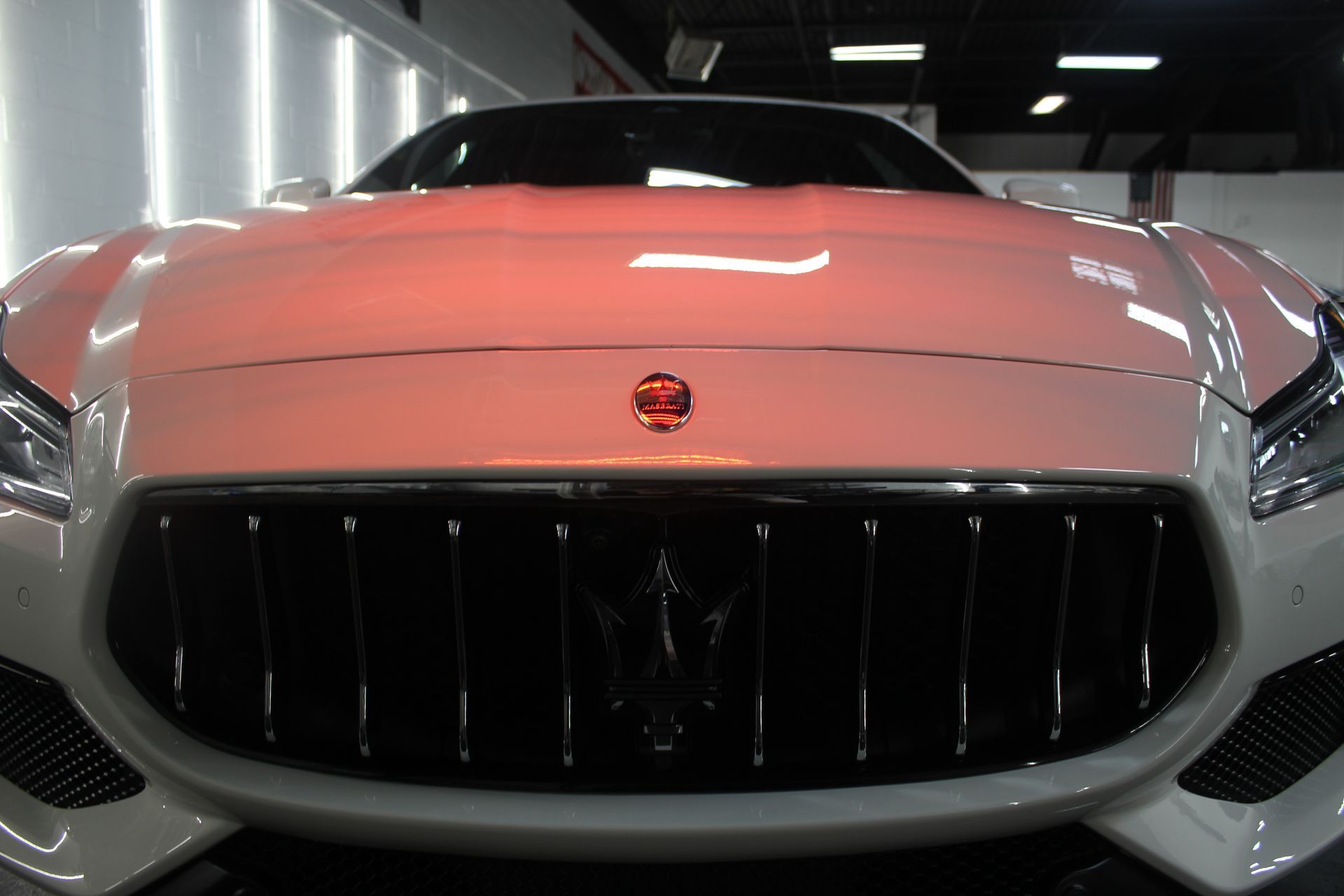
PPF and Ceramic Coating help keep your vehicles looking pristine for longer by protecting them from scratches, dirt, and contaminants. This results in a consistent, glossy finish that gives a polished, professional look. Imagine driving through the city with a fleet of vehicles that stand out because they are sleek, shiny, and well-maintained. This level of attention to detail doesn’t go unnoticed by clients or potential customers. It sends a message that your business cares about quality and values the image it presents to the world.
In addition to maintaining a high level of cleanliness, these protective layers also preserve the integrity of your vehicles’ paint over time. By reducing the frequency of repairs, touch-ups, and cleaning, you’re ensuring your fleet continues to look new for longer—boosting the professionalism of your brand.
Ultimately, well-maintained vehicles demonstrate that your business is reliable, organized, and committed to providing excellent service. With PPF and Ceramic Coating, you’re not only protecting your assets but also enhancing your company’s image and reputation.
Conclusion
In conclusion, protecting your fleet vehicles with Paint Protection Film (PPF) and Ceramic Coating is no longer just a luxury—it’s a necessity for businesses looking to maintain their assets and brand image. We’ve seen how these coatings not only preserve the appearance of vehicles but also offer long-term savings by reducing maintenance costs and the frequency of repairs. By applying PPF and Ceramic Coating, you’re making a proactive investment in the longevity of your fleet, enhancing its professionalism, and ensuring that your vehicles remain in top-notch condition for years to come.
These protective measures do more than just shield against scratches and dirt—they keep your vehicles shining bright, reducing the time spent on washing and detailing. As a result, businesses experience fewer disruptions to their operations, lower upkeep costs, and even higher resale values for their vehicles. The benefits of PPF and Ceramic Coating are clear: they deliver tangible, long-term savings and elevate the professionalism of your brand.
If you haven’t already, now is the time to consider investing in PPF and Ceramic Coating for your fleet. The impact on your fleet management, operational efficiency, and overall brand reputation is undeniable. Don’t let your vehicles fall victim to wear and tear—opt for protection that lasts and sets your business apart.
Looking ahead, the future of fleet vehicle maintenance is being transformed by innovations like PPF and Ceramic Coating. By embracing these technologies, you’re not only protecting your fleet but also positioning your company for success in an ever-competitive market. It’s time to invest in the future of your fleet today!