UV Damage Prevention: How Tinted Windows Extend the Life of Your Car’s Interior
Your car isn’t just a mode of transportation—it’s an investment. Whether you drive it daily or keep it in pristine condition for resale, protecting its interior from wear and tear should be a top priority. Yet, one of the most overlooked threats to your vehicle’s interior is something you can’t even see: ultraviolet (UV) radiation. The sun’s powerful UV rays penetrate your windows and slowly degrade the materials inside, leading to faded leather seats, cracked dashboards, and brittle plastic components. Over time, this damage can make even the most well-maintained vehicle look aged and neglected.
This is where window tinting comes in as a game-changer. By blocking up to 99% of harmful UV rays, tinted windows act as a protective barrier that extends the life of your car’s interior. But the benefits don’t stop at UV protection—tinted windows also reduce heat buildup, enhance comfort, and improve energy efficiency by easing the strain on your air conditioning. Plus, they add a sleek, polished look to your vehicle while offering an extra layer of privacy and security.
In this article, we’ll explore how window tinting helps prevent UV damage, compare it to other interior protection methods, and discuss legal considerations and maintenance tips. You’ll learn not just why window tinting is an essential upgrade, but how to choose the best tint for maximum protection. By the end, you’ll have a clear understanding of how this simple addition can prolong your car’s interior, save you money on repairs, and keep your vehicle looking newer for longer. Let’s dive in!
Understanding UV Radiation and Its Impact on Car Interiors
We all know that prolonged sun exposure can harm our skin, but did you know it can also wreak havoc on your car’s interior? Ultraviolet (UV) radiation is an invisible yet powerful force that gradually deteriorates materials inside your vehicle, leading to fading, cracking, and irreversible damage. Unlike visible light, UV rays penetrate deeply into surfaces, breaking down chemical bonds in leather, plastic, and fabric components over time.
The Science Behind UV Damage
UV radiation is classified into three types: UVA, UVB, and UVC. While UVC is absorbed by the Earth’s atmosphere, UVA and UVB rays penetrate your car’s windows and affect interior surfaces. UVA rays are particularly damaging because they can break down polymers in materials like leather, vinyl, and plastic, causing them to fade, dry out, and become brittle. UVB rays, while less penetrative, contribute to surface-level damage, accelerating discoloration and cracking.
The Effects of UV Damage on Different Interior Materials
- Leather Seats & Upholstery –
Sun exposure strips natural oils from leather, leading to dryness, stiffness, and cracks. Over time, untreated leather may lose its original texture and become rough and brittle.
- Plastic and Vinyl Trim –
Dashboards, door panels, and center consoles can fade, warp, and even develop cracks due to prolonged heat and UV exposure.
- Fabric Upholstery –
While not as prone to cracking as leather, fabric seats fade and weaken, making them more susceptible to tears.
UV damage doesn’t just make your car’s interior look older—it also lowers resale value and can lead to costly repairs. That’s why finding a reliable way to block UV rays is essential for long-term vehicle maintenance. In the next section, we’ll explore how window tinting serves as an effective solution to prevent this damage.
How Does Window Tinting Block Harmful UV Rays?
UV radiation is one of the most destructive forces affecting your vehicle’s interior, but window tinting acts as a protective barrier that significantly reduces exposure. High-quality tint films are designed to filter out up to 99% of harmful UV rays, preventing sun damage while maintaining visibility. But how exactly does window tinting work, and what makes it such an effective solution?
The Science Behind UV-Blocking Window Films
Window tinting is made using multiple layers of polyester or ceramic-based materials infused with UV-absorbing compounds. These layers work together to block and reflect ultraviolet radiation, preventing it from penetrating your car’s interior. Unlike traditional glass, which offers minimal UV protection, tinted windows significantly reduce exposure, preserving the longevity of your seats, dashboard, and trim.
Types of Window Tint and Their UV Protection Levels
Not all tints provide the same level of protection. Here’s how different types of tint compare:
- Dyed Window Tint
– While affordable, dyed tints primarily reduce glare and offer only moderate UV protection. Over time, they may fade and become less effective.
- Metallic Window Tint
– This type contains metallic particles that reflect UV rays and heat. However, it can interfere with electronic signals like GPS and radio reception.
- Ceramic Window Tint
– The highest-quality option, ceramic tint blocks up to 99% of UV rays without affecting electronic signals. It also reduces heat, making it an excellent long-term investment.
Why UV Protection Matters for Your Car’s Interior
By significantly reducing UV penetration, window tinting helps to:
- Prevent leather and plastic from drying, cracking, and fading
- Maintain the car’s resale value by keeping the interior in good condition
- Reduce glare, enhancing visibility and driving comfort
UV damage is an ongoing issue for car owners, but tinted windows act as an invisible shield, keeping your interior safe while improving comfort. In the next section, we’ll explore how tinting also regulates temperature, making your vehicle even more enjoyable to drive.
Comparing Window Tinting to Other Interior Protection Methods
Protecting your car’s interior from UV damage is crucial, but how does window tinting compare to other common methods? While sunshades, seat covers, and parking in shaded areas can help, they come with limitations.
Effectiveness and Convenience
Sunshades are a temporary solution, requiring frequent installation and removal. Seat covers protect upholstery but don’t prevent dashboard fading or trim damage. Parking in shaded areas reduces sun exposure but isn’t always an option. Window tinting, on the other hand, provides continuous UV protection without extra effort.
Long-Term Cost Efficiency
While high-quality tinting has an upfront cost, it saves money over time by preventing costly interior repairs. Unlike sunshades or seat covers, which need replacement, tinting is a one-time investment that lasts for years.
When comparing options, window tinting stands out as the most comprehensive, hassle-free solution. It not only blocks UV rays but also reduces heat buildup and enhances privacy—offering superior interior protection while keeping your car looking stylish.
Legal Considerations and Regulations for Window Tinting
Before tinting your windows, it’s crucial to understand the legal restrictions that vary by location. Different states and countries impose specific limits on tint darkness (VLT percentage) and reflectivity to ensure safety and visibility.
Why These Laws Exist
Regulations help balance UV protection, privacy, and driver visibility. Overly dark tints can reduce nighttime visibility, posing a risk to drivers and pedestrians. Law enforcement must also be able to see inside vehicles for safety reasons.
Ensuring Compliance
To avoid fines or the need for removal, always check your local laws before tinting. Work with a professional installer who understands legal limits while maximizing UV protection. Choosing a compliant tint ensures long-term benefits without legal concerns.
Choosing the Right Window Tint for Maximum UV Protection
Selecting the ideal window tint for UV protection requires considering factors like material type, Visible Light Transmission (VLT) percentage, and UV-blocking capabilities. The right choice ensures maximum interior preservation and driving comfort.
Key Factors to Consider
- Material
: Ceramic and carbon films offer superior UV blocking without interfering with electronics, unlike metallic tints.
- VLT Percentage
: A lower VLT means darker tint, but many high-quality films provide excellent UV protection even at higher VLT levels.
- UV Rejection Rate
: Look for tints that block at least 99% of UV rays to prevent interior damage.
Making the Best Choice
Invest in high-quality, professionally installed tint to ensure long-term durability and compliance with local regulations.
The Role of Professional Installation in Ensuring Effectiveness
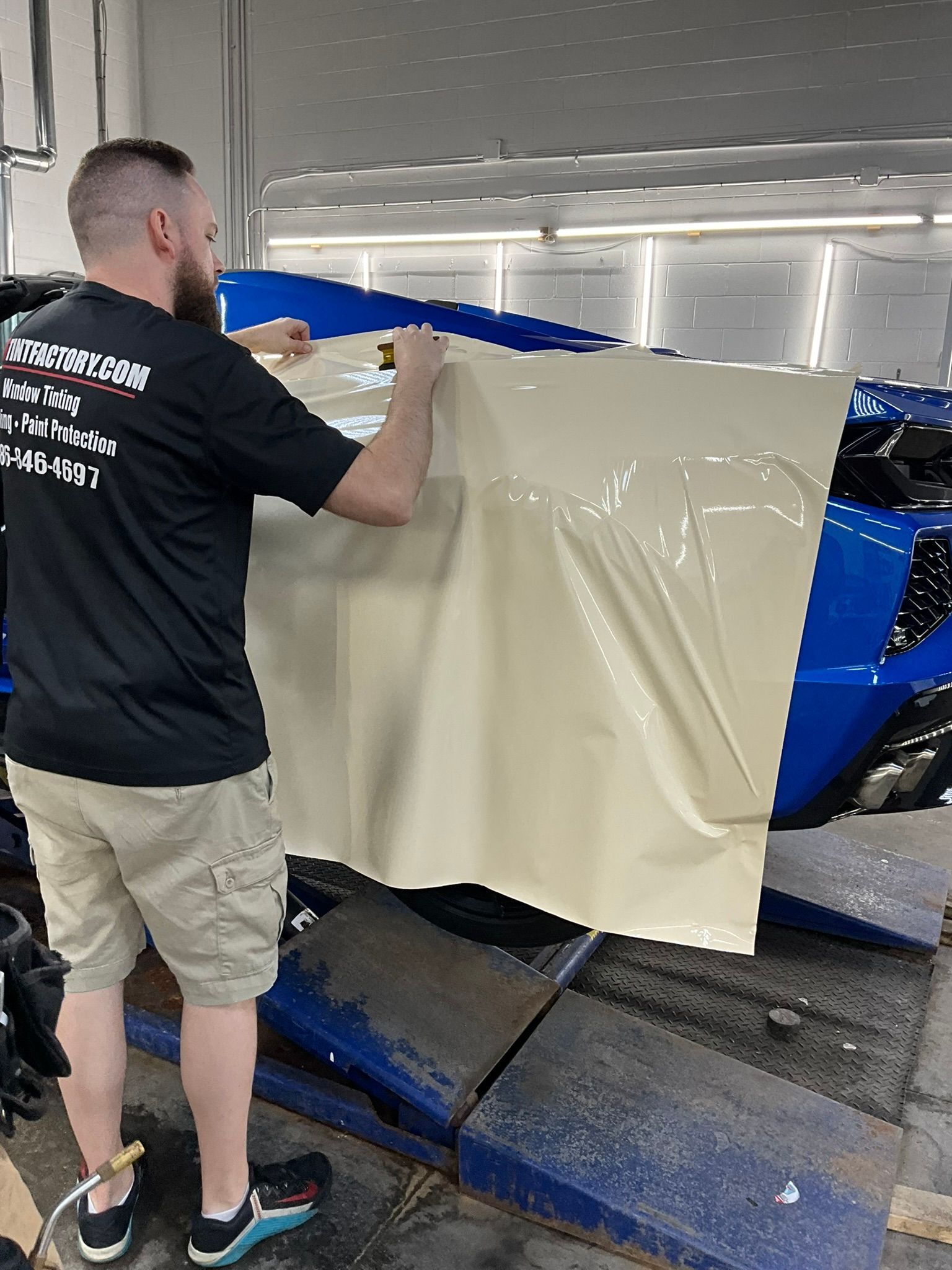
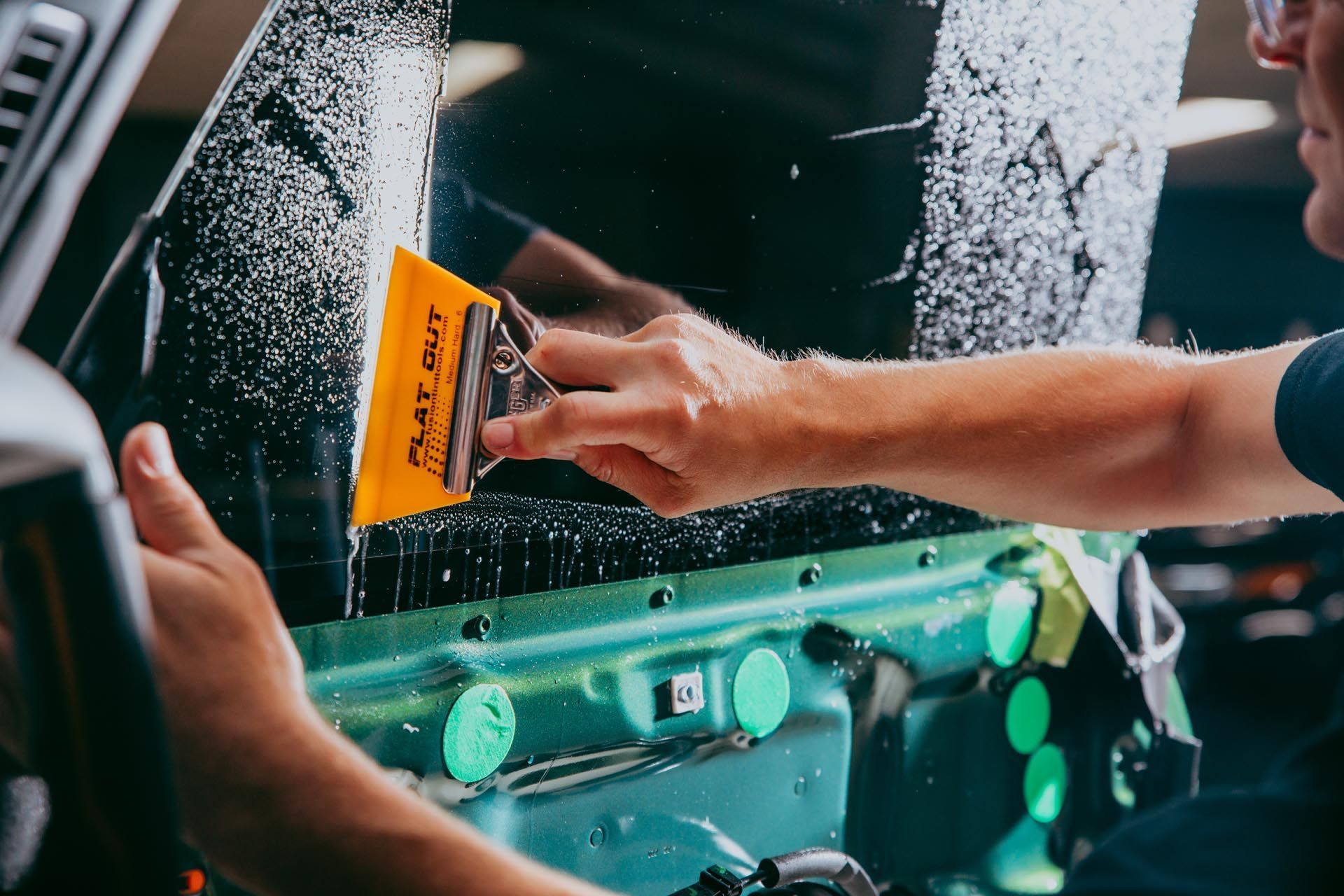
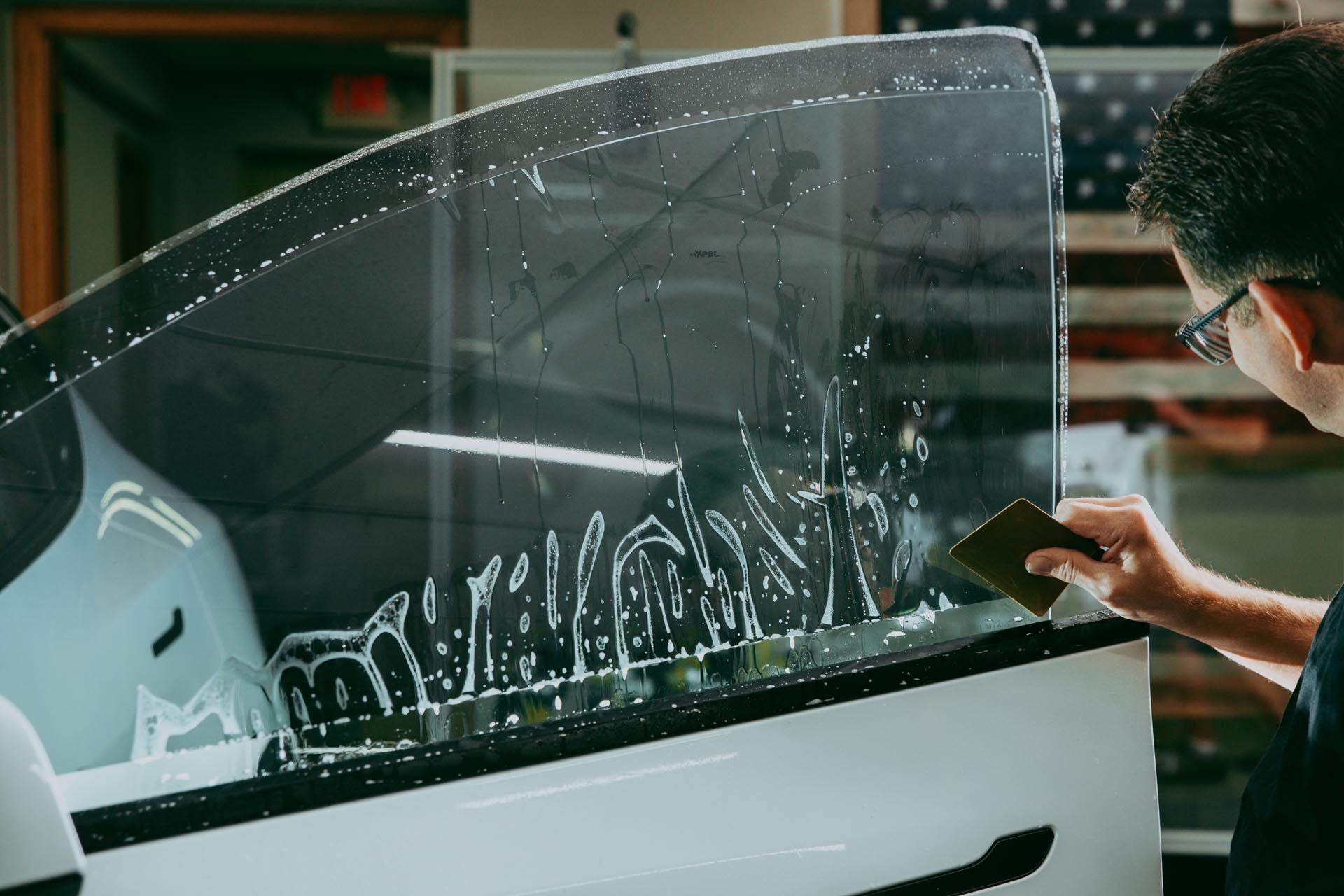
Having window tinting installed by certified professionals is crucial for maximizing its UV protection, longevity, and overall performance. A poorly installed tint can lead to bubbling, peeling, or uneven coverage, reducing its effectiveness.
Why Professional Installation Matters
- Precision and Expertise
: Professionals ensure a flawless application, preventing air bubbles and misalignment.
- Proper Adhesion
: Certified installers use high-quality tools and techniques to enhance durability and resistance to peeling.
Avoiding Common Issues
- DIY kits lack durability, often resulting in uneven application and reduced UV protection.
- Incorrect installation can lead to legal issues if the tint exceeds legal limits.
Investing in professional installation guarantees optimal protection, compliance, and long-term value.
Maintenance Tips to Prolong the Life of Tinted Windows and Interior
Proper maintenance is essential to ensure window tinting remains effective in blocking UV rays and protecting your car’s interior. With the right care, tinted windows can last for years without fading, bubbling, or peeling.
How to Maintain Tinted Windows
- Use Ammonia-Free Cleaners
: Harsh chemicals can degrade the tint film and cause discoloration.
- Soft Cleaning Materials
: Use microfiber cloths or soft sponges to prevent scratches.
Additional Practices for Interior Preservation
- Regular Leather Conditioning
: Protects seats from drying and cracking.
- Use Sunshades
: Adds extra UV protection when parked in direct sunlight.
By following these maintenance tips, you can extend the lifespan of both your tinted windows and interior surfaces, keeping your vehicle in top condition.
Addressing Common Misconceptions About Window Tinting
Window tinting is often misunderstood, leading to hesitation among car owners. Many believe that tinted windows eliminate the need for other sun protection measures, but while tinting significantly reduces UV exposure, additional precautions like sunshades or conditioning treatments can further protect the interior.
Clarifying Myths About Window Tinting
- “Tinting Makes Windows Too Dark to See at Night”
– High-quality tints come in various shades, including light films that provide UV protection without reducing visibility.
- “Tinting Will Peel or Bubble Over Time”
– Professionally installed, high-quality tint films are durable and can last for years with proper care.
By understanding the facts about window tinting, car owners can make informed decisions and enjoy the full benefits of UV protection, heat reduction, and interior preservation.
How Window Tinting Enhances Comfort and Energy Efficiency
One of the most noticeable benefits of window tinting is the improved comfort inside the vehicle. Tinted windows reduce the sun’s heat buildup, ensuring a cooler and more enjoyable driving experience, especially in hot climates. By blocking infrared radiation, high-quality tints can lower the cabin temperature by several degrees, reducing discomfort from overheated seats and surfaces.
Additionally, window tinting improves energy efficiency by decreasing reliance on air conditioning. When the interior stays cooler naturally, the AC doesn’t have to work as hard, leading to better fuel efficiency and reduced engine strain. Over time, this results in noticeable energy savings and lower fuel costs.
The Aesthetic and Resale Value Benefits of Window Tinting
Window tinting isn’t just about protection—it also elevates the overall appearance of a vehicle. A sleek, tinted look gives any car a more modern and stylish aesthetic, enhancing its visual appeal. Many car owners choose window tinting as a cost-effective way to upgrade their vehicle’s exterior without making expensive modifications.
Beyond aesthetics, tinted windows contribute to preserving the car’s interior, preventing fading and cracking of upholstery, leather, and dashboard materials. A well-maintained interior is a major selling point when it comes time to trade in or resell a vehicle. Buyers are more likely to be interested in a car that looks and feels newer.
Additionally, tinting adds a layer of privacy and security, which can be a strong selling factor. A car that has been protected from sun damage and excessive heat over the years will naturally hold its value better in the long run.
Conclusion
Your car’s interior faces constant exposure to harmful UV rays, which can lead to fading, cracking, and long-term deterioration. Without proper protection, leather seats, dashboards, and other interior materials will age prematurely, making your vehicle look worn out far sooner than it should. Fortunately, window tinting offers a simple yet highly effective solution to this problem.
By blocking up to 99% of harmful UV radiation, high-quality window tints help preserve the integrity of your car’s interior while enhancing comfort. Tinted windows regulate cabin temperature, reduce glare, and even improve energy efficiency by lessening the need for air conditioning. Beyond protection, they also add a sleek, stylish appearance that boosts resale value.
Compared to other sun protection methods like sunshades or leather conditioners, window tinting provides continuous defense without requiring constant maintenance. Choosing the right tint and ensuring professional installation are key steps in maximizing its effectiveness. Plus, understanding local tinting laws ensures compliance while still benefiting from superior UV protection.
If you’re serious about preserving your vehicle’s interior and ensuring a more comfortable ride, window tinting is a smart investment. Take proactive steps today to protect your car from UV damage and enjoy a longer-lasting, well-maintained interior for years to come!