586 Tint Factory Blog
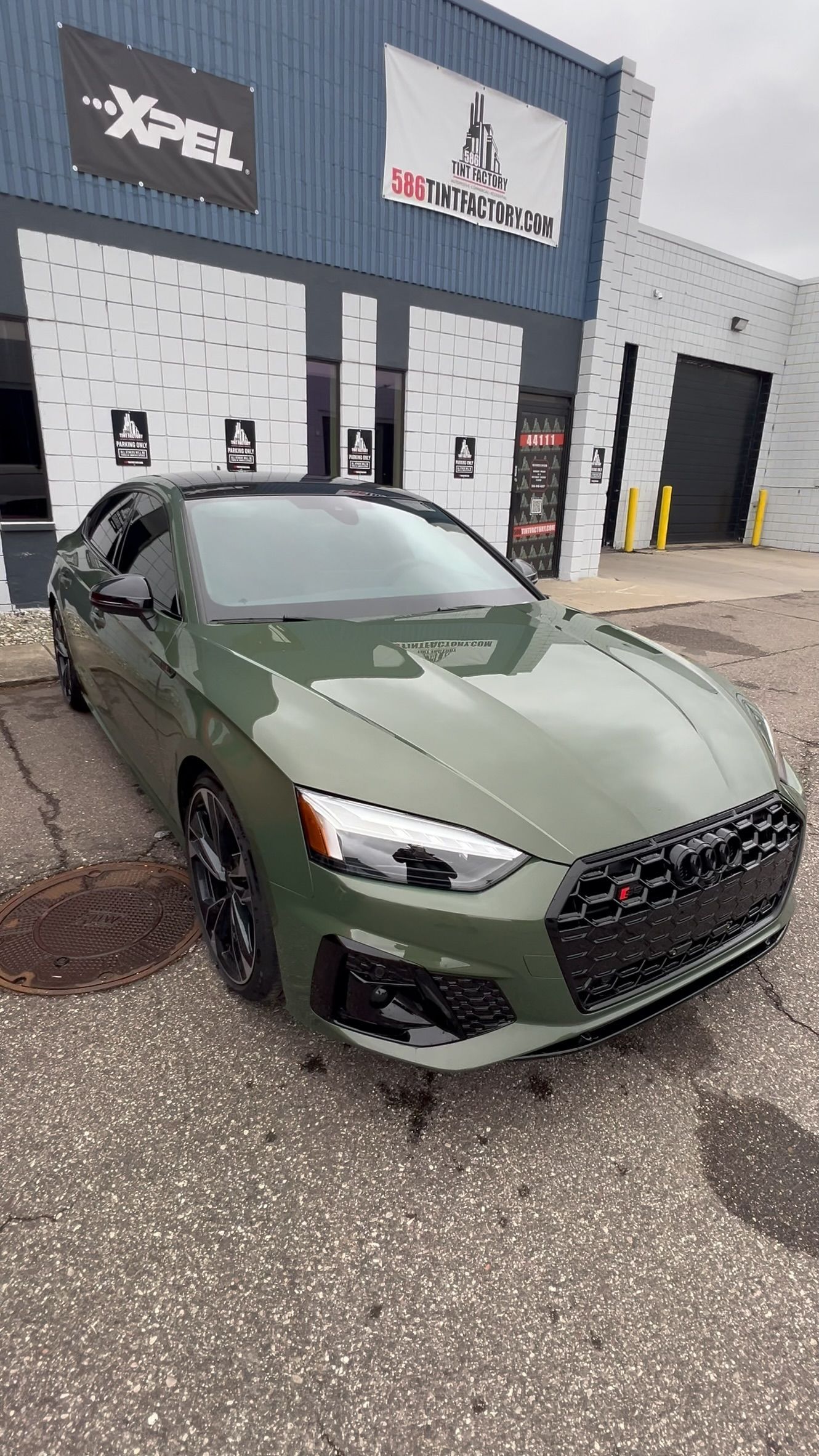
When it comes to window tinting, car owners have more options today than ever before. Two of the most popular choices are dyed window tint and ceramic window tint. Both types serve the basic purpose of darkening your windows for privacy and aesthetics, but they differ significantly in performance and longevity. So, ceramic vs. dyed tint: which one is worth it? In this article, we’ll compare these two tint types in terms of heat rejection, UV protection, longevity, appearance, and cost. By the end, you’ll have a clear understanding of the pros and cons of each, and which might be the better investment for your vehicle. Local Expertise: At 586 Tint Factory – a Clinton Township-based business serving Macomb, Oakland, and Wayne Counties – we’ve installed thousands of tinted windows. We pride ourselves on quality service, years of experience, and customer satisfaction. We know what works best for Michigan drivers, and we’re here to share our expertise. Let’s dive into the comparison! Heat Rejection Performance One of the biggest differences between dyed and ceramic tint is how well they keep your car cool. Michigan summers can get hot and sunny, so heat rejection is a key factor. Dyed Tint: Dyed window film provides a basic level of heat reduction by absorbing some of the sunlight’s energy. This can take the edge off a hot day, but it’s not the most effective solution for cooling. Standard dyed tints lack the advanced infrared-blocking technology found in higher-end films. In fact, regular dyed tint offers only limited heat rejection – it can slightly reduce the sun’s glare and heat, but it won’t dramatically cool your cabin in sweltering conditions. If your main goal is to reduce interior temperatures, dyed tint may leave you wanting more relief on extremely hot days. Ceramic Tint: Ceramic window tint is the gold standard for heat rejection. These films are infused with nano-ceramic particles that block a significant portion of solar heat, especially the infrared radiation (IR) that is largely responsible for that burning hot feeling inside a car. A high-quality ceramic tint can reject a much higher percentage of heat compared to dyed film. In fact, some premium ceramic films block up to 90–98% of infrared heat, resulting in a noticeably cooler car interior. This means even on a blistering summer afternoon, a car with ceramic tint will stay more comfortable, putting less strain on your air conditioning. Heat Rejection – Bottom Line: If keeping your car cool is a top priority, ceramic tint clearly outperforms dyed tint in this category. Dyed tint does help somewhat, but ceramic films provide far superior heat rejection, making a real difference in cabin comfort on hot days.
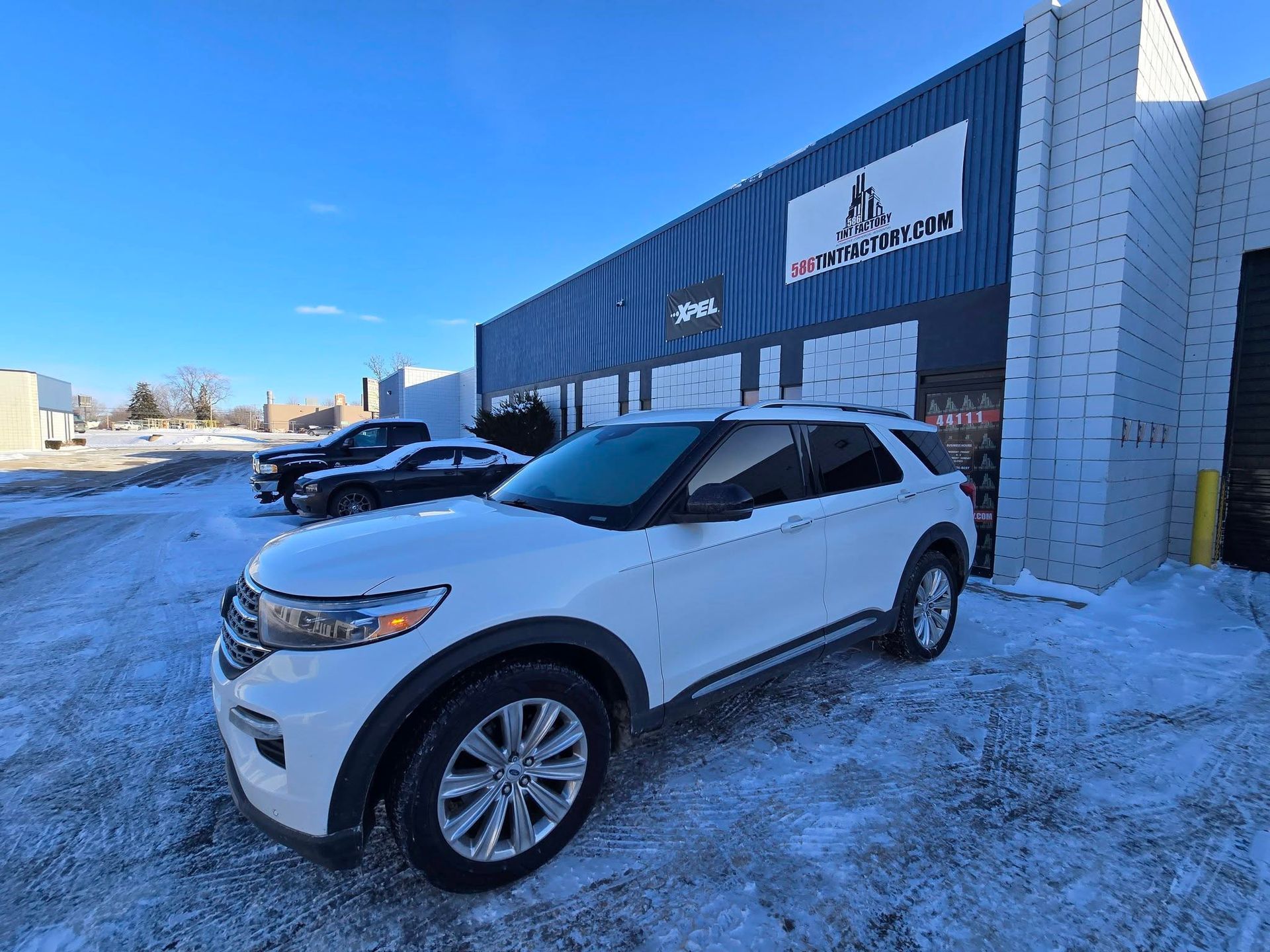
If you’re thinking about tinting your car windows and you live in Michigan, you’ve probably asked yourself: Is window tinting legal in Michigan? The short answer is yes, but with some clear rules you need to follow. At 586 Tint Factory in Clinton Township, we make sure your tint looks great and stays legal. In this guide, we’ll break down Michigan’s tinting laws, cover common questions, and explain how to avoid tickets or inspection issues. We proudly serve Clinton Township, Sterling Heights, Fraser, Roseville, Mount Clemens, Macomb, and other nearby cities in the Metro Detroit area.
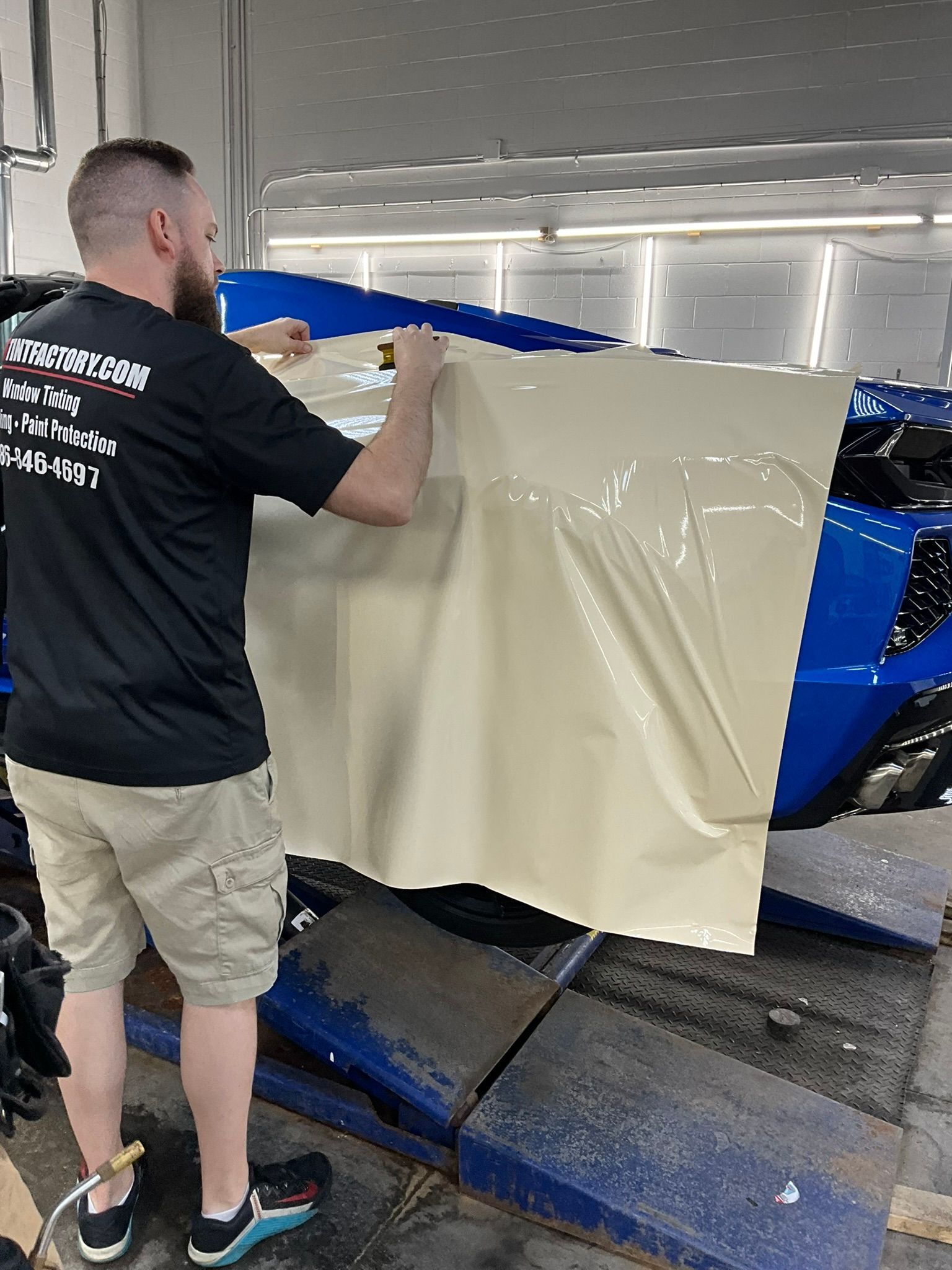
When it comes to protecting your car’s paint, you have more options than ever before. Two of the most popular choices are Paint Protection Film (PPF) and Vinyl Wrap, but which one truly offers the best protection for your vehicle?
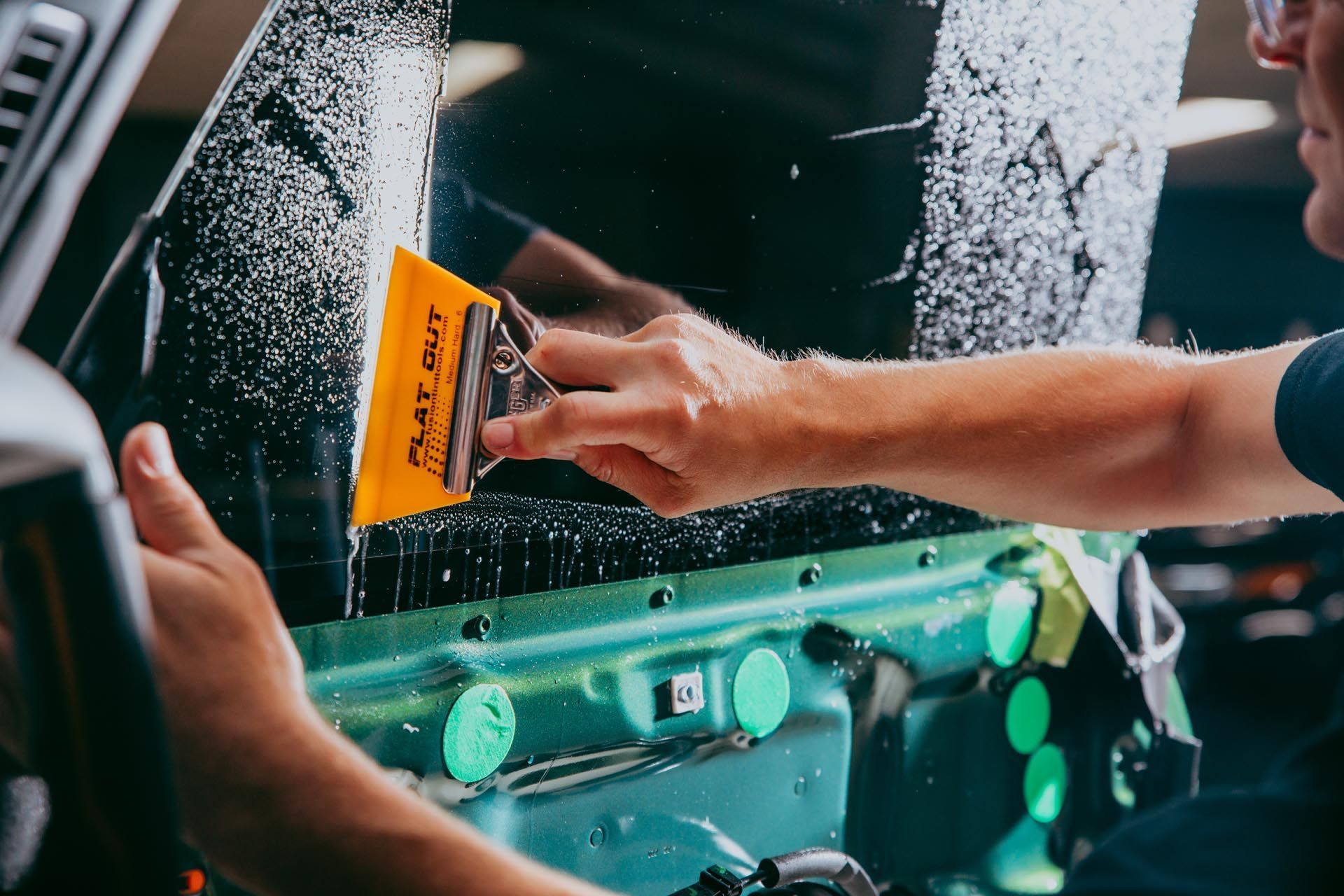
When it comes to window tinting, most people focus on how dark or stylish the film looks—but there’s more to it than just aesthetics. The percentage of your window tint plays a crucial role in how effective it is, how comfortable your ride feels, and ultimately, how much value it adds to your investment.
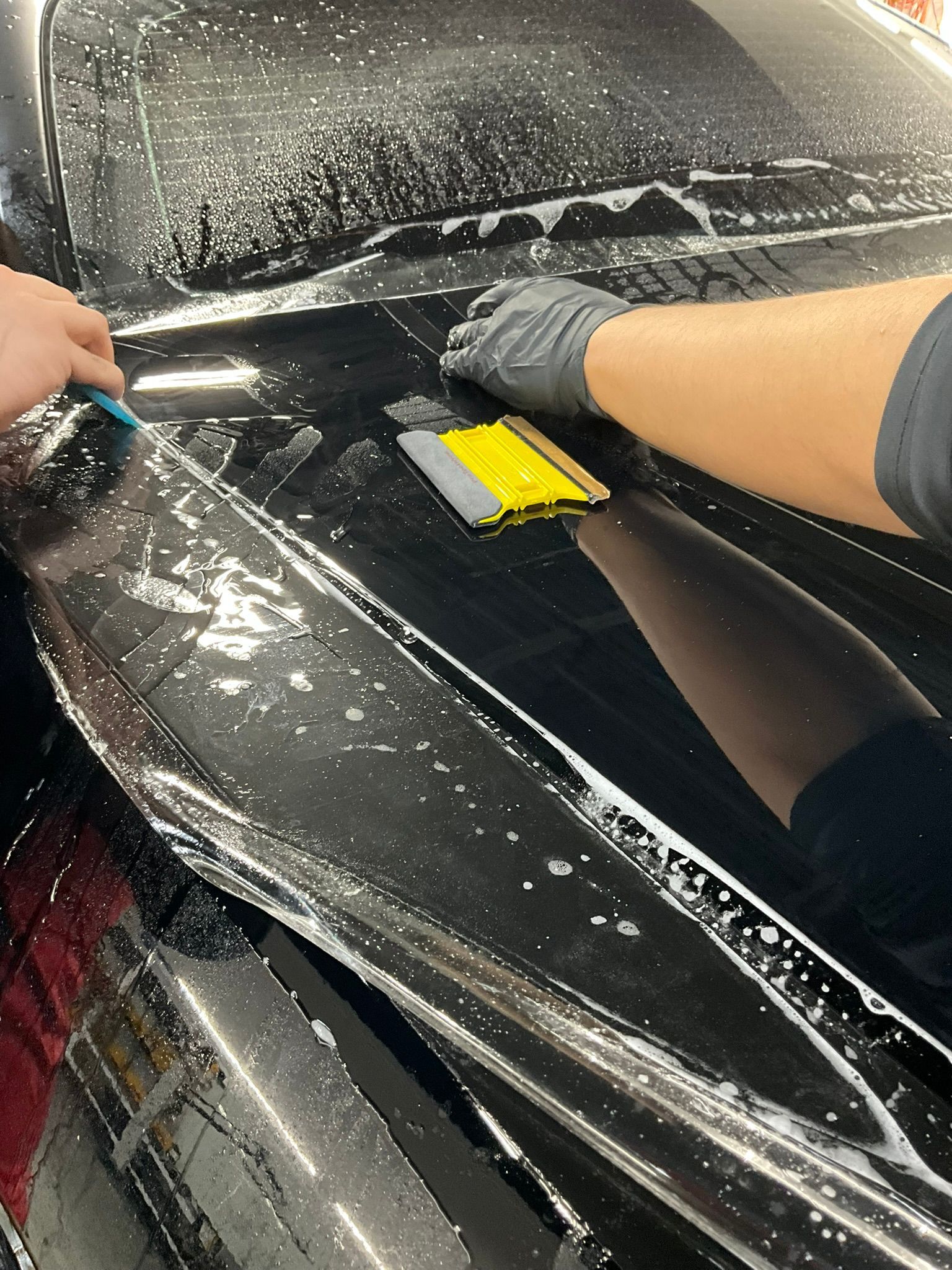
If you’ve ever inspected your vehicle after a road trip and spotted tiny chips, scratches, or mysterious scuff marks, chances are you’ve been on the receiving end of road debris. From loose gravel to sand, salt, or even rubber fragments, these hazards are constantly lurking on highways, construction zones, and rural backroads.
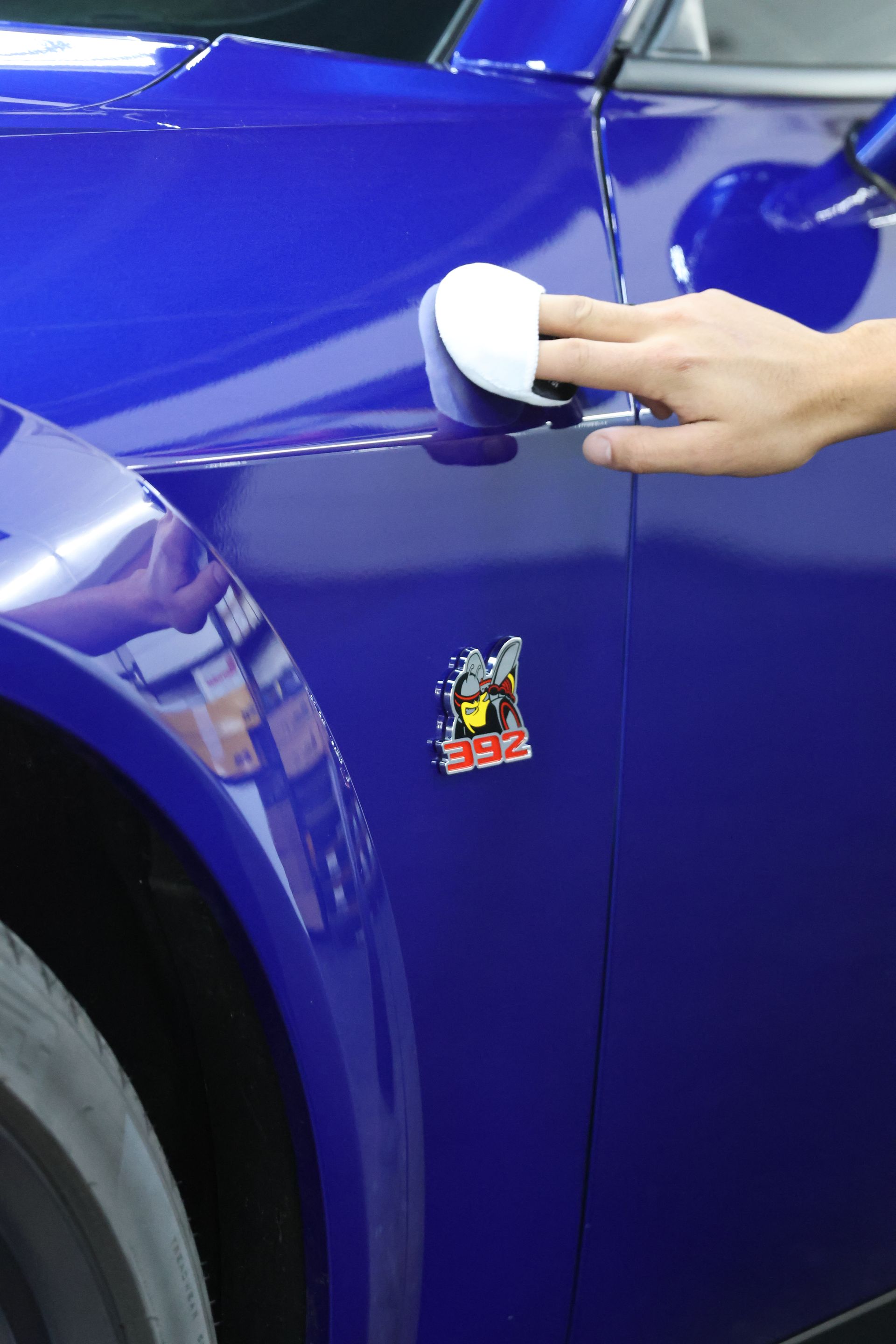
Water spots on a car’s surface can be frustrating, especially when you’ve invested in a ceramic coating to protect your paint.
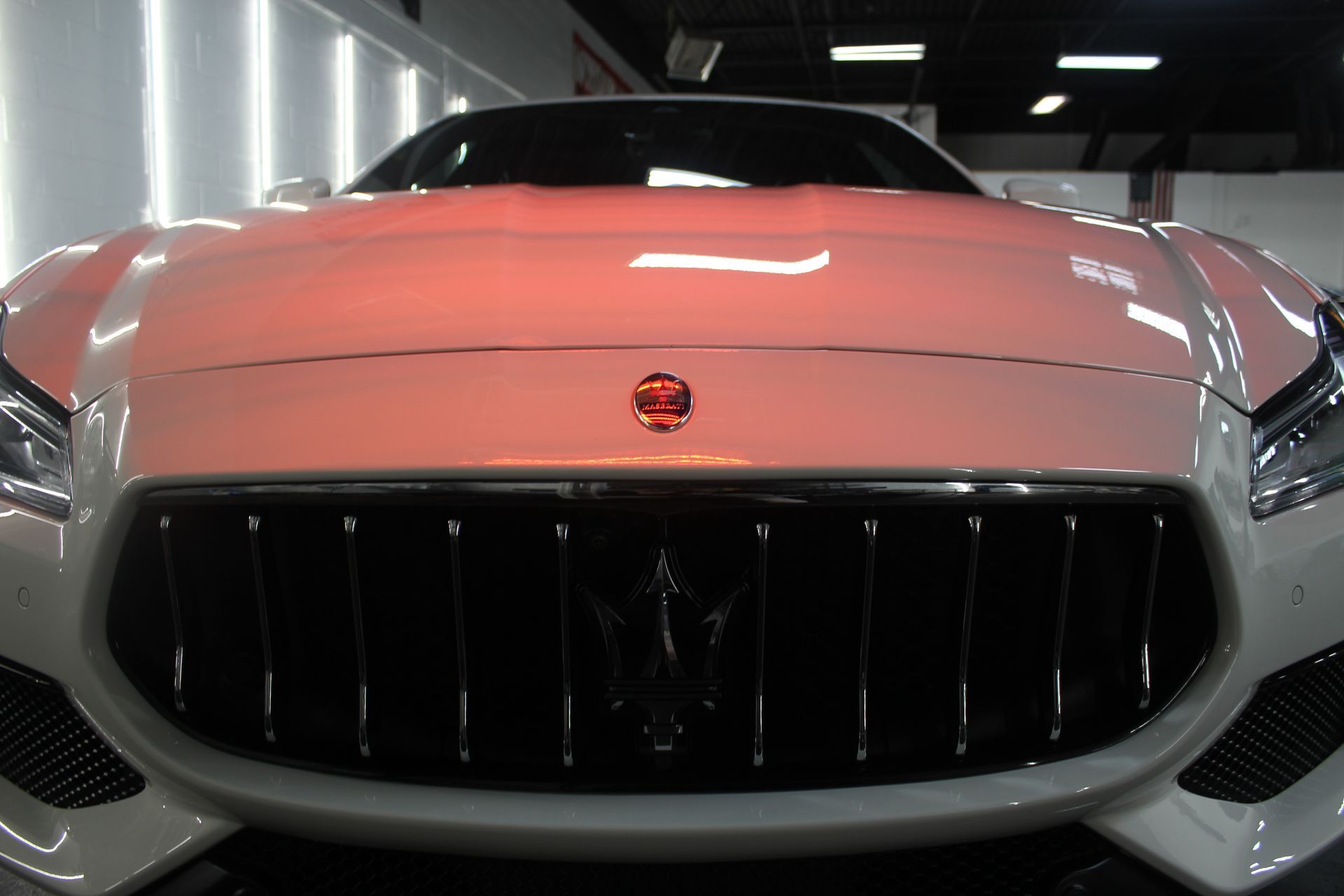
Imagine driving your freshly detailed car through the rain, only to see water bead up and roll right off the surface. No water stains, no lingering grime—just a spotless, glossy finish.
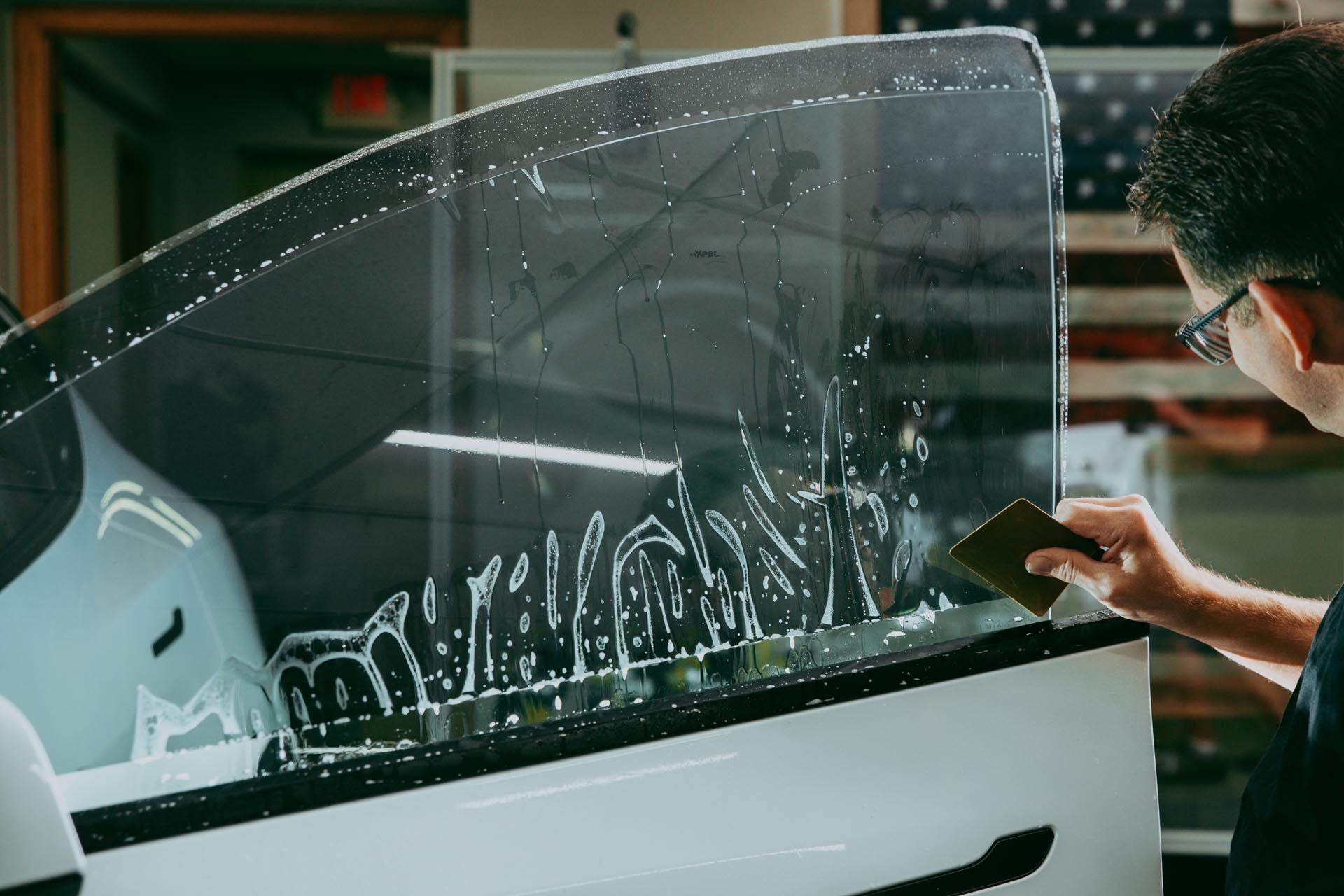
When it comes to selling your car, every detail matters. Whether you’re trying to increase appeal, improve performance, or boost resale value, the choices you make today can impact how much you’ll get for your car down the line.
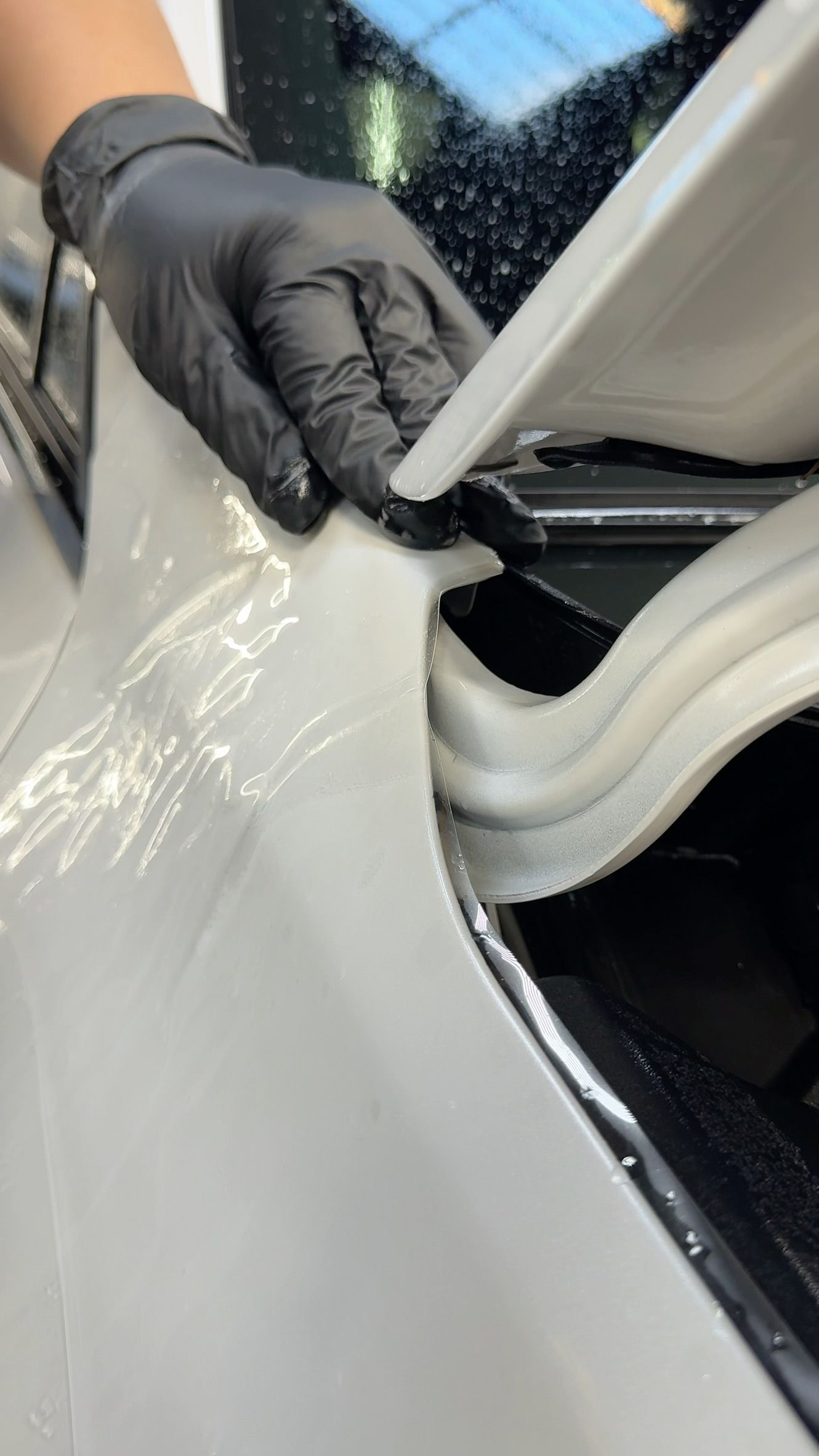
For any fleet manager, maintaining a large number of vehicles can be a constant challenge. Whether it’s ensuring the vehicles are operating smoothly or keeping them looking presentable, it’s no secret that the appearance of your fleet can impact your business’s image.
