The Best Car Maintenance Routine for Long-Lasting Paint Protection
Your car’s paint isn’t just about looks—it’s the first line of defense against the elements. Sun exposure, road grime, bird droppings, and even improper washing techniques can dull its shine and lead to long-term damage. If you want your car to turn heads for years to come, maintaining its paint properly isn’t just a luxury—it’s a necessity!
But here’s the problem: Many car owners unknowingly harm their vehicle’s paint with bad habits. Ever washed your car in direct sunlight? Used dish soap instead of a proper car shampoo? Neglected a good waxing schedule? These small mistakes can add up, causing premature fading, swirl marks, and even oxidation. Fortunately, preventing this kind of damage is easier than you think. With the right routine, you can extend the life of your car’s paint and keep it looking as glossy as the day you drove it off the lot.
In this guide, we’ll cover the essential steps for protecting your car’s exterior, from proper washing techniques to advanced protective coatings like ceramic coating and paint protection film. You’ll learn why a consistent routine matters, how environmental factors play a role, and what products can truly make a difference. Whether you’re a daily commuter, a weekend cruiser, or a car enthusiast who takes pride in a showroom shine, these strategies will help you safeguard your investment.
The Best Car Maintenance Routine for Long-Lasting Paint Protection
Your car’s paint isn’t just about looks—it’s the first line of defense against the elements. Sun exposure, road grime, bird droppings, and even improper washing techniques can dull its shine and lead to long-term damage. If you want your car to turn heads for years to come, maintaining its paint properly isn’t just a luxury—it’s a necessity!
But here’s the problem: Many car owners unknowingly harm their vehicle’s paint with bad habits. Ever washed your car in direct sunlight? Used dish soap instead of a proper car shampoo? Neglected a good waxing schedule? These small mistakes can add up, causing premature fading, swirl marks, and even oxidation. Fortunately, preventing this kind of damage is easier than you think. With the right routine, you can extend the life of your car’s paint and keep it looking as glossy as the day you drove it off the lot.
In this guide, we’ll cover the essential steps for protecting your car’s exterior, from proper washing techniques to advanced protective coatings like ceramic coating and paint protection film. You’ll learn why a consistent routine matters, how environmental factors play a role, and what products can truly make a difference. Whether you’re a daily commuter, a weekend cruiser, or a car enthusiast who takes pride in a showroom shine, these strategies will help you safeguard your investment.
What is Paint Protection Film (PPF), and How Does It Work?
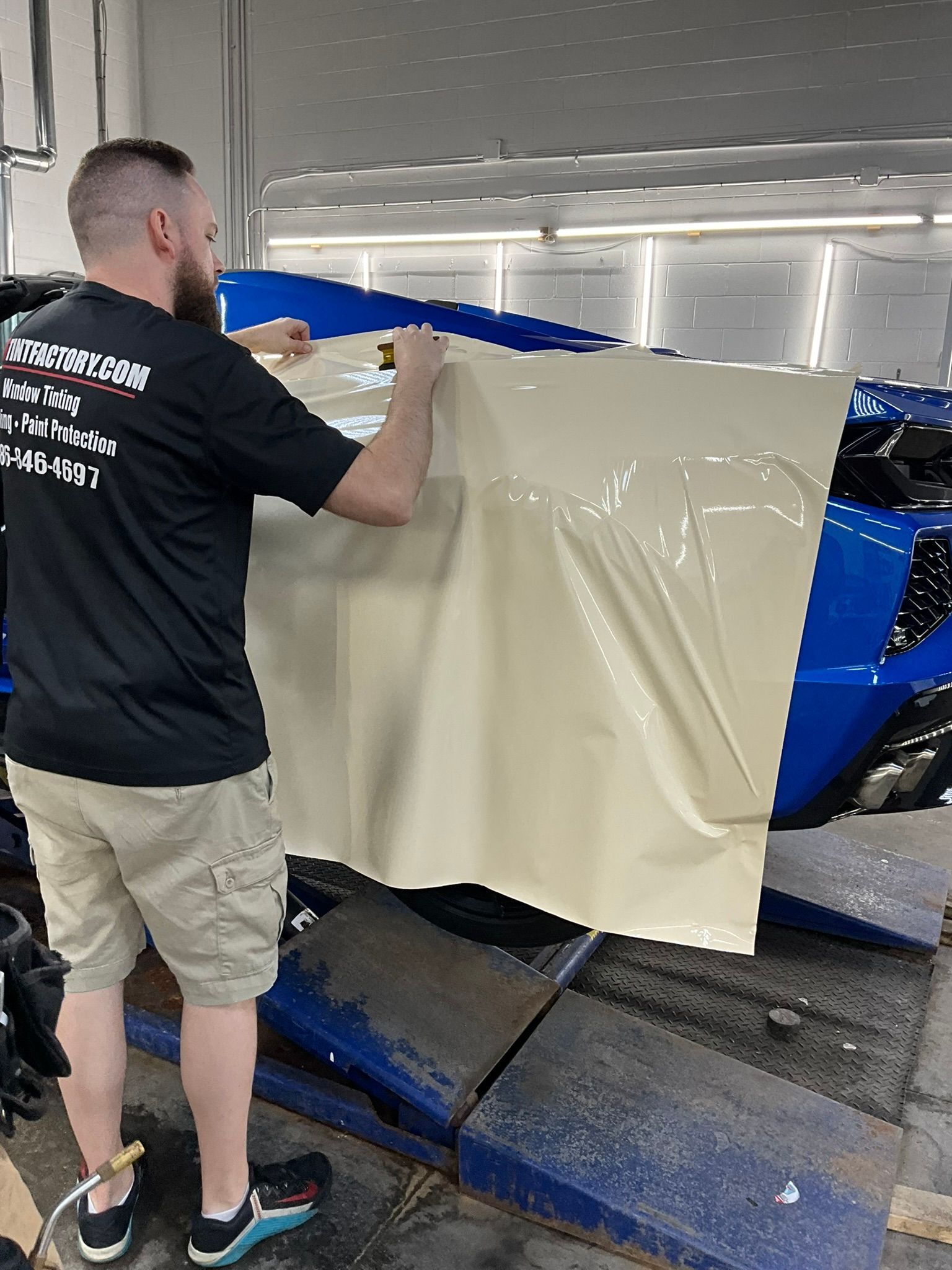
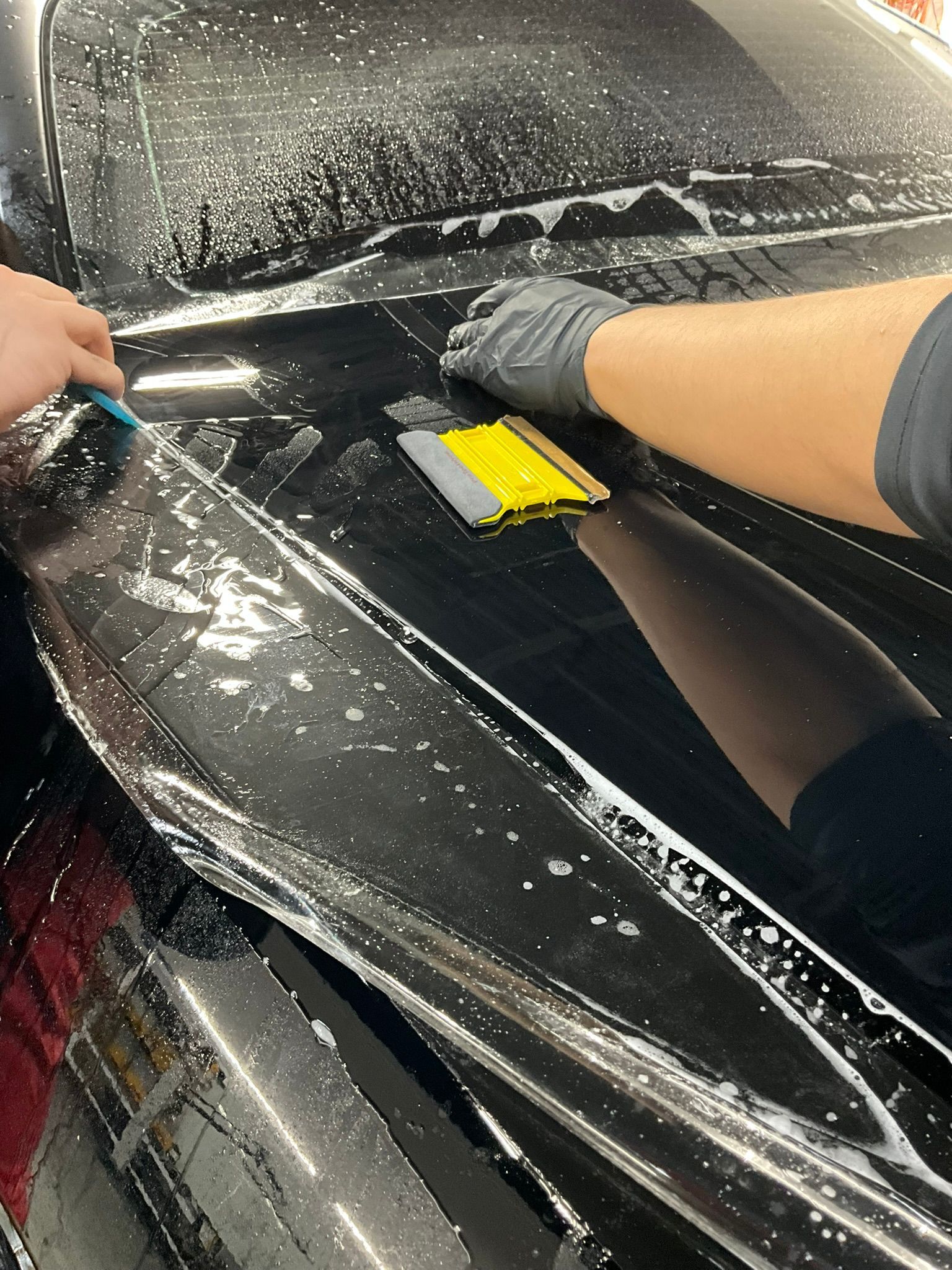
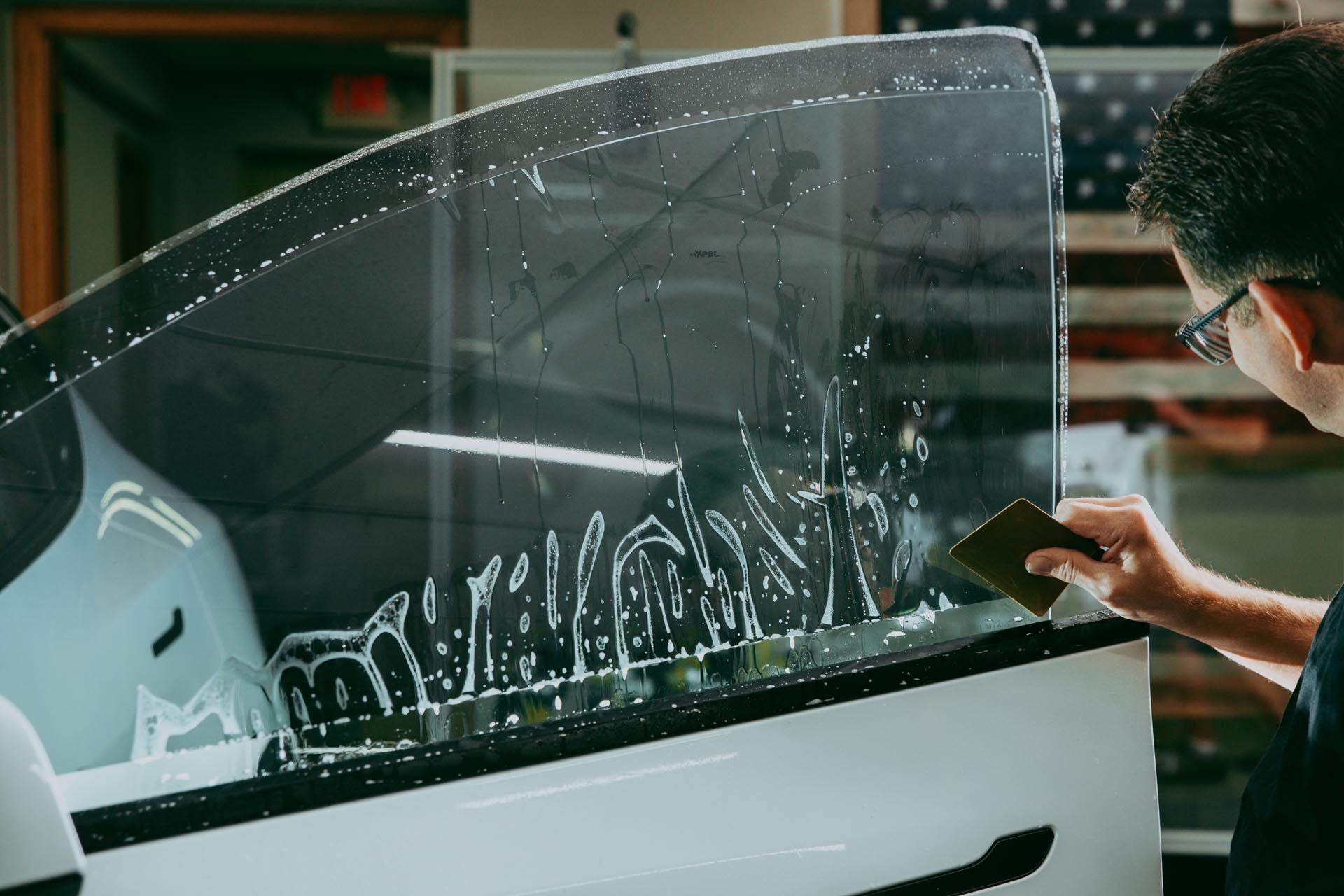
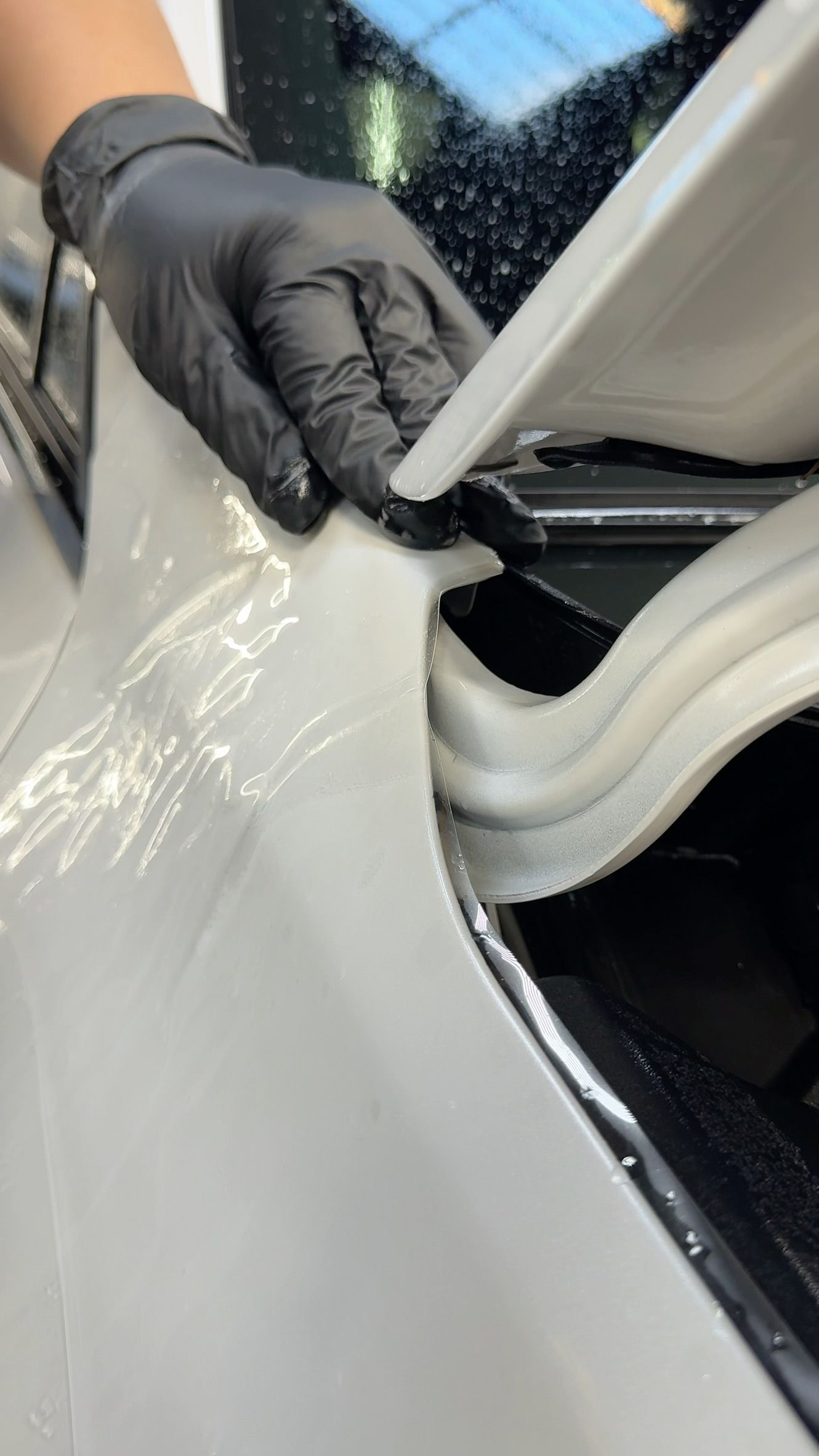
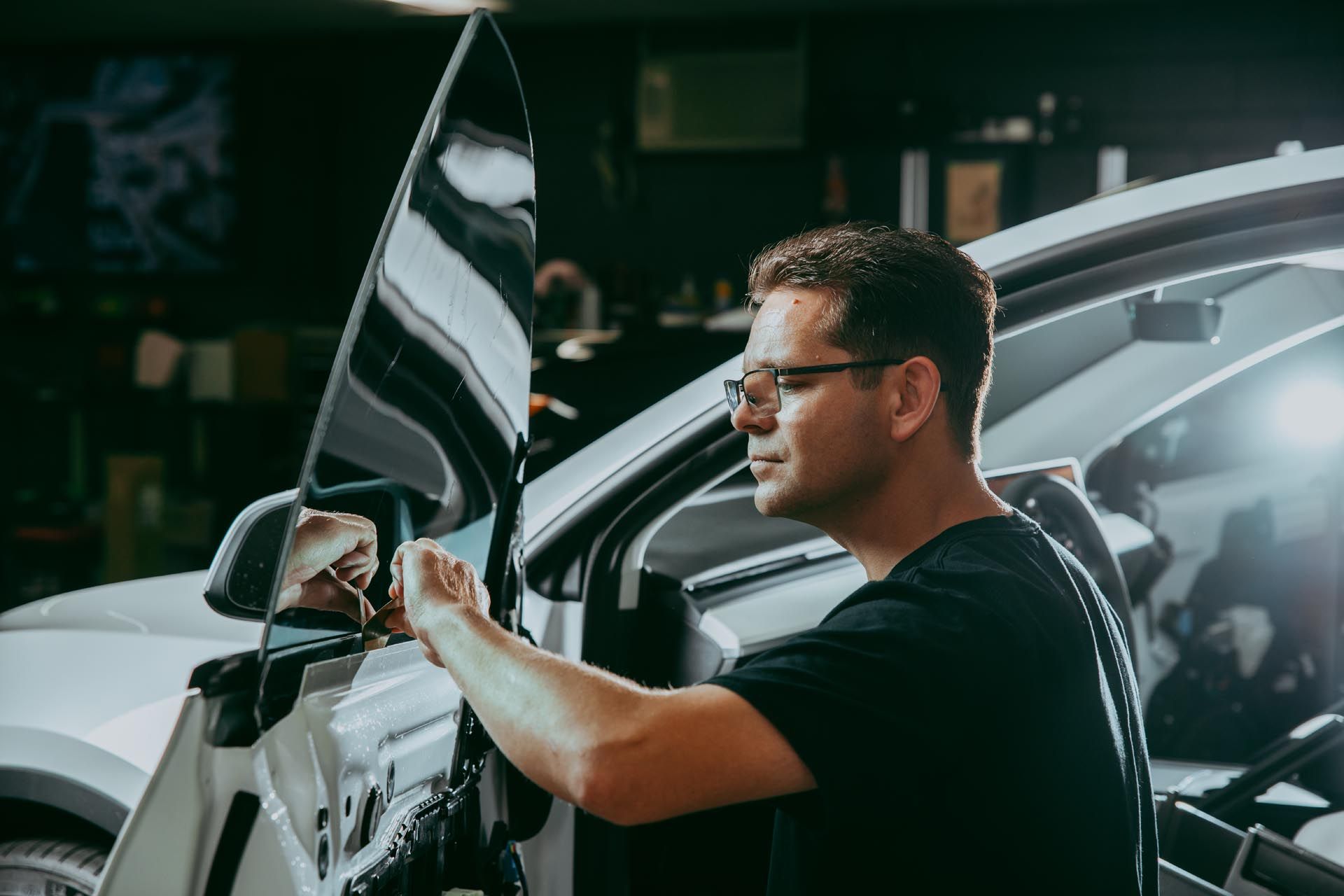
Ever wondered how some cars seem to stay flawless, even after years on the road? That’s the magic of Paint Protection Film (PPF)! This nearly invisible, ultra-durable layer is designed to shield your car’s paint from everyday hazards like road debris, rock chips, bug splatter, and even minor scratches. It’s like a suit of armor—but for your car’s exterior!
PPF is made from a thermoplastic urethane material that’s flexible, self-healing, and resistant to environmental damage. When applied correctly, it acts as a sacrificial layer, absorbing impacts and preventing contaminants from penetrating your car’s actual paint. The best part? Many modern PPFs come with self-healing properties—minor scratches and swirl marks disappear with heat, whether from the sun or a gentle pass of warm water.
The benefits go beyond just protection. PPF enhances the longevity of your car’s paint, maintains resale value, and makes cleaning much easier. Dirt and grime don’t stick as easily, meaning less scrubbing and fewer chances of paint damage over time. Whether you’re driving a brand-new sports car or a daily commuter, investing in PPF is one of the smartest ways to keep your ride looking fresh for years.
Why is Regular Cleaning Essential for Paint Preservation?
Your car’s paint is constantly under attack! Dirt, dust, road grime, and airborne pollutants don’t just make your vehicle look dull—they actually damage the paint over time. If left unchecked, these contaminants can eat away at the protective layers, leading to oxidation, fading, and even rust. Worse yet, things like bird droppings and bug splatter are acidic, meaning they can leave permanent stains if not removed quickly.
That’s why regular cleaning isn’t just about aesthetics—it’s about long-term paint protection. A proper wash removes harmful particles before they have a chance to bond with the surface. But not all cleaning methods are created equal! Using an automatic car wash with harsh bristles? Bad idea. Scrubbing with an old rag? Even worse. The best approach? A two-bucket hand wash with a pH-neutral car shampoo and microfiber towels. This minimizes the risk of scratching and ensures a deep clean without stripping away any protective coatings.
So, how often should you wash your car? Ideally, once a week for those who drive daily and at least twice a month for occasional drivers. A clean car isn’t just a pretty car—it’s a protected car!
What Cleaning Products and Tools Should Be Used?
Using the right cleaning products and tools can make or break your car’s paint protection. Harsh chemicals and abrasive tools might seem effective, but they can strip away protective coatings and leave behind micro-scratches. That’s why choosing the right supplies is crucial for maintaining your car’s flawless finish.
First, let’s talk car shampoo. Skip the dish soap—it’s too aggressive and can degrade protective layers like wax, ceramic coating, or paint protection film. Instead, use a pH-balanced automotive shampoo. It’s gentle yet powerful enough to lift dirt without damaging the surface.
Now, onto tools! A microfiber wash mitt is your best friend. Unlike sponges that trap dirt and drag it across the paint, microfiber mitts lift contaminants away, reducing the risk of scratches. For tight spots like grilles and wheels, soft-bristled brushes are perfect for a thorough clean without causing damage.
And don’t forget the drying step! Microfiber drying towels absorb water without leaving streaks or swirl marks. Using a blower? Even better—it dries the car without any contact at all.
Investing in high-quality products and proper tools ensures your car stays cleaner, shinier, and protected for the long haul!
How Does the Two-Bucket Washing Method Enhance Paint Care?
If you’re serious about keeping your car’s paint looking flawless, the two-bucket wash method is a game-changer! It’s a simple but highly effective technique that reduces swirl marks and scratches, helping to maintain your car’s protective coatings for the long haul.
So, how does it work? It’s exactly what it sounds like—two buckets, two purposes. One bucket holds your clean, soapy water, while the other contains plain water for rinsing your wash mitt. Every time you wipe down your car, you rinse the mitt in the clean water bucket before dipping it back into the soap. This prevents dirt and debris from contaminating the soapy water and being dragged across your car’s paint.
Why does this matter? When you use a single bucket, all the dirt you just removed ends up back on your mitt, increasing the risk of micro-scratches and swirl marks. With the two-bucket method, you minimize paint damage, extend the life of your protective coatings, and keep your car looking pristine.
For even better results, add a grit guard at the bottom of each bucket. It traps dirt particles, preventing them from being picked up again. A small step that makes a huge difference!
When and How to Apply Protective Layers: Wax, Sealants, and Ceramic Coatings?
Protecting your car’s paint isn’t just about washing—it’s about sealing in that shine and shielding the surface from harsh elements. But with so many options like wax, sealants, and ceramic coatings, when and how should you apply them? Let’s break it down!
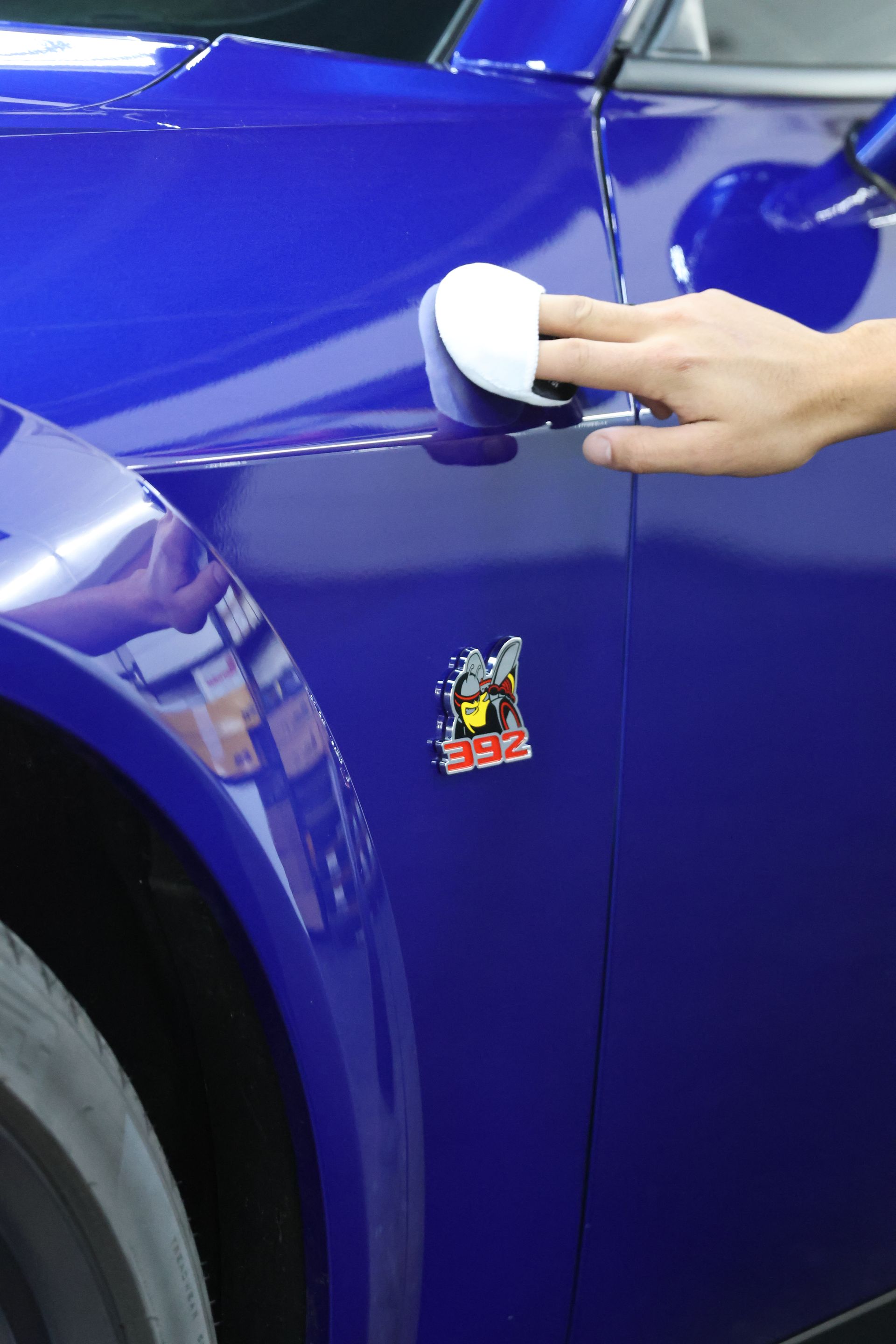
Wax is the easiest and most traditional option. Made from natural carnauba or synthetic blends, wax enhances shine and provides a short-term barrier against contaminants. However, it wears off quickly—reapply every 6-8 weeks for continued protection. Application is simple: apply a thin layer using an applicator pad, let it haze, then buff it off with a microfiber cloth.
Sealants are the next step up. They’re synthetic and offer longer-lasting protection than wax—up to 6 months! They work similarly to wax but bond better to the surface, repelling water and dirt more effectively.
For the ultimate defense, ceramic coatings take the lead. These liquid polymers bond at a molecular level with your car’s paint, creating a semi-permanent shield that can last years. Unlike wax and sealants, ceramic coatings require careful prep and application—a clean, polished surface is a must!
So, whether you want a quick shine or long-term protection, choosing the right layer and applying it properly makes all the difference!
What Role Does Parking Location Play in Paint Protection?
Where you park your car might seem like a small detail, but it plays a huge role in preserving your paint’s finish. Sun exposure, environmental contaminants, and unexpected hazards can gradually wear down your car’s protective layers, leading to fading, stains, and damage over time.
Sun exposure is a silent killer for paint. UV rays break down the clear coat, leading to oxidation, dullness, and fading. Over time, your once-vibrant paint can turn chalky and lifeless. Whenever possible, park in shaded areas, garages, or use a car cover to shield your vehicle from prolonged sun exposure.
Another common threat? Tree sap and bird droppings. These contaminants are highly acidic and, if left unattended, can eat through the clear coat and stain the paint permanently. Parking under trees might seem like a good idea for shade, but it often results in unwanted sap, pollen, or bird-related messes. If you must park under trees, clean off any droppings immediately to prevent etching.
For the best paint protection, opt for covered parking, shaded spots, or even paint protection film (PPF) and ceramic coatings to add an extra layer of defense. A little parking awareness goes a long way in keeping your car’s paint looking fresh and flawless!
How to Address Environmental Challenges: Tree Sap, Bird Droppings, and Industrial Fallout?
No matter how careful you are, environmental contaminants will find their way onto your car’s paint. Tree sap, bird droppings, and industrial fallout can cause severe damage if not removed quickly. The key is acting fast and using the right techniques to prevent stains, etching, or permanent paint damage.
Tree sap is one of the toughest contaminants to remove. If left too long, it hardens and bonds with the paint, making removal difficult. The best approach? Use a dedicated sap remover or rubbing alcohol on a microfiber cloth. Gently dab the area until the sap softens, then wipe it away. Avoid scraping or aggressive rubbing, as this can scratch the clear coat.
Bird droppings are highly acidic and can cause serious paint damage in just hours. If you spot one, rinse it off immediately with water. For dried droppings, soak a microfiber cloth in warm water and let it sit on the area to loosen it before wiping away.
Industrial fallout, such as rail dust and pollution particles, can create tiny rust spots on your car. To combat this, use an iron remover spray or clay bar treatment regularly. This ensures your paint remains smooth and free from embedded contaminants.
Quick action and proper care will keep these environmental hazards from ruining your car’s flawless finish!
Why is Professional Inspection and Maintenance Beneficial?
You might be doing everything right—washing your car regularly, applying protective coatings, and parking in shaded areas. But nothing replaces a professional inspection when it comes to long-term paint protection. Experts can spot issues you might overlook and provide specialized treatments that extend your car’s pristine look.
One major advantage of professional assessments is their trained eye for early signs of damage. Tiny swirl marks, clear coat degradation, or minor contaminants may not be obvious to the average car owner, but professionals can detect them before they become bigger problems.
Additionally, professionals offer high-quality services like paint correction, deep decontamination, and advanced protective coatings such as ceramic coating or paint protection film (PPF). These treatments provide longer-lasting protection than most DIY solutions, ensuring your paint remains in top condition for years.
Another key benefit? Access to specialized tools and products. Professionals use pH-balanced cleaning agents, industrial-grade sealants, and precision techniques that guarantee the best results without damaging your car’s surface.
Think of it as a routine check-up for your vehicle’s paint. Investing in periodic professional maintenance saves you money in the long run by preventing costly repairs or repainting. After all, a well-maintained car retains its beauty and value far longer!
How Does Seasonal Maintenance Differ, and What Additional Steps Are Needed?
As the seasons change, so do the challenges your car’s paint faces. Adjusting your maintenance routine is crucial for keeping that fresh, glossy finish intact throughout the year. Different weather conditions bring different threats to your car’s surface, and understanding these shifts helps you protect your investment.
In winter, your car faces a brutal combo of road salt, slush, and ice. These elements can cause corrosion, and they cling to the paint, eating away at the protective layers. To combat this, it’s important to wash your car more frequently during the colder months and consider applying a protective wax or sealant to create a barrier against these corrosive elements. Ceramic coatings can also offer additional protection, making it easier to clean off salt and grime without damaging the paint.
In summer, the main culprit is UV rays, which can fade your paint over time. Parking in the shade or using a car cover can reduce sun exposure. Also, applying a UV-resistant coating (like ceramic coating) can help preserve the vibrancy of your car’s paint. Additionally, keep an eye out for tree sap or bird droppings, which are more prevalent in warm weather. Promptly removing these contaminants prevents stains and long-term damage.
Spring and fall maintenance should focus on routine cleaning and protecting the car from environmental debris. After harsh seasonal conditions, doing a deep clean and inspection ensures that your car stays in top shape.
Seasonal changes require thoughtful maintenance, but staying ahead of the game with the right products and techniques will keep your car’s paint protected year-round!
Conclusion
In conclusion, maintaining the long-lasting appearance of your car’s paint requires a comprehensive, consistent approach—one that takes into account various factors like cleaning, protection, and environmental impact. A car’s paint isn’t just for looks; it plays a critical role in protecting the vehicle’s exterior from elements that can cause permanent damage, such as dirt, chemicals, and harsh weather conditions.
Through the right maintenance routine, including regular cleaning, using quality products, and applying protective layers like wax, sealants, or ceramic coatings, you can safeguard your car’s paint from wear and tear. By incorporating methods like the two-bucket wash and investing in high-quality tools, you’ll reduce the risk of scratches and swirl marks, ensuring a smoother, more durable finish.
Additionally, making conscious decisions about parking location, quickly addressing environmental contaminants (like bird droppings and tree sap), and opting for professional inspections will further enhance your car’s protection, ensuring your paint looks as good as new for years to come.
Remember, it’s not just about looking good—it’s about preserving your vehicle’s value. A well-maintained car reflects care and attention, which pays off when it’s time to sell or simply enjoy the pride of ownership. Whether you’re facing seasonal changes or everyday challenges, being proactive with your car’s maintenance routine is key.
So, implement the strategies discussed in this article, stay consistent, and watch as your vehicle’s paint continues to shine, protected from the elements and ready to turn heads wherever you go!