PPF vs. Vinyl Wrap: Which Is Better for Protecting Your Car’s Paint?
When it comes to protecting your car’s paint, you have more options than ever before. Two of the most popular choices are Paint Protection Film (PPF) and Vinyl Wrap, but which one truly offers the best protection for your vehicle? That’s the question we’re here to tackle.
PPF and Vinyl Wrap both provide substantial benefits, but they differ in terms of purpose, functionality, and aesthetics. While PPF is all about safeguarding your car from the elements, rock chips, and other hazards, Vinyl Wrap takes things a step further by offering customization with color and design. So, where do these options overlap, and where do they fall short?
In this article, we’ll dive deep into the key differences between PPF and Vinyl Wrap, breaking down their pros and cons to help you make an informed decision. Whether you’re looking to preserve your car’s original paint or you’re hoping for a complete visual transformation, we’ll explore how these two options stack up in terms of durability, installation, costs, and maintenance.
By the end, you’ll have a clearer understanding of which solution is the best fit for your car, your budget, and your long-term protection goals. Let’s get started and break down the details you need to know!
What Are Paint Protection Film (PPF) and Vinyl Wrap?
Paint Protection Film (PPF) and Vinyl Wrap are two powerful options when it comes to safeguarding your car’s paint, but they serve different purposes!
PPF, often called a “clear bra,” is a transparent, durable film that adheres to the paint of your vehicle. Its primary purpose? Protection! PPF is designed to shield your car from scratches, rock chips, road debris, and even harmful UV rays. It’s like an invisible armor for your car’s paint, maintaining its pristine condition while keeping it safe from the harsh realities of the road.
On the flip side, Vinyl Wrap is a more customizable solution. It’s a thin, adhesive film that can completely change the color and appearance of your vehicle. Unlike PPF, Vinyl Wrap isn’t just about protection—it’s about transformation! Whether you want a matte finish, gloss, or a unique design, vinyl wraps give your car a fresh, personalized look. And yes, it also offers some protection against light scratches and fading, though it’s not as durable as PPF.
In short, PPF is your go-to for protection, while Vinyl Wrap is perfect for customization. Both options can be a game-changer depending on your car’s needs!
How Do PPF and Vinyl Wrap Differ in Functionality?
PPF and Vinyl Wraps might look similar at first glance, but their functionalities couldn’t be more different!
Let’s start with PPF. The primary job of Paint Protection Film is all about defense. PPF acts as a shield, protecting your car from a wide range of potential damage. Whether it’s rock chips, bird droppings, or the sun’s harsh UV rays, PPF keeps your car’s paint safe from everyday wear and tear. It’s highly durable, self-healing (yes, it can heal minor scratches over time!), and virtually invisible. So, if you’re after long-term protection, PPF is the clear winner in this department.
Now, Vinyl Wrap is a whole different ball game. While it offers some protection—mostly from light abrasions and fading—it’s more focused on giving your car a unique look. Vinyl Wrap allows you to transform your car’s color, texture, and even add custom designs. Want a matte finish or a glossy look? Vinyl can do that. Looking to create a personalized design? Wraps can handle that too! It’s perfect for those who want to make a bold statement, while still offering some protection against the elements.
In short, PPF keeps your car protected, while Vinyl Wrap turns it into a canvas for your creative vision!
What Are the Material Differences Between PPF and Vinyl Wrap?
When it comes to the materials, PPF and Vinyl Wrap couldn’t be more distinct—each is designed for very specific purposes!
Let’s start with PPF. Paint Protection Film is typically made from a durable thermoplastic urethane material, which is known for its toughness and self-healing properties. It’s thicker compared to Vinyl Wrap, usually ranging between 6 to 8 mils (thousandths of an inch) in thickness. This added thickness helps PPF absorb impacts, such as rock chips or scratches, without damaging the underlying paint. PPF is specifically engineered to be tough and resilient, providing long-lasting protection without compromising the car’s original look, as it’s nearly invisible once applied.
On the other hand, Vinyl Wrap is made from a flexible PVC (polyvinyl chloride) film. This material is thinner than PPF, generally ranging from 3 to 5 mils in thickness. Vinyl Wrap is designed to be malleable and stretchable, allowing for detailed application over complex shapes and curves. It’s available in various finishes such as matte, gloss, satin, and even textured options like carbon fiber. While it does offer some protection, it’s more focused on aesthetic transformation rather than impact resistance.
In summary, PPF is thicker and tougher, perfect for protection, while Vinyl Wrap is thinner and more flexible, ideal for customization!
How Do PPF and Vinyl Wrap Affect Vehicle Appearance?
When it comes to enhancing your vehicle’s appearance, PPF and Vinyl Wrap have different approaches—each bringing something unique to the table!
Let’s talk about PPF first. The main goal of Paint Protection Film isn’t to alter the look of your car, but to preserve it. PPF is virtually invisible once applied, so it won’t change the color or finish of your vehicle. Instead, it protects the existing paint while maintaining its shine and gloss. Think of it as a clear shield that keeps your car’s original paint job looking pristine, without any noticeable difference. If you love the way your car looks now and just want to keep it safe from scratches and environmental damage, PPF is the way to go.
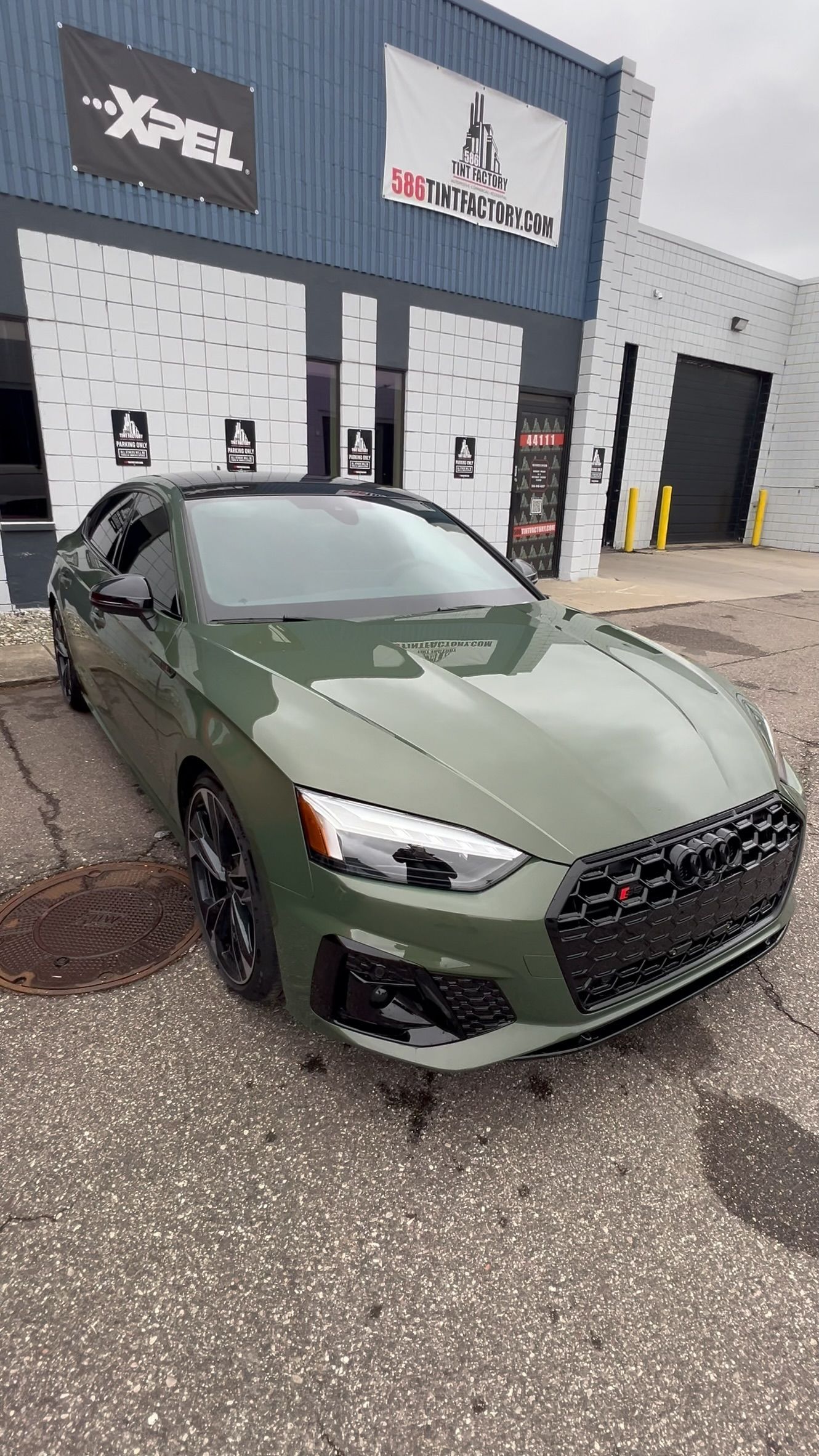
Now, when it comes to Vinyl Wrap, the transformation is much more dramatic. Vinyl Wrap can completely change your vehicle’s appearance by offering a wide variety of colors, textures, and finishes. Whether you want a bold matte finish, a glossy pop of color, or a unique pattern, Vinyl Wrap lets you express your style like no other. It’s like giving your car a makeover! Additionally, vinyl wraps can be used to create custom designs or even advertisements if that’s what you’re going for.
In short, PPF keeps things subtle, preserving your car’s current beauty, while Vinyl Wrap allows for a full-on visual transformation!
What Is the Installation Process for PPF and Vinyl Wrap?
When it comes to applying both PPF and Vinyl Wrap, the processes may seem similar, but they require distinct techniques and attention to detail!
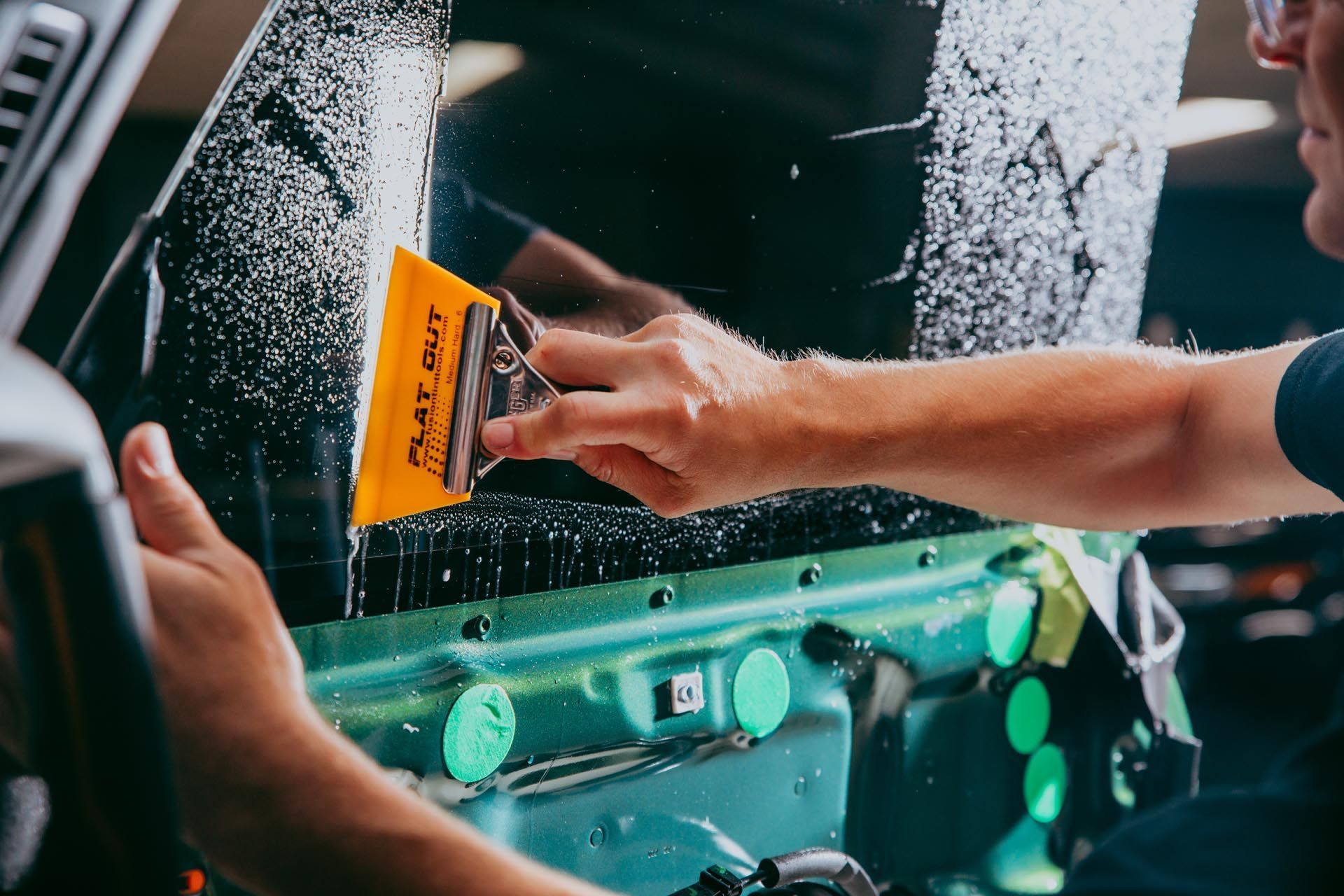
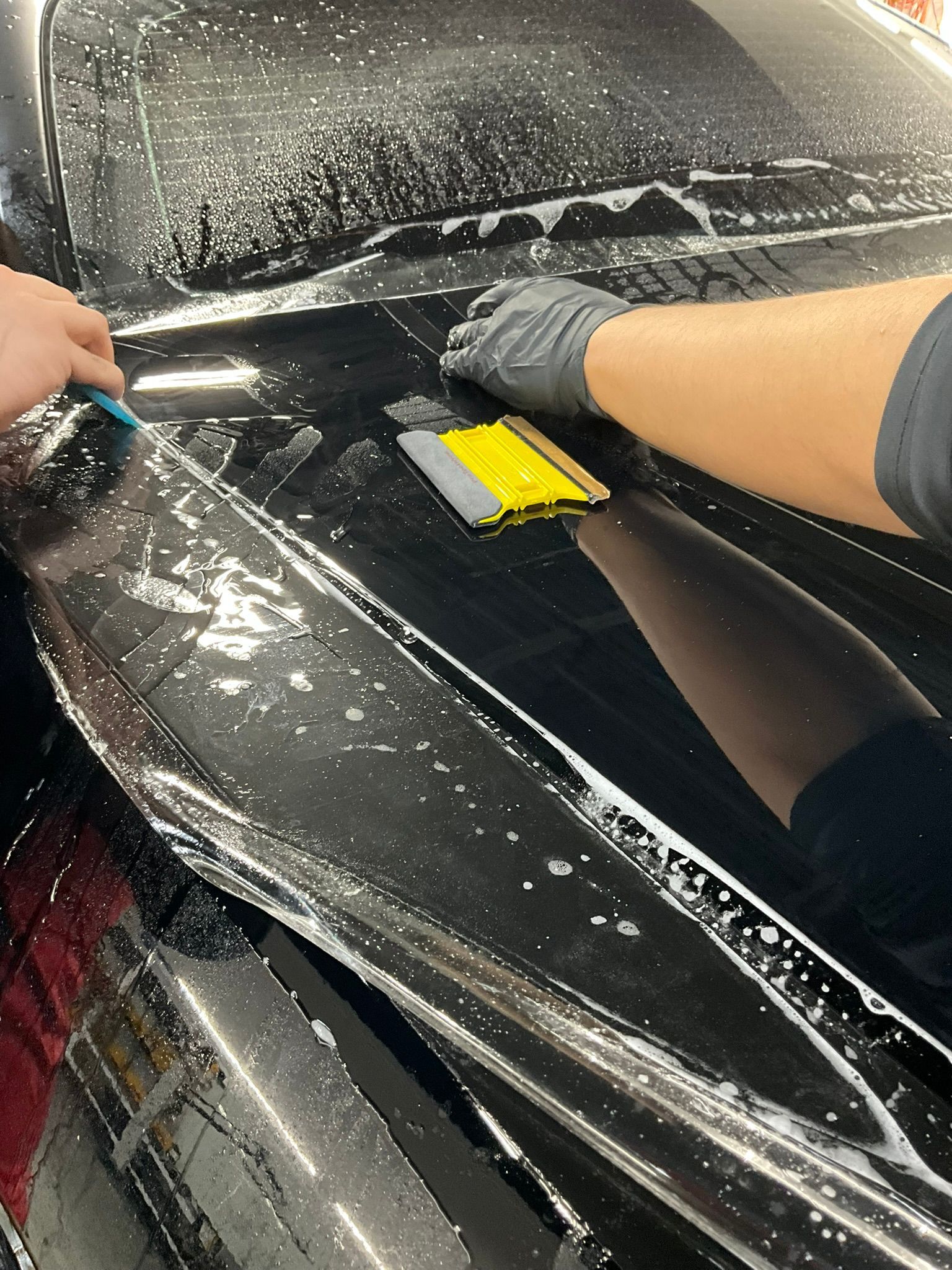
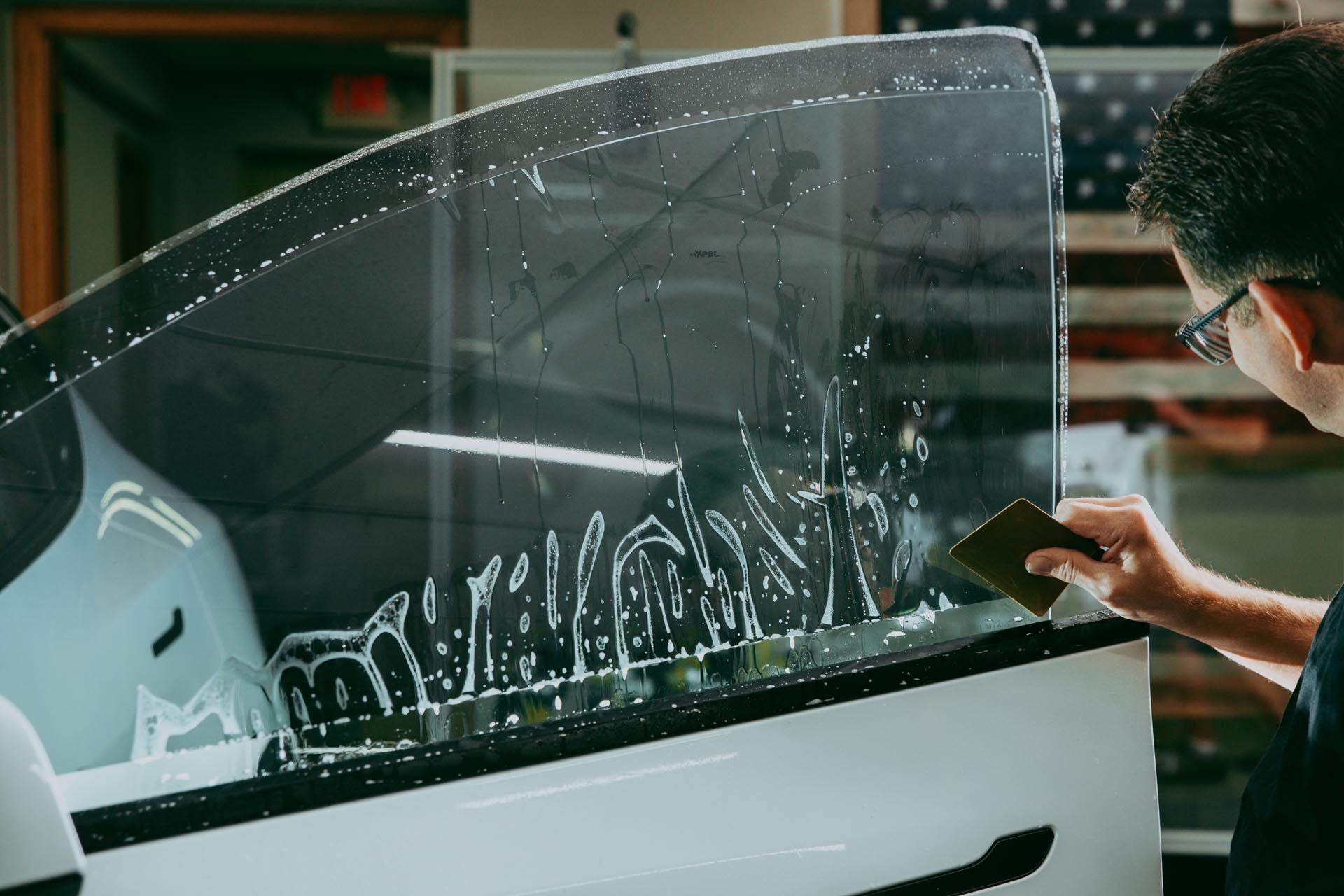
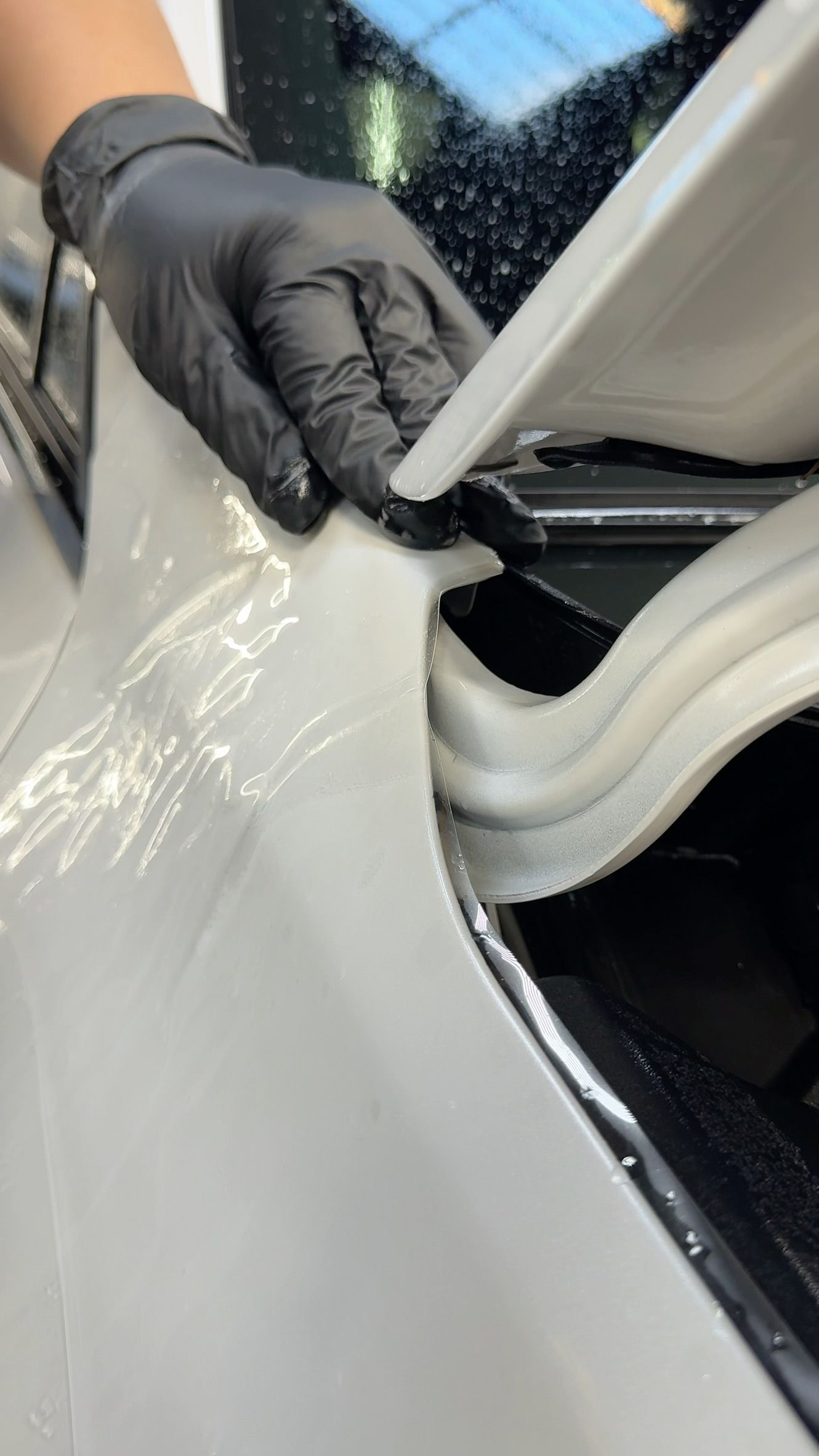
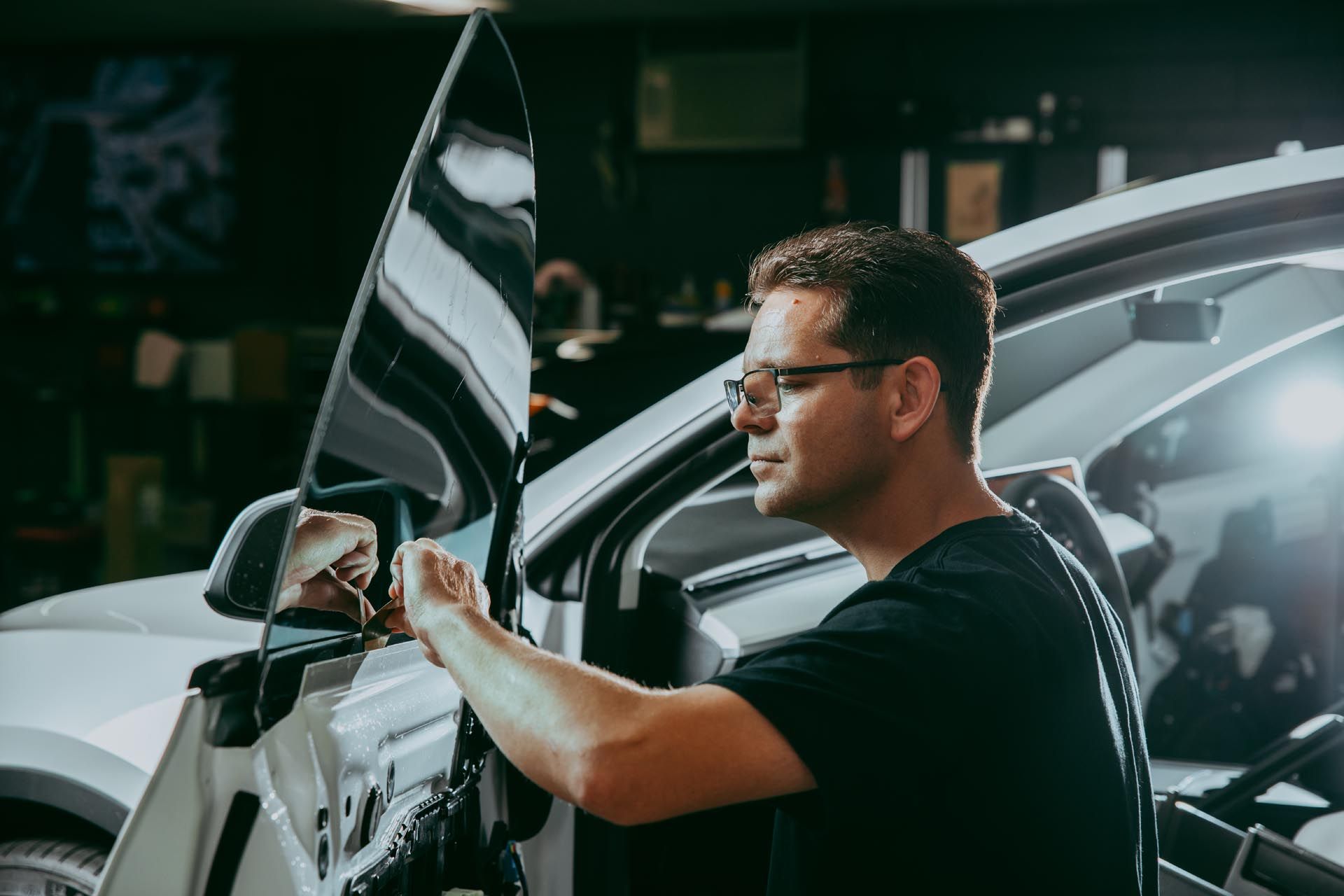
Let’s begin with PPF. The installation of Paint Protection Film is a meticulous process that requires precision. First, the vehicle is thoroughly cleaned to remove dirt, dust, and debris—this ensures the film adheres properly. Next, the PPF is carefully measured and cut to fit the specific contours of your car. Some installers use templates, while others may custom-cut the film. Once the pieces are ready, the film is applied using a special solution that helps it adhere smoothly to the surface. The film is then squeegeed to eliminate any air bubbles, and the edges are carefully trimmed. Finally, the film is heat-set to bond securely to the paint, ensuring durability. The whole process can take several hours, depending on the complexity and size of the vehicle.
Now, Vinyl Wrap is a bit different. The installation begins similarly, with a thorough cleaning of the car’s surface. Afterward, the vinyl is measured and cut to fit the vehicle, with extra care taken for seams and edges. Vinyl Wrap is then applied by stretching the material over the car’s surface and smoothing it out with a squeegee. Unlike PPF, the vinyl needs to be stretched over curves, and a heat gun is used to help it conform to the vehicle’s shape. Finally, the edges are trimmed, and any excess material is tucked into seams. This process is usually quicker than PPF installation, but requires great skill to avoid wrinkles or air bubbles.
In summary, both installations require a careful approach, but PPF is typically more time-consuming, while Vinyl Wrap offers a faster, more customizable application.
How Do PPF and Vinyl Wrap Compare in Terms of Durability and Maintenance?
When it comes to durability, both PPF and Vinyl Wrap bring different strengths to the table, so let’s dive into how they hold up over time!
Paint Protection Film (PPF) is known for its impressive longevity and wear resistance. The film acts as a strong barrier against scratches, chips, and other road debris, making it ideal for maintaining your vehicle’s pristine appearance. PPF is typically made from urethane, which is flexible and resistant to abrasion. It can last anywhere from 5 to 10 years, depending on the quality of the film and how well it’s maintained. To keep it looking fresh, PPF requires regular washing and the occasional application of a ceramic coating to boost its hydrophobic properties. Although it’s low-maintenance, PPF can yellow over time, especially when exposed to harsh elements. But don’t worry, it’s relatively easy to clean and doesn’t require extensive upkeep!
On the other hand, Vinyl Wrap offers a different kind of durability. While it’s not as resistant to scratches and chips as PPF, a high-quality vinyl wrap can last around 5 to 7 years if cared for properly. The vinyl is more prone to wear and fading due to UV exposure, so regular maintenance is key to preserving its look. You’ll want to clean it with mild soap and water and avoid harsh chemicals. Vinyl wraps also require periodic touch-ups to fix small issues like fading or peeling at the edges. If you live in an area with extreme weather conditions, you may find that the wrap begins to show signs of wear more quickly.
In summary, PPF offers superior protection and a longer lifespan with less maintenance, while Vinyl Wrap provides a more affordable option with great aesthetic customization—though it requires more regular upkeep to maintain its appearance.
What Are the Costs Associated with PPF and Vinyl Wrap?
When it comes to deciding between PPF and Vinyl Wrap, cost is a big factor! Let’s break down the typical pricing for both options so you can make an informed choice.
For Paint Protection Film (PPF), the price can vary based on factors like vehicle size, brand of film, and the area covered. On average, expect to pay between $1,500 and $6,000 for a full car installation. High-end PPF brands like XPEL or SunTek may push the price toward the higher end, while more affordable options can keep it closer to the $1,500 range. Keep in mind that a full wrap will cost more, especially for larger vehicles like trucks or SUVs. Additionally, the complexity of the installation process and the labor involved also contribute to the cost.
Vinyl Wrap, on the other hand, offers a more affordable alternative but varies depending on the quality of the vinyl and how much of the vehicle you want to cover. A full vinyl wrap typically costs between $2,000 and $5,000, with the price fluctuating based on the design, color, and complexity of the application. Custom graphics and multi-tone wraps will increase the price. Vinyl wraps for partial coverage (e.g., just the hood or roof) can be a more budget-friendly option, costing anywhere from $500 to $2,000.
In summary, PPF is generally more expensive due to its protective qualities and longer-lasting durability, while Vinyl Wrap gives you the chance to get a custom look at a lower price—though it might not offer the same level of protection as PPF. The final choice will depend on your priorities, whether you’re looking for protection or a striking design!
Where Should PPF and Vinyl Wrap Be Applied on the Vehicle?
When it comes to deciding where to apply Paint Protection Film (PPF) and Vinyl Wrap, it’s important to think strategically based on the vehicle’s exposure to wear, tear, and the desired aesthetic. Let’s break down the best areas for each.
For PPF, protection is the primary goal. The most common areas to apply PPF are those that experience the most exposure to road debris, scratches, and environmental elements. The front end of the vehicle, including the hood, fenders, and side mirrors, are ideal locations for PPF application. These areas are constantly hit by stones, bugs, and harsh weather, so adding PPF can prevent damage to the paint. The front bumper is another critical area to protect, as it often takes the brunt of road debris. Some car owners also choose to apply PPF to the door edges and rear bumper to prevent scuffs from loading and unloading items.
When it comes to Vinyl Wrap, the customization options are endless! You can cover almost any section of the vehicle, depending on your desired look. Many people choose to wrap the entire vehicle for a seamless and bold change, while others go for partial wraps, like the roof, hood, or accent panels. The most popular areas for Vinyl Wrap customization are the roof, mirrors, and side panels. This is a great way to make a statement with a contrasting color or a unique design, while still maintaining the vehicle’s original paint underneath.
In conclusion, PPF is typically applied to high-impact areas that need protection, while Vinyl Wrap is used for areas that benefit from a visual upgrade or full transformation. Whether you choose full protection or a flashy new look, both options offer something unique!
When Should You Choose PPF Over Vinyl Wrap, and Vice Versa?
Deciding whether to opt for Paint Protection Film (PPF) or Vinyl Wrap largely depends on what you’re looking to achieve with your vehicle’s exterior. Let’s explore when each option is the better choice.
Choosing PPF:
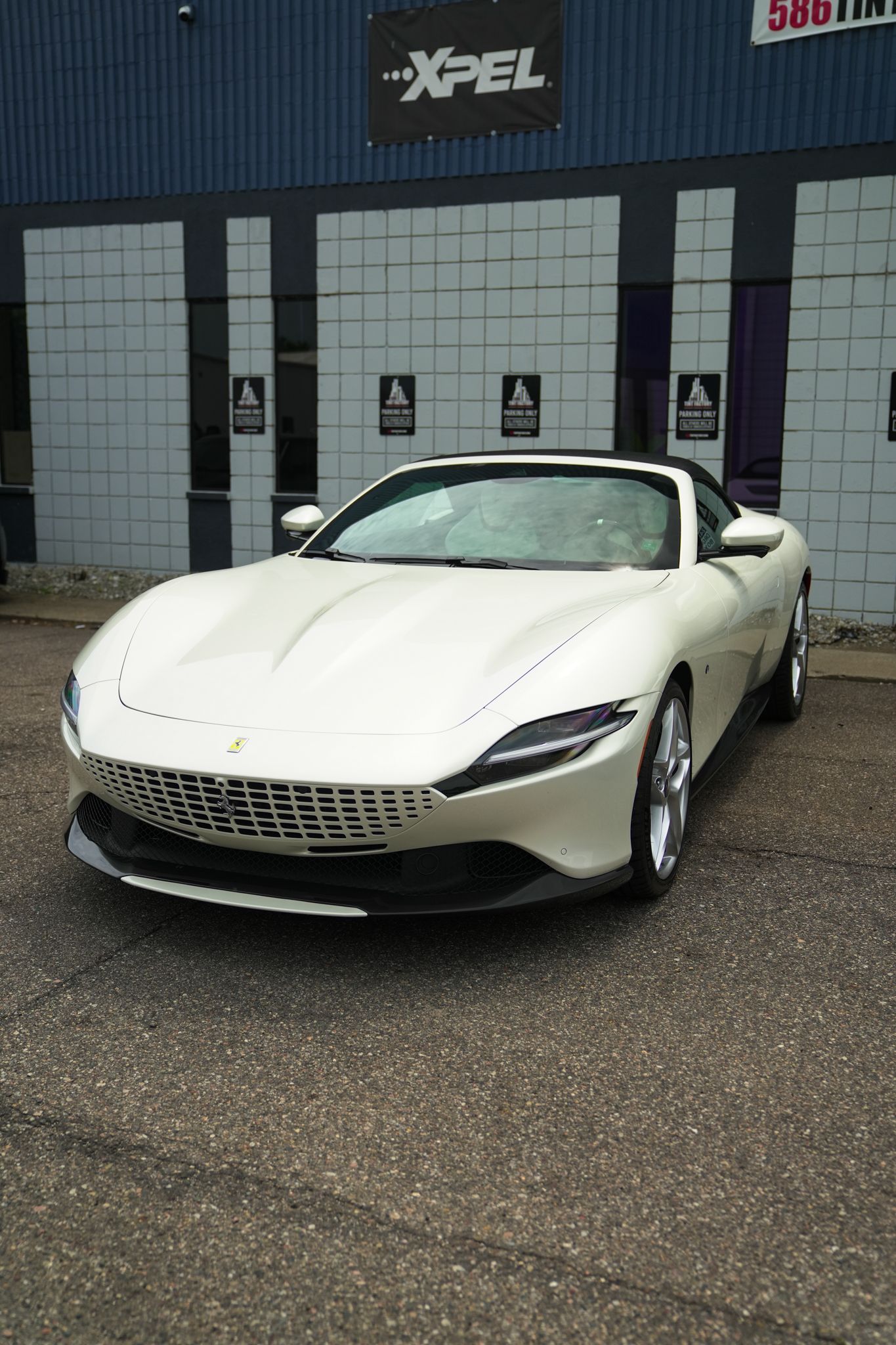
If your priority is to protect your vehicle’s paint from damage, PPF is the way to go. PPF excels in safeguarding your car from rock chips, scratches, swirl marks, and even harsh weather conditions. It’s perfect for high-impact areas like the front bumper, hood, and side mirrors, where daily wear and tear can leave noticeable marks. If you’re someone who drives frequently in areas with a lot of road debris or if your vehicle is exposed to harsh environmental conditions (such as salty roads in winter), PPF offers the protection your car needs while maintaining its original finish. PPF is also an excellent choice for luxury or high-end cars that you want to preserve in pristine condition.
Choosing Vinyl Wrap:
On the other hand, if you’re after a bold aesthetic transformation or looking to advertise your business with custom designs, Vinyl Wrap is the perfect choice. Vinyl wraps allow for endless customization—whether you want a new color, matte, gloss, or even a completely unique design. It’s perfect for those who want to change the look of their vehicle without the permanence of a paint job. If you’re considering altering the entire look of your car or even adding some eye-catching graphics, a Vinyl Wrap can give you the creative freedom you need.
In summary, choose PPF if you want long-lasting protection and minimal maintenance. Opt for Vinyl Wrap if your goal is to make a statement with an eye-catching design or a fresh look!
Why Is Professional Installation Important for Both PPF and Vinyl Wrap?
When it comes to PPF and Vinyl Wrap, professional installation can make all the difference in terms of quality, durability, and appearance. Here’s why expert installation is crucial for both.
Benefits of Expert Installation for PPF:
PPF is designed to protect your vehicle’s paint, but if it’s not applied properly, it won’t deliver its full protective potential. Professional installers have the experience and tools to ensure that the film is applied without bubbles, wrinkles, or creases. A poorly installed PPF might not only look bad but also lose its effectiveness over time. Experts also know how to trim the film accurately to ensure a seamless fit, especially around complex areas like curves or edges. With proper installation, your PPF will provide superior protection against scratches, chips, and contaminants, extending the life of your car’s paint. Plus, a flawless application ensures that the film won’t peel or degrade prematurely.
Importance of Professional Application for Vinyl Wrap:
Vinyl Wrap installation is just as meticulous. It requires precise measurements and careful handling to achieve a smooth, seamless finish. Professional installers are trained to handle the vinyl properly, ensuring that it fits the contours of your vehicle perfectly, without air bubbles or visible seams. Expert installation also ensures that the wrap won’t lift or peel over time, especially around corners or edges. If you want your wrap to look as good as the day it’s applied, professional installation is essential. Plus, skilled professionals can offer design advice and ensure that the wrap aligns with your desired aesthetic.
In both cases, choosing a professional installer ensures that your investment not only looks great but performs as expected, providing long-lasting results.
Conclusion
Choosing between Paint Protection Film (PPF) and Vinyl Wrap can be a tough decision, but understanding their unique qualities makes it easier to determine the best option for your vehicle. Both PPF and Vinyl Wrap offer distinct advantages, and it all boils down to your priorities—whether that’s protecting your car’s paint, achieving a customized look, or balancing both.
PPF excels in protecting your vehicle’s paint from chips, scratches, and environmental damage. It’s an excellent option if you want to maintain the integrity of your car’s original paint job while ensuring long-lasting protection. On the other hand, Vinyl Wrap offers aesthetic customization by allowing you to change the color and finish of your vehicle, whether you want a matte, glossy, or even a custom design. However, while it adds a unique appearance, it doesn’t provide the same level of protection as PPF.
If your primary concern is preserving the value and condition of your car’s paint, PPF is the way to go. It offers robust protection while maintaining the factory finish of your vehicle. However, if you’re looking to give your car a makeover or express your personal style, Vinyl Wrap is the better option. It allows for a greater range of colors and finishes, with the flexibility to easily change it if desired.
In the end, both options offer significant benefits, but which one is right for you depends on your protection needs, budget, and aesthetic desires. Regardless of your choice, professional installation is crucial for achieving the best results.
Ultimately, whether you’re seeking top-tier protection with PPF or a fresh look with Vinyl Wrap, both can transform your car into something special. The decision is yours to make!