Proper PPF Removal: How to Avoid Paint Damage and Adhesive Residue
Paint Protection Film (PPF) is a game-changer for keeping your vehicle’s paint safe from scratches, chips, and environmental damage. But here’s the catch—removing it the wrong way can cause more harm than good. Peel it off too aggressively, and you risk damaging the paint underneath. Ignore the leftover adhesive, and you’ll be left with an unsightly, sticky mess that’s frustrating to clean. So, how do you remove PPF safely without ruining your car’s pristine finish?
The truth is, PPF removal isn’t just about peeling it off and hoping for the best. It’s about using the right techniques, applying controlled heat, and understanding the type of adhesive you’re dealing with. Many car owners make the mistake of rushing the process, only to find themselves with torn film, paint imperfections, or stubborn residue that refuses to budge. This article is here to make sure you don’t fall into that trap.
In the following sections, we’ll break down everything you need to know—when to remove PPF, the safest methods for getting it off, and the best products to eliminate leftover adhesive without damaging your vehicle’s paint. Whether you’re doing it yourself or planning to take your car to a professional, this guide will ensure you handle PPF removal the right way. Ready to learn how to do it like a pro? Let’s get started.
What is Paint Protection Film (PPF), and Why is Its Removal Important?
Paint Protection Film (PPF) is like an invisible shield for your car’s paint. Made from a tough, self-healing urethane material, it defends against rock chips, scratches, bug splatter, and even UV damage. It’s the go-to solution for keeping a vehicle’s finish pristine, whether it’s a daily driver or a high-end luxury car. But while PPF is designed to be durable, it doesn’t last forever.
Over time, exposure to the elements can cause the film to yellow, peel, or lose its clarity. At this point, removal becomes necessary—not just for aesthetics, but to prevent damage. If left on too long, the adhesive can bond more aggressively to the paint, making removal trickier.
Other times, car owners remove PPF to upgrade to a newer, more advanced film or because they’re selling the vehicle and want a fresh, clean surface. Whatever the reason, taking it off the right way is crucial. Done improperly, PPF removal can lift the clear coat, leave behind a sticky mess, or even damage the paint itself. That’s why knowing the right techniques is essential—it ensures your car stays looking flawless, even after the film is gone!
When is the Optimal Time to Remove PPF?
Timing is everything when it comes to removing Paint Protection Film (PPF). Wait too long, and the adhesive can harden, making removal a nightmare. Remove it too soon, and you may be throwing away years of perfectly good protection. So, how do you know when it’s the right time?
The most obvious signs include yellowing, cracking, or peeling edges. These indicate that the film has deteriorated and is no longer providing full protection. If you notice bubbling or cloudiness, that’s another red flag—it means the adhesive is starting to break down, which could eventually bond to your car’s paint if left too long.
Generally, high-quality PPF lasts anywhere from five to ten years, but factors like sun exposure, climate conditions, and maintenance can speed up wear and tear. The older the film, the trickier the removal process becomes. As the adhesive ages, it can harden and become more stubborn, increasing the risk of paint damage.
To avoid issues, it’s best to remove PPF before it reaches a heavily deteriorated state. If you’re unsure, a professional inspection can help determine whether it’s time to take it off or if it still has life left.
Where Should PPF Removal Take Place to Ensure Safety?
Removing Paint Protection Film (PPF) isn’t just about peeling it off—it’s about doing it the right way to protect your car’s paint. The environment you choose for removal plays a huge role in how smoothly the process goes.
A controlled environment is key. You’ll want to work in an indoor space like a garage or professional detailing shop where dust, debris, and sudden weather changes won’t interfere. Outdoor removal might seem convenient, but wind, dirt, and fluctuating temperatures can cause complications, such as adhesive hardening too quickly or leaving residue behind.
Temperature and humidity also matter. PPF removal is easiest when done in moderate conditions—around 70°F to 80°F (21°C to 27°C). If it’s too cold, the adhesive stiffens, making the film harder to lift. Too hot, and the adhesive might become overly sticky, creating a mess. Humidity should also be controlled, as excessive moisture can interfere with the removal process and make cleanup harder.
For the safest, cleanest removal, a dust-free, temperature-controlled space is ideal. If you’re unsure, a professional detailing shop will have the right setup to ensure your PPF comes off smoothly without damaging your car’s paint.
Why is Heat Application Crucial in the Removal Process?
Heat is your best friend when it comes to safely removing Paint Protection Film (PPF). Without it, you risk tearing the film, leaving stubborn adhesive behind, or—worst of all—damaging your car’s paint.
So, why does heat matter? PPF is designed to bond tightly to the paint using a strong adhesive. Over time, this adhesive hardens, making removal tricky. Applying heat softens the adhesive, allowing the film to lift smoothly without excessive force. This reduces the risk of pulling up the clear coat or leaving a patchy mess of sticky residue.
Now, the method matters just as much as the heat itself. A heat gun is the preferred tool, offering precise temperature control. Hold it about 6–12 inches away from the surface, using a sweeping motion to evenly distribute the heat. The goal is to warm the film—not scorch it. Too much direct heat can cause paint discoloration or make the PPF brittle instead of pliable.
If you don’t have a heat gun, a hairdryer on high heat can work in a pinch. In warm climates, parking your car in direct sunlight for a while can also help loosen the adhesive. Whatever method you use, patience is key—proper heat application ensures a clean, damage-free removal.
How Should One Begin the Physical Removal of PPF?
Removing Paint Protection Film (PPF) isn’t a job you want to rush. If done improperly, you could end up with torn film, stubborn adhesive residue, or even damage to your car’s paint. So, where do you start?
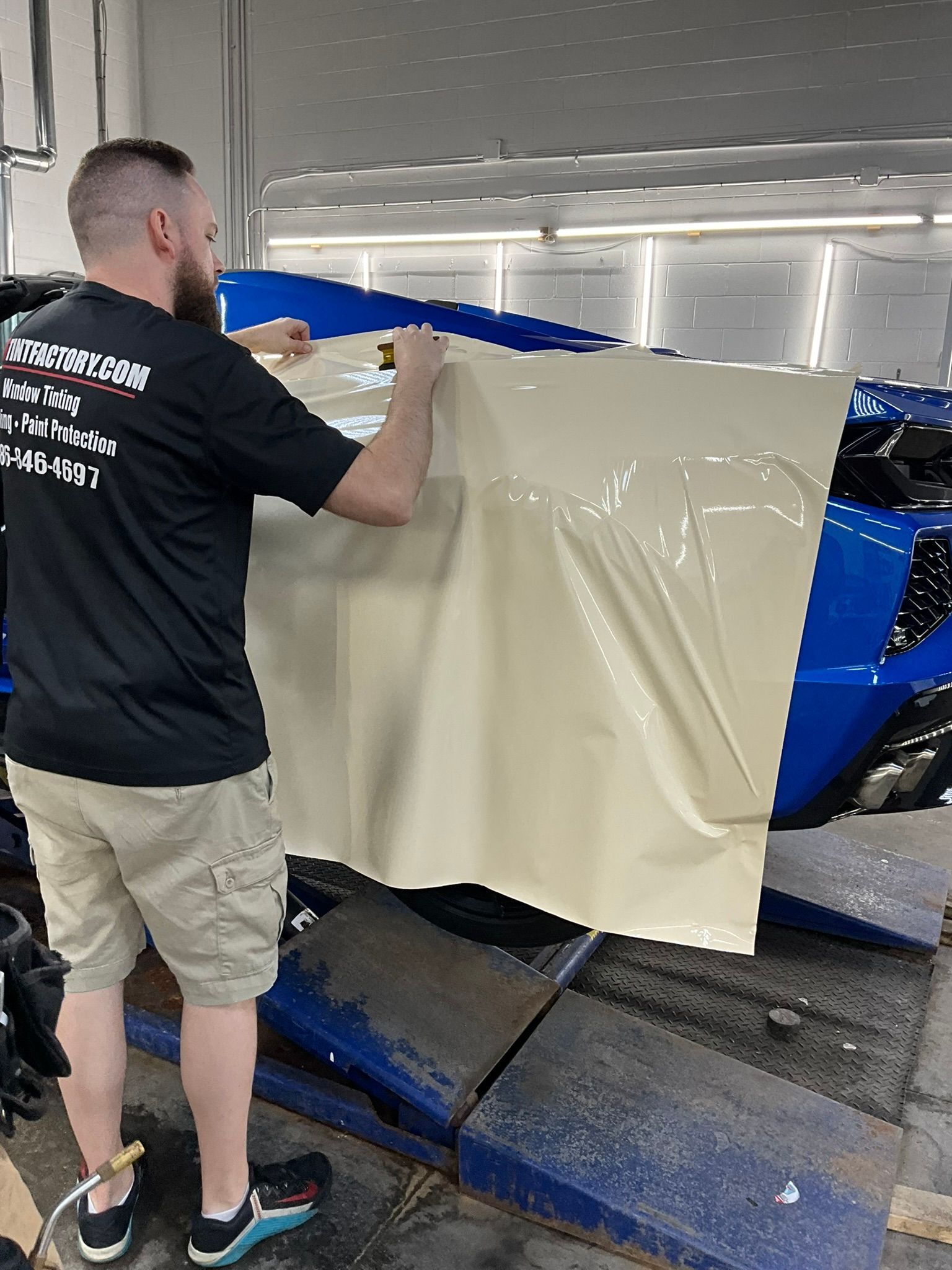
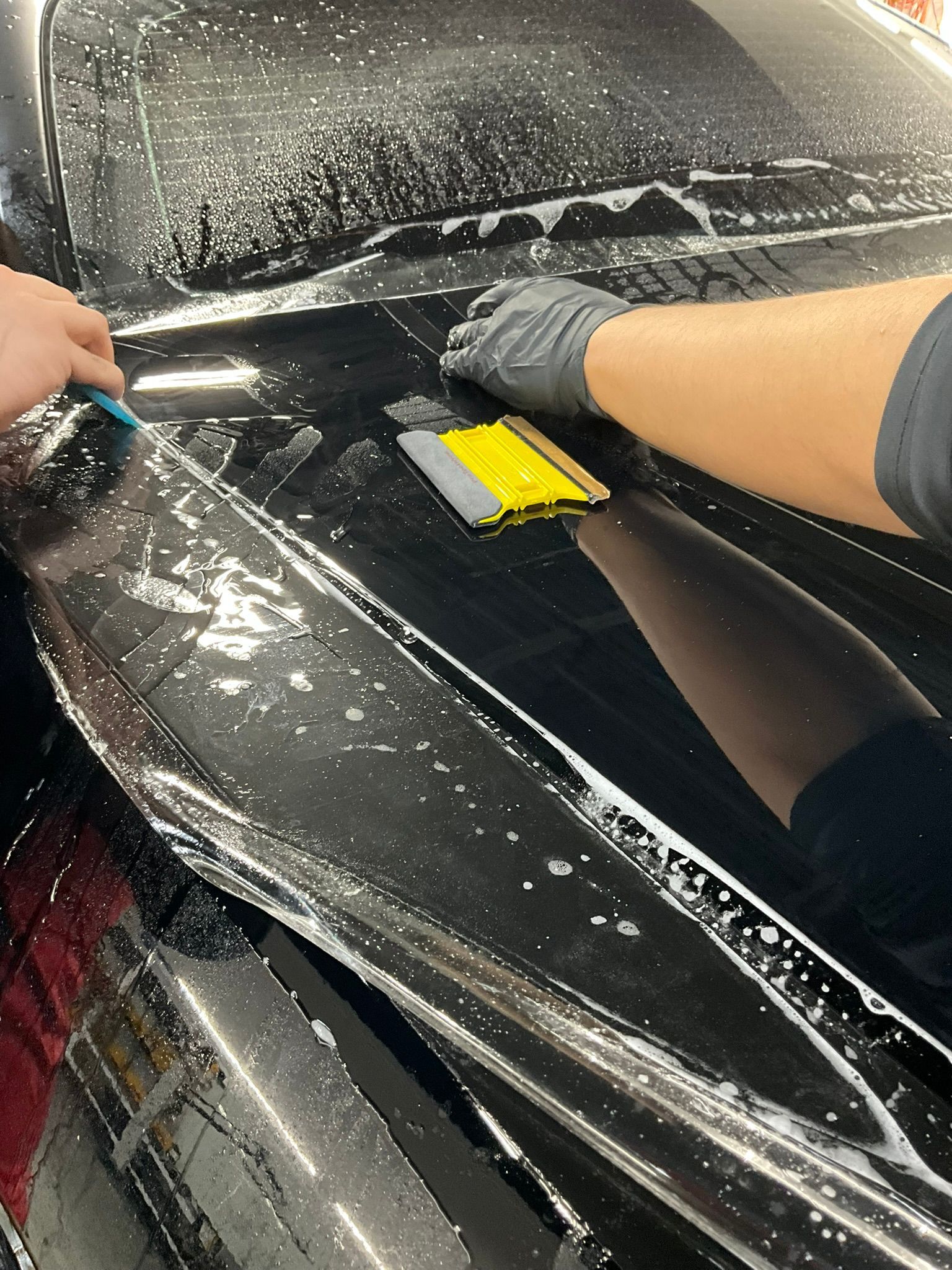
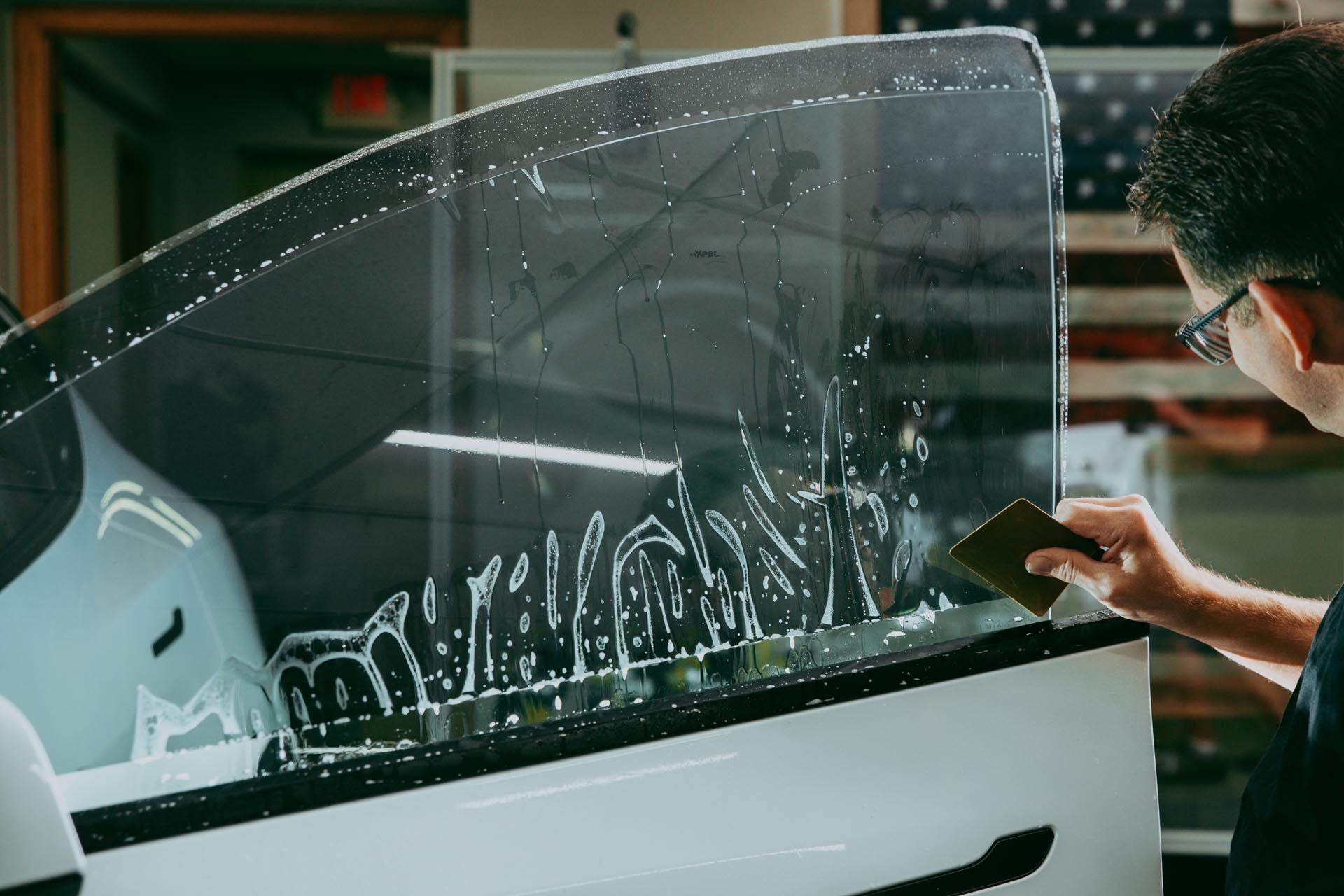
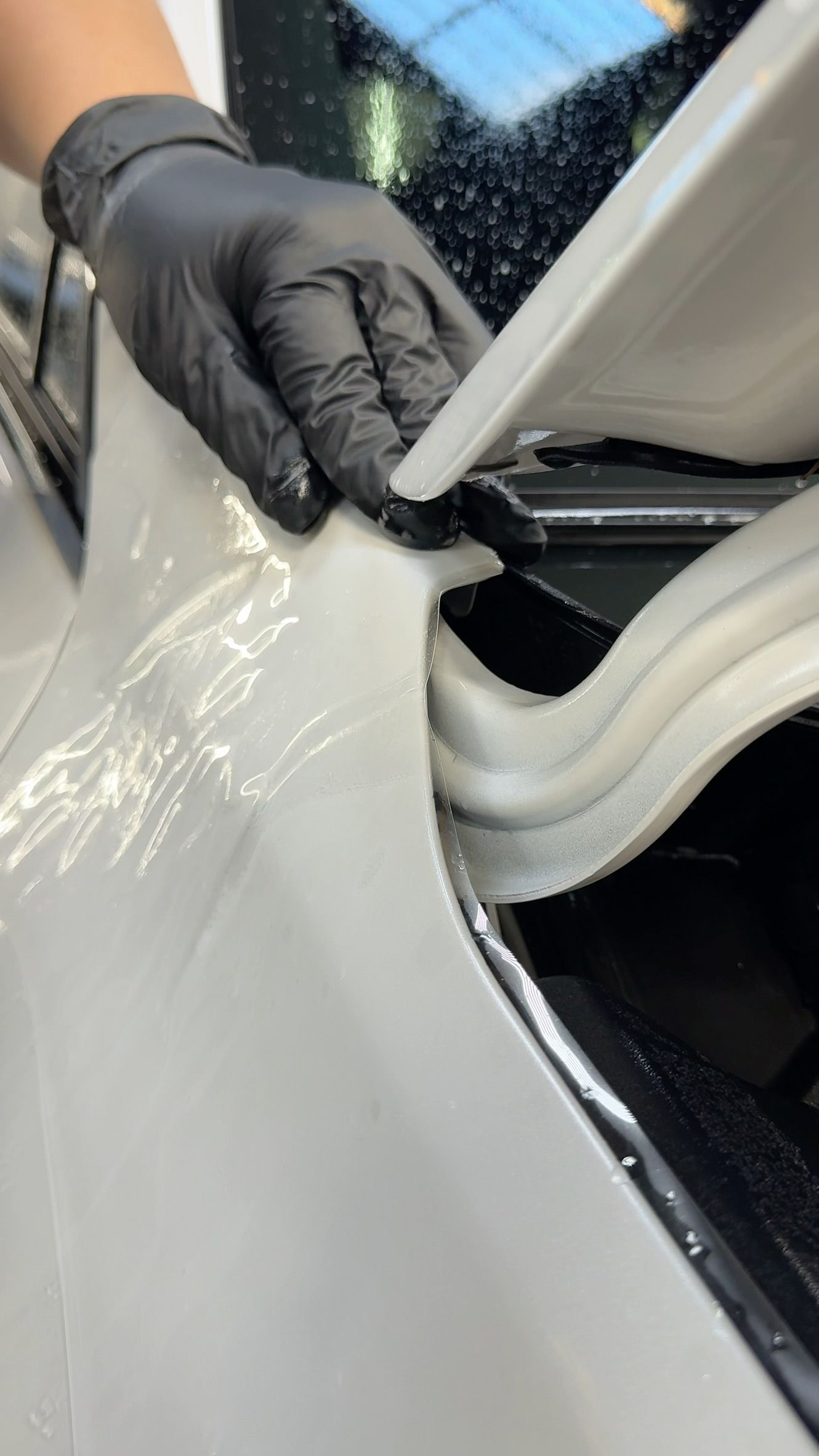
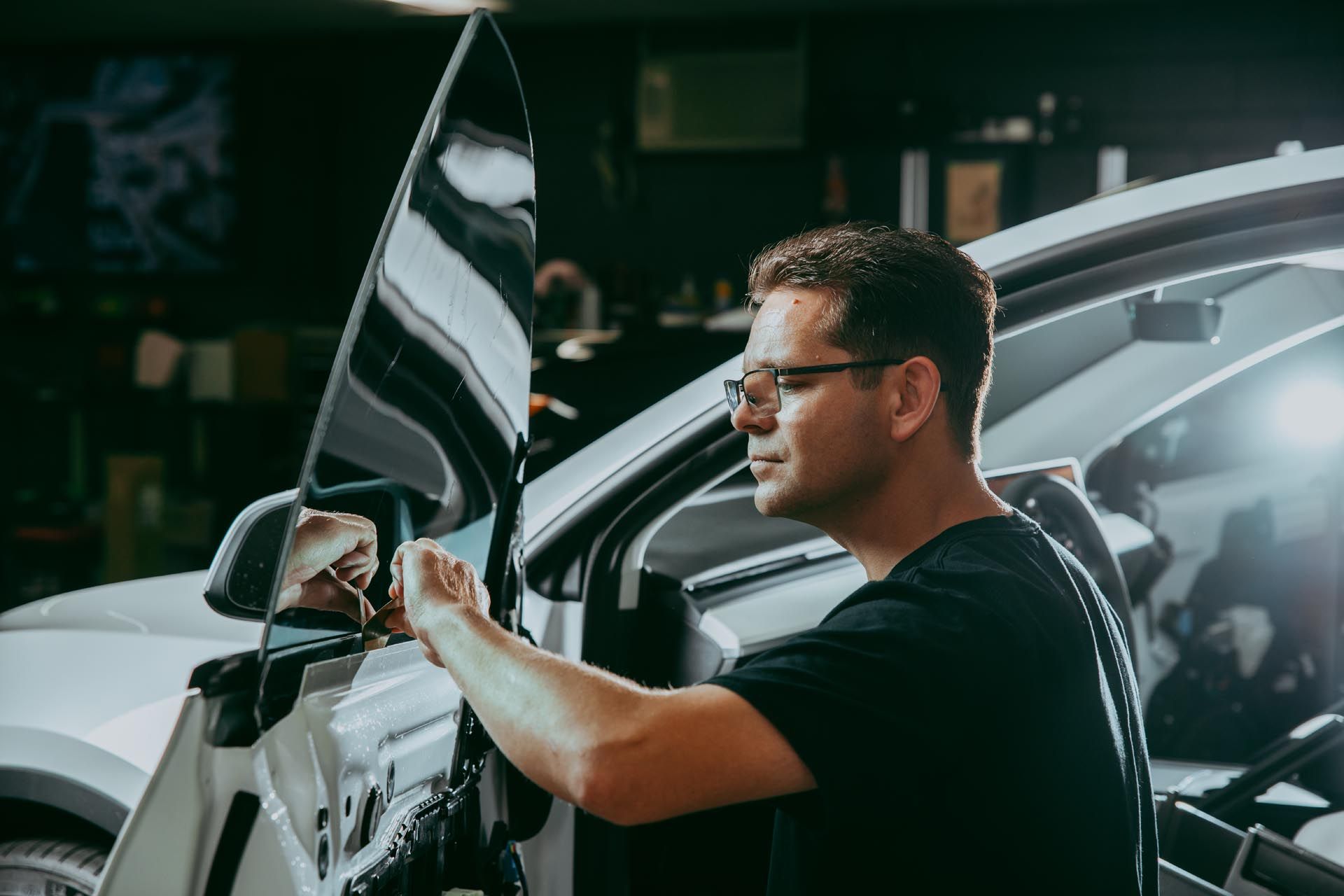
First, after applying heat to soften the adhesive, pick a corner or edge of the film to lift. If the PPF has already begun peeling on its own, that’s a great starting point. Use your fingernail or a plastic scraper—never metal tools, as they can scratch the paint. Gently lift the film just enough to get a firm grip.
Next, peel the PPF back slowly at a low angle, ideally around 45 degrees. This helps reduce stress on the adhesive and prevents it from pulling up the clear coat. Never yank the film straight up, as this increases the chances of paint damage. Instead, work in sections, maintaining consistent pressure as you go.
If resistance increases or the film starts to tear, pause and reapply heat. The key is to work methodically, applying controlled heat and peeling gradually. Rushing can leave you with a mess of leftover adhesive—and a much bigger headache to clean up later!
What Tools Are Recommended for Removing Adhesive Residue?
Once the Paint Protection Film (PPF) is off, you might be left with stubborn adhesive residue. Don’t panic—removing it safely just takes the right tools and a little patience!
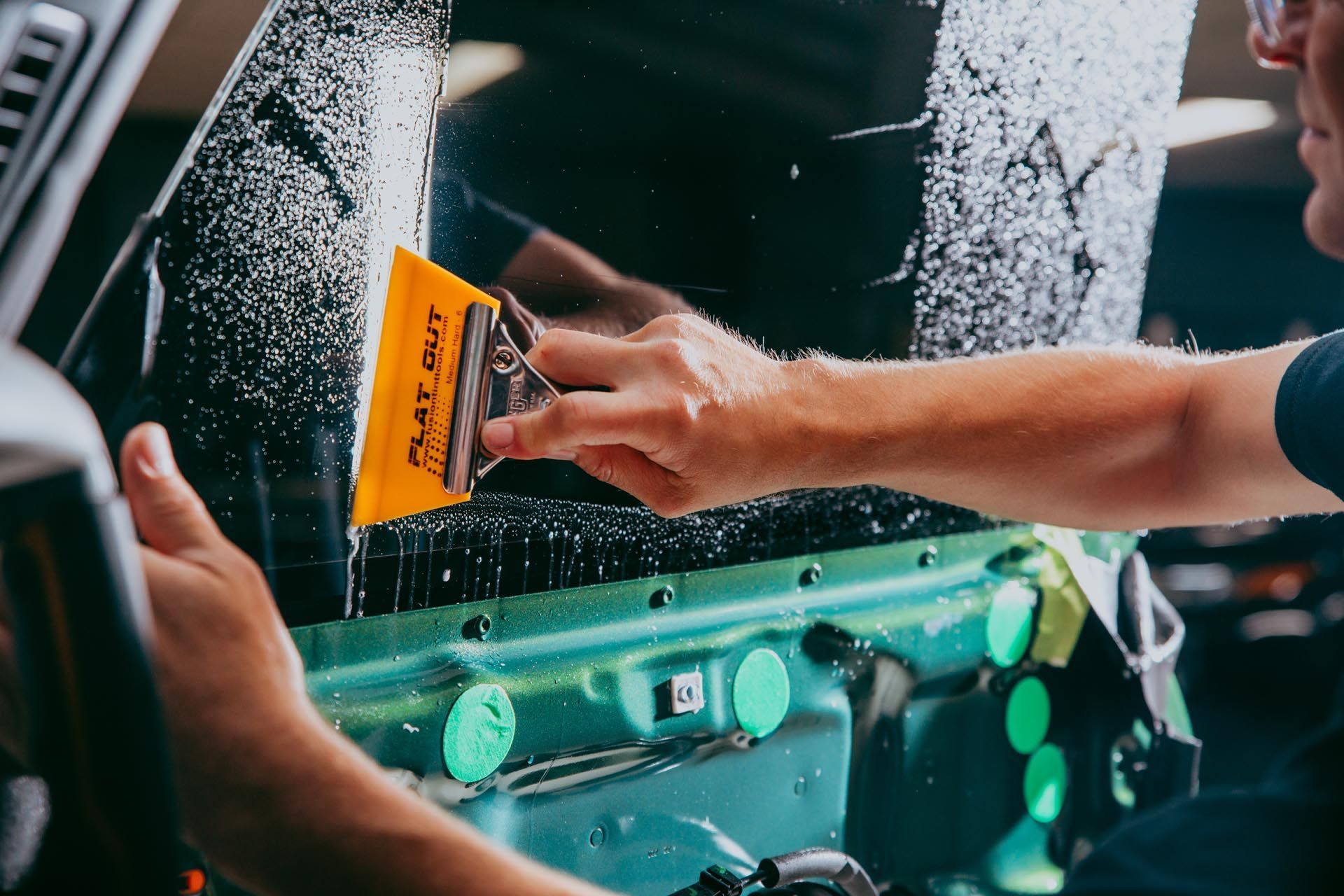
Start with a plastic scraper or squeegee. These are gentle on the paint and help lift excess adhesive without causing scratches. Avoid metal tools, as they can gouge the surface. If you need extra help, an eraser wheel attached to a drill can work wonders. This rubberized tool is designed to rub off adhesive without harming the paint.
Heat can also be your best friend. A heat gun or hair dryer on low to medium heat softens the adhesive, making it easier to wipe away. Just be careful not to overheat the surface—keep the heat moving and never hold it in one spot too long.
For any remaining residue, use a mild adhesive remover like isopropyl alcohol or a citrus-based cleaner. Apply it with a microfiber cloth, let it sit for a few moments, then gently rub the residue off.
With the right tools and techniques, you’ll have a clean, smooth surface—ready for a fresh layer of protection or a flawless paint finish!
Which Adhesive Removers Are Safe and Effective for PPF Residue?
So, you’ve peeled off the Paint Protection Film (PPF), but now you’re stuck with a sticky mess. The right adhesive remover can make all the difference! But be careful—not all products are safe for your car’s paint.
One of the top choices is 3M Adhesive Remover. It’s widely trusted for breaking down tough residues without harming clear coats. Another great option is Rapid Remover, a citrus-based cleaner that works quickly and is safe on automotive surfaces. If you prefer a more common household solution, isopropyl alcohol (70% or higher) can help dissolve the adhesive while being gentle on paint.
No matter which product you use, always test it on a small, inconspicuous area first. Some removers can be too strong, especially for older or delicate paint jobs. Apply a little to a microfiber cloth and dab it onto the residue—never pour it directly on the surface. Let it sit for a few seconds, then gently wipe away.
With the right adhesive remover and a little patience, your car’s surface will be clean, smooth, and ready for whatever comes next—whether it’s a new layer of protection or just showing off that flawless paint!
How Can One Clean the Vehicle Post-PPF Removal?
Once the PPF is off and the adhesive residue is gone, it’s time for a good, thorough clean-up! You don’t want to leave any traces behind, so here’s how to make sure your car is spotless and safe after the removal process.
First, rinse the vehicle with water to remove any large debris or dust particles. Next, grab a pH-balanced car shampoo—it’s essential to use something that won’t strip away your paint’s protective layer or clear coat. Avoid household soaps, as they can be too harsh. Using a microfiber wash mitt, gently wash the surface to ensure you’re lifting any remaining residue.
Once the surface is clean, dry the car with a soft microfiber towel to prevent water spots. Next, it’s a good idea to follow up with a clay bar treatment to remove any stubborn contaminants or leftover adhesive traces. This step will give you that ultra-smooth, like-new feel to the paint.
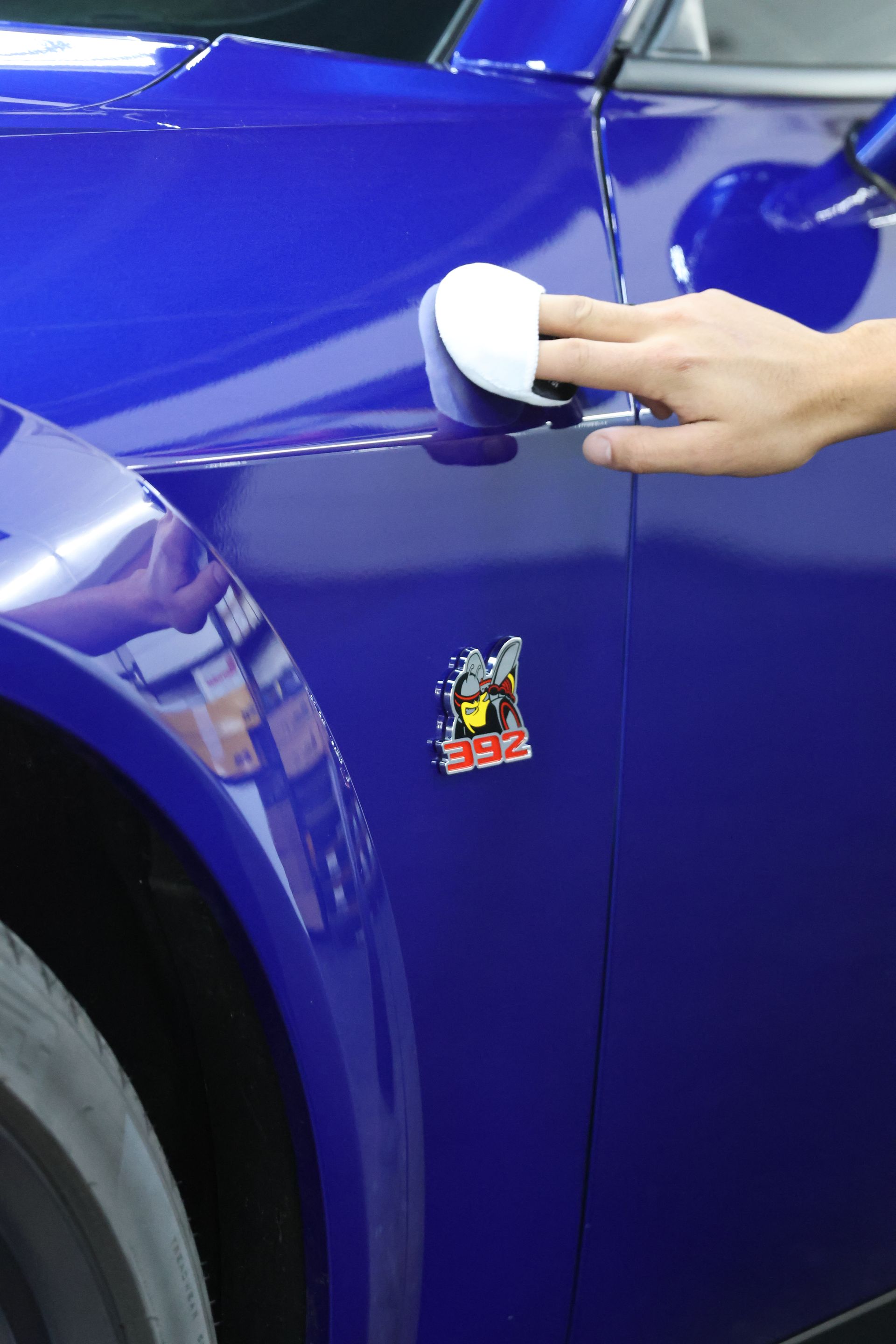
For finishing touches, consider applying a paint sealant or wax to protect the paint after the cleaning process. This layer will add shine and offer a bit of protection while your car is prepped for its next layer of protection.
By following these steps, you ensure that your vehicle looks pristine, and the paint stays in great condition!
What Precautions Should be Taken During PPF Removal?
Removing PPF is not a task to rush—patience and attention to detail are key. Before diving into the process, it’s important to take the necessary precautions to protect both yourself and your vehicle!
First, safety gear is a must. Always wear gloves to protect your hands from sharp edges, sticky adhesive, and any chemicals you might use during the removal process. Safety goggles and a dust mask can also come in handy, especially if you’re working with heat tools or adhesive removers that may release fumes.
Next, make sure your work environment is safe. Remove any nearby objects or tools that might get in your way, and ensure you have ample space to work. This way, you minimize distractions and potential accidents.
When working with heat, be mindful of the temperature—too much heat can damage the paint! It’s crucial to keep the heat gun or hair dryer moving to avoid overheating any specific spot on the vehicle. Similarly, use moderate pressure when peeling the film to avoid pulling off paint or damaging the clear coat.
Most importantly, take your time. Patience is key. Rushing through the process could lead to mistakes and result in unnecessary damage. By being careful and deliberate, you’ll ensure a smooth, damage-free PPF removal.
When Should Professional Assistance be Considered for PPF Removal?
While many car enthusiasts may feel confident in removing PPF themselves, there are situations where professional help is a smart choice. Let’s face it—PPF removal is delicate work, and sometimes, it’s better to leave it to the experts!
If your PPF has been on your vehicle for several years, it may have hardened or become more difficult to remove. In such cases, professional technicians have the right tools and expertise to handle the job safely without risking damage to your car’s paint. A professional service can also ensure that adhesive residue is thoroughly cleaned off, leaving your vehicle looking pristine.
In addition, if you’re dealing with areas that are hard to reach or have intricate curves, doing it yourself can be frustrating and time-consuming. Professionals have the experience to carefully navigate those tricky spots, ensuring a smooth removal process. They’ll also use high-end equipment like heat guns, eraser wheels, and premium adhesive removers—tools that may not be available to the average DIYer.
Lastly, if you’re unsure about how to proceed or fear causing damage to your car, calling in the pros is always a safe bet. Entrusting the job to trained technicians not only gives you peace of mind but ensures the job gets done right the first time.
Conclusion
Proper PPF removal is more than just a task—it’s an art form that requires precision, patience, and the right tools. As we’ve discussed throughout this article, removing Paint Protection Film (PPF) isn’t as simple as peeling off a sticker. If done improperly, it can lead to paint damage or leave behind stubborn adhesive residue. That’s why getting it right is absolutely crucial.
First and foremost, heat application is vital in softening the adhesive, making the entire process smoother and safer for your car’s paint. Without it, you risk damaging the paint surface or pulling up clear coats. Using safe tools, like plastic scrapers or eraser wheels, is also essential in minimizing any unnecessary scratches or marks. Always take your time—rushing can lead to costly mistakes!
If you find yourself unsure or uncomfortable with the process, don’t hesitate to call in the professionals. While DIY might seem tempting, trained technicians have the expertise, experience, and proper equipment to ensure the PPF removal is done safely and without a hitch. They know exactly how to handle tough spots and are equipped to tackle any challenges that come their way.
In conclusion, taking care of your car’s appearance requires attention to detail—especially when it comes to PPF removal. Whether you’re doing it yourself or seeking help, remember: slow, careful, and methodical work is key. And when in doubt, leaving the task to the pros guarantees the best results!