Breaking Down the Cost of Window Tinting, PPF, and Ceramic Coating


Whether you’re protecting a brand-new ride or extending the life of a well-loved vehicle, keeping your car in top shape requires more than just regular washes. From harmful UV rays to road debris and oxidation, everyday exposure takes a toll on your vehicle’s appearance and value. That’s why more car owners are investing in protective upgrades like window tinting, paint protection film (PPF), and ceramic coating.
But how much do these services actually cost—and what are you really paying for?
Each solution offers its own unique benefits. Window tint can reduce glare, cool your cabin, and provide privacy, while also offering critical glass protection. PPF helps defend against rock chips, scratches, and swirl marks, especially on high-impact areas. Ceramic coating creates a slick, glossy surface that repels dirt and water, helping your paint stay cleaner, longer.
Whether you’re considering a single upgrade or planning a full protection package—maybe even adding residential window tint for your home garage or commercial window tint for your fleet—understanding the pricing behind these services can help you budget smarter and avoid unnecessary costs.
In this article, we’ll break down the actual costs associated with window tinting, PPF, and ceramic coating. We’ll also cover what influences those prices, compare the value of each, and highlight potential red flags to watch for when shopping around. From basic protection to premium packages, you’ll get the insights you need to make a well-informed decision.
By the end, you’ll know exactly what kind of protection best fits your vehicle, lifestyle, and budget—so you can invest wisely and keep your car looking its best for years to come.
Before diving into the price tags, it’s important to understand what each protective service actually does—and why people are willing to pay for them. Window tinting, paint protection film (PPF), and ceramic coating all serve different purposes, but each plays a unique role in preserving your vehicle’s appearance, comfort, and value.
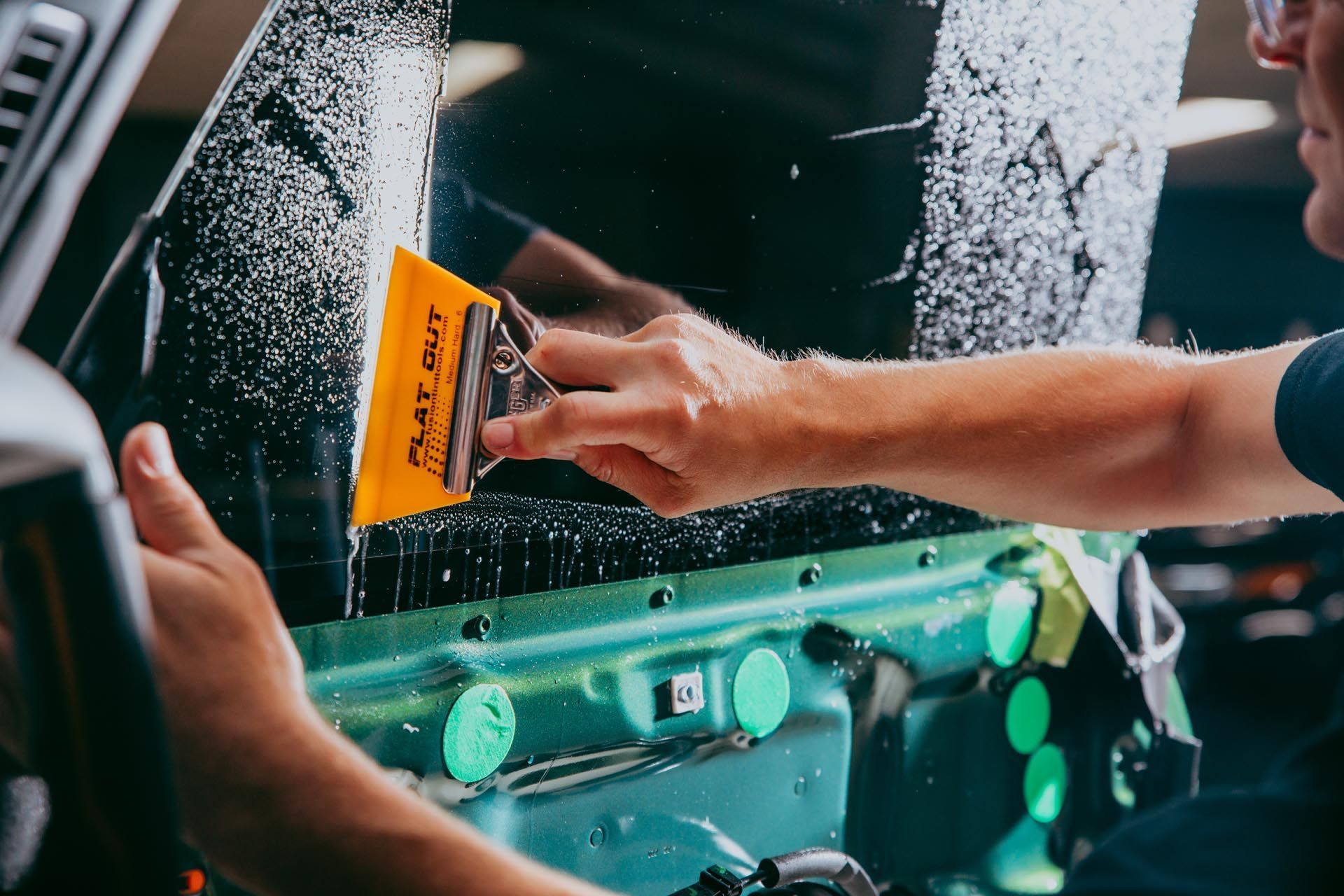
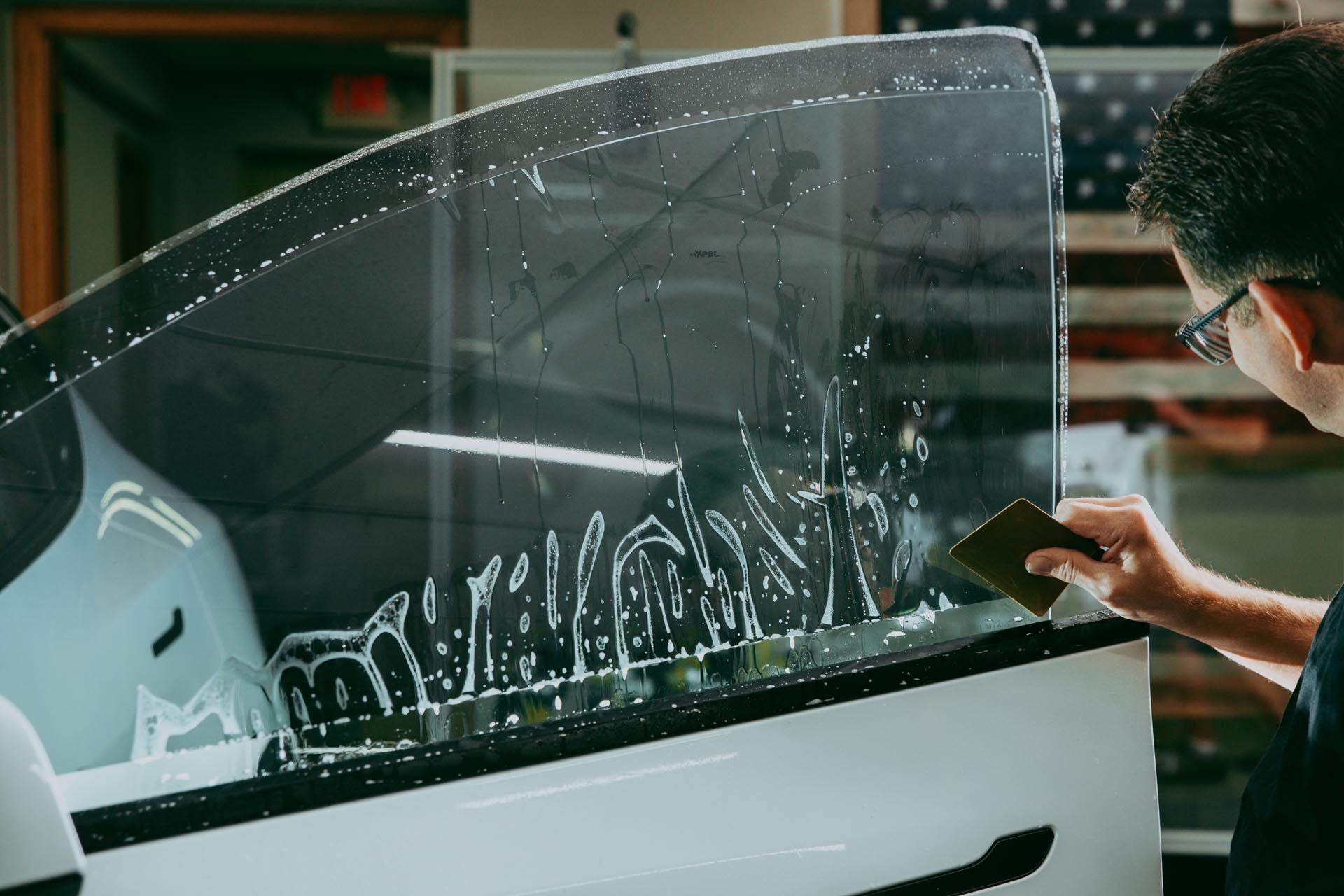
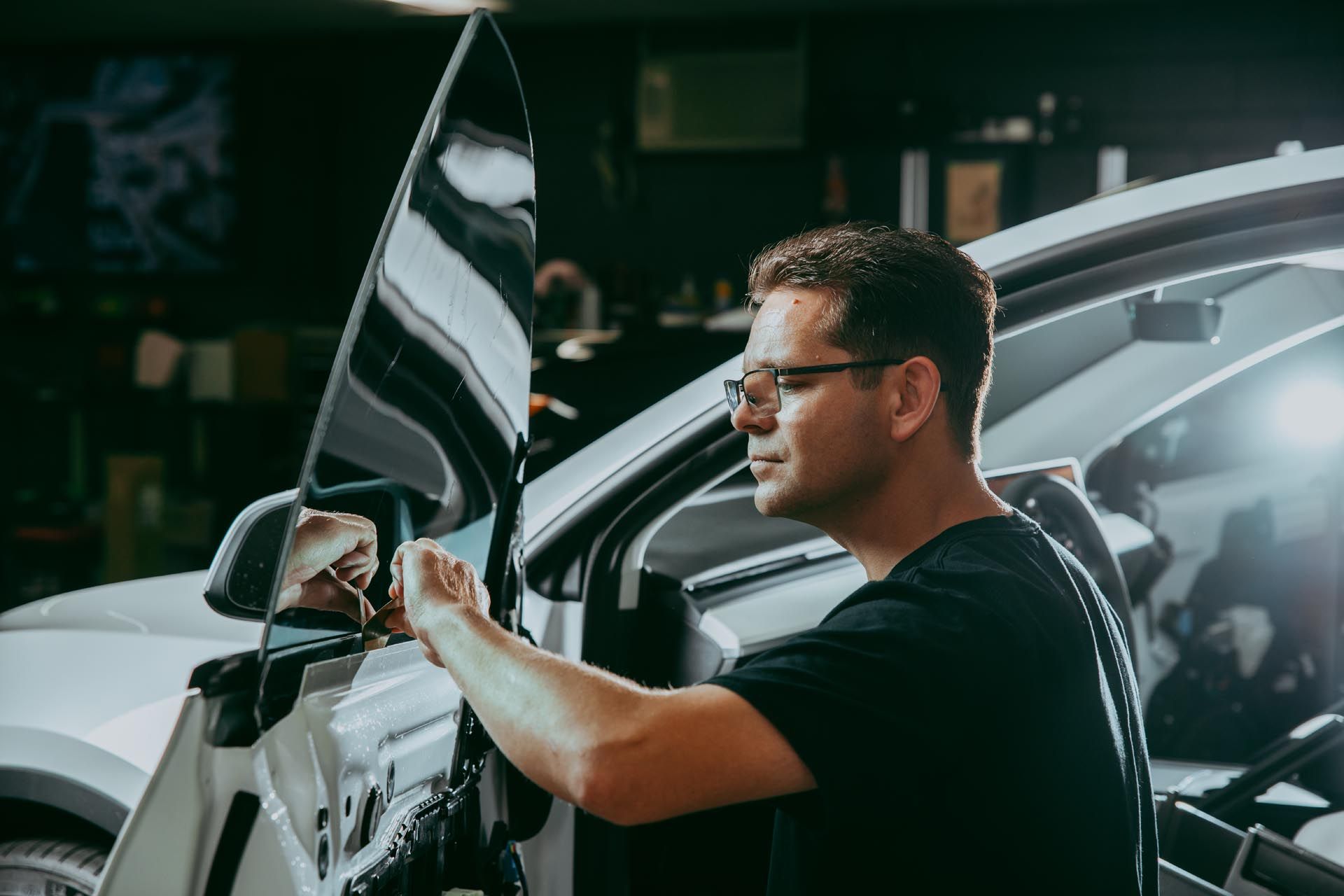
Window Tint is more than just a sleek visual upgrade. It blocks up to 99% of harmful UV rays, helps maintain a cooler cabin temperature, and reduces glare while driving. It also adds an extra layer of glass protection—helping to hold shattered glass in place during accidents. Many drivers also consider residential window tint and commercial window tint for garages or business fleets, which offer similar benefits indoors.
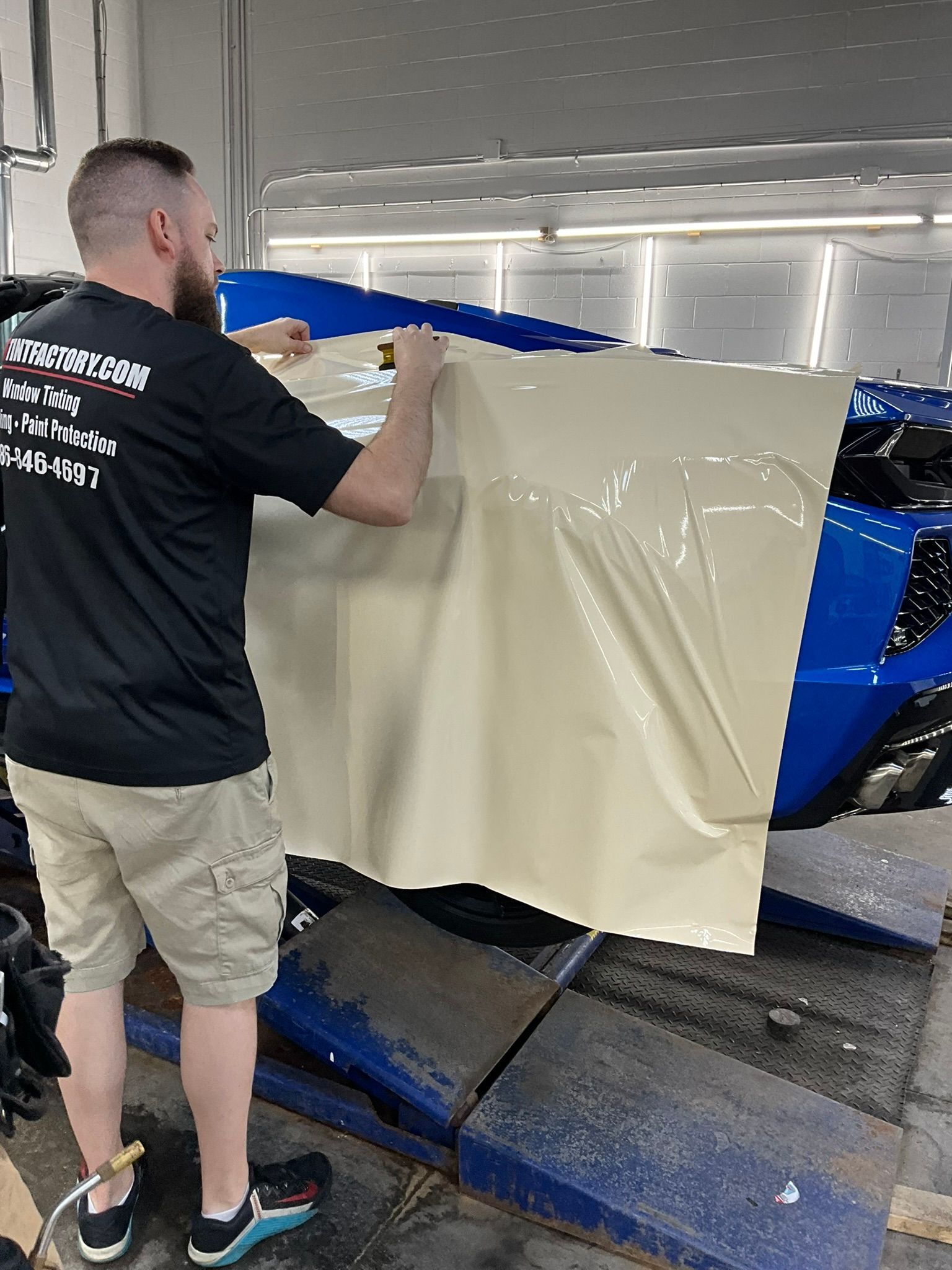
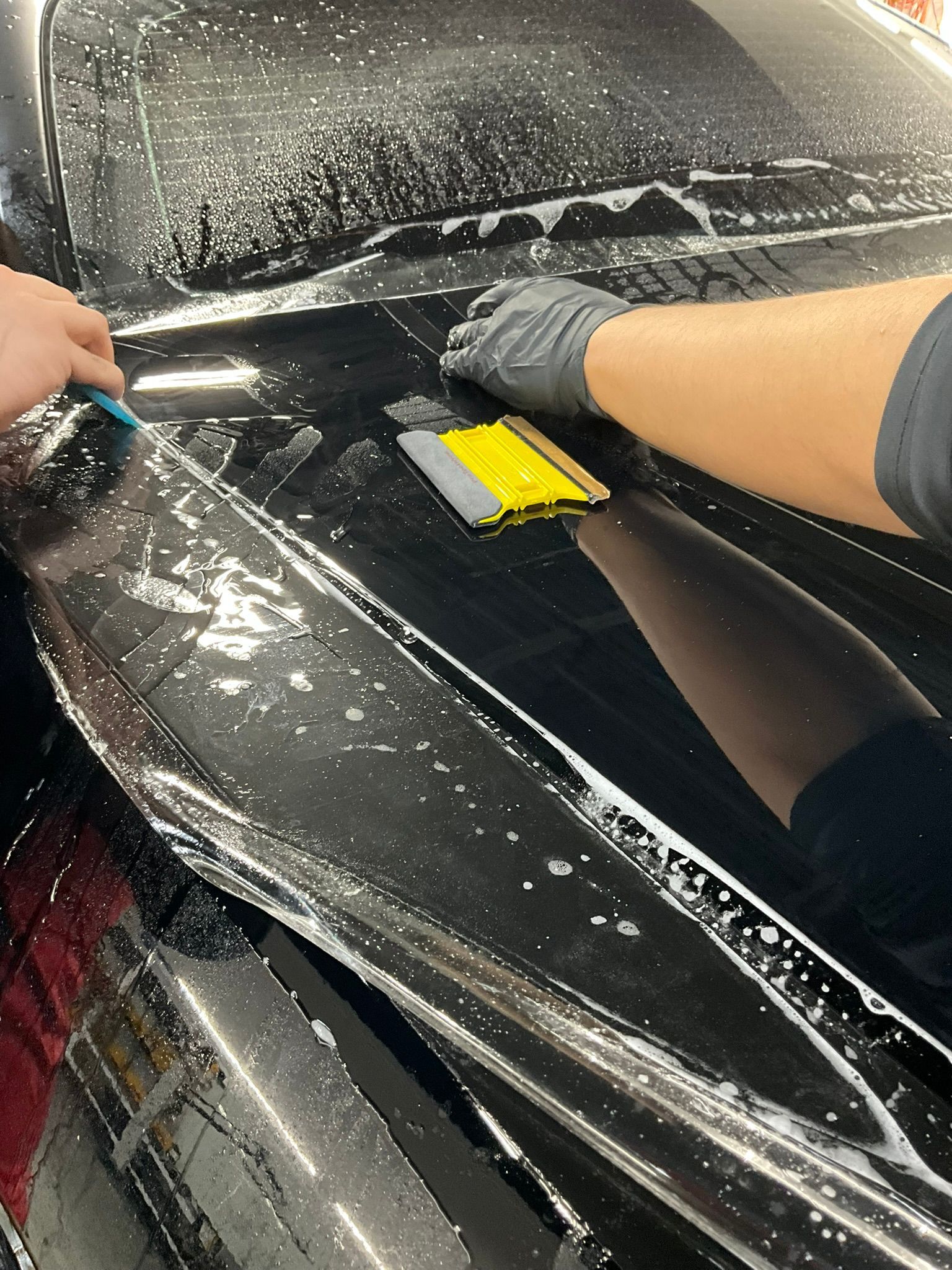
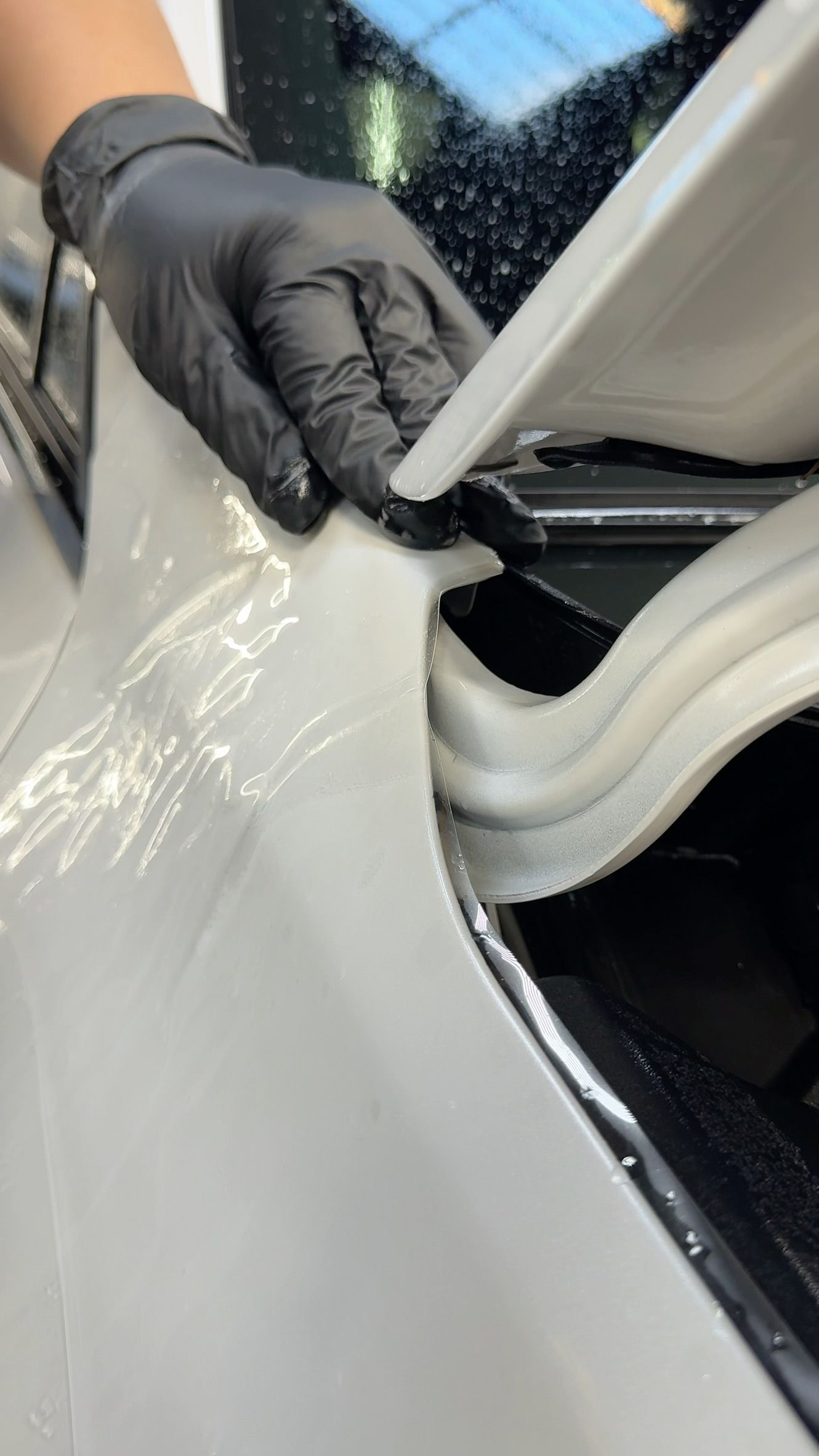
Paint Protection Film (PPF) is a thick, invisible urethane film applied to painted surfaces of your car. It’s specifically designed to protect high-impact areas—like your hood, bumpers, and mirrors—from scratches, rock chips, road debris, and salt. PPF is known for its self-healing properties and long-lasting durability, often lasting 5–10 years.
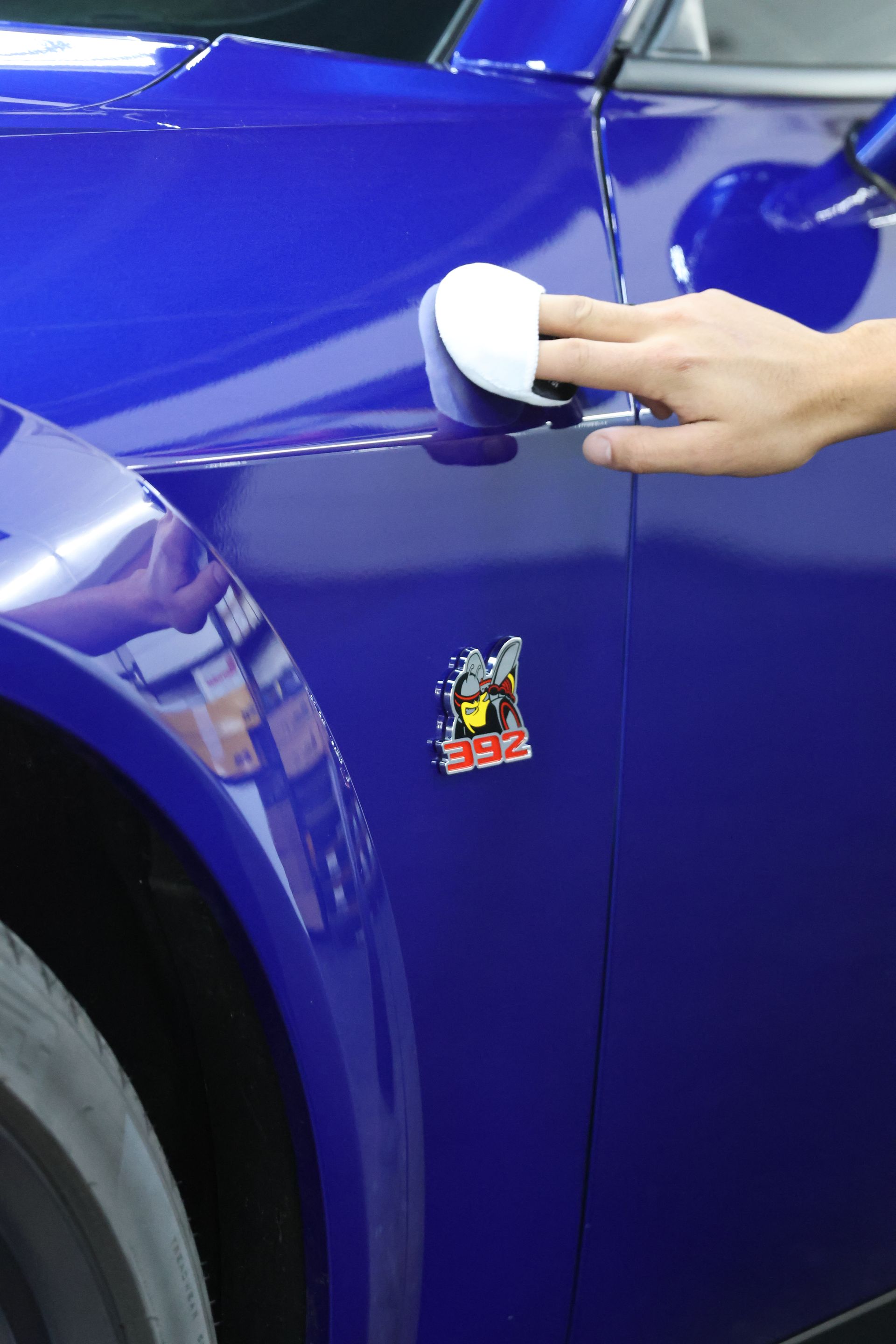
Ceramic Coating adds a chemical layer of protection that bonds with your paint. While it doesn’t prevent physical damage like PPF, it offers excellent resistance to UV rays, oxidation, bird droppings, and water spots. Plus, it enhances gloss and makes routine washing quicker and easier thanks to its hydrophobic finish.
Understanding these core purposes helps explain the cost behind each service—and sets the stage for choosing the right combination for your vehicle’s needs and your overall investment strategy.
Window tinting is often the entry point for vehicle protection, and for good reason—it’s cost-effective, functional, and instantly improves both appearance and comfort. But how much does it really cost, and what factors influence the final price?
At the most basic level, window tint installation for a standard sedan using dyed film ranges from $100 to $250 . This is the most affordable option, offering UV protection and glare reduction, but it may fade over time and lacks advanced heat rejection.
Next up are carbon and hybrid tints , which typically cost between $250 and $400 . These films offer better durability, improved heat control, and don’t interfere with electronics like older metalized tints might.
If you’re looking for top-tier performance, ceramic window tint is the premium choice. It blocks up to 99% of UV rays, has excellent heat rejection, and maintains visibility without looking too dark. Expect to pay $400 to $800 or more for a full vehicle depending on the film quality and installer.
Several factors impact pricing:
For those expanding beyond their vehicle, residential window tint and commercial window tint services follow similar pricing rules—typically $6 to $15 per square foot , depending on film type and window accessibility.
Although it may be tempting to choose the lowest price, keep in mind that professionally installed, high-quality tint provides better glass protection, longer lifespan, and peace of mind—making it well worth the investment.
Next, we’ll explore the cost of paint protection film (PPF) and what you can expect depending on your coverage needs.
Paint protection film (PPF) is widely regarded as the gold standard for exterior surface protection. Designed to shield your car’s paint from rock chips, scratches, and road debris, PPF is a physical barrier that’s virtually invisible but incredibly durable. However, this level of protection comes at a higher cost compared to window tint or ceramic coating .
The price of PPF varies greatly depending on the amount of coverage you choose:
Several key factors influence the final price:
PPF isn’t a one-size-fits-all solution. While it’s a higher upfront investment, it offers unmatched glass protection for painted surfaces and can last 5 to 10 years with proper care. When combined with ceramic coating, PPF not only resists physical damage but also gains a slick, easier-to-clean surface.
Though more expensive, PPF is ideal for high-impact areas, luxury vehicles, or anyone planning to keep their car in top condition for years. It can even help retain resale value by preserving the original finish.
Up next, we’ll look at the cost breakdown for ceramic coating and what factors into its wide price range.
Ceramic coating is a high-tech solution designed to protect your vehicle’s paint by creating a long-lasting, chemical-resistant layer. It bonds with the surface at the molecular level, forming a hydrophobic shield that repels water, dirt, road salts, and contaminants. It also enhances gloss and makes cleaning noticeably easier. But just like window tint and paint protection film (PPF), ceramic coating comes with its own pricing scale.
Here’s a breakdown of what you can expect:
What affects the final cost?
Ceramic coating is not a substitute for PPF—it won’t protect against physical impacts—but it significantly reduces chemical wear, UV damage, and maintenance effort. When layered over PPF, it enhances both appearance and longevity.
Adding ceramic coating to your vehicle, residential window tint, or even commercial window tint setups can deliver long-term value by preserving surfaces and reducing upkeep.
Next, we’ll compare all three options—tint, PPF, and ceramic coating—to help you evaluate which offers the best value for your needs.
Whether you’re considering window tinting, paint protection film (PPF), or ceramic coating, the final price isn’t one-size-fits-all. Several important factors influence the cost of these services—sometimes significantly. Knowing what drives pricing can help you budget smarter and avoid surprises.
These factors apply across all three services, so understanding them helps you make informed choices that match your expectations and budget.
Up next, we’ll compare the actual value of each service to help you choose wisely.
When it comes to protecting your car, deciding between window tinting, paint protection film (PPF), and ceramic coating often comes down to balancing cost with long-term value. While each option serves a specific purpose, they all contribute to preserving your vehicle’s condition, comfort, and resale value—but in different ways.
Window tint is typically the most budget-friendly option. For a few hundred dollars, you get immediate benefits: cooler interior temperatures, reduced glare, UV protection, and added privacy. It’s an especially great value in sunny or hot climates. When professionally installed, high-quality tint can last 5 to 10 years with minimal upkeep. It also provides basic glass protection, making it a no-brainer upgrade for daily drivers.
PPF is a higher upfront investment but offers unmatched physical protection. If you frequently drive on highways, live in areas with road debris, or want to safeguard a new or luxury vehicle, PPF prevents costly paint repairs down the line. Its long lifespan (up to 10 years) and ability to absorb impacts makes it worth the cost for many drivers.
Ceramic coating shines in reducing maintenance. While it doesn’t protect against scratches like PPF, it repels dirt, water, and chemicals, saving you time and effort in cleaning. It also enhances gloss and shields against UV and oxidation damage—making your car look freshly detailed for years.
For the best overall value, many drivers layer these solutions—for example, applying ceramic coating over PPF, and pairing that with premium window tint for interior and glass protection. This combo delivers both cosmetic and physical defense—maximizing ROI over the life of the vehicle.
Next, let’s take a closer look at what to avoid when evaluating costs, including hidden fees and red flags.
Whether you’re investing in window tint , paint protection film (PPF) , or ceramic coating , it’s easy to get caught in price traps that seem like good deals on the surface but end up costing more in the long run. Being aware of these common red flags can help you avoid headaches and ensure you’re truly getting value for your money.
Being cautious of these traps helps you protect your investment and avoid unexpected costs.
Up next, we’ll share smart tips for getting the best deal without sacrificing quality.
Protecting your vehicle with window tint, paint protection film (PPF), or ceramic coating doesn’t have to mean overspending. With the right strategy, you can enjoy premium results without breaking the bank. Here are a few smart ways to save while still prioritizing quality.
With a bit of planning and the right installer, you can enjoy professional-grade protection at a price that fits your budget.
Next, we’ll bring everything together with a conclusion to help you decide what protection strategy is right for you.
While it’s always tempting to hunt for the lowest price, there are situations where paying more upfront for window tint, paint protection film (PPF), or ceramic coating makes far more sense in the long run. High-quality protection is often an investment—not just in your vehicle’s appearance, but in its value, longevity, and ease of maintenance.
In short, spending a bit more now often leads to fewer headaches—and more satisfaction—later.
Protecting your vehicle with window tint, paint protection film (PPF), or ceramic coating isn’t just about appearance—it’s about long-term value, peace of mind, and smart investment. As we’ve explored, each service offers unique benefits at different price points. Whether you’re trying to reduce heat, preserve paint, enhance gloss, or boost resale value, there’s a protection strategy that fits your goals and budget.
Window tinting remains one of the most cost-effective upgrades. It enhances privacy, blocks UV rays, improves comfort, and adds a sleek finish—making it an ideal starting point. PPF, though more expensive, offers unmatched physical protection, especially on high-impact areas. And ceramic coating excels in keeping your vehicle cleaner, shinier, and easier to maintain, especially when layered over PPF.
While pricing can vary based on film quality, vehicle type, and installer expertise, one thing is clear: investing in high-quality products and professional installation pays off. Avoiding hidden fees, understanding your needs, and knowing when it’s worth spending more can help you maximize results without overspending.
From daily drivers to luxury vehicles—or even residential window tint and commercial window tint projects—the right protection helps retain long-term value and reduces ongoing maintenance.
At the end of the day, you’re not just protecting a vehicle—you’re protecting your investment. And with the right combination of services, materials, and expert care, you can keep your vehicle looking better, longer.


What Sets 586 Tint Factory Apart
Since opening in 2021, we have focused on one thing: being the best at what we do. That commitment has earned us over 1,000 five-star Google reviews, the recognition of XPEL's top dealership in Michigan for 2024, and a loyal customer base that continues to grow. We opened near the tail end of a challenging time for small businesses and came out stronger for it. Our team understands that your vehicle is an investment, and we treat it accordingly. From a simple window tint to a full-vehicle ceramic coating or PPF install, we bring the same level of professionalism and care to every job.
Email: contact@586tintfactory.com
Phone:
586-846-4697
Monday - Friday: 6:30 a.m. - 5:00 p.m.
Saturday & Sunday: Appointment Only