How to Safely Apply and Remove PPF, Wraps, and Ceramic Coating Without Harming Your Paint
Your car’s paint isn’t just about aesthetics—it’s a protective layer that shields the body from rust, dirt, and environmental damage. That’s why many car owners invest in Paint Protection Film (PPF), wraps, and ceramic coatings to maintain that showroom shine and extend the life of their vehicle’s exterior. But here’s the catch: if these protective layers aren’t applied or removed correctly, you could end up causing more harm than good. Peeling clear coat, swirl marks, and even paint damage are all risks when handling these materials improperly.
So, how do you protect your car’s paint while applying or removing these coatings? It all comes down to the right techniques, the right tools, and a little bit of patience. Whether you’re installing a ceramic coating for long-term durability, wrapping your car for a fresh new look, or removing an old PPF layer that’s seen better days, precision is key. The wrong approach can lead to costly paint corrections—or worse, a complete repaint job.
This guide will break down safe application and removal methods for PPF, wraps, and ceramic coatings, ensuring that your car’s original paint stays intact. You’ll learn about common mistakes to avoid, best practices for each method, and tips for preserving your car’s finish throughout the process. By the end, you’ll feel confident whether you’re tackling this job yourself or deciding when to call in a professional.
What Are PPF, Vehicle Wraps, and Ceramic Coatings?
If you’re serious about protecting your car’s paint, you’ve probably heard of Paint Protection Film (PPF), vehicle wraps, and ceramic coatings. But what exactly are they, and how do they keep your car looking flawless? Let’s break it down!
Paint Protection Film (PPF) is like an invisible shield for your car. Made from ultra-thin, self-healing polyurethane, it absorbs minor scratches, rock chips, and UV exposure, keeping your paint in showroom condition. It’s ideal for high-impact areas like hoods, bumpers, and side mirrors.
Vehicle wraps, on the other hand, are thin, flexible vinyl films applied over your car’s exterior. While they can provide minor protection, they’re primarily used for customization. Whether you want a matte finish, a wild design, or a sleek color change without repainting, wraps offer endless styling options.
Finally, ceramic coatings take protection to a whole new level. This liquid polymer bonds with the paint, creating a hydrophobic surface that repels water, dirt, and contaminants. It enhances shine, makes cleaning easier, and offers long-term UV resistance.
Each option serves a different purpose, but when combined, they provide ultimate protection and aesthetics. So, which one suits your needs best? That’s where things get interesting!
How Do These Protective Measures Differ in Application and Function?
PPF, vehicle wraps, and ceramic coatings all protect your car, but they do it in very different ways! Each has its own strengths, and understanding their differences will help you choose the best option for your needs.
Paint Protection Film (PPF) is the heavyweight champion of protection. It’s a clear, self-healing film that physically absorbs scratches, rock chips, and other impacts. Because of its thickness and durability, it’s perfect for high-wear areas like bumpers and hoods. But it’s also the most expensive option, often costing thousands for full coverage.
Vehicle wraps, on the other hand, are all about style and customization. While they offer some protection against minor scratches and sun damage, they aren’t designed to absorb impact like PPF. Wraps are great if you want to change your car’s color or add branding, and they’re generally more affordable than PPF.
Then there’s ceramic coating, which is more like an invisible armor for your paint. It doesn’t prevent rock chips or deep scratches, but it creates a slick, hydrophobic surface that repels dirt, water, and UV rays. It enhances shine and makes cleaning a breeze, but it doesn’t replace PPF or wraps for physical protection.
So, which one should you choose? If you want the best physical protection, go with PPF. If you’re after style, wraps are the way to go. And if you want a low-maintenance, glossy finish, ceramic coating is your best bet!
What Preparations Are Necessary Before Applying PPF, Wraps, or Ceramic Coatings?
Preparation is everything! Whether you’re applying Paint Protection Film (PPF), a vehicle wrap, or ceramic coating, the condition of your car’s surface will determine how well the product adheres and how long it lasts. Skipping proper prep can lead to peeling, bubbling, or an uneven finish—definitely not what you want after investing in protection!
First, the car needs a thorough wash. Any dirt, dust, or debris left on the surface can get trapped under the film or coating, ruining the finish. A pH-neutral car shampoo is ideal to avoid leaving behind any harsh residues.
Next comes decontamination. This means removing any stuck-on grime, like tar, sap, or iron particles. A clay bar treatment is perfect for this step, as it pulls out deep-seated contaminants that washing alone won’t remove.
If the paint has any swirl marks or imperfections, it’s smart to do a light polish before applying PPF or ceramic coating. This ensures a smooth, flawless surface.
Finally, the environment matters! Application should be done indoors, in a dust-free space, with moderate temperature and humidity levels. If it’s too hot or cold, the materials may not bond properly.
A clean, smooth, and controlled setup is the secret to a perfect, long-lasting application!
What Are the Best Practices for Applying PPF Without Damaging the Paint?
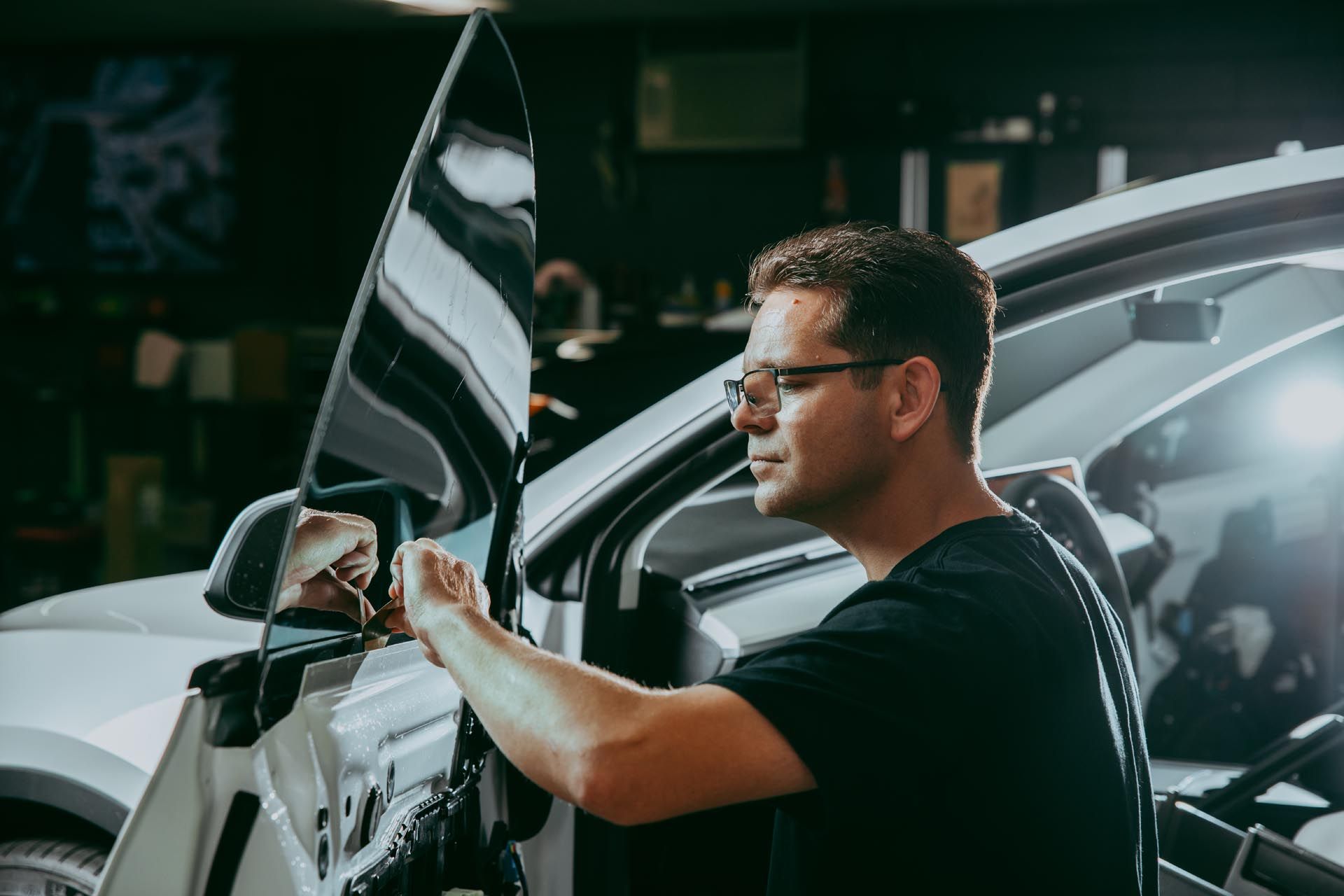
Applying Paint Protection Film (PPF) isn’t just about slapping on a clear layer—it’s a delicate process that, if done incorrectly, can actually cause damage instead of preventing it. To get a flawless application without harming your paint, follow these best practices!
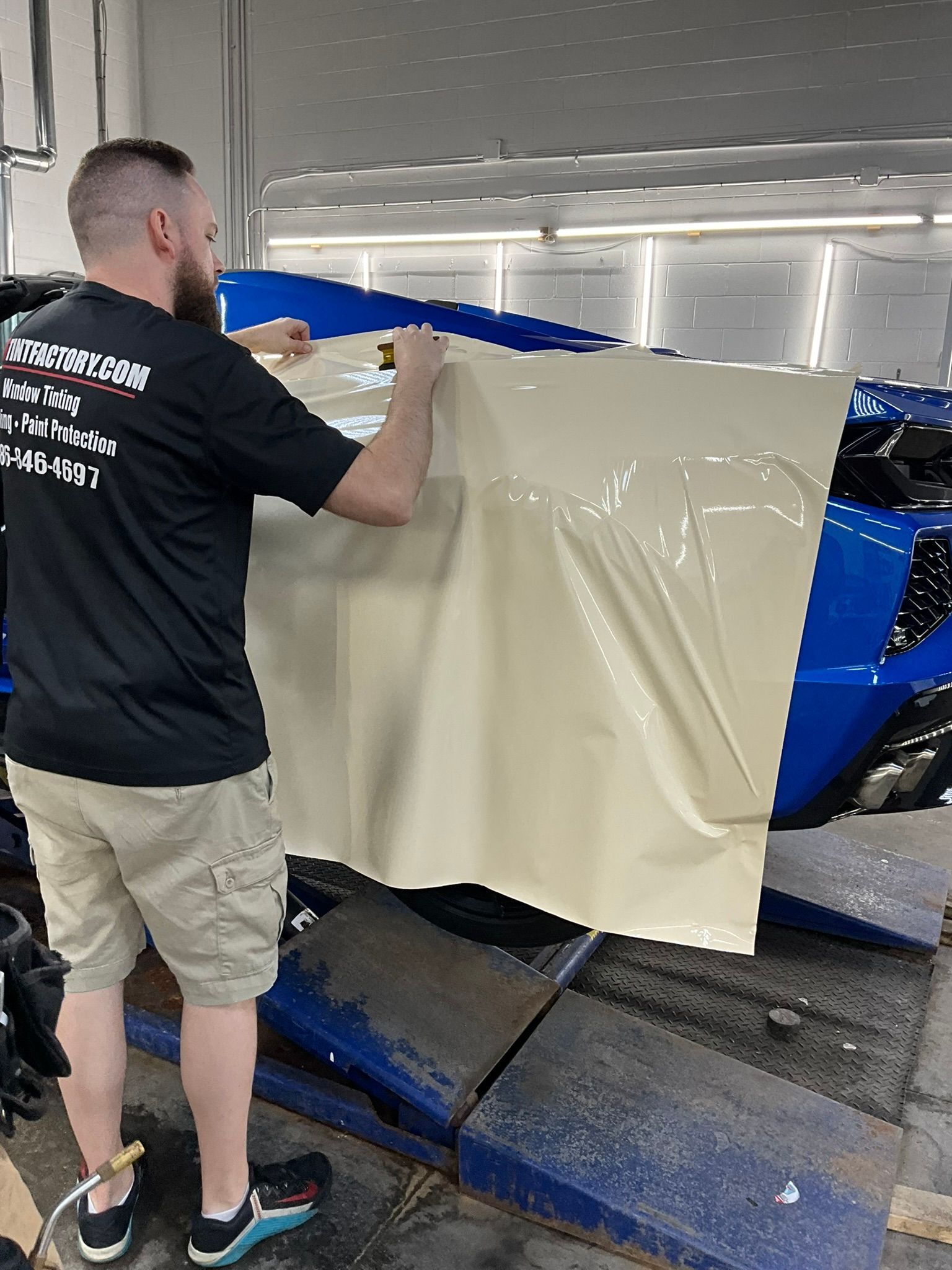
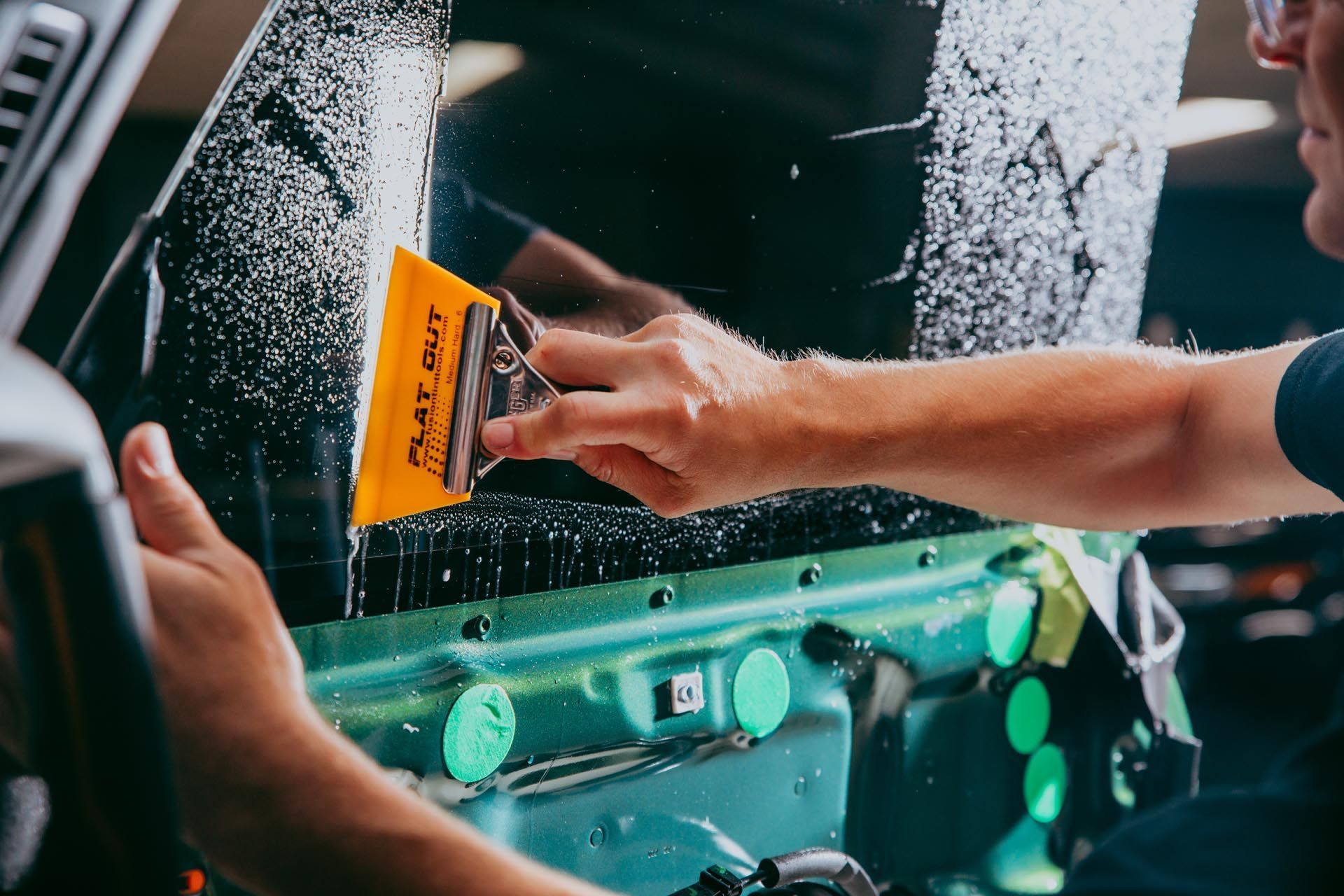
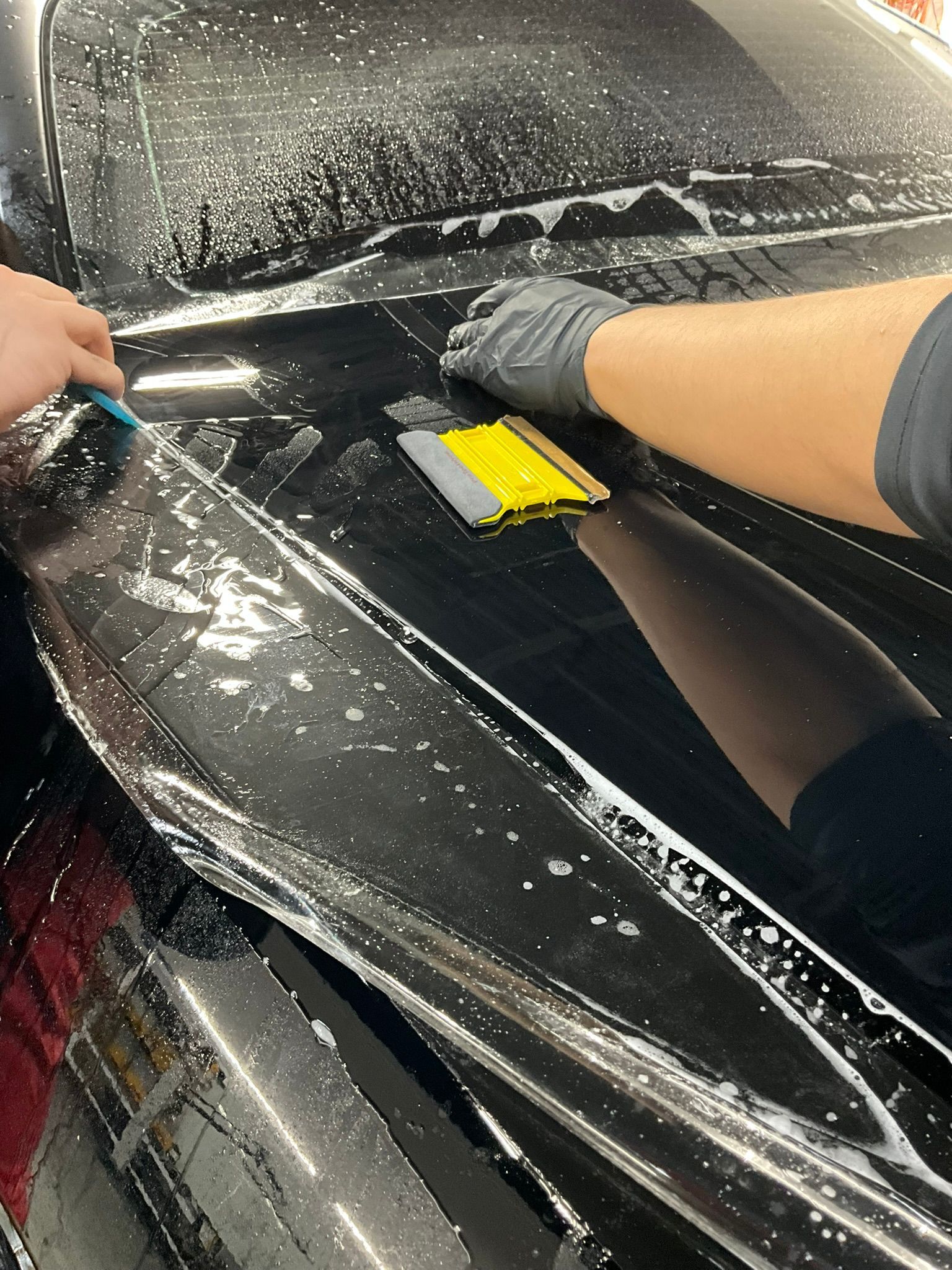
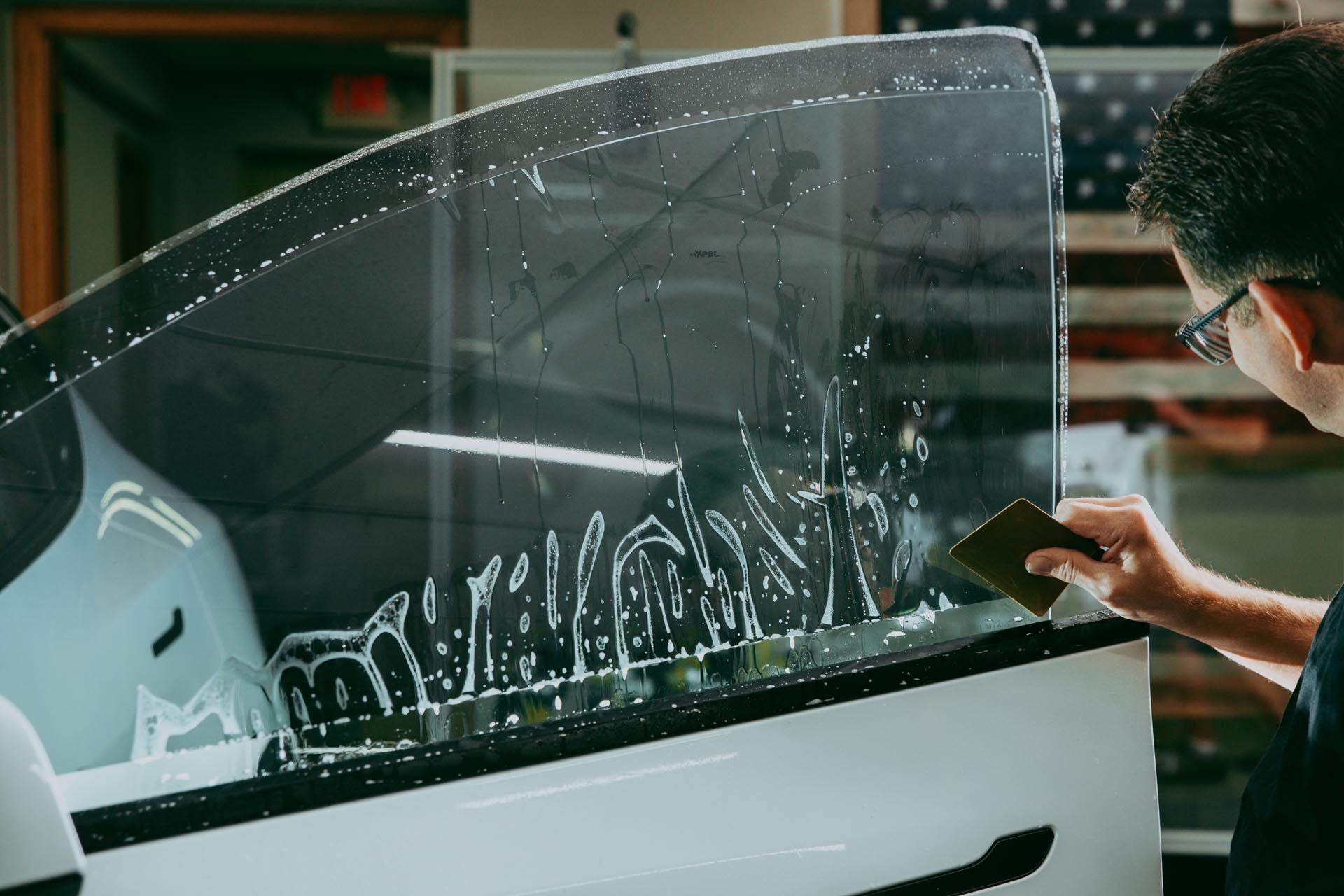
First, always use the wet application method. This involves spraying a mixture of water and a slip solution (like soapy water) onto the surface before laying down the film. This allows you to reposition the PPF, reduce air bubbles, and prevent premature adhesion that could trap debris underneath.
When handling the film, avoid overstretching it. While PPF is flexible, pulling it too much can create tension, leading to paint lifting when the film is removed later. Instead, gently smooth it out using a squeegee, working from the center outward to remove any trapped air or excess liquid.
Temperature and environment matter, too! Apply PPF indoors, in a dust-free space, and ensure the surface temperature is around 60–75°F (15–24°C). Extreme heat can make the adhesive too aggressive, while cold conditions may prevent proper bonding.
With patience and precision, you can install PPF safely and effectively, giving your car’s paintwork unbeatable protection!
How Can You Safely Apply Vehicle Wraps to Preserve the Underlying Paint?
Applying a vehicle wrap is a fantastic way to change the look of your car while protecting the original paint—but only if done correctly! A poorly applied wrap can lead to paint damage, peeling, and air bubbles, defeating the purpose of the upgrade. Here’s how to do it right.
First, always choose high-quality wrap materials. Not all vinyl wraps are created equal, and using a low-grade film can result in adhesive residue or even damage the paint when removed. Look for brands designed specifically for automotive use, as they offer safe adhesion and easy removability.
Surface preparation is key! The car should be thoroughly cleaned, decontaminated, and dried before application. Any dirt or wax left on the surface can prevent proper bonding and create imperfections.
When applying the wrap, use even pressure and controlled heat. A heat gun helps mold the vinyl around curves and edges, but overheating can cause paint stress or adhesive failure. Work slowly, applying pressure with a squeegee to smooth out air bubbles and ensure a firm, long-lasting bond.
Done correctly, a vehicle wrap provides a stylish, protective layer that enhances your car’s appearance without compromising the original paint!
What Is the Proper Method for Applying Ceramic Coatings Without Harming the Paint?
Applying a ceramic coating is an excellent way to protect your car’s paint and keep it looking pristine for years! But to reap the full benefits—like enhanced hydrophobic properties and UV protection—it’s crucial to apply it correctly. Here’s how you can do it without damaging your paint.
First things first: prepare the surface thoroughly. The paint must be free of swirls, scratches, and any contaminants. This means washing, decontaminating (with clay bars), and polishing the surface to ensure it’s smooth and clean. Any imperfections left on the surface will be trapped under the coating, leaving you with an uneven finish.
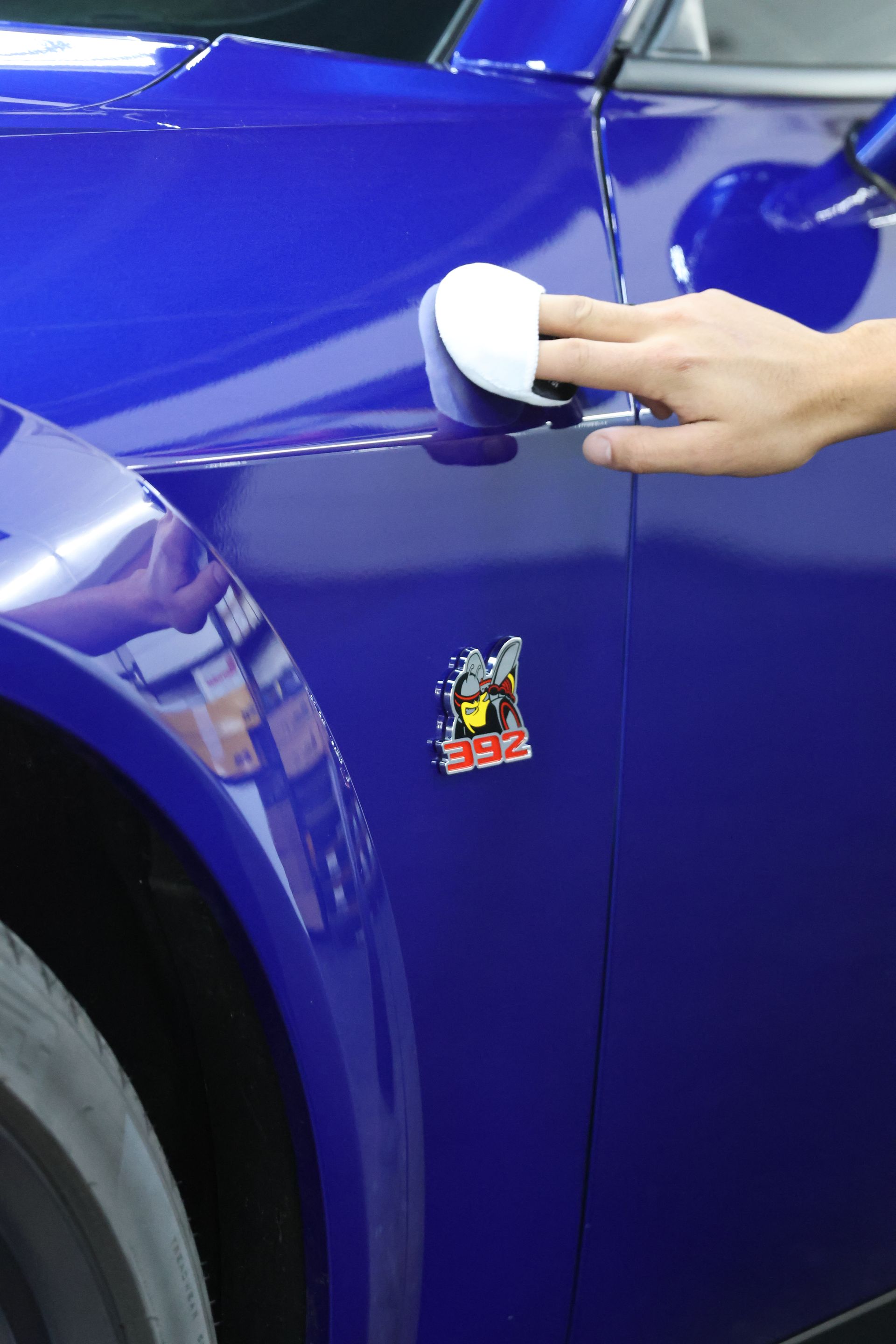
When it’s time to apply the ceramic coating, work in small sections at a time. This will allow you to control the coating’s application and avoid creating an uneven layer. Start with a few drops of the product on an applicator pad and spread it in a criss-cross motion. Don’t apply too much; the key is to work the coating into the paint evenly, making sure it covers the surface without pooling.
After application, allow the coating to cure properly. Don’t rush this stage! Let the coating set for the recommended time before wiping away any excess residue, and allow it to cure fully for the recommended period (usually 24-48 hours).
By following these steps, you’ll get a flawless, protective layer without compromising the underlying paint!
When and How Should PPF Be Removed to Avoid Paint Damage?
Removing Paint Protection Film (PPF) can be tricky if not done carefully, but with the right technique, you can protect your car’s paint while taking off the film. Timing and method matter—so let’s get into how you can remove PPF safely!
First, heat is your friend when it comes to removal. Using a heat gun or a hair dryer, gently warm up the PPF. This softens the adhesive, making it easier to peel off without causing damage. But be cautious! Keep the heat at a safe distance to avoid overheating the surface or damaging your car’s paint.
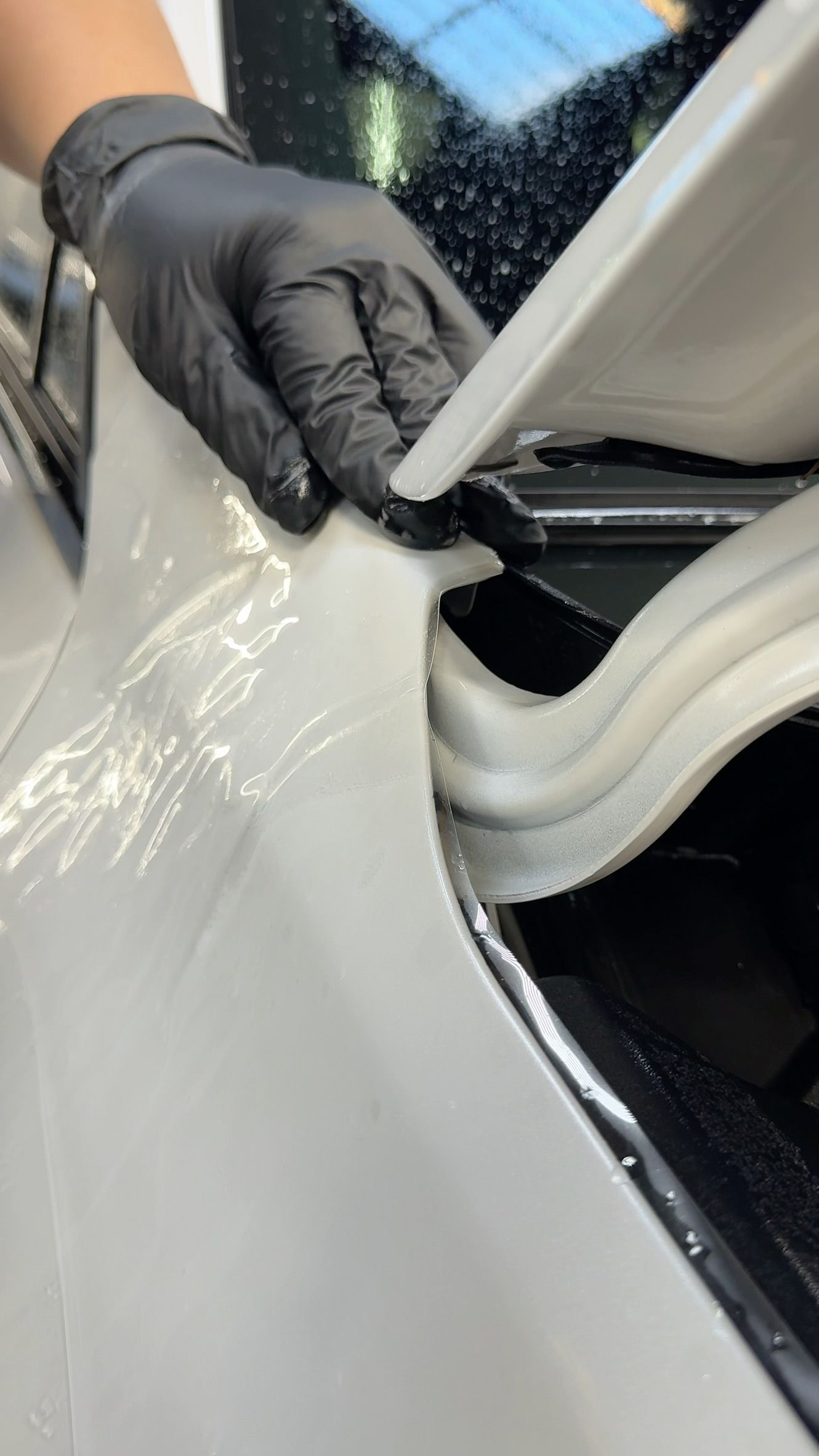
Once you’ve heated the PPF, start peeling at a low angle—this reduces the risk of pulling up any paint or clear coat along with the film. A 45-degree angle is typically ideal. Pull the film slowly and steadily, without rushing. If the film feels resistant, heat it up a bit more before continuing.
As you peel, make sure you work in small sections. Trying to remove large areas all at once can create unnecessary tension, risking paint damage. If you encounter any stubborn spots, don’t yank at them—keep the surface warm and gently peel.
By following these steps, you’ll be able to remove PPF without harming your vehicle’s paint, keeping your car looking great for years to come!
What Are the Safe Techniques for Removing Vehicle Wraps?
Removing a vehicle wrap requires careful attention to detail to prevent damage to the underlying paint. When done right, it’s a relatively simple process. Let’s dive into the best practices for safely removing vehicle wraps!
Start by applying controlled heat to the wrap. A heat gun or hair dryer works wonders here. Gently warm up the vinyl, which helps soften the adhesive underneath and makes the wrap easier to peel off. Keep the heat source at a safe distance from the surface to avoid overheating the paint or causing any warping.
Once the wrap is warm, begin peeling it off slowly and evenly. Start from one corner and pull at a low, consistent angle—this helps avoid any paint lifting or damage. Don’t rush; take your time and work in small sections.
If you encounter any stubborn adhesive, you can use an adhesive remover to dissolve the residue. However, be sparing with the product! Too much adhesive remover can build up on the paint, potentially leaving behind stains or causing a residue that’s tough to clean. Apply a little to a microfiber cloth and gently rub away any leftover adhesive, working in circular motions.
Patience and attention to detail are key when removing vehicle wraps. By following these steps, you can successfully remove your wrap while keeping your car’s paint safe and intact.
How Can Ceramic Coatings Be Safely Stripped from the Vehicle’s Surface?
Removing ceramic coatings from your vehicle’s surface requires the right tools and techniques to prevent damaging the paint. Here’s how to safely strip the coating while keeping the paint in perfect condition.
First, consider using a chemical stripper or a specialized polish designed specifically for ceramic coating removal. These products are formulated to break down the bond between the coating and the vehicle’s surface without harming the underlying paint. Apply the stripper or polish according to the manufacturer’s instructions for the best results. Be sure to work in small sections to ensure even coverage.
Once the coating is sufficiently softened, use a microfiber towel to gently wipe away the dissolved layer. You may need to reapply the stripper in some areas for stubborn spots, but always be careful not to overdo it.
Avoid using aggressive compounding methods when removing a ceramic coating. While it may seem like a quick fix, heavy compounding can thin the paint or clear coat, leaving it vulnerable to future damage. Instead, focus on controlled, gentle polishing to avoid altering the paint’s integrity.
Remember, patience is key! By using the right tools and techniques, you can safely remove a ceramic coating without compromising the quality of your vehicle’s paint.
What Maintenance Practices Extend the Life of PPF, Wraps, and Ceramic Coatings?
To get the most out of your Paint Protection Film (PPF), vehicle wraps, and ceramic coatings, regular maintenance is essential. Not only does it keep your vehicle looking sharp, but it also ensures that the protective layers continue to do their job.
Start by washing your vehicle regularly with a pH-neutral car shampoo. Harsh chemicals can break down the protective layers, so a gentle, non-abrasive shampoo helps preserve their integrity. Avoid using a regular household cleaner, as these can strip away essential protective elements, leaving your PPF, wrap, or ceramic coating vulnerable to damage. Clean your vehicle in a shaded area to avoid water spots and ensure an even clean.
Another great practice is to apply boosters or sealants periodically. These products enhance the longevity of your coatings and wraps by replenishing their hydrophobic properties. For ceramic coatings, specific booster sprays are available that provide an extra layer of protection and shine. Similarly, PPF and wraps can benefit from a periodic refresh to maintain their durability and appearance.
Lastly, always protect your vehicle from environmental contaminants like bird droppings, tree sap, or road salt. These substances can damage your coatings if left untreated. By keeping your vehicle clean and well-maintained, you’ll extend the life of your protective layers, ensuring your car stays in pristine condition for years to come!
Conclusion
When it comes to preserving the pristine look of your vehicle, proper application and removal of PPF, wraps, and ceramic coatings are absolutely essential. These protective layers provide your car with a shield against the elements, UV damage, and environmental contaminants, all while enhancing its aesthetic appeal. However, to fully reap the benefits, it’s crucial to follow the correct procedures during application and removal—mistakes can lead to unnecessary damage to your vehicle’s paint and costly repairs down the line.
By adhering to best practices, such as using the right materials, maintaining a clean and controlled environment, and ensuring proper curing times, you can confidently apply these coatings and wraps without risking harm to your vehicle. The benefits are clear: extended durability, improved protection, and a flawless finish that keeps your car looking new. Whether you’re applying PPF, vehicle wraps, or ceramic coatings, each process requires precision and care.
Furthermore, the key to long-term protection doesn’t end with application. Regular maintenance, such as using pH-neutral shampoos and applying protective boosters, will keep these layers functioning at their best for years. This proactive approach not only preserves your vehicle’s appearance but also increases its resale value over time.
In conclusion, while the application and removal of these coatings require attention to detail and care, the payoff is immense. By following the correct techniques, you can protect your vehicle’s paint, extend the life of these protective layers, and keep your car looking as good as new for years to come. Don’t skimp on care—it’s worth every effort!