How to Extend the Life of Your Ceramic Coating: Best Practices
Ceramic coating has revolutionized vehicle protection. It’s not just about shiny surfaces – it’s about creating a durable shield against contaminants, UV rays, and daily wear. You’ve invested in ceramic coating to give your car that sleek, long-lasting finish. But how do you ensure it stays as effective as the day it was applied?
Maintaining ceramic coating isn’t as simple as giving your car a quick wash. It requires the right knowledge and care to ensure the coating continues to protect your vehicle for years. Without proper maintenance, even the best coatings can degrade, losing their hydrophobic properties and effectiveness. That’s where best practices come in.
In this article, we’ll dive into the key actions you can take to extend the life of your ceramic coating. From washing techniques to the importance of environmental awareness, we’ll cover everything you need to know. Whether you’re a car enthusiast or just someone who wants to maintain that new car look, understanding how to care for your ceramic coating is crucial.
So, what does it take to keep your ceramic coating performing at its best? It’s more than just regular cleaning. You’ll learn how to spot signs that your coating might be wearing thin, how to handle contaminants, and when it’s time for a maintenance spray or booster.
By the end of this article, you’ll be equipped with the knowledge to keep your vehicle protected for the long haul. Let’s dive into the best practices that will ensure your ceramic coating stays strong!
What Factors Affect the Longevity of a Ceramic Coating?
Ceramic coatings are incredibly durable, but several factors can impact their lifespan. Let’s start with the environment! Harsh weather conditions, like heavy rainfall, intense heat, or freezing temperatures, can wear down the coating over time. UV rays from the sun are another big culprit – they can cause the hydrophobic properties to degrade faster. If you live in an area with extreme weather, this could shorten the lifespan of your ceramic coating!
Then there’s driving frequency and storage. The more you drive, the more contaminants your coating has to protect against – dust, road salts, bird droppings, and more! Frequent exposure to these elements can lead to faster degradation. On the flip side, if you store your car outside, especially under direct sunlight, the coating faces constant exposure to damaging environmental factors. Keeping your car in a garage can shield it from those elements and significantly extend the life of the coating!
Lastly, how you maintain the coating matters. A regular washing routine, using proper cleaning products, and avoiding abrasive materials can make a world of difference in preserving the coating’s effectiveness. Keeping these factors in check ensures that your ceramic coating stays in top shape for as long as possible!
How Should You Properly Wash a Ceramic-Coated Vehicle?
Washing a ceramic-coated vehicle requires a bit more care than your standard wash. The goal is to maintain the integrity of the coating and avoid causing any damage. Start by using a two-bucket method – one for soapy water and the other for rinsing your mitt. This reduces the chance of dirt and debris scratching the surface. When cleaning, always work from top to bottom, ensuring you’re not pushing contaminants back onto the paint.
The type of cleaning products you use is crucial! A pH-neutral car shampoo is a must because it won’t break down the ceramic coating. Harsh, acidic, or alkaline cleaners can strip the coating’s hydrophobic properties, leaving your car vulnerable to water spots and contaminants. Stick to products specifically designed for ceramic coatings to get the best results!
Another important factor? Avoid using abrasive towels or sponges. Instead, opt for microfiber towels that are gentle on the coating but effective at lifting dirt. Drying the car with a soft microfiber towel or a drying aid helps prevent water spots and ensures a streak-free finish.
By following these proper washing techniques, your ceramic coating will stay in top shape, preserving that glossy, hydrophobic finish for the long term!
When and Why Should You Use Maintenance Sprays or Boosters?
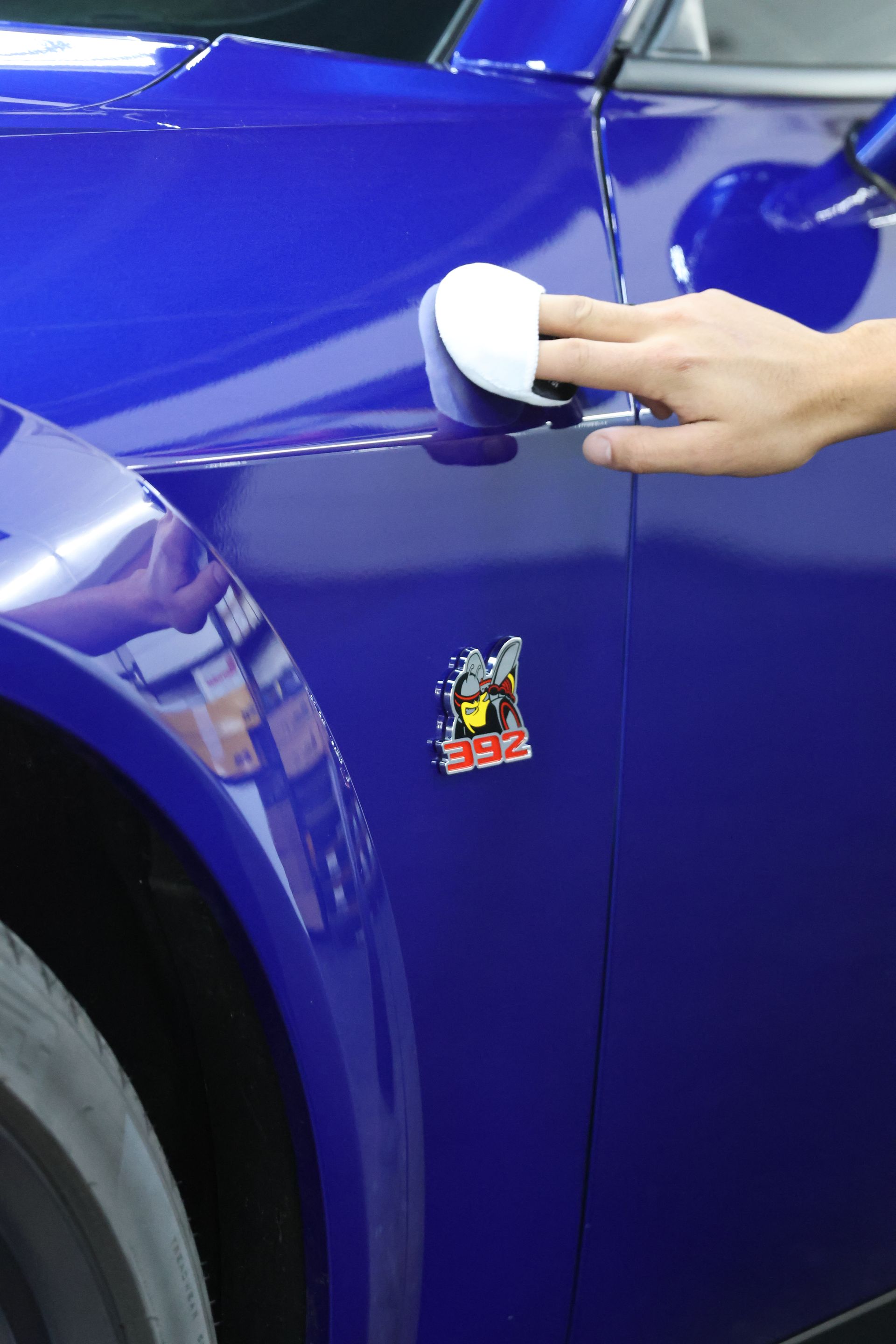
Maintenance sprays and boosters are essential for keeping your ceramic coating in top condition, and they serve as a quick and easy way to enhance its performance. These products work by adding an extra layer of protection to the coating, restoring its hydrophobic properties and enhancing its shine. Think of them as a refresh for your ceramic coating, helping to maintain its water-repelling abilities and overall durability.
But when should you use them? Ideally, you should apply maintenance sprays every 3 to 6 months, depending on the type of ceramic coating and the driving conditions your vehicle faces. If you’re constantly exposing your car to harsh elements or frequently wash it, more frequent applications might be necessary. These boosters are particularly helpful after a wash when the coating might have lost some of its effectiveness.
Why should you use them? Over time, the ceramic coating can begin to lose some of its water repellency, especially after exposure to contaminants, environmental factors, or frequent washing. Boosters help maintain optimal protection, giving your car an added layer of defense against dirt, grime, and water spots. By regularly applying maintenance sprays, you’ll preserve the coating’s integrity, ensuring your car stays looking pristine and protected for longer.
What Role Does Environmental Exposure Play in Coating Degradation?
Environmental exposure plays a significant role in the longevity of your ceramic coating. Prolonged exposure to harsh UV rays, pollution, and other environmental elements can break down the protective layer over time. UV rays, for instance, cause the coating to degrade by slowly oxidizing its surface. This results in a diminished hydrophobic effect and reduced protection from water, dirt, and other contaminants. Pollutants like bird droppings, tree sap, and road salts can also be highly corrosive, leading to staining and damage if not removed promptly.
So, what can you do to minimize the impact of these environmental factors? First, try to park your car in a shaded or covered area as much as possible. If you’re unable to park indoors, consider investing in a high-quality car cover that offers UV protection. Regular washing is another key factor – it removes pollutants that could eat away at the coating. Be sure to use proper washing techniques, as discussed earlier, to avoid scratching or damaging the coating while cleaning.
By understanding the role environmental exposure plays, you can take proactive measures to protect your vehicle’s ceramic coating, keeping it functioning at its best and extending its lifespan.
Is It Safe to Use Automatic Car Washes on Ceramic-Coated Vehicles?
Automatic car washes might seem like a quick and convenient solution for keeping your vehicle clean, but they pose certain risks to ceramic-coated cars. The most significant concern is the use of harsh brushes or abrasive materials that can scratch the coating. While ceramic coatings are designed to be durable, they can still be compromised by repetitive contact with rough brushes or stiff cloths. Additionally, automatic car washes often use harsh chemicals or high-pressure water that can erode the hydrophobic layer of the coating, reducing its effectiveness over time.
So, why might hand washing be a better alternative for ceramic-coated vehicles? Hand washing allows you to have full control over the materials and techniques used, ensuring that you avoid abrasive brushes and potentially harmful chemicals. By using a microfiber mitt and a pH-neutral car shampoo, you’ll protect the coating and preserve its water-repelling properties. Plus, hand washing offers the benefit of a more thorough and gentle clean, allowing you to spot and address any contaminants before they cause harm.
In short, while automatic car washes are convenient, they aren’t the best choice for ceramic-coated vehicles if you want to maximize the lifespan and effectiveness of the coating. Hand washing, though more time-consuming, is the safer and more effective option.
How Can You Address Contaminants Like Bird Droppings or Tree Sap?
Bird droppings and tree sap—though seemingly harmless—can be a nightmare for ceramic-coated vehicles. The key to preserving your vehicle’s finish is acting quickly when these contaminants land on your car. Bird droppings, for example, are acidic and can quickly eat through the coating if left for too long. Tree sap, on the other hand, is sticky and can bond to the surface, making it much harder to remove if not addressed immediately.
The first thing you should do when either of these contaminants lands on your vehicle is to remove them as soon as possible. Gently blot the area with a microfiber towel soaked in warm, soapy water. This softens the droppings or sap without rubbing them into the coating. Once softened, carefully wipe the area away. If the contaminant is stubborn, you may need a specialized detailing spray or adhesive remover formulated for ceramic coatings.
If left untreated, bird droppings and tree sap can compromise the integrity of the ceramic coating, reducing its ability to repel water and protect against scratches. The coating’s hydrophobic properties may be weakened, leaving your vehicle more vulnerable to dirt and grime buildup.
The key takeaway? Don’t wait—take immediate action to ensure your ceramic coating remains intact and continues to protect your car’s surface for years to come!
What Are the Signs That Your Ceramic Coating Needs Reapplication?
Over time, even the best ceramic coatings start to lose their effectiveness. Knowing when it’s time for reapplication is essential to maintain your vehicle’s protection. One of the first signs is a decrease in the hydrophobic properties—the ability of water to bead and roll off the surface. If you notice that water no longer beads up as it once did, or if the surface starts to look streaky after washing, it may be a sign that your coating’s protective layer is thinning out.
Another indicator is the increased difficulty in cleaning your vehicle. Ceramic coatings make washing easier by repelling dirt, grime, and water. If you find yourself scrubbing harder to get your car clean, it might be time for a touch-up. Additionally, if contaminants like bird droppings or tree sap start sticking to the surface and are harder to remove, the coating may no longer be offering the same level of protection.
To prepare for reapplication, start by thoroughly washing and decontaminating your vehicle’s surface. This includes removing any old coating residue and addressing any imperfections or damage in the existing layer. After prepping the surface, you can apply a fresh layer of ceramic coating to restore that shiny, water-repellent finish.
In short, when the water stops beading, and cleaning becomes more of a chore, it’s time to reapply your ceramic coating and continue protecting your car!
How Does Regular Maintenance Impact the Warranty of Your Ceramic Coating?
Maintaining your ceramic coating isn’t just about keeping your car looking pristine—it’s also crucial for upholding the terms of your warranty. Most ceramic coating warranties require you to perform regular maintenance to ensure the longevity and effectiveness of the coating. This includes washing your vehicle regularly using the proper techniques and products, as well as applying maintenance sprays or boosters as recommended by the manufacturer. Neglecting these simple tasks could void your warranty and leave your car exposed to environmental damage.
It’s also essential to keep detailed records of your maintenance routine. This documentation provides proof that you’ve followed the manufacturer’s guidelines for care, which can be invaluable if you need to make a warranty claim. Whether it’s receipts for maintenance products or notes on the dates you performed specific tasks, maintaining thorough records can protect you from any potential disputes with the coating provider.
In short, regular maintenance isn’t just a good practice—it’s often a requirement for maintaining your warranty. By sticking to the recommended maintenance schedule and keeping your records up to date, you can maximize the benefits of your ceramic coating while ensuring you’re covered if something goes wrong!
What Are the Best Storage Practices to Preserve Ceramic Coating?
Proper storage is key to preserving the longevity and effectiveness of your ceramic coating. The type of parking environment—whether indoor or outdoor—plays a significant role in how well your coating holds up over time. Indoor parking is ideal for keeping your vehicle protected from the elements. It shields the car from UV rays, rain, bird droppings, and other contaminants that can degrade the coating. If indoor parking isn’t an option, consider using a high-quality car cover to provide an extra layer of protection.
When storing your vehicle for an extended period, it’s essential to take additional precautions. If your car will be sitting idle for a while, ensure it’s clean and dry before storage. This prevents contaminants from bonding with the coating. Consider applying a layer of maintenance spray or booster to reinforce the protection before storage. Additionally, parking in a shaded area and away from trees or other sources of contaminants can minimize the risk of damage.
By following these storage practices, you can help your ceramic coating stay strong and effective, ensuring that your vehicle remains in great condition even during periods of inactivity!
Conclusion
In conclusion, maintaining the integrity of your ceramic coating requires a combination of consistent care and mindful practices. As we’ve seen, the longevity of your ceramic coating is influenced by several factors—environmental conditions, washing techniques, and regular maintenance. Taking proactive steps, such as using pH-neutral shampoos, avoiding harsh chemicals, and investing in maintenance sprays, helps preserve the coating’s hydrophobic properties and ensures it remains effective in protecting your vehicle.
By recognizing the impact of UV rays, pollutants, and contaminants like bird droppings or tree sap, you can take immediate action to prevent long-term damage to your ceramic coating. Additionally, proper storage practices, like indoor parking and using car covers, can provide your vehicle with the best chance at maintaining its shine and protection over time.
Ultimately, following the best practices outlined in this article will not only extend the life of your ceramic coating but will also enhance your vehicle’s appearance and overall value. Whether you’re looking to preserve that glossy finish or keep your car protected from the elements, proper maintenance is key. By incorporating these habits into your routine, you’ll enjoy the benefits of lasting protection for years to come.
Remember, a little effort goes a long way in keeping your vehicle looking its best while ensuring that your ceramic coating continues to perform at its peak!