How to Choose the Right Window Tint Installer: Questions to Ask Before Booking
You wouldn’t trust just anyone with your car or home, would you? The same goes for window tinting. Whether you’re looking to enhance privacy, block harmful UV rays, or improve energy efficiency, choosing the right window tint installer is crucial. The problem? Not all tinting services are created equal. Some offer top-tier results with professional-grade films, while others cut corners, leaving you with bubbling, peeling, or poorly applied tint that won’t last.
So, how do you separate the experts from the amateurs? It all starts with asking the right questions. The window tinting industry is full of options, and while pricing and product quality are important, the installer’s experience, warranty, and knowledge of local tinting laws matter just as much. You need someone who doesn’t just sell a product but understands the science behind window films and how to apply them flawlessly.
This article will walk you through the key questions you should ask before hiring a window tint installer. We’re not talking about the generic “How much does it cost?” questions—though pricing is important. Instead, we’ll dive deeper into the specifics that truly matter, like the type of film they use, their installation process, warranty policies, and even their track record with past customers.
By the end, you’ll have the confidence to choose a professional who delivers not just a service, but a long-term investment in your car or home. So, let’s get started—because the right installer makes all the difference.
What Are Your Qualifications and Experience?
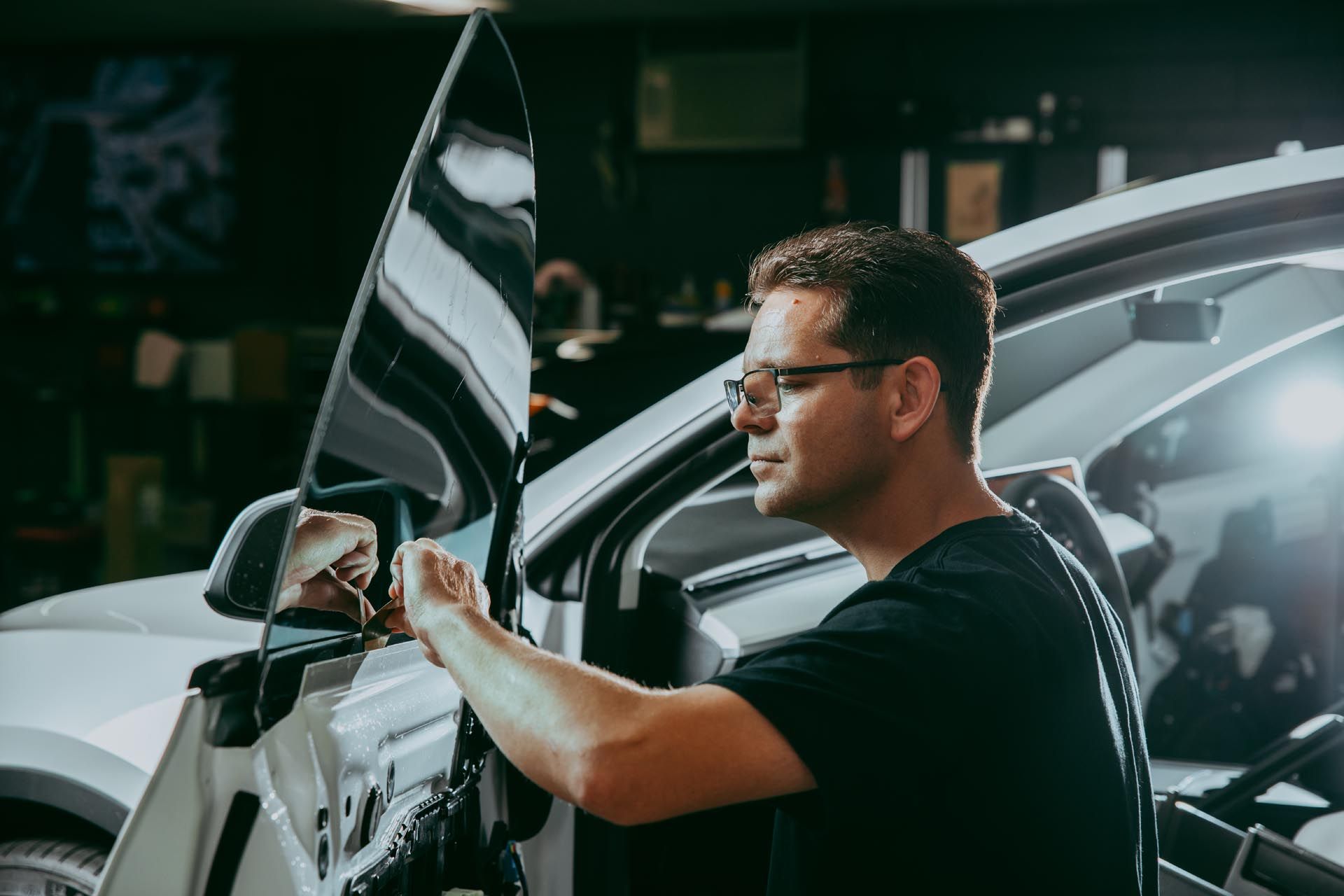
Would you trust a surgeon who just picked up a scalpel last week? Probably not. The same logic applies to window tinting. Experience matters—a lot! A seasoned installer knows the ins and outs of different tinting films, how they react to various window types, and, most importantly, how to apply them without bubbles, peeling, or uneven edges.
Before booking a window tint service, ask about their background. How long have they been in business? Do they specialize in automotive, residential, or commercial tinting—or all three? An installer with years of hands-on experience will have tackled every type of job, from simple car windows to large, oddly shaped glass surfaces.
Training is just as crucial. A professional should be certified or at least have extensive training in film application techniques. Some manufacturers even require installers to undergo specialized training before they can use their high-end films. If a company is certified by brands like 3M, Llumar, or SunTek, that’s a great sign.
Don’t be afraid to ask for proof! A true professional won’t hesitate to show certifications, share their experience, or even walk you through their process. After all, expertise isn’t just about years—it’s about skill, precision, and commitment to quality.
Which Window Tinting Products Do You Offer and What Are Their Benefits?
Not all window tints are created equal! The type of film you choose can make or break the final result, affecting everything from heat rejection to privacy and even safety. That’s why it’s essential to ask your installer about the products they offer. A true professional won’t just list options—they’ll help you find the perfect film based on your specific needs.
So, what’s out there? Dyed films are budget-friendly and great for reducing glare, but they may fade over time. Metalized tints add durability and heat rejection but can interfere with GPS and phone signals. Then there’s carbon film—a solid mid-tier option that won’t fade and provides excellent UV protection. If you want the best, ceramic films are the gold standard, offering superior heat reduction, clarity, and longevity without signal interference.
The right installer will break these options down for you, explaining how each film performs under different conditions. Do you want to block out the summer heat? Reduce interior fading? Maximize privacy? There’s a tint for that.
A knowledgeable professional won’t just sell you a product—they’ll guide you toward the best investment for your vehicle, home, or office. So, don’t settle for vague answers. Ask, compare, and choose wisely!
How Much Will Window Tinting Cost?
Let’s get straight to it—window tinting prices vary. A lot. If you’ve ever gotten quotes from different installers, you’ve probably noticed a wide range of prices. But why? It all comes down to factors like film quality, installation expertise, and even warranty coverage.
First, the type of film you choose plays a huge role in the cost. Basic dyed films are the most affordable, but they tend to fade over time. Carbon and ceramic films, on the other hand, offer better durability, heat rejection, and UV protection—but they come with a higher price tag. Then there’s the size and complexity of the job. A standard sedan might cost less to tint than an SUV or a commercial storefront with massive glass panels.
Labor and expertise also affect pricing. A skilled installer who guarantees precision and long-lasting results will charge more than someone offering a quick, cheap job. And let’s be honest—going too cheap can cost you more in the long run when peeling, bubbling, or discoloration starts to show.
So, how do you balance cost with quality? Simple: ask for a breakdown of what you’re paying for. A trustworthy installer will be upfront about pricing, ensuring you get the best value for your investment!
What Is the Warranty Coverage for Your Window Tint Installations?
A great tint job should last for years—but what if it doesn’t? That’s where warranty coverage comes in. Before committing to an installer, ask about their warranty policies. A reputable company should stand behind its work, offering protection against common issues like bubbling, peeling, discoloration, or adhesive failure.
Not all warranties are created equal, though. Some installers offer a basic guarantee for a few years, while high-end films often come with lifetime warranties. But here’s the catch—warranties only hold value if they’re backed by both the installer and the film manufacturer. If the installer disappears, will you still be covered? Always check if the warranty is manufacturer-backed to avoid getting stuck with an empty promise.
Also, pay attention to the fine print. Does the warranty cover accidental damage or just defects? Is there a replacement policy, or will you have to pay for reinstallation? A professional installer will be upfront about these details, ensuring you know exactly what’s covered.
A solid warranty isn’t just a safety net—it’s a sign of confidence in the quality of the work and materials used. So, don’t be afraid to ask for specifics. It could save you a headache (and extra costs) down the road!
Can You Provide References or Examples of Previous Work?
Would you hire a contractor without seeing their past work? Probably not. The same rule applies to window tinting. A skilled installer should have no problem showing off their previous projects, whether it’s before-and-after photos, customer testimonials, or online reviews. If they hesitate? That’s a red flag.
Start by asking for a portfolio. Many professionals document their work, displaying different types of tint, vehicle models, and home or office installations. This gives you a clear idea of their skill level and attention to detail. Even better—check online reviews. Google, Yelp, and social media pages are goldmines for real customer feedback. Look for consistency. Do clients rave about quality and service? Or are there complaints about bubbles, peeling, or poor communication?
Testimonials matter, but seeing work firsthand is even better. If possible, ask if you can inspect a previous job in person. A trustworthy installer will have repeat customers willing to vouch for their work.
At the end of the day, reputation speaks louder than words. A top-tier window tinting professional won’t just claim they’re the best—they’ll have proof to back it up. So, always ask for examples before you book!
What Is the Estimated Timeframe for the Installation Process?
Time is valuable, and no one wants to be stuck waiting hours longer than expected for a window tint job. That’s why asking about the estimated timeframe is crucial before booking an appointment. A professional installer should provide a clear, realistic timeline based on the type of vehicle, home, or commercial space being tinted.
So, how long does it take? For most standard cars, a high-quality tint job typically takes between two to four hours. Larger vehicles like SUVs or trucks may require extra time due to additional windows. Residential or commercial tinting projects can vary significantly depending on the number of windows and the complexity of the installation—some take a few hours, while others may span multiple days.
Preparation and curing time also matter. While the installation itself may be quick, the film needs time to fully adhere to the glass. Most tint jobs require at least 24 to 48 hours to cure properly, meaning you should avoid rolling down car windows or cleaning tinted surfaces too soon.
By discussing the timeframe upfront, you’ll know exactly what to expect and can plan accordingly. A true professional values your time and won’t leave you guessing!
Are You Familiar with Local Tinting Regulations and Compliance?
Imagine paying for a fresh tint job only to get pulled over the next day because it’s too dark. Frustrating, right? That’s why it’s essential to hire an installer who understands local window tinting laws. Every state, city, or region has specific regulations governing how much tint is allowed on vehicles and buildings. Ignoring these rules could lead to fines, failed inspections, or even forced tint removal.
A knowledgeable installer should be able to explain these laws clearly. For vehicles, legal tint levels typically vary by window location—windshields usually require lighter tints, while rear windows may allow darker shades. Residential and commercial buildings also have guidelines, especially for energy efficiency and safety compliance.
But it’s not just about staying legal. A professional will help you balance style, privacy, and UV protection while ensuring your tint meets all requirements. They should also be aware of any medical exemptions or special permits that allow for darker tints in certain cases.
Before committing, ask your installer about compliance. If they can’t confidently answer, that’s a red flag. The last thing you want is to invest in a tint job that gets you into legal trouble!
How Do You Handle Difficult Installations or Unique Window Shapes?
Not all windows are simple rectangles. Some vehicles have curved rear windows, some homes feature oversized glass panels, and commercial buildings may have intricate architectural designs. So, how does your installer handle these challenges? This question separates true professionals from amateurs.
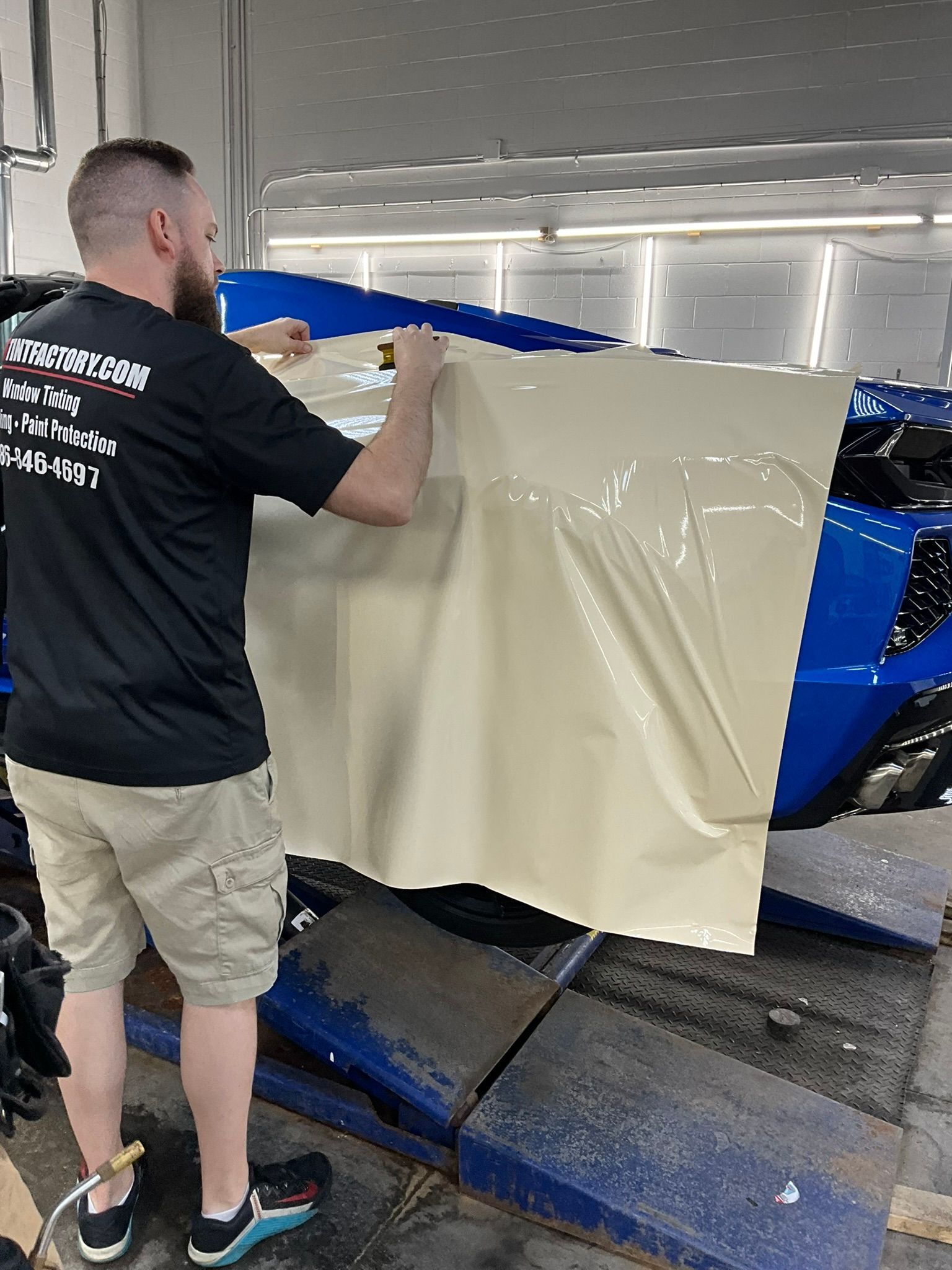
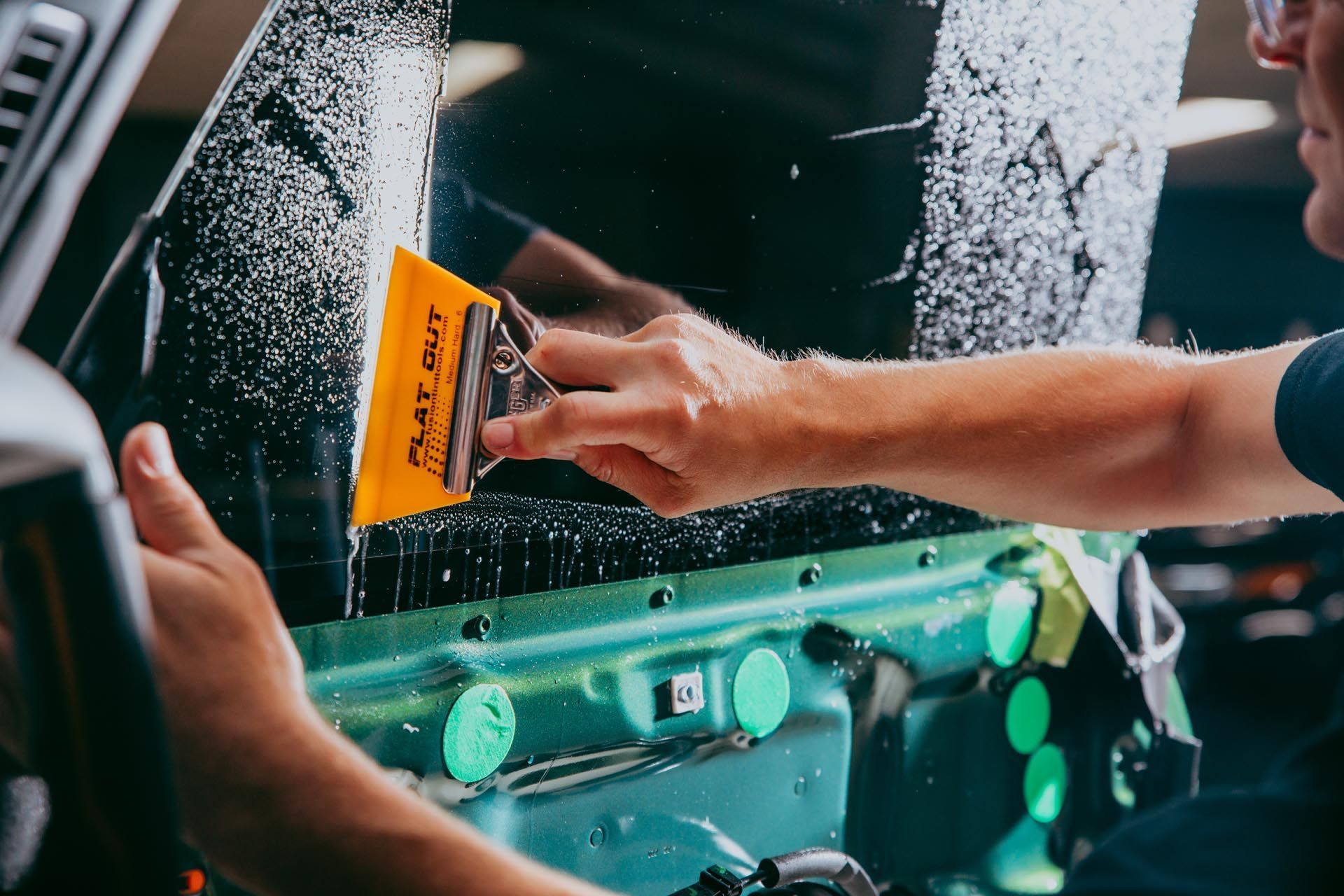
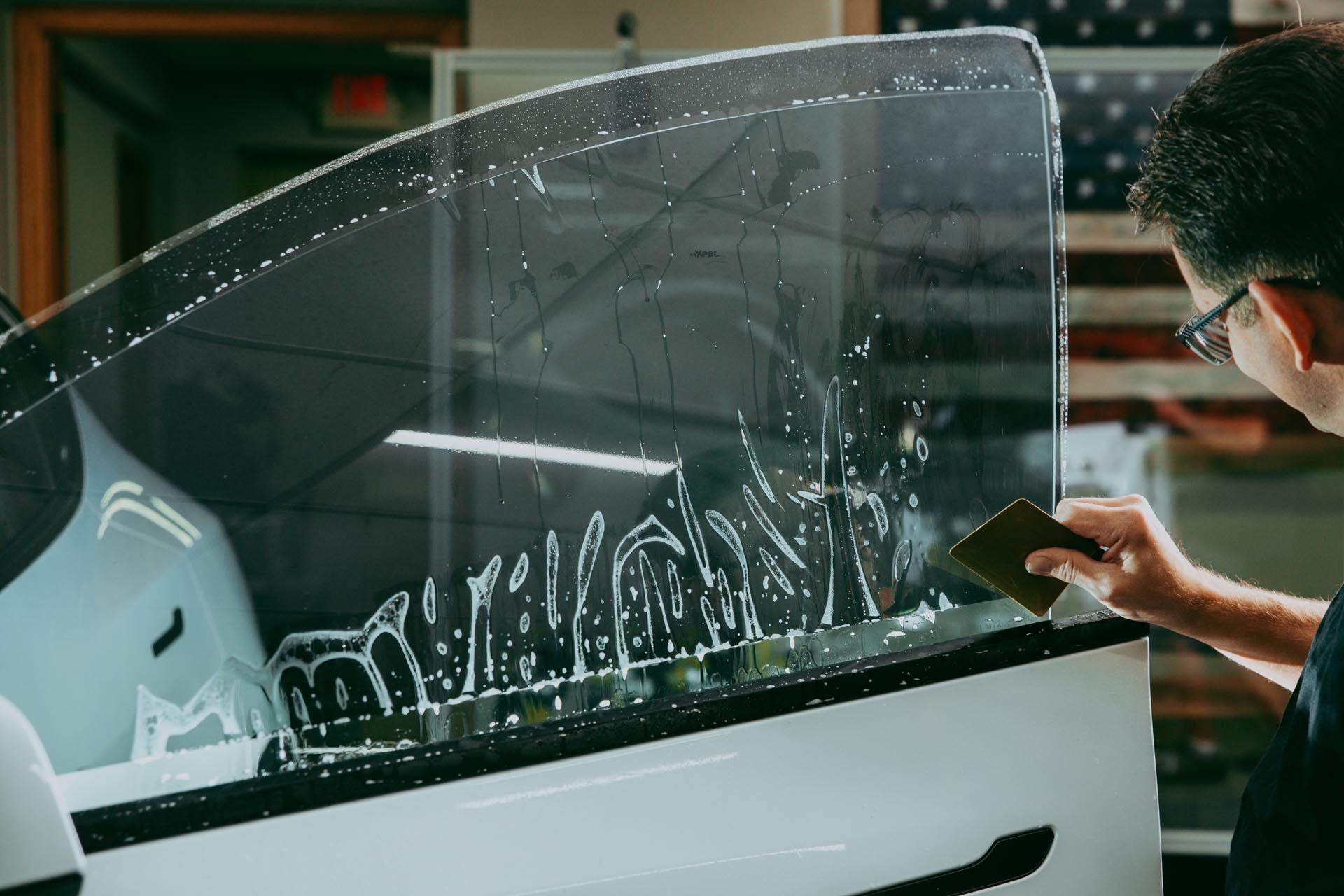
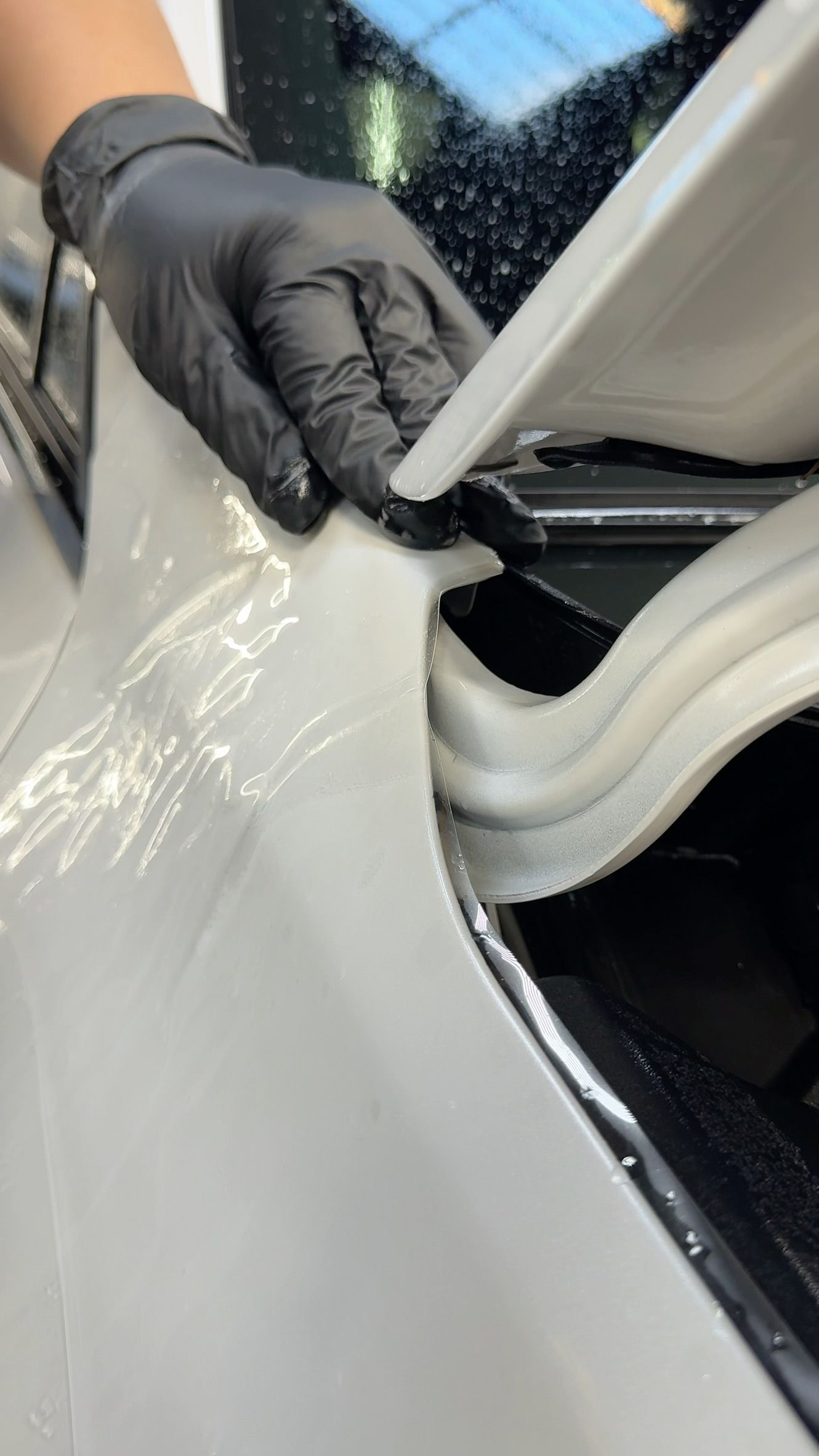
A skilled window tint installer should be experienced in dealing with unique window shapes and complex installations. They should have the tools, techniques, and patience to apply the film seamlessly—without creases, bubbles, or uneven edges. Ask about their experience with custom jobs. Have they worked on high-end vehicles, skylights, or floor-to-ceiling windows? Do they hand-cut film for a precision fit, or do they rely solely on pre-cut templates?
Problem-solving is key in tricky installations. Some films are more flexible and easier to work with, while others require heat shrinking or special adhesives to conform to curved surfaces. A professional should be able to explain their approach and offer solutions tailored to your specific needs.
The best installers don’t just apply tint—they master it, ensuring every job looks flawless, no matter the challenge. So, if your windows are out of the ordinary, make sure your installer is up for the task!
What Maintenance and Care Are Required Post-Installation?
So, you’ve got your windows tinted—now what? To keep your tint looking flawless for years, proper maintenance is key. A high-quality tint job can last a decade or more, but only if you follow the right care routine. That’s why it’s essential to ask your installer about post-installation maintenance before you drive away.
First, patience is crucial. Most tints require at least 24 to 48 hours to fully cure, and in some cases, up to a week, depending on weather conditions. During this period, avoid rolling down your car windows or touching the film to prevent peeling or shifting.
When it comes to cleaning, forget harsh chemicals and rough cloths. Ammonia-based cleaners can break down the adhesive and cause tint to fade or bubble. Instead, use a mild, ammonia-free cleaner with a soft microfiber cloth to keep your windows spotless without damaging the film.
Regular maintenance also means being mindful of scratches. Avoid using sharp objects or abrasive materials near tinted surfaces, and if you notice any peeling or bubbling, contact your installer immediately.
A professional tint installer should provide clear aftercare instructions, ensuring you get the longest lifespan and best performance from your tint. Proper care makes all the difference!
Why Should I Choose Your Services Over Other Window Tint Installers?
With so many window tinting options out there, what makes one installer stand out from the rest? That’s exactly what you should ask before making your decision. A professional installer should confidently explain their unique selling points, whether it’s superior craftsmanship, high-quality products, or unbeatable customer service.
Start by looking at their experience and expertise. How long have they been in the industry? Do they specialize in certain types of tinting, like automotive, residential, or commercial? A seasoned installer will have a proven track record of handling everything from basic tint jobs to complex custom projects.
Next, consider the quality of materials they use. Do they offer premium films from trusted brands like 3M, Llumar, or SunTek? Are their films backed by strong warranties? A reputable installer won’t cut corners with cheap, low-quality tints that fade, bubble, or peel over time.
Customer service also matters. Do they provide clear pricing, detailed consultations, and excellent post-installation support? Check reviews and testimonials—happy customers are a sign of consistent quality.
At the end of the day, the best installer isn’t just the one with the lowest price—it’s the one that delivers the best value. So, ask them: Why should I trust you with my windows? Their answer should leave no doubt!
Conclusion
Choosing the right window tint installer isn’t just about finding the lowest price or the fastest turnaround—it’s about quality, expertise, and long-term value. A poorly done tint job can lead to bubbles, peeling, or even legal issues, costing you more time and money in the long run. That’s why asking the right questions before booking is crucial.
Throughout this article, we’ve covered the most important factors to consider when selecting a tinting professional. We’ve discussed the importance of experience, the types of films available, pricing factors, warranty coverage, and even how to assess an installer’s reputation through reviews and past projects. We also emphasized the need to verify compliance with local tinting laws, understand installation timeframes, and ensure proper post-installation care. These aren’t just details—they’re key elements that separate a true professional from a risky choice.
By taking the time to ask these essential questions, you can confidently choose an installer who will provide high-quality results, durable tint, and excellent customer service. A reliable professional won’t just install film on your windows; they’ll guide you through the process, recommend the best options for your needs, and ensure you get the most out of your investment.
So, don’t rush the decision. Do your research, compare options, and trust only those who can back up their work with expertise and transparency. The right window tint installer will not only enhance the look of your vehicle, home, or office but also provide lasting benefits in comfort, protection, and privacy. Make an informed choice—you’ll thank yourself later!