How to Properly Care for Your Freshly Tinted Windows
So, you’ve just had your windows tinted—congratulations! Whether it’s for your car, home, or office, freshly applied window tint not only boosts your privacy and aesthetics but also provides essential UV protection and reduces heat. But here’s the thing: taking proper care of your new window tint is crucial if you want to maintain its appearance, functionality, and durability. It’s not just about making your windows look sleek; it’s about making sure they continue to do their job over the long term.
Many people don’t realize that new window tint requires specific care during the first few days and weeks after installation. Without the right maintenance, you could end up with peeling, bubbling, or even discoloration. Sounds like a hassle, right? Fortunately, with just a little effort, you can easily prevent these issues.
This article will guide you through everything you need to know about caring for freshly tinted windows. We’ll discuss what you should do immediately after installation, how to clean and maintain your windows to ensure longevity, and the best practices to keep your tint looking great.
The key to preserving your window tint’s effectiveness and appearance lies in routine care—don’t let your investment go to waste! Stick with us to discover the tips and tricks that’ll keep your windows looking sharp for years to come. Ready to dive in? Let’s go!
What is the Recommended Wait Time Before Cleaning Your Newly Tinted Windows?
So, you’ve just had your windows tinted and can’t wait to give them a good clean, right? Well, hold on just a little longer! It’s tempting to grab that microfiber cloth, but here’s the thing: after installation, your tint needs some time to properly cure. Why? Because the adhesive used to apply the film needs time to fully bond to the glass. If you clean your windows too soon, you risk disrupting this process, which could lead to peeling, bubbling, or even uneven tint.
So, how long should you wait? Experts recommend waiting at least 2-4 days before cleaning your freshly tinted windows. During this period, the tint needs to cure, allowing the adhesive to fully set. And remember, the curing time may vary depending on temperature and humidity, so be sure to follow any specific instructions from your tint installer.
When it’s finally time to clean, go gentle! Use a soft cloth and a non-abrasive cleaner—avoid harsh chemicals or scrubbing too hard. Your tint will thank you, and you’ll be able to enjoy that sleek, smooth finish for years to come! Trust me, the wait will be worth it!
What Cleaning Products Should You Avoid on Freshly Tinted Windows?
You’ve just had your windows tinted and now it’s time to keep them looking spotless, right? But, hold on—before you start spraying all your go-to cleaning products, there are some things you should definitely avoid! Harsh chemicals and abrasive materials can do more harm than good to your freshly tinted windows. So, what should you steer clear of?
First off, say no to ammonia-based cleaners! Ammonia is a common ingredient in many glass cleaners, but it can break down the tint over time, causing it to fade or peel. You’ll also want to avoid any cleaning products with alcohol, which can dry out the film and lead to cracks or discoloration. And don’t even think about using paper towels or rough sponges—these can scratch the surface and create irreversible damage.
So, what’s the solution? Stick to mild, non-abrasive cleaners. A gentle dish soap diluted with water works wonders! You can also find window tint-safe cleaners designed specifically for delicate surfaces. Always use a soft microfiber cloth to avoid scratches and ensure a streak-free finish. By using the right cleaning products, your tinted windows will stay looking pristine for years to come!
How Should You Clean Your Freshly Tinted Windows?
Cleaning freshly tinted windows might seem straightforward, but there’s a technique to it! You want to keep that tint looking sharp and avoid any damage. Here’s a step-by-step guide to help you clean your windows the right way!
Start by gathering the essentials: a mild, non-ammonia cleaner, a soft microfiber cloth, and a bucket of warm water. Avoid any harsh chemicals or rough materials like paper towels—these can scratch or damage the tint. Gently spray your cleaner onto the glass, making sure not to soak it—less is more! Use the microfiber cloth to wipe away any dirt or grime, but do it gently, working in small circular motions. The soft cloth helps to protect the tint from abrasions, ensuring a smooth, streak-free finish.
If you need to get rid of stubborn spots, dampen the cloth lightly with warm water and give it a little extra attention. Avoid scrubbing too hard, as excessive force can lift or peel the tint.
After you’ve finished cleaning, give your windows a final wipe with a dry microfiber cloth to remove any excess moisture. The key is to be gentle and patient—your freshly tinted windows will thank you for it! Clean windows not only look great, but they also protect the tint, helping it last longer!
Why Should You Avoid Rolling Down Your Windows Immediately After Tinting?
You’ve just had your windows tinted, and you’re excited to show off that sleek new look. But here’s the thing: rolling down your windows too soon could ruin all the hard work! So, why is this such a big deal?
When your windows are tinted, the adhesive used to bond the tint to the glass needs time to properly set and cure. If you roll down the windows right after installation, you risk disturbing the adhesive. This can cause the tint to peel or bubble, which could affect both its appearance and durability. The tint film needs at least 2-3 days to fully bond to the glass, depending on the climate and humidity, so patience is key!
The integrity of the tint relies on allowing the adhesive to cure without any disruption. Rolling down the windows too early can cause the edges of the tint to lift or shift, resulting in a mess that will require a costly fix. If you want to ensure your tint lasts and looks its best, give it the time it needs to fully set before you start rolling your windows down. Trust me, it’s worth the wait!
When is the Best Time to Schedule a Professional Inspection After Installation?
You’ve just had your windows tinted, and everything looks perfect, right? But how do you ensure your tint stays that way for years to come? That’s where a professional inspection comes in! It’s not enough to just trust the installation – periodic inspections are key for keeping your tint in top shape.
So, when should you schedule that first inspection? The ideal time is usually 3-6 months after installation. This allows your tint to fully settle and lets professionals check for any early signs of damage or wear, like peeling, bubbling, or discoloration. Even though most tints are durable, keeping an eye on them is a smart move.
After the initial inspection, aim for annual checkups. This helps catch any issues before they become bigger problems, extending the life of your tint and ensuring it continues to provide protection against heat, UV rays, and glare.
Regular inspections are crucial for long-term care. They not only keep your windows looking great but also maintain the functionality of your tint. If you notice anything unusual – fading, scratches, or bubbling – it’s always a good idea to call in a pro sooner rather than later! Keep your tint in check, and it’ll serve you well for years.
How Can Exposure to Sunlight and Heat Affect Your Window Tint?
Sunlight and heat—two elements that are almost impossible to avoid, but how do they impact your freshly tinted windows? The short answer: a lot! While window tint is designed to protect your car’s interior from these environmental factors, overexposure to intense sunlight and extreme heat can still affect the lifespan and appearance of your tint.
First, let’s talk about heat. Constant exposure to high temperatures, especially in direct sunlight, can cause the adhesive used to bond the tint to the glass to break down over time. This leads to bubbling, peeling, and even discoloration of the tint. As the tint deteriorates, its ability to block harmful UV rays and reduce heat will weaken, leaving your interior exposed and less protected.
So, how can you mitigate this? For starters, avoid parking your car in direct sunlight for extended periods. Use a sunshade or cover your windows with protective window films that reflect UV rays. Additionally, tint with a high-quality, UV-blocking film to ensure it withstands the sun’s intense rays.
By being proactive about protecting your tint from extreme heat and sunlight, you can extend its lifespan and maintain its effectiveness. Keep your tint looking good while still enjoying its many benefits!
What Should You Do if You Notice Any Bubbles or Imperfections in the Tint?
It’s disappointing to see bubbles or imperfections in your freshly tinted windows, but don’t worry—this is a common issue that can be addressed! Bubbles are typically caused by trapped air or moisture beneath the tint film, often due to improper installation or inadequate curing time. Peeling, on the other hand, usually signals adhesive breakdown over time.
If you spot small bubbles or imperfections soon after installation, it’s essential to give the film time to properly cure. In many cases, bubbles will disappear on their own within a week or two as the tint settles and adheres fully. But, if the bubbles persist or you notice peeling or warping, it’s best to take action.
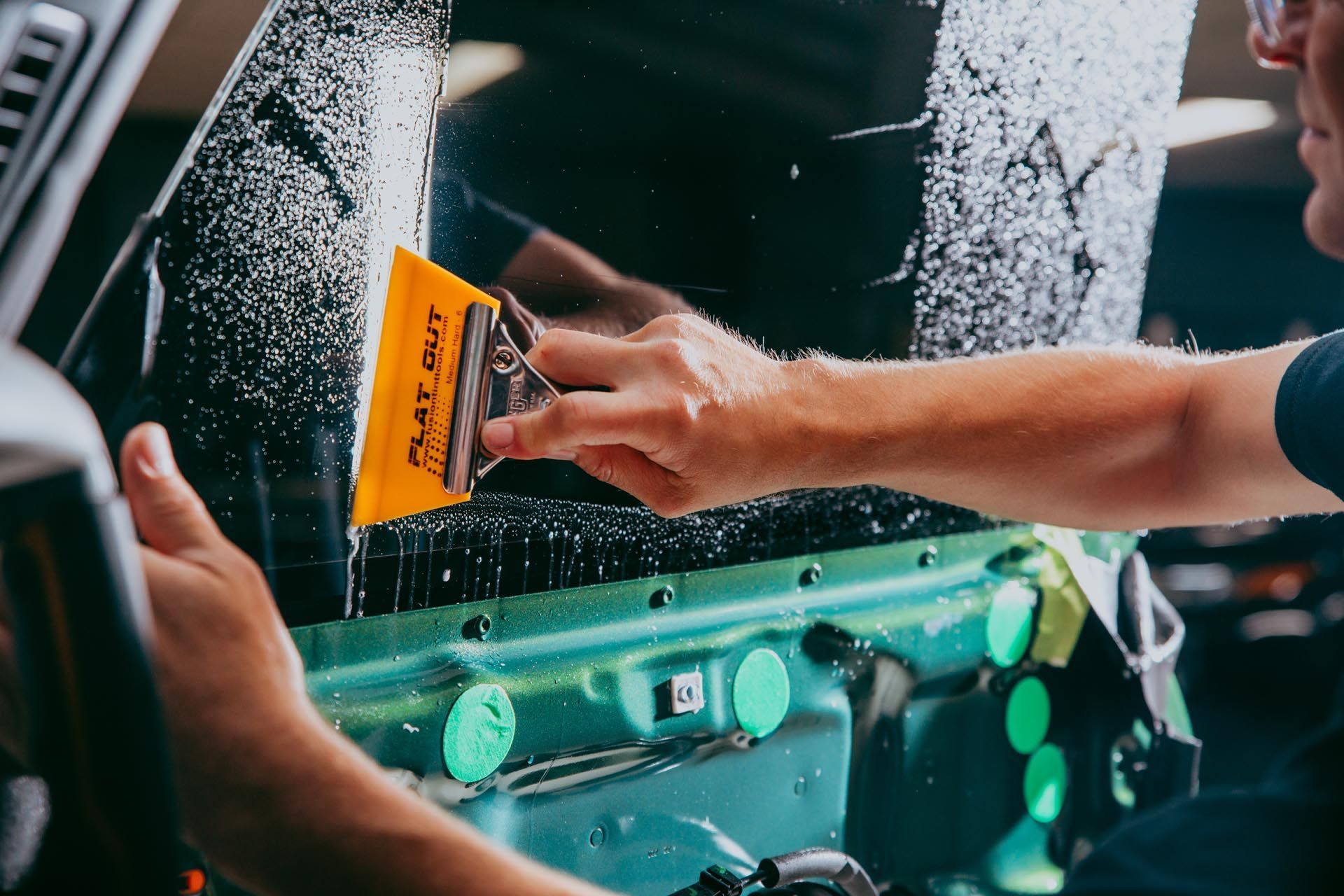
For minor issues, you may be able to gently smooth out the bubbles using a soft cloth or squeegee. However, if the imperfections are extensive or the tint is peeling, it’s time to consult a professional. They can assess whether a repair is possible or if a full replacement is necessary. Trying to fix major issues yourself may cause further damage to the tint or glass, leading to more costly repairs later on.
In the end, regular inspection and timely repairs can keep your windows looking sharp and your tint performing at its best!
Can Tinted Windows Be Damaged by Extreme Weather Conditions?
Yes, extreme weather conditions can impact the lifespan and effectiveness of your window tint, but with the right care, you can keep it looking great. Harsh weather elements like intense heat, heavy rain, and snow can cause the tint to degrade over time if not properly maintained.
Excessive heat, especially during the summer months, can cause the adhesive that holds the tint to the glass to weaken, leading to peeling or bubbling. Similarly, extreme cold and snow can put stress on the tint film, causing it to crack or become brittle. Rain, particularly when paired with high humidity, can also promote mold or mildew growth between the tint and the glass if there are any gaps in the installation.
To protect your tinted windows from these environmental factors, avoid exposing them to extreme temperatures for prolonged periods. Whenever possible, park your vehicle in shaded areas or use a windshield cover to shield the tint from the sun’s harmful rays. Additionally, regularly clean your windows to prevent dirt and debris buildup, which can hold moisture and increase the risk of damage.
By taking a few precautions, you can keep your window tint in great shape, ensuring both its appearance and performance are maintained for years to come!
How Can You Prevent Accidental Damage to Your Freshly Tinted Windows?
Preventing accidental damage to your freshly tinted windows is all about being mindful and taking simple precautions. Window tint, while durable, is still susceptible to scratches, chips, and other forms of damage, especially in the first few weeks after installation.
To protect your tint, always use soft cloths or microfiber towels when cleaning your windows. Avoid abrasive materials like paper towels or sponges, which can scratch the surface. Be cautious when closing windows, especially if there’s debris or dust on the glass, as it can lead to scratches that affect the appearance of the tint.
If you have pets or children, make sure they’re not leaning against the windows, scratching, or pressing their hands or faces against the tint. Pets with sharp claws, in particular, can easily cause damage, so consider limiting their access to the areas with newly tinted windows. Additionally, be mindful of objects like car keys, bags, or any hard materials that could come into contact with the tinted glass.
Lastly, avoid using harsh chemicals or tools that could damage the tint, especially during the curing process. A little extra care and attention will go a long way in keeping your windows looking great for years to come!
How Can Regular Maintenance Contribute to the Longevity of Your Window Tint?
Just like any other part of your car or home, your window tint benefits from regular maintenance! Routine care not only ensures that your tint looks great but also helps preserve its effectiveness over time. Regular cleaning is essential. By wiping your windows with a soft cloth and using the right cleaning solutions, you prevent dust, dirt, and debris from building up and scratching the surface. This simple step can prevent permanent damage, keeping your tint smooth and clear.
Minor repairs are just as important. Over time, you might notice small imperfections like bubbles or peeling edges. Addressing these issues early, either by fixing them yourself or seeking professional help, can prevent them from worsening and requiring expensive replacements. Regular inspections also give you the chance to spot any early signs of wear and tear, such as fading or discoloration, before they become a significant problem.
By committing to periodic check-ups and cleaning, you not only keep your window tint looking fresh and sharp but also extend its lifespan. A little routine care goes a long way in maintaining both the appearance and protective qualities of your residential or commercial window tint, ensuring it continues to provide the benefits you want for years to come.
Conclusion
Taking proper care of your freshly tinted windows is essential for ensuring that they stay in optimal condition and continue to provide their full range of benefits. From the enhanced aesthetics to the improved privacy and UV protection, window tint serves a vital function. However, neglecting the proper maintenance can diminish these advantages over time.
By following straightforward steps—such as waiting the recommended time before cleaning or rolling down the windows, avoiding harsh chemicals, and using the right cleaning techniques—you can extend the life of your tint and maintain its effectiveness. Regular maintenance, such as periodic inspections, also helps catch minor issues before they escalate into costly repairs or replacements.
One of the most important things you can do is be mindful of the environmental factors that can impact your tint. Exposure to direct sunlight, extreme heat, or even harsh weather conditions can degrade the quality of your tint. Being proactive about protecting it can prevent long-term damage and preserve both its look and functionality.
In the end, caring for your freshly tinted windows doesn’t have to be a hassle. With just a little attention and effort, you’ll ensure that your investment continues to provide all the benefits you’re looking for—whether it’s in your home or business. Remember, the longevity and performance of your window tint are directly tied to how well you maintain it. So take those extra steps today to keep your windows looking great and performing even better for years to come!