How to Safely Clean a Car with PPF or Ceramic Coating: The Do’s and Don’ts

March 23, 2025
Introduction

You’ve invested in protecting your car with either Paint Protection Film (PPF) or ceramic coating—now what? While both upgrades offer excellent defense against the elements, maintaining that glossy finish and keeping the protection intact requires the right cleaning routine. Improper washing techniques can do more harm than good, shortening the lifespan of your car paint protective film or dulling the shine of your ceramic-coated surface.

Whether you searched for “paint protection film near me” or installed a top-tier auto paint protection film or car PPF setup, your next step is just as important: cleaning it properly. The same goes for ceramic coatings. While they offer hydrophobic benefits and resist dirt and grime, they’re not invincible. Without safe maintenance, even the best ppf film or coating can lose its effectiveness over time.

That’s why knowing the do’s and don’ts of washing a protected vehicle is essential. From the type of soap you use to the towels you dry with, every step matters. Harsh chemicals, dirty mitts, and even water spots from a hot wash can lead to micro-damage, especially when dealing with automotive paint protective film.

This article will walk you through expert-approved techniques and common mistakes to avoid when cleaning a car with PPF near me or ceramic coating installed. We’ll cover tools, timing, and products designed specifically for preserving both car PPF and coatings—so you can keep that showroom shine going strong for years.

By the end, you’ll know exactly how to care for your car without compromising the protection you’ve already invested in.

Understanding the Basics: What Is PPF and Ceramic Coating?


Before you learn how to safely clean your vehicle, it’s important to understand the differences between Paint Protection Film (PPF) and ceramic coating—two of the most popular options for preserving a vehicle’s exterior.

PPF, also known as car paint protective film, is a clear, durable automotive paint protective film made from thermoplastic urethane. It’s typically applied to high-impact areas like the hood, front bumper, side mirrors, and door edges. What makes PPF film special is its ability to absorb impact from debris like gravel or salt, while also resisting scratches and stains. Many modern auto paint protection film options include self-healing properties, meaning minor swirls and scuffs can disappear with heat exposure.

On the other hand, ceramic coating is a liquid polymer that chemically bonds with the surface of your car’s paint. Unlike car PPF, it doesn’t offer physical impact resistance, but it does create a hydrophobic surface that repels water, dirt, and contaminants. It also offers strong UV protection, prevents oxidation, and adds a deep glossy finish to your paintwork.

Some car owners choose one or the other, while others combine both for maximum protection. For example, you might install PPF near me to guard against rock chips, and then layer ceramic coating over it to enhance gloss and make cleaning easier.

Both protection types are long-lasting investments—but they require different care approaches to maintain their benefits. Using the wrong cleaning methods or products can reduce their lifespan and performance.

Whether you found a local shop by searching “paint protection film near me” or you’ve just applied a fresh ceramic coat, understanding what’s on your car helps you clean it the right way—and avoid costly mistakes in the long run.

The Importance of Safe Washing Practices


When your vehicle is protected with paint protection film (PPF) or a ceramic coating, maintaining the finish isn’t just about keeping it looking clean—it’s about preserving the integrity and performance of the protection itself. Safe washing practices play a crucial role in extending the life of both car PPF and ceramic coatings, ensuring your investment continues to protect your vehicle for years.

Even though automotive paint protective film is designed to be tough and self-healing, improper washing techniques—like using abrasive tools or harsh chemicals—can wear down the top layer, causing premature aging, reduced gloss, and even peeling. Similarly, ceramic coatings rely on a smooth, uncontaminated surface to maintain their hydrophobic and UV-resistant properties. Using the wrong soap or dirty wash mitts can introduce swirl marks and strip away the topcoat protection.

Gentle washing helps protect both the auto paint protection film and your ceramic layer from unnecessary stress. Hand washing with pH-balanced, coating-safe shampoo, microfiber mitts, and a two-bucket method is the gold standard. Touchless washes are also acceptable if they’re free from aggressive chemicals or high-pressure blasts aimed at the film’s edges.

For those who searched “PPF near me” or “paint protection film near me” and recently installed a fresh layer, it’s especially important to follow the aftercare guidelines provided by the installer. Most will recommend waiting at least 7 days before washing to allow the adhesive to cure.

Ultimately, the way you clean your car can either enhance or degrade your protective layer. Safe washing practices are not just a suggestion—they’re a necessary routine that helps your car paint protective film or ceramic coating deliver on its promise: long-lasting, high-gloss, and low-maintenance protection.

The Do’s: Best Practices for Washing a Protected Car


To keep your car PPF or ceramic coating in top condition, following the right washing techniques is essential. These best practices will help maintain the glossy finish, hydrophobic effect, and long-term durability of your automotive paint protective film or coating.

  1. Use the Two-Bucket Method
    Always wash using the two-bucket system—one bucket for soapy water and another for rinsing your mitt. This minimizes the risk of reintroducing dirt and causing scratches to the surface, especially over auto paint protection film.

  2. Choose a pH-Neutral Shampoo
    Use a soap specifically designed for coated or PPF-covered vehicles. These shampoos are gentle, won’t strip protective layers, and are safe for both ppf film and ceramic coatings.

  3. Soft Wash Mitts and Microfiber Towels
    Always use a clean, high-quality microfiber mitt for washing and microfiber towels for drying. These materials are gentle on the surface and reduce the chance of micro-marring your car paint protective film.

  4. Rinse Thoroughly and Dry Gently
    Use a hose with a gentle stream or a foam cannon for rinsing. When drying, use the blot method or drag a clean microfiber towel across the surface—never rub. Blowers are another safe and touchless option to dry without scratching.

  5. Wash in the Shade or When Cool
    Direct sunlight or a hot surface can cause soap and water to dry too quickly, leaving streaks or water spots behind. Wash early in the morning or in a shaded area for the best results.


Following these do’s ensures that whether you’ve just found “PPF near me” or recently invested in ceramic coating, your car continues to look flawless and stays protected—mile after mile.

The Don’ts: What to Avoid When Cleaning a PPF or Ceramic Coated Vehicle

Just as there are best practices to maintain your vehicle’s finish, there are also mistakes that can cause unnecessary wear—or even damage—especially to car PPF or ceramic-coated surfaces. Avoiding these common errors is just as important as doing the right things.

  1. Don’t Use Harsh Chemicals or Dish Soap
    Household detergents and all-purpose cleaners are too aggressive for coated vehicles. They can break down the hydrophobic layer on a ceramic coating or stain the edges of your ppf film. Stick to products specifically made for auto paint protection film and coated surfaces.

  2. Avoid Automatic Car Washes with Brushes
    Those spinning brushes might seem convenient, but they’re notorious for leaving swirl marks—even on durable finishes like automotive paint protective film. They can lift edges, dull the finish, or trap grit that scratches the surface. Touchless or hand washes are far safer.

  3. Don’t Skip Pre-Rinsing
    Jumping straight into contact washing without rinsing off loose dirt and debris is a recipe for micro-scratches. Always rinse thoroughly to prevent dragging abrasive particles across your car paint protective film or ceramic-coated surface.

  4. Never Use Dirty or Low-Quality Towels
    Using an old towel or one that’s collected dirt will do more harm than good. Poor-quality fabrics can scratch your finish and leave lint behind. Always use clean, plush microfiber materials that are well-suited for sensitive finishes.

  5. Don’t Wash in Direct Sunlight
    Washing under intense sun can cause soap and water to dry too quickly, creating streaks or water spots—especially on PPF near me installations or freshly applied coatings.


By steering clear of these common pitfalls, you’ll protect your investment and maintain that showroom-worthy shine for years to come.

Choosing the Right Products for PPF and Coated Surfaces


When it comes to washing a vehicle protected with car PPF or ceramic coating, using the right cleaning products is essential to avoid dulling, staining, or prematurely wearing down your protection. Not all car care products are created equal—especially for high-tech surfaces like automotive paint protective film and ceramic coatings.

  1. Use pH-Neutral Car Shampoo
    Look for a shampoo that’s labeled as “pH-neutral” and specifically safe for coated or film-wrapped vehicles. These formulas clean effectively without degrading the hydrophobic layer of a ceramic coating or lifting the edges of your ppf film . Avoid soaps with wax additives or degreasers unless you’re targeting a specific issue.

  2. Choose Lubricated Detail Sprays or Rinseless Wash Solutions
    For maintenance in between washes or for water-restricted environments, use rinseless wash products designed for use on auto paint protection film and ceramic coatings. They contain lubricants that encapsulate dirt and lift it away safely.

  3. Stick with High-Quality Microfiber Towels and Wash Mitts
    Cheap or worn-out cloths can trap debris and scratch your finish. Choose microfiber products with a high GSM (grams per square meter) rating for a plush, safe cleaning experience. Dedicated mitts and drying towels help protect delicate car paint protective film and coated surfaces.

  4. Avoid Clay Bars Unless Necessary
    While clay bars can remove embedded contaminants, they should be used with caution on PPF. Improper technique or aggressive clay can scuff the film. Opt for decontamination sprays made for paint protection film near me if you’re unsure.

Using proper products not only preserves the integrity of your protective layers—it also makes washing faster and easier. When in doubt, choose products recommended by your PPF or coating installer.

Washing Techniques: Step-by-Step for Safe Cleaning


Once you’ve selected the right products, using the correct washing technique is just as important for protecting your car PPF or ceramic-coated vehicle. Safe washing reduces the risk of swirl marks, etching, and unnecessary wear on your auto paint protection film or coated surface. Follow these step-by-step best practices for a scratch-free, long-lasting shine:

  1. Pre-Rinse Thoroughly
    Start by rinsing the car from top to bottom using a hose or pressure washer on a wide spray setting. This step removes loose dirt and debris that could scratch the ppf film or ceramic coating during washing.

  2. Use the Two-Bucket Method
    Fill one bucket with clean, pH-neutral car shampoo, and the other with plain water for rinsing your mitt. This method keeps contaminants out of your wash bucket and off your automotive paint protective film .

  3. Wash Top to Bottom
    Always wash the upper sections first (roof, glass, hood) and move downward. Lower areas like bumpers and rocker panels collect the most grime. Save them for last to avoid spreading abrasive particles across the surface.

  4. Gentle Hand Washing Only
    Use a soft microfiber wash mitt, applying light pressure and working in straight lines. Avoid circular motions, which can create visible swirls—especially on car paint protective film.

  5. Rinse Again, Then Dry Properly
    After washing, rinse the car again thoroughly. Use a clean microfiber drying towel or a touchless air dryer to remove water. Avoid letting water air dry on its own, as it can leave mineral deposits or water spots, even on coated surfaces.

  6. Inspect and Spot-Clean
    After drying, check for leftover bug splatter or tar. Use a PPF-safe detailer or bug remover to gently lift remaining residue.


By following these techniques, you preserve the finish of your protection and ensure your vehicle stays cleaner, longer—whether you’re searching for
PPF near me or already have it installed.

What to Avoid: Common Mistakes That Can Damage PPF or Coating

Even with high-quality car PPF or ceramic coating, improper care can shorten the lifespan of your vehicle’s protection. Knowing what not to do is just as important as following the right washing steps. Avoiding these common mistakes helps preserve the performance and appearance of your automotive paint protective film or ceramic-coated surface.

  1. Using Harsh or Abrasive Cleaners
    Stay away from degreasers, strong all-purpose cleaners, or high-pH soaps. These can strip the hydrophobic layer of a ceramic coating and degrade the adhesive properties of PPF film . Always choose products labeled safe for coated or PPF-treated vehicles.
  2. Skipping the Pre-Rinse
    Jumping straight into hand washing without rinsing first grinds loose debris into your car paint protective film , creating swirl marks or fine scratches. A pre-rinse removes dirt and grit before your wash mitt touches the surface.
  3. Dirty Wash Mitts or Towels
    Using dirty or reused microfiber towels that haven’t been properly cleaned can reintroduce contaminants to your surface. Always use fresh, clean microfiber materials to avoid damaging the auto paint protection film or marring the coating.
  4. Letting the Car Air Dry
    Allowing water to air dry, especially in the sun, can lead to water spots. These spots can etch into your PPF or coating over time. Use a clean microfiber towel or blow dryer for a spot-free finish.
  5. Automatic Car Washes
    Avoid drive-through car washes with brushes. These are notoriously harsh on PPF near me and ceramic-coated vehicles, causing scratches and lifting film edges over time.

Avoiding these pitfalls ensures that your paint protection film near me and ceramic coating provide maximum performance and protection—keeping your car looking its best for years.

Drying and Finishing Touches: Keeping That Flawless Look


After a proper wash, drying your vehicle correctly is essential—especially when it’s protected by PPF film or ceramic coating. Incorrect drying methods can leave streaks, water spots, or even micro-scratches that dull your vehicle’s shine over time. The goal is to maintain the glossy finish and prolong the life of your car PPF or coating.

  1. Use a Soft, Clean Microfiber Drying Towel
    Skip the bath towels or chamois. High-quality microfiber towels are ultra-soft, absorbent, and gentle on both automotive paint protective film and ceramic coatings. Make sure the towel is clean and free from any debris that could scratch the surface.

  2. Blot, Don’t Wipe
    Instead of dragging the towel across the paint, use a blotting or patting technique—especially on delicate or curved areas. This prevents accidental swirl marks and preserves the clarity of your car paint protective film.

  3. Dry in the Shade or Indoors
    Drying your car in direct sunlight can cause water to evaporate too quickly, leaving behind mineral-rich water spots. Whenever possible, park your car in the shade or a covered area during the wash and drying process.0

  4. Use a Touchless Car Dryer
    For the safest drying method, consider using a touchless blower or car dryer. It removes water from tight crevices and around PPF edges without touching the surface—ideal for those searching for “ PPF near me ” and looking to protect every inch.

  5. Final Inspection and Quick Detailer
    Once dry, a ceramic-safe quick detail spray can add a final touch of gloss and slickness, enhancing the look and feel of your auto paint protection film or coated surface.


With the right drying routine, you’ll preserve that flawless finish and get the most out of your
paint protection film near me or ceramic coating.

Recommended Products for PPF and Coated Cars


When it comes to maintaining vehicles protected with PPF film or ceramic coating, using the right products can make all the difference. These advanced surfaces aren’t like untreated paint—they require specific formulas and tools to avoid degrading the protective layer and to keep your finish looking showroom-ready. Whether you’ve searched for “paint protection film near me” or already had one installed, it’s crucial to use only PPF- and coating-safe products.

  1. pH-Balanced Car Shampoo
    Always use a pH-neutral shampoo that’s free of wax, gloss enhancers, or harsh detergents. These shampoos are specifically designed to cleanse without stripping away or dulling your auto paint protection film or ceramic coating. Look for ones labeled “coating safe” or “PPF approved.”

  2. Soft Microfiber Wash Mitts and Drying Towels
    Avoid sponges or abrasive cloths. Opt for plush microfiber mitts and waffle-weave drying towels. These are gentle on car paint protective film and reduce the risk of scratching during the wash and dry process.

  3. Ceramic-Safe Quick Detailers
    To boost shine and slickness between washes, use a ceramic-compatible quick detail spray. It helps repel dust and adds a hydrophobic layer without interfering with your existing car PPF or coating.

  4. Water Spot Removers (Formulated for Coatings and Films)
    If hard water stains appear, use water spot removers that are safe for ceramic coatings and PPF. Harsh acids or household cleaners can break down the protective layer, so only use specialty products.

  5. Tire and Trim Dressings (Non-Sling, Water-Based)
    Avoid greasy, silicone-based products. Instead, choose water-based dressings that won’t sling onto your automotive paint protective film and stain the surface.


Investing in proper care products not only preserves your protection—it extends the life and beauty of your vehicle.

When to Reapply or Refresh Your Protection

While both paint protection film (PPF) and ceramic coating are designed to be durable, they aren’t invincible or permanent. Over time, exposure to the elements, road debris, and improper maintenance can wear down their effectiveness. Knowing when to reapply or refresh these protective layers ensures your vehicle continues to benefit from top-tier defense—and that your investment in auto paint protection film doesn’t go to waste.

  1. Signs Your PPF Needs Attention:
    High-quality PPF film typically lasts between 5 to 10 years, but that lifespan depends heavily on environmental conditions and how well you care for it. If you start to notice yellowing, bubbling, edge lifting, or dullness—especially in high-impact areas like bumpers or fenders—it may be time to replace sections of your car PPF. Local searches for “paint protection film near me” or “PPF near me” are common when these issues arise, as professional installers can assess and repair specific panels.

  2. Monitoring Ceramic Coating Performance:
    Ceramic coatings don’t wear out in the same way PPF does, but their hydrophobic properties can diminish over time. If water no longer beads or sheets off as it once did, or if your vehicle starts to hold onto dirt more easily, it’s a sign the coating needs refreshing. Some professional detailers offer ceramic “boosters” that help restore the coating’s slickness and water repellency.

  3. Routine Inspections Help:
    Every few months, inspect your vehicle under bright lighting to look for any inconsistencies, scuffs, or performance decline. Early detection allows you to refresh individual areas before larger issues develop.


Reapplying or touching up your automotive paint protective film or ceramic coating doesn’t always mean a full redo—spot treatments and boosters can go a long way in preserving protection. 

Conclusion

Caring for a vehicle that’s equipped with paint protection film (PPF) or ceramic coating goes beyond just keeping it clean—it’s about preserving performance, appearance, and the value of your investment. While both options are designed to withstand environmental stressors and road debris, how you maintain them can significantly impact their longevity and effectiveness.

Throughout this article, we explored the key differences between PPF and ceramic coatings, and why safe washing practices are critical. Whether you’ve installed a car paint protective film to defend against rock chips or applied a ceramic layer to enhance gloss and water repellency, knowing the do’s and don’ts helps prevent unintentional damage during routine washes. From using pH-balanced soap to choosing the right tools like microfiber mitts and drying towels, every detail matters when it comes to protecting your vehicle’s surface.

We also looked at the importance of washing frequency, common mistakes to avoid—like high-pressure jets or harsh chemicals—and how to perform deeper maintenance like decontamination washes without stripping your protection. These techniques keep your automotive paint protective film looking clear and your coating performing as expected.

Additionally, understanding when to reapply or refresh your auto paint protection film or ceramic coating ensures your car remains shielded for the long haul. Spot treatments, inspection routines, and maintenance boosters can all extend the life of your protective layers without breaking the bank.

If you’ve been searching for “paint protection film near me” or “PPF near me” to restore or upgrade your vehicle’s defense, remember: protection starts with proper care. By following the right techniques and avoiding damaging habits, you’ll keep your investment looking showroom-ready—mile after mile.

July 7, 2026
When it comes to window tinting, car owners have more options today than ever before. Two of the most popular choices are dyed window tint and ceramic window tint. Both types serve the basic purpose of darkening your windows for privacy and aesthetics, but they differ significantly in performance and longevity. So, ceramic vs. dyed tint: which one is worth it? In this article, we’ll compare these two tint types in terms of heat rejection, UV protection, longevity, appearance, and cost. By the end, you’ll have a clear understanding of the pros and cons of each, and which might be the better investment for your vehicle. Local Expertise: At 586 Tint Factory – a Clinton Township-based business serving Macomb, Oakland, and Wayne Counties – we’ve installed thousands of tinted windows. We pride ourselves on quality service, years of experience, and customer satisfaction. We know what works best for Michigan drivers, and we’re here to share our expertise. Let’s dive into the comparison! Heat Rejection Performance One of the biggest differences between dyed and ceramic tint is how well they keep your car cool. Michigan summers can get hot and sunny, so heat rejection is a key factor. Dyed Tint: Dyed window film provides a basic level of heat reduction by absorbing some of the sunlight’s energy. This can take the edge off a hot day, but it’s not the most effective solution for cooling. Standard dyed tints lack the advanced infrared-blocking technology found in higher-end films. In fact, regular dyed tint offers only limited heat rejection – it can slightly reduce the sun’s glare and heat, but it won’t dramatically cool your cabin in sweltering conditions​. If your main goal is to reduce interior temperatures, dyed tint may leave you wanting more relief on extremely hot days. Ceramic Tint: Ceramic window tint is the gold standard for heat rejection. These films are infused with nano-ceramic particles that block a significant portion of solar heat, especially the infrared radiation (IR) that is largely responsible for that burning hot feeling inside a car. A high-quality ceramic tint can reject a much higher percentage of heat compared to dyed film. In fact, some premium ceramic films block up to 90–98% of infrared heat​, resulting in a noticeably cooler car interior. This means even on a blistering summer afternoon, a car with ceramic tint will stay more comfortable, putting less strain on your air conditioning. Heat Rejection – Bottom Line: If keeping your car cool is a top priority, ceramic tint clearly outperforms dyed tint in this category. Dyed tint does help somewhat, but ceramic films provide far superior heat rejection, making a real difference in cabin comfort on hot days​.
July 7, 2026
If you’re thinking about tinting your car windows and you live in Michigan, you’ve probably asked yourself: Is window tinting legal in Michigan? The short answer is yes, but with some clear rules you need to follow. At 586 Tint Factory in Clinton Township, we make sure your tint looks great and stays legal.  In this guide, we’ll break down Michigan’s tinting laws, cover common questions, and explain how to avoid tickets or inspection issues. We proudly serve Clinton Township, Sterling Heights, Fraser, Roseville, Mount Clemens, Macomb, and other nearby cities in the Metro Detroit area.
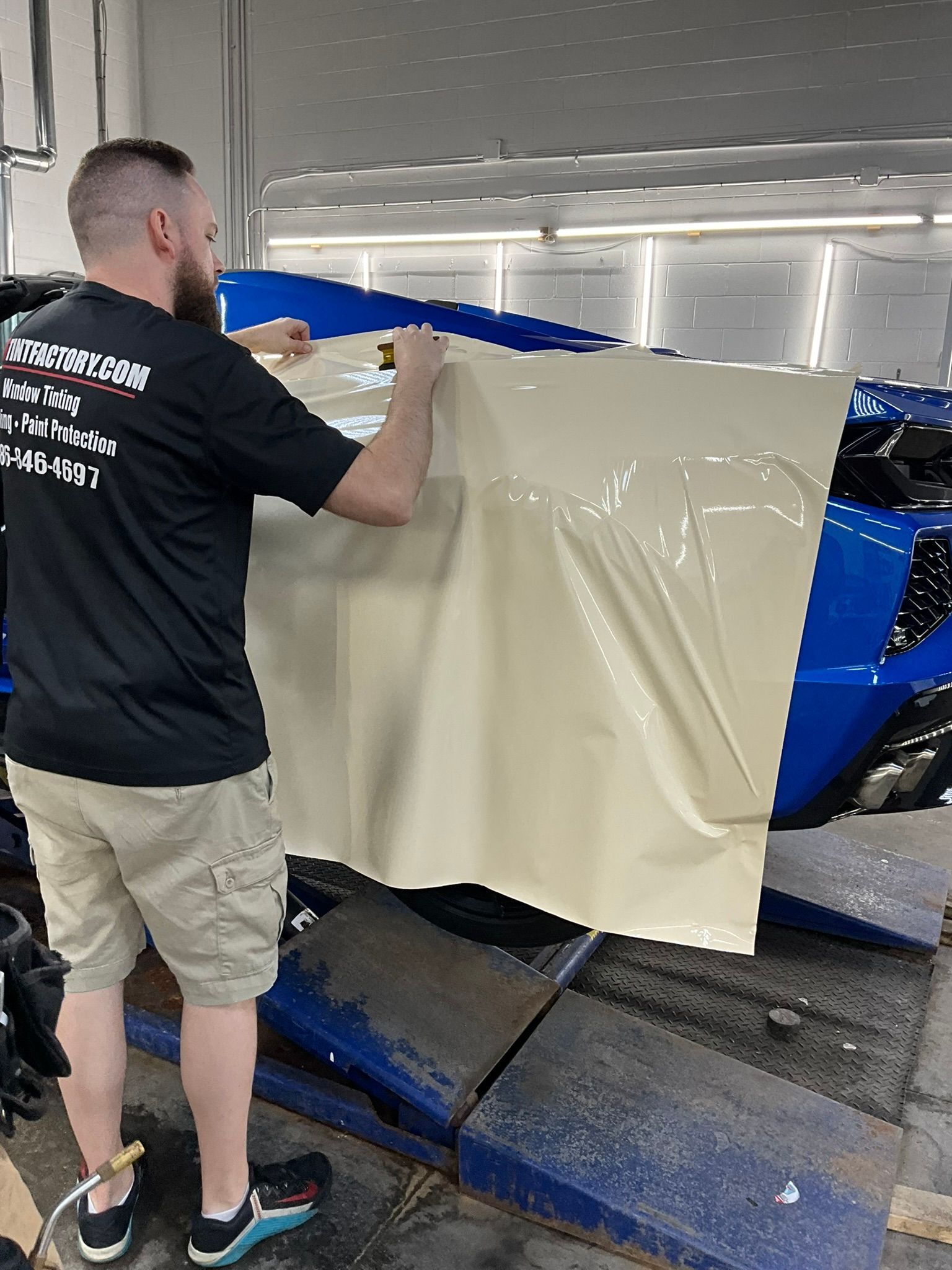
Man covering blue machinery with beige plastic sheeting in a workshop
By Shawn Winters June 1, 2025
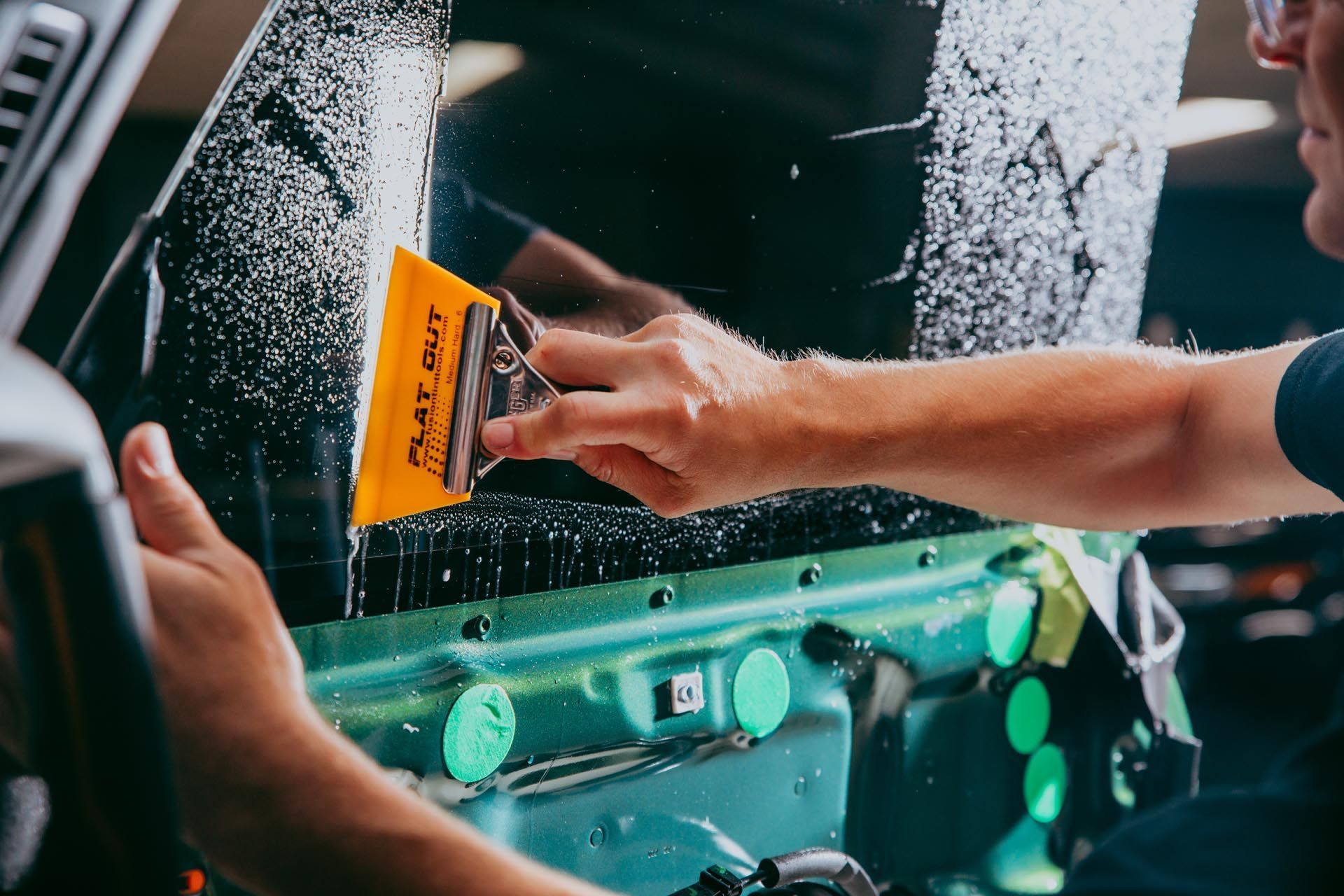
When it comes to protecting your car’s paint, you have more options than ever before. Two of the most popular choices are Paint Protection Film (PPF) and Vinyl Wrap, but which one truly offers the best protection for your vehicle?
By Shawn Winters May 26, 2025
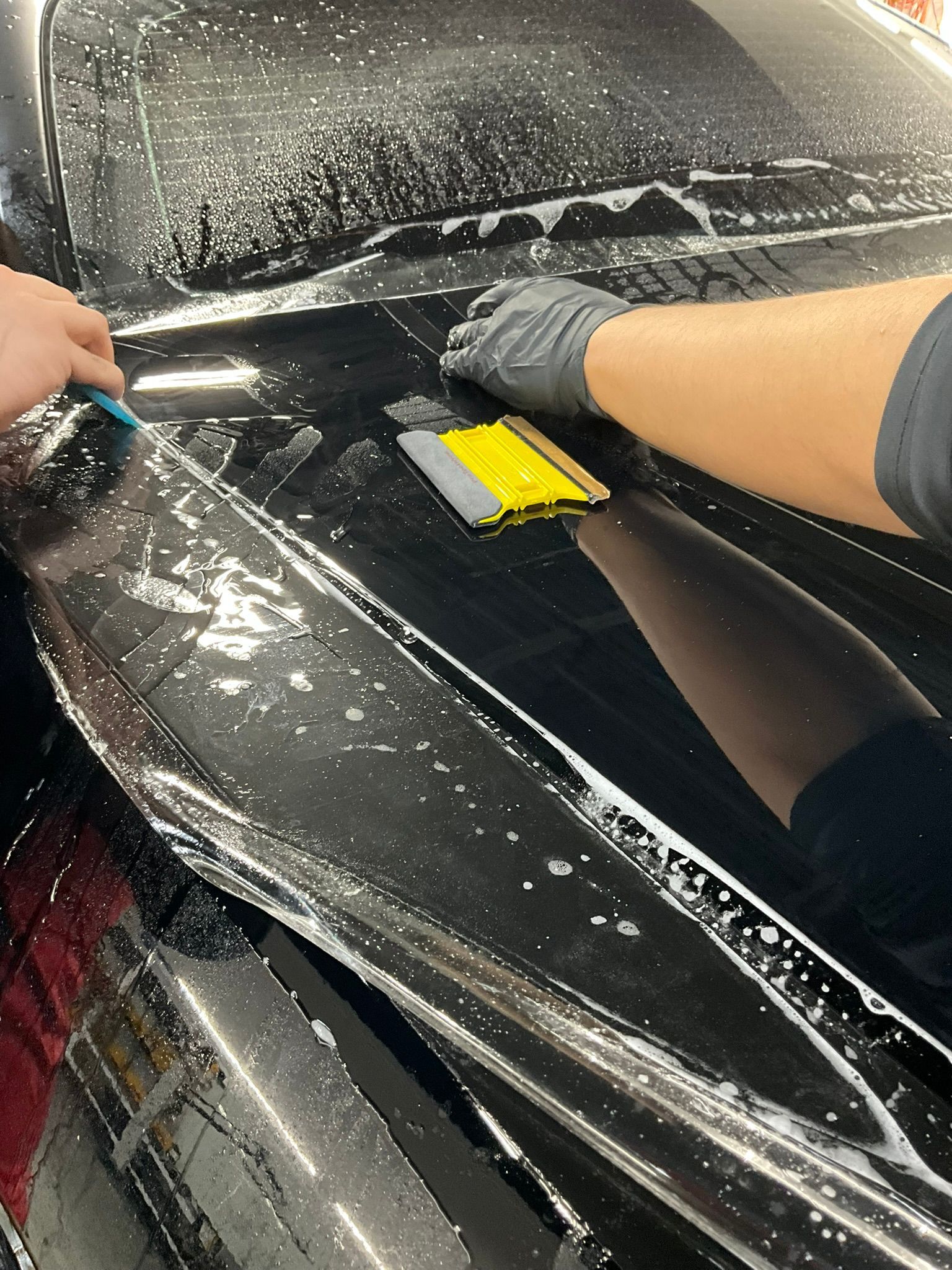
When it comes to window tinting, most people focus on how dark or stylish the film looks—but there’s more to it than just aesthetics. The percentage of your window tint plays a crucial role in how effective it is, how comfortable your ride feels, and ultimately, how much value it adds to your investment.
By Shawn Winters May 26, 2025
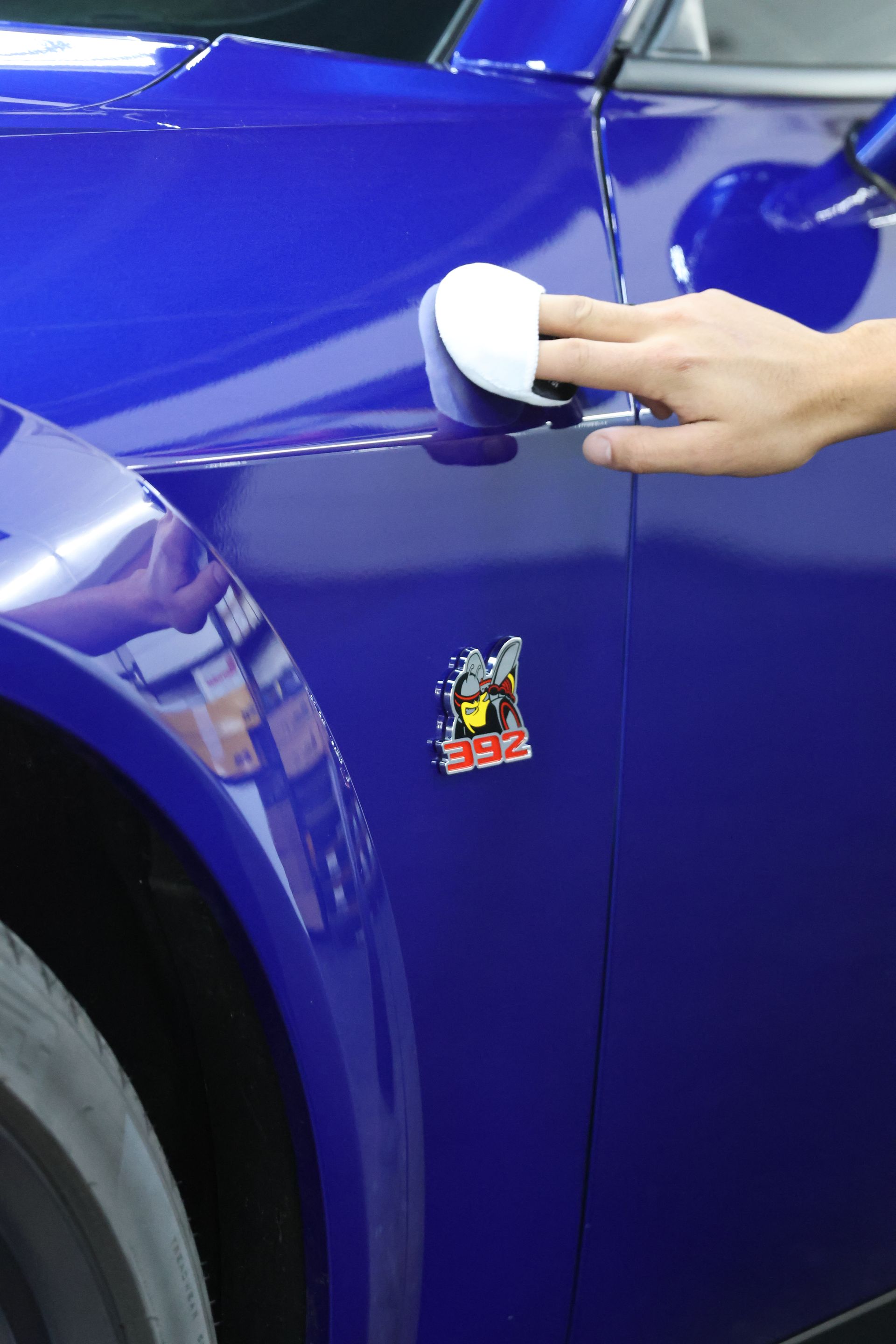
If you’ve ever inspected your vehicle after a road trip and spotted tiny chips, scratches, or mysterious scuff marks, chances are you’ve been on the receiving end of road debris. From loose gravel to sand, salt, or even rubber fragments, these hazards are constantly lurking on highways, construction zones, and rural backroads.
By Shawn Winters May 15, 2025
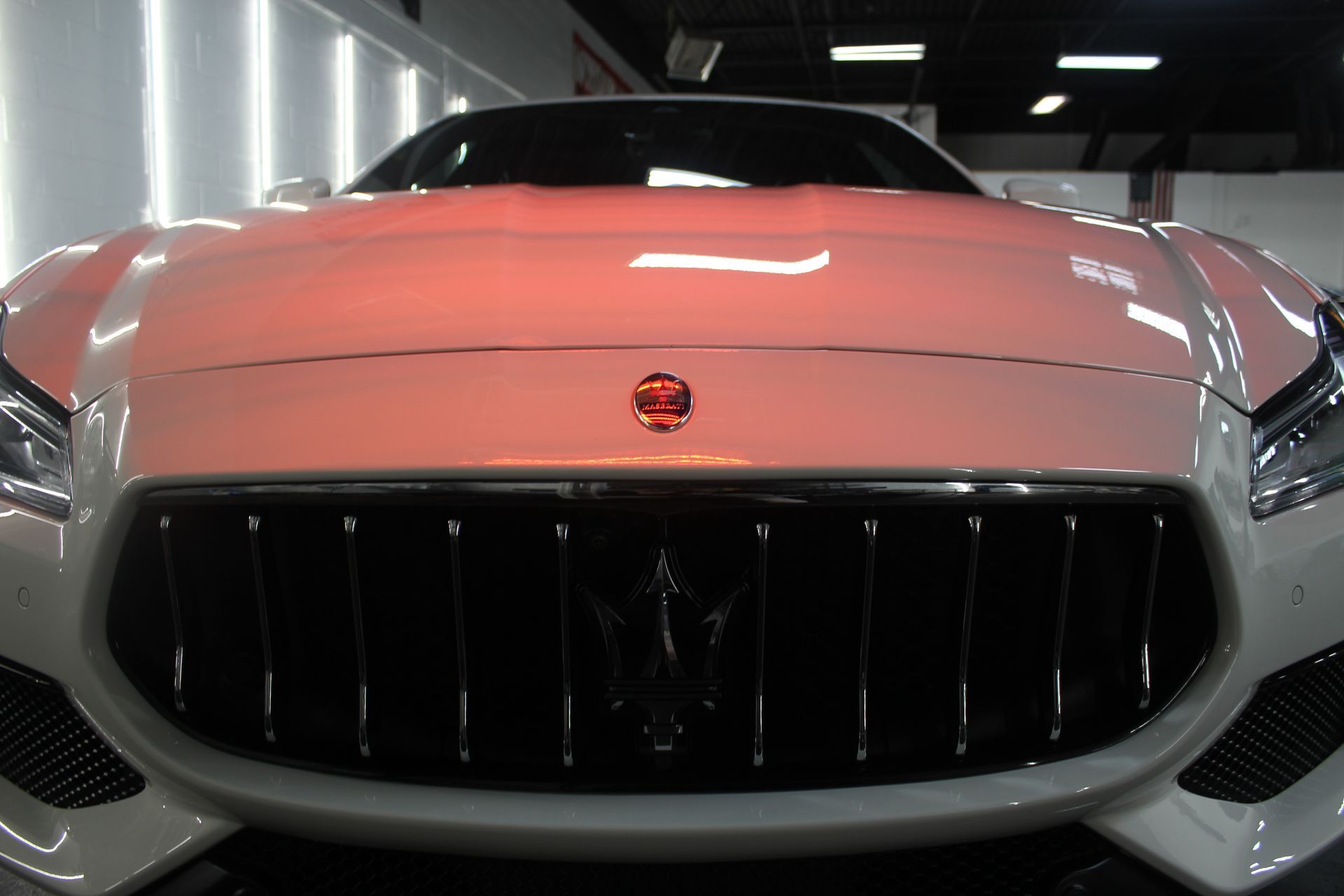
Water spots on a car’s surface can be frustrating, especially when you’ve invested in a ceramic coating to protect your paint.
By Shawn Winters May 15, 2025
Imagine driving your freshly detailed car through the rain, only to see water bead up and roll right off the surface. No water stains, no lingering grime—just a spotless, glossy finish.
By Shawn Winters May 9, 2025
When it comes to selling your car, every detail matters. Whether you’re trying to increase appeal, improve performance, or boost resale value, the choices you make today can impact how much you’ll get for your car down the line.
By Shawn Winters May 3, 2025
For any fleet manager, maintaining a large number of vehicles can be a constant challenge. Whether it’s ensuring the vehicles are operating smoothly or keeping them looking presentable, it’s no secret that the appearance of your fleet can impact your business’s image.
By Shawn Winters April 30, 2025
Your car isn’t just a mode of transportation—it’s an investment. Whether you drive it daily or keep it in pristine condition for resale, protecting its interior from wear and tear should be a top priority.