Should You Remove PPF Before Selling Your Car? Pros and Cons Explained


When it’s time to sell your car, every detail matters—from how the paint looks to how well it’s been protected. One question that often comes up for vehicle owners with paint protection film (PPF) is: Should I remove the PPF before putting the car on the market? While PPF is designed to preserve your vehicle’s paint by shielding it from rock chips, UV rays, and other hazards, its presence at the time of sale can raise questions—especially if the film is older or beginning to show wear.
Paint protection film is a popular upgrade for those who want to keep their vehicles looking new. It’s typically applied to high-impact areas like the front bumper, hood, and side mirrors, but many enthusiasts opt for full-body wraps to maximize protection. Over time, however, PPF can degrade, yellow, or begin to peel—raising concerns about whether it adds to or detracts from your vehicle’s resale value.
Buyers—especially private ones—tend to notice appearance first. A clean, glossy finish may draw them in, but visible wear on the PPF might make them second-guess the vehicle’s condition. On the flip side, a well-maintained PPF film could show that the owner cared for the car and made an effort to protect the original paint.
In this article, we’ll break down the pros and cons of removing PPF before selling your car. We’ll also explore expert advice, the safest way to remove old film if needed, and how to evaluate whether to replace it or leave it on. By the end, you’ll be equipped to make the best decision for your situation—helping you present your car in the most attractive (and valuable) way possible.
Paint Protection Film, or PPF, is a clear, flexible urethane film that’s applied directly to a vehicle’s painted surfaces. Its purpose? To act as a durable barrier between your car’s paint and the many hazards it faces on the road—everything from flying gravel and rock chips to bird droppings, road salt, and UV exposure. For car owners who want to preserve that showroom finish for as long as possible, PPF is one of the most trusted solutions.
Structurally, PPF is made of multiple layers. These typically include a strong adhesive layer to bond with the paint, the film itself for physical protection, and a topcoat layer that resists contaminants, yellowing, and minor abrasions. Many modern versions of PPF even feature self-healing properties—where surface-level scratches disappear with the application of heat from the sun or warm water.
The key advantage of PPF is its impact resistance . Whether you’re navigating highways filled with loose gravel or frequently parking in areas prone to minor scuffs and door dings, PPF helps absorb and disperse the force of impacts before they reach the paint. It’s especially popular for high-impact zones like bumpers, hoods, side mirrors, and rocker panels.
In addition to physical protection, PPF also blocks harmful UV rays that can fade or oxidize paint over time. It helps maintain gloss, resists staining from bug splatter or sap, and keeps the car looking newer, longer.
For many owners, especially those with luxury vehicles or long-term ownership goals, installing PPF is a strategic investment in the car’s appearance and value. But as time goes on, the film can wear down—raising questions about whether to remove or replace it before resale. That’s what we’ll explore next.
When it comes time to sell a vehicle, some owners face the question: should you leave the Paint Protection Film (PPF) on, or take it off? While PPF is generally considered a value-adding upgrade, there are valid reasons why sellers might opt to remove it before listing the vehicle for sale.
One of the most common reasons is aging film . Over time—especially with lower-quality products or improper maintenance—PPF can begin to yellow, discolor, or lose clarity . This visual degradation can actually make the vehicle look older or less cared for, despite having protected paint underneath. In such cases, removing the film may reveal a well-preserved surface that looks newer and more appealing to potential buyers.
Another reason is visible wear , such as peeling edges , bubbling , or cracking . These signs not only make the car appear neglected but can raise red flags for a buyer during inspection. A deteriorating film might lead someone to wonder what condition the paint is in underneath—or assume it’s hiding damage. In these situations, removal and a proper polish or detail can improve the car’s visual presentation and marketability.
Additionally, buyer preferences can play a role. Some buyers prefer a “factory-fresh” look or plan to apply their own choice of PPF, ceramic coating, or wrap. Leaving old film on may not match their expectations or styling plans, especially if the film is partial or visibly outlined.
Ultimately, whether due to aesthetics , condition , or market appeal , these are key reasons many sellers opt to remove PPF prior to listing the car. In the next section, we’ll break down what happens during the removal process—and whether it poses any risks to your paint.
In some cases, removing Paint Protection Film (PPF) before selling your car can offer noticeable advantages—especially if you’re aiming for a smooth, private sale or want to present the vehicle in its absolute best light. While PPF is generally a benefit, there are times when its removal can help elevate your car’s appeal and value.
One of the biggest pros is revealing a fresh, well-preserved paint finish . If the PPF is several years old, it may have developed slight yellowing, hazing, or dullness that masks the true shine underneath. Removing the film can bring back the original luster of the paint, especially if followed by a professional polish or ceramic coating. This freshly detailed look often creates a stronger first impression for potential buyers.
Another advantage is that it can eliminate buyer suspicion . Some buyers, particularly those unfamiliar with PPF, may question whether the film is hiding damage or uneven paint. This is especially true if the film shows wear, has edges lifting, or appears unevenly applied. By removing the film, you create transparency—literally and figuratively—giving buyers peace of mind that there’s nothing to hide.
In private sales especially, visual presentation is key . A clean, shiny, PPF-free vehicle surface can look newer, more polished, and better cared for—often helping justify your asking price. Buyers are more likely to act quickly when a vehicle looks flawless and turn-key ready.
Of course, the decision to remove PPF should factor in the film’s age and condition. If it’s still in great shape, you may not need to remove it at all. But when appearance and buyer confidence are top priorities, taking it off can give your car a real edge in the resale market.
While removing Paint Protection Film (PPF) before selling your car may have some aesthetic and buyer-relations benefits, there are also a few significant downsides to consider. In some cases, the process of taking the film off can do more harm than good—both in terms of risk and cost.
One of the primary concerns is the risk of damaging the paint during removal . Although high-quality PPF is designed to be removed cleanly, if it’s been on the vehicle for many years or was poorly installed, the adhesive may have hardened or bonded too strongly with the clear coat. Attempting to peel it off without proper tools or heat application can result in lifting the clear coat or even chipping the paint. This damage would require additional repair, which can delay your sale and reduce your vehicle’s value.
Another drawback is the loss of protection right before the sale. If you remove the PPF and then continue using the car or display it for potential buyers, it becomes vulnerable to rock chips, scratches, and other surface damage—especially if you’re still driving it daily. The film serves as a barrier, and once it’s gone, your paint is fully exposed to wear and tear.
There’s also the cost and time involved in the removal process . Professional PPF removal can range from $300 to $800 or more, depending on the size of the vehicle and the condition of the film. Plus, scheduling the removal and any necessary paint correction can add days—or even weeks—to your timeline.
If the PPF is still in good shape, keeping it on may actually be more beneficial, offering a selling point rather than a drawback. In the next section, we’ll explore whether keeping the film in place could add value to your sale.
Before deciding whether to remove your Paint Protection Film (PPF) before selling your car, it’s crucial to evaluate its current condition. Not all films age gracefully, and in some cases, removal is necessary to preserve your vehicle’s appearance—or to avoid raising red flags for potential buyers.
Start with a visual inspection . Look closely at high-impact areas like the front bumper, hood, fenders, and mirrors. Signs that your PPF may need removal include yellowing or discoloration , which often happens to older films exposed to intense UV rays. Peeling edges, bubbling, or lifting corners are other red flags. These issues not only affect the look of your car but may suggest to buyers that the film is hiding something underneath—even if it’s not.
Next, consider a professional assessment . A certified PPF installer or auto detailer can evaluate the film’s age, adhesion strength, and overall condition . Most quality PPF products have a lifespan of 5 to 10 years. If yours is approaching the end of its warranty or has been exposed to harsh elements without regular maintenance, it might be time to remove or replace it.
Also, check for panel-specific wear . Sometimes only certain areas (like the hood or rocker panels) show signs of wear while others remain in good shape. In these cases, partial removal or replacement may be a better option than stripping the film from the entire vehicle.
Removing PPF should always be a deliberate choice based on the condition of the film—not just for aesthetics, but also to preserve the integrity of your paint and avoid turning off potential buyers.
Up next, we’ll discuss how to remove PPF properly and what to expect during the process.
In some cases, instead of removing your Paint Protection Film (PPF) entirely, it might be smarter to replace it—either partially or fully—before putting your car on the market . This is especially true for vehicles where visual appeal and paint condition play a significant role in attracting serious buyers.
For high-end or luxury vehicles , reapplying PPF can actually increase resale value . A fresh layer of PPF not only gives the car a pristine, glossy finish but also signals to buyers that the vehicle has been well cared for. Buyers looking at sports cars, exotic vehicles, or premium SUVs often expect some level of exterior protection. Replacing old or worn film with new, high-quality PPF can help your listing stand out in a competitive market.
If a full reapplication feels like too much, partial reapplication may be the perfect middle ground. You can focus on the most visible and vulnerable areas—like the front bumper, hood, fenders, and side mirrors—where buyers are most likely to inspect for flaws. This strategy saves time and money while still refreshing the look and protection of your car’s exterior.
Of course, you’ll want to weigh the costs of replacement against your expected return . Professional PPF installation isn’t cheap, with partial jobs starting around a few hundred dollars and full-body wraps running into the thousands. But if your goal is to attract high-end buyers or fetch top dollar in a private sale, the investment could pay off.
Replacing PPF can serve as a value-adding upgrade , giving buyers peace of mind while improving the overall presentation of your vehicle.
Up next, we’ll break down how to communicate the presence (or removal) of PPF during the sale process.
If your vehicle still has high-quality, well-maintained Paint Protection Film (PPF) installed, you can absolutely use it to your advantage during the selling process. Instead of viewing PPF as something to remove or hide, you can present it as a premium upgrade —one that offers real value to prospective buyers.
Start by highlighting the key benefits of PPF. Let buyers know that the film protects the paint from rock chips, scratches, UV rays, and harsh weather. Mention that it’s often used by luxury and performance vehicle owners to preserve resale value and minimize long-term cosmetic damage. This positions the PPF as a sign of your car’s overall care and maintenance.
If possible, provide documentation . Include receipts from the original installation, warranty information (if still valid), and any service records related to film touch-ups or reapplications. Buyers appreciate transparency and professionalism, and records like these show that the PPF was professionally installed and not a low-budget DIY job.
Additionally, you can invite buyers to inspect the PPF in person or include close-up photos in your listing. Show the clarity of the film, its edge work, and how it protects high-impact zones like the front bumper, hood, and side mirrors. If the film is still glossy, intact, and free from yellowing or bubbling, make that a clear selling point.
In many cases, properly presented PPF can increase buyer confidence and justify a slightly higher asking price , especially for newer, high-end, or enthusiast vehicles. It tells the buyer you’ve gone the extra mile to protect the car—making it a smarter, lower-risk purchase.
Next, we’ll help you decide whether to consult a professional before removing or replacing your film.
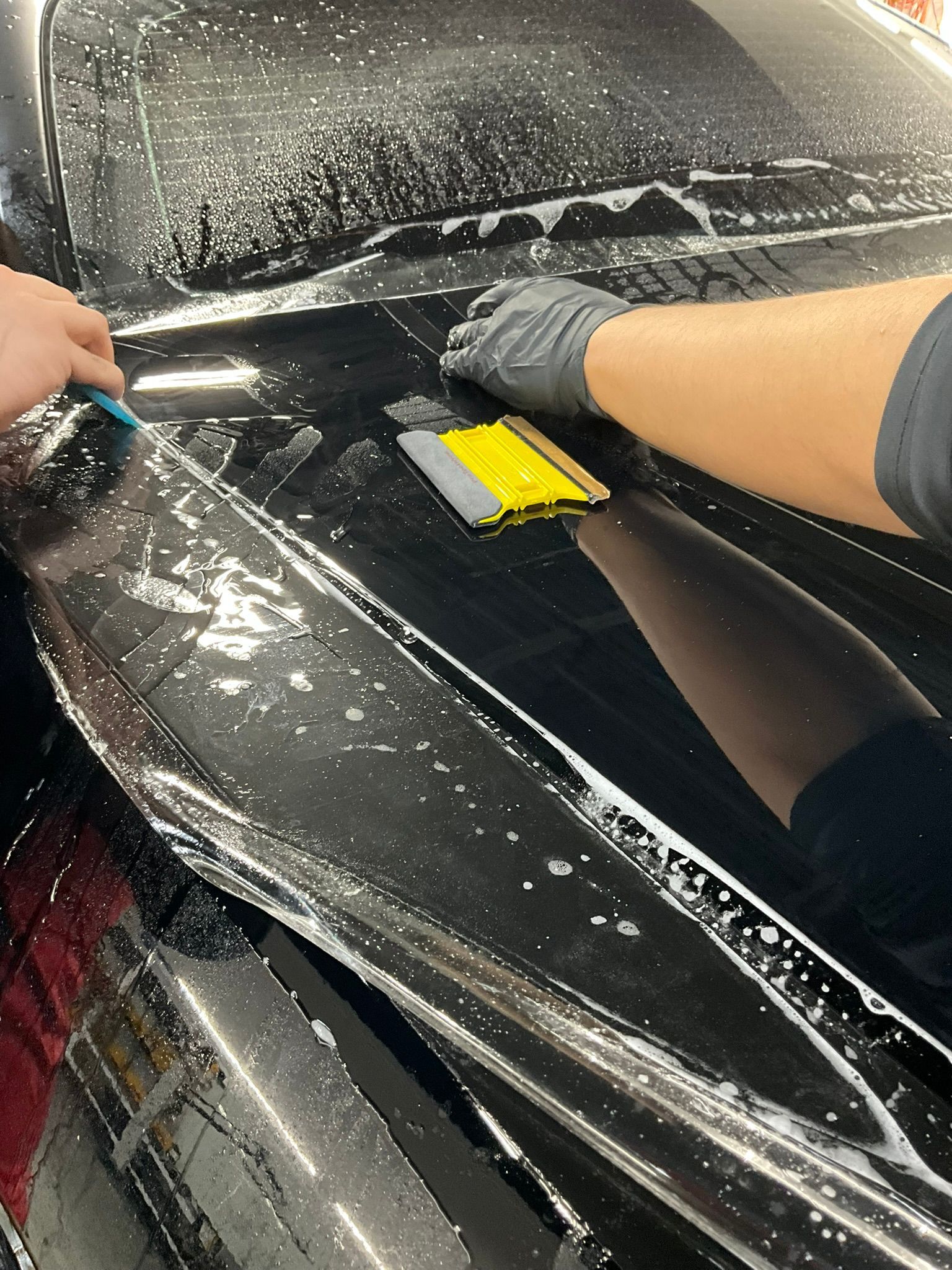
If you’re considering removing Paint Protection Film (PPF) before selling your car, one important decision is whether to do it yourself or hire a professional. While DIY removal might seem like a simple cost-saving solution, there are significant risks involved—especially if the film is old or has bonded tightly to the paint over time.
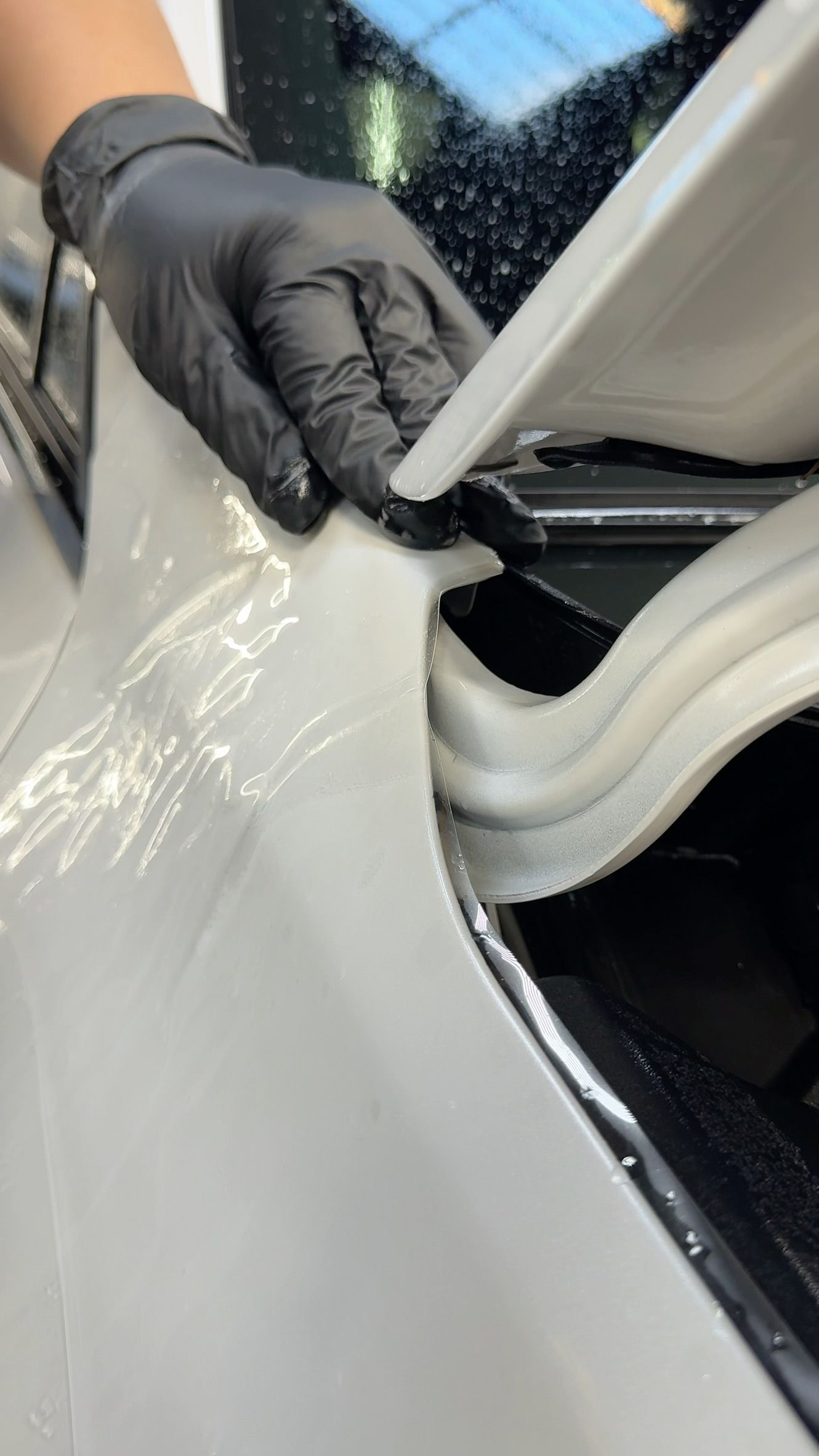
PPF is designed to adhere firmly to your vehicle’s clear coat, and improper removal can result in tearing, adhesive residue, or even damage to the paint itself. This is especially true if the film is brittle, discolored, or has been exposed to harsh UV rays for years. Scraping or peeling without the right tools, temperature, or technique can lead to gouges in the clear coat—or worse, paint lifting from the panel.
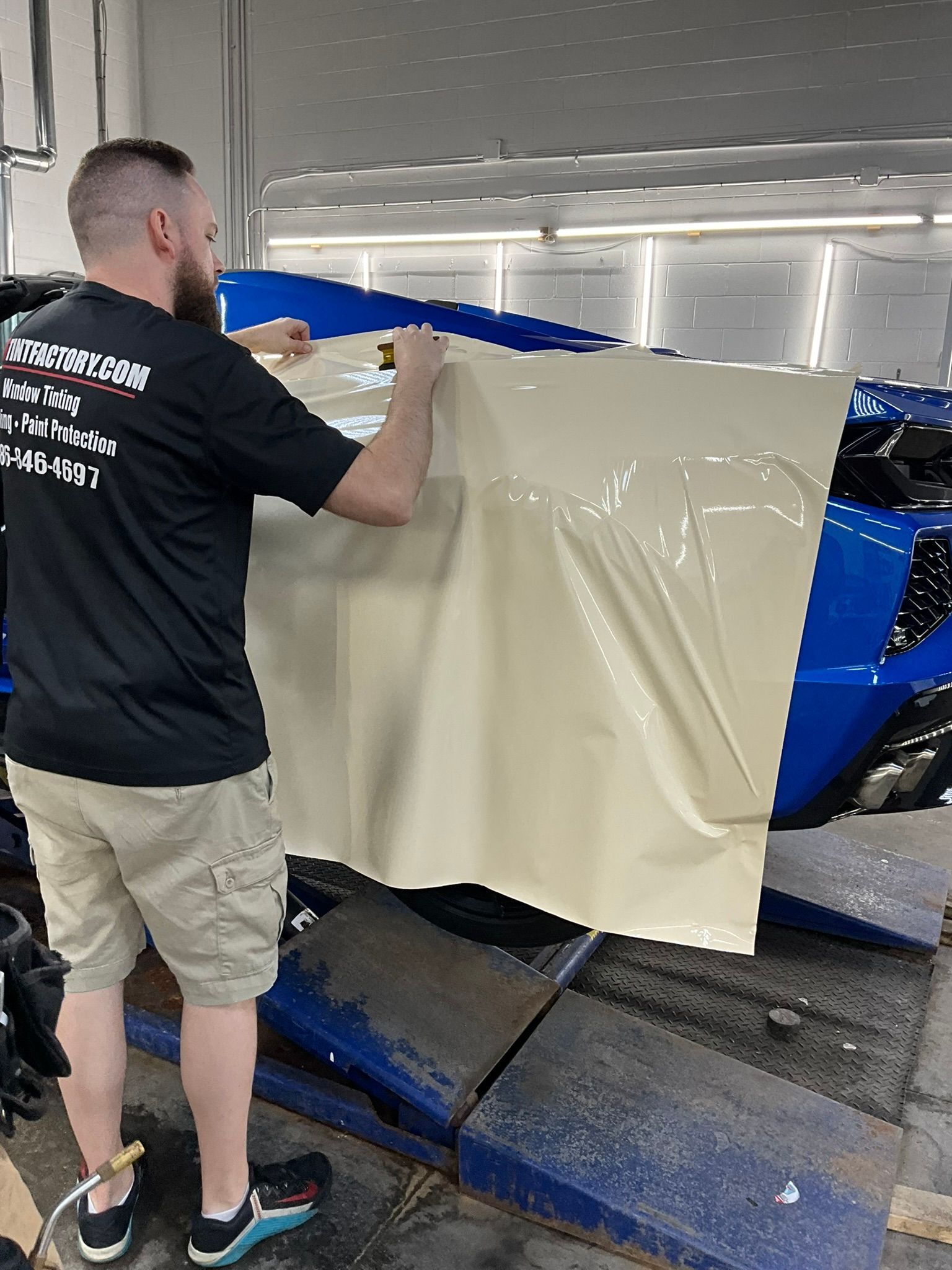
That’s why professional removal is often recommended, particularly for aging or poorly applied film . Experts use controlled heat, specialized tools, and adhesive removers to ensure the film lifts cleanly without harming the finish underneath. They can also assess the paint’s condition as they go, recommending paint correction or reapplication if necessary.
Professional shops also know how to protect delicate areas—like edges, sensors, or tight body panel seams—where PPF can be more difficult to access. And if you’re replacing the film rather than removing it for good, having it professionally taken off and reapplied ensures consistent quality and results.
While a DIY approach might work for newer, high-quality PPF that’s still soft and pliable, anything beyond that carries a real risk of damage and resale value loss. When in doubt, consult a professional —especially if you want to maintain the car’s pristine condition for sale.
Next, we’ll wrap up everything with a balanced conclusion on when and why to remove your PPF before selling.
When it comes to selling a car with Paint Protection Film (PPF), preferences can vary depending on whether you’re trading in at a dealership or selling privately. Understanding what each type of buyer typically looks for can help you make the best decision about whether to remove, replace, or highlight the film.
Most dealers prioritize quick turnaround and resale readiness. If your PPF is clean, clear, and in good condition, it can be a small plus—especially on high-end or luxury vehicles. However, if the film is yellowing, bubbling, or peeling, it might raise red flags about potential repainting or hidden damage. In those cases, a dealer might offer less, factoring in the cost of removal or reconditioning. In general, dealers may not assign significant added value for PPF unless it’s part of a premium package on a nearly new car.
Private buyers, on the other hand, tend to appreciate PPF more—especially if they’re purchasing a well-maintained vehicle with visible protection. A car with glossy, scratch-free panels and a documented PPF install can feel like a bonus to a buyer who understands automotive care. These buyers may even prefer leaving the PPF on if it looks good and still offers protection, as it saves them the cost of reapplying.
As awareness of vehicle protection grows, more buyers are actively searching for listings that include ceramic coating, car PPF, or automotive paint protective film . If the film is in good condition and backed by records, it’s seen as a smart value add—not a cover-up.
In short, understanding who your buyer is—and what they prioritize—can guide you in making the right call on PPF before resale.
Deciding whether to remove Paint Protection Film (PPF) before selling your car ultimately depends on its current condition, the preferences of your potential buyer, and your resale strategy. As we’ve explored, PPF is designed to protect your vehicle from chips, scratches, UV rays, and environmental wear—making it a valuable asset when selling a well-maintained car. However, when the film begins to yellow, peel, or bubble, it can become more of a liability than a benefit.
There are clear pros and cons to removing the film before sale. On one hand, removing aged or unsightly PPF can refresh your car’s appearance and avoid buyer skepticism. On the other hand, doing so improperly—or too close to the sale date—can lead to unexpected costs, lost protection, or even damage to the paint if removal isn’t handled carefully.
If your PPF is still in good shape, selling the car with the film intact can be a value-add. Buyers often appreciate knowing that the paint has been well protected, especially if you provide installation records, warranty documentation, and visual evidence of the film’s condition.
You may also consider reapplying PPF—especially to high-impact areas—if you’re targeting high-end buyers or preparing a trade-in with a premium dealership. In either case, consulting a professional for inspection or removal ensures that your decisions are based on expert insight.
Whether you choose to remove, replace, or showcase your existing PPF, the goal is to present the car in its best possible light. Taking the right approach can improve buyer confidence, boost resale value, and make your car stand out in a competitive market.


What Sets 586 Tint Factory Apart
Since opening in 2021, we have focused on one thing: being the best at what we do. That commitment has earned us over 1,000 five-star Google reviews, the recognition of XPEL's top dealership in Michigan for 2024, and a loyal customer base that continues to grow. We opened near the tail end of a challenging time for small businesses and came out stronger for it. Our team understands that your vehicle is an investment, and we treat it accordingly. From a simple window tint to a full-vehicle ceramic coating or PPF install, we bring the same level of professionalism and care to every job.
Email: contact@586tintfactory.com
Phone:
586-846-4697
Monday - Friday: 6:30 a.m. - 5:00 p.m.
Saturday & Sunday: Appointment Only