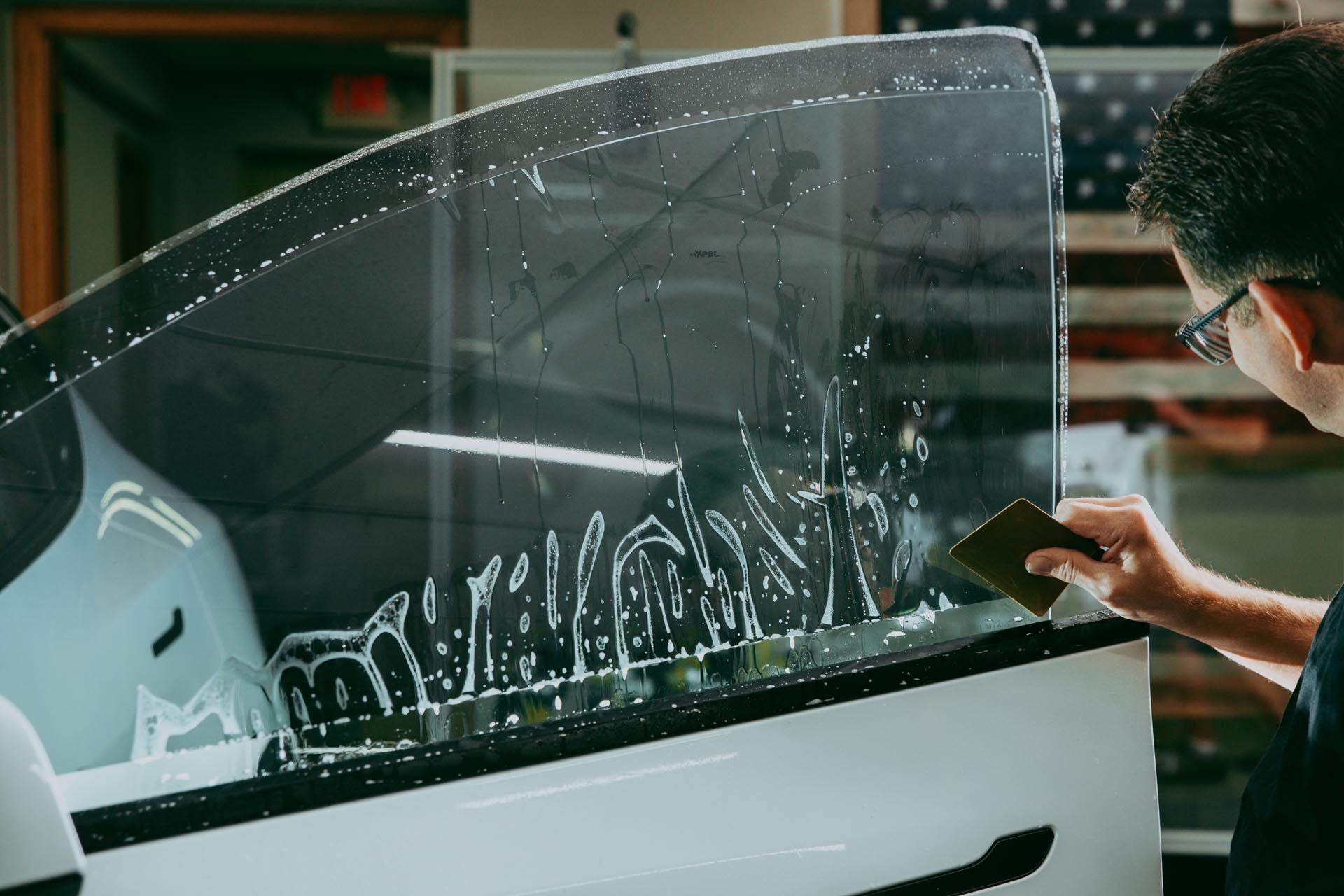
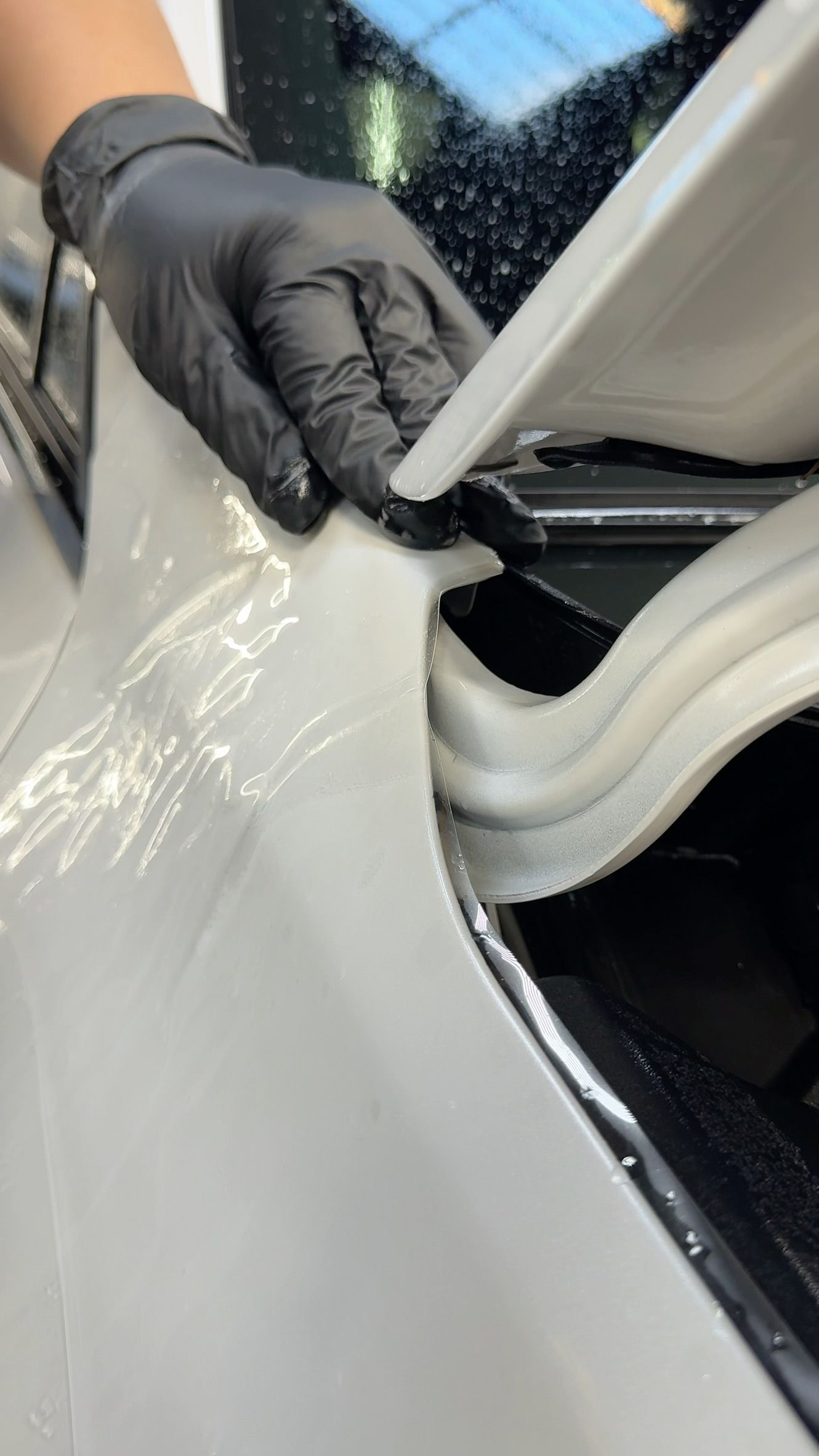
How Window Tinting Saves Money on Energy Bills
face it—energy bills aren’t getting any cheaper. If you’re a homeowner or property manager, you’ve probably seen those monthly numbers climb higher than you’d like. And while switching off lights or adjusting the thermostat helps a little, it’s not always enough. That’s where something surprisingly simple, yet wildly effective, comes in: window tinting.
Now, before you brush it off as just a cosmetic upgrade or something for fancy cars—think again. Today’s window tints are engineered to do far more than darken your glass. Whether you’re managing a busy office building or trying to make your home more energy efficient, tinting your windows can seriously cut down your energy usage. We’re talking reduced heat in the summer, improved insulation in the winter, and Let’s fewer spikes in your energy bills all year round.
In this article, we’ll break down exactly how window tinting works to save you money—and why it’s becoming one of the smartest upgrades for energy-conscious property owners. We’ll explore the science behind solar heat gain, show you real cost-saving scenarios, and help you understand how tinting can improve both comfort and HVAC efficiency. Whether you’re considering residential window tint or exploring options for commercial window tint, this guide will help you weigh the benefits clearly.
And don’t worry—we’ll keep it clear, straightforward, and packed with insights that matter. No fluff. No hype. Just practical answers and valuable tips you can use.
So if you’re ready to take control of your energy bills without sacrificing comfort or style, let’s dive in. This might just be the upgrade your windows—and your wallet—have been waiting for.
Why is Window Tinting Becoming a Popular Choice for Energy-Conscious Homeowners?
Window tinting isn’t just for fancy cars anymore—it’s becoming a go-to choice for homeowners who are serious about saving energy and reducing their bills. And it makes sense! With rising utility costs and growing awareness around sustainable living, people are looking for simple yet effective ways to boost energy efficiency. Window tinting offers exactly that.
Let’s talk numbers for a second. When the sun beats through your windows, it can raise your cooling costs by a shocking amount. But with tinted windows, you can block up to 99% of harmful UV rays while still enjoying natural light. This means less work for your air conditioning, and in turn, lower electricity bills!
But it’s not just about saving a few bucks. It’s about making smarter, eco-friendly choices for the long run. As environmental concerns continue to grow, more homeowners are realizing that window tinting is an affordable, low-maintenance upgrade that can make a real difference.
In short? People are waking up to the idea that energy efficiency isn’t just for the future—it’s here, and it starts with something as simple as tinting your windows!
How Does Window Tinting Contribute to Energy Savings?
If you’ve ever felt like your home turns into a sauna during summer, you’re not alone! The sun’s heat pouring through your windows can make it unbearable—and expensive. But here’s the good news: window tinting is a game-changer when it comes to keeping things cool and your energy bills low.
By reducing solar heat gain, window tinting helps block a significant amount of the sun’s heat. That means less heat entering your home, and more comfortable indoor temperatures without constantly cranking up the air conditioning. No more struggling to keep your space cool when the sun is beating down!
In fact, many window tints can reflect up to 70% of the sun’s heat. This dramatically lowers your reliance on air conditioning, which is often the biggest energy drain in the summer months. The result? A noticeable reduction in your cooling costs, month after month.
Not only will your home feel cooler, but you’ll also be saving money without sacrificing comfort. It’s a win-win situation—less heat, lower bills, and more comfort all around.
What Are the Potential Cost Savings Associated with Window Tinting?
If you’re considering window tinting, you’re probably wondering:
What kind of savings can I actually expect?
Let’s break it down. The potential for cost savings with window tinting is real—and it’s backed by numbers.
According to energy audits and real-world examples, homeowners can save up to 30% on their energy bills annually by installing window tinting. That’s a significant chunk of change! The tinting helps reduce the amount of heat that enters your home, meaning your air conditioning won’t have to work as hard, and you’ll spend less on cooling costs.
But it’s not just about immediate savings. The real beauty of window tinting lies in its long-term return on investment (ROI). Over time, those small monthly savings add up. If you install window tinting in both your residential and commercial spaces, the ROI could easily pay for the initial cost of installation within just a few years.
So, while the upfront cost might seem like an investment, the energy savings over time are what make it a smart, cost-effective choice for any energy-conscious homeowner or business owner.
In What Ways Does Window Tinting Enhance Indoor Comfort?
Imagine this: you walk into a room, and it’s not too hot, not too cold—it’s
just right
. That’s one of the biggest benefits of window tinting: it creates a consistent indoor temperature year-round. No more hot spots near the windows or freezing spots by the door. By blocking out a significant amount of solar heat in the summer and helping to insulate during the winter, tinted windows keep your home feeling comfortable no matter the season.
But that’s not all. Ever tried to watch TV or work on your computer while the sun blasts right into your eyes? Glare is a common issue for many homeowners, and it can be frustrating! With window tinting, you can cut down on the glare, making it easier to enjoy your space without squinting or adjusting shades all day long.
And let’s not forget about UV rays. Prolonged exposure to UV light can fade furniture and flooring, not to mention harm your skin. Window tinting helps block up to 99% of harmful UV rays, giving you peace of mind knowing that your home is protected from both the sun’s heat and its damaging rays.
So, if you’re looking for a more comfortable living environment, window tinting delivers in spades!
Can Window Tinting Provide Benefits During Both Summer and Winter Months?
Absolutely! One of the unique advantages of window tinting is that it’s a year-round solution—it works just as well in the winter as it does in the summer.
In the summer, window tinting acts as a reflective barrier, blocking out much of the sun’s heat and reducing the need for air conditioning. This means your home stays cooler, your HVAC system works less, and your energy bills drop. That’s the power of the reflective cooling effects of window tinting.
But what about winter? That’s where the magic of window tinting shines even more. Tinted windows provide insulation properties that help maintain warmth inside your home. By preventing heat from escaping through the glass, you keep your space cozy without cranking up the heat. This leads to savings on your heating bills, even when the temperatures dip.
So, whether it’s the sweltering heat of summer or the chill of winter, window tinting helps keep your home comfortable, all while saving you money on energy costs year-round. It’s a win in every season!
What Impact Does Window Tinting Have on HVAC System Efficiency?
If you’re looking to improve your HVAC system’s performance and longevity, window tinting could be the secret ingredient you didn’t know you needed. By reducing the amount of heat entering or escaping your home, tinted windows help your HVAC system do less work, which leads to reduced wear and tear on the unit. Less strain means fewer repairs and a longer lifespan for your system—ultimately saving you money in the long run!
But it doesn’t stop there. Window tinting also plays a significant role in energy load management. By minimizing the temperature fluctuations inside your home, the HVAC system doesn’t have to constantly adjust to keep up with the changes. This translates into lower energy consumption and reduced maintenance costs. With the load on the system lightened, the air conditioning and heating cycles run more efficiently, reducing the risk of system failures or breakdowns.
In short, when your HVAC system isn’t constantly fighting to keep up with external temperature changes, it stays in peak condition for longer—and you save money on both repairs and your monthly energy bills.
Are There Additional Financial Incentives for Installing Window Tinting?
Yes, there are! Aside from the obvious savings on your energy bills, installing window tinting might also unlock some financial incentives that make it an even more attractive option. Depending on where you live, there could be tax credits or rebates available for energy-efficient home improvements, and window tinting often qualifies. These incentives are designed to encourage homeowners to adopt eco-friendly solutions that help reduce overall energy consumption.
In addition to tax credits and rebates, many local or federal energy efficiency programs offer support for improvements like window tinting. Programs such as the Energy Efficiency Tax Credit or initiatives from the Department of Energy provide financial assistance for upgrades that reduce your home’s carbon footprint. By reducing the need for excessive heating and cooling, window tinting can contribute to meeting energy-saving goals set by these programs.
These incentives can help offset the upfront cost of installation, making window tinting not just a smart, eco-friendly upgrade, but also a financially savvy choice. So, while you’re already saving money on energy bills, why not take advantage of these available rebates or tax credits to make the investment even sweeter?
How Does Window Tinting Affect Natural Light and Visibility?
One of the common concerns about window tinting is whether it will block out all that precious natural light. The good news? With modern technology, you don’t have to choose between light and heat—window tinting can give you both!
Light transmission is carefully balanced with heat reduction, meaning that tinted windows still allow plenty of natural light to brighten up your space, but without the intense heat that often comes with it. Advanced tinting films are designed to let in visible light while reflecting away the harmful UV rays and excess heat. So, you can enjoy the sunshine without feeling like you’re living in a greenhouse!
Plus, thanks to advances in window tinting technology, there are now options that preserve your visibility without compromising on energy efficiency. The tint is subtle enough to allow clear views from the inside and outside, so you won’t feel like you’re looking through a darkened lens. In fact, you can maintain the comfort of your home while still enjoying the full beauty of your surroundings.
In short, window tinting today is all about striking the perfect balance between comfort, natural light, and efficiency—without sacrificing any of the good stuff!
What Considerations Should Be Taken into Account When Selecting Window Tinting?
Choosing the right window tinting isn’t a one-size-fits-all decision. There are several important factors to consider that can influence both the effectiveness and aesthetic of your tinting.
First, think about your climate. Are you in a sunny, hot region, or somewhere with colder winters? Window tinting can help you stay cooler in the heat or keep warmth inside during colder months. Your window orientation is another key consideration—south-facing windows will get more direct sunlight, making tinting even more important for reducing heat gain and protecting furniture from UV damage.
The type of glass in your windows also plays a role in selecting the right tint. Some windows, like low-e or double-glazed glass, may have different needs compared to regular glass. For example, specialized tints work better with high-performance windows, enhancing both their insulation and UV protection.
Lastly, it’s important to know the different types of films available. Whether you choose ceramic, metalized, or dyed films, each type offers unique benefits. Some prioritize heat rejection, others UV protection, and some even offer enhanced privacy. Choosing the right film for your needs will maximize comfort and energy efficiency in your home or business.
Is Window Tinting a Cost-Effective Solution Compared to Other Energy-Saving Measures?
When it comes to improving energy efficiency, window tinting is often seen as one of the most cost-effective solutions. But how does it stack up against other popular energy-saving measures like double glazing, heavy curtains, or smart thermostats?
Let’s compare. Double glazing can be expensive to install, and while it provides excellent insulation, it requires a significant upfront investment. On the other hand, window tinting is more affordable, with a much lower installation cost, yet still delivers impressive results in terms of heat reduction and UV protection.
Then, there are heavy curtains. While they can block heat, they often come with the downside of reducing natural light, making your home feel darker and less inviting. Smart thermostats help manage energy use by controlling temperatures, but they don’t have the same immediate heat-blocking capabilities as window tinting. Plus, they rely on an existing HVAC system, which still consumes energy.
When you weigh the upfront cost of window tinting against the long-term savings on energy bills, it quickly becomes clear: window tinting is an affordable and efficient alternative that offers great value for homeowners and businesses alike.
Conclusion
In conclusion, window tinting is more than just a cosmetic upgrade—it’s a smart, energy-saving investment that provides substantial benefits both in the short and long term. As we’ve explored throughout this article, window tinting offers an effective solution for reducing energy consumption by minimizing heat gain in the summer and preventing heat loss during winter months. This not only enhances indoor comfort but also lowers energy bills, making it a cost-effective choice for homeowners and businesses alike.
Moreover, the financial incentives available, such as tax credits and rebates, can further sweeten the deal, making window tinting an even more accessible upgrade. When compared to other energy-saving measures like double glazing or heavy curtains, window tinting offers a much more affordable upfront cost with long-term savings. The ability to reduce wear and tear on HVAC systems, coupled with the energy load management it provides, results in fewer repairs and a longer lifespan for your equipment.
Perhaps most importantly, window tinting offers sustainability. By reducing the amount of energy needed to cool or heat your space, it contributes to a greener, more eco-friendly environment. It’s a simple, yet powerful solution to combat rising utility costs and contribute to energy efficiency goals.
In today’s world, where every penny counts and environmental concerns are ever-growing, window tinting provides tangible, lasting benefits. It’s an affordable, efficient way to improve your home’s energy efficiency, enhance indoor comfort, and protect your bottom line. So, if you’re looking for a smart, sustainable investment that pays off, window tinting should be at the top of your list!