Step-by-Step Guide: How to Safely Remove PPF or Ceramic Coating from Your Car
Removing paint protection film (PPF) or ceramic coating from your car isn’t as simple as peeling off a sticker or washing the surface. Do it wrong, and you could damage your vehicle’s paint, leaving behind residue, scratches, or even discoloration. But don’t worry—if you follow the right process, you can safely strip away these protective layers without harming your car’s finish.
Why remove PPF or ceramic coating in the first place? Over time, these protective solutions wear down. PPF may start peeling, yellowing, or showing visible damage, while ceramic coatings can lose their hydrophobic properties and gloss. Whether you’re upgrading to a fresh layer or restoring your car’s original look, knowing how to remove these coatings properly is crucial.
This guide will walk you through the safest and most effective methods for removing both PPF and ceramic coating. You’ll learn about the tools and materials you need, the do’s and don’ts of removal, and how to ensure your car’s paint remains intact throughout the process. We’ll also address common mistakes people make, so you can avoid costly damage.
By the end of this article, you’ll have a clear, step-by-step approach to safely removing PPF or ceramic coating from your car. Ready to get started? Let’s dive in.
What Are PPF and Ceramic Coatings?
If you’re serious about protecting your car’s paint, you’ve probably heard of paint protection film (PPF) and ceramic coating. But what exactly are they, and how do they differ? Let’s break it down.
PPF is a nearly invisible, flexible film applied over a vehicle’s exterior to shield it from road debris, scratches, and UV damage. One of its biggest advantages? It’s self-healing! Minor scratches and swirl marks can disappear with heat exposure, keeping your car looking fresh. It’s like an invisible armor against rock chips and harsh weather conditions.
On the other hand, ceramic coating is a liquid polymer that chemically bonds with the paint, creating a durable, hydrophobic layer. Water beads up and rolls right off, taking dirt and grime with it. This means fewer car washes and easier maintenance! Plus, ceramic coatings enhance your car’s gloss and protect against oxidation and chemical stains.
While both offer fantastic protection, they serve different purposes. PPF is better for impact resistance, while ceramic coating excels at repelling water and contaminants. Some car owners even use both for ultimate protection! Now that you know the difference, let’s talk about how to safely remove them when the time comes.
Why Might You Consider Removing PPF or Ceramic Coating?
Protective coatings and films are great—until they aren’t. While PPF and ceramic coatings are designed to last, they don’t stay perfect forever. Over time, wear and tear can take a toll, making removal a necessary step for maintaining your car’s appearance and protection.
PPF, for example, can discolor, crack, or start peeling as it ages. Exposure to harsh sunlight, road debris, and chemicals can degrade the film, causing yellowing or bubbling. When this happens, not only does it look bad, but it also loses its ability to shield your car from scratches and impacts. If your PPF is deteriorating, removing and replacing it is the best way to keep your vehicle looking pristine.
Ceramic coatings, on the other hand, gradually wear down, especially if they weren’t applied properly or maintained well. You might notice water no longer beads up as it used to, or some areas of the paint appear dull while others remain glossy. An uneven coating can lead to inconsistent protection, making reapplication a smart move.
Whether you’re dealing with aging PPF or a fading ceramic coating, knowing when to remove them is key. But how do you do it safely? That’s exactly what we’ll cover next!
When Is the Optimal Time to Remove These Protective Layers?
Timing is everything when it comes to removing PPF or ceramic coatings. Wait too long, and you risk damage to your car’s surface. Remove them too early, and you might be wasting a still-functional layer of protection. So, when is the right time?
PPF (paint protection film) is built to last between 5 to 10 years, depending on the quality and exposure to harsh conditions. However, signs like yellowing, cracking, or peeling mean it’s no longer doing its job. If the film starts lifting at the edges or looks hazy, it’s time to take it off before it becomes more difficult to remove.
Ceramic coatings, on the other hand, typically last 2 to 5 years. One of the clearest indicators that it’s time for removal is when water no longer beads on the surface. If you notice uneven hydrophobic properties—where some areas still repel water while others don’t—it means the coating has worn off unevenly.
Regular inspections can help determine when it’s time for removal. Instead of waiting for complete failure, act when you start seeing early signs of deterioration. That way, you can ensure a smooth transition to a new layer of protection without compromising your car’s finish!
What Tools and Materials Are Necessary for Safe Removal?
Removing PPF or ceramic coating requires the right tools to ensure a smooth process without damaging your car’s paint. Using the wrong methods can lead to scratches, adhesive residue, or even paint peeling—something no car owner wants!
For PPF removal, heat is your best friend. A heat gun or steamer softens the film, making it easier to peel off. Plastic razor blades help lift stubborn edges without scratching the surface. Once the film is off, an adhesive remover is essential to get rid of any sticky residue left behind. Finally, a microfiber towel and detailing spray will help clean and polish the area after removal.
For ceramic coating removal, abrasion and chemicals work best. A polishing compound and a dual-action polisher can gradually wear down the coating. If a deeper clean is needed, a clay bar helps remove leftover particles. Chemical removers specifically designed for ceramic coatings can also break down the layer without harming the paint.
Having the right tools makes the process safer and more efficient. Whether you’re tackling PPF or ceramic coating, preparation is key—so gather these materials before you start!
How Do You Prepare Your Vehicle for the Removal Process?
Before diving into the removal process, proper preparation is essential. Skipping this step can lead to unnecessary scratches, stubborn residue, or even damage to your car’s paint. Taking a few extra minutes to set up will make the entire process smoother and safer.
Start by washing the car thoroughly. Any dirt or debris left on the surface can cause micro-scratches when peeling off PPF or polishing away ceramic coating. Use a pH-balanced car shampoo and a soft microfiber wash mitt to gently remove contaminants. Rinse the vehicle completely and dry it with a clean microfiber towel to prevent water spots.
Next, choose the right environment. Work in a shaded, well-ventilated area to keep the surface temperature stable. If it’s too hot, solvents can evaporate too quickly, making removal more difficult. If it’s too cold, PPF adhesive may become brittle and harder to peel off. A garage or covered space with moderate temperatures is ideal.
With the car clean and the workspace set, you’re ready to begin. A well-prepared vehicle ensures an easier removal process and reduces the risk of damaging the paint underneath.
What Are the Step-by-Step Procedures for Removing PPF?
Removing PPF might seem like a daunting task, but with the right technique, it can be done safely and effectively. Follow these step-by-step procedures to ensure a successful removal without damaging your car’s paint.
- Heat the PPF
: Start by using a heat gun or steamer to warm the film. Apply heat evenly across the surface to soften the adhesive. This makes it easier to peel the film away without tearing. Be cautious not to overheat the area to avoid damaging the paint. Move the heat source in circular motions to cover the entire section.
- Peel the Film
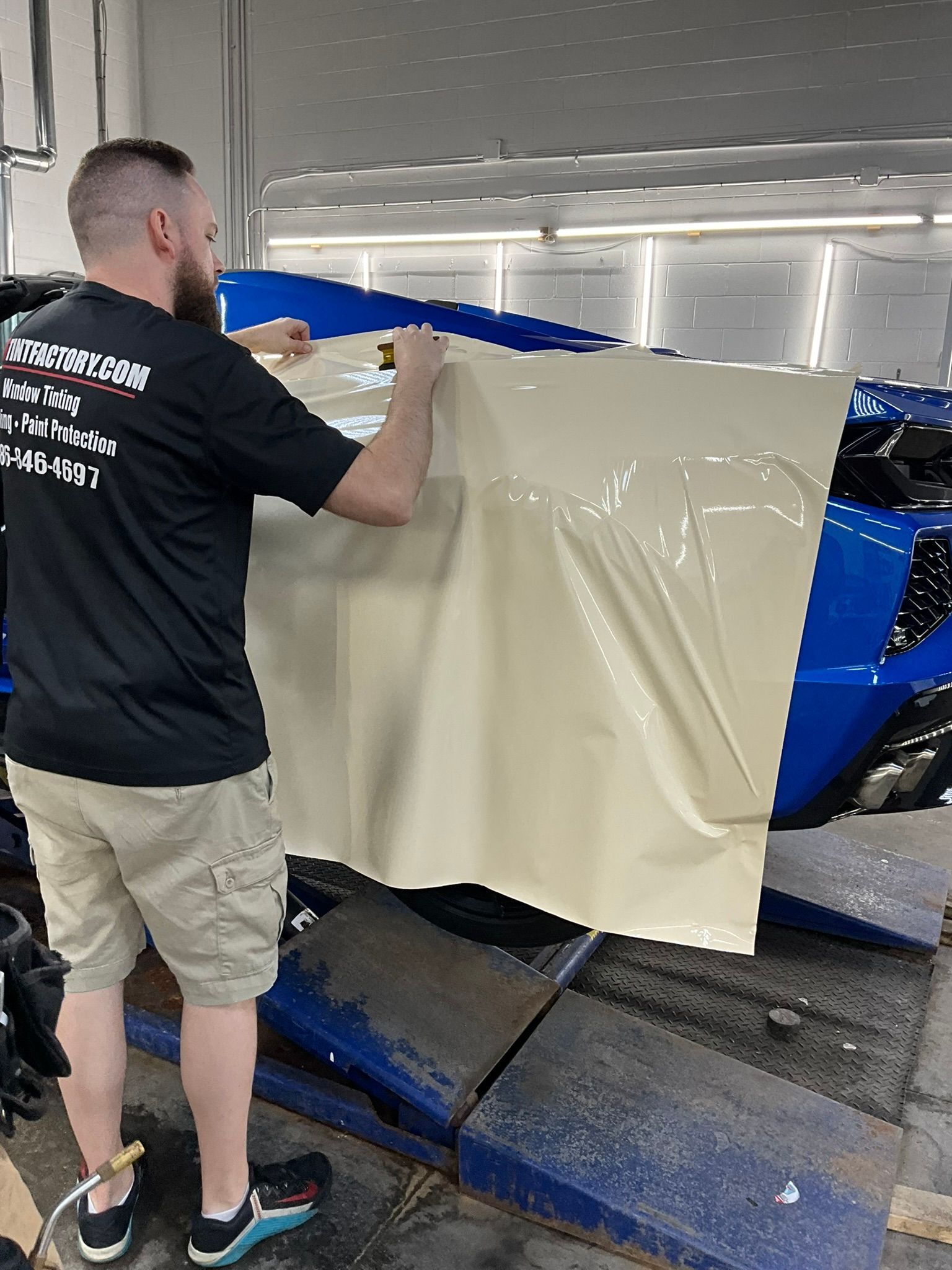
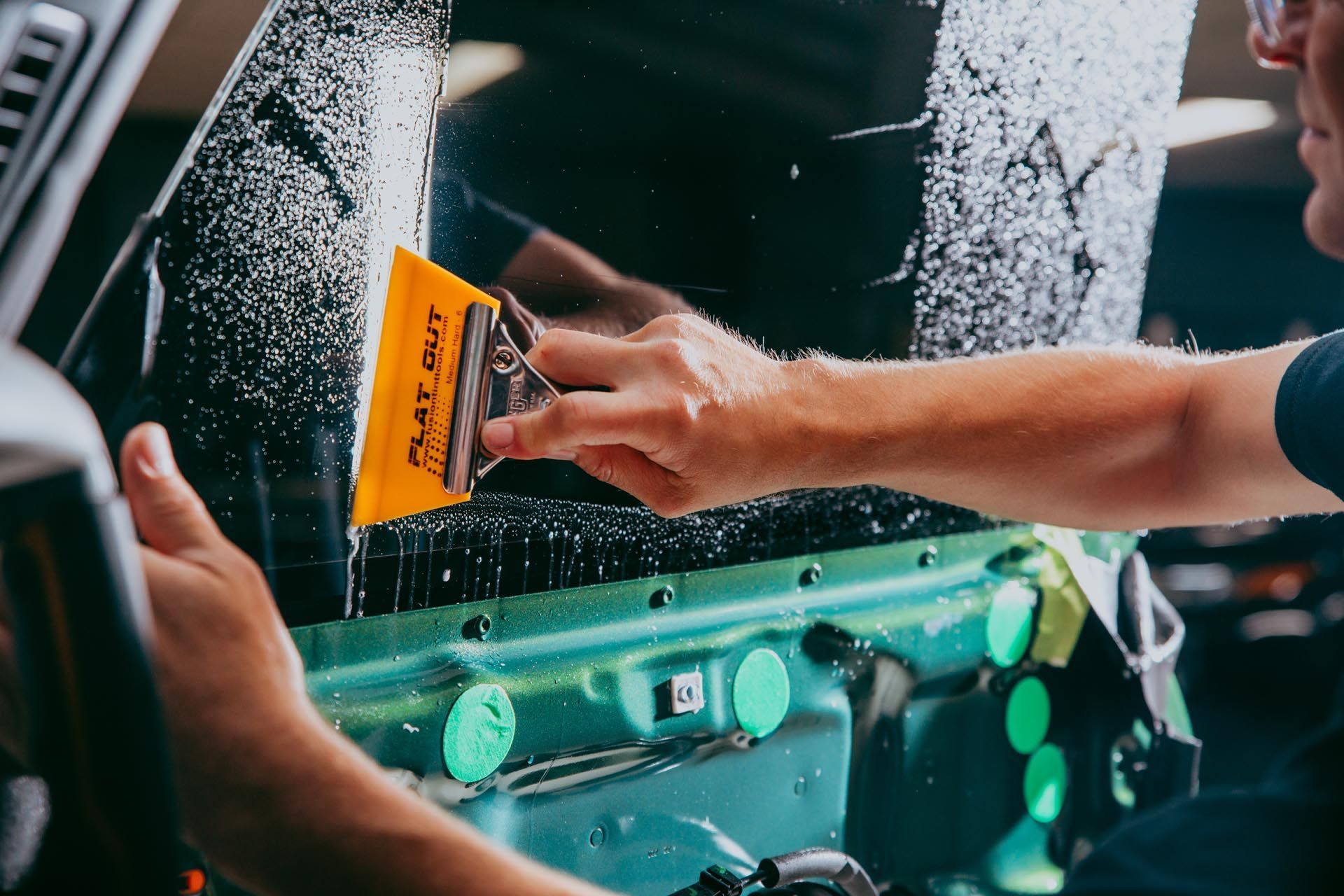
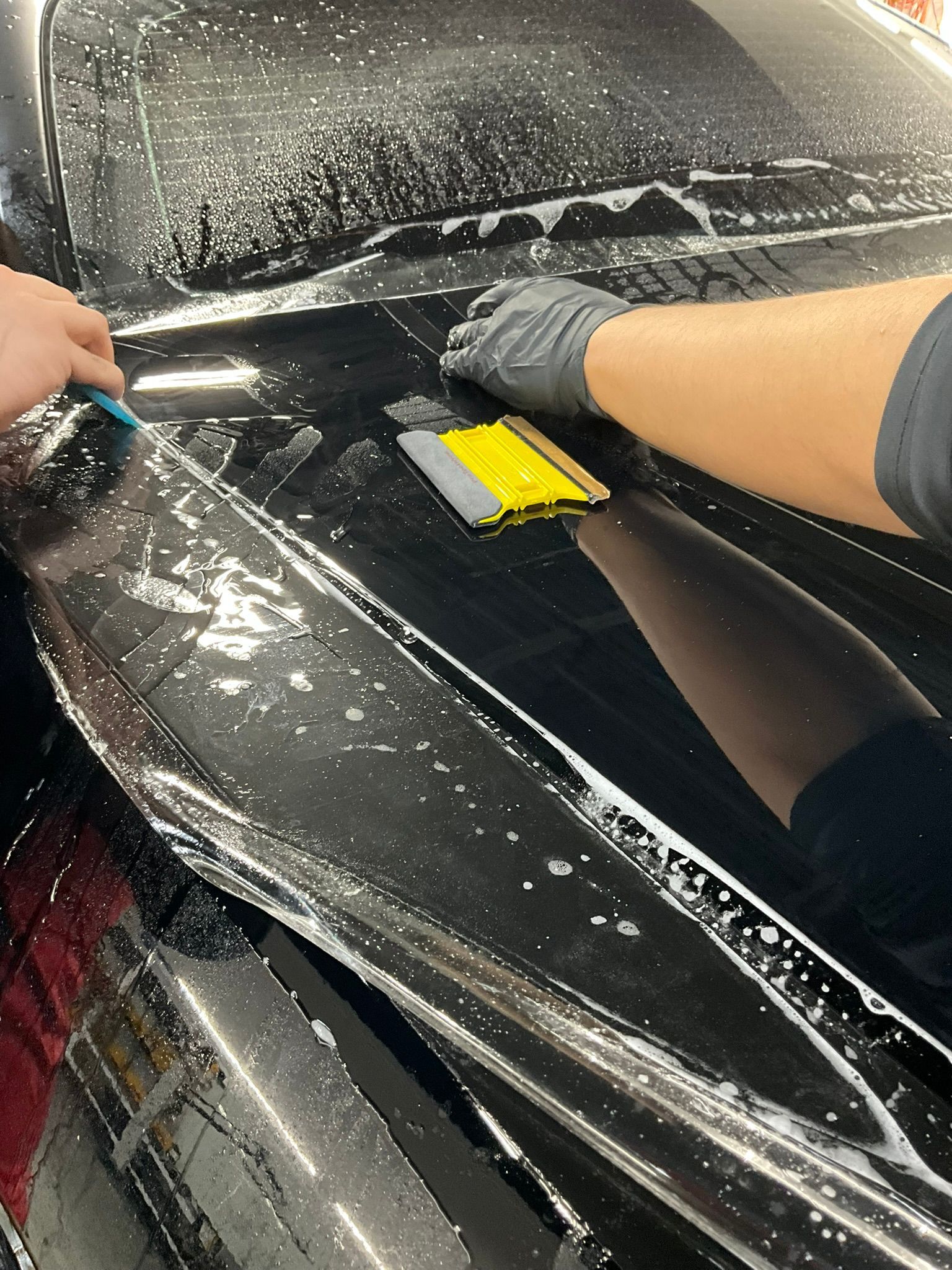
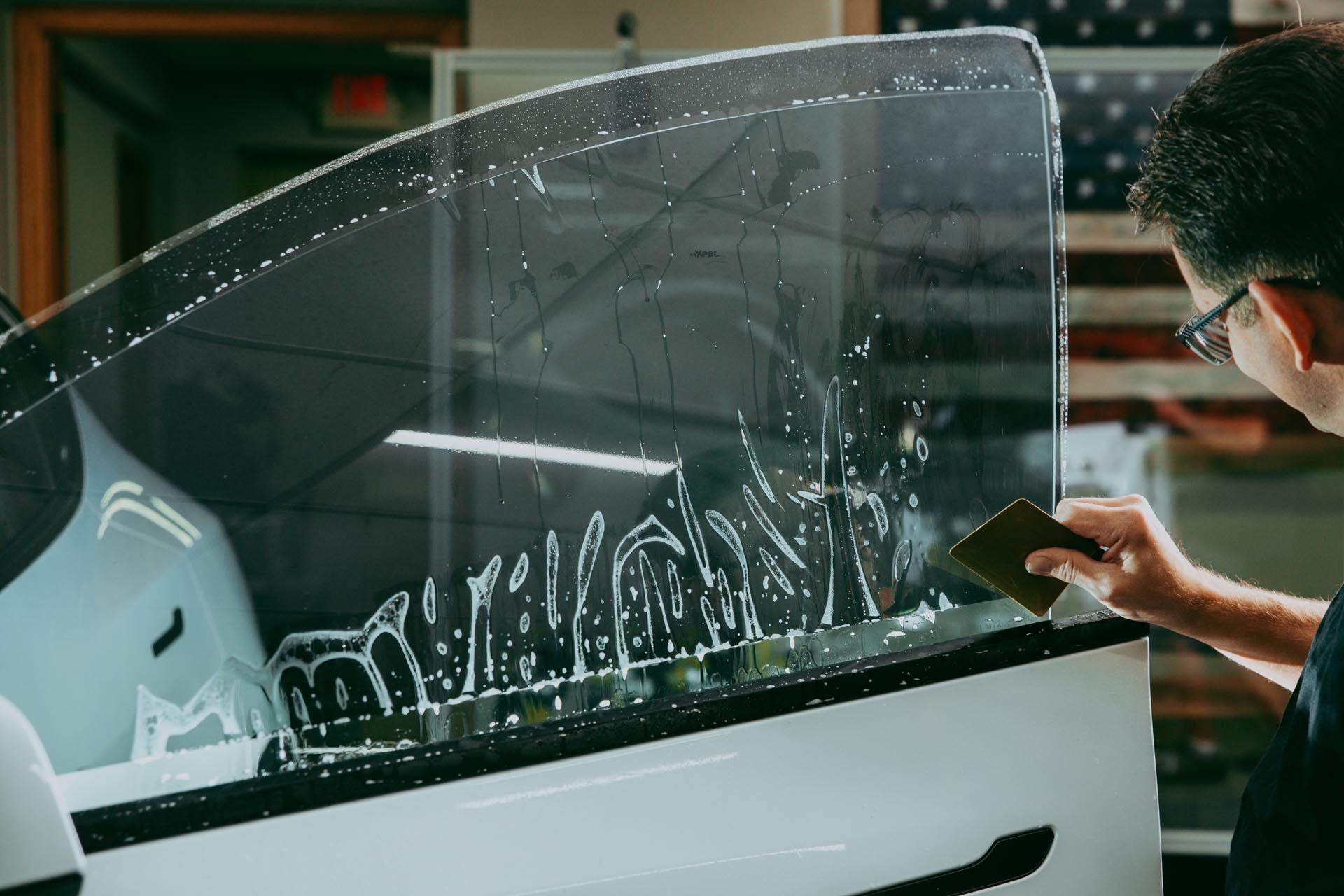
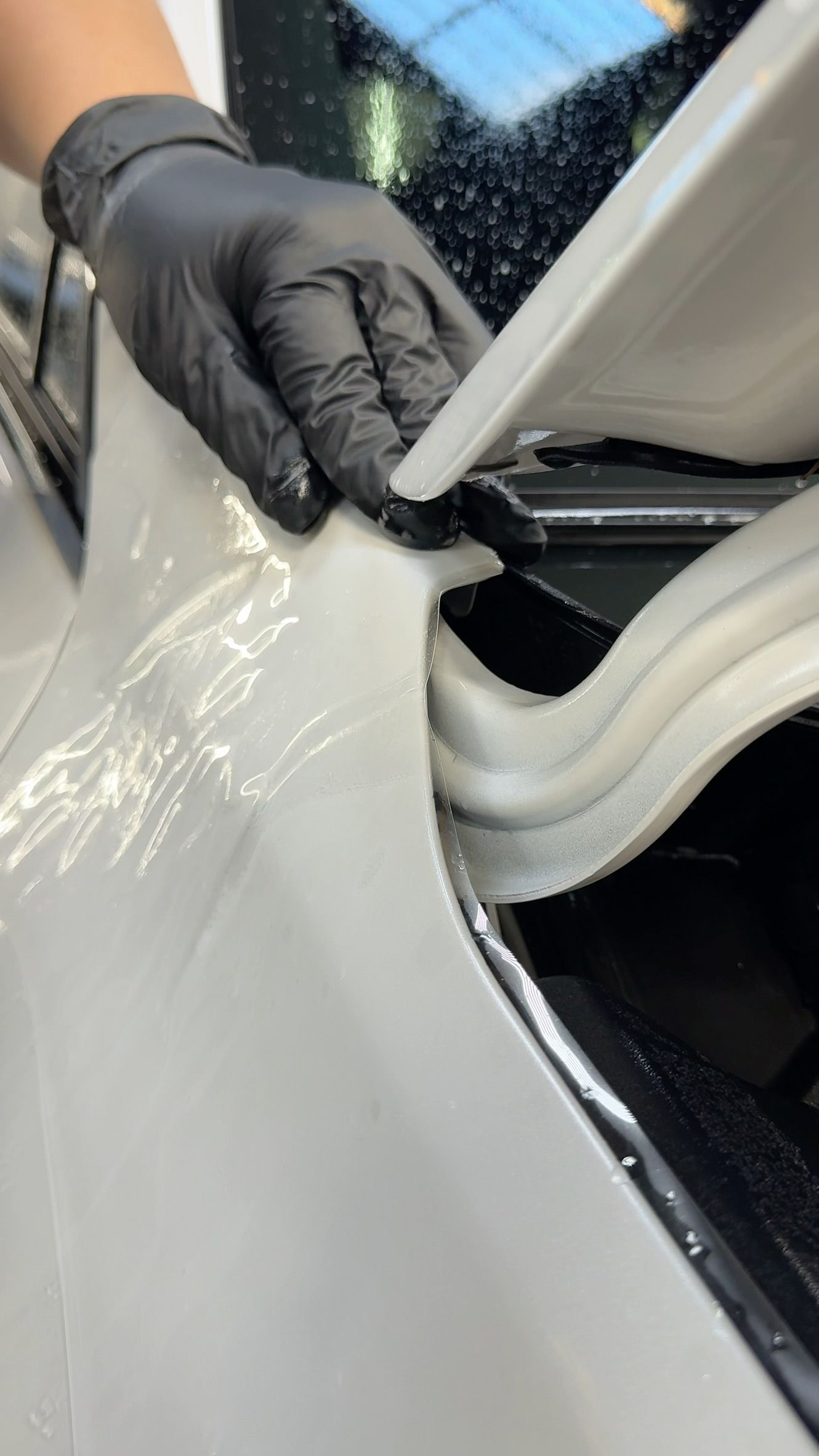
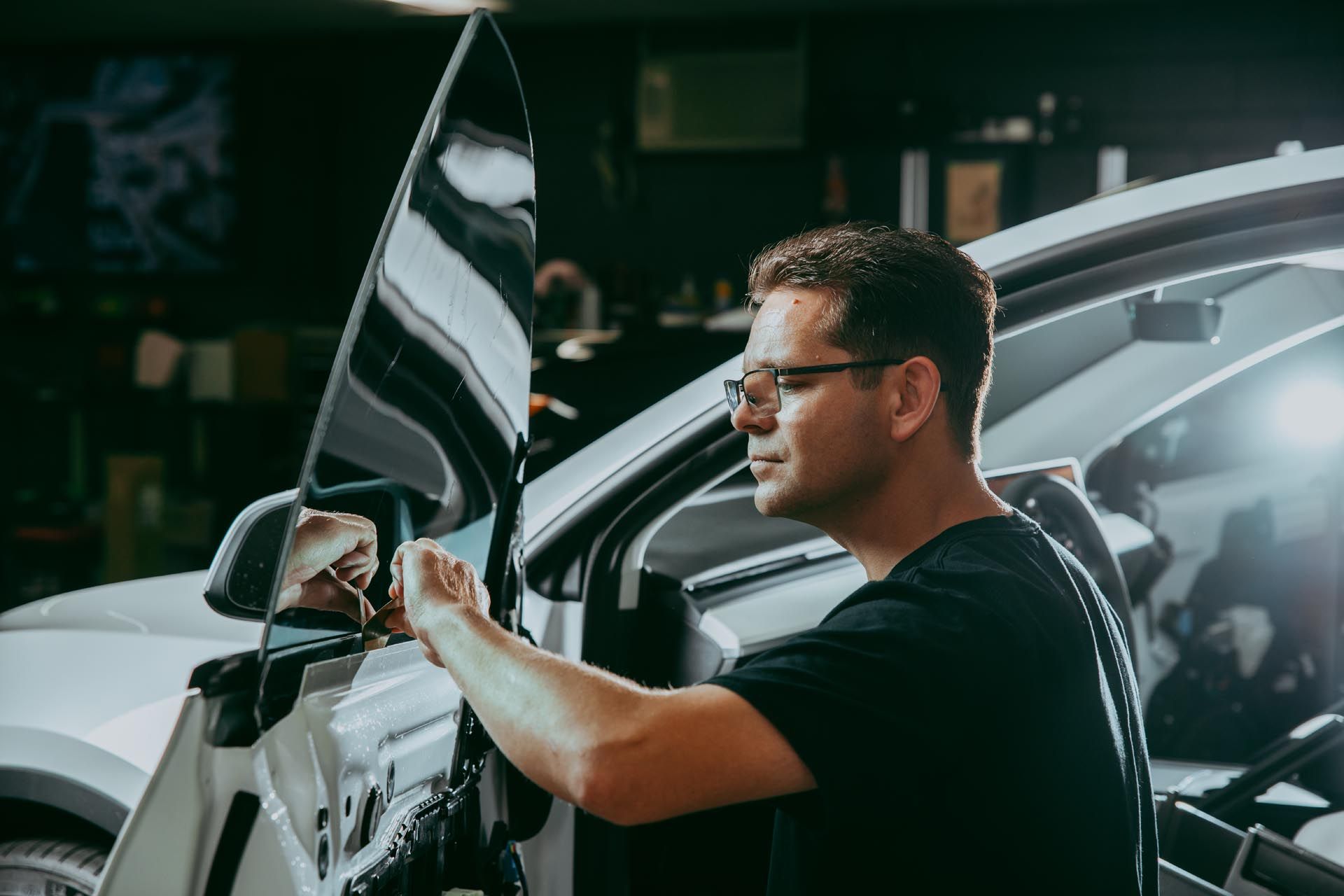
: Once the PPF is warmed up, begin peeling it away slowly and gently from the edges. Use your fingers or a plastic razor blade to lift the film without scratching the paint. Take your time—don’t rush. Pull the film back at a 45-degree angle to minimize stress on the adhesive.
- Remove Leftover Adhesive:
After the film is off, you’ll likely have some adhesive residue left behind. Use a citrus-based cleaner or rubbing alcohol to break down the sticky residue. Apply the cleaner to a soft cloth and gently rub the surface. This will leave your car’s surface clean and free from any leftover adhesive.
- Final Clean:
After removing the adhesive, clean the surface again with a microfiber towel and detailing spray. This ensures that the paint is free from any cleaning products or leftover residue.
By following these steps, you’ll safely remove the PPF and leave your car ready for its next layer of protection.
How Can You Safely Remove Ceramic Coating from Your Car?
Removing ceramic coating requires a careful approach to avoid damaging the paint beneath. The process can be broken down into manageable steps that ensure you strip the coating effectively without compromising the integrity of your vehicle’s finish.
- Apply a Chemical Stripping Agent:
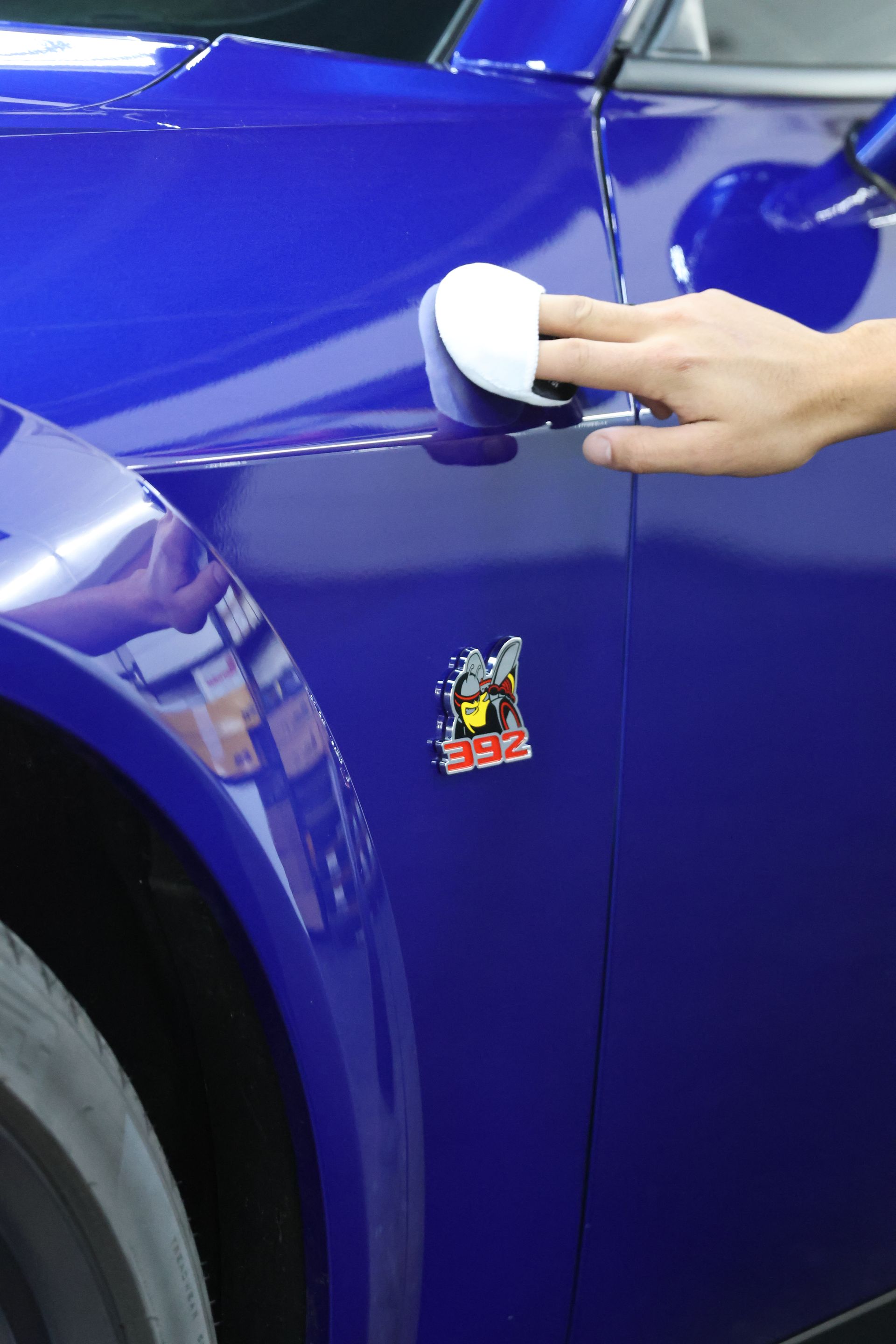
Start by applying a ceramic coating remover or a chemical stripping agent to the surface. These products are specifically designed to dissolve the ceramic coating without harming the paint. Use a foam applicator pad to apply the remover evenly across the surface. Let it sit for the recommended time, typically 10 to 15 minutes, to ensure it breaks down the coating. Always follow the product’s instructions to avoid damaging your car’s finish.
- Buff with a Dual-Action Polisher:
After the stripping agent has done its job, use a dual-action polisher with a mild abrasive compound. This will help buff away any remaining ceramic coating layers. Apply the polishing compound to a soft foam polishing pad, and work in small sections to ensure even coverage. The dual-action polisher is ideal for this job, as it provides controlled, gentle abrasions that will not harm the paint underneath. Keep the polisher moving to avoid applying too much pressure in one area.
- Final Clean:
After the coating is removed, wipe down the surface with a microfiber towel and a cleaning solution to remove any leftover residue. This will leave the paint clean and ready for a new layer of protection if desired.
By following these steps, you can safely remove ceramic coating and prepare your vehicle’s surface for its next treatment, whether that’s a fresh coating or a different form of protection.
What Challenges Might You Encounter During Removal, and How Can You Overcome Them?
Removing PPF or ceramic coating is a meticulous process, and along the way, you might face some challenges. Understanding these potential hurdles and knowing how to address them can help ensure a smooth removal process.
- Stubborn Adhesive Residue from PPF:
One of the most common challenges when removing PPF is the leftover adhesive that sticks to the paint. This residue can be tough to remove and may even resist basic cleaning efforts. To tackle this, you may need to apply extra heat to soften the adhesive. If that doesn’t work, try using a clay bar to physically lift the sticky residue without damaging the paint. The clay bar is designed to gently remove contaminants and adhesives, giving your vehicle a smooth, clean finish.
- Uneven Ceramic Coating Removal:
Sometimes, the ceramic coating doesn’t come off uniformly, leaving patches of residue behind. This can happen if the stripping agent or abrasive polishing isn’t applied evenly. To fix this, make sure to work in small sections and use multiple passes with the dual-action polisher. A slow and steady approach will help you achieve an even finish. If you still see uneven areas, don’t panic—just go over those sections again, ensuring you’re applying consistent pressure and using the right compounds.
By being aware of these common challenges and knowing how to address them, you can navigate the removal process with confidence and leave your vehicle in perfect condition for its next protection layer
Are There Risks Involved in DIY Removal, and When Should You Seek Professional Help?
While DIY removal of PPF and ceramic coatings can seem like an appealing cost-saving option, there are risks involved. If not done correctly, the process can lead to costly damage that outweighs the benefits. Here’s what to keep in mind and when to know it’s time to call in the pros.
- Overheating the PPF:
When using a heat gun to remove PPF, it’s easy to get carried away and apply too much heat. This can cause the adhesive underneath to bond even stronger to the paint. If that happens, removal becomes much harder, and you might end up with paint damage. To avoid this, always use heat in short bursts and check the temperature frequently. If you’re unsure, it might be safer to leave the removal to a professional who has the right tools and expertise.
- Improper Ceramic Coating Removal
: Ceramic coatings are designed to be tough and durable, which means that improper removal can leave behind swirl marks or even cause uneven paint surfaces. If you’re not experienced with using a dual-action polisher or applying the right chemicals, you might end up damaging the paint instead of rejuvenating it. Swirl marks and uneven surfaces can be a huge hassle to fix. In cases like this, it’s best to seek professional help. Professionals are trained to safely and effectively remove ceramic coatings without leaving damage behind.
While DIY removal is possible, it’s important to assess your skill level and the tools available. If you’re uncertain or encounter difficulties during the process, don’t hesitate to consult with a professional to ensure your car’s protection layers are removed safely and your paint is left in pristine condition.
How Do You Care for Your Vehicle Post-Removal to Maintain Its Appearance and Protection?
Once you’ve successfully removed the PPF or ceramic coating from your vehicle, the next step is ensuring that the paint remains protected and in top condition. Here’s how to maintain your car’s appearance and ensure it stays protected after the removal process.
- After Removing PPF:
The removal of Paint Protection Film (PPF) can leave the surface slightly rough or even reveal minor imperfections. To restore the smoothness and enhance the shine, it’s essential to polish the surface and use a clay bar treatment. These steps remove any leftover residue, contaminants, or fine scratches, leaving the paint smooth and ready for a new protective layer. Whether you’re opting for a fresh PPF or another protective method like ceramic coating, polishing and clay barring help ensure that the new layer adheres properly and lasts longer.
- If Removing Ceramic Coating
: Ceramic coatings provide excellent hydrophobic protection, but once removed, your vehicle will be left without that layer of defense. To maintain ongoing protection, it’s essential to reapply a fresh coating to ensure your car is shielded from contaminants, water spots, and UV damage. If you’re not ready for another ceramic layer, consider using high-quality wax for interim protection. Wax offers a shiny finish while providing a temporary barrier until you’re ready for a more permanent solution.
By taking these post-removal care steps, you can maintain your vehicle’s appearance and protect it from the elements while ensuring a longer-lasting and more effective protective layer in the future!
Conclusion
Removing PPF (Paint Protection Film) or ceramic coating from your vehicle can be a necessary task, but it’s crucial to approach it with care. Whether you’re dealing with discolored PPF, a worn-out ceramic coating, or simply upgrading to a fresh layer of protection, following the right process ensures that you preserve your car’s paint and finish. By using the proper tools, taking the time to prepare your vehicle, and being mindful of the risks, you can remove these coatings without causing damage to the underlying surface.
One of the key takeaways from this guide is that safe removal methods are essential for protecting your vehicle’s paint and finish. Overheating the PPF or using harsh abrasives on ceramic coatings can lead to unintended consequences, like swirl marks or scratched paint. Using chemical removers or mild abrasives, paired with the right tools, ensures that your car remains in pristine condition throughout the process.
Once the protective layers are removed, reapplying protection—whether it’s a new ceramic coating, PPF, or even a high-quality wax—helps to maintain the longevity, aesthetics, and defense of your vehicle. This ensures that your car’s paint remains safe from environmental elements, UV damage, and everyday wear and tear.
Ultimately, while the DIY approach is possible, the risks involved may make professional help a wise consideration if you’re uncertain. Regardless of the method you choose, proper care and attention to detail after the removal process will set your vehicle up for long-term success. With the right knowledge and techniques, you can confidently restore your car’s protection, ensuring that it continues to look and perform at its best for years to come!