Pros and Cons of Applying Ceramic Coating Over PPF
Can You Apply Ceramic Coating Over PPF?Pros and Cons Explained
If you’ve invested in Paint Protection Film (PPF) to shield your vehicle’s paint from rock chips, scratches, and road debris, you might be wondering—can you take things a step further by applying Ceramic Coating over it? The idea sounds great. After all, PPF offers excellent impact resistance, while Ceramic Coating provides a sleek, hydrophobic finish that repels dirt and enhances shine. But is layering these two protection methods actually worth it?
The short answer: Yes, you can apply Ceramic Coating over Paint Protection Film, but whether you should depends on your goals. Some swear by the combination, claiming it boosts durability, reduces maintenance, and enhances the gloss of PPF. Others argue it’s unnecessary, expensive, and could even impact the flexibility of certain PPF brands. So, where does the truth lie?
In this article, we’ll break down the real-world advantages and drawbacks of layering Ceramic Coating over PPF. We’ll explore how it affects protection, durability, and maintenance, and whether it’s a smart investment for your specific needs. Plus, we’ll clear up some common myths along the way.
By the end, you’ll have a clear, well-informed understanding of whether this dual-layer approach is right for you—or if you’re better off sticking with just one. Let’s dive in!
What Is Paint Protection Film (PPF)?
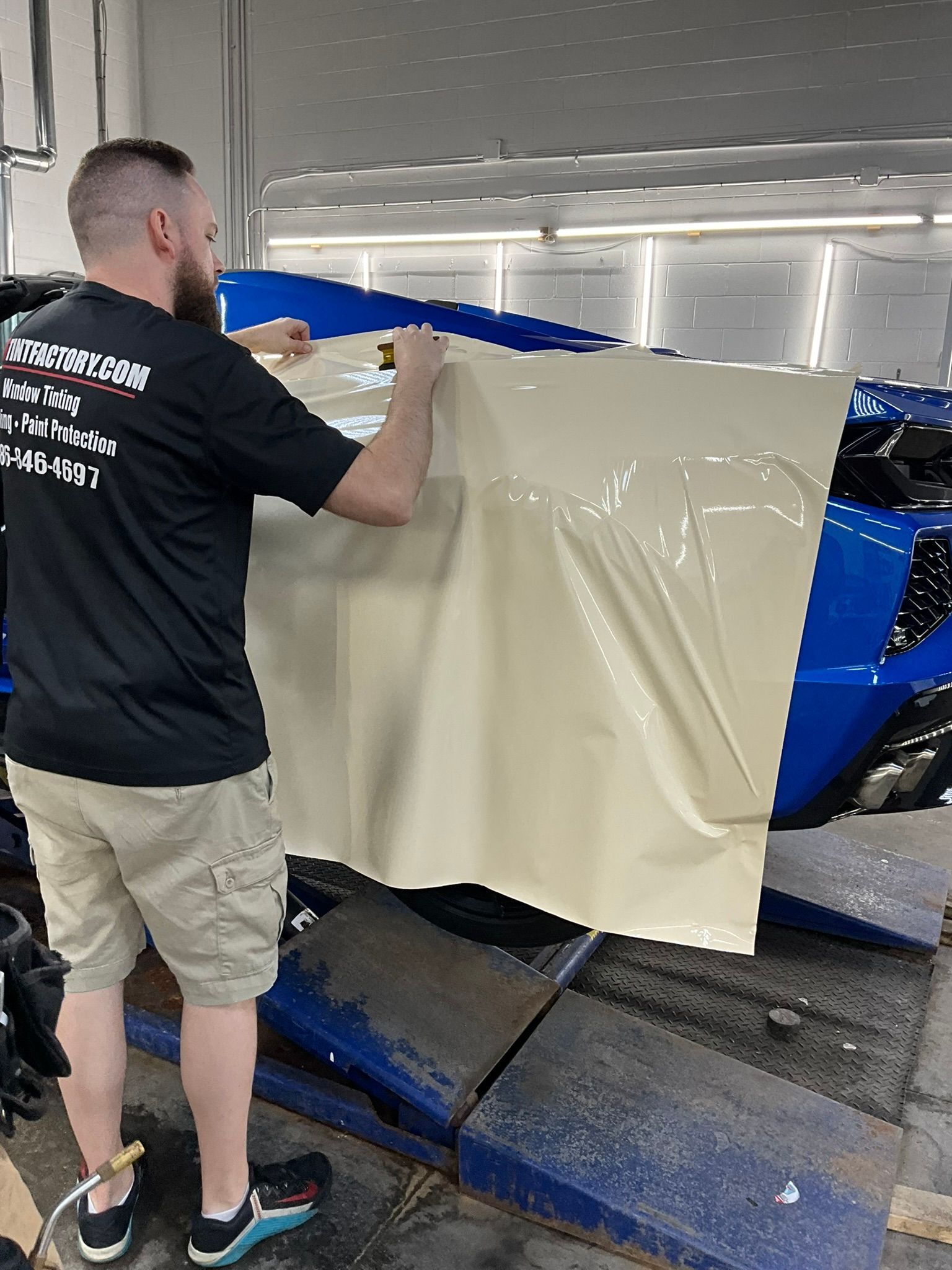
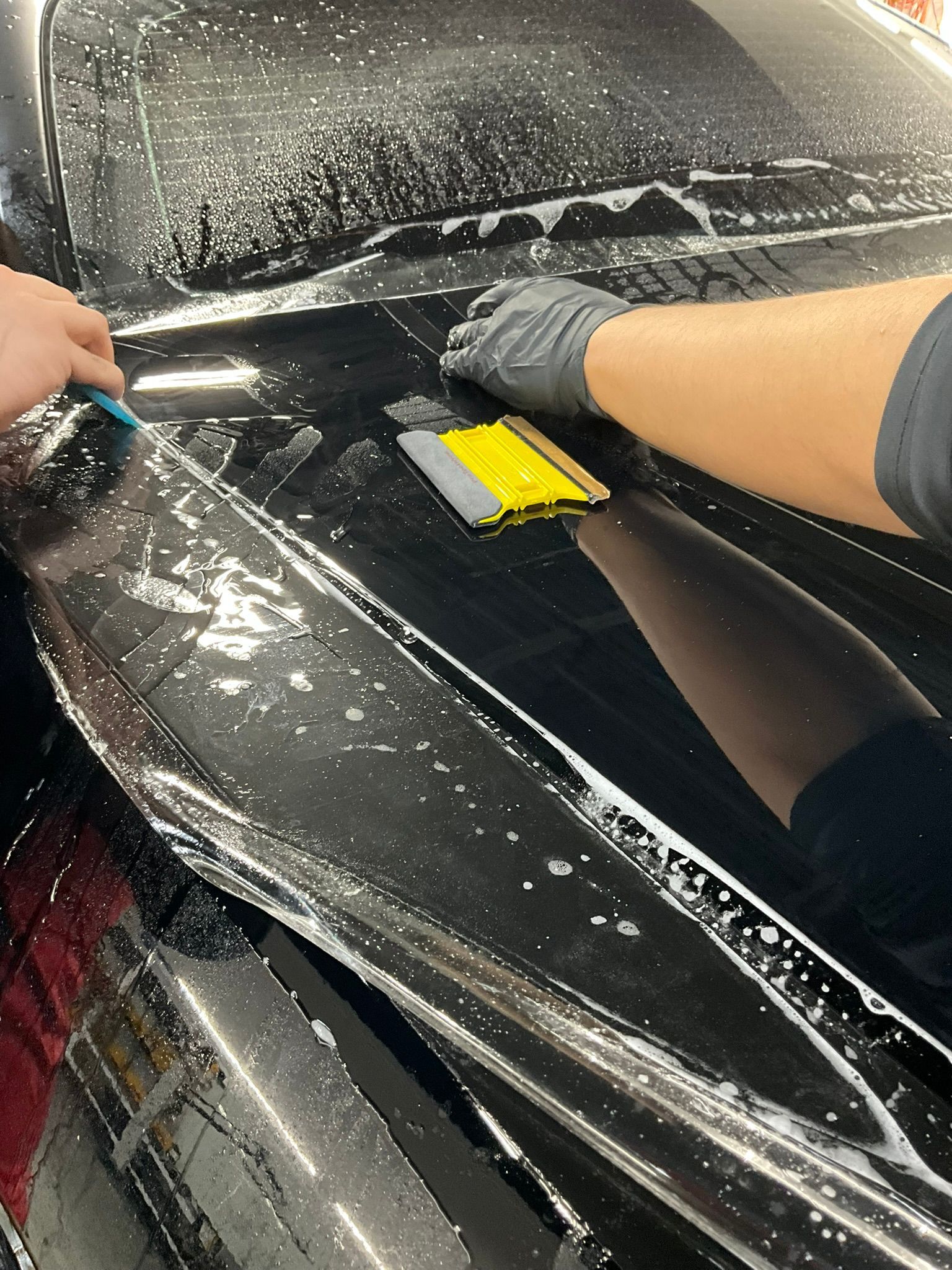
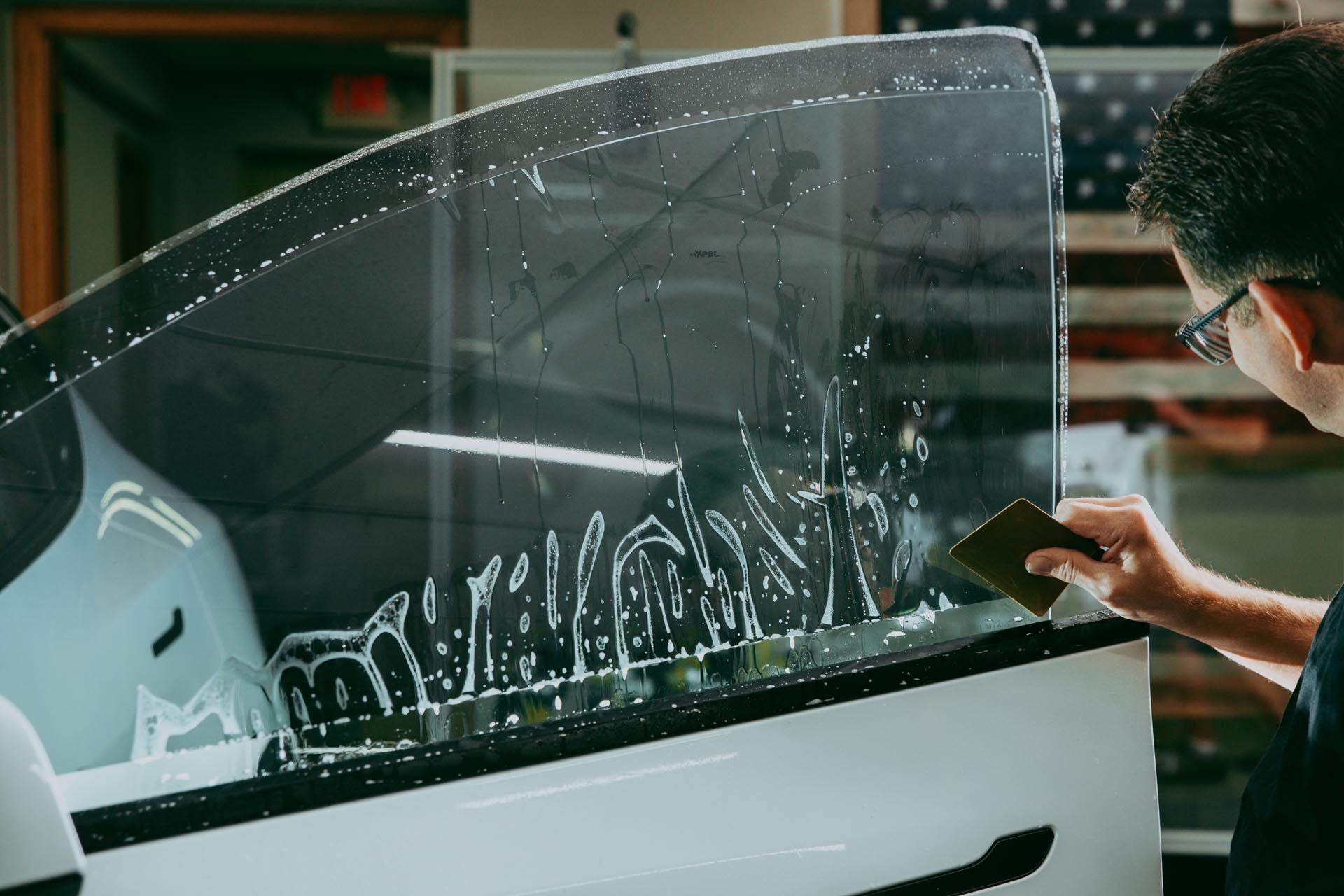
Paint Protection Film (PPF) is like an invisible shield for your vehicle’s paint. It’s a thin, transparent polyurethane film that’s applied over your car’s surface to protect it from scratches, rock chips, road debris, and even UV exposure. If you’ve ever cringed at the sight of a fresh chip on your hood after a highway drive, you’ll understand why PPF is a game-changer!
Originally developed for military applications—yes, it was first used to protect helicopter rotor blades—PPF has evolved into a high-tech defense system for cars. This self-healing film is designed to absorb impacts, resist abrasions, and prevent oxidation. Some even have a built-in hydrophobic layer that repels water and dirt, making your car easier to clean.
Unlike wax or Ceramic Coating, which mainly enhance shine and make cleaning easier, PPF is a true physical barrier. It absorbs the damage instead of your paint, ensuring your car stays in pristine condition for years. Whether you drive daily, hit the track, or just want peace of mind, PPF is one of the best investments you can make to keep your vehicle looking flawless.
So, how does it compare to Ceramic Coating? Let’s break it down!
What Is Ceramic Coating?
Ceramic Coating is like a glass-like armor for your car’s paint, designed to protect and enhance its appearance. It’s a liquid polymer that bonds at a molecular level with your vehicle’s clear coat, creating a durable, semi-permanent protective layer. Unlike wax, which wears off in weeks, Ceramic Coating can last for years with proper care!
One of its biggest benefits? Hydrophobic properties. Water, dirt, and grime struggle to stick to the surface, making your car incredibly easy to clean. Rain beads up and rolls off, taking contaminants with it. It also offers chemical resistance, shielding your paint from road salts, bird droppings, and even harsh sun exposure that can cause fading.
But it’s not just about protection—Ceramic Coating enhances gloss and depth, giving your paint a rich, mirror-like shine. It’s perfect for car owners who want their vehicle to look freshly waxed all the time without the constant upkeep.
However, Ceramic Coating isn’t a physical barrier like Paint Protection Film (PPF). It won’t stop rock chips or deep scratches, but it does provide excellent defense against everyday wear and tear. So, how does it work with PPF? Let’s dive in!
Why Would Someone Apply Ceramic Coating Over PPF?
If Paint Protection Film (PPF) is the armor, then Ceramic Coating is the finishing touch that makes it even better! Many car owners choose to apply Ceramic Coating over PPF to enhance protection, simplify maintenance, and extend the film’s lifespan. But why go the extra mile?
First, water repellency. While PPF does a great job shielding your paint from rock chips and scratches, it doesn’t have the same hydrophobic properties as Ceramic Coating. Adding a Ceramic Coating layer on top makes water bead up and roll off effortlessly, reducing water spots and keeping your car cleaner for longer.
Then there’s ease of maintenance. Dirt, road grime, and even bugs have a harder time sticking to the coated surface. That means less scrubbing, less washing, and more time enjoying your spotless ride!
Another big reason? PPF longevity. Over time, exposure to UV rays, chemicals, and contaminants can wear down PPF. A Ceramic Coating acts as an extra shield, reducing oxidation and yellowing while keeping the film looking fresh.
By combining these two protective solutions, car owners get the best of both worlds—physical defense from PPF and the sleek, glossy, self-cleaning benefits of Ceramic Coating. But is it the right choice for you? Let’s break it down further.
How Do PPF and Ceramic Coating Work Together?
When Paint Protection Film (PPF) and Ceramic Coating are combined, they create a powerful duo for vehicle protection. But how exactly do they interact, and does one affect the performance of the other?
The key lies in how Ceramic Coating bonds to PPF’s surface. PPF is designed to be flexible, self-healing, and impact-resistant, while Ceramic Coating forms a hard, hydrophobic layer that repels water, dirt, and chemicals. When applied correctly, Ceramic Coating bonds to the top layer of the PPF without interfering with its protective qualities.
One of the biggest concerns is whether Ceramic Coating affects PPF’s flexibility. Since PPF is made to expand and contract with temperature changes, some worry that a hardened coating might cause cracking. However, high-quality Ceramic Coatings are engineered to remain flexible enough to move with the PPF, ensuring that it retains its durability while enhancing surface protection.
In short, PPF provides the physical barrier against scratches and impacts, while Ceramic Coating adds an extra layer of defense against environmental damage and makes cleaning effortless. When applied correctly, they work in harmony to keep your vehicle looking pristine for years. But is this combination the right fit for every car owner? Let’s explore the pros and cons.
What Are the Benefits of Applying Ceramic Coating Over PPF?
Applying Ceramic Coating over Paint Protection Film (PPF) offers a range of benefits that go beyond what each protection method can achieve alone. By layering these two solutions, car owners get a more durable, low-maintenance, and visually stunning finish.
One of the biggest advantages is increased hydrophobic properties. Ceramic Coating creates a slick, water-repellent surface that makes dirt, grime, and water bead up and slide off effortlessly. This means less time spent washing your car and a cleaner look for longer.
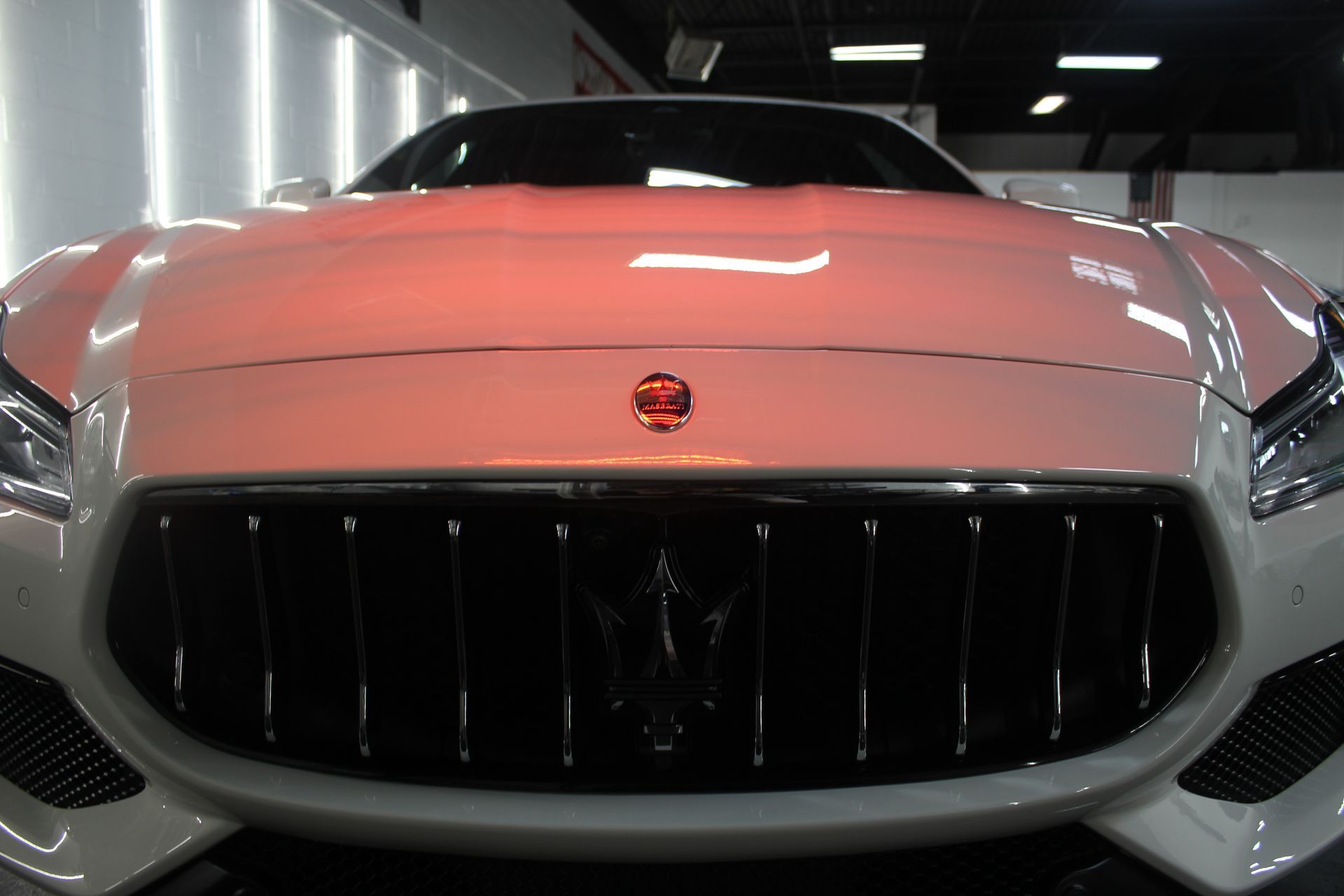
Another major perk is enhanced gloss and depth. While PPF provides physical protection, it can sometimes dull the paint’s shine. A layer of Ceramic Coating restores and amplifies the car’s gloss, giving it a deep, mirror-like finish that makes the paint pop.
Then there’s UV protection and oxidation resistance. While PPF shields against rock chips and scratches, it doesn’t completely block UV rays. Over time, unprotected PPF can degrade, leading to yellowing. Ceramic Coating adds an extra layer of UV defense, keeping the PPF looking newer for longer.
Lastly, applying Ceramic Coating over PPF extends its lifespan. Since it reduces exposure to contaminants, PPF stays in better condition, helping car owners get the most out of their investment. So, what about the downsides? Let’s take a closer look at the potential drawbacks.
What Are the Downsides or Risks of Combining Ceramic Coating with PPF?
While applying Ceramic Coating over Paint Protection Film (PPF) has its advantages, it’s not without drawbacks. Before committing to this combo, it’s important to consider potential risks that could affect maintenance, cost, and warranty coverage.
One of the main concerns is removal difficulty. Ceramic Coating creates a hard, protective layer over the PPF, which can make it trickier to remove or replace the film when needed. If the PPF gets damaged or needs replacing, the coating must be removed first, adding extra time and effort to the process.
Another potential downside is warranty complications. Some PPF manufacturers explicitly state that applying Ceramic Coating may void the warranty. This is because certain coatings can affect the self-healing properties of the film, limiting its ability to repair minor scratches and swirls. It’s always best to check with the PPF provider before adding a ceramic layer.
Cost is another factor. Applying Ceramic Coating over PPF increases the overall expense, as it requires professional application for the best results. While this added protection can be worth it, it’s an extra investment that not all car owners may find necessary.
Understanding these risks can help car owners decide if the benefits outweigh the potential downsides. So, is this combination right for everyone? Let’s explore who would benefit the most from layering these two protective solutions.
Does Ceramic Coating Change the Appearance of PPF?
One of the biggest concerns for car owners considering Ceramic Coating over Paint Protection Film (PPF) is whether it will alter the film’s original look. The answer? It depends on the type of PPF and the finish you want to maintain.
For glossy PPF, applying Ceramic Coating can actually enhance the shine, making the surface appear even deeper and more reflective. This is great for those who want their vehicle to have that fresh, high-gloss showroom finish. However, if the car already has a glossy PPF, the difference may be subtle rather than dramatic.
For matte or satin PPF, things get a little trickier. Some ceramic coatings can add an unwanted sheen to the surface, reducing the natural matte effect. However, there are matte-specific ceramic coatings available that preserve the original finish while still providing the hydrophobic and protective benefits. Choosing the right product is key to maintaining the intended look.
In general, Ceramic Coating won’t drastically change the color or design of the PPF, but it can slightly enhance or modify the surface texture. Car owners should consult with a professional to ensure the right combination of products is used to achieve the desired finish.
What Type of Ceramic Coating Should Be Used on PPF?
Not all Ceramic Coatings are created equal, especially when it comes to applying them over Paint Protection Film (PPF). Using the wrong type can reduce flexibility, affect self-healing properties, or even cause discoloration. So, what should you look for?
First, avoid traditional ceramic coatings meant for paint. These are often too rigid and may hinder the stretch and flexibility of PPF, increasing the risk of cracking or peeling over time. Instead, choose a PPF-specific ceramic coating that is designed to bond properly with the film without compromising its performance.
The ideal ceramic coating for PPF should have:
Flexibility –
Allows the PPF to expand and contract naturally.
Breathability –
Prevents moisture from getting trapped under the coating, which could cause bubbling.
Self-Healing Compatibility –
Won’t interfere with the PPF’s ability to heal minor scratches.
UV Protection –
Helps prevent yellowing or degradation of the PPF over time.
Many high-quality ceramic coatings are now formulated specifically for use on PPF, offering enhanced hydrophobic properties, extra gloss, and improved durability without affecting the film’s natural characteristics. Always check with the manufacturer or an experienced installer to ensure compatibility before applying any coating.
How Is Ceramic Coating Applied Over PPF?
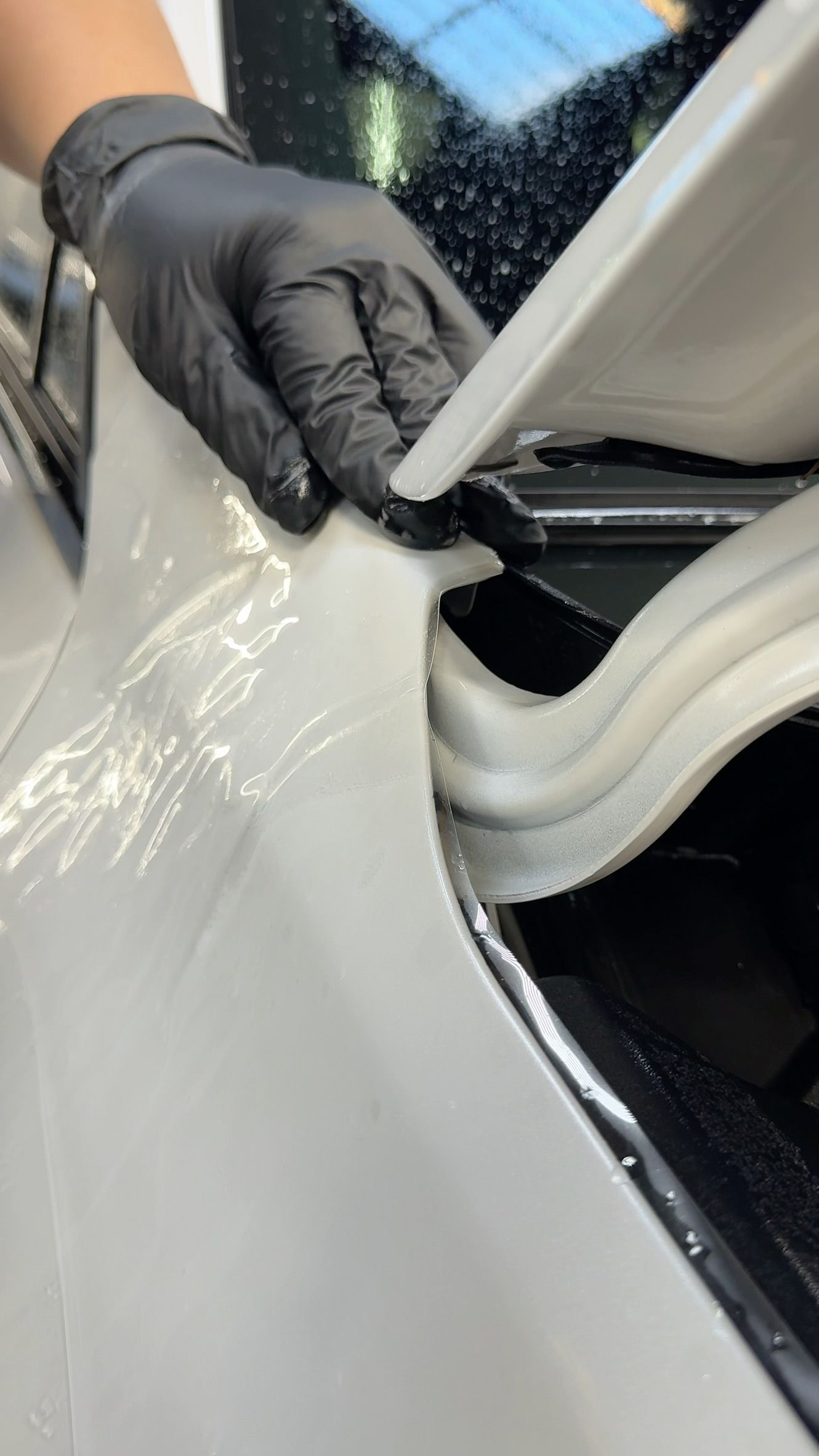
Applying Ceramic Coating over Paint Protection Film (PPF) is a meticulous process that requires precision to ensure proper bonding and longevity. While some car enthusiasts may attempt a DIY application, professional installation is highly recommended to avoid uneven coverage, streaking, or improper curing.
Step-by-Step Process:
- Thorough Wash & Decontamination – The vehicle is first washed and clay-bar treated to remove any dirt, debris, or contaminants that might interfere with adhesion.
- Surface Inspection & Prep – The PPF is examined for any imperfections. If necessary, a mild polish is performed to smooth out the surface, ensuring optimal bonding.
- IPA Wipe Down – A solution of isopropyl alcohol (IPA) is applied to remove any remaining residues, oils, or waxes that could prevent proper adhesion.
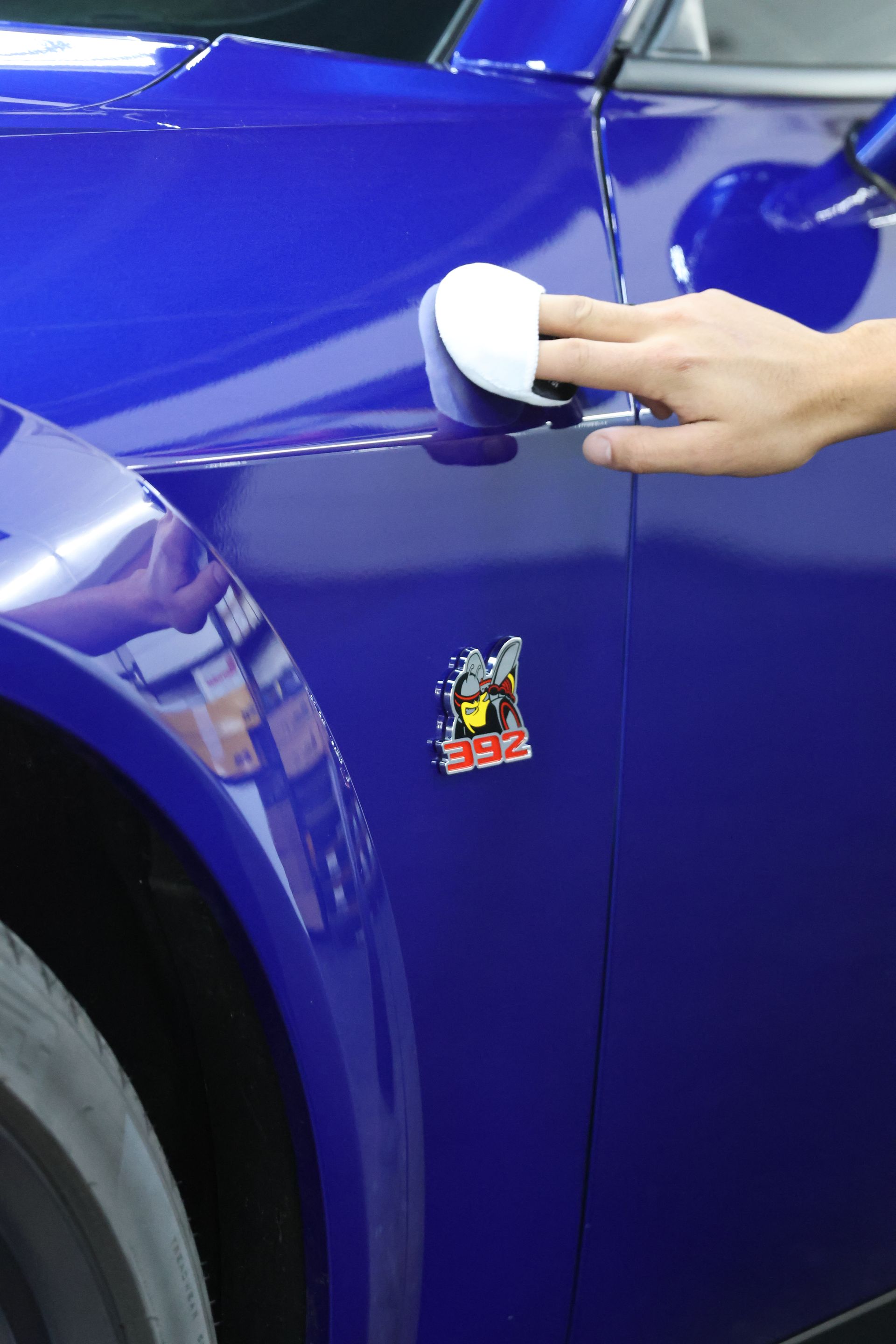
- Application of Ceramic Coating – Using a soft applicator pad, the ceramic coating is carefully spread over the PPF in small, even sections, ensuring full coverage.
- Buffing & Leveling – After a short flash time, the coating is buffed with a microfiber towel to level out any high spots and prevent streaking.
- Curing Process – The coating needs 24-48 hours to cure, depending on the product and environmental conditions. Some coatings may require infrared curing lamps for best results.
DIY vs. Professional Installation
While DIY kits exist, professional installation is highly recommended. Professionals have the experience, tools, and controlled environments to ensure the coating is applied correctly, maximizing hydrophobic properties, gloss, and durability. Improper DIY application can lead to uneven protection, reduced effectiveness, or even damage to the PPF.
Does Adding Ceramic Coating Extend the Lifespan of PPF?
Applying Ceramic Coating over Paint Protection Film (PPF) can significantly enhance its durability and performance. While PPF is already designed to shield a vehicle’s paint from physical damage, adding a ceramic coating creates an extra layer of defense against environmental contaminants, UV exposure, and staining.
How Ceramic Coating Protects PPF
Prevents Staining & Contamination – PPF can absorb contaminants like bird droppings, tree sap, and road grime, leading to discoloration over time. A ceramic coating adds a hydrophobic layer, making it easier to clean and reducing the risk of permanent stains.
Reduces Oxidation & UV Damage – Even high-quality PPF can break down from constant sun exposure. Ceramic coatings contain UV inhibitors, which slow down oxidation, helping the PPF maintain its clarity and effectiveness for a longer time.
Enhances Hydrophobic Properties – PPF is not naturally hydrophobic, meaning it can still hold onto dirt and water spots. Ceramic coating repels water, dust, and oil, keeping the surface cleaner for longer and reducing maintenance efforts.
Real-World Longevity Comparison
Without ceramic coating, PPF typically lasts 5-7 years before signs of wear appear. However, with a properly applied ceramic coating, its lifespan may be extended to 7-10 years by minimizing degradation from the elements.
In short, adding ceramic coating to PPF is an investment in longevity. It doesn’t just enhance shine—it ensures that your PPF stays effective and looks great for years to come!
What Are the Maintenance Requirements for PPF with Ceramic Coating?
Applying Ceramic Coating over Paint Protection Film (PPF) reduces maintenance, but it doesn’t make your vehicle completely care-free. To keep both layers performing at their best, you’ll need to follow the right cleaning and upkeep methods.
Proper Washing Techniques
Use the Two-Bucket Method – One bucket for clean water and another for rinsing the wash mitt prevents dirt from being dragged across the surface.
pH-Neutral Car Shampoo – Avoid harsh soaps that can degrade the ceramic coating over time. Stick to pH-balanced cleaners for the best results.
Touchless or Hand Washing Preferred – Automated car washes with harsh brushes can damage both the ceramic coating and PPF. Instead, opt for hand washing or touchless washes.
Cleaning Products to Use & Avoid
Safe to Use:
- Microfiber wash mitts and drying towels
- Ceramic coating-friendly detail sprays
- Deionized water for spot-free rinsing
Avoid:
- Abrasive sponges or brushes
- Strong degreasers and harsh chemicals
- Wax-based products (ceramic coating doesn’t need wax)
Frequency of Maintenance & Inspections
- Wash the vehicle every 1-2 weeks to prevent buildup of dirt and contaminants.
- Inspect the PPF & ceramic coating every 3-6 months to check for damage or wear.
- Reapply a ceramic booster every 6-12 months to maintain hydrophobic properties and enhance protection.
By following these maintenance steps, you’ll ensure your PPF and ceramic coating remain in top condition, providing long-lasting shine and protection!
How Does Climate and Driving Conditions Affect This Combination?
The effectiveness of Ceramic Coating over Paint Protection Film (PPF) can vary depending on climate and driving conditions. While this combination provides excellent protection, environmental factors like extreme temperatures, humidity, and road conditions can influence its performance and longevity.
Impact of Extreme Heat, Humidity, and Cold
Hot & Humid Climates:
- High temperatures can accelerate PPF adhesive breakdown if it’s not high-quality or properly installed.
- UV rays can cause PPF yellowing over time, but ceramic coating adds extra UV resistance to slow down discoloration.
- High humidity may reduce the effectiveness of the ceramic coating’s hydrophobic properties, making frequent maintenance essential.
Cold & Snowy Conditions:
- Road salt and ice-melting chemicals can degrade the film and coating, making regular washes necessary.
- Freezing temperatures may reduce PPF flexibility, increasing the risk of cracking or peeling if improperly installed.
- Ceramic coating helps prevent salt stains and ice buildup, making winter cleaning easier.
Performance in Different Driving Environments
Urban Driving:
- Protection from road debris, bird droppings, and pollution buildup.
- Ceramic coating makes it easier to clean off dust, smog residue, and contaminants.
Rural & Off-Road Conditions:
- More exposure to gravel, mud, and tree sap, which can degrade PPF over time.
- Ceramic coating adds a slick layer, helping prevent dirt from sticking too aggressively.
Highway Driving:
- Shields against rock chips, bug splatter, and tar, extending the PPF’s lifespan.
- Ceramic coating enhances hydrophobic properties, making rainwater bead off effortlessly.
Regardless of climate or driving conditions, proper maintenance is key to maximizing the lifespan of PPF and ceramic coating while keeping your vehicle looking flawless!
What Do Experts and Car Owners Say About Using Ceramic Coating Over PPF?
When it comes to applying ceramic coating over paint protection film (PPF), opinions from car experts and owners vary. While many swear by the added benefits, others raise concerns about potential drawbacks. Let’s take a look at what both professionals and everyday drivers have to say about this combination.
Expert Opinions
Detailing Professionals: Most professional detailers agree that applying ceramic coating over PPF enhances its durability, hydrophobic properties, and ease of maintenance. However, they emphasize the importance of using a PPF-specific ceramic coating to prevent adhesion issues and ensure flexibility.
PPF Manufacturers: Some PPF brands support the use of ceramic coatings, while others warn that improper application could void the warranty or make PPF removal more difficult in the future. Checking with the manufacturer before application is always recommended.
Automotive Enthusiasts & Reviewers: Many car experts have tested this combination and found that ceramic-coated PPF reduces water spots, keeps the surface cleaner for longer, and enhances gloss—especially for gloss PPF. However, for matte PPF, some warn that ceramic coatings could slightly alter the original finish.
Car Owner Experiences
Positive Feedback:
- Easier to clean – “Dirt and water just slide off!”
- Keeps PPF looking new for longer
- Reduces bug splatter and road grime adhesion
- Added protection against UV damage and chemical stains
Negative Feedback:
- Some reported difficulty removing PPF after applying ceramic coating
- Additional costs for installation and maintenance
- Not all ceramic coatings bond well with PPF, leading to patchy performance
The Verdict?
Overall, ceramic coating over PPF is highly recommended by professionals and many car owners—if applied correctly with the right products. The key is choosing a compatible ceramic coating, proper maintenance, and ensuring it aligns with your vehicle’s protection needs!

Is Applying Ceramic Coating Over PPF Worth the Cost?
When considering ceramic coating over paint protection film (PPF), one big question arises: Is it worth the extra expense? While both offer protection on their own, combining them adds another layer of durability and convenience—but at a cost. Let’s break down whether the benefits justify the investment.
Cost Breakdown
PPF Installation Cost : Depending on coverage, PPF installation can range from $1,000 to $7,000+. The price varies based on the quality of the film, vehicle size, and installer expertise.
Ceramic Coating Over PPF : Applying a ceramic coating on top of PPF generally adds another $500 to $2,000 to the overall cost. The price depends on the brand of ceramic coating, professional installation, and number of layers applied.
Maintenance Savings : With ceramic coating, PPF stays cleaner longer, reducing the need for frequent washes and detailing. It also provides additional protection against stains, oxidation, and chemical damage, which could extend the lifespan of your PPF.
Is It Worth It?
Reasons to Invest:
- Longer PPF Lifespan – Less exposure to contaminants = longer-lasting protection.
- Easier Maintenance – Repels dirt, water, and grime for quicker, hassle-free cleaning.
- Enhanced Visual Appeal – Glossy finish makes PPF look even better.
- Added UV Protection – Helps prevent discoloration or yellowing over time.
When It Might Not Be Worth It:
- Extra cost may not justify benefits for short-term car ownership.
- Not all PPF warranties cover ceramic coatings, so check manufacturer guidelines.
- DIY coatings may not offer the same level of performance as professional applications.
Final Verdict
If you plan to keep your car for years and want maximum protection and easier maintenance, then ceramic coating over PPF is a solid investment. However, if budget is a concern and you’re satisfied with standard PPF protection, skipping the ceramic layer may be the better choice.
Who Should and Shouldn’t Consider This Combination?
Not every car owner needs ceramic coating over PPF, but for some, it’s a game-changer. If you’re wondering whether this combination is the right investment for you, here’s a breakdown of who benefits most—and who might want to skip it.
Who Should Consider Ceramic Coating Over PPF?
Luxury & Exotic Car Owners – If you own a high-end vehicle, you want the best protection possible. Ceramic-coated PPF enhances shine, reduces maintenance, and keeps your car looking flawless for years.
Daily Drivers & Long-Distance Commuters – If your car is exposed to harsh weather, road debris, and contaminants daily, ceramic coating helps repel dirt, water, and grime, making cleaning much easier.
Owners Who Prioritize Low-Maintenance Care – Hate washing your car every week? Ceramic coating minimizes dirt buildup and makes cleaning effortless. It’s a great option if you want PPF to stay cleaner for longer.
Classic or Collector Car Owners – Preserving original paint is crucial for value. Ceramic-coated PPF adds an extra layer of protection against fading, stains, and oxidation.
Who Might Want to Skip It?
Short-Term Car Owners – If you lease or plan to sell your car soon, the added cost of ceramic coating may not be worth it. PPF alone provides solid protection.
Budget-Conscious Owners – High-quality PPF installation already costs thousands, and adding ceramic coating increases the price further. If you’re on a tight budget, skipping ceramic coating can save you money without sacrificing protection.
Those Who Prefer DIY Solutions – While some DIY ceramic coatings exist, professional-grade coatings offer superior bonding and durability. If you don’t want to pay for expert installation, a basic PPF setup might be the better option.
Final Thoughts
If you’re looking for maximum protection, easier maintenance, and a long-lasting glossy finish, ceramic coating over PPF is a fantastic choice. However, if you’re on a budget or don’t plan to keep the car long-term, PPF alone may be enough. It all comes down to your priorities, budget, and how much protection you truly need!
Final Verdict: Is Ceramic Coating Over PPF Worth It?
So, after all the discussion, does ceramic coating over PPF really make a difference? The short answer—yes, but it depends on what you need.
If you’re looking for maximum protection, easier maintenance, and a high-gloss finish, applying ceramic coating over PPF is a smart move. It enhances the self-cleaning properties of your PPF, repels dirt and water, and extends the lifespan of the film by protecting it from oxidation and UV damage. Plus, if you’re serious about keeping your car looking flawless, this extra layer of protection makes maintenance a breeze.
But is it necessary for everyone? Not quite. If you’re on a tight budget, only plan to keep your car short-term, or are happy with basic protection, PPF alone already does an excellent job. And let’s not forget the potential downsides—like higher costs, warranty concerns, and the difficulty of removing the PPF once coated.
Ultimately, the decision comes down to how much protection, convenience, and visual appeal matter to you. If you drive daily, own a luxury or collector’s car, or just love a pristine finish, ceramic coating over PPF is absolutely worth it. But if you’re satisfied with standard PPF protection, skipping the extra cost won’t leave your car unprotected.
Either way, investing in PPF and ceramic coating shows that you care about your vehicle’s longevity and appearance. Whether you go for both or just one, you’re making a smart move to keep your car looking its best for years to come!