How Ceramic Coatings Protect Your Vehicle from Environmental Damage
Every car owner knows the struggle: keeping that fresh, glossy look on your vehicle while facing the daily wear and tear from environmental factors. Whether it’s harsh UV rays, road salt, bird droppings, or tree sap, your car’s exterior is constantly under attack. And, over time, these elements can degrade the paintwork, leading to fading, discoloration, and even corrosion. But what if there was a way to protect your car’s paint from these environmental hazards? Enter ceramic coatings.
Ceramic coatings have become the go-to solution for vehicle protection. This innovative technology offers more than just a shine; it acts as a powerful shield against the elements that would otherwise damage your car. The protective layer forms a hydrophobic surface, repelling water, dirt, and contaminants that can stain or scratch your vehicle. Plus, ceramic coatings offer long-lasting protection—far beyond the capabilities of traditional waxes or sealants.
In this article, we’ll explore how ceramic coatings work, the benefits they bring, and how they can effectively protect your vehicle from various environmental damages. If you’re ready to give your car the protection it deserves, keep reading! We’ll discuss how ceramic coatings act as an invisible armor, safeguarding your vehicle’s paint and ensuring it remains pristine for years to come.
Let’s dive into the specifics of how this advanced technology can change the way you care for your car.
What Environmental Threats Do Vehicles Face?
Every day, your car faces a battleground of environmental threats, and let’s face it—your vehicle’s exterior doesn’t stand a chance unless you give it some extra protection! One of the biggest offenders? UV rays. The sun’s powerful rays can fade and oxidize your car’s paint over time, making it look dull and lifeless. But that’s just the beginning.
Then there’s acid rain. It might sound harmless, but when rain combines with pollutants in the air, it becomes acidic, leaving behind stains and etching your paint. And if that wasn’t enough, bird droppings are notorious for ruining paintwork. The acidic nature of the droppings can corrode the clear coat, leaving unsightly marks.
Tree sap is another sticky situation! It might seem innocent at first, but once it hardens, it can be a nightmare to remove, often requiring professional care. And let’s not forget about road salts—especially in winter. These can cause corrosion and rust on the body and undercarriage, leading to long-term damage.
These are just a few of the many environmental threats your vehicle faces daily. Without protection, your car’s appearance will deteriorate faster than you think. That’s where solutions like ceramic coatings come in, helping defend against these harmful elements!
How Do Ceramic Coatings Provide Protection?
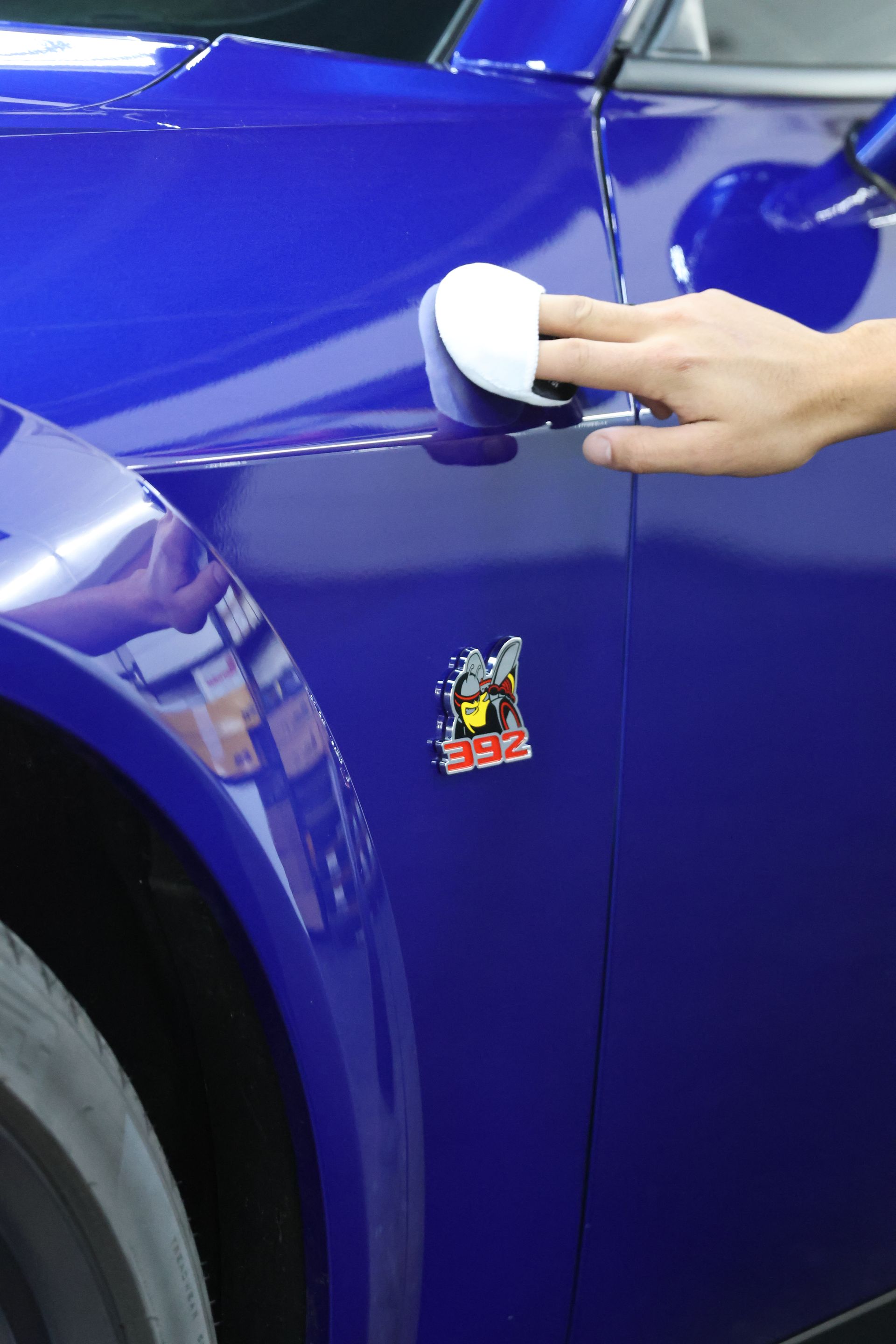
So, how exactly do ceramic coatings work their magic? Well, it all starts with the chemistry! Ceramic coatings are made from liquid polymers that bond with your car’s paint at a molecular level. These coatings form a protective layer over the surface, creating a durable shield that enhances the paint’s natural defenses. Think of it like a second skin for your vehicle!
What really makes ceramic coatings stand out, though, are their hydrophobic properties. This means that water simply can’t stick to the surface. When rain hits, it beads up and rolls off, carrying dirt, grime, and other contaminants with it. This water-repellent effect makes it much harder for substances like bird droppings, tree sap, or road salts to adhere to your paint. No more worrying about those sticky, hard-to-remove messes!
But the protection doesn’t end there. The coating also reduces the likelihood of oxidation caused by UV rays. The molecular bonds in the coating form a barrier that blocks harmful rays from penetrating the paint, keeping it looking shiny and new for longer. Simply put, ceramic coatings act as an invisible forcefield, safeguarding your vehicle from a range of environmental threats. How’s that for peace of mind?
What Are the Benefits of Applying Ceramic Coatings?
The benefits of ceramic coatings go far beyond just a glossy finish! One of the standout advantages is how they enhance paint durability and longevity. By creating a strong, protective layer, ceramic coatings guard your vehicle’s paint against scratches, swirl marks, and the everyday wear and tear that comes with exposure to the elements. This means fewer touch-ups and a more resilient paint job for years to come.
Ceramic coatings also make cleaning and maintenance a breeze. No more spending hours scrubbing away stubborn dirt or grime. Thanks to the hydrophobic properties of the coating, water and contaminants simply bead up and roll off the surface. This makes washing your car quicker and easier, reducing the frequency of deep cleans. Plus, your vehicle stays cleaner for longer, as the protective layer prevents dirt from sticking in the first place.
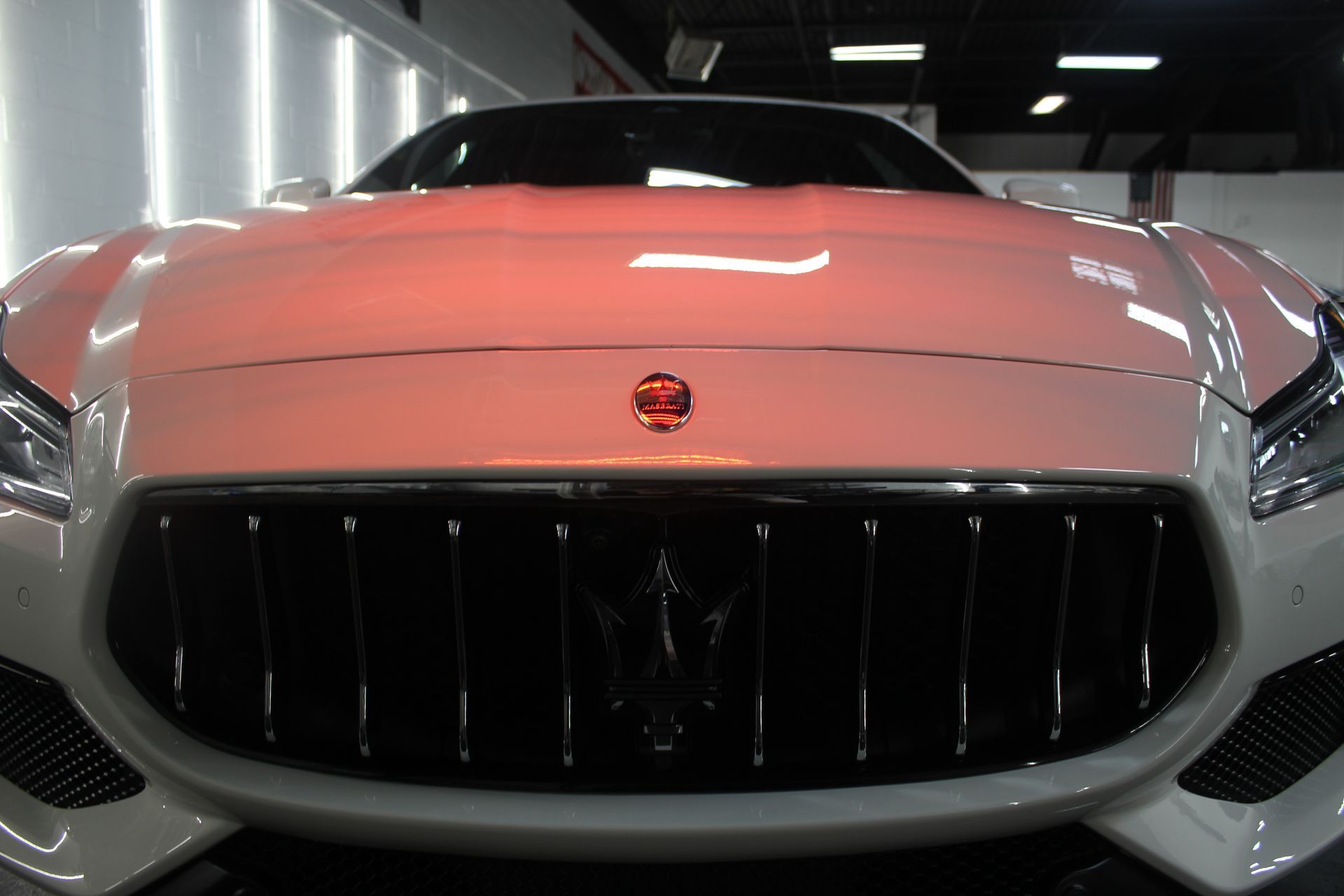
And let’s not forget about aesthetics! Ceramic coatings help preserve your car’s sleek, shiny appearance by protecting it from fading and oxidation. UV rays, bird droppings, and harsh weather conditions won’t dull the paint as quickly, meaning your car looks pristine for much longer. So, whether you want to protect your investment or just love the idea of a car that stays looking like new, ceramic coatings offer a ton of benefits!
When Should Ceramic Coatings Be Applied During Vehicle Care?
Timing is everything when it comes to applying ceramic coatings, and knowing when to do it can make a huge difference in the results. Ideally, the best time to apply ceramic coatings is when your vehicle is brand new or after a thorough paint correction. Applying the coating early in the vehicle’s life maximizes its effectiveness, as it helps protect the fresh paint right from the start. This way, you shield the car from contaminants and environmental damage before they even have a chance to affect the surface.
However, the condition of your vehicle’s paint plays a critical role in determining when to apply the coating. If your car’s paint has been damaged, faded, or has swirl marks, it’s important to address those issues before applying a ceramic coating. Paint correction, which involves polishing and smoothing the surface, is necessary to create the perfect canvas. This ensures that the coating bonds properly and provides optimal protection.
In essence, applying ceramic coatings on a clean, smooth, and well-maintained paint job will give you the best long-term results. So, if your car is looking a bit worn, take the time to restore the paint first. That way, you can enjoy the full benefits of ceramic coating for years to come!
Where Are Ceramic Coatings Applied on the Vehicle?
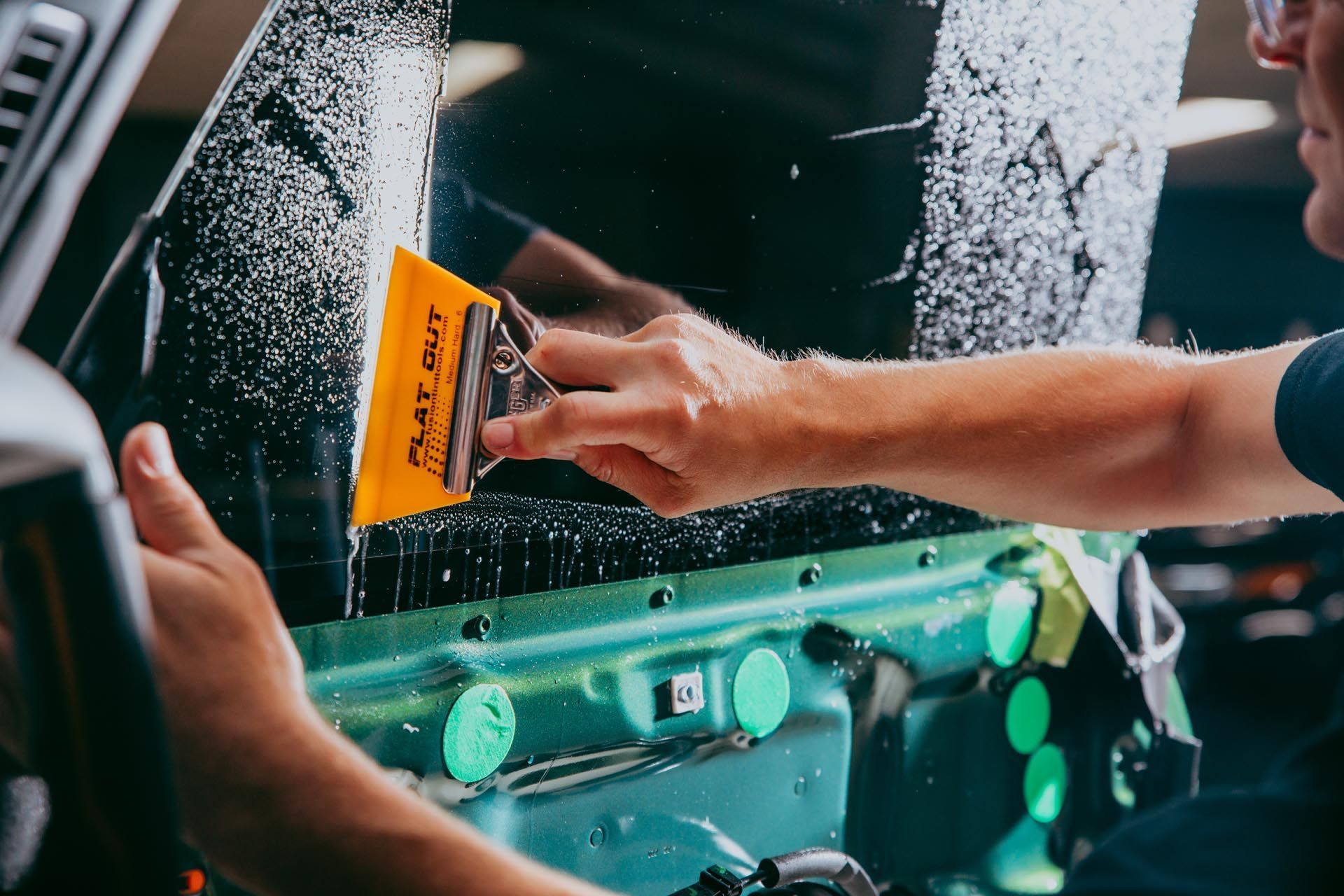
Ceramic coatings can be applied to various parts of your vehicle, but the most common and beneficial application is on the exterior surfaces. These include the paint, wheels, and glass. The exterior paint benefits the most because it is constantly exposed to environmental threats like UV rays, bird droppings, tree sap, and road salts. Applying the ceramic coating to these areas helps create a hydrophobic surface, repelling water, dirt, and contaminants, making cleaning easier and preserving the paint’s integrity for longer.
Wheels are another crucial area for ceramic coatings. Brake dust, road grime, and the harsh conditions of the road can quickly damage your wheels. Applying a ceramic coating here provides a protective layer, reducing the buildup of debris and making the wheels much easier to clean.
As for the interior, while ceramic coatings are not as commonly applied to the inside of vehicles, it can still be beneficial for high-touch areas like leather seats, dashboard surfaces, and upholstery. The coating can help repel dirt and stains, keeping your interior looking fresh for longer.
In summary, while the exterior surfaces of your vehicle—such as paint, wheels, and glass—are the primary areas for ceramic coating, applying it to the interior can also provide added benefits, depending on your needs.
Why Are Ceramic Coatings Considered an Eco-Friendly Option?
Ceramic coatings are often hailed as an eco-friendly solution, and for good reason! One of the biggest benefits is how they reduce the need for frequent car washes. Since ceramic coatings create a hydrophobic layer, they repel water, dirt, and contaminants. This means your vehicle stays cleaner for longer, cutting down on the number of washes required. Fewer car washes equal less water consumption and a reduction in the use of harsh chemicals and detergents, which can be harmful to the environment.
In addition to saving water and chemicals, ceramic coatings also contribute to lowering the environmental footprint of vehicle maintenance. With the protective barrier they provide, your car’s paint is less susceptible to damage, meaning there’s less need for frequent touch-ups or repainting. Repainting often involves chemicals that can release volatile organic compounds (VOCs) into the air, which contribute to air pollution. By extending the lifespan of your vehicle’s paint and reducing the frequency of such maintenance, ceramic coatings play a role in making vehicle care more sustainable.
So, by reducing water waste, chemical use, and repainting needs, ceramic coatings are an environmentally-friendly alternative that supports both your vehicle’s longevity and the planet’s health.
How Do Ceramic Coatings Compare to Traditional Paint Protection Methods?
When it comes to protecting your vehicle’s paint, ceramic coatings offer significant advantages over traditional methods like waxing and sealants. One of the most notable benefits is the long-lasting protection they provide. While waxing and sealants typically need to be reapplied every few months, ceramic coatings offer a durable, long-term solution that can last for years with proper care. This means less frequent maintenance and more time enjoying your vehicle’s pristine appearance.
Ceramic coatings also have superior hydrophobic properties, which means they repel water and contaminants more effectively than traditional waxes or sealants. This makes cleaning your car much easier since dirt, bird droppings, and other debris have a harder time sticking to the surface. Wax and sealant layers can wear off quickly, whereas ceramic coatings form a permanent bond with the paint, providing a much stronger and more resilient layer of protection.
However, there are some considerations. Ceramic coatings can be more expensive upfront compared to traditional methods, and the application process can be more complex, often requiring professional installation. Additionally, while they offer exceptional protection, they don’t make your car completely impervious to damage. It’s important to still take precautions to avoid physical scratches or abrasions.
Ultimately, ceramic coatings provide superior, long-lasting protection compared to traditional waxes and sealants, but they do require a higher initial investment and professional application for optimal results.
How Do Ceramic Coatings Enhance Vehicle Resale Value?
When it comes to reselling your vehicle, the condition of its paint can make all the difference. Ceramic coatings can significantly enhance a vehicle’s resale value by preserving its exterior in excellent condition over time. The durable layer provided by ceramic coatings acts as a shield, protecting the paint from environmental elements like UV rays, acid rain, tree sap, and road salts, which can cause fading and deterioration. By maintaining the paint’s integrity, ceramic coatings help your car look newer for longer, which is a major selling point when it’s time to put it on the market.
Potential buyers are often drawn to vehicles with well-maintained exteriors. A shiny, glossy finish free from swirl marks, water spots, or fading signals that the car has been properly cared for. Ceramic coatings make it easier to maintain this pristine appearance, as the hydrophobic properties of the coating reduce the need for frequent washing and protect the car from contaminants that can damage the paint.
Moreover, the long-term protection offered by ceramic coatings provides peace of mind to buyers, knowing they won’t have to worry about extensive repainting or ongoing maintenance in the near future. This can make your vehicle more attractive in a competitive market, potentially allowing you to ask for a higher price. In short, ceramic coatings not only preserve your vehicle’s paint but also increase its resale value by appealing to buyers seeking a car that looks as good as it runs!
How Long Do Ceramic Coatings Last?
The lifespan of ceramic coatings on a vehicle can vary, but with proper care, they typically last between two to five years. The durability of the coating depends on several factors, including the quality of the product used, the conditions the vehicle is exposed to, and how well it is maintained. High-quality ceramic coatings can withstand harsher environmental elements like UV rays, acid rain, and road salts for an extended period, providing long-term protection for your car’s paint.
However, the longevity of a ceramic coating is also influenced by the way the vehicle is cared for. Regular maintenance, such as washing the car with the right products, avoiding abrasive materials, and protecting the coating from harsh chemicals, will help maintain the coating’s effectiveness. While ceramic coatings are designed to resist contaminants, they are not immune to wear and tear. Over time, the hydrophobic properties may diminish if the car isn’t properly maintained.
To ensure the maximum lifespan of ceramic coatings, vehicle owners should follow a recommended maintenance schedule. This includes regular washes, using pH-neutral cleaning products, and avoiding aggressive techniques that can damage the coating. Additionally, periodic inspections and reapplication of topcoats or maintenance products can help extend the coating’s protective properties. With the right care, ceramic coatings can continue to safeguard your vehicle’s paint and keep it looking pristine for years!
What Are the Costs Involved in Applying Ceramic Coatings?
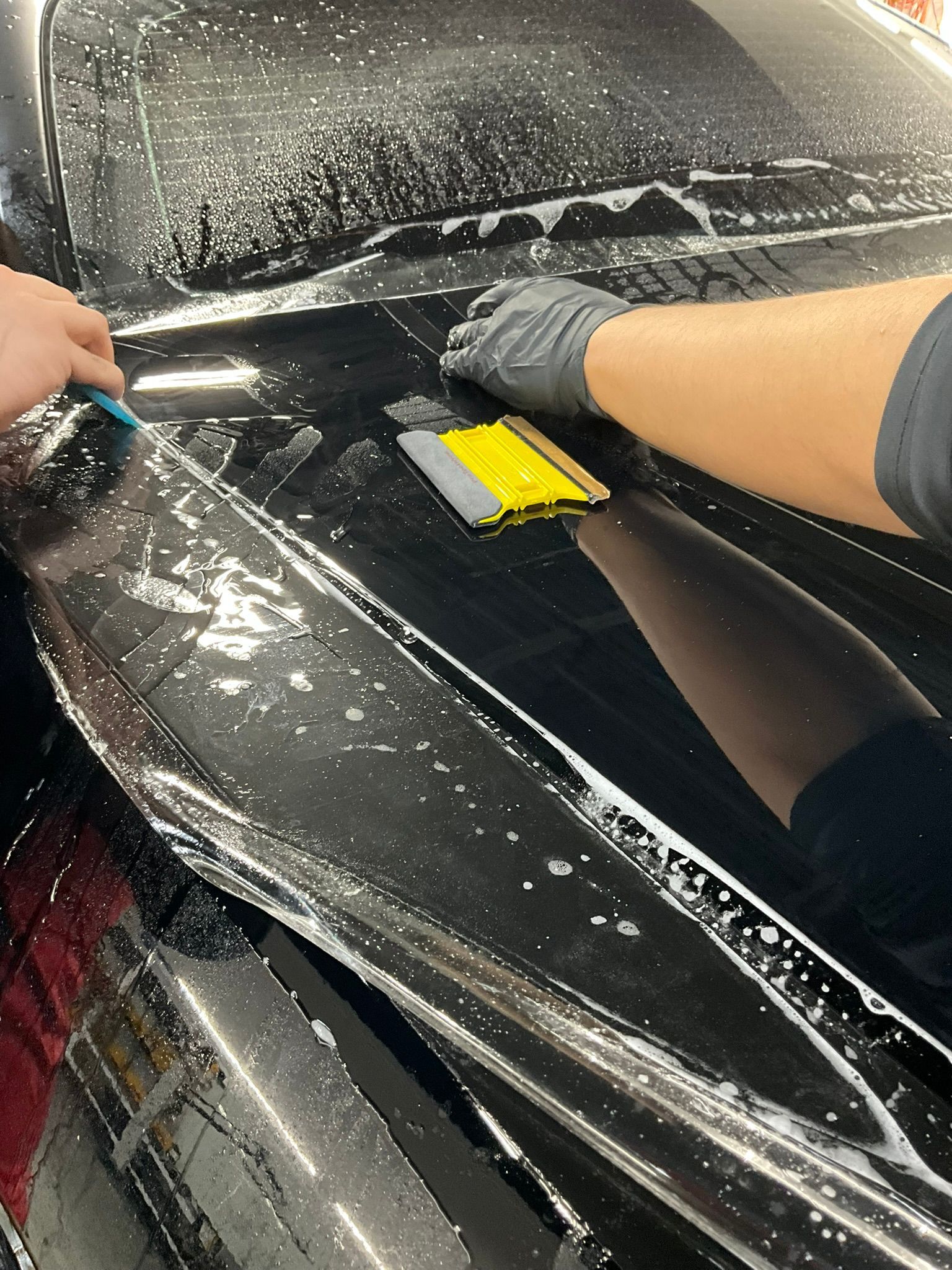
When it comes to applying ceramic coatings to your vehicle, costs can vary widely depending on whether you choose a professional service or a DIY approach. Professional ceramic coating applications typically range between $500 to $2,000. This price is influenced by factors such as the size of the vehicle, the quality of the product used, and the complexity of the application. Professional services often come with the benefit of expertise and high-quality coatings that offer superior protection and longevity, which can justify the higher cost.
On the other hand, if you’re looking to save some money, there are DIY ceramic coating kits available that cost between $50 to $200. These kits are often more affordable and may seem like a great option for car owners who are willing to put in the time and effort to apply the coating themselves. However, it’s essential to keep in mind that DIY options might not provide the same level of durability and protection as professional-grade products. Inexperienced application can also lead to uneven coverage or subpar results, which may affect the coating’s overall performance.
While the upfront cost of professional ceramic coating applications is higher, it can be a more cost-effective long-term investment, as it generally lasts longer and provides superior protection. If you choose to go the DIY route, make sure to carefully follow the instructions and choose a reputable product to ensure satisfactory results. Ultimately, the decision will depend on your budget, how much time you’re willing to invest, and the level of protection you’re looking for.
Conclusion
In conclusion, ceramic coatings offer a powerful solution for protecting your vehicle from the harsh realities of environmental damage. From UV rays and acid rain to bird droppings and tree sap, your car faces constant threats that can degrade its paint over time. Fortunately, ceramic coatings form a durable, hydrophobic shield that repels water, contaminants, and other damaging elements, ensuring that your vehicle’s exterior remains in top condition. The result? Less frequent cleaning, a preserved aesthetic appeal, and long-lasting protection that enhances the durability of your paint.
As we’ve explored, ceramic coatings not only simplify maintenance by making it easier to clean and care for your car, but they also offer an eco-friendly alternative by reducing the need for excessive washing and harsh chemicals. These coatings extend beyond mere paint protection, playing a crucial role in preserving your vehicle’s resale value. A well-maintained vehicle with ceramic coating can stand out to potential buyers, making it an investment worth considering.
When deciding whether ceramic coatings are right for your car, consider your specific needs, the environmental conditions in your area, and your long-term goals. Professional applications may provide superior results, but DIY options can be a cost-effective way to get started. Either way, the key takeaway is clear: ceramic coatings offer a valuable, practical solution to combat the environmental damage that affects your car, preserving its beauty and enhancing its lifespan.
Ultimately, the decision to apply a ceramic coating should be based on careful consideration of your vehicle’s needs, budget, and the level of protection you want. By choosing the right coating and maintaining it properly, you’ll ensure that your car stays looking great for years to come.