Debunking the Top 10 Window Tinting Misconceptions
Window tinting – it’s not just about style or privacy; it’s about protection, comfort, and efficiency. Yet, despite its popularity, there are a surprising number of misconceptions surrounding it. From misunderstanding the benefits to assuming it’s only for cars, people often overlook how much a good tint job can do for both residential and commercial spaces. But let’s get real: window tinting is more than just an aesthetic upgrade. It’s an investment that can improve energy efficiency, reduce UV damage, and even increase the lifespan of your windows.
If you’re considering adding window tint to your home, office, or car, you’ve probably heard a few myths. Maybe you’ve been told that window tinting will make your space too dark or that it’s illegal in some areas. Perhaps you’re wondering if it really does as much for energy savings as people claim. These misconceptions can make it harder to decide whether window tinting is worth it. But here’s the thing: not all tints are created equal, and many of the myths surrounding window tinting just don’t hold up.
In this article, we’ll tackle the top five misconceptions that may have you second-guessing window tinting. By the end, you’ll have the clarity you need to make an informed decision, whether you’re upgrading your home, office, or vehicle. Let’s dive in and set the record straight on what window tinting really has to offer!
What Are the Legal Restrictions on Window Tinting?
When it comes to window tinting, laws aren’t one-size-fits-all. In fact, they can vary wildly depending on where you live! That’s right – each state has its own regulations on how dark your windows can be, often measured by something called the Visible Light Transmission (VLT). The VLT percentage tells you how much light can pass through the tinted glass. The darker the tint, the lower the VLT percentage.
But it’s not just about darkness – some states are stricter than others about where you can apply tint. For example, in many places, your windshield can’t have any tint at all, or it can only be tinted to a certain level near the top. And don’t forget about those front-side windows! While some states allow darker tints on rear windows, they often require more transparency on the ones near the driver and passenger for safety reasons.
Ignoring these regulations could result in fines or having to remove your tint entirely. So, before you decide to upgrade your windows, it’s essential to check local laws and make sure you’re in compliance. Trust me, you don’t want to get pulled over for something as simple as window tint!
How Does Window Tinting Affect Nighttime Visibility?
Window tinting often brings to mind a cooler look during the day, but what happens when the sun sets? Does it affect your visibility at night? The good news is that high-quality tints are designed to strike a balance. They reduce glare from headlights and streetlights, giving you a more comfortable driving experience without compromising your safety. No one likes the blinding effect of oncoming headlights, right? Tints help to cut down on that harsh glare, making nighttime driving less stressful.
However, a common concern is whether tints make it harder to see at night. Well, most modern tints are engineered to allow for clear visibility after dark. While they may reduce light intake during the day, they don’t obstruct your ability to see well in low-light conditions. In fact, a good tint should provide comfort day and night. The key is to choose a tint that’s high-quality, as cheaper, lower-grade tints might affect visibility more than you’d like. So, when you go for tinting, you’re not just improving your car’s appearance – you’re enhancing your driving experience both day and night!
Why Is Window Tinting Considered Merely Cosmetic?
When it comes to window tinting, many people think it’s just about looks. Sure, tinted windows do add a sleek, modern vibe to any vehicle, but there’s more to it than meets the eye! Beyond its cosmetic appeal, window tinting offers practical benefits that go beyond enhancing your car’s exterior. For one, it helps protect your car’s interior from harmful UV rays. This means less fading and cracking on your dashboard, upholstery, and other interior surfaces. Your car stays looking new for longer, and your personal comfort is improved!
But that’s not all. Tinted windows also play a significant role in regulating your car’s interior temperature. During those scorching summer days, they block out the sun’s intense heat, keeping the cabin cooler and reducing the need for constant air conditioning. This not only makes your ride more comfortable but can also save on fuel by reducing the load on your AC. So while window tinting may start as a cosmetic upgrade, its practical benefits make it much more than just about style!
How Durable Are Window Tints Over Time?
When it comes to window tints, durability is a key concern for many car owners. The good news is, with professional installation, window tints are built to last! High-quality tints are designed to withstand the test of time, providing long-lasting protection without the need for constant upkeep. With proper care, you can expect your tints to last for many years without any significant issues.
The durability of window tints largely depends on the material and installation quality. Premium films resist bubbling, cracking, and fading, even when exposed to the harsh elements of everyday driving. This means your tinted windows will stay looking sharp, offering both style and function. However, like anything else, maintenance is key! Regular cleaning and avoiding harsh chemicals can help prolong the life of your tint, ensuring it stays in top condition.
So, if you choose a high-quality film and have it professionally installed, you can trust that your window tints will remain durable and effective for many years to come, adding both protection and value to your vehicle.
Does Window Tinting Interfere with Electronic Devices?
One common concern many car owners have is whether window tinting can interfere with electronic devices, such as GPS or cell phones. The answer is no—at least not with modern tints! Most modern window tints are non-metallic and are specifically designed to avoid interference with your vehicle’s electronics. These tints provide all the benefits of UV protection, glare reduction, and privacy without disrupting signals from GPS systems, radios, or mobile devices.
However, this wasn’t always the case. Earlier versions of metallic tints had a different composition, which could cause issues by blocking or disrupting signals from electronic devices. The misconception that window tinting interferes with electronics comes from these outdated metallic tints, which are no longer commonly used.
Today’s advanced, non-metallic films ensure you can enjoy all the benefits of window tinting without worrying about connectivity or signal disruptions. So, if you’re considering tinting your windows but are concerned about electronic interference, rest easy—modern tints won’t cause any problems!
Is Window Tinting an Expensive Maintenance Endeavor?
When it comes to maintenance, window tinting is surprisingly low-cost and hassle-free! Unlike other vehicle care routines that demand regular attention, tinted windows require minimal upkeep. The main task is simply keeping them clean, which can be done with a soft cloth and a gentle cleaner. You don’t need to worry about frequent repairs or special treatments, making window tinting an easy investment.
In fact, the cost of maintaining tinted windows is significantly lower than other vehicle maintenance activities. There’s no need for frequent visits to a shop, and you won’t be constantly spending on products to keep your tint in good condition. High-quality window tints also offer the bonus of protecting your car’s interior, keeping your seats and dashboard from fading due to UV exposure. This preservation of your vehicle’s interior can actually save you money in the long run by reducing the need for costly interior repairs or replacements.
So, when you weigh the minimal maintenance required against the long-term benefits, window tinting is an affordable and worthwhile investment that won’t break the bank!
Will Window Tinting Lower My Vehicle’s Resale Value?
Contrary to what some might think, window tinting is more likely to increase your vehicle’s resale value than lower it! When done professionally, tinting enhances the overall look of your car, giving it a sleek, polished appearance that appeals to potential buyers. A well-maintained vehicle with tinted windows looks more stylish and modern, which could make it stand out in a competitive market.
High-quality, professionally applied tints are often viewed as a valuable addition by prospective buyers. They not only improve the aesthetics but also provide practical benefits like UV protection, heat reduction, and added privacy. These features are especially appealing in hotter climates or for individuals who value comfort and protection. However, it’s essential to ensure that the tinting is done correctly, as poorly applied or overly dark tints can have the opposite effect, potentially turning off buyers.
In general, as long as the window tint is within legal limits and professionally applied, it can be a great selling point, adding value to your vehicle rather than detracting from it. So, don’t worry—window tinting can actually be a smart move if you’re thinking about your car’s future resale potential!
Are All Window Tint Films the Same in Quality and Performance?
No, not all window tint films are created equal! The quality and performance of tinting films can vary significantly depending on the type of film used. There are several different kinds of window tint films—dyed, metalized, and ceramic—each offering distinct benefits and levels of performance.
Dyed films are the most basic option and are typically used for aesthetic purposes. They block some UV rays and offer privacy but don’t provide the highest level of heat rejection or durability. On the other hand, metalized films use tiny metal particles to reflect heat, offering better heat rejection and durability but sometimes causing interference with electronics like GPS signals.
Ceramic films, however, are the top-tier option. They are made using advanced technology that allows for superior UV protection, heat rejection, and durability. Ceramic films are highly effective at blocking heat without sacrificing visibility or interfering with electronic devices, making them the best choice for those seeking long-lasting protection and comfort.
So, when it comes to window tinting, not all films are the same. The right choice for your car will depend on your priorities—whether it’s style, heat rejection, durability, or protection from harmful UV rays!
Can I Apply Window Tint Myself and Achieve Professional Results?
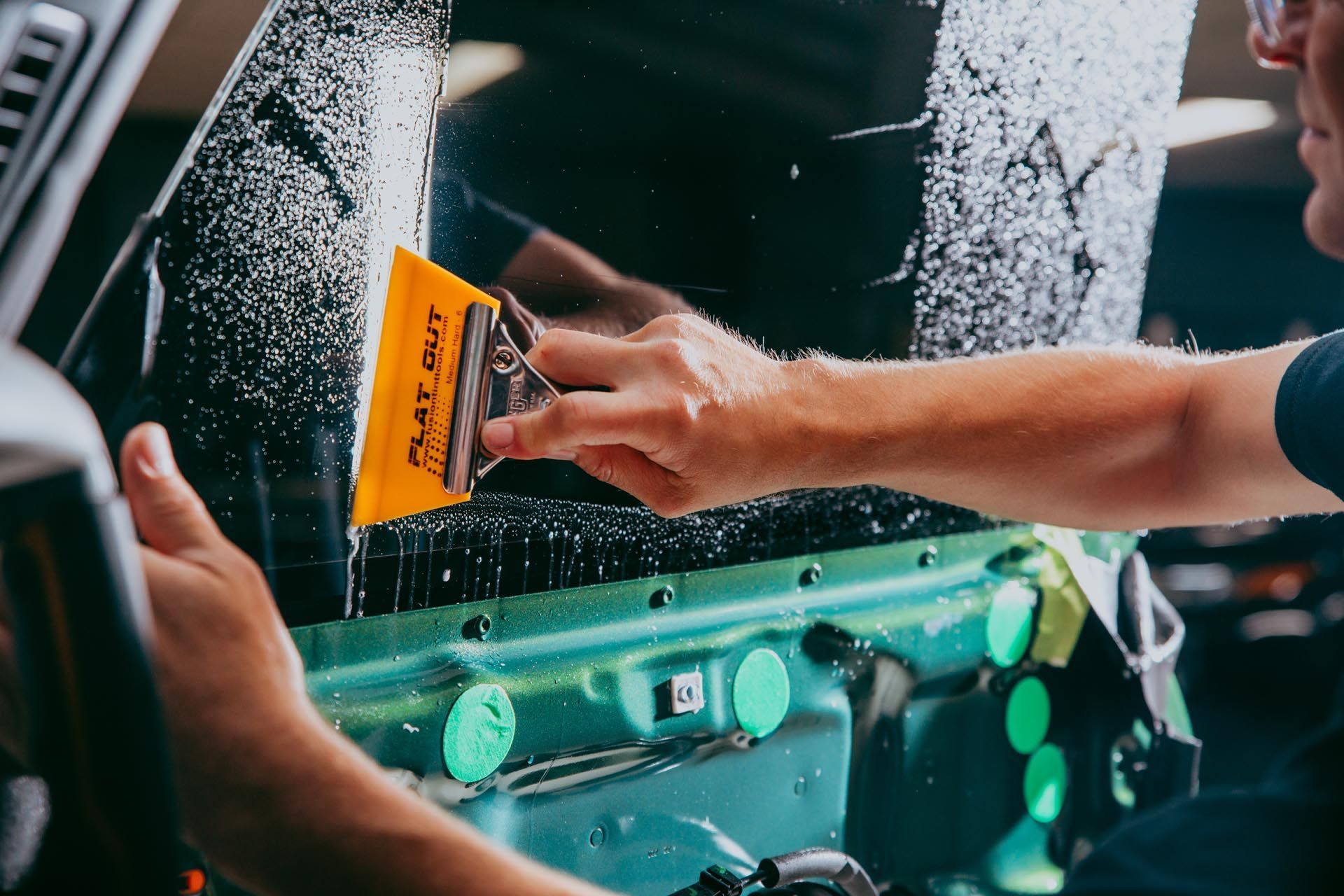
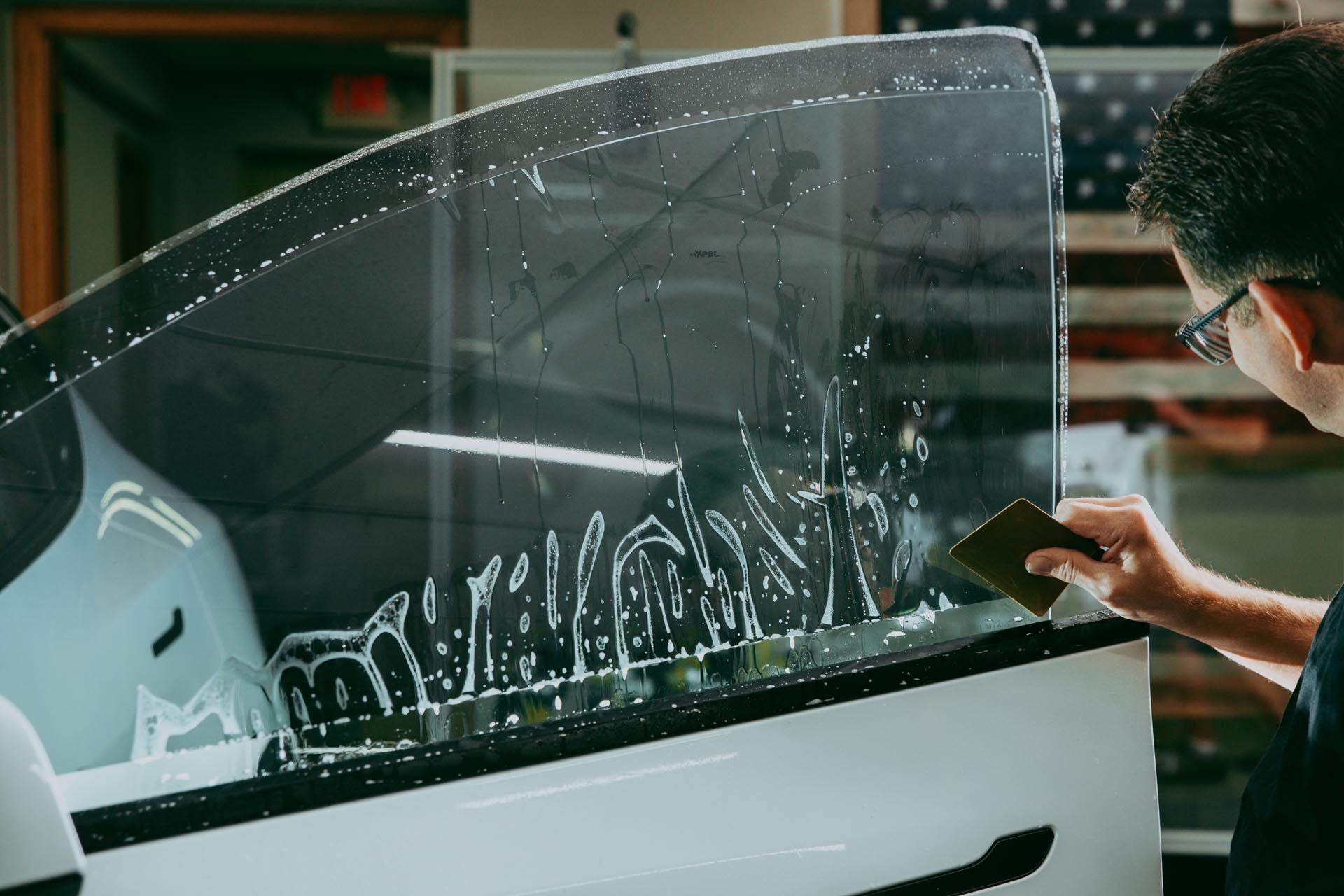
While the idea of applying window tint yourself might sound tempting, it’s not always as straightforward as it seems! DIY tinting kits are available, but achieving a professional-looking finish can be quite challenging. Many people end up with bubbles, wrinkles, or uneven tinting, which can be frustrating and time-consuming to fix. Plus, the risk of damaging your windows during application is higher if you’re not experienced.
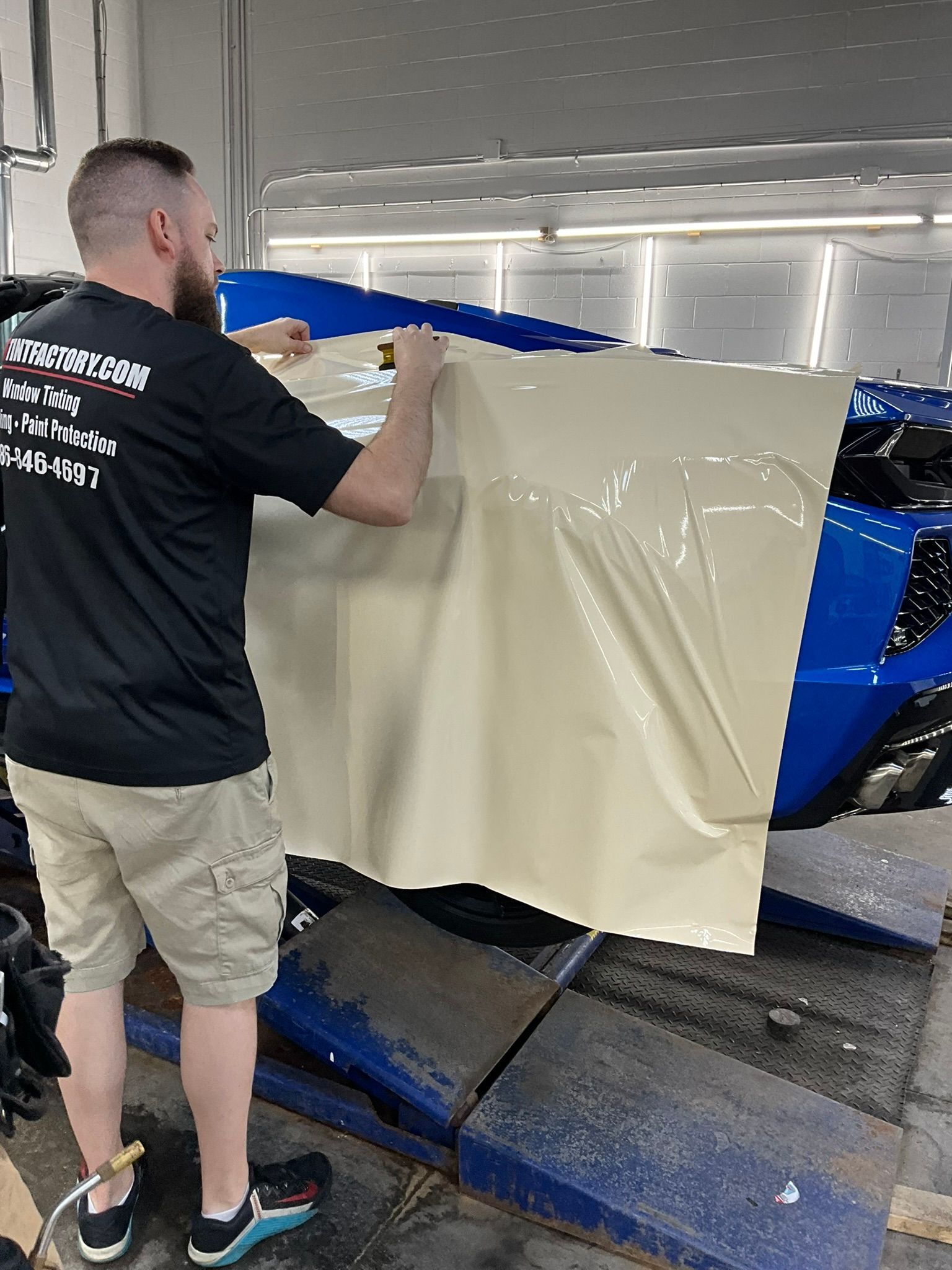
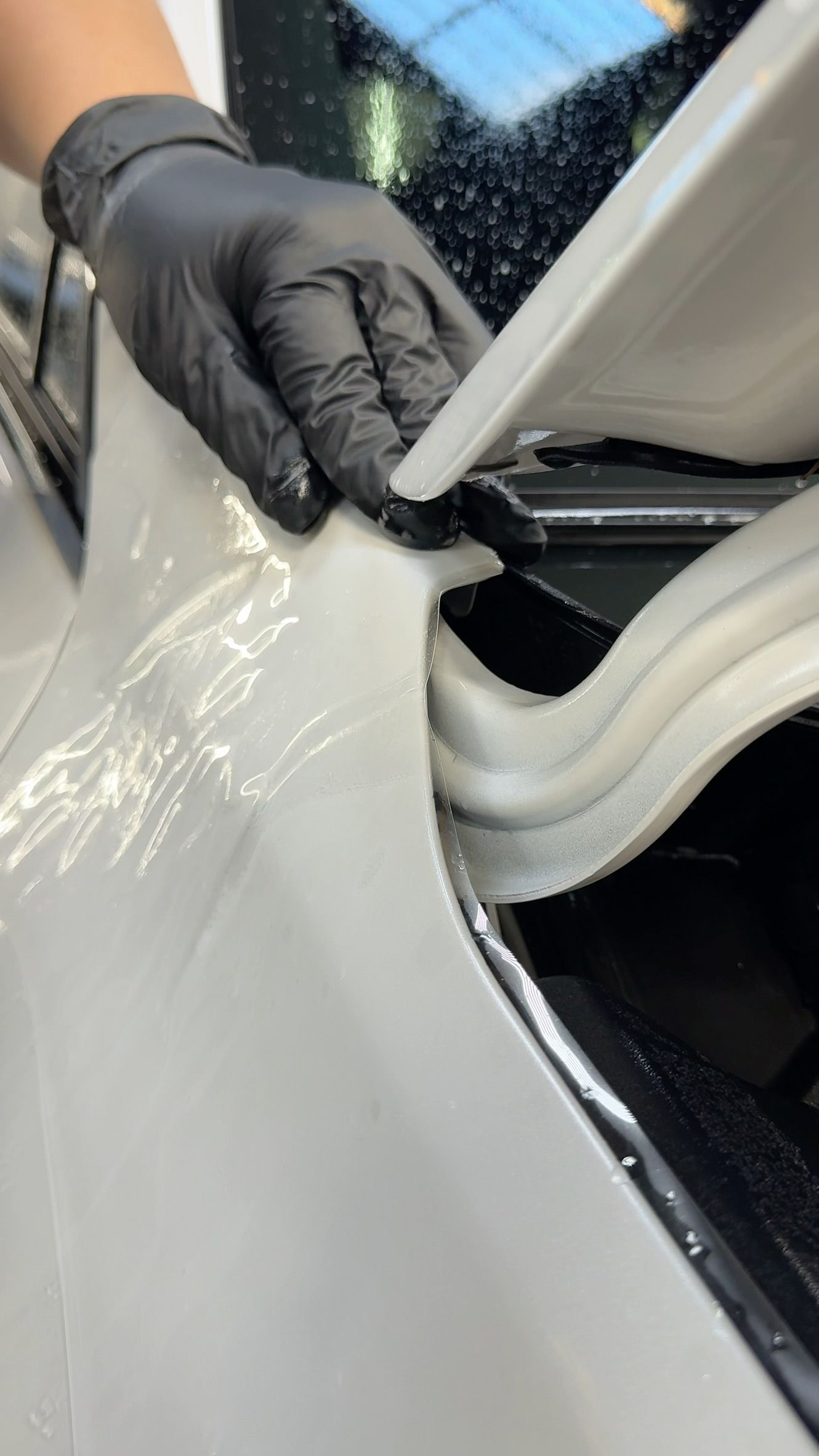
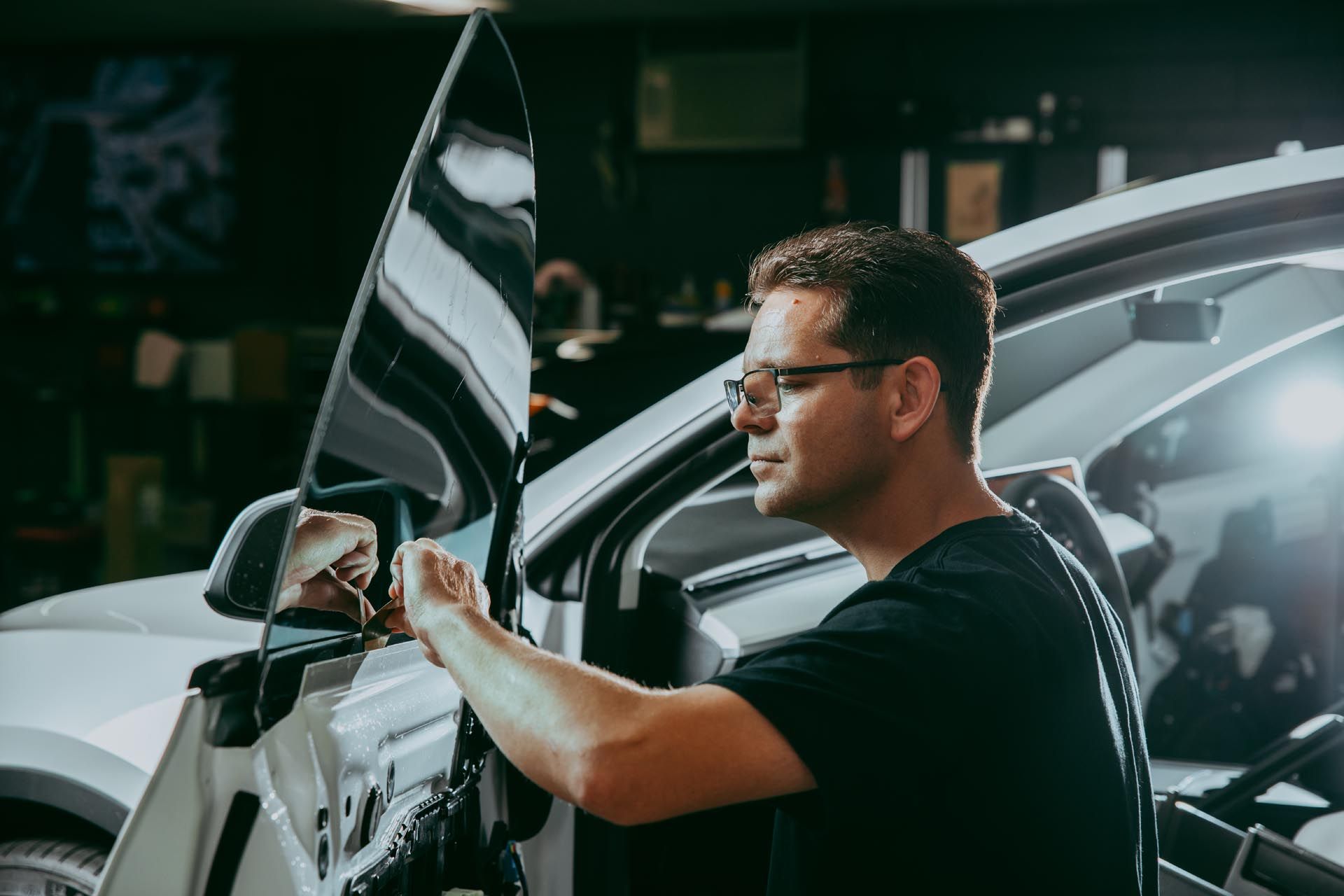
On the other hand, professional tinting services provide precise application and often deliver flawless results. Experts have the right tools and expertise to apply the tint evenly, without bubbles or imperfections. They also ensure the tint adheres to local laws and regulations, which can vary depending on where you live. This means you can rest assured that the tint is compliant with legal restrictions on tint darkness and coverage areas.
In the end, while DIY window tinting might save you a bit of money upfront, you might not get the same level of quality and durability as a professional job. For the best results, it’s often worth investing in professional tinting, especially if you’re looking for a flawless finish and peace of mind.
Does Window Tinting Make Windows Shatterproof?
It’s a common misconception that window tinting can make your windows shatterproof—but that’s not the case! While window tint films are designed to hold shattered glass together in the event of an impact, they don’t make the glass unbreakable. In other words, the tint adds an extra layer of protection, but it won’t prevent the window from breaking if struck with enough force.
The main benefit of tinted windows in terms of safety is that they help to keep broken glass from scattering, reducing the risk of injury. This added layer of protection can make your vehicle or home a bit safer, as the shards of glass are more likely to stay in place when the window is damaged.
However, while tinting does offer some protection against glass breakage, it’s still essential to take steps to protect your windows from significant impacts. Whether it’s avoiding objects that may hit your windows or reinforcing the glass in other ways, tinted windows don’t replace the need for proper care.
Conclusion:
Window tinting has become a popular addition to vehicles and buildings, but with its rising popularity comes a fair share of myths and misconceptions. Throughout this article, we’ve debunked some of the most common misunderstandings surrounding window tinting—clearing up confusion about legal restrictions, nighttime visibility, and durability.
We’ve learned that while tinting is not a “one-size-fits-all” solution, it certainly offers a range of practical benefits. High-quality tints can enhance comfort, reduce UV exposure, and even improve a vehicle’s resale value. From regulating interior temperatures to protecting against glare, window tinting can significantly improve both the aesthetic and functional aspects of your vehicle or home. And, contrary to some beliefs, it doesn’t interfere with electronics or increase maintenance costs!
However, it’s crucial for you to base your decisions on accurate, reliable information. Before choosing a tint, understanding the specific needs of your vehicle or building, as well as local legal requirements, can help ensure that you make the right choice. While professional installation is often the best route for achieving optimal results, DIY options exist, but they come with certain challenges.
In conclusion, don’t let myths hold you back from making the most of window tinting! By debunking these misconceptions and exploring the true benefits, you can confidently decide if window tinting is right for you. The right tint can improve both the look and functionality of your space—safely, efficiently, and affordably. Make an informed choice and enjoy the many advantages of window tinting!