How to Tell If Your Window Tint Needs to Be Replaced
Have you noticed your window tint starting to look a little less than perfect? Maybe it’s peeling at the edges, bubbling up, or even starting to fade. If so, you’re not alone! Over time, your window tint may experience wear and tear, but how do you know when it’s time to replace it? Whether it’s your car, home, or office windows, understanding the signs of deteriorating window tint can save you from unnecessary costs and keep your spaces looking fresh and functional.
Window tinting is more than just an aesthetic upgrade—it offers protection against UV rays, reduces glare, and helps maintain privacy. But, like any other feature in your vehicle or property, the tint can begin to show signs of age. From peeling edges to fading or bubbling films, these issues not only affect the appearance but may also compromise the tint’s effectiveness. And let’s face it, nobody wants a peeling window film or faded tint to take away from their investment.
In this article, we’ll explore the common signs that your window tint needs replacing. We’ll dive into the practical implications of damaged window film, what to look for, and how to assess whether a replacement is necessary. Plus, we’ll provide helpful tips for extending the life of your tint. By the end, you’ll know exactly when it’s time to refresh your window tint and how to maintain its performance for years to come! Let’s get started.
What Are the Common Signs of Bubbling or Peeling in Window Tint?
Bubbling and peeling are two of the most common issues with window tinting, and they can quickly make your windows look unsightly. So, how can you tell when it’s happening? Well, bubbling occurs when the adhesive that bonds the tint to the glass breaks down over time, letting air get trapped between the film and the window. You’ll notice small, raised pockets or blisters, which might be more noticeable when the sun hits them just right! These bubbles not only ruin the look of your windows but can also diminish the tint’s effectiveness.
Peeling is another sign that your tint needs attention. This typically happens when the edges of the film start to lift away from the glass. It can happen due to improper installation or simply the age of the tint. If you see the film lifting at the corners or along the edges, it’s a clear sign that something’s not right! These issues can worsen quickly, so don’t wait too long to address them. Both bubbling and peeling affect the appearance and function of your window tint, and in many cases, a replacement is the best solution. If you’re seeing these signs, it’s time to consider a fix!
How Does Fading or Discoloration Affect the Appearance and Effectiveness of Window Tint?
Fading and discoloration are major red flags when it comes to window tint! Over time, prolonged exposure to the sun’s harsh UV rays can cause the tint film to lose its original color, making it look dull, faded, or even uneven. This isn’t just an aesthetic issue—it also means that the tint is no longer providing the sleek, stylish look it once did. The vibrant, darkened windows you were initially proud of may now appear lackluster, diminishing your vehicle’s overall appearance.
But the impact of fading doesn’t stop there. It also affects the tint’s functionality. When the color starts to fade, it means the film is losing its ability to block harmful UV rays. This reduction in UV protection can significantly decrease the effectiveness of your tint, leaving your interior vulnerable to sun damage. Over time, your seats, dashboard, and upholstery can fade, crack, or warp, as the protective shield that once kept harmful UV rays at bay becomes less effective. If your tint is fading or discolored, it’s a sign that its protective benefits are also fading, so a replacement may be the best way to restore both its appearance and function.
When Do Scratches or Surface Damages on Window Tint Become a Concern?
Scratches on your window tint may seem like a small issue at first, but they can quickly become a bigger problem! Even minor scratches can disrupt the smooth surface of the tint, making it more vulnerable to sunlight and heat. As the tint is compromised, it allows more UV rays and heat to penetrate the glass, reducing its protective abilities. That means your vehicle or home’s interior is no longer shielded as effectively from the damaging effects of the sun.
But the concern doesn’t end there. Over time, those small scratches can worsen, especially if they’re exposed to environmental elements like rain, dirt, or car washes. What started as a minor blemish could turn into permanent damage, leaving your tint looking unsightly and uneven. A scratched or damaged window tint also takes away from the polished, sleek look you once had, diminishing the overall appearance of your vehicle or home. If your window tint has noticeable scratches or surface damage, it’s a clear sign that replacement may be necessary to restore both its functionality and aesthetic appeal!
Why Does Reduced Cooling Efficiency Indicate the Need for Tint Replacement?
If you’ve noticed that your vehicle or home feels warmer than usual, even with the air conditioning running, it might be time to reconsider the condition of your window tint. The primary function of window tint is to block heat from the sun, and when it stops doing that effectively, it can lead to an uncomfortable rise in interior temperature. You might find yourself cranking up the AC, yet still feeling like the interior is much warmer than it should be.
A decrease in cooling efficiency often points to the breakdown of your tint’s heat rejection properties. Over time, the film’s ability to block infrared rays and UV light deteriorates, meaning it no longer offers the same level of protection against heat buildup. Not only does this reduce comfort, but it also places extra strain on your air conditioning system, leading to higher energy consumption and increased costs. If you’re experiencing reduced cooling efficiency, it’s likely a sign that your tint needs replacing to restore both comfort and energy efficiency!
What Impact Does Increased Glare Have on Driving Comfort and Safety?
Increased glare can make driving feel like a constant battle, especially when the sun is low in the sky during sunrise or sunset. If your window tint is no longer performing as it should, you might notice that glare becomes more intense, making it harder to see clearly while driving. This is more than just an inconvenience—poor visibility can significantly compromise your safety on the road.
Glare isn’t just annoying; it can cause eye strain, leading to discomfort during long drives or even causing headaches. The constant squinting to block out the brightness can distract you from the road, reducing your reaction time and increasing the risk of accidents. If your window tint no longer helps manage glare effectively, it’s a sign that the film is losing its protective abilities. Replacing the tint can restore your driving comfort, reduce eye strain, and enhance overall safety, allowing you to focus on what matters—driving safely!
Where Does Peeling at the Edges Typically Occur, and What Does It Signify?
Peeling at the edges of your window tint is often one of the first signs that something isn’t quite right. It usually starts where the film meets the edges of the window, where the adhesive might not have bonded properly during installation. This weak spot can lead to the tint lifting away from the glass, creating an unsightly look and compromising its effectiveness.
Edge peeling is more than just a cosmetic issue—it signifies adhesive failure. If left unchecked, this small problem can spread, causing more of the tint to peel off or even leading to larger areas of the film detaching. Over time, the peeling could worsen, resulting in further damage and potentially making the tint completely ineffective. If you notice this issue, it’s essential to address it sooner rather than later to prevent further deterioration and restore the appearance and functionality of your tint.
How Does Interference with Window Operation Suggest a Tint Issue?
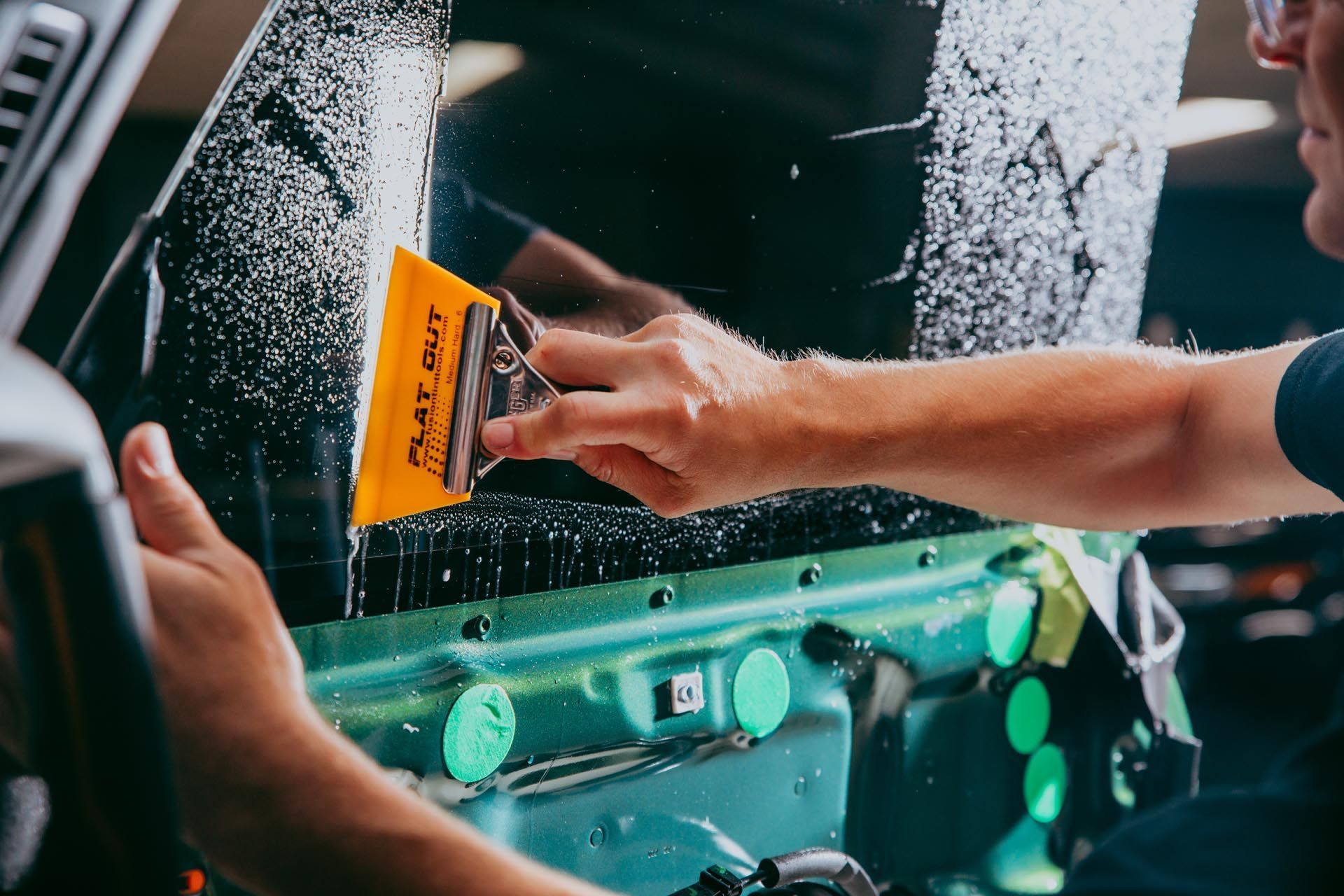
If your window tint is causing issues with the operation of your power windows, it’s a clear sign that something went wrong during installation. Typically, this happens when the tint film is too thick or wasn’t applied correctly. The extra layer of material can interfere with the smooth movement of the windows, causing them to get stuck or make strange noises when trying to open or close.
This interference isn’t just inconvenient—it can cause long-term damage to both your windows and tint. A poorly applied tint can lead to the need for expensive repairs or even complete window replacements. If you’re experiencing this issue, it’s best to get the tint removed and reapplied by a professional. Proper installation ensures your windows operate smoothly, and the tint will continue to provide the protection you need without causing any operational problems.
Why Is It Important to Consider Legal Compliance When Assessing Window Tint?
When it comes to window tint, one of the most critical factors to consider is legal compliance. Each state has specific regulations regarding the darkness and reflectivity of window tinting. If your tint doesn’t meet these standards, you could face fines, vehicle inspections, or even be asked to remove the tint altogether. It’s not just about avoiding penalties; staying compliant ensures that your vehicle is roadworthy.
Beyond the legal risks, non-compliant tint can also affect your visibility. Dark or reflective tints may impair your ability to see clearly, especially at night or during adverse weather conditions. This could lead to accidents, putting you and others on the road in danger. So, while you may love the privacy or aesthetics that a dark tint offers, always double-check that it aligns with local laws. Staying compliant ensures both safety and peace of mind!
When Should You Seek Professional Assessment for Your Window Tint’s Condition?
If you start noticing multiple signs of damage, such as bubbling, peeling, fading, or even interference with window operation, it might be time to seek a professional assessment for your window tint. It can be tough to determine whether your tint just needs a minor repair or if it’s time for a complete replacement—especially if you’re not sure what to look for!
A professional inspection ensures that you’re not just guessing about your tint’s condition. Experts can evaluate the situation thoroughly and tell you exactly what needs to be done. Whether it’s fixing small issues or replacing the entire tint, a professional can help restore your tint’s appearance and performance. Not only does this prevent further damage, but it also ensures your tint continues to provide its intended benefits, like heat rejection and UV protection. So, when in doubt, it’s always worth having an expert take a look!
How Can Regular Maintenance and Inspection Prolong the Life of Your Window Tint?
Regular maintenance and inspections are key to keeping your window tint in top condition for as long as possible! Simple habits, like cleaning your tint regularly and ensuring you’re using the right cleaning products, can prevent dirt, dust, and debris from causing damage. Over time, buildup can wear down the tint, reducing its effectiveness. A little upkeep goes a long way in maintaining its appearance and performance!
In addition to regular cleaning, scheduling periodic professional inspections is a great way to catch minor issues before they become major problems. A professional can assess the tint for things like bubbling, fading, or peeling that might be hard for the untrained eye to notice. Identifying and addressing these issues early on can save you from costly repairs or a full replacement later. By taking care of your tint, you’re ensuring it continues to provide the benefits you want—like UV protection and heat rejection—while keeping your vehicle looking sharp. Don’t wait for small issues to escalate; regular maintenance and checkups are your best defense!
Conclusion
Recognizing the signs that your window tint needs replacing is more important than you might think. Whether it’s bubbling, fading, or reduced cooling efficiency, catching these issues early can save you time, money, and a lot of frustration. Window tint isn’t just about aesthetics; it also offers protection from UV rays and heat, making your car more comfortable to drive and less prone to interior damage. When the tint starts to wear out, those benefits begin to diminish, affecting not just the look but also the comfort and safety of your vehicle.
By paying attention to the common signs of damage, like peeling edges or scratches, you can ensure that your window tint is always working at its best. If you notice issues, it’s essential to seek professional help to determine whether a repair or full replacement is necessary. Ignoring these problems can lead to more extensive damage and even legal issues if the tint no longer complies with local regulations.
Timely window tint replacement not only keeps your vehicle looking sharp but also ensures that it continues to provide the protective benefits you depend on. Regular maintenance and professional inspections can prolong the lifespan of your tint, keeping your vehicle comfortable, safe, and in compliance. Don’t wait until the damage is irreversible. Stay on top of your window tint’s condition, and enjoy all the benefits it has to offer for years to come!