The Smart Way to Keep Heat Out and Comfort In
Ever feel like your home or car turns into an oven the moment the sun hits? You’re not alone. Heat buildup from direct sunlight can make any space unbearable, forcing air conditioners to work overtime and skyrocketing energy bills. But here’s the good news—heat-blocking window tint is a game-changer.
The right window tint does more than just darken your glass. It reduces glare, cuts down on harmful UV rays, and keeps interiors significantly cooler—all without making your space feel like a cave. Whether you’re considering residential window tint for your home, commercial window tint for your office, or something high-performance for your car, the key is choosing the right type for maximum comfort.
But not all window tints are created equal. Some tints prioritize aesthetics over function. Others claim to block heat but barely make a difference. And then there’s ceramic coating technology, known for its superior heat rejection without interfering with signals or visibility. So, how do you separate the effective solutions from the gimmicks?
This guide will break it all down. You’ll learn:
-
What makes a great heat-blocking window tint?
-
The different types of window films and how they work
-
How to choose the best tint based on your climate, glass type, and needs
-
Legal considerations and installation tips
-
Long-term benefits, from energy savings to interior protection
By the end, you’ll know exactly what to look for—whether you want glass protection, paint protection film, or a high-performance tint that balances heat rejection and clarity. Let’s dive in and find the best way to keep the heat out while keeping your comfort in!
This introduction grabs attention, presents the problem, hints at the solution, and smoothly transitions into the rest of the article. Let me know if you’d like any refinements!
Why Is Controlling Solar Heat Gain Important?
Ever feel like your home or office turns into a greenhouse during the summer? That’s solar heat gain in action—the buildup of heat inside a space due to sunlight passing through windows. If left unchecked, it can turn any room into an unbearable hotbox, forcing air conditioners to work overtime and driving up energy costs.
Here’s the problem: glass is a terrible insulator. Without protection, it allows heat to pour in, making indoor temperatures spike. This means your cooling system has to work harder, leading to higher electricity bills and unnecessary strain on your HVAC unit. Over time, this not only wastes energy but also shortens the lifespan of your air conditioning system.
But there’s a fix! Reducing solar heat gain with the right window tint can make a massive difference. By blocking a significant portion of infrared and UV radiation, tinted windows help maintain a cooler, more stable indoor temperature. This means less reliance on artificial cooling, lower energy costs, and a much more comfortable environment.
Think about it: why fight the heat when you can prevent it from entering in the first place? Investing in heat-blocking solutions isn’t just about comfort—it’s about efficiency and long-term savings!
What Are the Different Types of Window Tints Available for Heat Reduction?
Not all window tints are created equal! If you’re looking for the best heat-blocking window tint, it’s important to understand the different types available. Each has its own strengths and trade-offs, so choosing the right one depends on your needs.
-
Ceramic Window Tint
– The top-tier choice! Made with advanced nano-ceramic particles, this tint rejects heat exceptionally well while maintaining crystal-clear visibility. It blocks infrared radiation (the main source of heat), reduces glare, and won’t interfere with signals. It’s also incredibly durable—but premium quality comes with a higher price tag.
-
Dyed Window Tint
– The budget-friendly option. This film absorbs solar heat rather than reflecting it, helping to reduce interior temperatures. However, it doesn’t perform as well as ceramic or metalized tints in extreme heat. Over time, dyed tints can fade and may not last as long.
-
Metalized Window Tint
– Uses tiny metallic particles to reflect heat away. It’s highly effective in blocking solar energy and adds strength to glass, but there’s a catch—it can interfere with GPS, radio, and cell signals.
-
Hybrid Window Tint
– A mix of dyed and metalized film, offering decent heat reduction and durability without as much interference. It’s a solid middle-ground option.
Each type has its place, but if maximum heat rejection and longevity matter, ceramic tint is king!
How Do Ceramic Window Tints Compare to Other Types?
When it comes to heat-blocking window tint, ceramic films stand in a league of their own. Unlike traditional dyed or metalized tints, ceramic window tint uses advanced nano-ceramic particles to block heat without compromising visibility or functionality. But how does it stack up against other options? Let’s break it down.
-
Heat Rejection
– Ceramic tints are the best at blocking infrared radiation, the main source of heat buildup. Unlike dyed films, which only absorb some heat, or metalized tints, which reflect it, ceramic technology filters out heat at a much higher rate, keeping interiors significantly cooler.
-
UV Protection
– Ceramic films block up to 99% of harmful UV rays, protecting skin from damage and preventing fading of furniture, car interiors, and flooring. Dyed tints provide some UV protection but degrade over time, while metalized tints can block UV but often at the cost of signal interference.
-
No Signal Interference
– Unlike metalized tints, which contain metallic particles that disrupt GPS, cell signals, and radio reception, ceramic films are completely signal-friendly. This makes them ideal for modern vehicles, homes, and offices where connectivity matters.
Simply put, ceramic tints outperform the competition in heat rejection, durability, and clarity—without the downsides of fading or interference. If you want maximum comfort and efficiency, ceramic is the way to go!
What Factors Determine the Effectiveness of Heat-Blocking Window Tints?
Not all window tints offer the same level of heat protection. Some barely make a difference, while others can dramatically cool down your space. So, what separates high-performance heat-blocking window tint from the rest? It all comes down to key performance metrics.
-
Infrared Rejection (IR)
– Infrared radiation is the biggest source of heat from sunlight. The higher the IR rejection percentage, the more heat the tint prevents from entering. Ceramic window tints excel in this area, often blocking over 90% of infrared rays, while dyed tints struggle to keep heat out.
-
Total Solar Energy Rejection (TSER)
– This measures the overall ability of a tint to block heat from sunlight, including infrared, visible light, and UV radiation. A higher TSER means better heat reduction. Premium ceramic films typically have the highest TSER ratings, while dyed tints have the lowest.
-
Ultraviolet (UV) Blocking
– UV rays don’t just damage your skin; they also fade furniture, flooring, and car interiors. High-quality tints, especially ceramic and metalized films, block 99% of harmful UV rays, offering superior protection compared to lower-quality options.
Choosing the right tint isn’t just about darkness—it’s about performance. If you want maximum heat rejection, always check the IR, TSER, and UV ratings before making a decision!
How Does Visible Light Transmission (VLT) Affect Heat Reduction and Visibility?
Ever wondered why some window tints are darker than others? That’s because of Visible Light Transmission (VLT)—the percentage of natural light that passes through a tinted window. But does a darker tint always mean better heat reduction? Not necessarily!
-
The Balance Between Light Transmission and Heat Rejection
– Many people assume that darker tints block more heat, but heat rejection depends more on tint technology than just darkness. Ceramic window tints, for example, can have a high VLT (lighter appearance) while still blocking significant heat. This is because they filter infrared radiation rather than simply absorbing sunlight like dyed films.
-
Darker Tints and Visibility
– Low VLT tints (5–20%) significantly reduce glare and block more visible light, which can be useful for cars or areas with excessive sunlight. However, they also reduce interior brightness, making rooms or vehicle cabins feel darker. For residential or commercial window tint, a higher VLT (30–50%) is often preferred to maintain natural light while still reducing heat.
The key takeaway? A lower VLT doesn’t always mean better heat rejection. Choosing a tint with advanced heat-blocking technology (like ceramic coatings) allows for both visibility and maximum comfort!
What Are the Legal Restrictions on Window Tinting in Different Regions?
Before installing window tint on your car, home, or office, it’s crucial to know the legal limits. Tint laws vary widely depending on your location, and using the wrong tint percentage can result in fines or even the need for removal.
-
Tint Percentage Laws for Vehicles and Buildings
– Most regions regulate Visible Light Transmission (VLT) for car windows, ensuring drivers maintain proper visibility. For example, some states in the U.S. allow 50% VLT on front windows, while others permit as low as 35% or even 20%. Windshields often have stricter limits, allowing only a small tinted strip at the top.
For residential and commercial window tint, laws are generally more flexible, but some areas still regulate reflectivity levels to prevent excessive glare that could affect neighbors or passing drivers.
Ignoring tint laws can be costly! Always verify local restrictions before installation to avoid penalties and ensure you’re getting both comfort and compliance.
How Does Window Tinting Impact Nighttime Driving or Visibility in Low-Light Conditions?
Tinted windows are great for blocking heat and glare during the day, but what happens when the sun goes down? Dark window tints can significantly reduce visibility at night, which is why choosing the right Visible Light Transmission (VLT) is crucial for safety.
-
The Risks of Dark Tints at Night
– While low-VLT tints (5–20%) provide excellent privacy and heat rejection during the day, they can make it harder to see pedestrians, road signs, and other vehicles at night. This is especially risky in poorly lit areas or during bad weather. Drivers with extremely dark tints may struggle to judge distances, increasing the risk of accidents.
-
Best VLT Range for Safe Night Driving
– For a balance between heat reduction and visibility, experts recommend 35–50% VLT for side windows and rear windows. This range allows enough light to enter while still cutting down on solar heat. Ceramic window tints are a great option because they block heat and UV rays without requiring a super-dark shade.
Bottom line? Darker isn’t always better. If you drive at night often, choose a tint that enhances comfort without compromising safety!
Should You Choose DIY or Professional Installation?
So, you’ve decided to get window tinting—but should you install it yourself or hire a pro? While a DIY approach might seem like a way to save money, there are important factors to consider before making a decision.
-
DIY Installation: Cost-Effective but Risky
– DIY kits are readily available and may seem like an easy fix. However, applying window tint requires precision—even a small mistake can lead to air bubbles, creases, or peeling. Many DIY films are also lower in quality, meaning they may not provide the best heat-blocking performance or long-term durability.
-
Professional Installation: Quality and Longevity
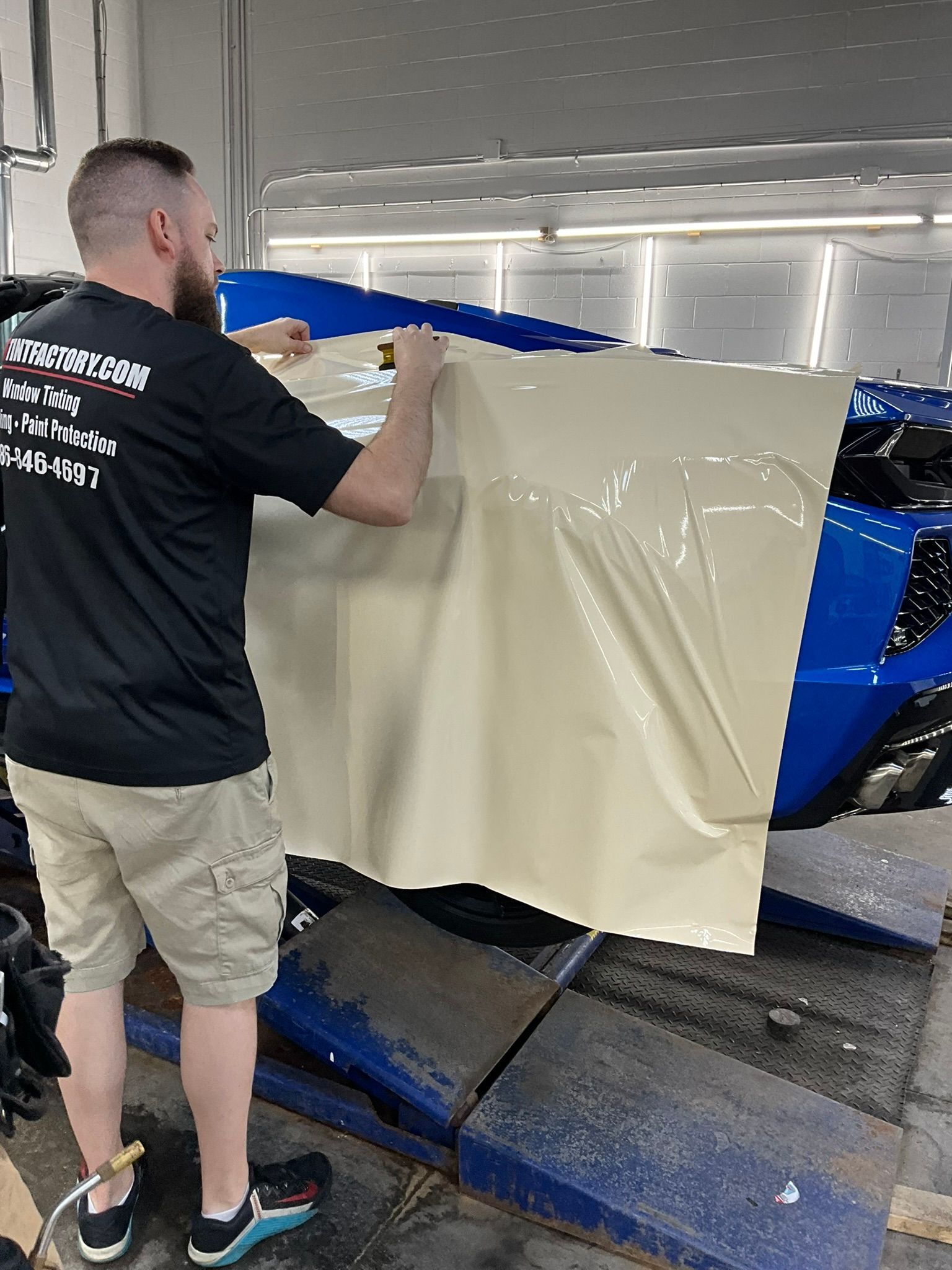
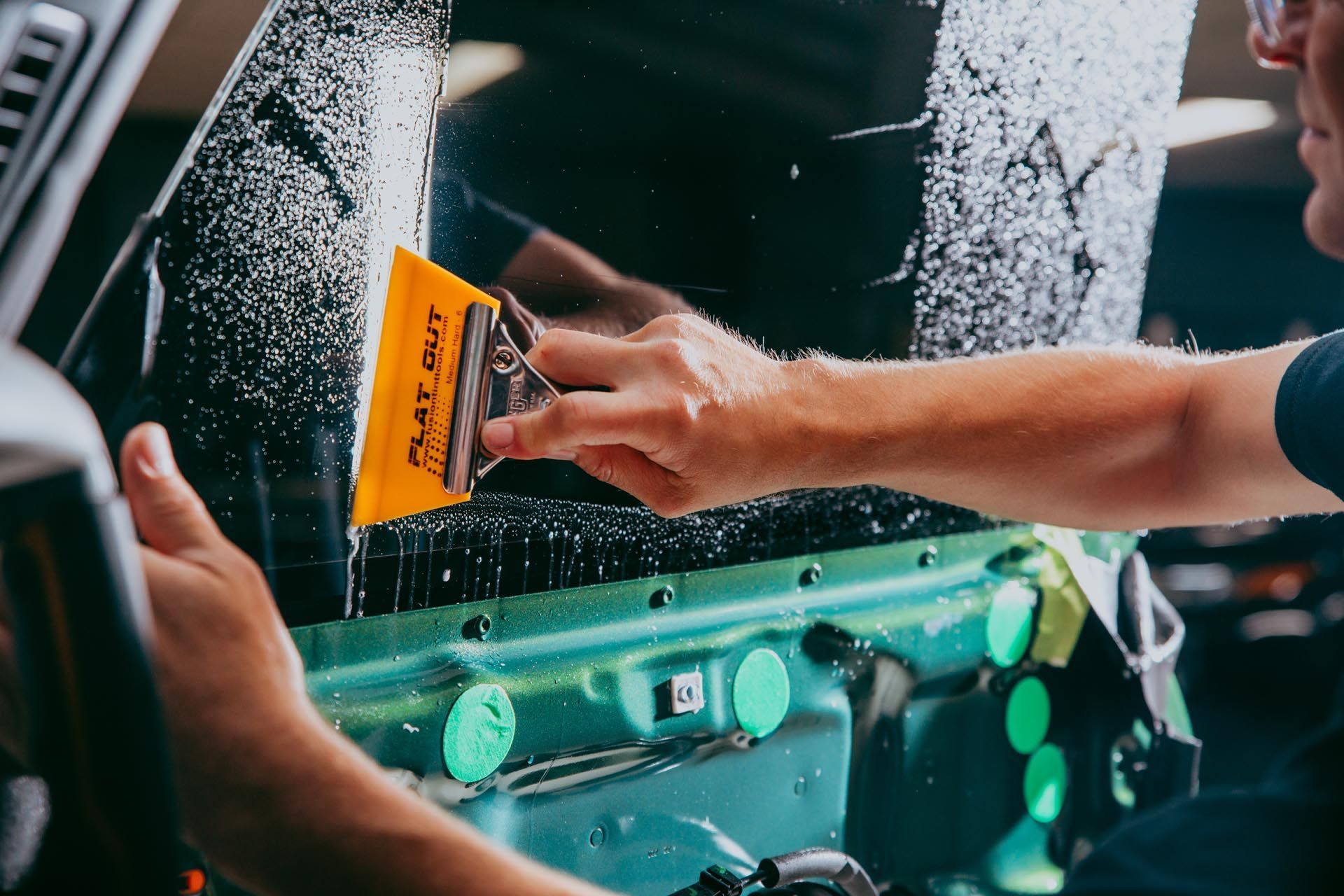
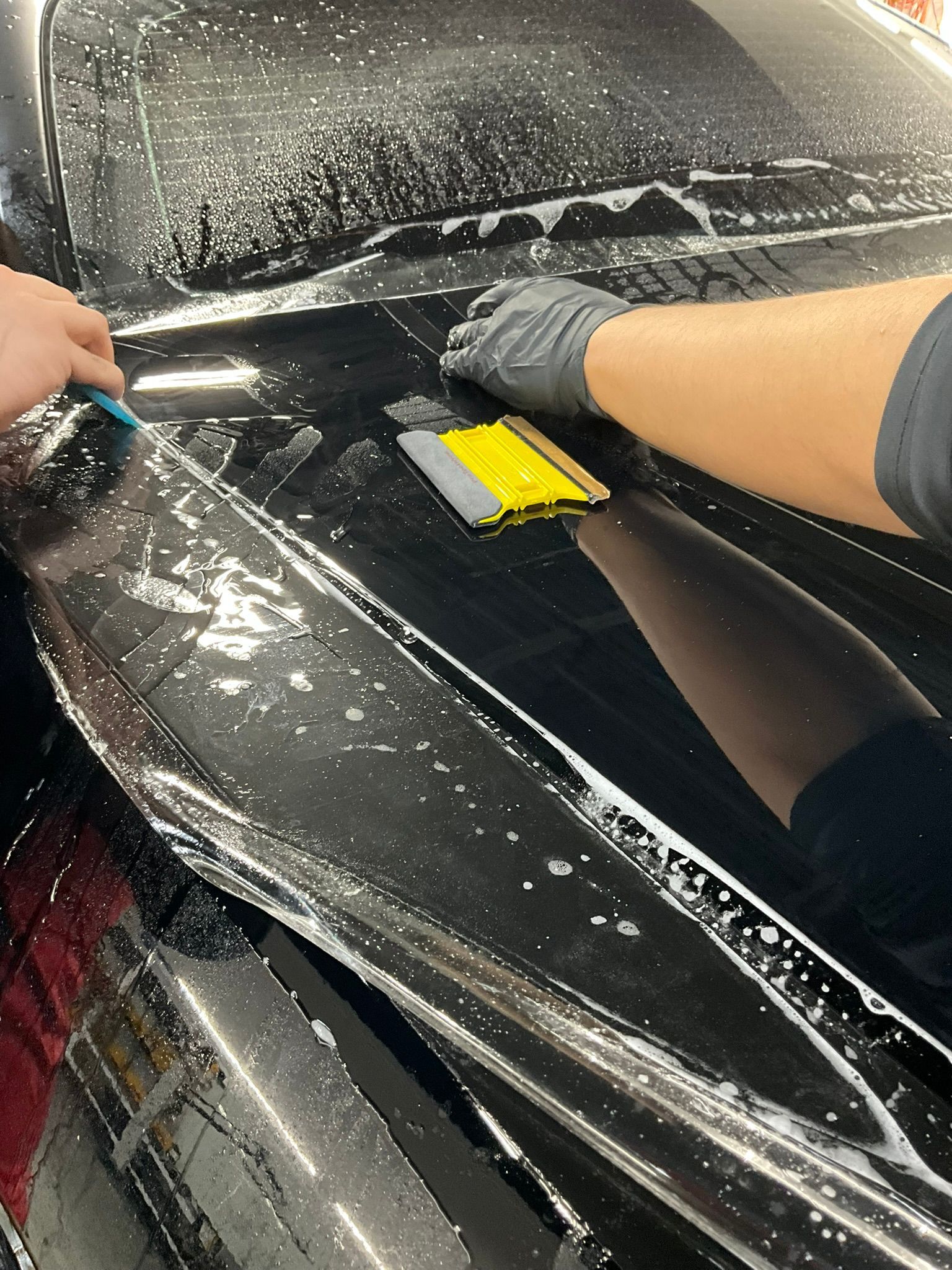
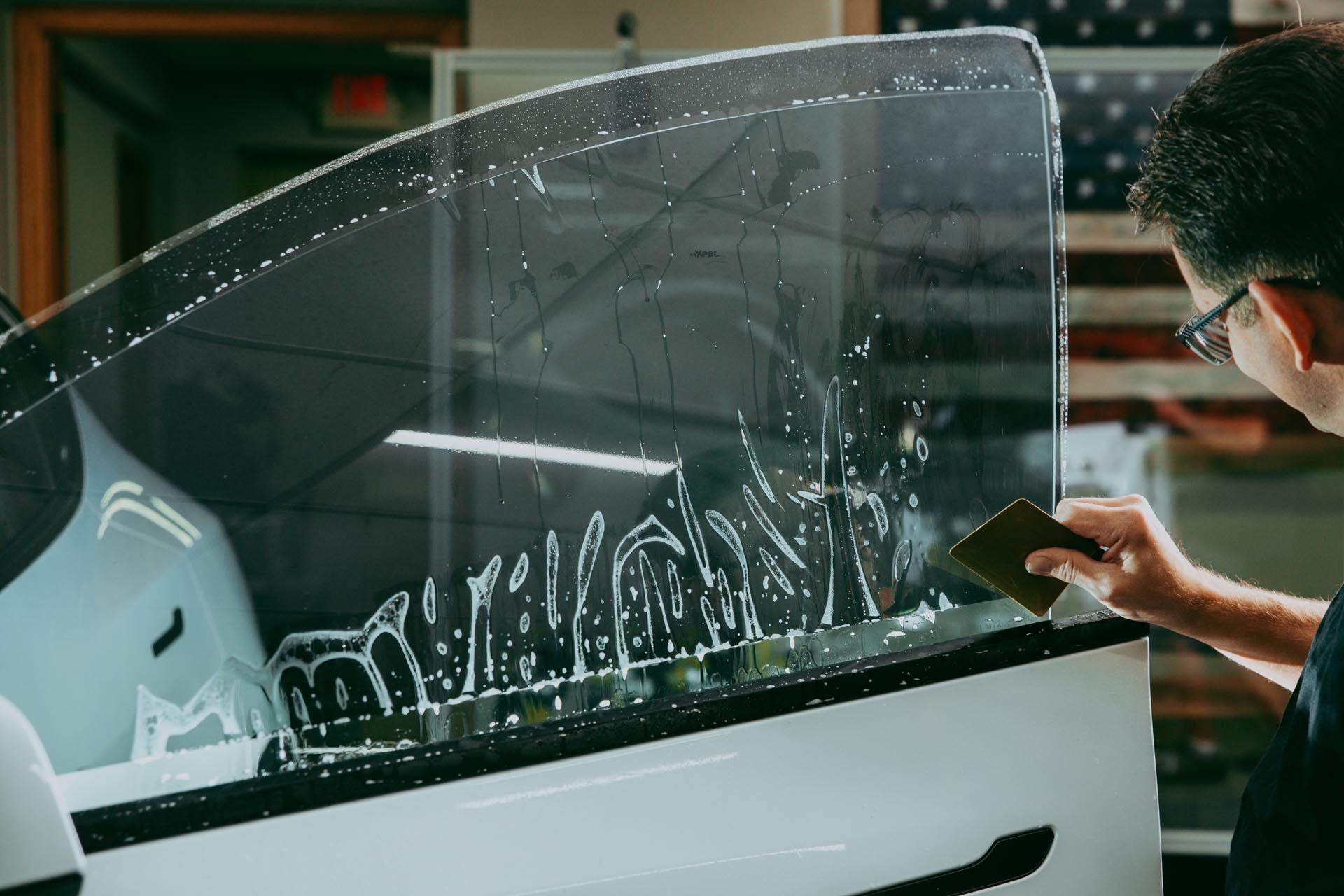
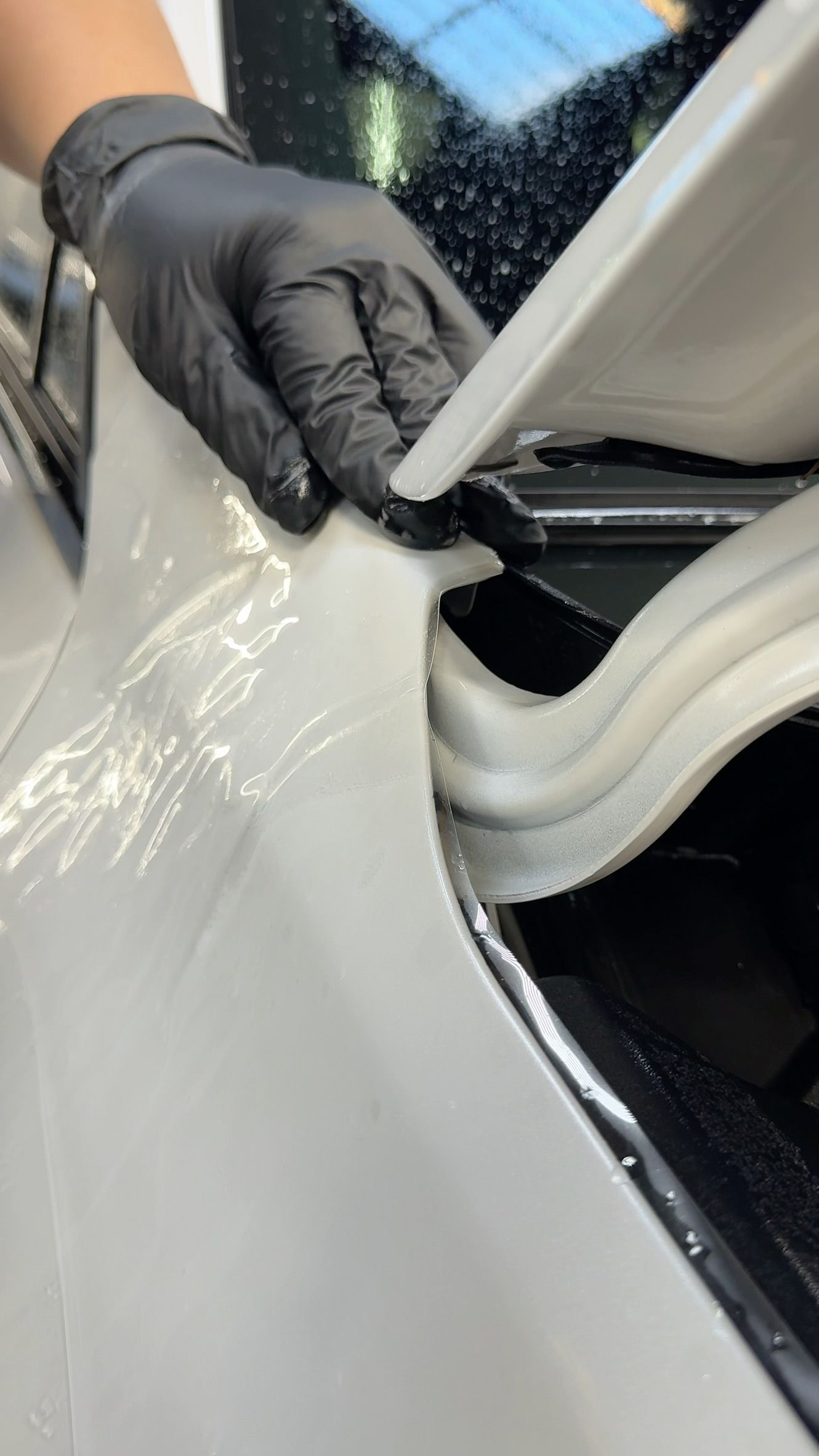
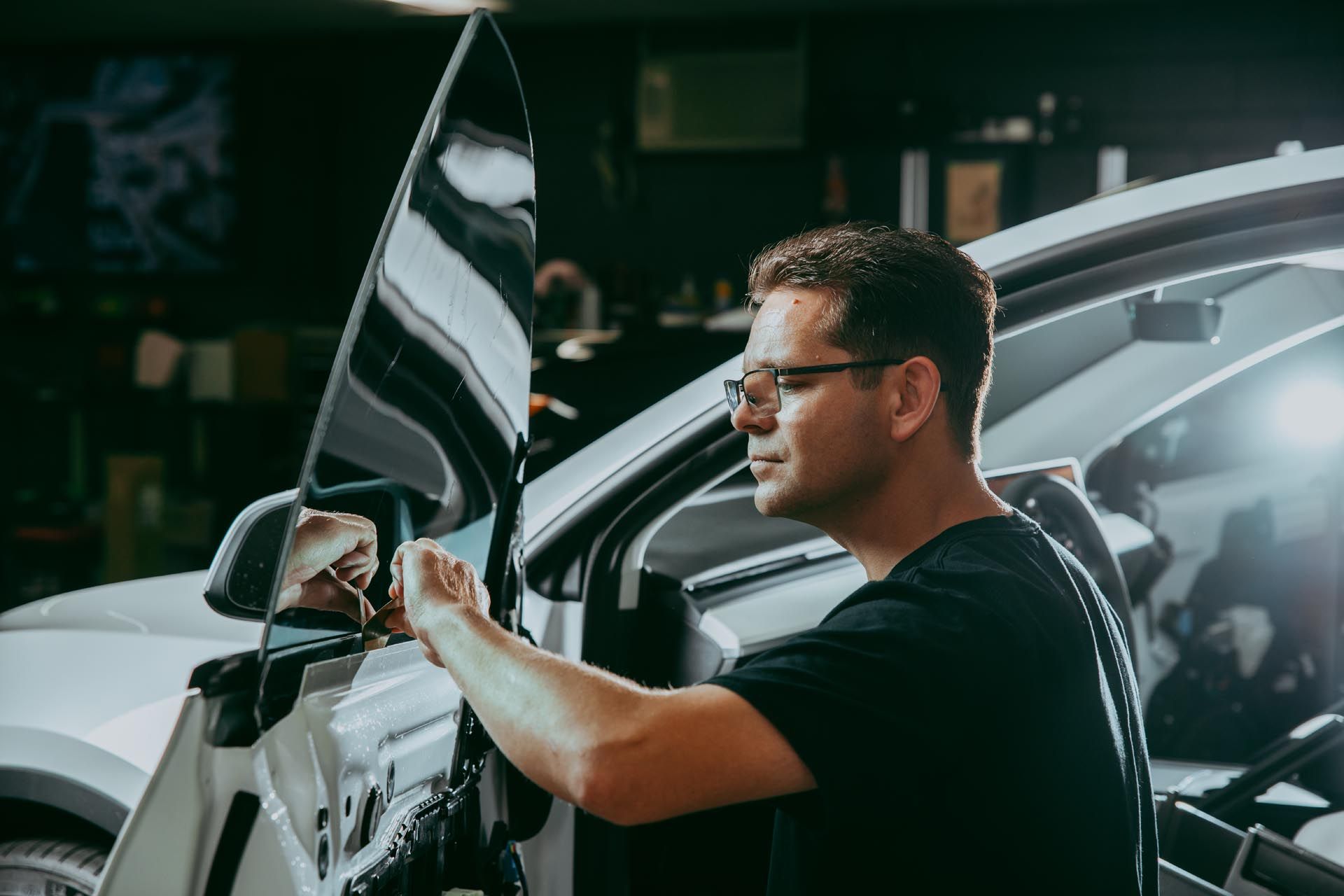
– Hiring a professional ensures a flawless, long-lasting finish. Experts use high-quality films, including ceramic coatings and paint protection films, that provide superior heat rejection and durability. They also have the tools and experience to avoid bubbles and uneven application. Plus, most professional services offer warranties, ensuring your investment is protected.
If you want a quick fix and don’t mind experimenting, DIY might work for you. But if you’re looking for maximum comfort, long-term results, and a professional finish, investing in expert installation is the best choice. A perfect tint job is worth the extra cost!
How Does the Type of Glass Affect the Choice of Window Tint?
Not all window tints work the same on every type of glass! Before selecting a film, it’s important to understand how single-pane, double-pane, and tempered glass interact with different tints. The wrong choice can lead to reduced performance—or even glass damage.
-
Single-Pane vs. Double-Pane Glass
– Single-pane glass is more common in older buildings and is generally compatible with most types of residential window tint and commercial window tint. However, double-pane glass (which consists of two layers with insulating gas in between) requires careful selection. Some high-heat-absorbing films, like metalized or dark ceramic tints, can cause thermal stress, leading to cracks.
-
Compatibility Matters!
– Not all films are safe for every glass type. For example, low-quality or excessively dark tints on double-pane glass can trap too much heat, causing seal failure or even breakage. To avoid this, always choose a tint designed for your glass type and consult a professional installer.
If you’re unsure, go for ceramic coatings or specialized heat-blocking tints that provide maximum protection without risking damage. The right tint enhances comfort and efficiency—without compromising your windows!
What Is the Cost Range for Heat-Blocking Window Tints?
The cost of heat-blocking window tint varies widely depending on the type of tint, quality, and application. Whether you’re tinting your car, home, or office, knowing the price range can help you make an informed decision without overspending.
Price Breakdown by Tint Type –
-
Dyed Tint:
The most affordable option, costing $50–$250 for cars and $4–$6 per square foot for residential or commercial applications. It provides basic heat rejection but fades over time.
-
Metalized Tint
: Mid-range in cost, priced at $100–$500 for vehicles and $6–$8 per square foot for buildings. It offers better heat rejection but may interfere with signals.
-
Ceramic Tint
: The premium choice, ranging from $250–$1,000 for cars and $8–$15 per square foot for residential window tint and commercial window tint. It provides top-tier heat rejection, UV protection, and durability without signal interference.
Comparing Costs for Different Applications –
-
Automotive Window Tinting:
Typically $100–$1,000, depending on the vehicle size and film type.
-
Residential Window Tinting:
Ranges from $5–$15 per square foot, depending on material and labor costs.
-
Commercial Window Tinting:
Costs are similar to residential but may be higher for large buildings or specialized films.
While cheaper tints save money upfront, high-quality films like ceramic coatings last longer and provide better heat rejection, making them a smart long-term investment!
How Does Investing in a High-Quality Window Tint Save Money Over Time?
A high-quality heat-blocking window tint may seem like an upfront expense, but in reality, it’s a long-term investment that saves money in multiple ways. From lower energy bills to prolonged interior lifespan, the right tint can pay for itself over time!
Significant Energy Savings –
One of the biggest benefits of residential window tint and commercial window tint is reduced air conditioning costs. By blocking a large portion of solar heat, high-quality tints keep indoor spaces cooler, meaning your HVAC system doesn’t have to work as hard. This can lead to energy savings of up to 30%—a major reduction, especially in hotter climates!
Protects Interiors from Costly Damage –
Sunlight isn’t just hot—it’s also damaging. Prolonged UV exposure can fade furniture, flooring, and car interiors, leading to expensive replacements. A ceramic coating or premium window tint blocks up to 99% of UV rays, keeping your home, office, and vehicle looking newer for longer.
Long-Term Durability –
While cheaper tints fade and peel over time, high-quality films last 10+ years without losing effectiveness. That means fewer replacements, fewer repairs, and better savings in the long run.
By reducing energy bills, preventing interior damage, and offering long-lasting performance, investing in premium window tint is a smart financial move—not just an aesthetic one!
How Long Do Heat-Blocking Window Tints Last?
When investing in heat-blocking window tint, one of the biggest questions is: How long will it last? The answer depends on the type of tint, environmental conditions, and installation quality. While some films may start to fade or peel within a few years, others can last a decade or more with proper care.
Lifespan by Tint Type –
-
Dyed Window Tint:
The most affordable option but also the least durable, lasting 3–5 years before fading.
-
Metalized Tint:
Stronger than dyed tints, with a lifespan of 5–7 years, but it may interfere with signals.
-
Hybrid Tint
: A mix of dyed and metalized materials, offering 5–10 years of durability.
-
Ceramic Tint:
The premium choice, lasting 10+ years without fading or peeling, thanks to its high-quality materials and superior heat rejection.
Factors That Affect Tint Longevity –
-
Climate:
Extreme heat and constant sun exposure can degrade lower-quality tints faster.
-
Installation Quality:
A professionally installed film lasts much longer than a DIY application.
-
Maintenance:
Regular cleaning with non-abrasive products helps extend the life of the tint.
If longevity is a priority, ceramic coatings and high-quality tints offer the best durability and long-term value, making them worth the investment!
What Are the Best Practices for Maintaining Window Tints?
Investing in heat-blocking window tint is a smart move, but proper maintenance is key to ensuring it lasts as long as possible. The good news? Keeping your residential window tint, commercial window tint, or automotive tint in top shape is easy with the right care routine!
-
Use the Right Cleaning Products –
Not all cleaning solutions are tint-friendly. Avoid ammonia-based cleaners, as they can break down the film over time. Instead, use a mild soap and water solution or a tint-safe glass cleaner. A microfiber cloth or soft sponge is best to prevent scratches.
-
Be Gentle When Cleaning –
Always use light pressure when wiping tinted windows. Scrubbing too hard can cause peeling, bubbling, or scratches. For tough spots, let the cleaner sit for a minute before gently wiping away the grime.
-
Avoid Sharp Objects –
Never use razor blades, rough sponges, or abrasive pads to clean window tints. These can scratch the film and cause premature damage.
-
Let the Tint Fully Cure After Installation –
Newly installed tints take about 3–5 days to fully cure. During this time, avoid rolling down car windows or cleaning the surface to prevent shifting or peeling.
-
Regular Inspections for Damage –
Check for bubbles, peeling, or fading over time. If issues appear, address them early to prevent further deterioration.
By following these best practices, your window tint will remain clear, effective, and long-lasting, giving you maximum comfort and protection for years to come!
How Do You Choose the Best Window Tint Based on Your Specific Needs?
With so many options available, picking the right window tint can feel overwhelming. But don’t worry—I’ve got you covered! The best choice depends on your climate, vehicle type, property needs, and personal preferences. Let’s break it down.
-
Consider Your Climate –
Live in a hot, sunny area? A ceramic window tint is ideal since it blocks maximum heat and UV rays without interfering with visibility. In milder climates, a dyed film can provide enough heat reduction at a lower cost.
-
Vehicle vs. Property Needs –
For cars, heat rejection, glare reduction, and privacy are key factors. Ceramic coating films work great since they don’t interfere with radio signals or GPS. For homes or offices, consider residential window tint or commercial window tint with high Total Solar Energy Rejection (TSER) to keep indoor temperatures comfortable and energy bills low.
-
Balancing Privacy and Visibility –
If privacy is a concern, go for a darker tint with low Visible Light Transmission (VLT). However, for better nighttime visibility, a lighter film with UV and heat rejection may be a smarter choice.
-
Legal Considerations –
Before committing, check your local tinting laws. Some areas restrict how dark your automotive window tint can be, so knowing the rules can save you from fines.
By identifying what matters most—whether it’s heat reduction, privacy, durability, or legal compliance—you can confidently choose the best window tint for your needs!
Conclusion: The Smart Choice for Comfort and Protection
Choosing the best heat-blocking window tint isn’t just about aesthetics—it’s a game-changer for comfort, energy efficiency, and long-term savings. Throughout this article, we’ve explored the different types of tints, their effectiveness, and how to select the right one for your needs. Whether you’re upgrading your car, home, or office, the right tint can block excessive heat, reduce glare, and enhance privacy without sacrificing visibility.
One of the biggest benefits? Energy savings! By minimizing solar heat gain, a high-quality tint lowers indoor temperatures, reducing the need for constant air conditioning. This means lower energy bills and a more comfortable living or driving experience. Additionally, UV protection prevents furniture, flooring, and car interiors from fading, saving you from costly replacements down the road.
But making the right choice means considering climate, legal restrictions, and specific needs. Ceramic window tint stands out for its superior heat rejection, clarity, and durability, while metalized and dyed films offer more budget-friendly solutions. Understanding Visible Light Transmission (VLT) and how different glass types interact with tints is also crucial to ensure the best results.
At the end of the day, investing in high-quality window tinting is an easy yet effective way to increase comfort, protect interiors, and boost efficiency—whether it’s for your car, home, or commercial space. So, take the time to research, choose wisely, and enjoy the cooler, more comfortable environment that the right window tint can provide!