Does PPF Really Prevent Scratches? A Look at Its Effectiveness

January 11, 2025
Introduction

For car owners, maintaining a flawless paint finish is a top priority. Unfortunately, scratches and swirl marks can appear from everyday driving, parking lot mishaps, or even improper washing techniques. Whether caused by road debris, harsh weather, or accidental contact, these imperfections can significantly affect a car’s appearance and resale value.

Many vehicle owners turn to automotive paint protective film (PPF) as a solution to safeguard their paint from damage. This PPF film is a transparent, high-strength urethane material designed to provide a physical barrier between your car’s exterior and external hazards. With advanced self-healing properties and impact resistance, car PPF is often praised as the best option for long-term paint protection. But how well does it really work?

If you’ve been searching for a paint protection film near me, you might be wondering whether it can fully prevent scratches or if it only minimizes their impact. While auto paint protection film is highly effective in protecting against surface-level damage and minor abrasions, it’s important to understand its limitations. Not all scratches are the same, and while car paint protective film can absorb many impacts, deep gouges from sharp objects may still reach the original paint if enough force is applied.

This article will explore the effectiveness of PPF film, how it compares to other protective solutions, and whether it truly prevents scratches in real-world scenarios. We’ll also discuss how to maximize its performance and when it might be time for a replacement. If you’re considering PPF near me for your vehicle, this guide will help you make an informed decision on whether it’s the best option for your needs.

Let’s take a closer look at how car PPF works and whether it’s the ultimate solution for preventing scratches!

Understanding How Scratches Occur on Car Paint

Scratches on a car’s paintwork are not only frustrating but can also affect the vehicle’s overall value and appearance. Whether they are minor surface imperfections or deep gouges, scratches can make a car look older and neglected. To fully understand the importance of automotive paint protective film (PPF) , it’s essential to recognize the different types of scratches, their causes, and why prevention is always better than repair.


Types of Scratches: Surface, Clear Coat, and Deep Paint Damage

Not all scratches are the same—some are purely cosmetic, while others require costly repairs.

  • Surface Scratches – These are light marks that only affect the topmost layer of the clear coat. They can often be polished out but still degrade the car’s finish over time.
  • Clear Coat Scratches – These penetrate deeper into the clear coat and are more visible. While polishing or waxing may reduce their appearance, they can still weaken the paint’s protection.
  • Deep Paint Damage – These scratches go beyond the clear coat and reach the base paint or even the metal panel underneath. At this stage, car PPF or protective coatings are no longer effective, and repainting may be required.

Common Causes of Car Scratches

Several everyday occurrences can lead to scratches on a vehicle’s paint:

  • Road Debris – Small rocks and gravel kicked up from the road can leave chips and scratches. Installing PPF film helps absorb these impacts.
  • Automated Car Washes – The bristles and spinning brushes in car washes can cause micro-abrasions. Auto paint protection film prevents this damage by creating a shield over the paint.
  • Improper Cleaning Techniques – Using dirty sponges, rough towels, or dry wiping can leave fine scratches on the surface.


Why Prevention is Better Than Repair

Repairing scratches, especially deep ones, can be expensive and time-consuming. Instead of constantly fixing paint damage, investing in car paint protective film helps prevent scratches in the first place. If you’re looking for a paint protection film near me, professional car PPF installation is a proactive solution to keeping your vehicle’s paint in pristine condition.

What is Paint Protection Film (PPF) and How Does It Work?

Car owners looking to protect their vehicle’s paint from scratches, chips, and other damage often turn to automotive paint protective film (PPF) as the best solution. Unlike waxes and ceramic coatings, which provide a thin protective layer, PPF film offers physical defense against environmental hazards, road debris, and daily wear.


Overview of Automotive Paint Protective Film

Car PPF is a transparent, urethane-based film applied over a vehicle’s exterior surfaces. Originally developed for military use to protect helicopter blades from debris, this auto paint protection film has evolved into a cutting-edge solution for cars, trucks, and motorcycles. Its ability to act as an invisible shield makes it one of the most effective ways to maintain a car’s pristine finish while protecting it from scratches, rock chips, and minor abrasions .


The Material Composition and Self-Healing Properties of PPF Film

High-quality car paint protective film is made from a multi-layered elastomeric polymer material. This flexible and durable construction allows the film to absorb impacts rather than letting them penetrate the paint.

One of the biggest advantages of PPF film is its self-healing technology. When exposed to heat—either from the sun or a heat gun—the film’s top layer can “heal” minor scratches and swirl marks, restoring itself to a smooth, like-new appearance. This means that minor imperfections disappear over time, keeping your car looking flawless.

How Car PPF Absorbs Impacts and Protects Against Damage

The auto paint protection film forms a protective barrier that absorbs impacts from road debris, gravel, bugs, and other abrasive materials. Instead of the paint bearing the brunt of the damage, PPF film disperses the energy, preventing scratches and chips.

For those looking for paint protection film near me, professional installation ensures the best performance and longevity. PPF applications near me offer seamless coverage, providing unparalleled protection for any vehicle.

Can PPF Film Fully Prevent Scratches?

Many car owners turn to automotive paint protective film (PPF) as the ultimate solution for keeping their vehicle’s exterior flawless. While PPF film is highly effective in reducing the risk of scratches, it’s important to understand that there is a difference between scratch resistance and scratch proofing.

The Difference Between Scratch Resistance and Scratch Proofing

When searching for paint protection film near me, many drivers expect car PPF to completely eliminate the risk of scratches. However, it’s essential to clarify that PPF film offers scratch resistance, not scratch proofing.

  • Scratch-resistant means the film can absorb minor abrasions, deflect road debris, and self-heal surface-level imperfections.
  • Scratch-proof would imply that the film is completely immune to all damage, which is not the case. No material can entirely prevent scratches under extreme conditions.

How Auto Paint Protection Film Minimizes Surface Damage

The auto paint protection film serves as a physical barrier between your car’s paint and external elements. Here’s how it works:

  • Absorbs impacts from small stones, road debris, and dirt, preventing them from reaching the paint.
  • Self-healing properties reduce the appearance of swirl marks and minor abrasions when exposed to heat.
  • Adds a flexible protective layer , allowing the film to take the brunt of damage instead of the car’s clear coat.

Situations Where Car Paint Protective Film May Not Prevent Deep Scratches

While PPF near me installations provide excellent protection, deep scratches may still occur in extreme scenarios:

  • Sharp objects (keys, knives, or aggressive contact) can penetrate through PPF film .
  • High-speed road debris with significant force may cause paint damage beneath the film .
  • Poor maintenance or aging film can weaken its resistance over time.


Ultimately, while car paint protective film offers outstanding protection against most everyday scratches, no film is completely scratch-proof. Investing in PPF film still remains one of the best ways to safeguard your car’s paint and minimize damage risks.

Comparing PPF with Other Paint Protection Methods

When it comes to protecting your car’s paint, several options are available, including paint protection film (PPF), ceramic coatings, waxes, and sealants. Each method offers a different level of protection, but if scratch resistance is your priority, it’s important to understand which one performs best.

PPF vs. Ceramic Coating: Which Offers Better Scratch Resistance?

Both PPF film and ceramic coatings are popular choices, but they serve different purposes.

  • PPF film is a physical barrier that absorbs impacts, road debris, and minor abrasions, preventing damage from reaching the car’s paint. It can also self-heal light scratches when exposed to heat.
  • Ceramic coating , on the other hand, is a liquid polymer that bonds to the paint, creating a hydrophobic layer that repels water, dirt, and UV rays. While it helps prevent contaminants from sticking, it does not offer impact resistance or self-healing capabilities like car PPF.

For scratch resistance, auto paint protection film is the superior choice. However, some car owners combine both—applying PPF film first for physical protection and then adding a ceramic coating for enhanced gloss and water repellency.

How Waxes and Sealants Compare to PPF Near Me

Waxing and sealants are traditional paint protection methods, but they are not nearly as effective as car paint protective film .

  • Wax offers aesthetic benefits, such as enhanced shine and water repellency, but it wears off quickly (typically within weeks). It does not provide any physical protection against scratches or rock chips.
  • Sealants last longer than wax (several months) and add a protective layer against UV damage and minor contaminants. However, like wax, they do not prevent scratches.

While PPF near me provides long-term physical defense, waxes and sealants are more about appearance enhancement rather than actual scratch resistance.

Why Car PPF is Considered the Best Physical Protection for Scratches

Unlike wax, sealants, or ceramic coatings, car PPF is the only solution that offers a physical barrier against scratches, rock chips, and minor abrasions. Its self-healing properties, impact absorption, and durability make it the most effective way to keep a car’s paint flawless for years.

For those searching for paint protection film near me, investing in PPF film is the best decision to ensure long-term scratch prevention and ultimate paint protection.

Real-World Performance of Paint Protection Film

Many car owners consider automotive paint protective film (PPF) the best defense against scratches, rock chips, and minor abrasions. But how well does PPF film actually perform in real-world conditions? To understand its effectiveness, let’s explore case studies, customer experiences, and expert insights on the durability of car PPF.

Case Studies: How Paint Protection Film Near Me Has Protected Cars from Scratches

Several real-world tests have demonstrated the effectiveness of PPF near me installations:

  • Highway Driving Protection – Vehicles with auto paint protection film installed on high-impact areas like the front bumper, hood, and side mirrors showed significantly fewer rock chips and scratches compared to unprotected cars.
  • Off-Road Vehicles – SUVs and trucks equipped with car paint protective film maintained a pristine finish even after driving through dirt roads, where debris and gravel typically cause scratches.
  • Daily City Driving – Many car owners report that PPF film prevents damage from minor parking lot accidents, door dings, and car wash abrasions.

Testimonials from Car Owners Using Auto Paint Protection Film

Car enthusiasts and everyday drivers who invested in PPF film frequently praise its performance:

  • “After installing car PPF, I’ve noticed a huge difference—no more chips or swirl marks, even after long road trips.”
  • “I was skeptical, but after seeing my friend’s car stay scratch-free for years, I searched for a paint protection film near me and got it applied. Best decision I’ve made!”
  • “My PPF self-heals minor scratches, making my car look like new even after years of use.”

Expert Insights on the Durability of PPF Film

Industry experts agree that auto paint protection film is the most reliable solution for preventing paint damage. With proper maintenance, high-quality PPF near me applications can last 5 to 10 years , protecting a car’s original paint from scratches, UV exposure, and environmental wear .

For those seeking long-term scratch prevention, car paint protective film remains a proven and effective solution.

Factors That Affect PPF’s Scratch Resistance

While automotive paint protective film (PPF) is known for its durability and ability to minimize paint damage, its effectiveness in resisting scratches depends on several key factors. Understanding these elements can help car owners choose the best PPF film and ensure it provides maximum protection.

How PPF Film Thickness Impacts Performance

One of the biggest factors influencing car PPF performance is thickness.

  • Standard PPF film thickness typically ranges from 6 to 10 mils (thousandths of an inch). Thicker films offer better impact absorption and can prevent scratches more effectively.
  • Thinner films may still provide protection against minor abrasions , but they may not be as effective against deep scratches and rock chips .
  • Some high-performance auto paint protection films come with multiple layers , adding durability while maintaining flexibility.

When searching for PPF near me, choosing the right thickness ensures optimal scratch resistance.

The Role of Self-Healing Technology in Car PPF

Modern car paint protective film comes with self-healing properties , which play a crucial role in maintaining a scratch-free surface.

  • Self-healing technology allows the film’s surface to repair minor scratches and swirl marks when exposed to heat (sunlight or a heat gun).
  • This feature extends the film’s lifespan, keeping the car’s exterior smooth and flawless .
  • However, self-healing PPF film has limits—it does not repair deep scratches or punctures caused by extreme force.

Why Professional PPF Near Me Installation Improves Protection

The installation quality of paint protection film near me greatly impacts its effectiveness.

  • Professional installers ensure a bubble-free, seamless application , maximizing the film’s ability to resist damage.
  • Incorrect installation (such as stretching the film too thin) can weaken its scratch resistance .
  • Certified PPF near me providers use precision-cut templates to ensure perfect coverage for all vehicle surfaces.


For long-term protection, choosing high-quality car PPF and professional installation ensures maximum scratch resistance and durability.

Best Practices for Maximizing PPF’s Effectiveness

Investing in automotive paint protective film (PPF) is one of the best ways to protect your car’s paint from scratches and damage. However, to ensure that your PPF film remains effective and lasts as long as possible, proper maintenance and care are essential. Following these best practices will help maximize the performance of your car PPF and keep your vehicle looking flawless for years.

Proper Maintenance and Cleaning Techniques

Regular cleaning is crucial to maintaining the appearance and durability of auto paint protection film. Follow these cleaning tips:

  • Use a pH-neutral car wash soap – Harsh chemicals can degrade the car paint protective film over time. A gentle, pH-balanced soap is the best option.
  • Wash with microfiber cloths or soft sponges – Using rough materials can cause micro-abrasions on the film’s surface.
  • Hand wash whenever possible – Automated car washes with rotating brushes can scratch or lift the edges of the PPF film .

What to Avoid to Prevent Damage to Automotive Paint Protective Film

Certain cleaning habits and environmental factors can shorten the lifespan of PPF near me applications. Avoid the following:

  • Abrasive scrubbing tools – Hard-bristle brushes and aggressive sponges can scratch or damage the PPF film .
  • Strong solvents and petroleum-based cleaners – These chemicals can weaken the adhesive layer of the auto paint protection film, causing peeling or discoloration.
  • High-pressure washing too close to edges – This can lift and separate the paint protection film near me, reducing its effectiveness.

How to Extend the Lifespan of Auto Paint Protection Film

A well-maintained car PPF can last 5 to 10 years . Here’s how to extend its durability:

  • Apply a ceramic coating over PPF for added protection and easier cleaning.
  • Park in shaded areas or use a car cover to reduce UV exposure.
  • Schedule professional PPF inspections to check for wear and replace damaged sections if needed.


By following these
best practices , you can ensure your PPF film remains highly effective in protecting your vehicle’s paint for years to come.

When to Replace Your Car PPF for Optimal Protection

While automotive paint protective film (PPF) is designed to be durable and long-lasting, it does not last forever. Over time, PPF film may show signs of wear, reducing its ability to protect your car’s paint from scratches, rock chips, and environmental damage. Knowing when to replace your car PPF is essential for maintaining optimal protection.


Signs That Your Car Paint Protective Film Needs Replacement

There are several clear indicators that your auto paint protection film may need to be replaced:

  • Yellowing or Discoloration – Older or low-quality PPF film can turn yellow due to prolonged UV exposure, affecting the car’s appearance.
  • Peeling or Lifting Edges – If the film starts peeling , dirt and moisture can seep underneath, leading to reduced protection.
  • Visible Scratches and Damage – While self-healing car paint protective film can repair minor abrasions, deep scratches or punctures that penetrate the film mean it’s time for a replacement.
  • Loss of Gloss and Clarity – A worn-out PPF near me application may appear dull or cloudy, reducing the car’s aesthetic appeal.

How Long PPF Film Typically Lasts

On average, high-quality paint protection film near me can last 5 to 10 years , depending on:

  • Environmental exposure – Extreme sun, rain, and pollutants can shorten its lifespan.
  • Maintenance habits – Regular cleaning with gentle techniques helps prolong its durability.
  • Film quality and installation – Premium PPF film from trusted brands, professionally installed, lasts longer than low-quality DIY alternatives.

Finding a Reliable Paint Protection Film Near Me Installer for Reapplication

When it’s time to replace your auto paint protection film, finding a professional PPF installer ensures proper removal and reapplication. Look for:

  • Certified installers with experience in PPF film applications.
  • Positive customer reviews and a track record of quality service.
  • A warranty-backed replacement to guarantee long-term protection.


By recognizing the signs of wear and seeking professional PPF near me services, you can ensure your car remains protected for years to come.

Conclusion

Protecting a car’s paint from scratches is a top priority for many vehicle owners, and automotive paint protective film (PPF) has proven to be one of the most effective solutions. While no material is entirely scratch-proof, PPF film offers exceptional resistance by acting as a physical barrier against road debris, minor abrasions, and environmental contaminants.

Understanding how scratches occur, the performance of car PPF, and how it compares to other protective methods is essential for making an informed decision. Unlike waxes and ceramic coatings, which primarily enhance shine and provide chemical resistance, auto paint protection film delivers real impact absorption and self-healing capabilities, making it the best defense against scratches and chips.

While PPF film significantly reduces the risk of paint damage, its effectiveness depends on several factors, including film thickness, self-healing technology, and professional installation. Searching for PPF near me and choosing a certified installer ensures maximum durability and long-term performance. Additionally, proper maintenance, such as using gentle cleaning methods and avoiding harsh chemicals, helps extend the lifespan of the car paint protective film.

Over time, paint protection film near me applications may require replacement due to wear, discoloration, or peeling edges. Recognizing these signs and opting for high-quality reinstallation ensures that your vehicle continues to benefit from superior protection.

For car owners looking for long-term scratch resistance, PPF film remains the best investment. While it cannot completely eliminate deep scratches under extreme conditions, it minimizes damage better than any other protective solution on the market. If you’re serious about maintaining your car’s flawless finish, car PPF is the most effective safeguard available today.

July 7, 2026
When it comes to window tinting, car owners have more options today than ever before. Two of the most popular choices are dyed window tint and ceramic window tint. Both types serve the basic purpose of darkening your windows for privacy and aesthetics, but they differ significantly in performance and longevity. So, ceramic vs. dyed tint: which one is worth it? In this article, we’ll compare these two tint types in terms of heat rejection, UV protection, longevity, appearance, and cost. By the end, you’ll have a clear understanding of the pros and cons of each, and which might be the better investment for your vehicle. Local Expertise: At 586 Tint Factory – a Clinton Township-based business serving Macomb, Oakland, and Wayne Counties – we’ve installed thousands of tinted windows. We pride ourselves on quality service, years of experience, and customer satisfaction. We know what works best for Michigan drivers, and we’re here to share our expertise. Let’s dive into the comparison! Heat Rejection Performance One of the biggest differences between dyed and ceramic tint is how well they keep your car cool. Michigan summers can get hot and sunny, so heat rejection is a key factor. Dyed Tint: Dyed window film provides a basic level of heat reduction by absorbing some of the sunlight’s energy. This can take the edge off a hot day, but it’s not the most effective solution for cooling. Standard dyed tints lack the advanced infrared-blocking technology found in higher-end films. In fact, regular dyed tint offers only limited heat rejection – it can slightly reduce the sun’s glare and heat, but it won’t dramatically cool your cabin in sweltering conditions​. If your main goal is to reduce interior temperatures, dyed tint may leave you wanting more relief on extremely hot days. Ceramic Tint: Ceramic window tint is the gold standard for heat rejection. These films are infused with nano-ceramic particles that block a significant portion of solar heat, especially the infrared radiation (IR) that is largely responsible for that burning hot feeling inside a car. A high-quality ceramic tint can reject a much higher percentage of heat compared to dyed film. In fact, some premium ceramic films block up to 90–98% of infrared heat​, resulting in a noticeably cooler car interior. This means even on a blistering summer afternoon, a car with ceramic tint will stay more comfortable, putting less strain on your air conditioning. Heat Rejection – Bottom Line: If keeping your car cool is a top priority, ceramic tint clearly outperforms dyed tint in this category. Dyed tint does help somewhat, but ceramic films provide far superior heat rejection, making a real difference in cabin comfort on hot days​.
July 7, 2026
If you’re thinking about tinting your car windows and you live in Michigan, you’ve probably asked yourself: Is window tinting legal in Michigan? The short answer is yes, but with some clear rules you need to follow. At 586 Tint Factory in Clinton Township, we make sure your tint looks great and stays legal.  In this guide, we’ll break down Michigan’s tinting laws, cover common questions, and explain how to avoid tickets or inspection issues. We proudly serve Clinton Township, Sterling Heights, Fraser, Roseville, Mount Clemens, Macomb, and other nearby cities in the Metro Detroit area.
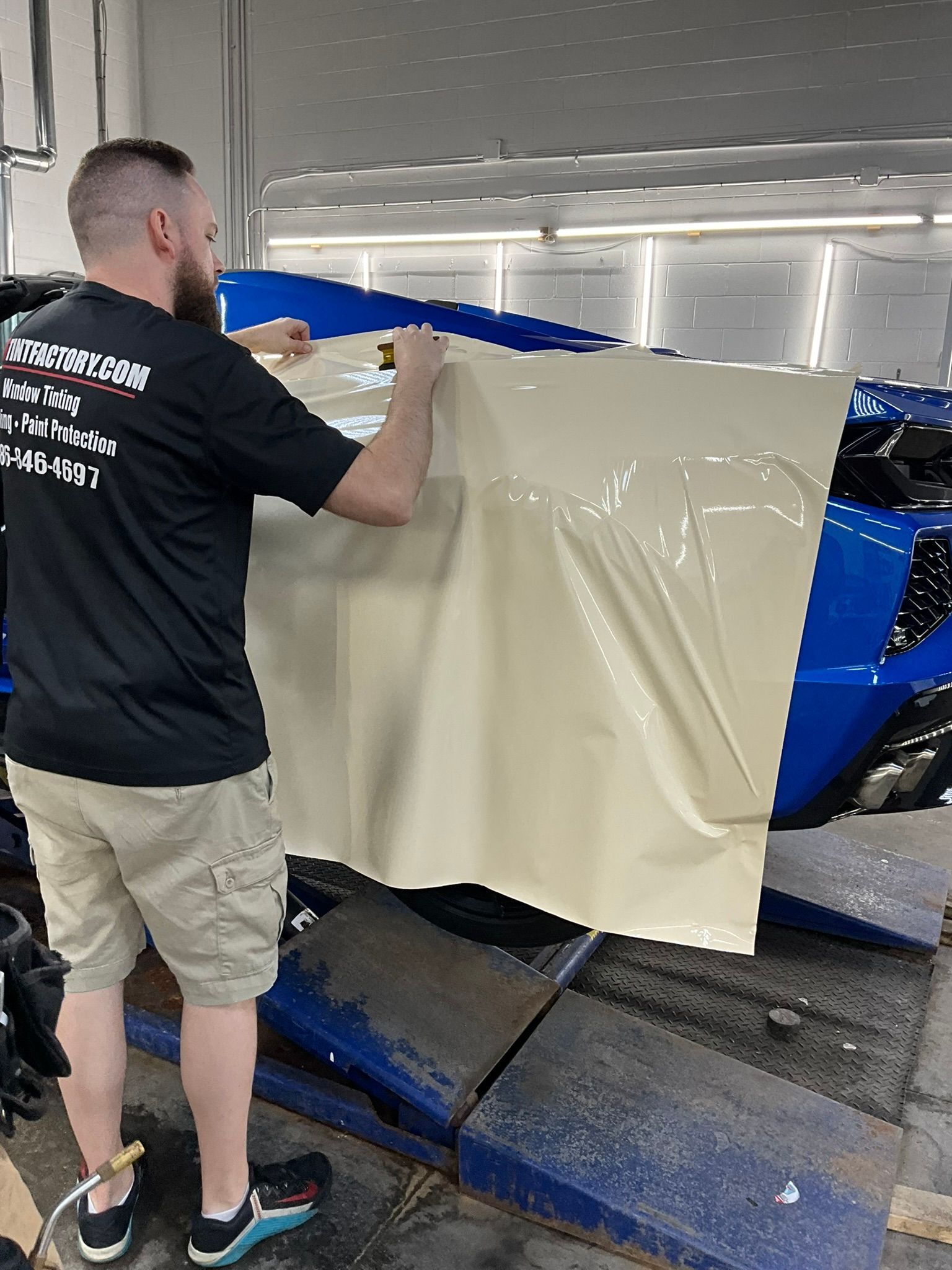
Man covering blue machinery with beige plastic sheeting in a workshop
By Shawn Winters June 1, 2025
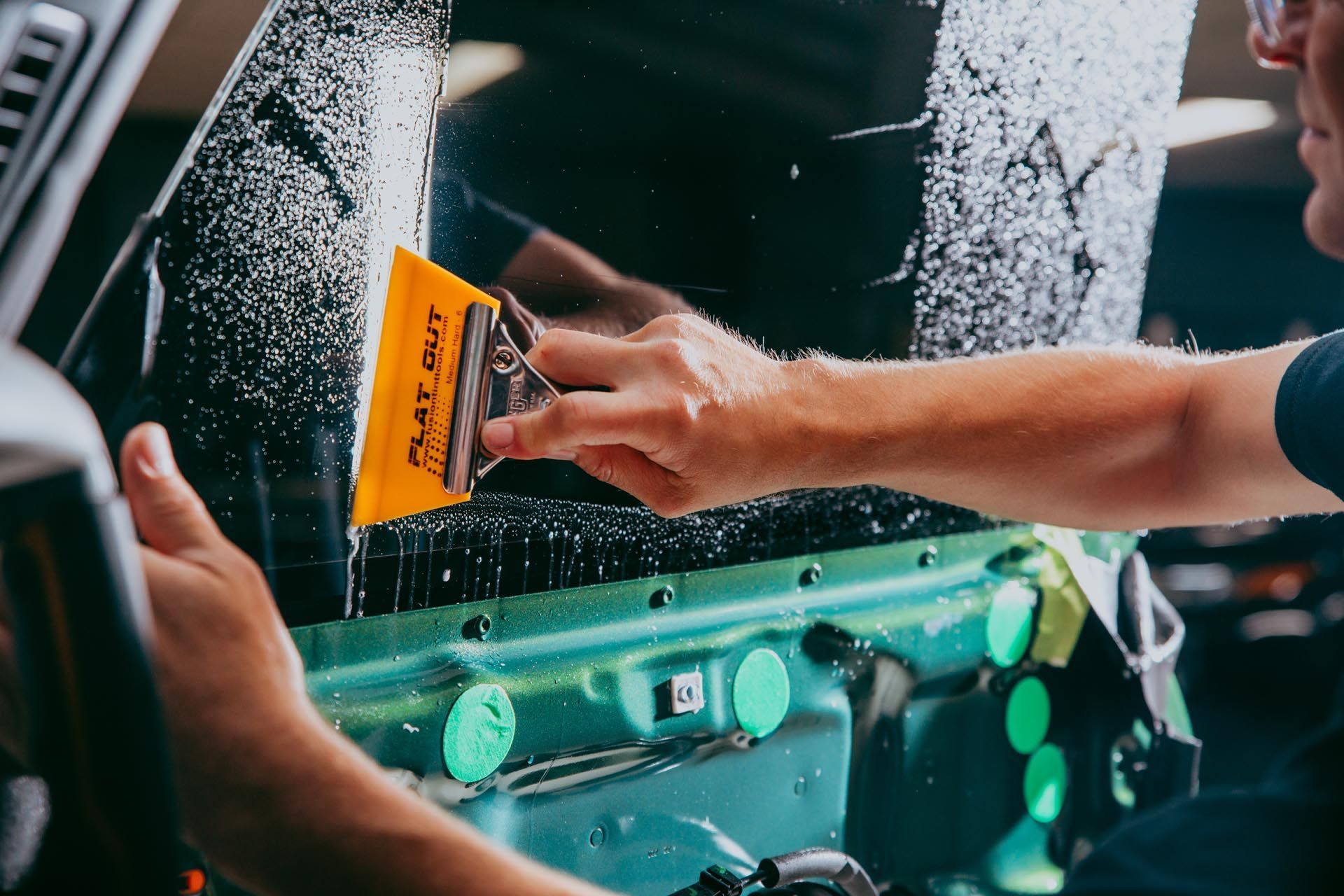
When it comes to protecting your car’s paint, you have more options than ever before. Two of the most popular choices are Paint Protection Film (PPF) and Vinyl Wrap, but which one truly offers the best protection for your vehicle?
By Shawn Winters May 26, 2025
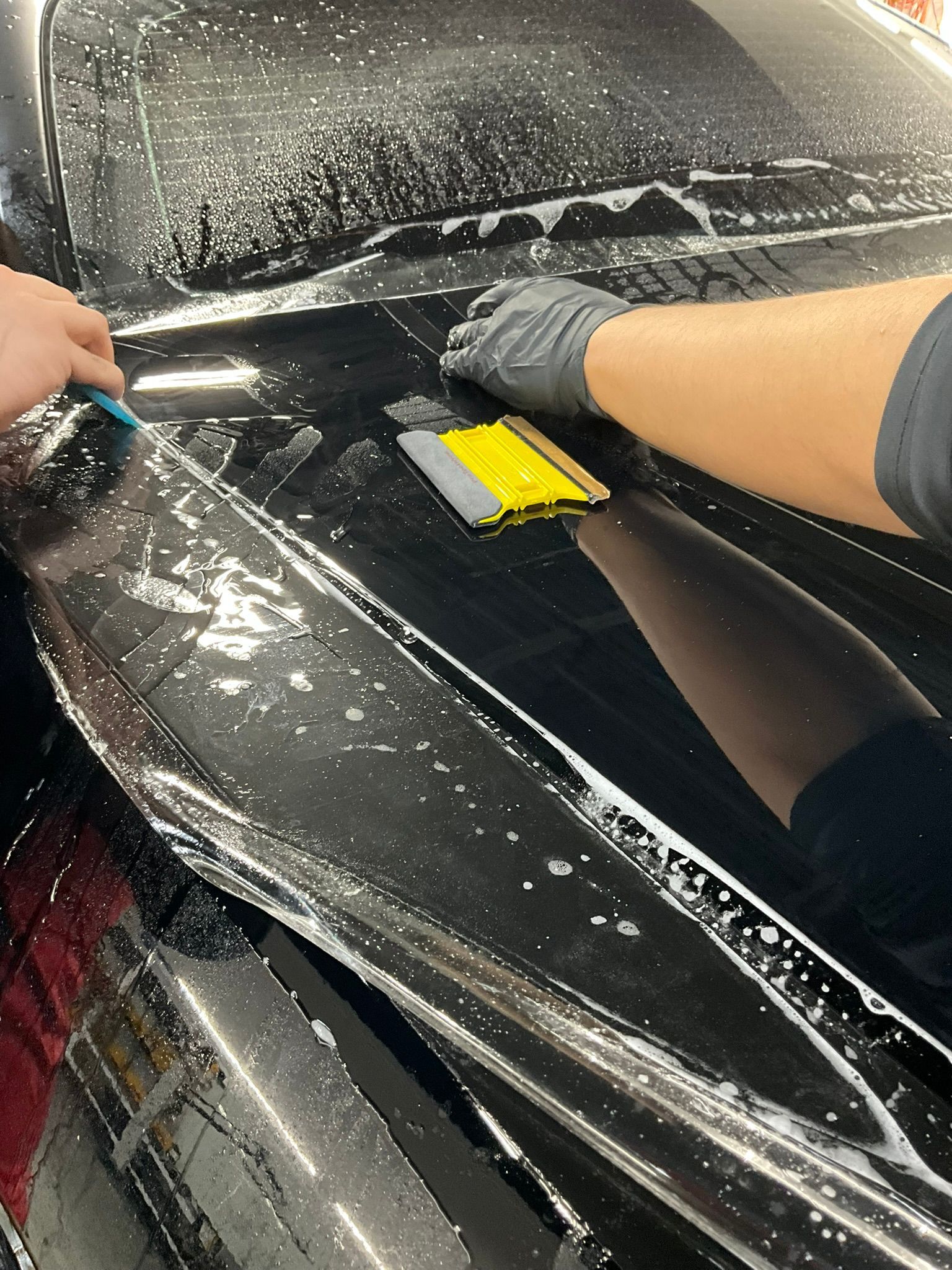
When it comes to window tinting, most people focus on how dark or stylish the film looks—but there’s more to it than just aesthetics. The percentage of your window tint plays a crucial role in how effective it is, how comfortable your ride feels, and ultimately, how much value it adds to your investment.
By Shawn Winters May 26, 2025
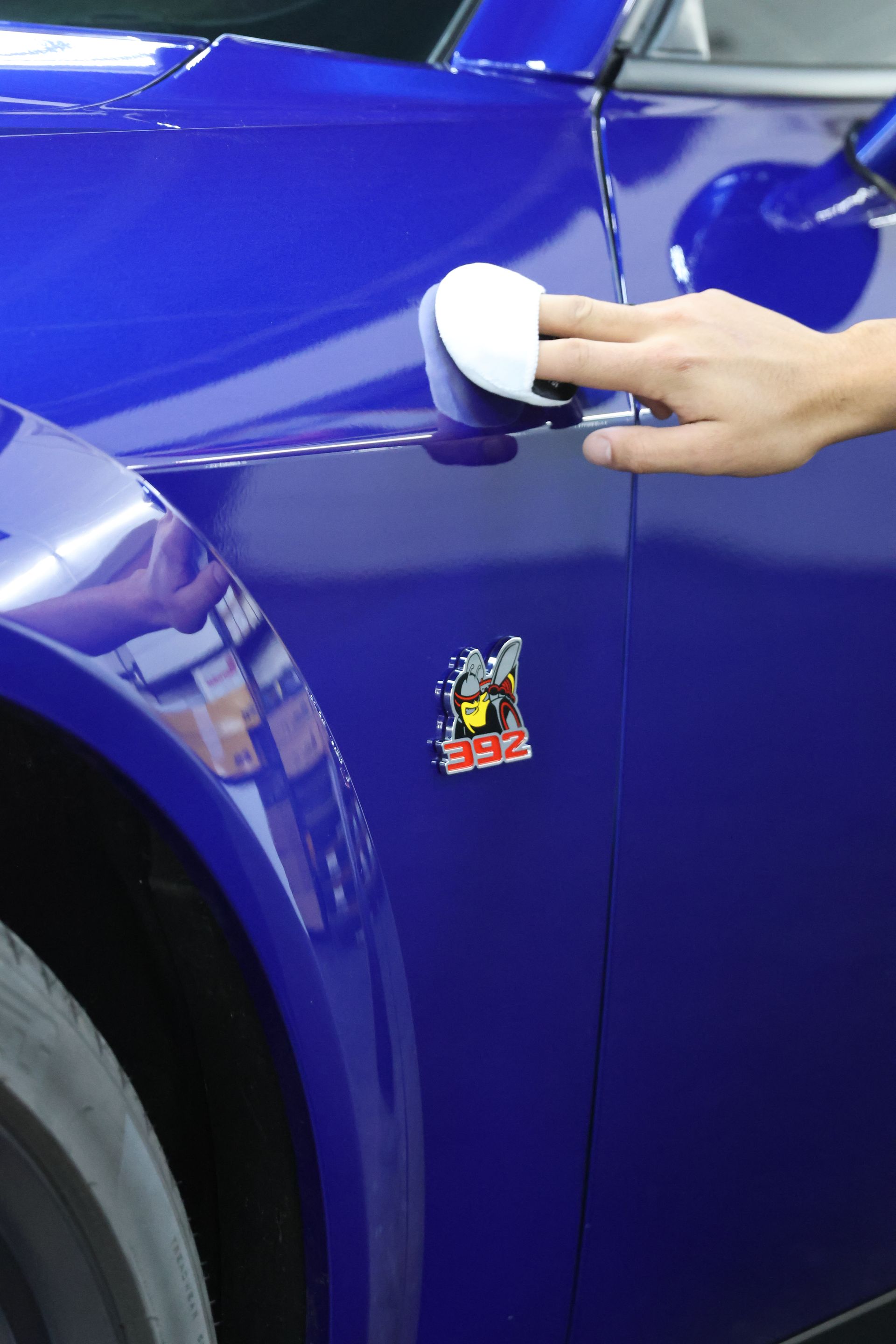
If you’ve ever inspected your vehicle after a road trip and spotted tiny chips, scratches, or mysterious scuff marks, chances are you’ve been on the receiving end of road debris. From loose gravel to sand, salt, or even rubber fragments, these hazards are constantly lurking on highways, construction zones, and rural backroads.
By Shawn Winters May 15, 2025
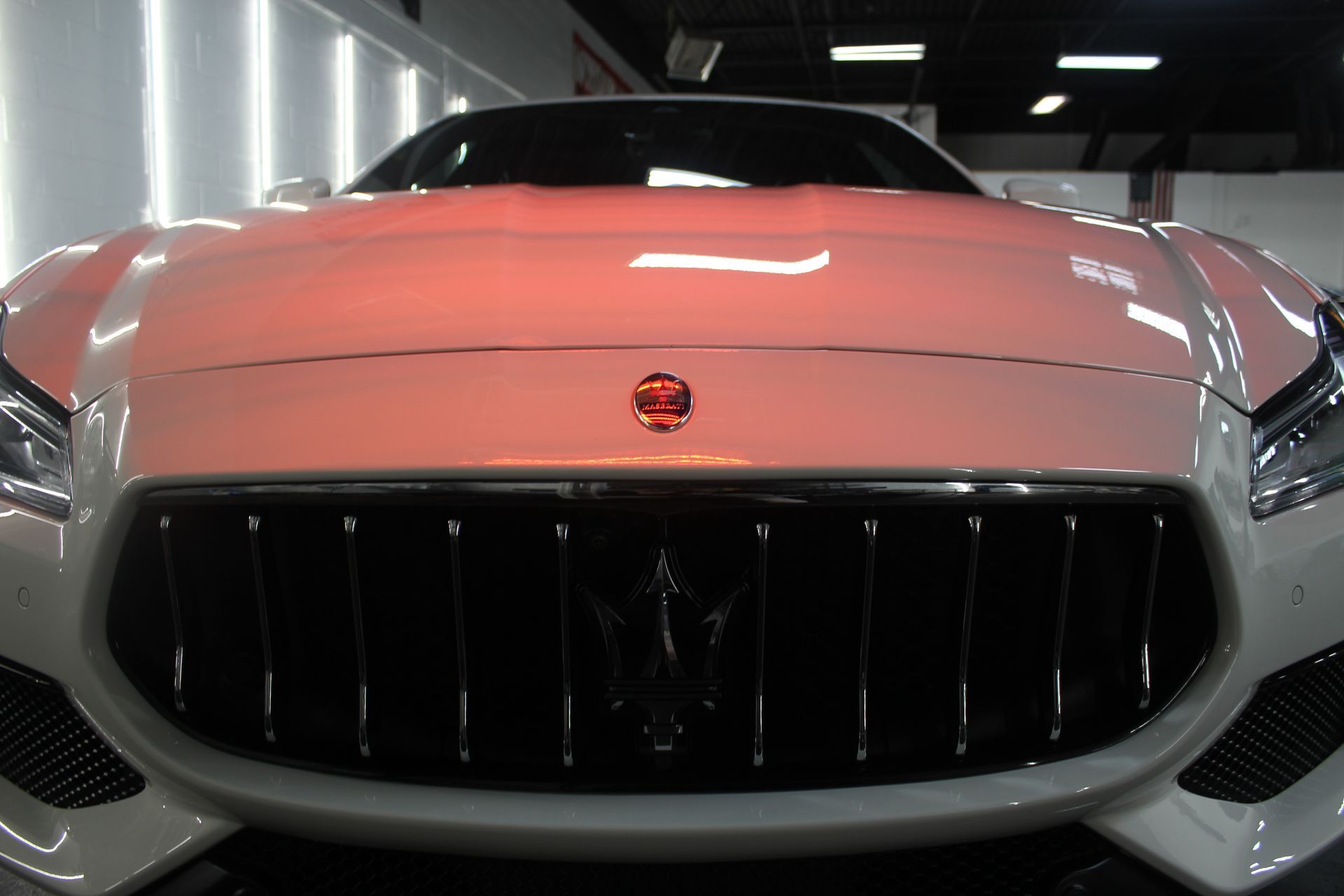
Water spots on a car’s surface can be frustrating, especially when you’ve invested in a ceramic coating to protect your paint.
By Shawn Winters May 15, 2025
Imagine driving your freshly detailed car through the rain, only to see water bead up and roll right off the surface. No water stains, no lingering grime—just a spotless, glossy finish.
By Shawn Winters May 9, 2025
When it comes to selling your car, every detail matters. Whether you’re trying to increase appeal, improve performance, or boost resale value, the choices you make today can impact how much you’ll get for your car down the line.
By Shawn Winters May 3, 2025
For any fleet manager, maintaining a large number of vehicles can be a constant challenge. Whether it’s ensuring the vehicles are operating smoothly or keeping them looking presentable, it’s no secret that the appearance of your fleet can impact your business’s image.
By Shawn Winters April 30, 2025
Your car isn’t just a mode of transportation—it’s an investment. Whether you drive it daily or keep it in pristine condition for resale, protecting its interior from wear and tear should be a top priority.