The Role of Window Tint in Reducing Air Conditioning Use
Have you ever noticed how hot your car or house can get, even on a relatively mild day, just because the sun’s beating down on the windows? The increased reliance on air conditioning to combat the sweltering heat has become a necessity for many, but it doesn’t have to be this way. What if there was a simple solution to lower your energy bills and create a more comfortable environment without cranking up the AC? Enter window tinting—an effective way to reduce the need for constant air conditioning while still keeping your space cool and energy-efficient.
In this article, we’ll dive deep into how window tinting—whether for your home or business—can drastically reduce the amount of energy you use to cool down your space. We’ll explore how window tinting works to block solar heat, its effect on your HVAC system, and why it’s becoming a top choice for property owners aiming to be more energy-conscious. Whether you’re considering residential window tint for your home or commercial window tint for your business, the benefits are undeniable!
From lowering your energy consumption to creating a more comfortable indoor environment, window tinting can make a significant difference. It’s not just about comfort, either—it’s a smart investment for the long-term health of your property and the planet. By the end of this article, you’ll have a clear understanding of how window tinting can help you save money while contributing to a greener, more sustainable future. Let’s take a closer look at how this relatively simple solution can make a powerful impact on your cooling costs!
What Is Window Tinting and How Does It Work?
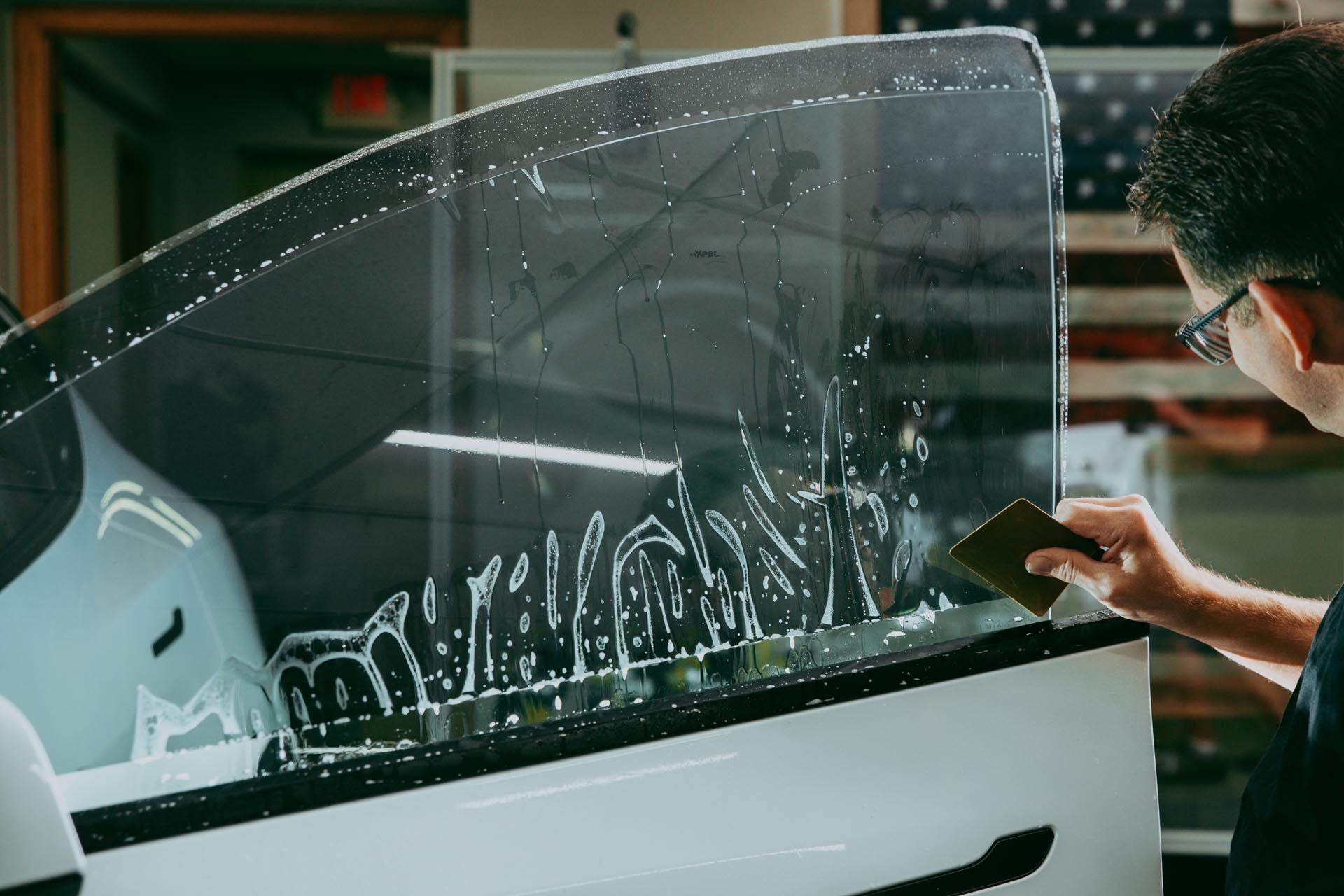
Window tinting is the process of applying a thin film to the surface of glass windows—whether in your car, home, or business. It’s more than just for aesthetics; it serves a practical purpose too! The main job of window tinting is to block a significant amount of heat, UV rays, and glare from the sun. This makes your indoor environment cooler, more comfortable, and safer.
The film used for tinting is typically made from polyester, which is a durable, heat-resistant material. Some tints have metallic coatings or dyed layers to enhance their ability to block solar heat and UV rays. The darker the tint, the more heat it blocks, but there are also high-performance films that are virtually clear yet still highly effective in reducing heat.
Here’s the magic: window tint works by reflecting or absorbing the sun’s energy before it even enters your space. It prevents the buildup of excessive heat inside, making your air conditioning system work less and, in turn, reducing your energy consumption. It’s like creating a barrier that keeps the outside heat at bay. The result? A cooler, more energy-efficient space without having to keep the AC running full blast!
How Does Window Tinting Reduce Heat Gain?
Window tinting works wonders when it comes to reducing heat gain, and here’s how it happens! The film applied to windows acts as a barrier, either reflecting or absorbing solar radiation before it ever enters your space. It’s like having a shield against the sun’s intense heat. The secret lies in the material and technology of the tint itself.
Some tints contain metallic layers that reflect infrared light, the part of the sun’s rays responsible for heating things up. Other tints use a special dye that absorbs the heat energy, preventing it from penetrating through the glass. Both methods significantly reduce the amount of heat that gets trapped inside your building or car, lowering indoor temperatures.
So, what does this mean for you? Well, it helps maintain a more comfortable indoor environment without the constant need for air conditioning. With less heat entering through the windows, your cooling systems don’t have to work as hard. The result? Less energy consumption, lower utility bills, and a cooler, more pleasant space to enjoy!
What Are the Energy Savings Associated with Window Tinting?
Window tinting isn’t just about looks—it’s also a powerful tool for energy savings! By reducing heat gain and minimizing the workload of your air conditioning, window tint can lower energy consumption, translating to lower utility bills. Studies have shown that homes and buildings with tinted windows can save up to 30% on cooling costs. Pretty impressive, right?
But the exact savings depend on several factors. For instance, the orientation of your windows plays a big role. Windows that face the sun for longer periods will benefit the most from tinting, as they’re exposed to more heat. Similarly, the type of tint film you choose can impact the level of energy savings. Some films are more reflective, offering greater heat rejection, while others absorb heat, offering different benefits.
In hotter climates or during the peak of summer, the savings can be even more significant. In fact, with the right tinting, you can reduce your reliance on air conditioning, which not only saves money but also reduces your carbon footprint. So, window tinting isn’t just a great way to stay cool—it’s also a smart, eco-friendly investment!
When Is the Optimal Time to Install Window Tinting?
Timing is key when it comes to installing window tint! While you can install it year-round, the best time to tint your windows is typically in the spring or fall. Why? Well, these seasons offer a perfect balance of weather conditions—mild temperatures and lower humidity—making it easier for the tint to cure properly. You want the installation process to be smooth, and choosing a temperate time helps the adhesive set perfectly without the risk of it bubbling or peeling prematurely.
But, it’s not just about the weather outside. Installing window tinting during these transitional seasons also helps maximize the energy efficiency benefits. Think about it: in the summer, your air conditioning will need to work overtime to keep things cool, and window tint can drastically reduce that burden. By installing it ahead of the summer heat, you get the full benefits during the hottest months, keeping your home or office cooler and reducing energy costs.
Another factor to keep in mind is the indoor climate during installation. While the process itself doesn’t take long, the windows should remain undisturbed for 24-48 hours to ensure the adhesive fully bonds. It’s important to avoid opening the windows during this time to allow for the best result. So, plan ahead for those quieter, less extreme months for the best overall experience and energy savings!
Where Can Window Tinting Be Applied for Maximum Benefit?
When it comes to window tinting, not all windows are created equal, and knowing where to apply it for maximum benefit can make all the difference! In both residential and commercial spaces, certain areas of a building can greatly benefit from the added protection and energy savings that window tinting provides.
In a home, the most impactful areas to apply window tint are windows that receive direct sunlight for long periods of the day. Think of south- and west-facing windows—these spots are exposed to intense sunlight, which can cause your air conditioning to work harder, leading to higher energy bills. Tinted windows can block a significant portion of that heat, keeping your indoor temperatures comfortable without overworking your HVAC system. Additionally, areas like living rooms or home offices that have larger windows will benefit from reduced glare, offering a more enjoyable space for relaxation or productivity.
For commercial spaces, the applications are even broader. Large office buildings, storefronts, and high-rise windows often face the same challenges—heat gain, glare, and high energy costs. Tinting these windows not only helps in reducing cooling costs but also improves employee comfort and productivity by mitigating glare on screens and reducing UV exposure. The key in commercial applications is balancing aesthetics with function—window tint can help maintain a professional look while enhancing energy efficiency.
Whether you’re at home or in a business setting, placing window tint on the most sun-exposed areas will ensure you get the best performance out of your investment!
Why Should Homeowners and Businesses Consider Window Tinting?
Window tinting is not just about aesthetics—it’s a smart investment for both homeowners and businesses looking to improve comfort, save on energy costs, and protect their property. When you think about it, the benefits are hard to ignore!
For homeowners, the main advantage lies in energy savings. Window tinting helps reduce heat gain from the sun, which means your air conditioning doesn’t have to work as hard during hot months. That translates to lower energy bills! But it’s not just about cooling; it also helps keep your home warmer in the winter by reducing heat loss through the windows. It’s like giving your home a temperature boost, all year long.
For businesses, window tinting offers the same energy efficiency benefits, but with added perks. It can enhance employee comfort by minimizing glare on computer screens and blocking UV rays that can cause furniture and flooring to fade. This protects your investments, keeps employees comfortable, and boosts overall productivity.
And let’s not forget about UV protection. Both residential and commercial window tinting blocks up to 99% of harmful UV rays, which not only protects your skin but also your furnishings, flooring, and artwork from fading. Plus, tinted windows provide extra privacy, without compromising your view.
Ultimately, window tinting provides an eco-friendly, cost-effective way to enhance the comfort and functionality of any space. Whether you’re looking to save on energy costs, protect your property, or improve indoor comfort, it’s a decision worth considering!
How Does Window Tinting Compare to Other Energy Efficiency Measures?
When it comes to improving energy efficiency, there are several options available, but window tinting stands out as a particularly cost-effective and efficient solution. So, how does it compare to alternatives like blinds, shades, or even upgraded windows? Let’s break it down!
First off, window tinting is often more affordable than replacing windows or upgrading to energy-efficient ones. While new windows can require a significant upfront investment, window tinting provides a more budget-friendly alternative with similar benefits. It’s a fraction of the cost of installing double-glazed windows or high-performance glass, and it can still provide excellent insulation. The key here is that window tinting reduces solar heat gain, meaning your air conditioning doesn’t have to work overtime to keep your space cool.
Blinds and shades, while effective in blocking direct sunlight, fall short when it comes to heat insulation. They can help with glare but don’t offer the same level of heat rejection as window tinting. Plus, shades need to be adjusted throughout the day to maintain optimal energy efficiency, while window tinting works passively, 24/7.
As for return on investment (ROI), window tinting typically pays for itself within a few years, thanks to the savings on energy bills. Many homeowners and businesses see a significant reduction in their cooling costs almost immediately after installation. Considering its low cost, long-term savings, and minimal maintenance, window tinting is hard to beat when compared to other energy efficiency measures.
So, whether you’re looking to boost comfort or cut costs, window tinting proves itself to be an excellent, low-maintenance investment!
What Are the Different Types of Window Films Available?
When considering window tinting, it’s essential to know that not all window films are created equal. Each type of film offers different benefits and is better suited for specific applications and climates. Let’s explore the various options so you can make an informed decision!
First up, reflective window films are designed to reflect a significant amount of solar heat and UV rays. These films are highly effective at reducing glare and keeping interiors cooler, making them ideal for hot climates where air conditioning usage is high. Reflective films give windows a mirror-like appearance, which can enhance privacy during the day. However, they may not be suitable for areas with colder winters, as they may not retain enough heat.
Next, tinted window films offer a darker appearance and are excellent for reducing glare and enhancing privacy without giving the mirror effect. Tinted films are great for maintaining natural light while improving comfort by blocking excess heat. They come in various shades and can be tailored to match the aesthetic of your building or vehicle. These films are often chosen for residential and commercial spaces where moderate heat control and privacy are the primary needs.
Finally, ceramic window films take things up a notch. Made with nano-ceramic particles, these films provide excellent heat rejection while maintaining clear visibility. Ceramic films don’t interfere with electronic signals like some reflective films do, making them an excellent option for areas with lots of electronics, such as offices or homes with smart devices. While ceramic films tend to be more expensive, their superior performance in all climates justifies the investment.
So, whether you’re looking for maximum privacy, energy savings, or aesthetic appeal, there’s a window film option that’s perfect for your needs!
How Should Window Tinting Be Maintained for Longevity?
Once your window tint is installed, keeping it in top condition doesn’t require a ton of work—but it does require the right approach. Proper maintenance can stretch the lifespan of your tint and keep it looking crisp and clear for years.
First things first: be gentle. After installation, wait at least a few days before cleaning your windows. This gives the adhesive time to cure properly. Once cured, use a soft microfiber cloth and a tint-safe, ammonia-free cleaner. Harsh chemicals or abrasive tools can scratch or degrade the film over time—definitely something to avoid.
Cleaning should be done with smooth, circular motions. Avoid scraping at the edges of the film, as this can cause peeling or bubbling. Stick with lukewarm water mixed with a mild soap if you’re unsure about commercial products.
Tinted windows generally last between 5 to 15 years, depending on the film quality, sun exposure, and care. High-end films like ceramic tints often last longer and resist fading better than dyed or metallic options.
Many professional installations come with a warranty, so be sure to check the terms. Some warranties may be voided by improper cleaning or using unapproved products.
With just a little care and attention, your window tint can serve you well for years—keeping your home or business cooler, more private, and protected from harsh UV rays.
Are There Any Potential Drawbacks or Considerations with Window Tinting?
Absolutely—while window tinting offers plenty of benefits, it’s important to weigh the potential downsides too. Being aware of these considerations ahead of time can save you frustration and help you make the most informed decision.
One of the most common concerns is reduced visibility, especially at night. Darker tints can sometimes make it harder to see through windows in low-light conditions. This is particularly true for certain types of commercial or residential window tint. The solution? Choose a lighter film or opt for modern ceramic tints that reduce heat and glare without sacrificing visibility.
Another issue people face is poor installation, which can lead to bubbling, peeling, or cracking over time. These problems often occur when tint is applied without proper cleaning, or when low-quality film is used. To avoid this, always go with a reputable installer and invest in high-quality products.
Local regulations can also come into play. Some municipalities have strict rules regarding how dark window tint can be, especially for street-facing windows in commercial buildings. Before installing, it’s a good idea to check with local authorities or your homeowners’ association to ensure compliance.
The good news? Almost all of these challenges are preventable with proper planning and care. So while window tinting isn’t completely foolproof, its long-term benefits still far outweigh these minor hurdles—especially when you do it right from the start.
Conclusion
Let’s face it—keeping your home or business cool without sending your energy bill through the roof is a constant struggle, especially in warmer climates. But as we’ve explored in this article, window tinting might just be the practical, cost-effective solution you’ve been looking for. Whether you’re a homeowner trying to escape the heat or a business aiming to reduce operational costs, the role of window tint in reducing air conditioning use is more significant than most people realize.
We broke down how window tinting works, how it reduces heat gain, and why that matters when it comes to keeping your indoor spaces comfortable. From blocking harmful UV rays to reducing glare and stabilizing indoor temperatures, the benefits go well beyond aesthetics. Plus, when you consider the potential energy savings—especially when applied strategically on residential or commercial windows—the value becomes clear.
Of course, it’s not a one-size-fits-all solution. The type of film you choose, when and where it’s installed, and how well it’s maintained all play a part in its effectiveness. But with thoughtful planning and the right materials, window tinting can deliver a noticeable drop in cooling costs and a boost in comfort year-round.