The Role of PPF in Preventing Swirl Marks: Does It Really Work?
When it comes to keeping your car’s paint flawless, swirl marks are one of the most frustrating enemies. Those tiny, circular scratches can make even the most pristine finish look dull and worn out. And if you’ve spent time investing in a beautiful paint job or high-quality ceramic coating, you want to make sure it stays pristine. Enter Paint Protection Film (PPF)—the clear, self-healing shield that promises to guard against scratches, chips, and, yes, swirl marks. But the big question is: does it actually work?
In this article, we’re diving deep into the effectiveness of PPF in preventing swirl marks. You might have heard that PPF acts as a protective barrier for your vehicle, but how much does it really help with the pesky swirls that seem to appear no matter how carefully you clean your car? We’ll explore how PPF functions, whether it’s truly a game-changer when it comes to preserving a flawless finish, and what the alternatives might be.
We’ll also tackle common misconceptions about PPF, how it interacts with other protective coatings, and whether it’s the best solution for you. Should you rely solely on PPF to keep your car’s paint in top condition? Or is it just part of a broader maintenance strategy?
By the end of this article, you’ll have a clear understanding of whether PPF is your ticket to a swirl-free ride or if there are other factors you need to consider in the fight for a flawless finish. So, let’s get started and see if PPF really delivers on its promise!
Understanding Swirl Marks
Swirl marks—those pesky, circular scratches that appear on your car’s paint—can drive any car enthusiast crazy! They’re not deep enough to catch your fingernail, but they sure are noticeable under the right light. So, how do they form? It’s usually a result of improper cleaning and maintenance, particularly from rubbing dirt and debris into the paint with towels or sponges. Even car washes, whether hand or automatic, can leave behind these annoying marks if the right technique isn’t followed.
Swirl marks are most common in darker-colored cars, like black or navy blue. Why? Simple. Darker colors make imperfections more noticeable. The swirls reflect light in such a way that they’re visible from every angle, making your vehicle look worn down even when it’s just a few months old. On the other hand, lighter-colored cars tend to hide those imperfections better, so they’re less obvious.
While it might seem like a small issue, swirl marks can actually damage your paint over time, especially if they’re not addressed quickly. If left untreated, they can lead to more significant paint degradation, resulting in a dull, faded finish. The good news? With the right care, you can keep swirl marks at bay and maintain that pristine shine you love!
What is Paint Protection Film (PPF)?
Paint Protection Film, or PPF, is a clear, durable layer that’s applied to your car’s paint to protect it from damage. It acts as a shield against a range of threats like rock chips, road salts, bird droppings, and even the harsh rays of the sun. Imagine it as a protective armor for your vehicle’s paint job. PPF is usually a self-healing film, meaning it can repair itself from minor scratches and scuffs when exposed to heat, keeping your car looking fresh for longer!
There are different types of PPF, each with unique properties. The most common are standard PPF and ceramic-infused PPF. The standard variety offers solid protection against physical damage, while ceramic-infused PPF goes a step further, providing additional benefits like hydrophobic properties (repelling water and making cleaning easier). Some PPFs are even designed with a glossy finish to enhance the car’s shine, while others have a matte finish for a more subdued look.
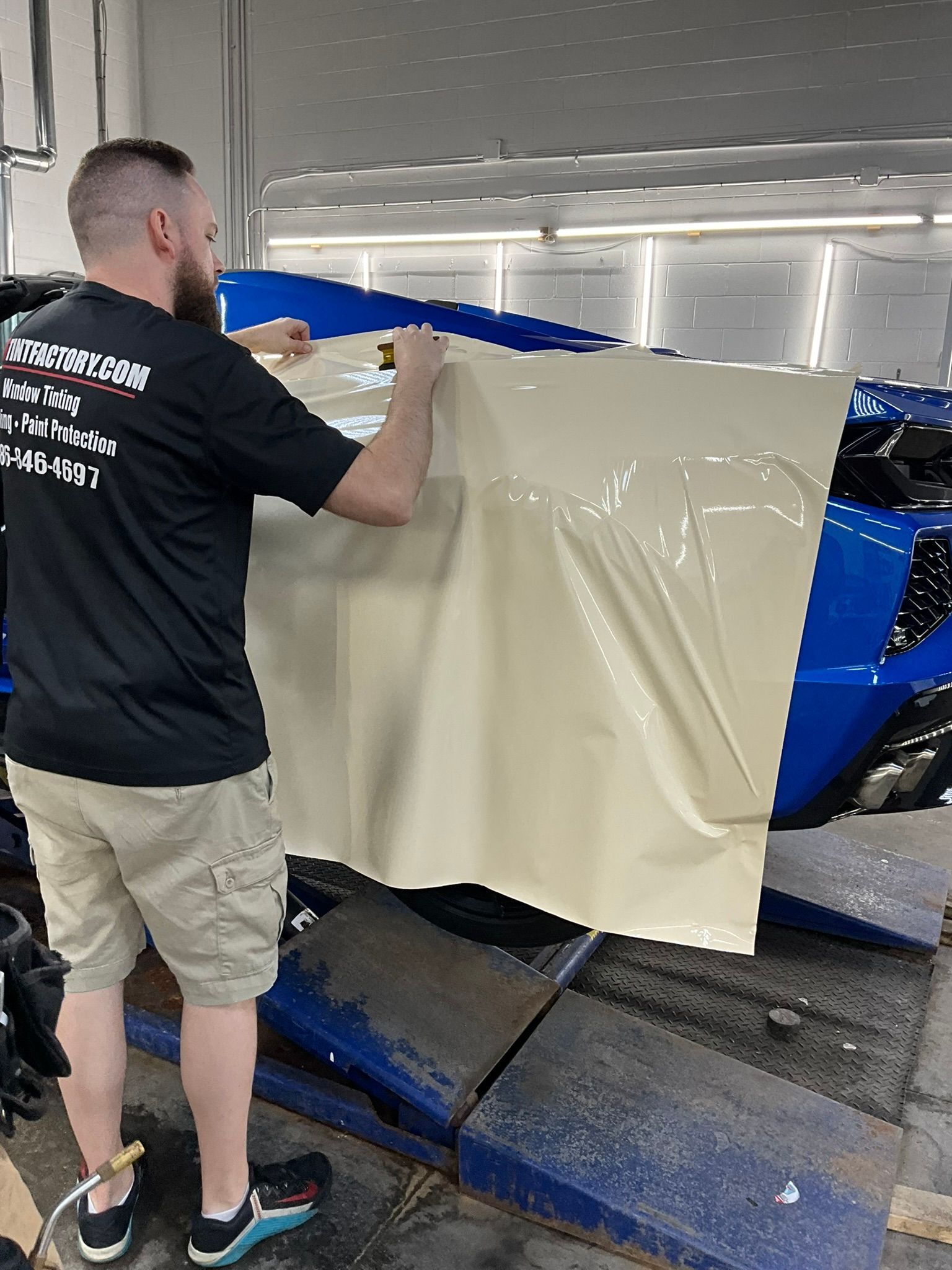
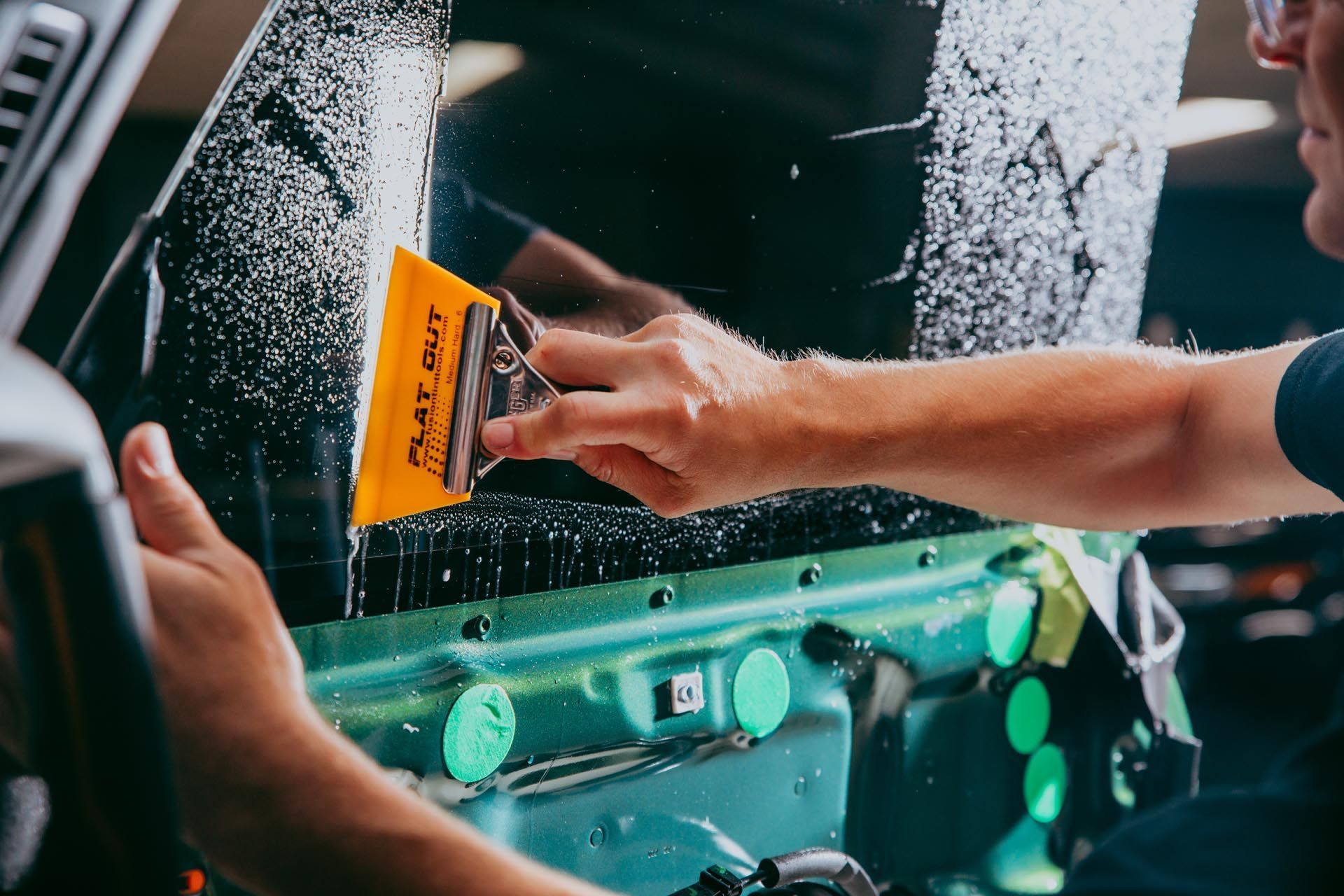
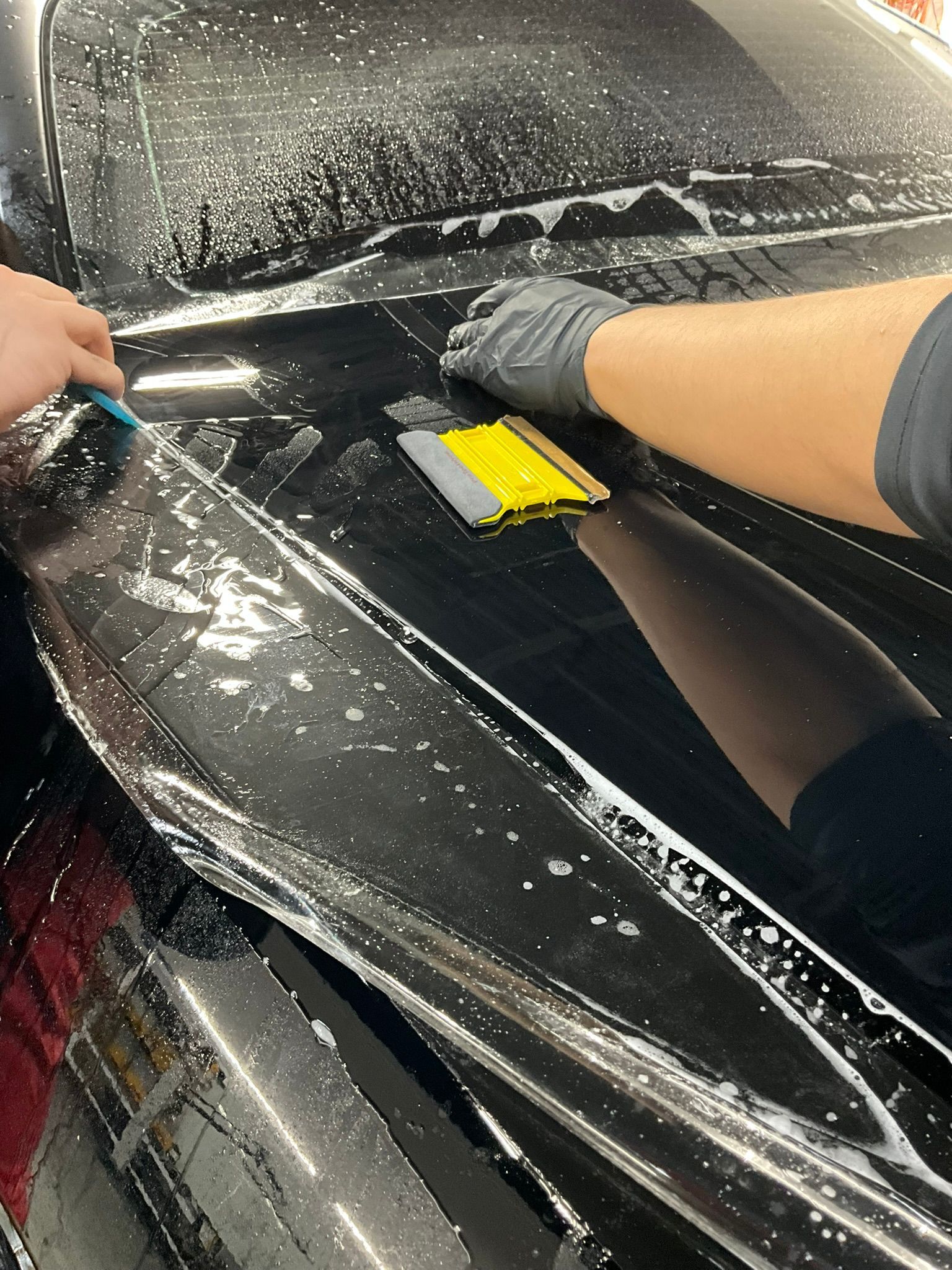
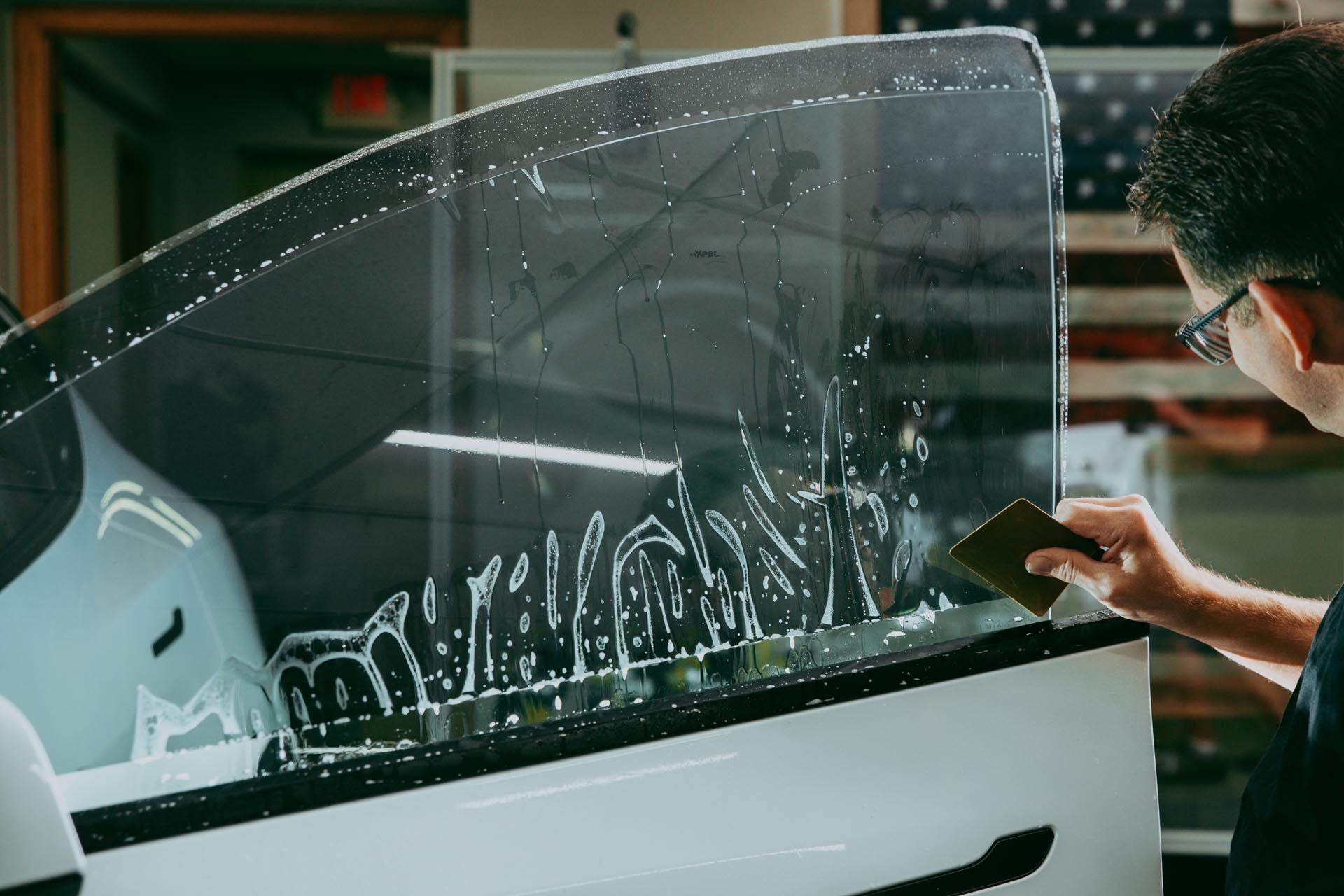
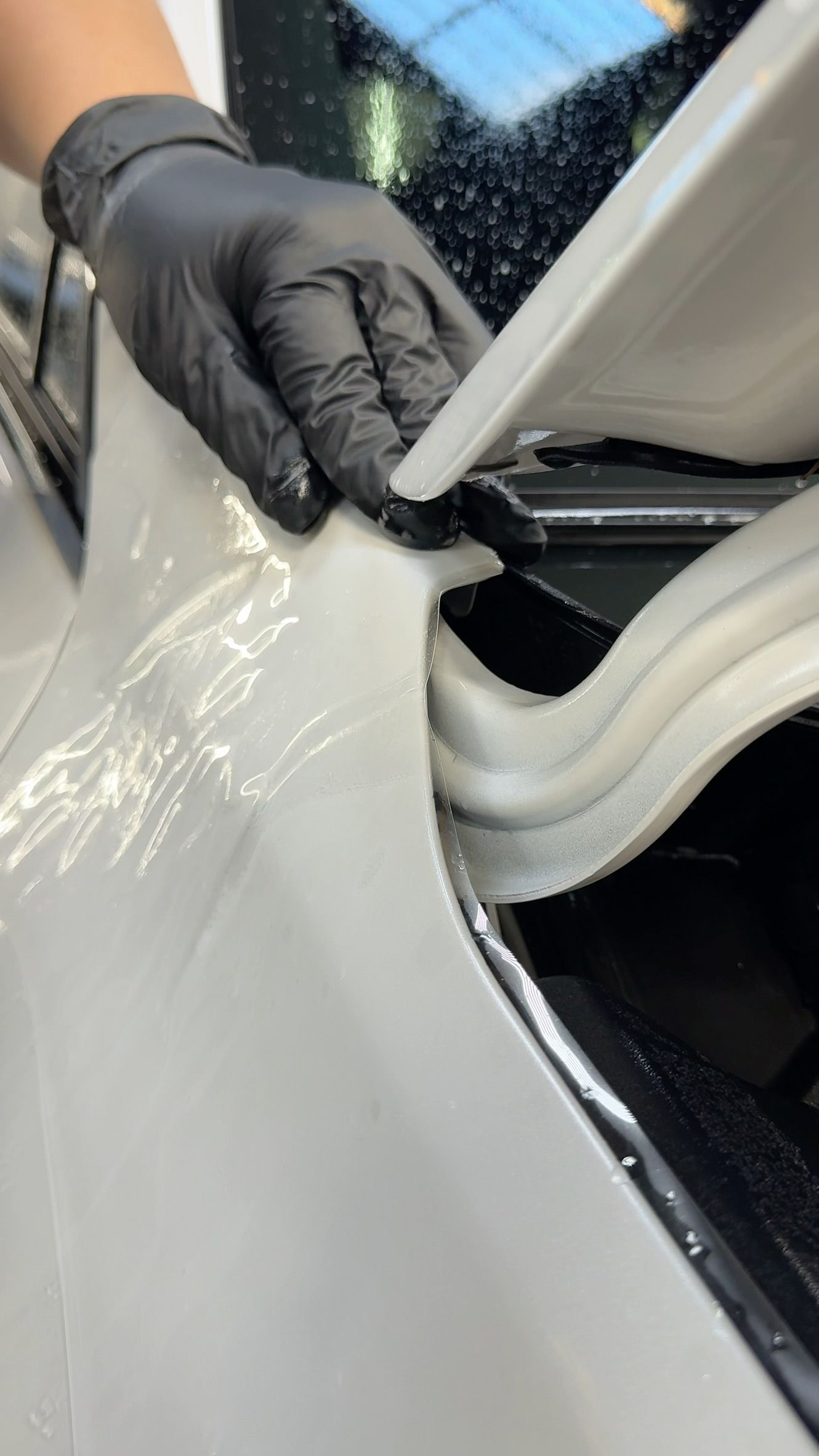
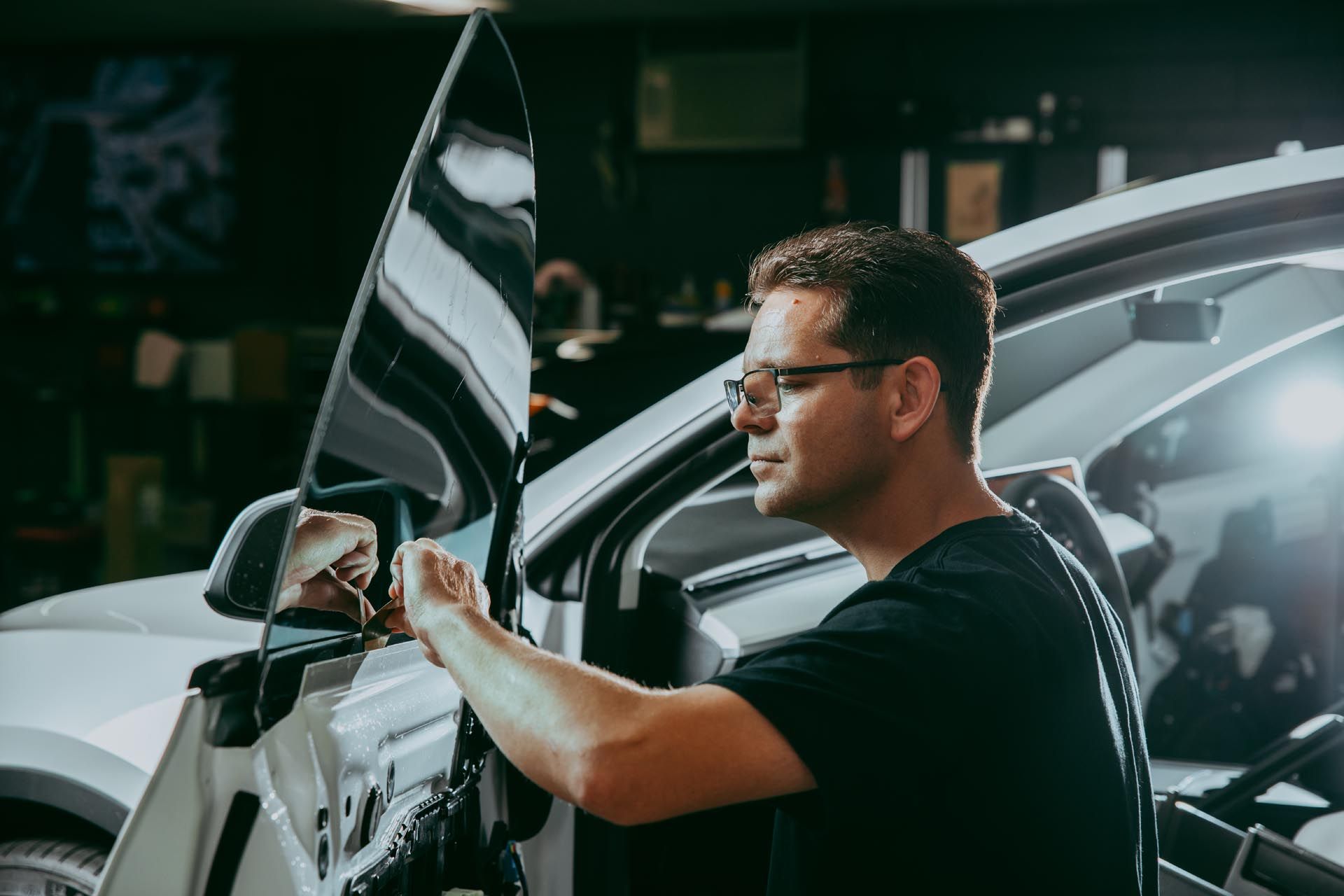
The application process is meticulous and requires a skilled professional. The film is carefully cut and applied to the car’s surface, ensuring it fits perfectly and provides maximum protection. Once applied, PPF offers long-lasting durability and a smooth, sleek look—without compromising the aesthetic of your vehicle’s paint. Pretty amazing, right?
How PPF Helps Prevent Swirl Marks
Swirl marks are the dreaded fine scratches that mar the surface of your car’s paint, often caused by improper washing or drying techniques. But guess what? Paint Protection Film (PPF) is a game-changer in preventing these pesky imperfections! The key lies in the way PPF acts as a protective barrier over your vehicle’s paint. It’s a tough, clear layer that absorbs the impact of contaminants like dirt and debris, preventing them from scratching the paint directly. By creating a physical shield, PPF reduces the chances of swirl marks forming in the first place!
One of the standout features of PPF is its self-healing properties. When exposed to heat, whether from sunlight or a warm water wash, the film literally “heals” itself from minor scratches and swirl marks that might otherwise have appeared. This means that even if a tiny scratch occurs, the film will smooth itself out over time, keeping your car’s surface looking pristine.
The result? A consistently smooth, flawless finish that resists swirl marks. Not only does PPF keep your car looking better for longer, but it also reduces the frequency of costly and time-consuming paint correction treatments. It’s a smart investment for anyone who wants to maintain that showroom-quality shine without the constant upkeep!
Limitations of PPF in Preventing Swirl Marks
While Paint Protection Film (PPF) is a fantastic defense against swirl marks, it’s not a complete shield against all types of damage. PPF can certainly reduce the risk of light scratches and swirling, but it isn’t invincible! For instance, deeper scratches caused by abrasive materials or sharp objects can still penetrate the film. If the film’s surface is compromised by something like a harsh cleaning tool or a rogue rock hitting the car at high speed, it won’t be able to fully protect the paint beneath.
PPF also faces limitations in preventing swirl marks caused by improper washing techniques. If you’re not careful with your cleaning methods, like using the wrong towels or scrubbing aggressively, you can still create swirl marks on top of the PPF layer itself. While the film protects against light abrasions, it doesn’t magically prevent damage from rough handling.
Additionally, PPF needs proper maintenance to ensure it continues doing its job. For example, using chemical cleaners that are too harsh or failing to remove contaminants like bird droppings or tree sap quickly enough can cause the PPF to lose its protective properties over time. So, while PPF is a powerful tool in the fight against swirl marks, it’s still essential to pair it with proper care and maintenance to ensure your vehicle remains swirl-free!
PPF vs. Other Paint Protection Solutions
When it comes to protecting your car’s paint, there are several options available, but not all of them offer the same level of protection against swirl marks. Let’s compare Paint Protection Film (PPF) with other popular solutions like ceramic coatings and wax, and see how they stack up when it comes to preserving that flawless finish!
PPF is a transparent, self-healing film that acts as a barrier between your car’s paint and the world around it. It’s thick, durable, and capable of preventing scratches and swirl marks by absorbing impacts from dirt, debris, and other contaminants. Plus, it’s self-healing, meaning light scratches will disappear when exposed to heat, maintaining that smooth, shiny surface.
Ceramic coatings, on the other hand, provide a hydrophobic layer that repels water, dirt, and other contaminants. While it offers excellent protection against water spots and light contamination, it doesn’t protect as well against physical damage like abrasions or rocks hitting your car’s surface. Ceramic coatings can help minimize swirl marks to an extent but can’t prevent them entirely, especially if harsh washing methods are used.
Wax is a more traditional option and is great for adding shine and providing a temporary layer of protection against dirt and water. However, wax is much less durable than PPF or ceramic coatings. It wears off quickly and doesn’t have the strength to prevent swirl marks over time, especially with frequent washing.
So, which solution is best for preventing swirl marks? PPF is the clear winner! It offers the most robust protection against physical damage and is far superior at preventing swirl marks compared to ceramic coatings or wax. However, if you’re looking for a less permanent, more cost-effective option, ceramic coatings and wax can still offer some protection – just not to the same level as PPF.
How the Quality of PPF Affects Its Effectiveness
Not all Paint Protection Films (PPF) are created equal! The quality of the PPF you choose plays a significant role in its durability, effectiveness, and ability to protect your car from swirl marks and other paint damage. So, what sets high-quality PPF apart from the cheaper alternatives?
First, the durability of PPF is largely determined by its material quality. Higher-end PPF is made from top-tier polyurethane that can withstand harsher environmental conditions, including UV rays, road debris, and harsh weather. On the flip side, lower-quality PPF may degrade more quickly, becoming brittle, discolored, or prone to peeling. High-quality films maintain their clarity and smoothness for years, keeping your car’s paint pristine.
Thickness also plays a crucial role. Thicker PPF provides an added layer of protection, making it better at absorbing impacts from rocks, branches, or other debris that could cause scratches or swirl marks. Thicker films are also more effective at resisting abrasion from cleaning tools and washing techniques, which are common culprits of swirl marks. Thin PPF, while easier to apply, might not offer the same level of protection.
When it comes to brand choice, trusted, reputable brands invest in research and development to create PPF that provides superior self-healing properties, easier maintenance, and enhanced protection. Lesser-known brands might not offer these features, making them less reliable in the long term.
So, when choosing PPF for your vehicle, don’t just look at price—consider quality! High-quality, thicker, and well-branded PPF will give your car the protection it deserves, preventing swirl marks and maintaining that beautiful, glossy finish for years to come.
Best Practices for Maintaining PPF and Minimizing Swirl Marks
Maintaining your Paint Protection Film (PPF) isn’t just about keeping it clean—it’s about preserving its integrity and ensuring it continues to protect your car from swirl marks and other damage. So, what’s the best way to keep your PPF in top shape?
First, use the right cleaning techniques! Always wash your car with a two-bucket method—one for the soapy water and the other for rinsing your mitt. This minimizes the chances of dirt or debris being reintroduced onto the car’s surface, which can lead to scratches and swirl marks. A microfiber mitt is your best friend here, as it’s soft and gentle on the film. Avoid using sponges or any harsh materials that could damage the PPF.
When drying, use microfiber towels. These are soft and highly absorbent, ensuring that the film stays streak-free while minimizing the risk of rubbing in particles that could scratch the surface.
Next, regular upkeep is key! Wash your car regularly to prevent the buildup of contaminants like bird droppings, tree sap, or road salts, which can weaken the protective layer of PPF. Also, try to avoid automatic car washes with harsh brushes. These can rub against the PPF and contribute to the formation of swirl marks.
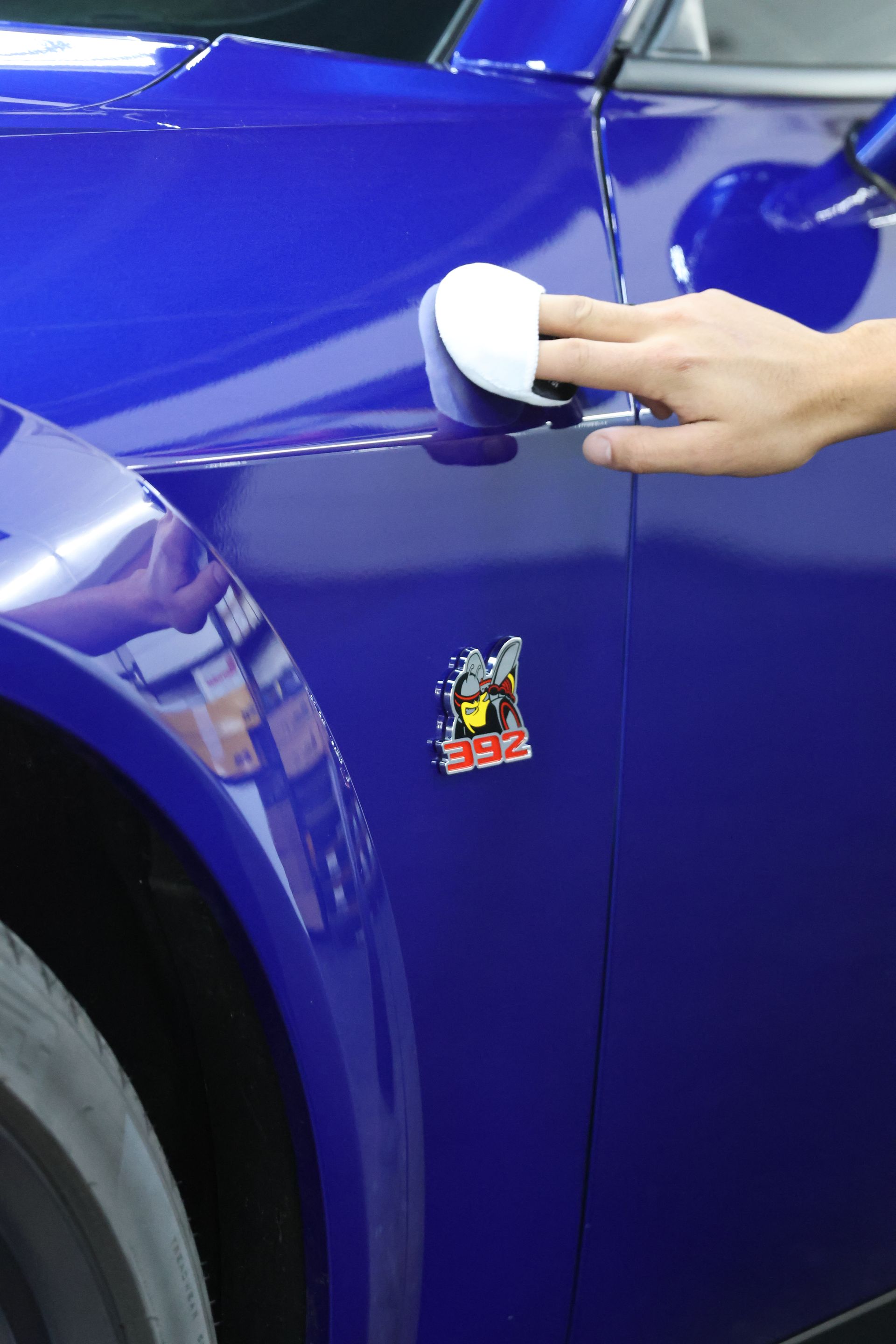
Lastly, for long-term protection, consider applying a maintenance coating to your PPF. Many brands offer PPF-specific sprays or ceramic coatings designed to enhance the film’s self-healing properties and provide an additional layer of protection.
By following these simple practices—gentle washing, regular cleaning, and proper protection—you’ll not only extend the lifespan of your PPF, but you’ll also significantly reduce the risk of swirl marks. Keeping your PPF well-maintained ensures that it continues to do its job, maintaining that glossy, flawless finish.
Common Mistakes That Can Damage PPF and Cause Swirl Marks
Caring for a PPF-protected vehicle requires more than just regular washing—it’s about knowing what to avoid to keep your protective film intact and effective. So, let’s talk about the common mistakes people make that can damage PPF and lead to those dreaded swirl marks!
First off, improper washing techniques are a major culprit. Using the wrong materials, such as sponges, dirty towels, or brushes with rough bristles, can easily scratch the surface of the PPF. Always opt for microfiber mitts or soft brushes, as these are gentle and less likely to introduce abrasives that can cause marks. The two-bucket method is a game-changer for this reason—it ensures you’re not reintroducing grime into your cleaning process.
Another big mistake is using automatic car washes with harsh brushes or high-pressure water jets. While automatic washes are convenient, the brushes used in some car washes can cause physical damage to the PPF and even lift the edges, leading to dirt accumulation and increased wear over time. Touchless washes are better, but you should still be cautious.
Environmental factors also play a role in damaging your PPF. Leaving your car exposed to direct sunlight for extended periods, especially in hot weather, can make the film more susceptible to scratching and even cause it to degrade faster. Always park in the shade when possible, or better yet, use a car cover to keep your vehicle safe from both the sun and environmental pollutants.
Neglecting maintenance is another mistake! Regular washing is essential, but applying a maintenance coating or ceramic spray periodically will protect the PPF and enhance its self-healing capabilities.
In short, to keep your PPF in top condition and free from swirl marks, avoid these common mistakes. Gentle washing, careful attention to environmental conditions, and regular upkeep are your best defense against damage!
Professional Insights and Experiences
When it comes to the effectiveness of Paint Protection Film (PPF) in preventing swirl marks, professional opinions and real-world experiences are invaluable. So, what do the experts say?
Industry professionals agree that PPF is one of the most effective ways to protect a vehicle’s paint and reduce the likelihood of swirl marks. According to detailing experts, PPF acts as a buffer, absorbing the physical impact from washing, drying, or minor abrasions that would otherwise cause scratches or swirl marks on your car’s finish. The film’s self-healing properties are frequently highlighted by professionals as a major advantage. Minor scratches or swirls that do appear can often disappear with exposure to heat from the sun or hot water—adding an extra layer of protection to the finish.
Real-world experiences from detailing businesses further support these claims. Many detailers note that vehicles with PPF applied maintain their pristine appearance much longer than those without it. One detailing expert shared that after using PPF on a fleet of black cars, a color notorious for showing swirl marks, the vehicles remained virtually swirl-free even after months of regular washes. This same expert observed that, while ceramic coatings also offer protection, they didn’t provide the same level of scratch resistance as PPF, especially for high-traffic areas like the hood or fenders.
Moreover, car owners who invested in PPF have noticed fewer swirl marks over time. One customer shared how they saw swirl marks vanish after switching from traditional wax to PPF, noting a significant difference in how their vehicle’s surface looked after each wash.
In conclusion, professionals consistently agree that PPF plays a crucial role in preventing swirl marks, offering protection, durability, and maintaining the overall appearance of a vehicle. For those serious about preserving their car’s finish, investing in PPF is often seen as a smart, long-term solution.
Cost-Effectiveness of PPF for Swirl Mark Prevention
When it comes to maintaining the appearance of your vehicle, Paint Protection Film (PPF) is often seen as a premium solution. But is it worth the investment? Let’s break down the cost-effectiveness of PPF, particularly when it comes to preventing swirl marks.
First, the initial cost of PPF installation can vary based on the type of vehicle, the brand of PPF, and the area being covered. On average, you might expect to spend anywhere from $500 to $3,000 for full vehicle coverage, depending on the quality of the film and the complexity of the installation. While this may seem steep upfront, it’s important to consider the long-term benefits.
PPF saves you money on maintenance costs over time. Swirl marks are typically caused by improper washing or environmental factors. Without protection, the paint can be damaged more frequently, requiring costly paint correction services or even a respray to restore the car’s finish. The cost of a single paint correction can range from $300 to $1,000, depending on the severity of the damage. Compare this with the cost of PPF installation, and you start to see how it can actually save you money in the long run.
Additionally, PPF is low-maintenance, requiring only occasional washing and care. This means fewer trips to the detailer and less time spent managing paint imperfections. The self-healing nature of PPF also reduces the need for repairs that might otherwise cost hundreds of dollars.
In terms of preventing swirl marks, PPF is undeniably effective. It acts as a protective shield, preventing damage during routine cleaning or exposure to the elements. This durability means your vehicle will maintain its glossy finish for years without the need for expensive touch-ups.
In conclusion, while PPF may seem like a big investment at first glance, it proves to be a cost-effective choice for those looking to prevent swirl marks and preserve their vehicle’s appearance in the long term. It’s a smart investment, saving you time, money, and ensuring your car always looks its best!
Conclusion
In conclusion, Paint Protection Film (PPF) proves to be an incredibly effective solution for preventing swirl marks and maintaining the pristine appearance of your vehicle. By acting as a protective barrier between your car’s paint and the elements, PPF minimizes the risk of scratches, swirl marks, and other paint imperfections caused by daily wear and tear. Its self-healing properties make it even more appealing, as it actively corrects minor scratches and swirl marks, ensuring your car’s surface remains smooth and glossy.
Throughout this article, we’ve explored the benefits of PPF in detail, comparing it to other protective methods such as ceramic coatings and waxes. While each solution has its merits, PPF stands out due to its durability and long-term protection. It not only prevents swirl marks but also provides added resilience against environmental contaminants, stones, and debris, all while preserving the integrity of your vehicle’s paint.
We’ve also highlighted that PPF installation might come with a higher upfront cost, but it’s an investment that pays off in the long run. The potential savings on costly paint corrections, as well as the low-maintenance nature of PPF, make it a cost-effective solution for vehicle owners who want to maintain their car’s appearance without the hassle of constant upkeep.
Ultimately, if you’re looking to keep your car looking as flawless as the day you drove it off the lot, PPF is a smart choice. Whether you drive a dark-colored car prone to swirl marks or just want to safeguard your vehicle’s finish, investing in PPF is a decision you won’t regret. Protect your car, save time and money, and enjoy a beautiful, swirl-free finish for years to come.