The Importance of UV Protection for Your Car’s Interior
We all know how harmful the sun’s UV rays can be for our skin, but did you know that they’re equally damaging to your car’s interior? Over time, prolonged exposure to UV radiation can cause your car’s upholstery to fade, crack, and deteriorate. The dashboard and leather seats that once looked sleek and new could soon become a cracked, sun-bleached version of themselves. It’s not just about looks—UV exposure can also negatively affect the air quality inside your vehicle. So, what’s the solution? UV protection is key!
In this article, we’ll dive into why UV protection is essential for maintaining your car’s interior. We’ll explore the effects of UV rays on different materials inside your car, from the leather seats to the dashboard, and discuss how UV protection can help prevent costly damage. Not only does it protect your car’s value, but it also helps create a more comfortable and safer environment for you and your passengers.
But it’s not just about the aesthetics. The damage caused by UV rays can also affect your health—exposure to harmful UV radiation in the confined space of a car can increase the risk of skin cancer and other related health issues. This is why investing in UV protection for your car is not just a luxury, it’s a necessity.
Now, let’s talk about how you can protect your vehicle from UV damage, what your options are, and how to ensure long-lasting protection. Ready to give your car’s interior the care it deserves? Let’s get started!
What is UV Radiation, and How Does It Affect Your Car’s Interior?
UV radiation, or ultraviolet radiation, is a type of energy emitted by the sun that we can’t see but certainly feel. It’s made up of three types—UVA, UVB, and UVC—each with its own level of intensity. When it comes to your car’s interior, it’s primarily UVA rays that are the troublemakers! These rays are responsible for causing fading, cracking, and deterioration in your upholstery, leather, and dashboard.
You might think your car’s windows protect you from these rays, but that’s not always the case. Standard windows only block a portion of UV radiation, leaving your car’s interior exposed. Over time, this exposure leads to the fading of vibrant colors in your seats and dashboard. Leather can crack, becoming brittle and uncomfortable. Fabrics lose their luster, and you may even notice a shift in the air quality, as the UV rays can break down the materials inside, releasing harmful chemicals.
It’s not just about the looks—UV radiation can also damage your health. Prolonged exposure inside your car can increase the risk of skin cancer. So, protecting your vehicle from UV rays is not just a way to preserve its appearance but also to safeguard your well-being. Isn’t it time you gave your car the protection it deserves?
Why Should UV Protection Be a Priority for Vehicle Owners?
UV protection should be at the top of every vehicle owner’s list, and here’s why! It’s not just about keeping your car looking fresh. It’s about preserving its interior, safeguarding your health, and saving you money in the long run.
First, let’s talk about the risks. UV radiation can cause significant damage to your car’s interior over time. That beautiful leather seat? It’s prone to cracking and fading under the relentless UV rays. Your fabric upholstery? It can lose its vibrancy and wear down much faster. And let’s not forget your dashboard and electronics—they can warp, crack, and even malfunction due to prolonged sun exposure.
Now, for the health concerns. Did you know that UV rays can enter through your windows and impact your skin while you drive? Prolonged exposure can increase the risk of skin cancer. It’s a silent danger many overlook.
On the flip side, by prioritizing UV protection, you’re setting yourself up for a more comfortable, safer ride. Adding window tint or UV-blocking film helps reduce the damage UV rays cause and keeps your interior in top condition for years to come. Not to mention, it also provides a cooler cabin, reducing air conditioning usage and improving fuel efficiency. It’s a win-win! So, why wait? Start protecting your car—and your health—today!
How Do UV Rays Cause Fading and Cracking of Interior Materials?
UV rays are more than just a nuisance—they’re a slow but steady force that wears down your car’s interior over time. Here’s how it works: when your car sits in the sun, UV rays penetrate through the glass, and the materials inside your car absorb these harmful rays. This causes a chemical reaction that breaks down the molecular structure of the materials, leading to fading, discoloration, and cracking.
Let’s break it down further. The first thing UV rays attack is the pigmentation in your upholstery and dashboard. The fabric or leather gradually loses its vibrant color, giving it a dull and worn-out appearance. The process is especially evident in lighter-colored interiors. But the damage doesn’t stop at color. Over time, UV rays also weaken the structural integrity of materials like leather, vinyl, and plastic. These materials dry out, become brittle, and eventually crack or tear.
You might notice this happening with your car’s seats, steering wheel, or even the dashboard. Sunspots, cracked leather seats, and a warped dashboard are all signs of UV damage. If left unchecked, this can not only affect the aesthetic of your vehicle but also reduce its resale value. Protecting your car with UV-blocking solutions is a simple way to extend its lifespan and keep it looking brand new!
What Are the Health Risks Associated with UV Exposure Inside Your Car?
UV exposure isn’t just harmful to your car’s interior—it’s a threat to your health as well! You might not think twice about sitting in your car while the sun beats down through the windshield, but over time, this exposure can have serious consequences. Prolonged UV radiation exposure is directly linked to an increased risk of skin cancer, premature aging, and other skin conditions.
Let’s break it down: studies have shown that people who spend a significant amount of time in their vehicles are at higher risk for developing skin cancer, particularly on the left side of their body (in countries where people drive on the right). This is because the driver’s side window allows harmful UV rays to penetrate more easily. In fact, research from the American Academy of Dermatology suggests that prolonged UV exposure can lead to skin damage even when you’re inside a vehicle, especially if you’re frequently driving or commuting in sunny conditions.
UV radiation can also accelerate the aging process. Prolonged exposure to UV rays can cause premature wrinkles, age spots, and loss of skin elasticity. We all want to look our best, and protecting yourself from UV damage is an easy yet effective step in maintaining healthy, youthful skin.
So, next time you’re driving, remember—it’s not just about your car’s interior; it’s about your health too! Protect yourself with proper UV-blocking solutions. Your skin will thank you later!
How Effective Are Standard Car Windows in Blocking UV Rays?
Factory-installed car windows aren’t designed with UV protection in mind—at least, not to the extent that most people might expect. While these windows do provide some level of shielding from UV rays, the reality is that they aren’t as effective as you might think. Most standard car windows, including the windshield, block only a portion of UV radiation. Typically, they block UVB rays (the ones that cause sunburn), but UVA rays, which contribute to long-term skin damage and aging, can still make their way through.
To put it into perspective, regular automotive glass—like the windows on most vehicles—offers limited protection, allowing up to 50% of UVA rays to penetrate. This is concerning, especially for those who spend significant time on the road. A standard windshield typically blocks about 96% of UV rays, but side and rear windows are much less effective.
If you’re serious about UV protection, opting for additional treatments, like UV-blocking films or specialized tinted windows, can make a huge difference. These solutions provide much higher levels of UV protection, ensuring that you and your car’s interior remain safe from harmful rays.
In short, while standard car windows provide basic UV protection, they fall short in fully shielding you from the harmful effects of UVA radiation. Upgrading your vehicle with additional UV protection is a smart move for both your health and your car’s longevity.
What UV Protection Options Are Available for Car Interiors?
When it comes to protecting your car’s interior from harmful UV rays, you have several options at your disposal. From window tinting to UV-blocking films and interior treatments, each method offers a unique way to keep your car’s interior in top condition and safeguard your health.
- Window Tinting
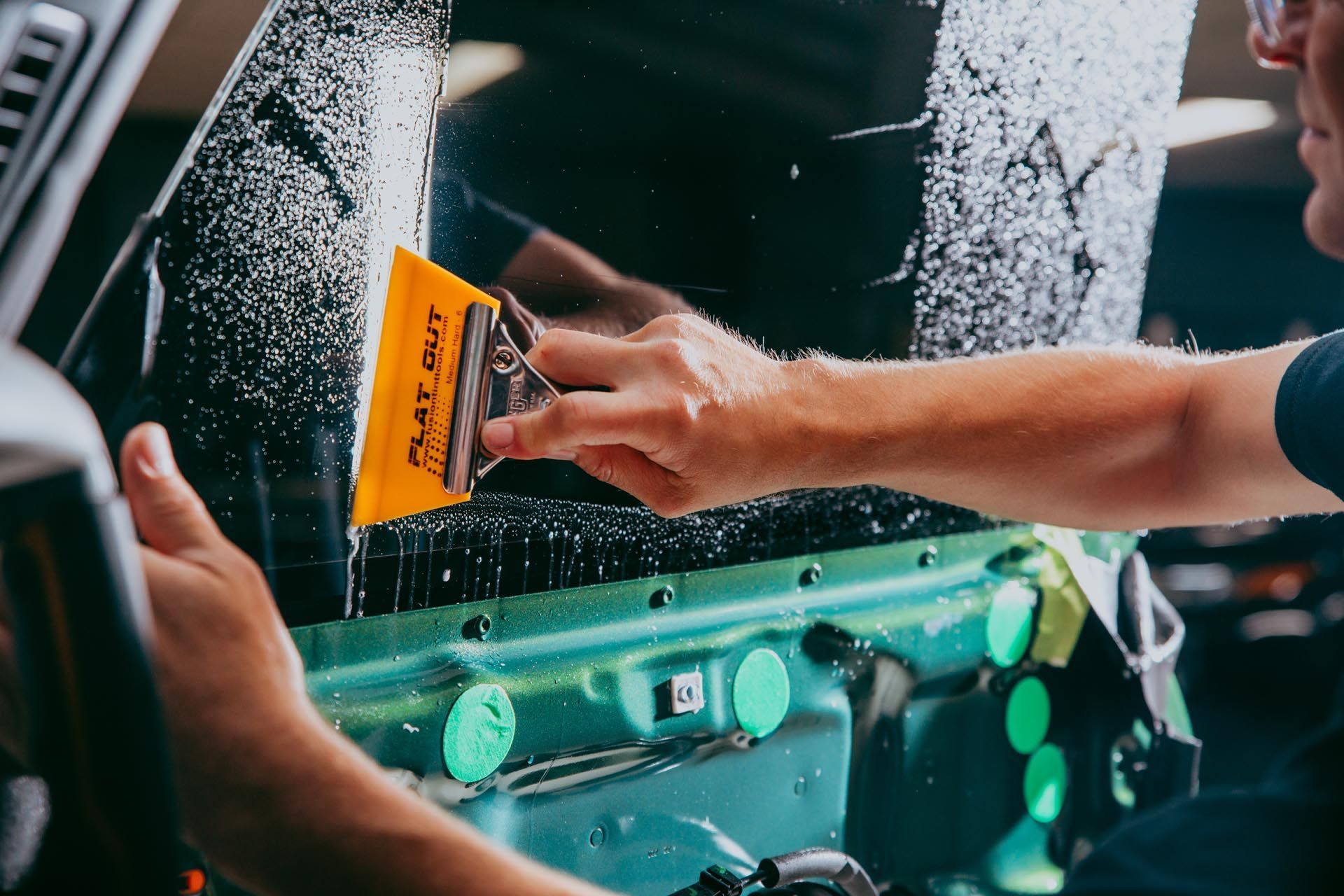
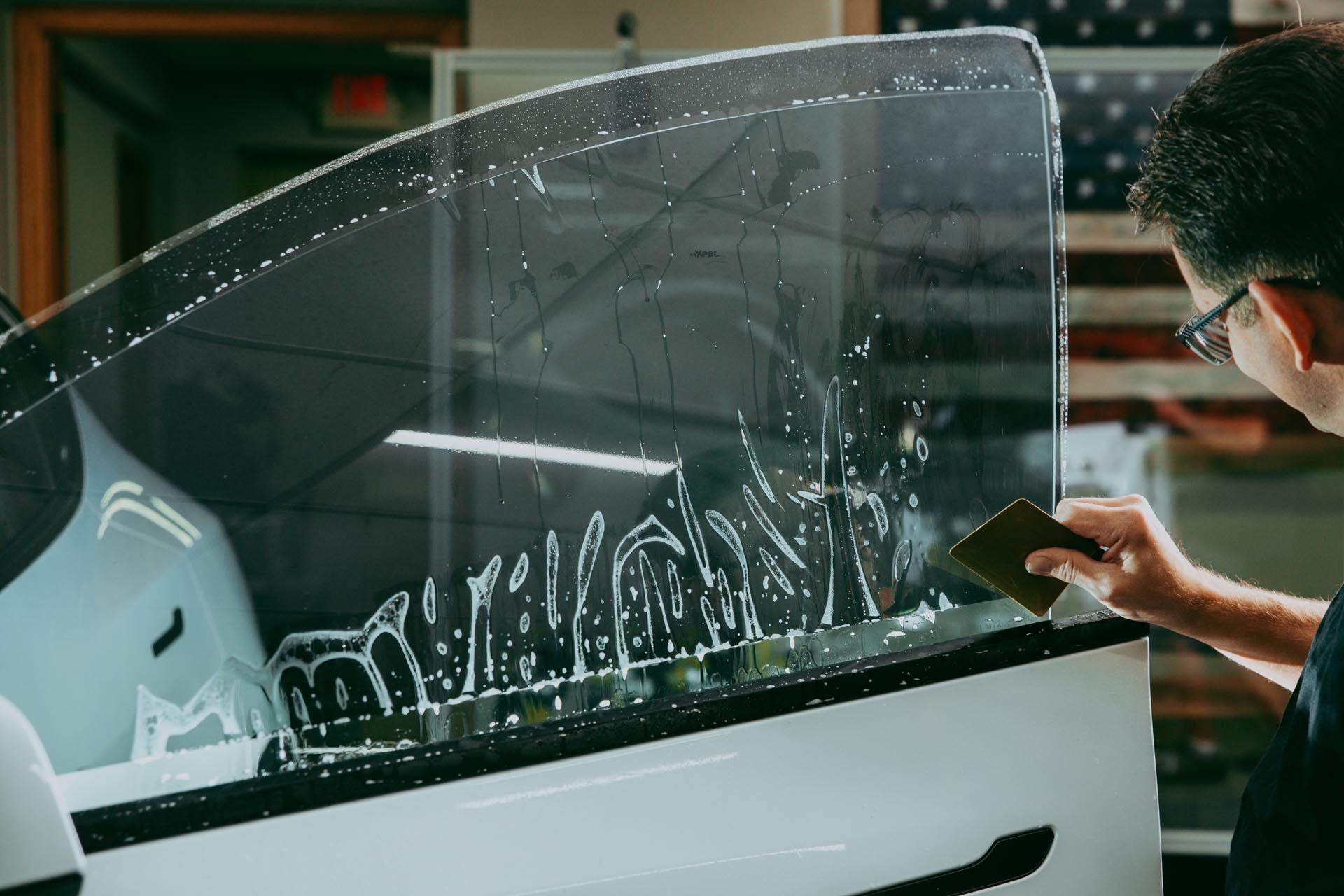
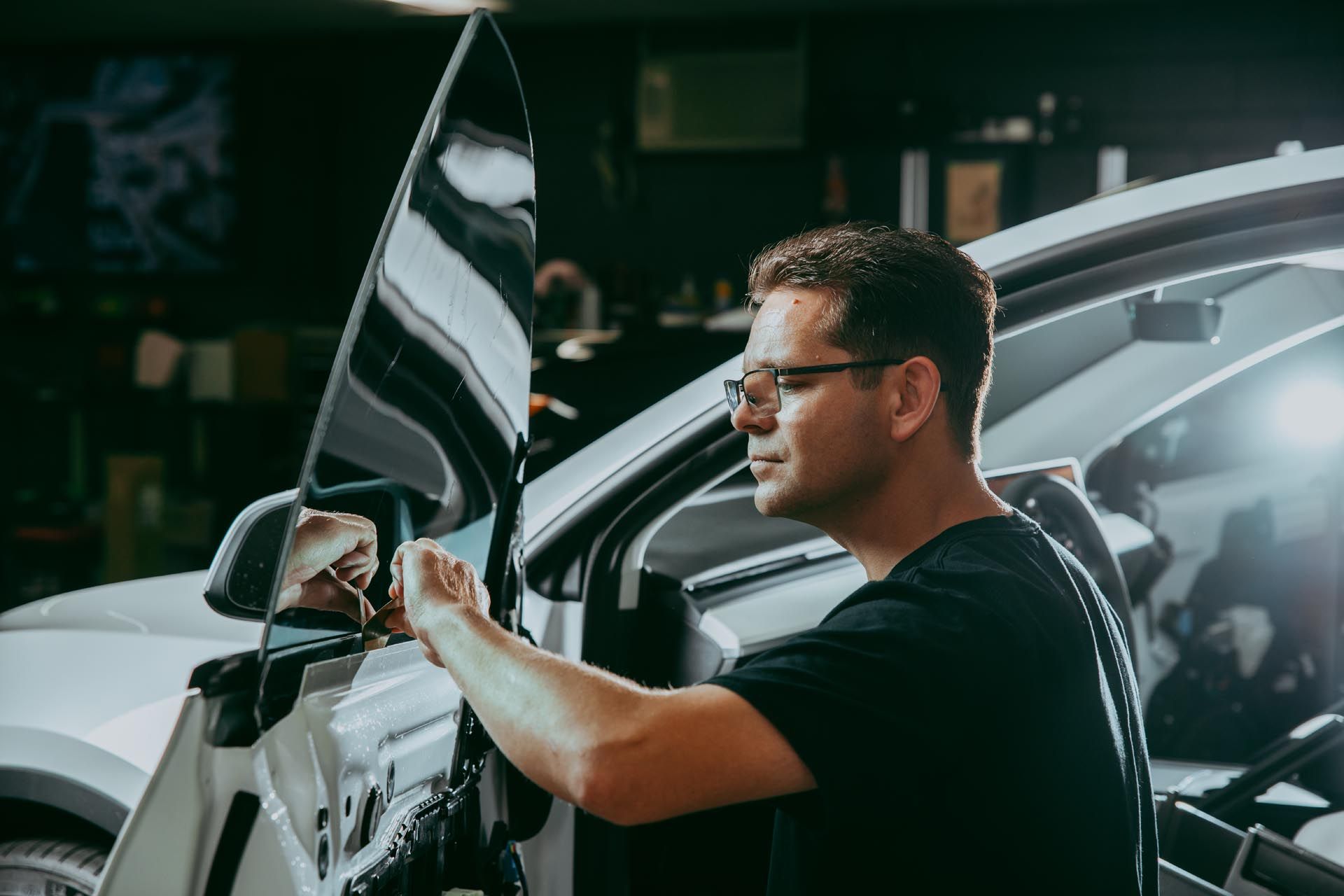
: One of the most popular choices for UV protection, window tinting involves applying a film to your car’s windows to reduce the amount of UV rays entering the vehicle. Ceramic tint is particularly effective, blocking up to 99% of harmful UV radiation. The downside? While it provides excellent protection and privacy, it can be an expensive upfront investment, and in some areas, there are legal limits on how dark your tint can be.
- UV-Blocking Films
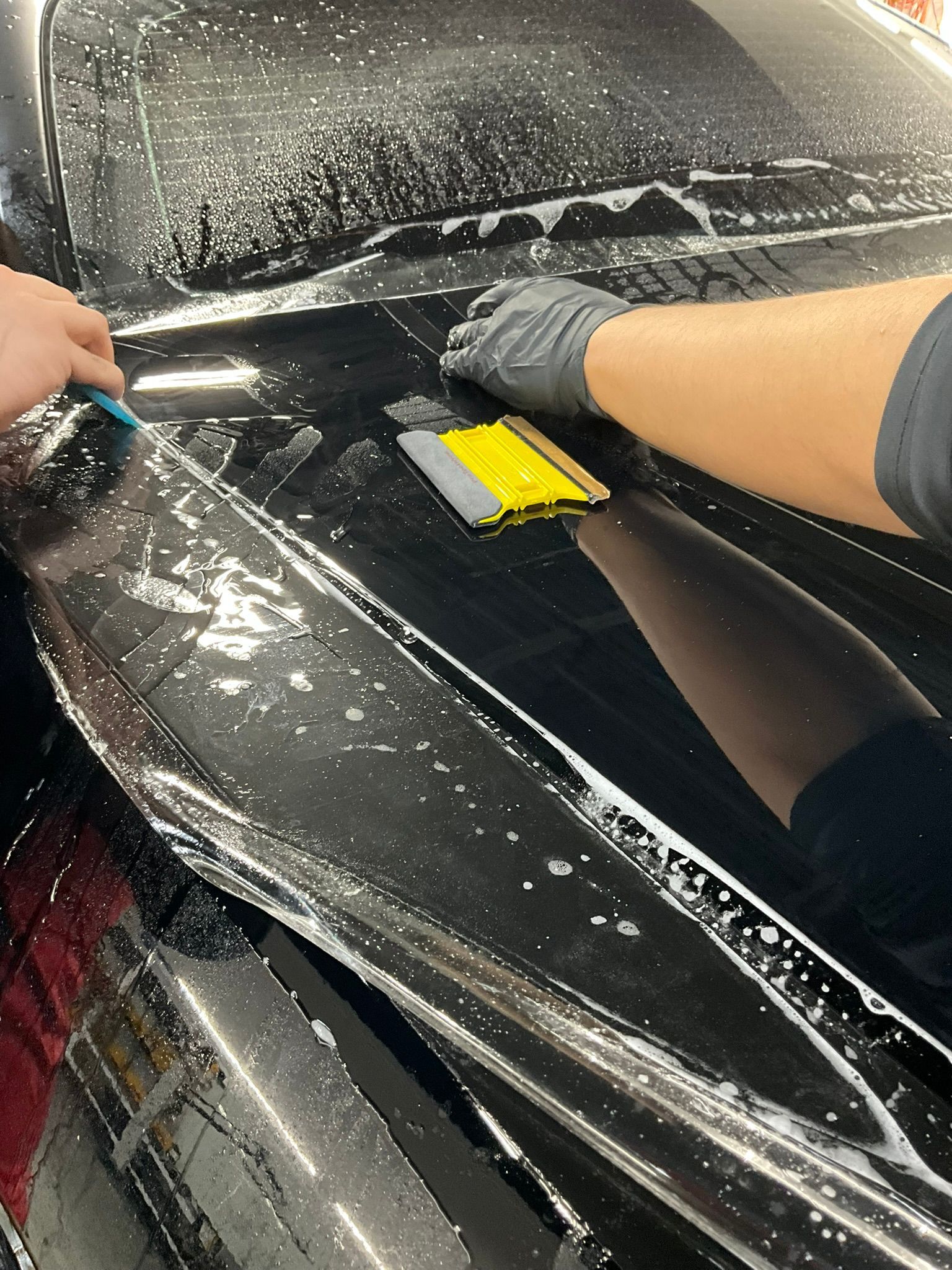
: These films are designed specifically to filter out UV rays and can be applied to both windows and sunroofs. They’re great at reducing the amount of heat and sunlight entering the vehicle, improving comfort. However, like window tinting, the cost can add up, especially if you have a large vehicle or need a professional installation.
- Interior Treatments
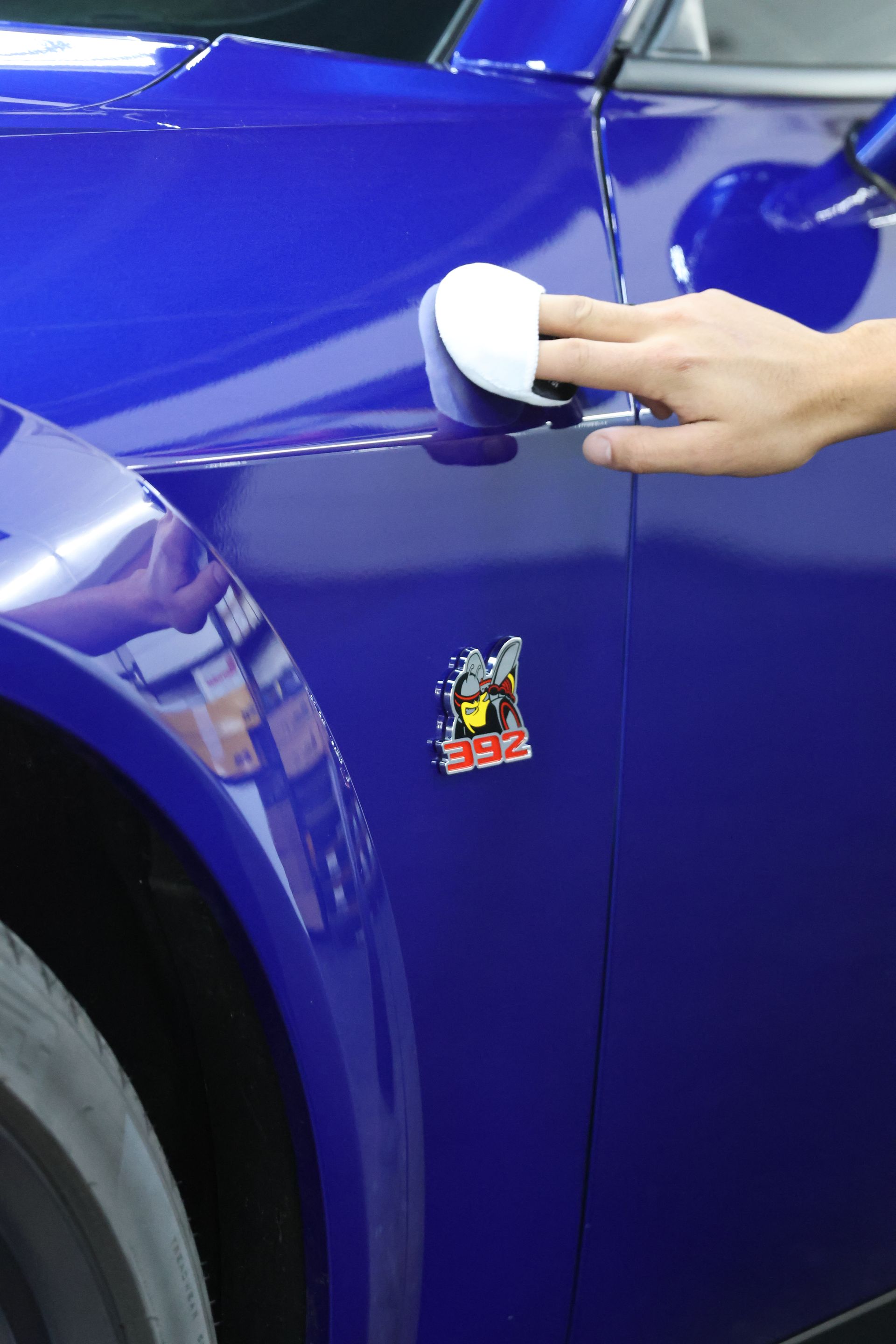
: There are also various protective coatings available for your car’s interior materials. These treatments, typically in spray or wipe-on form, create a shield against UV rays, preventing fading and cracking. They’re easy to apply and cost-effective, but they require reapplication over time to maintain effectiveness.
When Is the Best Time to Apply UV Protection Measures to Your Vehicle?
Protecting your car from harmful UV rays is essential, but when is the best time to apply those protective measures? Timing matters, and knowing when to take action can make all the difference in preserving your car’s interior and your health.
- When You Purchase a New Car
: The best time to start UV protection is right when you buy a new vehicle. New cars are most vulnerable to UV damage because their interiors are fresh and unprotected. Applying UV protection measures, like window tinting or UV-blocking films, right away can help safeguard the upholstery, dashboard, and other materials from sun damage right from the start. This proactive approach prevents long-term fading, cracking, and discoloration.
- Seasonal Changes and Peak Sun Exposure
: As the seasons change, particularly during summer months when the sun’s intensity increases, it’s a good idea to revisit your UV protection. UV rays are stronger in warmer weather, and you’ll experience longer exposure to sunlight during road trips, vacations, and everyday driving. It’s a great time to check if your UV protection measures are still up to par and if reapplication is needed.
- Regular Maintenance and Reapplication
: UV protection is not a one-time fix. For things like interior sprays or treatments, regular maintenance is necessary. Reapplying treatments or checking the effectiveness of window tints every 1-2 years will help maintain your car’s protection. Remember, while window tints can last longer, interior treatments need reapplication to keep your vehicle’s interior safe from UV rays.
By staying on top of UV protection from the start and maintaining it regularly, you can keep your car’s interior looking great and ensure better protection against the sun’s damaging effects.
Where Can You Find Quality UV Protection Products and Services?
Finding the right UV protection products and services for your car is essential to ensure your vehicle stays protected from the harmful effects of the sun. But where should you look? Here’s some guidance on sourcing reputable products and services that will safeguard your car’s interior.
- Reputable Auto Shops and Dealerships
: Many auto shops and dealerships offer a range of high-quality UV protection products, such as window tints and UV-blocking films. When selecting a provider, look for businesses with a strong reputation, positive customer reviews, and professional certifications. Established dealerships often offer UV protection services as part of their maintenance packages or as an add-on when purchasing a new car, giving you peace of mind that you’re getting reliable options.
- Specialized Window Tinting Companies
: For a more tailored solution, turn to businesses that specialize in window tinting and UV protection services. These companies typically offer a wide variety of tint options, including ceramic, dyed, or UV-blocking films, to meet your specific needs. Be sure to check their portfolio, ask about their warranty policies, and inquire about the materials they use. A trustworthy tinting company will ensure a professional installation that complies with local laws and provides long-lasting results.
- Online Retailers and Product Reviews
: If you prefer to tackle UV protection DIY-style, look for trusted online retailers that specialize in automotive products. Websites like Amazon or specialized car care retailers offer a variety of UV-blocking treatments and accessories for both interior and exterior protection. Reading customer reviews and ratings will help you make an informed decision on which products provide the best value for your money.
How Do UV Protection Measures Enhance the Resale Value of Your Car?
When it comes to selling your car, first impressions matter. A well-maintained interior can significantly boost its resale value, and UV protection plays a pivotal role in preserving that value. But how exactly does it work? Let’s break it down!
- Preserving Interior Materials
: Over time, UV rays can cause significant damage to your car’s interior, from fading upholstery to cracking dashboards. UV protection measures, such as window tinting or UV-blocking films, help prevent these damaging effects. By protecting the fabric, leather, and plastic components of your vehicle’s interior, you maintain the overall appearance and functionality of the car, which can make it far more appealing to potential buyers.
- Long-Term Durability
: A car that looks well-maintained on the inside often gives the impression of being cared for overall. By applying UV protection, you’re preventing accelerated wear and tear. This means your car will retain its interior quality for a much longer time, making it more attractive on the resale market. The higher the quality of the car’s interior, the more likely you are to sell it at a competitive price, sometimes even above market value.
In conclusion, investing in UV protection doesn’t just improve comfort and safety—it also enhances your vehicle’s long-term resale value. By maintaining a pristine interior, you’re ensuring that your car holds its appeal for years to come, which translates to a higher return when it’s time to sell.
Why Is Investing in UV Protection a Smart Decision for Every Vehicle Owner?
When it comes to caring for your vehicle, UV protection should be at the top of your list. It’s not just about keeping your car looking good—it’s about preserving its value, enhancing comfort, and protecting your health. Here’s why investing in UV protection is a smart choice for every vehicle owner.
- Preserving Your Car’s Interior
: UV rays can cause significant damage to your car’s interior over time, leading to fading, cracking, and overall deterioration. With UV protection measures such as window tinting and protective films, you can significantly extend the life of your upholstery, dashboard, and other interior elements. This helps maintain the overall appearance and functionality of your vehicle, making it a long-term investment in its upkeep.
- Protecting Your Health and Comfort
: UV rays aren’t just harmful to your car—they’re harmful to you, too. Prolonged exposure to UV radiation can increase the risk of skin cancer and cause premature aging. UV protection in your vehicle can reduce your exposure to these harmful rays, keeping you safer while driving. Plus, by blocking heat and reducing glare, UV protection enhances your overall comfort during your time on the road.
In conclusion, UV protection is a small investment that offers substantial rewards. It preserves your car’s interior, protects your health, and keeps your ride more comfortable. It’s not just a luxury; it’s a smart, proactive decision that benefits both your vehicle and your well-being.
Conclusion
As we’ve explored throughout this article, UV protection for your car is not just a luxury—it’s a vital, long-term investment that offers a wide range of benefits. From preventing damage to your car’s interior, such as fading, cracking, and deterioration, to safeguarding your health from harmful UV rays, taking proactive measures today can save you significant costs and headaches down the road. The impact of UV rays on your vehicle’s interior is undeniable, and without protection, the value of your car will inevitably decrease.
By investing in UV-blocking solutions such as window tinting, protective films, and regular maintenance, you’re not just enhancing your car’s longevity. You’re also protecting yourself from the health risks associated with prolonged UV exposure. It’s essential to understand that UV rays can penetrate through standard car windows, leading to skin damage and premature aging, so it’s crucial to address this concern sooner rather than later.
Moreover, UV protection helps maintain your car’s resale value, keeping the interior in top condition for potential buyers. Well-maintained vehicles always fetch a higher price, so the upfront investment in UV protection pays off in the long run.
Don’t wait for your car’s interior to fade or crack before taking action. There are affordable and effective solutions available that will protect your vehicle and your well-being. The sooner you invest in UV protection, the more benefits you’ll enjoy, both now and in the future. Take the necessary steps today to ensure your car stays in prime condition, and you can continue driving with peace of mind!