Ceramic Coating vs. Wax: Which One Offers Better Protection for Your Car?

December 21, 2024
Introduction

When it comes to keeping your car looking its best, protecting the paint isn’t just about appearance—it’s about preserving value, reducing damage, and minimizing maintenance over time. Whether you’re driving a daily commuter or a garage-kept showpiece, your vehicle’s exterior faces constant threats from UV rays, water spots, bird droppings, and road contaminants. That’s where surface protection comes in—and the two most popular options are wax and ceramic coating.

For years, traditional car wax has been a go-to method for enhancing shine and providing a temporary shield against the elements. It’s quick, cost-effective, and widely available. But in recent years, ceramic coating has made waves in the detailing world, promising longer-lasting protection, deeper gloss, and easier maintenance. This high-tech liquid polymer bonds with your vehicle’s paint to form a durable, hydrophobic layer that many claim outperforms wax in nearly every category.

But is ceramic coating really worth the higher price tag? Or does wax still hold its own when it comes to keeping your car clean and protected?

In this article, we’ll break down the differences between ceramic coating and car wax, comparing them side by side across durability, appearance, protection, maintenance, and cost. Whether you’re searching for long-term investment or a short-term shine, understanding how each option works will help you make the right choice for your vehicle and lifestyle.

From professional-grade ceramic coatings to easy-apply waxes, you’ll gain clear insight into which protection offers better value—and better results—for your car. By the end, you’ll be equipped to decide whether to stick with the classic or upgrade to something more advanced.

What Is Car Wax and How Does It Work?

Car wax is one of the most traditional and widely used products in the world of automotive paint protection. It’s designed to provide a glossy finish and a temporary layer of defense against environmental contaminants. Wax comes in two main forms: natural wax and synthetic wax , also known as paint sealants.

Natural wax , typically made from carnauba (derived from the leaves of the Brazilian palm tree), is valued for its rich, warm gloss and smooth finish. Carnauba wax is often blended with other natural oils and beeswax to enhance spreadability and performance. It creates a hydrophobic barrier that helps repel water and can slightly mask minor imperfections.

Synthetic wax , on the other hand, is chemically engineered to offer extended durability. While it may not deliver the same deep shine as carnauba, it bonds better to paint surfaces and tends to last longer. These types of waxes are often easier to apply and remove, making them more beginner-friendly.

Regardless of type, wax primarily sits on top of the paint rather than chemically bonding with it. It creates a slick surface that can reduce the risk of contaminants sticking to the finish, and it offers a limited level of protection from UV rays, water spots, and bird droppings.

The application process typically involves washing and drying the vehicle, then spreading the wax by hand or machine in a thin layer. After a short curing time, the product is buffed off to reveal a glossy finish.

As for lifespan, wax is generally considered short-term protection . Natural waxes last around 4–6 weeks, while synthetic versions may offer 2–3 months of durability under ideal conditions. Regular reapplication is necessary to maintain consistent protection and shine.

What Is Ceramic Coating and How Is It Different?

Ceramic coating is a liquid polymer that chemically bonds with a vehicle’s paint, creating a long-lasting, semi-permanent protective layer. Unlike car wax, which simply sits on the surface, ceramic coating forms a strong chemical bond with the clear coat—essentially becoming a part of the paint itself. This advanced technology offers far superior durability and resistance compared to traditional waxes.

The primary ingredient in ceramic coatings is silicon dioxide (SiO₂) , which is derived from materials like quartz or sand. Some high-end formulations also include titanium dioxide (TiO₂) for added strength and UV resistance. Once applied and cured, the coating hardens into a transparent, glass-like shield that enhances the car’s appearance and makes the surface significantly more resilient.

One of the standout benefits of ceramic coating is its hydrophobic property. Water beads up and rolls off the surface easily, carrying dirt and contaminants with it. This makes washing easier and helps reduce the chances of water spots and swirl marks. Additionally, ceramic coatings are UV-resistant , helping to prevent oxidation, fading, and paint dulling over time—especially useful for cars exposed to direct sunlight regularly.

Ceramic coatings come in professional-grade and DIY versions . Professional applications involve meticulous surface preparation, sometimes including paint correction, and are applied by certified technicians. These coatings can last anywhere from 2 to 7 years and often include warranties. DIY kits are more affordable and easier to apply, though they typically offer less durability (usually around 6 to 12 months) and require more frequent reapplication.

In essence, ceramic coating provides deeper protection and longer-lasting results than wax. It’s an investment that not only preserves your vehicle’s appearance but also saves time on maintenance.

Durability and Longevity: Which Lasts Longer?

When it comes to protecting your car’s paint, longevity matters. The most significant difference between traditional car wax and ceramic coating lies in how long each product lasts—and how much maintenance they require to stay effective.

Car wax , whether natural or synthetic, typically lasts anywhere from 4 to 8 weeks under normal driving conditions. Even the most advanced synthetic waxes may stretch to a few months , but they’ll gradually break down due to heat, rain, car washes, and exposure to UV rays. As a result, car owners who rely on wax for protection must reapply it every 1 to 3 months to maintain consistent coverage.

Ceramic coating , on the other hand, offers dramatically extended durability. Professional-grade coatings can last anywhere from 2 to 7 years , depending on the product quality, number of layers applied, and how well the coating is maintained. Even DIY ceramic coating kits usually provide 6 to 12 months of reliable protection—far beyond what wax can offer.

Climate and driving habits play a big role in how both wax and ceramic coating hold up over time. In hot, sunny climates, wax breaks down faster due to increased UV exposure. Rainy or snowy environments can also degrade wax quickly, especially with road salt or acidic rain in play. Ceramic coatings, however, are UV-resistant, hydrophobic , and chemically resistant , making them much more resilient in extreme weather or high-mileage situations.

If you frequently drive, park outdoors, or simply want longer-lasting protection with less reapplication, ceramic coating clearly comes out ahead in the durability department. It reduces the need for frequent touch-ups, making it a smarter investment for those who value low-maintenance, long-term results.

Protection from Environmental Contaminants

Your car’s paint is constantly under attack from the environment. From bird droppings and tree sap to UV rays and road salt, these contaminants don’t just affect how your vehicle looks—they can lead to permanent damage if not properly managed. That’s where paint protection products like wax and ceramic coating come in. But how well do they each handle these threats?

Car wax , especially synthetic versions, creates a temporary protective layer on the surface of your vehicle. It helps repel water, reducing the chance of water spots forming. It also offers some degree of shielding from UV rays and contaminants like road grime, bird droppings, and sap. However, wax isn’t resistant to chemical etching. If acidic substances such as bird droppings or tree sap sit on the waxed surface too long, they can penetrate the wax layer and stain or etch the clear coat beneath. In short, wax offers short-term, passive defense that needs frequent reapplication.

Ceramic coating , by contrast, provides active, long-lasting resistance . Its hydrophobic properties cause water and contaminants to bead and roll off the surface, reducing the time they stay in contact with the paint. More importantly, ceramic coatings are chemically resistant , meaning they don’t just repel—they resist corrosion and chemical etching. This includes damage from road salt, acidic rain, harsh detergents, and bird droppings that can etch into unprotected surfaces.

UV protection is another area where ceramic coating outperforms wax. Ceramic bonds to the clear coat and provides a strong, heat-resistant barrier that blocks harmful sun rays, preventing fading and oxidation over time.

In everyday use, ceramic coatings clearly offer a superior line of defense against environmental contaminants—keeping your paint glossier, cleaner, and better protected than wax can over the long haul.

Gloss and Appearance: Which Looks Better?

When it comes to making your car stand out with that head-turning shine, both wax and ceramic coating have a role to play—but they achieve it in different ways. For many car enthusiasts, the visual appeal is just as important as protection, so understanding how each product enhances your vehicle’s appearance can help you make the right choice.

Car wax , especially carnauba-based wax, is known for its warm, deep gloss. It enhances the richness of your car’s paint, adding depth and vibrancy that gives your vehicle a freshly detailed look. Wax also leaves the surface slick to the touch, which contributes to its immediate shine and smoothness. However, this effect is temporary . The glossy finish begins to fade within a few weeks—especially in harsh weather—and needs to be reapplied frequently to maintain that polished look.

Ceramic coating , on the other hand, offers a different kind of visual enhancement. Instead of a warm glow, ceramic delivers a crisp, candy-like gloss that enhances the reflective clarity of your paint. It amplifies color depth and brings out the fine metallic flake or high-gloss finish on newer vehicles. Unlike wax, this finish doesn’t wear off after a few washes. Thanks to its hard-shell protection and hydrophobic surface, ceramic coating maintains that “just detailed” appearance for months to years , depending on the product used and how well it’s maintained.

What’s more, ceramic-coated vehicles stay cleaner longer. Dirt and grime don’t stick as easily, and washing is much simpler. This not only preserves the shine but also reduces the need for constant detailing.

In summary, wax offers quick, short-lived gloss , while ceramic coating provides long-term brilliance and protection—making it the better option for drivers who want lasting aesthetic appeal with minimal upkeep.

Maintenance and Cleaning: Which Is Easier to Care For?

One of the biggest reasons car owners consider protective products like wax or ceramic coating is to make ongoing maintenance easier. When comparing the two, ceramic coating stands out as the more convenient option in the long run—but wax still has its benefits.

Let’s start with car wax . After waxing, your car will have decent water beading properties, meaning water tends to form small droplets and roll off. However, waxed surfaces still attract dust and dirt more easily, and grime can stick to the paint between washes. Waxed cars typically need to be washed more frequently—especially if the vehicle is exposed to weather, road salt, or tree sap. Additionally, each wash gradually breaks down the wax layer, requiring reapplication every few weeks to maintain protection and appearance.

Ceramic coating , on the other hand, offers advanced hydrophobic (water-repellent) and self-cleaning effects. Dirt, mud, and water have a much harder time bonding to a ceramic-coated surface, which means your car stays cleaner longer. When it’s time for a wash, contaminants rinse away with minimal effort—often requiring less scrubbing and no harsh chemicals. For drivers who want to reduce their time at the wash bay or avoid constant detailing, this is a major advantage.

Ceramic coatings also withstand detergents better than wax, so you don’t have to worry about accidentally stripping the protection with a strong cleaner. And since they don’t need to be reapplied as often, you spend less time maintaining the finish overall.

In short, wax requires frequent care and reapplication , while ceramic coating offers low-maintenance, long-term cleanliness —a valuable upgrade for anyone who wants their car to look great with less effort.

Cost Comparison: Short-Term vs. Long-Term Value

When deciding between car wax and ceramic coating, cost is often a deciding factor. At first glance, car wax seems like the more budget-friendly option—but the long-term numbers can tell a different story.

Car wax has a low upfront cost . A typical container of natural or synthetic wax may cost anywhere from $10 to $40, and many car owners apply it themselves. Even professional waxing services are relatively affordable, averaging between $50 and $150 depending on vehicle size and location. However, the trade-off is frequency. Wax usually lasts only a few weeks to a couple of months , especially in harsh climates. That means reapplication is necessary multiple times a year to maintain protection and shine—driving up the cost over time.

Ceramic coating , by contrast, carries a higher initial investment . A professional ceramic coating application can range from $600 to $2,000 or more, depending on the product quality, number of layers applied, and the amount of prep work involved. DIY ceramic kits are cheaper—usually between $70 and $150—but may not offer the same durability or finish as professional-grade versions.

Despite the steeper price, ceramic coatings last for 2 to 7 years , requiring no frequent reapplication and offering continuous protection throughout that time. This reduces the need for detailing, touch-ups, and paint correction, which adds to its long-term value.

From a return on investment (ROI) perspective, ceramic coating offers more durability, better protection, and less maintenance—which ultimately saves time and money over the life of the vehicle. If you plan on keeping your car for several years, ceramic coating is often the more cost-effective solution in the long run.

Application Process: DIY vs. Professional

When it comes to applying protection to your vehicle—whether it’s wax or ceramic coating—the process and skill level involved can make a big difference in both results and longevity. Understanding the difference between DIY and professional application helps determine which route is best for your budget, time, and confidence level.

Car wax is typically more beginner-friendly. It requires minimal tools—usually an applicator pad and microfiber towel—and can be done at home in about 30 minutes to an hour. The process involves washing the car, applying the wax in sections, letting it haze, and buffing it off. Most waxes are forgiving and don’t require expert-level skills, which makes them ideal for DIYers. However, frequent reapplication is needed to maintain protection.

Ceramic coating , on the other hand, is more complex. DIY kits are available, but they require meticulous surface preparation , including a deep wash, decontamination (clay bar), and often paint correction to remove swirl marks or scratches. Improper prep can cause the coating to bond unevenly, leading to streaks, high spots, or even permanent blemishes on the paint. Application itself involves using a precise amount of product, curing time, and correct buffing technique.

A professional ceramic coating service eliminates these risks by using trained technicians, controlled environments, and high-quality products. While it costs significantly more than doing it yourself, the results are more consistent, longer-lasting, and often come with warranties.

If you’re new to detailing or want maximum results without trial and error, professional ceramic coating is the safer choice. Wax, however, remains the more approachable option for casual upkeep. In both cases, the quality of application directly affects the quality of protection.

Best Use Cases: Which One Is Right for You?

Choosing between car wax and ceramic coating ultimately depends on your vehicle type, how often you drive, where you live, and your budget. While both provide paint protection, each one serves better in different scenarios—and in some cases, a combination of both might offer the ideal solution.

Car wax is a great choice for:

  • Daily drivers who want a cost-effective way to add shine and light protection.
  • Owners who enjoy regular detailing and don’t mind reapplying every few weeks or months.
  • Mild climates where UV rays and corrosive materials like salt are not a major concern.
  • Older vehicles where investing in a long-term coating may not yield a worthwhile return.

Ceramic coating is best suited for:

  • New or high-end vehicles where long-term protection helps preserve value.
  • Busy owners who prefer low-maintenance, long-lasting protection.
  • Those living in harsh environments (strong sun, salt air, dusty regions, or snowy areas with road salt).
  • Anyone looking to minimize washing time and effort thanks to the self-cleaning, hydrophobic properties of the coating.


For the best of both worlds, some car owners
combine the two . In this setup, a ceramic coating is applied first as the base layer for chemical resistance and durability. Then, a high-quality wax is layered on top to enhance depth, gloss, and slickness. This approach allows drivers to enjoy both the aesthetic benefits of wax and the long-term protection of ceramic.

Ultimately, the right product—or combination—depends on your lifestyle, expectations, and how much time and money you’re willing to invest in keeping your car looking its best.

Conclusion

When it comes to protecting your car’s finish, both ceramic coating and wax have their place—but they serve different purposes and suit different types of car owners. If you’re looking for long-lasting protection , enhanced shine, and easier maintenance, ceramic coating is the superior choice. It bonds chemically with the paint, provides durable hydrophobic and UV-resistant properties, and can last for years with proper care. Though the upfront cost is higher, the long-term return on investment is undeniable for those who want to keep their vehicle looking its best.

On the other hand, car wax offers a more affordable and approachable option for those who enjoy hands-on car care or are working with a tighter budget. It still delivers a noticeable shine and some water repellency but requires regular reapplication—every few weeks or months—to maintain its benefits. Wax works well for garage-kept vehicles, weekend rides, or car owners who enjoy frequent detailing as part of their maintenance routine.

Ultimately, there’s no one-size-fits-all solution. If you’re willing to invest in professional-grade, long-term protection and minimal upkeep, ceramic coating is the better performer. If you’re after a quick boost in shine or seasonal protection, wax might be the more practical choice. And for some car owners, a combination of both—using wax on top of a ceramic-coated surface for added slickness—can deliver a layered approach to both beauty and resilience.

Whichever route you choose, the key is regular care and understanding your vehicle’s unique needs. With the right solution in place, you can maintain that glossy, head-turning finish and protect your car’s value for years to come.

July 7, 2026
When it comes to window tinting, car owners have more options today than ever before. Two of the most popular choices are dyed window tint and ceramic window tint. Both types serve the basic purpose of darkening your windows for privacy and aesthetics, but they differ significantly in performance and longevity. So, ceramic vs. dyed tint: which one is worth it? In this article, we’ll compare these two tint types in terms of heat rejection, UV protection, longevity, appearance, and cost. By the end, you’ll have a clear understanding of the pros and cons of each, and which might be the better investment for your vehicle. Local Expertise: At 586 Tint Factory – a Clinton Township-based business serving Macomb, Oakland, and Wayne Counties – we’ve installed thousands of tinted windows. We pride ourselves on quality service, years of experience, and customer satisfaction. We know what works best for Michigan drivers, and we’re here to share our expertise. Let’s dive into the comparison! Heat Rejection Performance One of the biggest differences between dyed and ceramic tint is how well they keep your car cool. Michigan summers can get hot and sunny, so heat rejection is a key factor. Dyed Tint: Dyed window film provides a basic level of heat reduction by absorbing some of the sunlight’s energy. This can take the edge off a hot day, but it’s not the most effective solution for cooling. Standard dyed tints lack the advanced infrared-blocking technology found in higher-end films. In fact, regular dyed tint offers only limited heat rejection – it can slightly reduce the sun’s glare and heat, but it won’t dramatically cool your cabin in sweltering conditions​. If your main goal is to reduce interior temperatures, dyed tint may leave you wanting more relief on extremely hot days. Ceramic Tint: Ceramic window tint is the gold standard for heat rejection. These films are infused with nano-ceramic particles that block a significant portion of solar heat, especially the infrared radiation (IR) that is largely responsible for that burning hot feeling inside a car. A high-quality ceramic tint can reject a much higher percentage of heat compared to dyed film. In fact, some premium ceramic films block up to 90–98% of infrared heat​, resulting in a noticeably cooler car interior. This means even on a blistering summer afternoon, a car with ceramic tint will stay more comfortable, putting less strain on your air conditioning. Heat Rejection – Bottom Line: If keeping your car cool is a top priority, ceramic tint clearly outperforms dyed tint in this category. Dyed tint does help somewhat, but ceramic films provide far superior heat rejection, making a real difference in cabin comfort on hot days​.
July 7, 2026
If you’re thinking about tinting your car windows and you live in Michigan, you’ve probably asked yourself: Is window tinting legal in Michigan? The short answer is yes, but with some clear rules you need to follow. At 586 Tint Factory in Clinton Township, we make sure your tint looks great and stays legal.  In this guide, we’ll break down Michigan’s tinting laws, cover common questions, and explain how to avoid tickets or inspection issues. We proudly serve Clinton Township, Sterling Heights, Fraser, Roseville, Mount Clemens, Macomb, and other nearby cities in the Metro Detroit area.
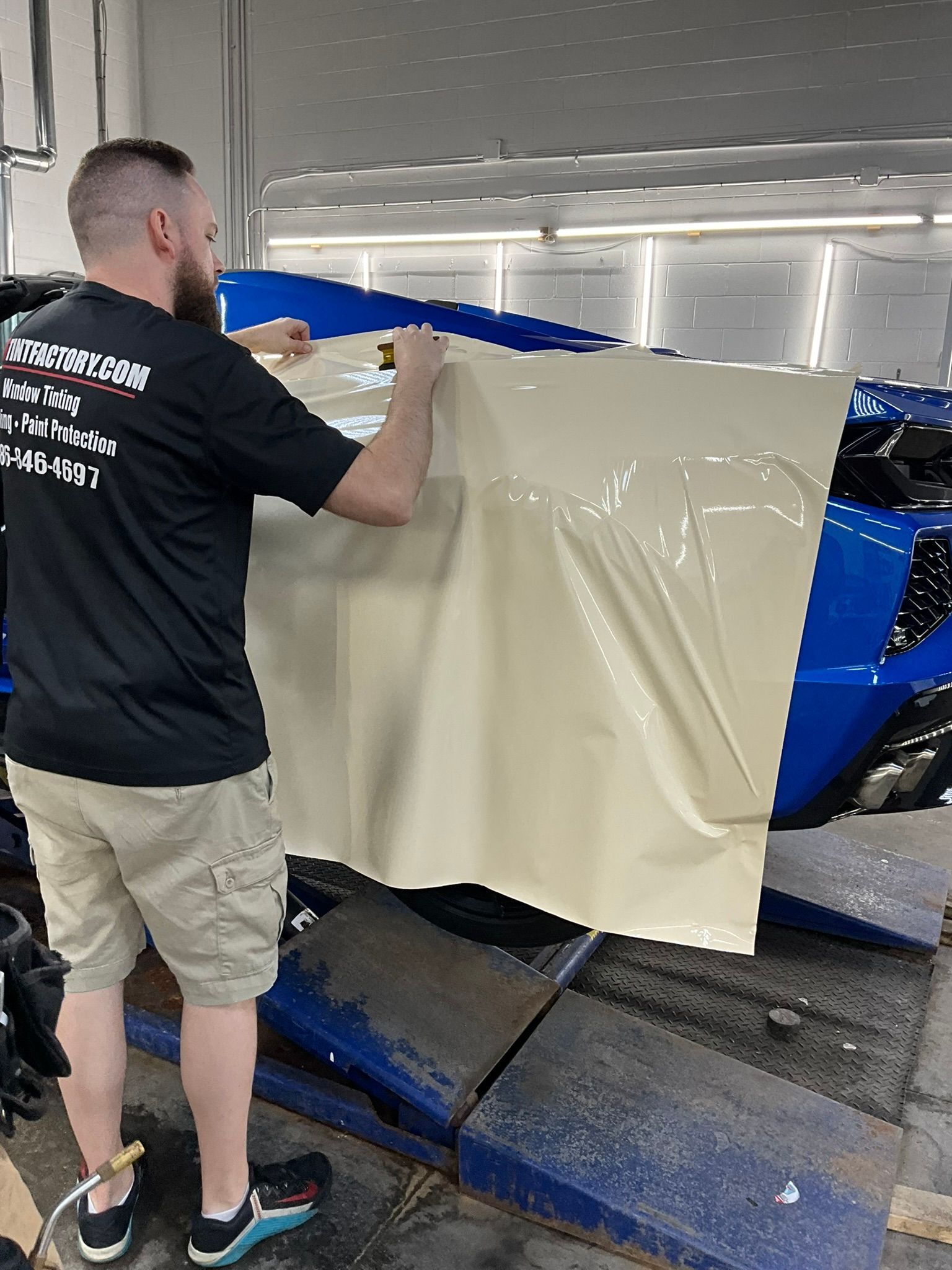
Man covering blue machinery with beige plastic sheeting in a workshop
By Shawn Winters June 1, 2025
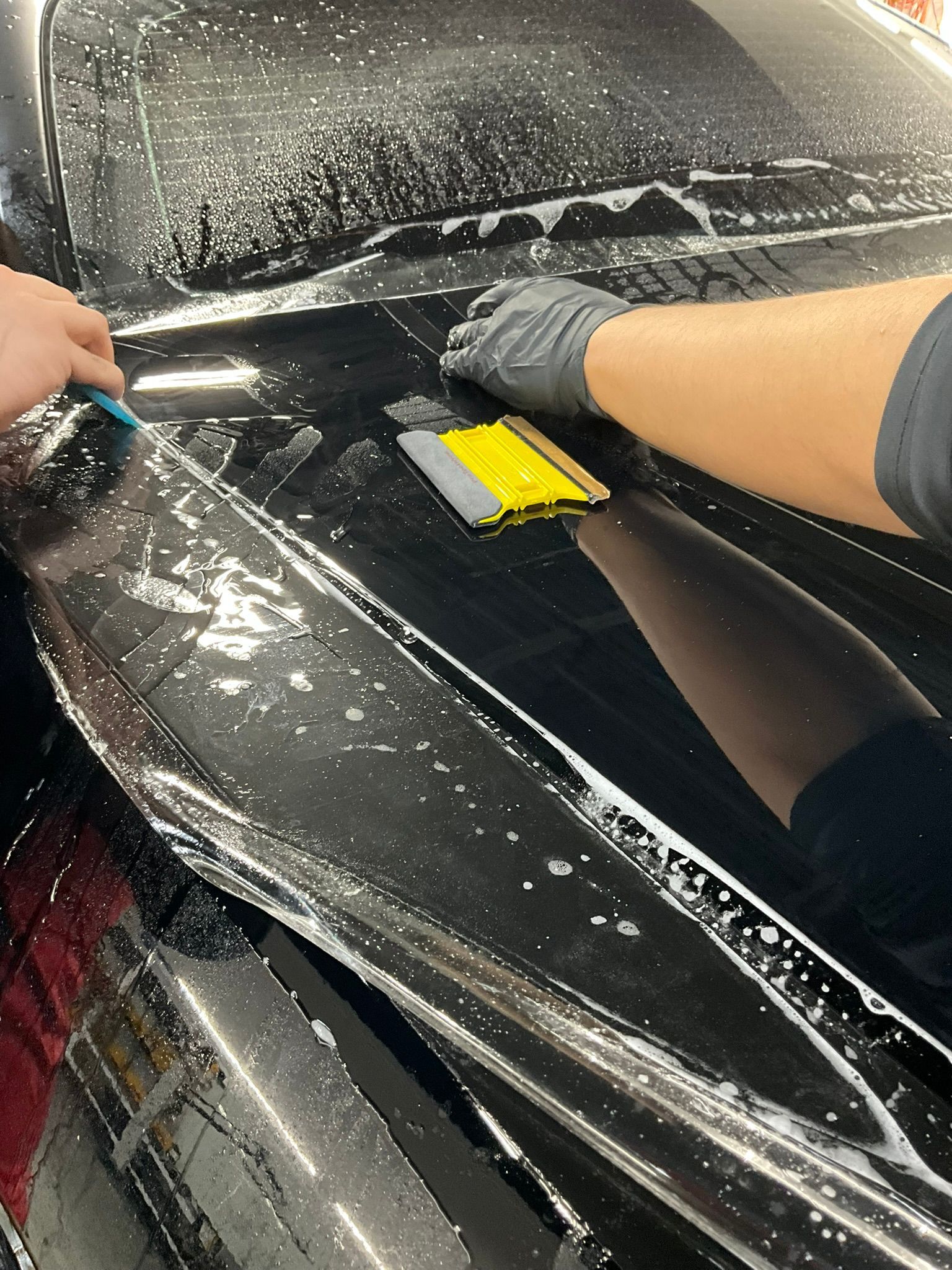
When it comes to protecting your car’s paint, you have more options than ever before. Two of the most popular choices are Paint Protection Film (PPF) and Vinyl Wrap, but which one truly offers the best protection for your vehicle?
By Shawn Winters May 26, 2025
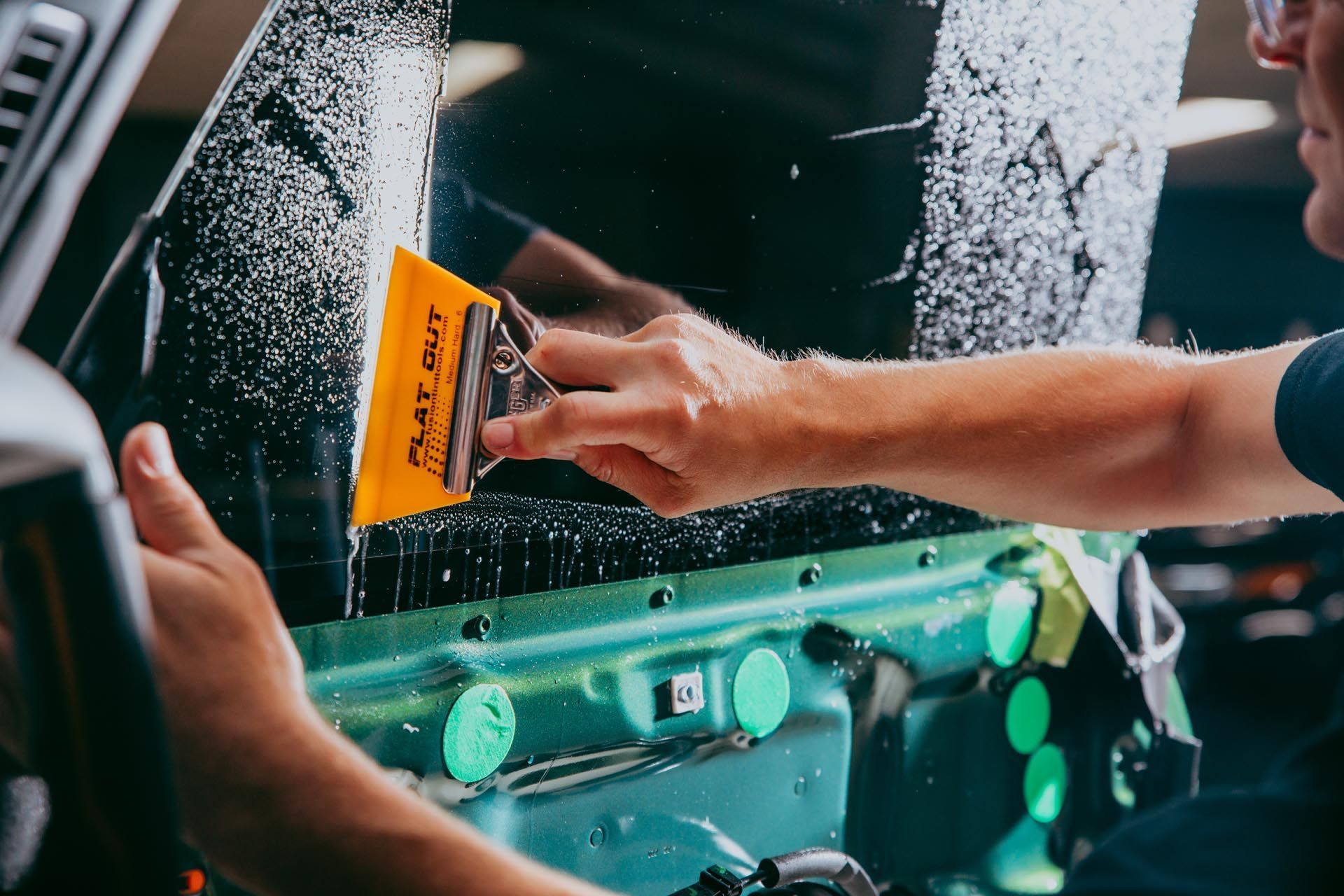
When it comes to window tinting, most people focus on how dark or stylish the film looks—but there’s more to it than just aesthetics. The percentage of your window tint plays a crucial role in how effective it is, how comfortable your ride feels, and ultimately, how much value it adds to your investment.
By Shawn Winters May 26, 2025
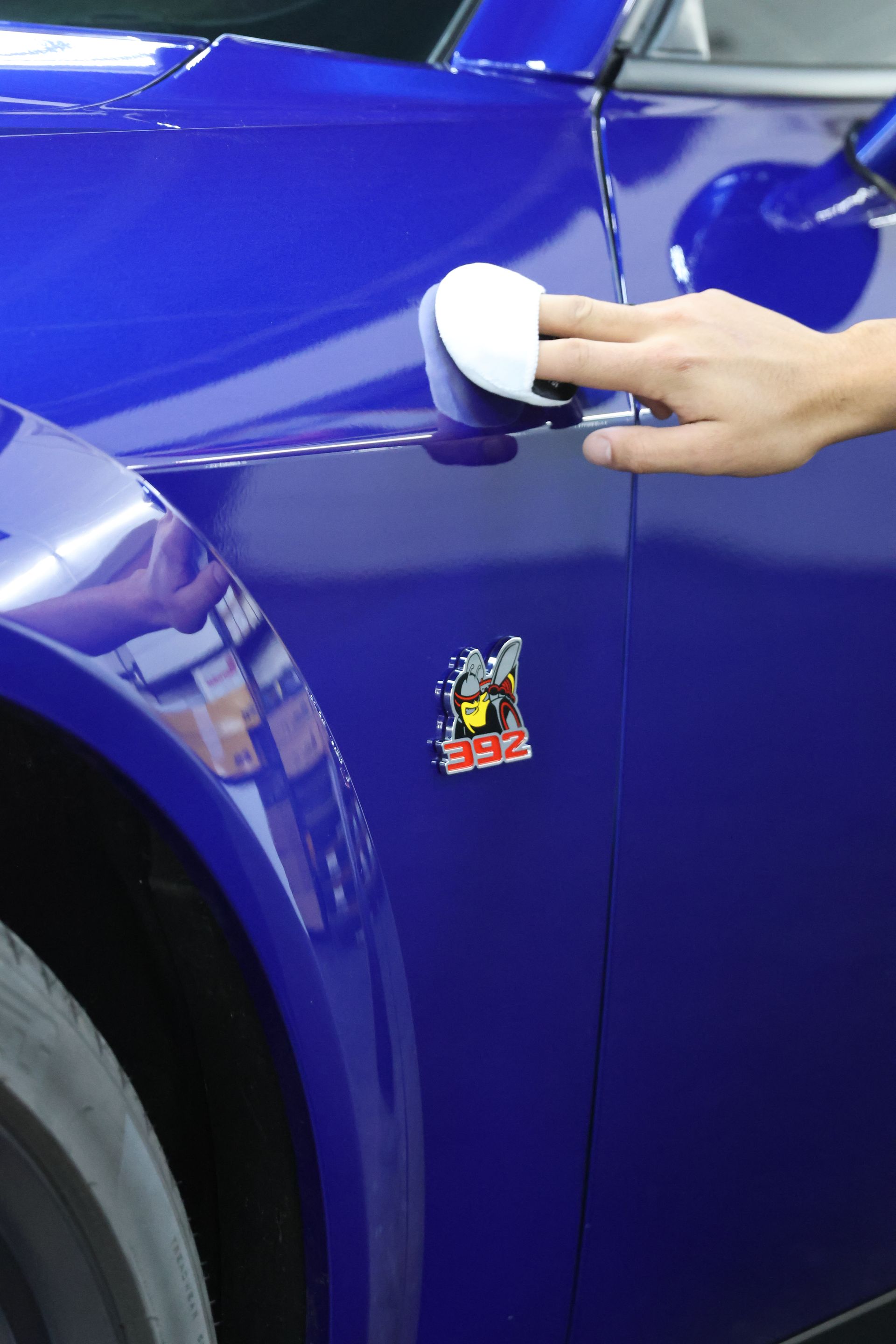
If you’ve ever inspected your vehicle after a road trip and spotted tiny chips, scratches, or mysterious scuff marks, chances are you’ve been on the receiving end of road debris. From loose gravel to sand, salt, or even rubber fragments, these hazards are constantly lurking on highways, construction zones, and rural backroads.
By Shawn Winters May 15, 2025
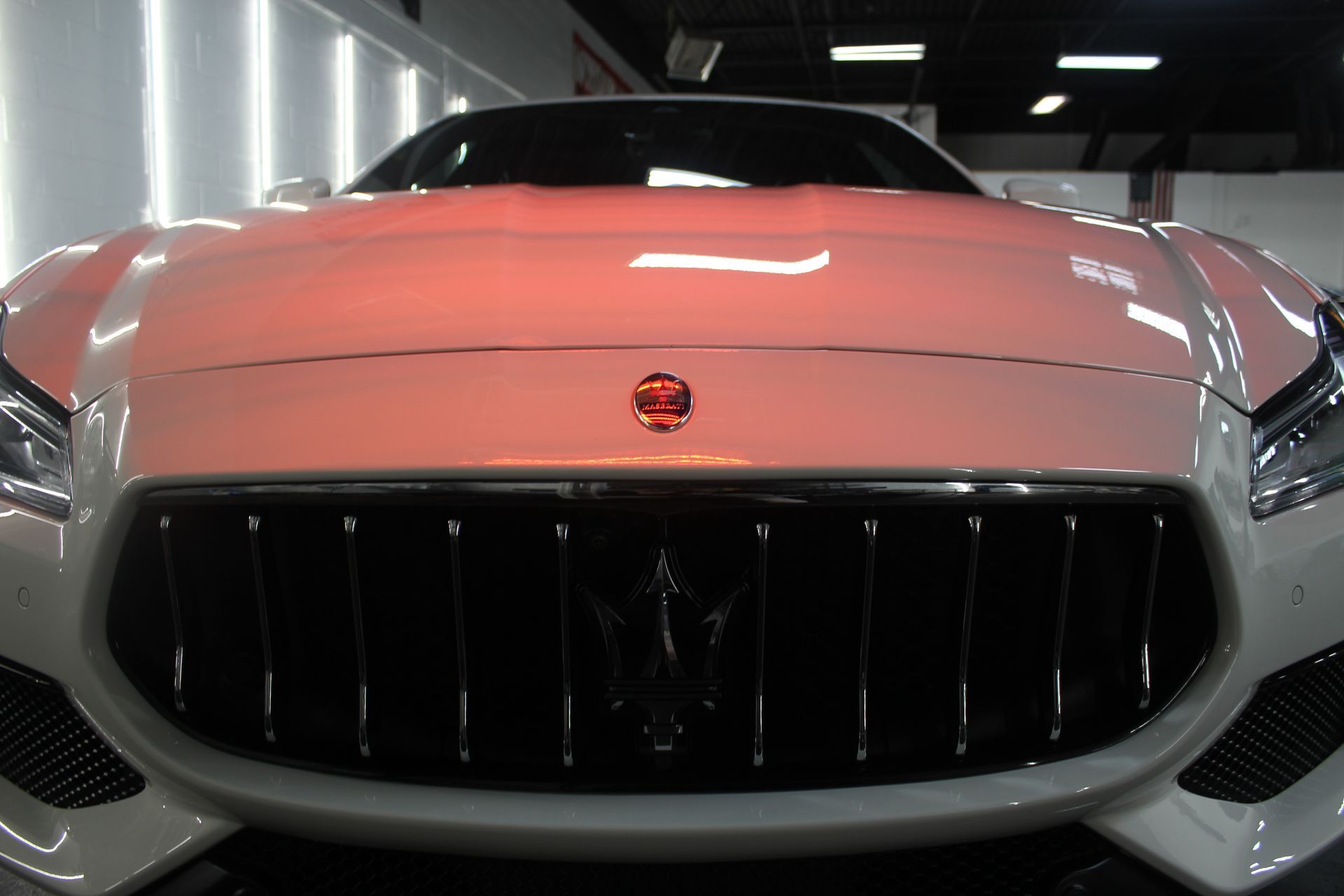
Water spots on a car’s surface can be frustrating, especially when you’ve invested in a ceramic coating to protect your paint.
By Shawn Winters May 15, 2025
Imagine driving your freshly detailed car through the rain, only to see water bead up and roll right off the surface. No water stains, no lingering grime—just a spotless, glossy finish.
By Shawn Winters May 9, 2025
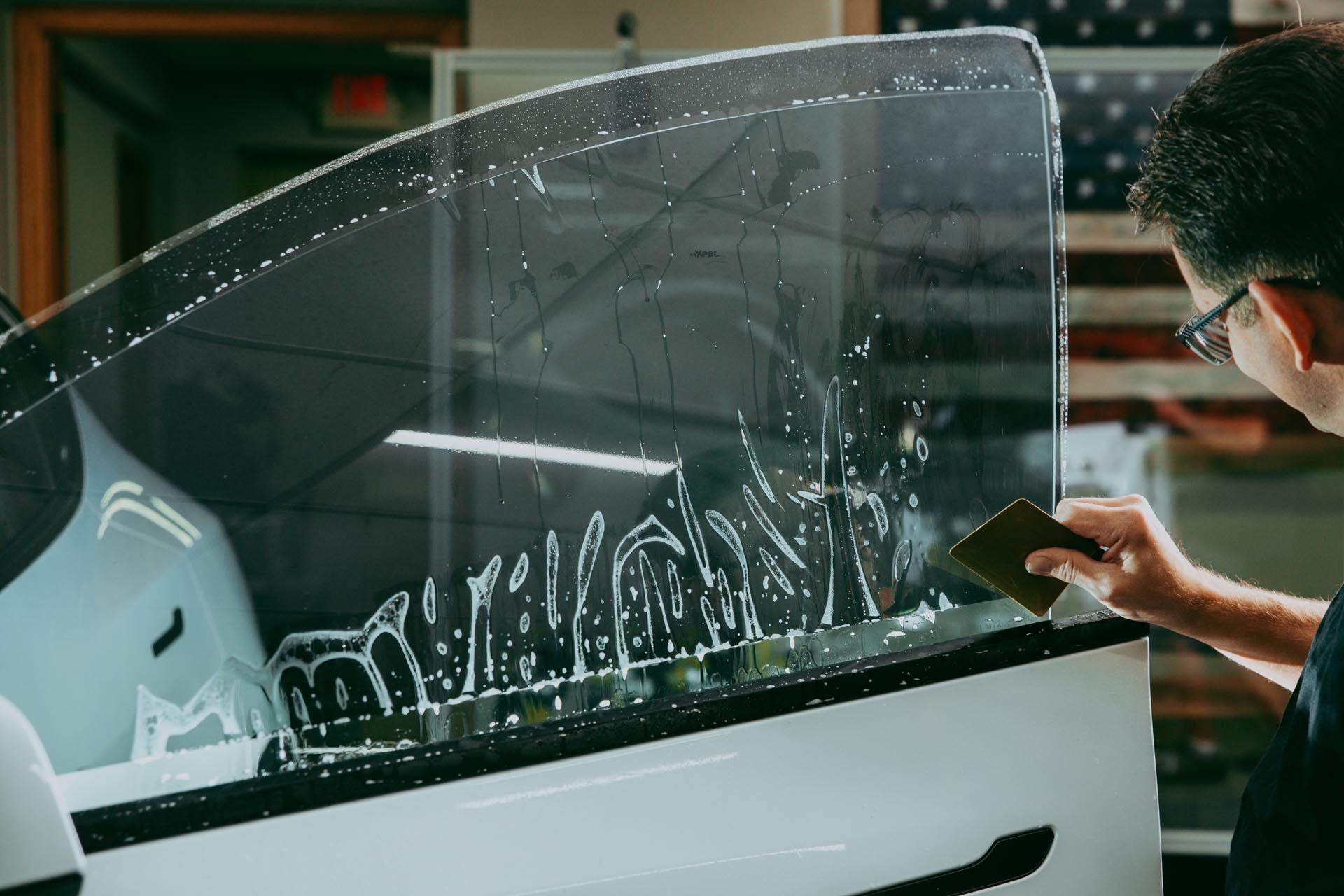
When it comes to selling your car, every detail matters. Whether you’re trying to increase appeal, improve performance, or boost resale value, the choices you make today can impact how much you’ll get for your car down the line.
By Shawn Winters May 3, 2025
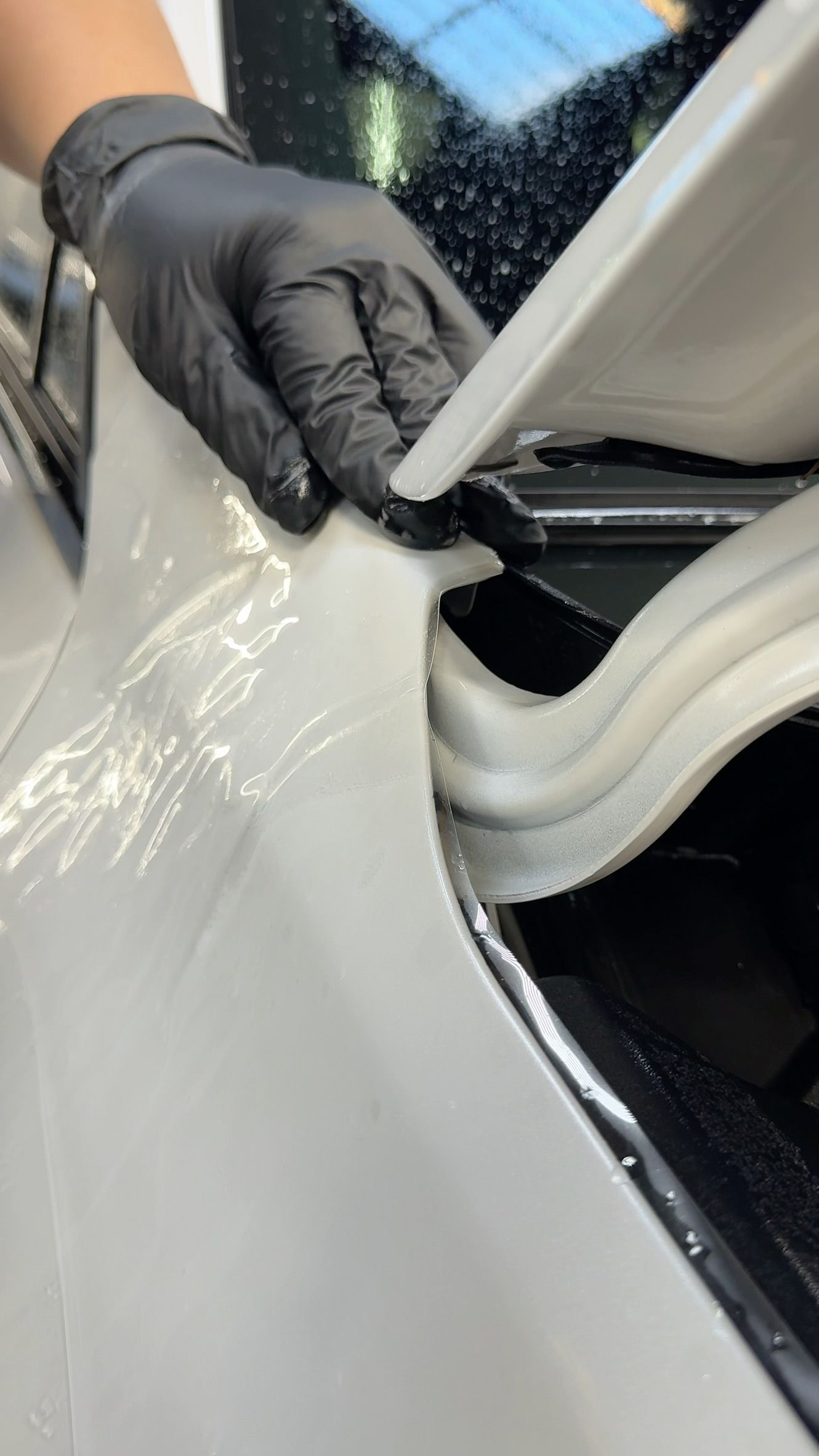
For any fleet manager, maintaining a large number of vehicles can be a constant challenge. Whether it’s ensuring the vehicles are operating smoothly or keeping them looking presentable, it’s no secret that the appearance of your fleet can impact your business’s image.
By Shawn Winters April 30, 2025
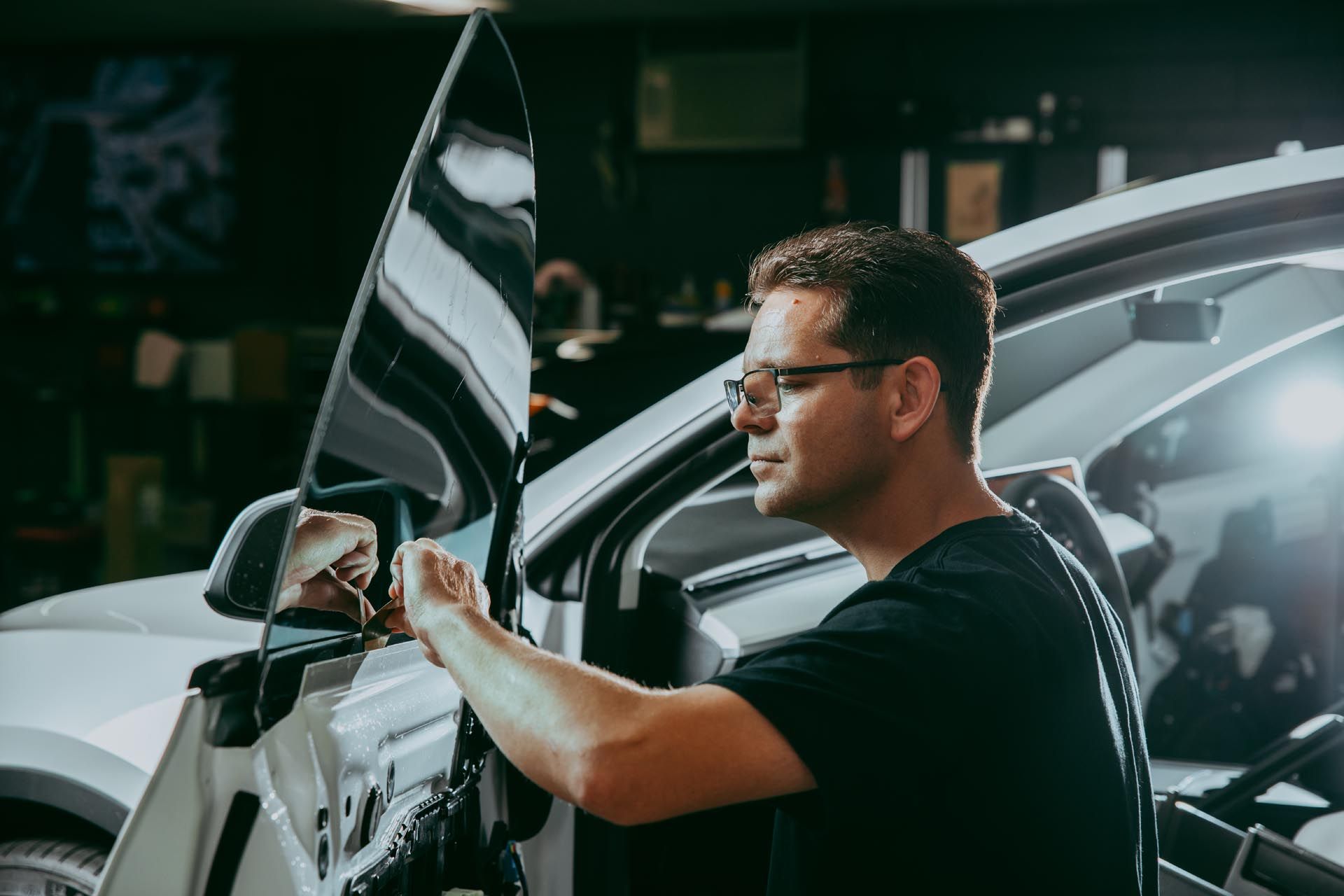
Your car isn’t just a mode of transportation—it’s an investment. Whether you drive it daily or keep it in pristine condition for resale, protecting its interior from wear and tear should be a top priority.