Legal Window Tinting—What You Need to Know Before Getting Your Car Tinted
Window tinting is one of the most popular upgrades car owners make. And honestly, it makes sense. It adds style, cuts down on glare, protects the interior, and keeps your car cooler in the summer. But there’s something most people don’t realize until it’s too late: window tinting isn’t just about what looks or feels good—it’s also about what’s legal.
You see, each state has its own set of laws on how dark or reflective your windows can be. Go too dark, and you could end up with a fine, a failed inspection, or even a mandatory removal notice. Yep—
that sleek tint job you just paid for? Gone.
That’s why understanding tint laws before you get the work done isn’t just smart—it’s essential.
In this article, we’re breaking down everything you need to know before your car hits the tint bay. From understanding what VLT really means, to knowing the legal limits on each window, to how medical exemptions work—we’re going deep. We’ll also cover common mistakes, questions to ask your installer, and how to make sure your tint is both legal
and
effective.
Whether you’re going for full Glass Protection, considering a Residential window tint for your property, or just want a cooler ride with legal limits in mind—we’ve got you.
So before you pick a shade or swipe your card, let’s make sure you know the rules, the risks, and how to make the best choice for your car, your comfort, and yes—your legal record. Let’s dive in.
What Is Window Tinting and Why Do People Get It?
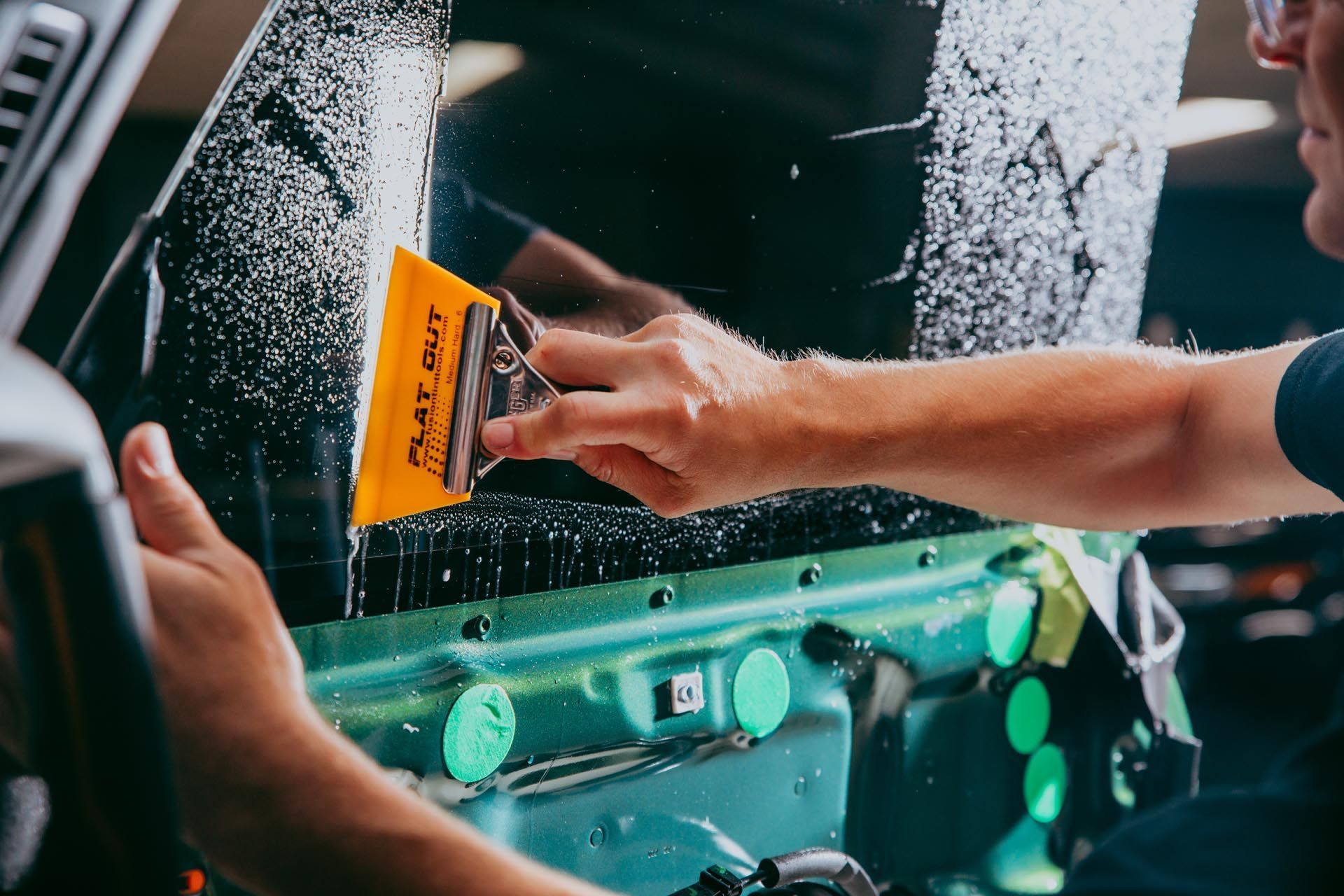
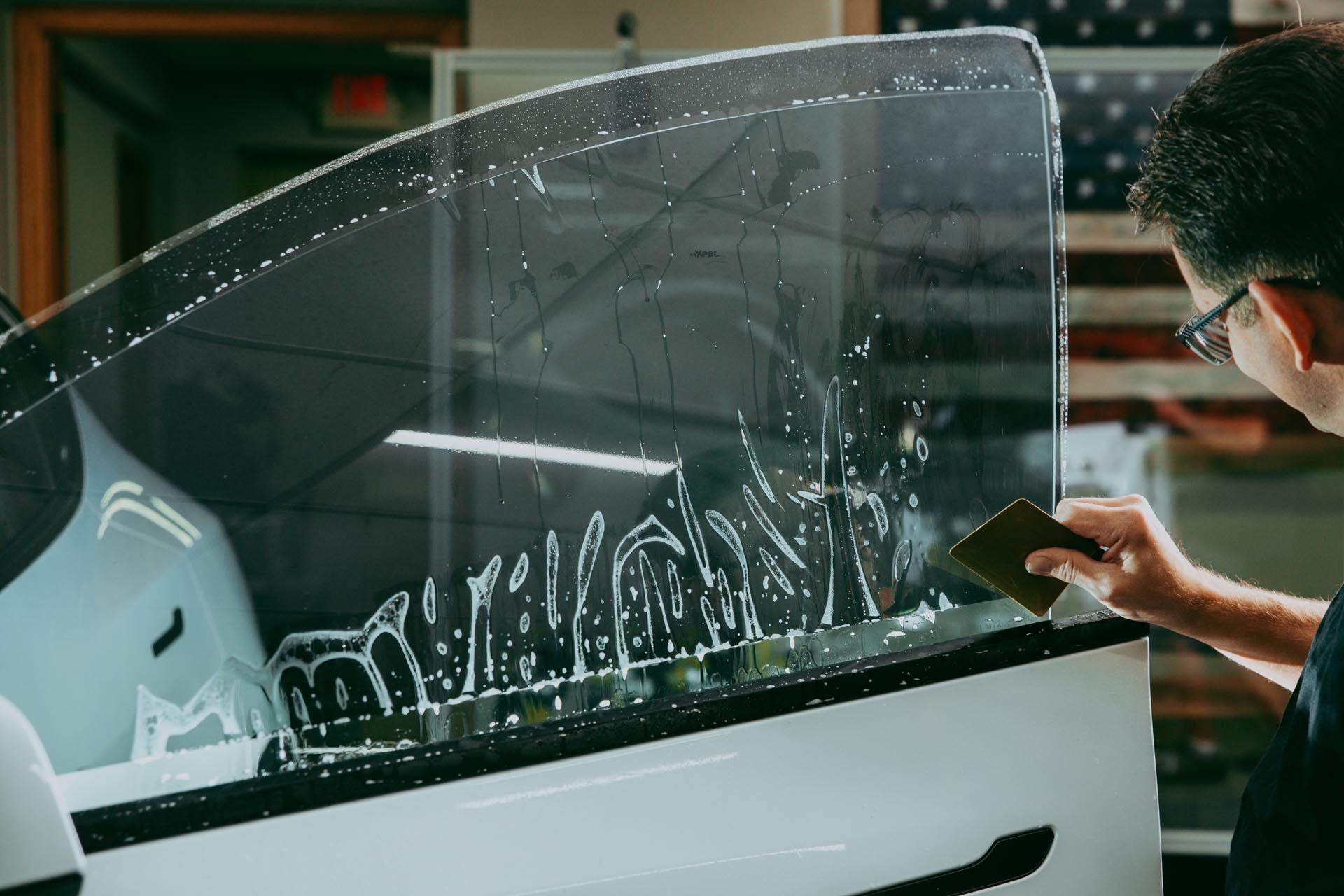
Let’s start with the basics. Window tinting is the process of applying a thin film—usually polyester-based—to the inside of a vehicle’s glass. Sounds simple, right? But that little layer does a lot more than just make your car look cool.
People tint their windows for all kinds of reasons. Privacy is a big one. You don’t want everyone seeing inside your vehicle at every red light, and darker tints help with that. Then there’s heat rejection. A good tint can dramatically reduce how much heat builds up inside your car on sunny days, keeping things way more comfortable.
And don’t forget about UV protection. Quality tint films block up to 99% of harmful ultraviolet rays, protecting your skin and preventing your interior—like seats, dashboards, and electronics—from fading or cracking over time. That’s where Glass Protection really comes into play.
Of course, aesthetics matter too. Tinting gives your car a sleeker, more finished look, which is why so many people add it right after buying a new vehicle.
In short, window tinting is part function, part style—and if done right, it’s one of the most practical upgrades you can make to your car. Let’s look at how to do it legally next.
What Are Window Tinting Laws, and Why Do They Exist?
Let’s be real—tinted windows look great. But when it comes to safety, it’s not all about style. That’s where window tinting laws come in.
In short, these laws exist to keep everyone on the road safe—drivers, passengers, pedestrians, and law enforcement. How? By regulating how much light your tinted windows can block, usually measured through something called VLT (Visible Light Transmission). We’ll dig deeper into that soon, but for now, just know this: the darker the tint, the less light gets in—and that can affect visibility.
Imagine trying to drive at night or in a storm with super dark windows. Not fun. Worse, it’s dangerous. You might not see a biker, a crossing pedestrian, or another vehicle in time. That’s exactly what these laws aim to prevent.
Now, think about it from a police officer’s perspective. During a traffic stop, they need to see who’s in the car for safety reasons. If your windows are too dark, it becomes a risk—for them and for you.
So while tint laws might seem strict or annoying, they’re actually in place to create a balance between comfort, privacy, and safety. Knowing them? That’s step one to staying legal and stress-free.
What Is Visible Light Transmission (VLT), and How Does It Work?
If you’re getting your windows tinted, you’ll hear the term VLT come up a lot. And no, it’s not some fancy tech acronym—it’s actually the core measurement that determines how legal (or illegal) your tint is.
VLT stands for Visible Light Transmission, and it’s expressed as a percentage. In simple terms, VLT tells you how much visible light can pass through both your window and the tint film combined. The higher the percentage, the lighter the tint. The lower the number, the darker it is.
So, if a tint has a 70% VLT, that means 70% of light passes through, which is fairly transparent. On the flip side, a 5% VLT—commonly referred to as “limo tint”—only lets in 5% of light. Super dark.
Why does this matter? Because state laws are built around VLT numbers. Most places require higher VLT on front side windows to ensure good visibility for drivers and law enforcement. Rear windows usually allow for darker tints, but it varies.
Knowing your VLT isn’t just helpful—it’s essential if you want to stay within legal limits and avoid penalties. It’s the number that makes or breaks your tint job. So yep, it’s a big deal!
Which Car Windows Have Legal Restrictions?
Not all windows on your vehicle are treated equally when it comes to tint laws—and that’s where a lot of people get tripped up. So let’s clear the air: yes, different windows have different legal rules.
Let’s start with the windshield. This one is the most restricted. In almost every state, you can’t tint your entire windshield. However, you
can
usually apply a strip of tint along the top—often referred to as the AS-1 line—which helps block sunlight without affecting your visibility.
Next up, front side windows (driver and passenger sides). These are the most commonly regulated because they directly affect how well you can see out—and how well others (including law enforcement) can see in. Most states require a VLT of 35% to 70% for these, meaning the windows must let in a decent amount of light.
Rear side windows and the back windshield tend to be more flexible. In many states, you can go much darker here—even down to 5% VLT—especially if your car has side mirrors that compensate for reduced rear visibility.
But here’s the catch: every state has its own set of rules. So before you tint, check what your state allows. Because when it comes to legal window tint, the right window makes all the difference.
How Do Tint Laws Vary by State or Country?
Here’s the tricky part about getting your windows tinted legally: there’s no universal law. Tint regulations vary not just by country, but even state to state—and sometimes even county to county.
For example, in California, the front side windows must allow at least 70% of visible light in. Meanwhile, in Florida, the law is more lenient, allowing as low as 28% VLT for those same windows. Jump over to New York, and the rules tighten back up. And when you start comparing different countries? It gets even more complex. Some places in Europe don’t allow any tint on front windows at all!
Why all the variation? It comes down to climate, safety priorities, and enforcement policies. Hotter areas may allow darker tints to help drivers cope with intense sun and heat, while other places prioritize visibility and law enforcement’s ability to see inside vehicles during stops.
That’s why it’s
so important
to research your local tint laws before making any decisions. A tint that’s perfectly legal in one state could be a violation just across the border.
Whether you’re tinting for style, comfort, or added Glass Protection, always check your area’s guidelines. It’s the best way to avoid fines, hassle, or worse—having to peel it all off and start over.
What Are Medical Exemptions for Tinting, and Who Qualifies?
Did you know that some people are legally allowed to have darker window tint than the law typically allows? It’s true—and it all comes down to medical exemptions.
In many states, drivers who suffer from certain health conditions can apply for a special waiver that permits them to install darker-than-normal tints on their vehicle. This is especially important for individuals with photosensitivity, lupus, albinism, melanoma, or other skin and eye conditions that require protection from excessive sunlight and UV rays.
The process varies by location, but it usually starts with a doctor’s note or medical certification. This document must state the specific condition and explain why darker window tint is medically necessary. From there, you’ll typically submit the paperwork to your local Department of Motor Vehicles or transportation authority. If approved, you’ll either receive documentation to carry in your vehicle or a sticker to place on your window.
But here’s the catch—not all states offer medical exemptions, and those that do often have strict guidelines on how much darker your tint can legally be.
If you or someone in your household has a qualifying condition, it’s worth looking into. Just make sure to follow the process carefully to stay protected—and legal.
Are Factory Tints and Aftermarket Tints Treated Differently by Law?
Yes—factory tint and aftermarket tint are not the same, and the law treats them differently too. This is one of those details that’s easy to overlook but really matters when it comes to staying within legal limits.
Let’s start with factory tint, also known as OEM (Original Equipment Manufacturer) tint. This type of tint is built right into the glass during manufacturing. It’s typically a dyed glass that has a slight tint, mostly on rear windows. While it may look dark, it usually still meets legal VLT (Visible Light Transmission) requirements because it doesn’t involve a film—it’s just colored glass.
On the flip side, aftermarket tint involves applying a film directly to the surface of your existing windows. This is the type of tint you get from a shop or a DIY kit. And it’s the one that’s strictly regulated in most places.
Here’s the key difference: laws are enforced based on the combined VLT of the window and any added film. So, if you add aftermarket tint to already-tinted factory glass, your total VLT could drop below the legal limit—even if the film itself is light.
That’s why it’s crucial to measure the final result, not just assume you’re good to go. Bottom line? Know what’s already on your car and do the math before you tint.
What Are the Legal Consequences of Illegal Tint?
You might think, “It’s just a tint—what’s the worst that could happen?” Well… more than you’d expect.
Installing illegal window tint can come with a list of consequences, and most of them aren’t cheap or convenient. The most common? Fines and fix-it tickets. If a police officer pulls you over and your tint is too dark or too reflective, you could be issued a citation. In many states, it’s a “correctable offense,” meaning you’ll have to remove the tint, prove it’s been fixed, and possibly pay a fee.
But it doesn’t stop there. If your area requires vehicle inspections, that tint could cause you to fail. And until it’s fixed? You’re not legally allowed to drive the car. That’s time, money, and effort down the drain.
And let’s not forget insurance. If you’re involved in an accident and your illegal tint is found to have impaired visibility, your insurer could deny coverage or reduce your payout. That’s a serious risk.
Even at resale, illegal tint can be a red flag. Many buyers (and dealerships) will ask for it to be removed before closing a deal.
So while a darker tint might look sharp, it could cost you more than it’s worth. Stick to the legal limits—it’s the smarter move.
Can Police Pull You Over Just for Tinted Windows?
Short answer? Yes, they absolutely can. In many states, having window tint that appears too dark is enough of a reason for an officer to initiate a traffic stop—even if you’re driving perfectly.
Window tint laws are considered a primary offense in most areas. That means law enforcement doesn’t need to wait for another reason, like speeding or a broken taillight. If your windows look darker than what’s legally allowed, they can pull you over to check it out.
So, how do officers actually know if your tint is illegal? They use a small device called a VLT meter—it measures the Visible Light Transmission of your window on the spot. The officer places it on your window, and in seconds, it tells them how much light is getting through. If it’s below the legal limit in your state, well… that’s when the ticket book might come out.
Keep in mind, police don’t need probable cause beyond the appearance of illegal tint. So even if you think it’s “just a little dark,” that visual alone can invite an inspection.
Want to avoid that kind of attention? Stick to legal tints and make sure your installer provides proper documentation—just in case.
What Role Does Tint Reflectivity Play in the Law?
When most people think of tint laws, they focus on how dark the windows are. But there’s another factor that can get you in trouble: reflectivity.
Some window tints, especially metallic or mirrored films, are designed not just to block light but to reflect it. These high-reflective tints can make your windows look like mirrors from the outside—which might seem cool, but many states have limits on how reflective your tint can legally be.
Why? Because overly reflective windows can create a glare hazard for other drivers, especially in bright sunlight. They can also make it harder for law enforcement to see inside the vehicle during a stop, which raises safety concerns.
Most states allow no more than 20–25% reflectivity for automotive window films. Others are even stricter and prohibit reflective tints altogether—particularly on front side windows and windshields. Rear windows might have a bit more leeway, but it’s not guaranteed.
If you’re thinking about using a mirrored or metallic-style tint, be sure to check your local laws first. Just like with darkness (VLT), the wrong level of reflectivity can result in a citation or a required removal.
Bottom line? Style matters, but so does safety—and legality.
Do Legal Limits Change for Different Vehicle Types?
Yes, they do—and this is one of those details that often slips through the cracks. Not all vehicles are treated equally when it comes to tint laws.
Most states have different legal limits for passenger cars (like sedans) versus multi-purpose vehicles such as SUVs, trucks, vans, and even limousines. Why? It mainly comes down to visibility and how the vehicle is classified under federal motor vehicle safety standards.
For example, in many states, sedans are required to have higher VLT (lighter tint) on their front and rear side windows, while SUVs and trucks often have more flexibility—especially for rear and back windows. In some cases, you can legally have much darker tint on the back half of an SUV, even down to limo-dark levels, as long as you have compliant side mirrors.
Commercial vehicles and limos are also in a category of their own. These vehicles can often have specialized tint due to their function—like privacy for passengers or protection of valuable goods—but they may also be subject to stricter documentation or regulation.
So before you tint, make sure your vehicle type is factored into your research. What’s legal on one car might be illegal on another. And trust me, law enforcement knows the difference.
What Should You Ask a Tint Shop Before Installation?
Before you hand over your keys or swipe your card, take a minute to ask the right questions—because not all tint shops are created equal.
First, ask: “Are your films certified and compliant with local laws?” A reputable shop should be using professional-grade window films that meet state regulations. They should also know the legal VLT limits for your area and vehicle type. If they hesitate or seem unsure, that’s a red flag.
Next: “Do you provide documentation or a certificate of compliance?” In some states, this isn’t optional. You may need a certificate or a sticker on your window to prove your tint is legal. Make sure they’ll provide it.
Then ask about their warranty policy. Good tint shops offer warranties that cover peeling, bubbling, discoloration, and sometimes even fading. You’ll want to know how long the warranty lasts, what it covers, and whether it’s backed by the manufacturer.
Also ask: “What type of tint do you recommend for my needs?” A knowledgeable installer will ask questions about your priorities—heat rejection, UV protection, style—and offer a film that balances performance with legal compliance.
Bottom line? The right questions lead to the right results. Don’t skip the conversation.
Is It Better to DIY or Hire a Certified Professional?
Ah, the classic debate—DIY vs. professional install. At first glance, tinting your own windows might seem like a fun weekend project. The kits are cheap, YouTube tutorials are endless, and you might even think,
Hey, how hard can it be?
But here’s the truth: DIY window tinting comes with real risks. One wrong cut, a speck of dust, or a tiny misalignment can lead to bubbles, peeling, or visible creases. And once that film sticks, it’s not exactly easy to fix without starting all over again. Not to mention, most DIY kits don’t provide a warranty—so if something goes wrong, you’re on your own.
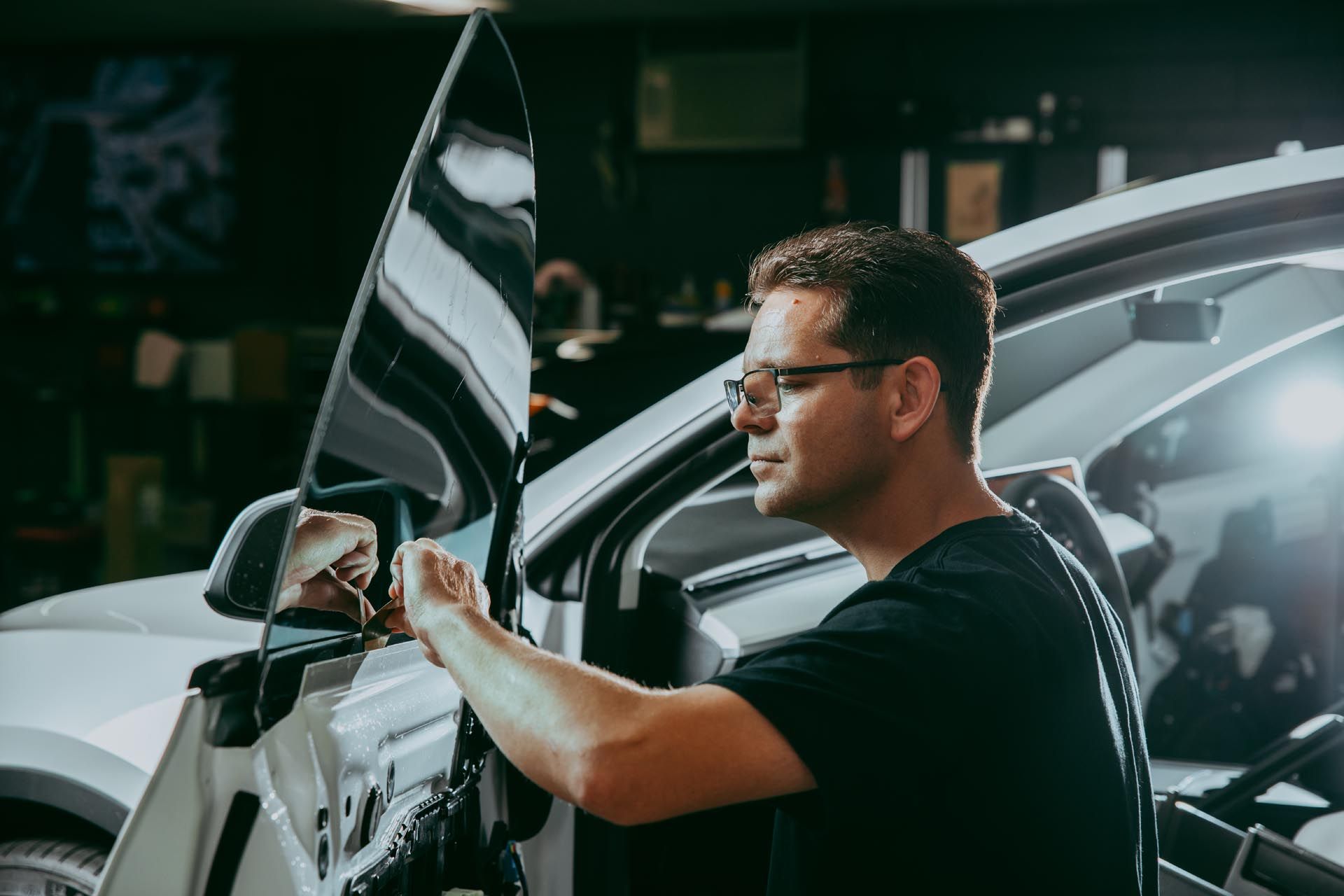
Now compare that with a certified professional installer. Pros not only have the tools and experience to deliver a flawless finish, but they also know the legal limits in your state. They’ll help you choose the right tint, apply it precisely, and most importantly—ensure it’s compliant. Most shops also offer warranties for added peace of mind.
So, is it better to DIY or go pro? If you care about quality, compliance, and long-term value, hiring a professional is the clear winner. Spend a little more now, save a lot of hassle later.
How Can You Verify That Your Tint Is Legal?
So you’ve got your windows tinted—but how can you be
sure
it’s legal? Great question. Because guessing (or eyeballing it) isn’t the way to go.
The most accurate way to verify your tint is by using a VLT meter, which stands for Visible Light Transmission. This handheld device clamps onto your window and gives a digital readout of how much light is passing through your glass and tint combined. It’s quick, non-invasive, and extremely precise. In fact, law enforcement uses the same tool during roadside checks.
If you don’t have access to a VLT meter, you can ask your tint shop for manufacturer specifications. Most quality tint films come with detailed data sheets that include their VLT rating. But remember, the final number depends on your window
plus
the film, so having specs alone isn’t always enough.
The best approach? Request a certificate of compliance from your installer. Many professional tint shops provide this paperwork, showing that your tint meets local laws. Some states even require a sticker on your driver-side window with VLT info.
Bottom line: don’t leave it to chance. Get it tested, get it documented, and drive with confidence.
What Are the Best Legal Tints That Still Offer Performance?
Here’s the good news—you don’t need to go ultra-dark to get serious results. Some of the best-performing window tints on the market are fully legal and still deliver impressive heat and UV rejection.
Let’s start with ceramic window films. These are a top-tier option for drivers who want the best of both worlds: clear visibility and maximum protection. Ceramic tints use advanced technology to block infrared heat, glare, and 99% of harmful UV rays—all while maintaining a lighter, legal shade. So, you get cooler temps, enhanced comfort, and added Glass Protection without going beyond the law.
Another solid choice? Spectrally selective films. These tints are engineered to filter out specific wavelengths of light, allowing natural brightness in while targeting heat-producing rays. They’re perfect for drivers who want clear, factory-like visibility but with the bonus of thermal comfort and interior preservation.
Both options are great for anyone looking to maintain a clean, professional appearance while still reaping all the functional benefits of tinting. They’re also ideal if you’re tinting Commercial or Residential window tint installations where legal standards are even more strict.
The takeaway? You don’t have to go dark to get results. With the right film, you can stay cool, protected, and 100% street legal.
Conclusion: Legal Tinting Is More Than Just a Style Choice
At first glance, window tinting might seem like a cosmetic decision—a simple way to make your vehicle look sharp and feel cooler. But as we’ve uncovered throughout this article, legal tinting is about so much more than appearance. It’s about driving smart, staying compliant, and making sure you’re protected on every level—legally, personally, and financially.
We explored the importance of understanding VLT (Visible Light Transmission), the differences between factory and aftermarket tint, and how tint laws can vary dramatically depending on your location and vehicle type. We also covered essential topics like medical exemptions, the role of reflectivity, and why certified installers are almost always the better choice over a risky DIY job.
Most importantly, we broke down how to verify if your tint is legal—whether through VLT meters, manufacturer specs, or proper documentation from your installer. And for those who want both compliance and performance, we looked at high-tech options like ceramic and spectrally selective films that deliver serious heat and UV protection without crossing legal lines.
So here’s the bottom line: Legal window tinting is about blending comfort, protection, and peace of mind. It’s about being proactive, doing your research, and asking the right questions before you tint.
Before you darken those windows, take a moment to learn your local laws, consult a pro, and choose a film that meets your needs—without putting you at risk. Whether it’s for personal style, Glass Protection, or Commercial window tint applications, smart decisions today will save you time, money, and hassle tomorrow.
Because in the end, the best tint isn’t just legal—it’s the one that works for you.