Hydrophobic Properties of Ceramic Coating: How It Works & What to Expect
Imagine driving your freshly detailed car through the rain, only to see water bead up and roll right off the surface. No water stains, no lingering grime—just a spotless, glossy finish. That’s the magic of hydrophobic ceramic coatings! But what makes this technology so effective? And is it really worth the investment?
Ceramic coatings have gained massive popularity in the automotive and residential markets for one major reason: their incredible ability to repel water. This hydrophobic effect doesn’t just make your car look sleek—it plays a crucial role in protecting surfaces from dirt, water spots, and even minor contaminants. But not all ceramic coatings are created equal, and understanding how they work can help you set the right expectations before applying one to your vehicle, windows, or even home surfaces.
In this article, we’ll break down exactly how the hydrophobic properties of ceramic coatings work and why they matter. We’ll explore the science behind water repellency, how it impacts maintenance, and whether a ceramic coating is the best solution for your needs. Plus, we’ll discuss potential downsides and how to maximize the benefits of this cutting-edge protection.
So, if you’ve ever wondered why water beads on some surfaces but clings to others—or if you’re considering ceramic coating for your car or home—you’re in the right place. Let’s dive into the details!
What Does ‘Hydrophobic’ Mean in the Context of Ceramic Coatings?
If you’ve ever seen water bead up on a freshly waxed car or roll off a well-sealed window, you’ve witnessed hydrophobicity in action! In simple terms, “hydrophobic” means “water-fearing.” In the world of ceramic coatings, this property plays a huge role in protecting surfaces from water, dirt, and grime.
But how does it work? At a microscopic level, hydrophobic surfaces have a low surface energy, which prevents water from spreading out and clinging. Instead, droplets form into tight beads and slide right off. This isn’t just about keeping things dry—it’s about making maintenance easier and preventing water spots, mineral deposits, and dirt buildup.
When a ceramic coating is applied to a car, window, or any other surface, it creates a protective layer that enhances this water-repelling effect. Rain, mud, and even road grime have a harder time sticking, which means less frequent washing and a cleaner, shinier appearance for longer.
In short, hydrophobic ceramic coatings don’t just keep water away—they actively help surfaces stay cleaner and more resistant to the elements. And who doesn’t want that?
How Do Ceramic Coatings Achieve Hydrophobic Properties?
Ceramic coatings don’t just repel water by accident—they’re designed at a molecular level to do so! The secret lies in their chemical composition, specifically silicon dioxide (SiO₂), also known as silica. This key ingredient is what gives ceramic coatings their impressive hydrophobic properties, allowing water to bead up and roll off effortlessly.
So, how does it work? When a ceramic coating is applied, it bonds chemically with the surface, creating an ultra-thin yet incredibly strong protective layer. This layer is highly resistant to contamination and has a low surface energy, meaning water and dirt struggle to stick. Instead of spreading out and soaking in, water droplets maintain their shape and slide right off, taking dust and debris with them.
The molecular structure of SiO₂ forms a tight, crystalline network that enhances durability while also providing a smooth, slick finish. This not only boosts hydrophobicity but also adds extra protection against UV rays, oxidation, and environmental pollutants.
In essence, ceramic coatings achieve their water-repellent magic through advanced chemistry. By creating a strong, invisible shield, they keep surfaces cleaner, drier, and easier to maintain—all while looking stunning!
What Is the ‘Lotus Effect’ and How Does It Relate to Ceramic Coatings?
Nature has some incredible tricks up its sleeve, and the “Lotus Effect” is one of them! If you’ve ever noticed how water droplets bead up and roll off a lotus leaf without leaving a trace, you’ve seen this phenomenon in action. The secret lies in the leaf’s microscopic surface structure, which creates a high level of hydrophobicity. Instead of absorbing water, the surface forces droplets to form spheres and slide off, carrying dirt and debris away with them.
Ceramic coatings mimic this exact effect! When applied to a car’s paint, glass, or other surfaces, the coating forms a nano-textured barrier that repels water, grime, and contaminants. Just like the lotus leaf, the coating reduces the ability of dirt to stick, making maintenance easier and keeping surfaces cleaner for longer.
This self-cleaning property is a game-changer for car owners and businesses looking to protect their vehicles or glass surfaces. With a ceramic coating, rain and water don’t just sit—they bead up and roll off, minimizing water spots and reducing the need for frequent washes. Thanks to the Lotus Effect, ceramic coatings deliver not just a sleek, glossy finish but also long-lasting protection and effortless upkeep!
What Are the Practical Benefits of Hydrophobic Ceramic Coatings?
Imagine a car that stays cleaner for longer, repels water like magic, and maintains a showroom shine with minimal effort. That’s exactly what hydrophobic ceramic coatings bring to the table! These coatings don’t just make your vehicle or glass surfaces look good—they provide long-term functional benefits that make maintenance easier and more efficient.
One of the biggest advantages is the reduction in water spots and staining. Since the coating repels water, droplets don’t have a chance to sit and dry on the surface, preventing mineral deposits from leaving unsightly marks. This is especially useful in areas with hard water or frequent rainfall.
Cleaning becomes a breeze, too. Because dirt, dust, and grime struggle to stick, you won’t need to scrub as hard or wash as often. A simple rinse is often enough to remove most contaminants, saving time, effort, and money on cleaning supplies.
And let’s not forget the aesthetics! Hydrophobic ceramic coatings enhance the depth and gloss of paint, making vehicles and surfaces look sleek and polished. This sustained shine not only boosts curb appeal but also preserves the value of your investment. With these benefits combined, ceramic coatings are a smart choice for anyone looking for superior protection with minimal upkeep.
How Long Do the Hydrophobic Effects of Ceramic Coatings Last?
One of the biggest selling points of ceramic coatings is their long-lasting hydrophobic effect—but how long do they actually last? The answer depends on several factors, including the quality of the coating, environmental conditions, and how well it’s maintained.
High-quality ceramic coatings can retain their hydrophobic properties for anywhere between one to five years, with some premium options lasting even longer. However, exposure to harsh weather, frequent washing with aggressive chemicals, and prolonged sun exposure can cause the coating to degrade more quickly.
Maintenance plays a crucial role in preserving the water-repellent effect. Regularly washing the coated surface with pH-neutral soaps, avoiding abrasive cleaning tools, and applying a ceramic booster spray every few months can help extend its lifespan. If the hydrophobic effect starts to diminish, a quick top-up application can restore its performance.
While ceramic coatings offer superior durability compared to wax or sealants, they’re not entirely maintenance-free. Proper care ensures that your vehicle or glass surface continues to repel water, resist stains, and maintain its stunning shine for years to come.
Are There Limitations to the Hydrophobic Properties of Ceramic Coatings?
While ceramic coatings offer impressive hydrophobic properties, they aren’t invincible. There are certain situations where the water-repellent effects may diminish or require additional care. For instance, exposure to harsh chemicals, extreme temperatures, or abrasive cleaning methods can weaken the coating’s effectiveness over time.
Environmental factors, such as heavy rainfall, road salts, or even pollutants, can gradually break down the protective layer. Even though ceramic coatings are designed to withstand wear and tear, constant exposure to these elements may reduce their hydrophobic abilities.
Another limitation is that while ceramic coatings repel water and prevent contaminants from bonding, they’re not completely self-cleaning. Over time, dirt, bird droppings, and other debris may still cling to the surface, albeit less stubbornly than without a coating. This means periodic cleaning and maintenance are essential to keep the coating performing at its best.
Finally, while ceramic coatings significantly reduce the chance of water spots, they don’t make the surface immune to all types of stains. For example, mineral-rich water or oil-based stains can still affect the surface, though the coating makes cleaning them much easier.
In short, ceramic coatings are a powerful protective solution, but they do have limitations depending on how they’re used and maintained. Proper care can ensure the hydrophobic effect lasts longer, keeping your surfaces looking their best!
How Do Hydrophobic Ceramic Coatings Compare to Other Protective Treatments?
When it comes to protecting your surfaces, hydrophobic ceramic coatings stand out in comparison to traditional waxes, sealants, and other treatments. While waxes and sealants provide some level of water repellency, they often fall short in terms of durability. Wax typically lasts only a few weeks to a couple of months, requiring frequent reapplication. In contrast, ceramic coatings bond with the surface at a molecular level, offering long-lasting protection that can endure for several months or even years with proper maintenance. This longevity is a significant advantage, as it reduces the frequency and cost of reapplying treatments.
When compared to hydrophilic (water-attracting) coatings or untreated surfaces, the difference is even more striking. Hydrophilic surfaces tend to attract water, making them prone to water spots and stains, while untreated surfaces don’t offer any protection, allowing contaminants to bond easily. Hydrophobic ceramic coatings, on the other hand, actively repel water, dirt, and contaminants, making it much easier to clean surfaces and maintain their appearance over time.
Additionally, ceramic coatings are more effective at resisting UV damage, oxidation, and environmental contaminants than traditional waxes and sealants. This makes them a better choice for maintaining a glossy, pristine finish on vehicles, glass, and other surfaces exposed to the elements. Overall, the superior durability, longer-lasting protection, and ease of maintenance make hydrophobic ceramic coatings a top choice over other protective treatments.
What Should You Expect During and After Application?
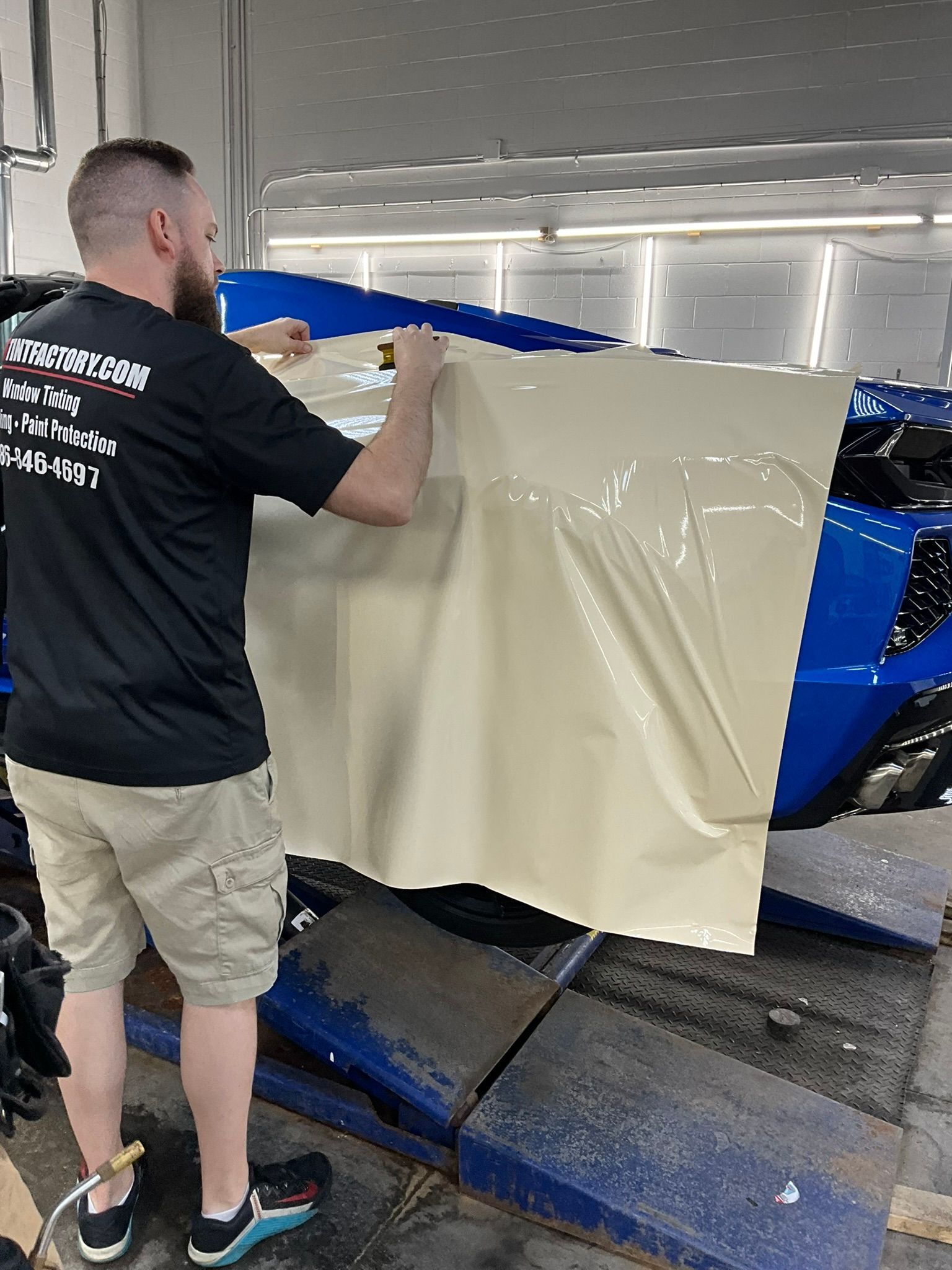
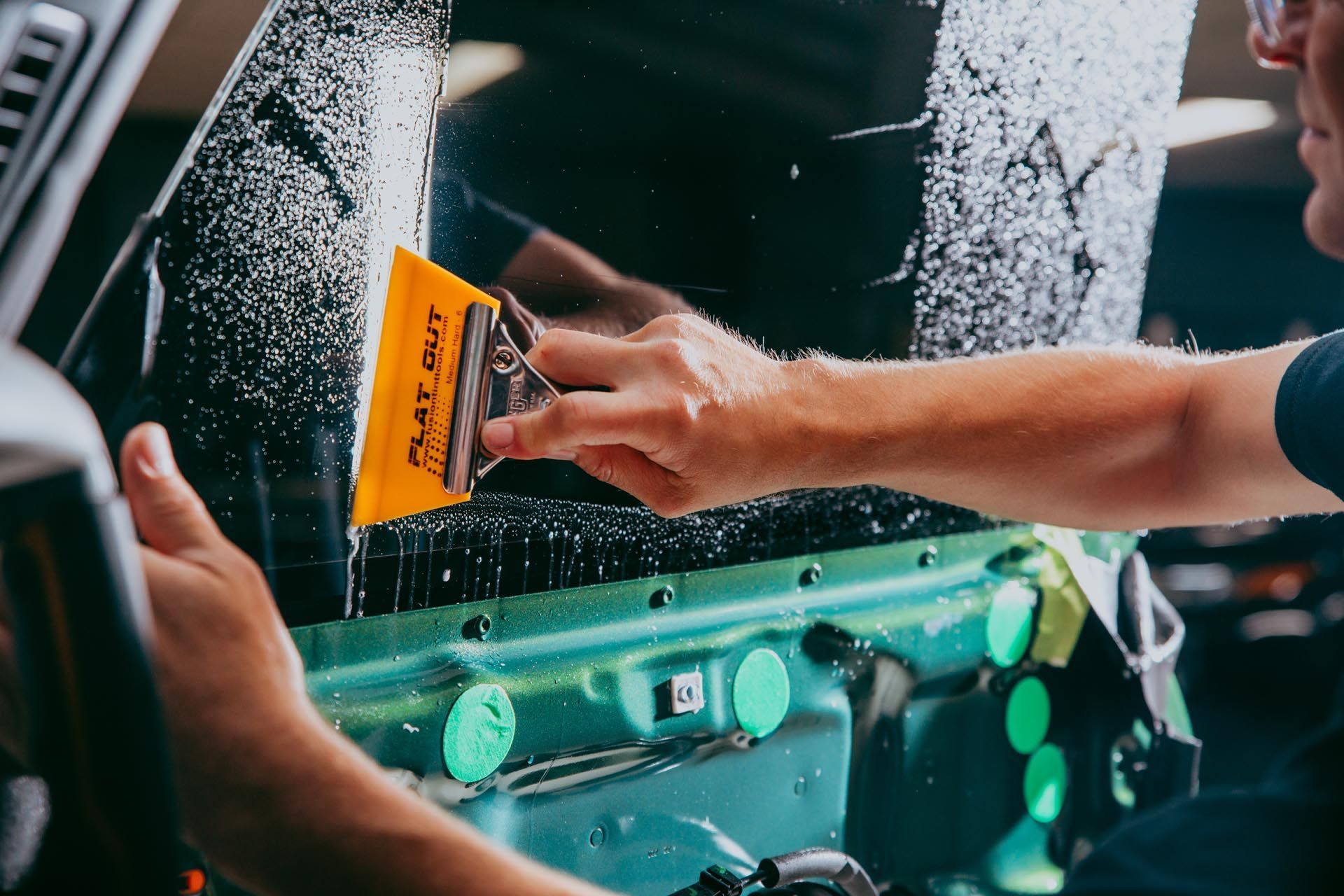
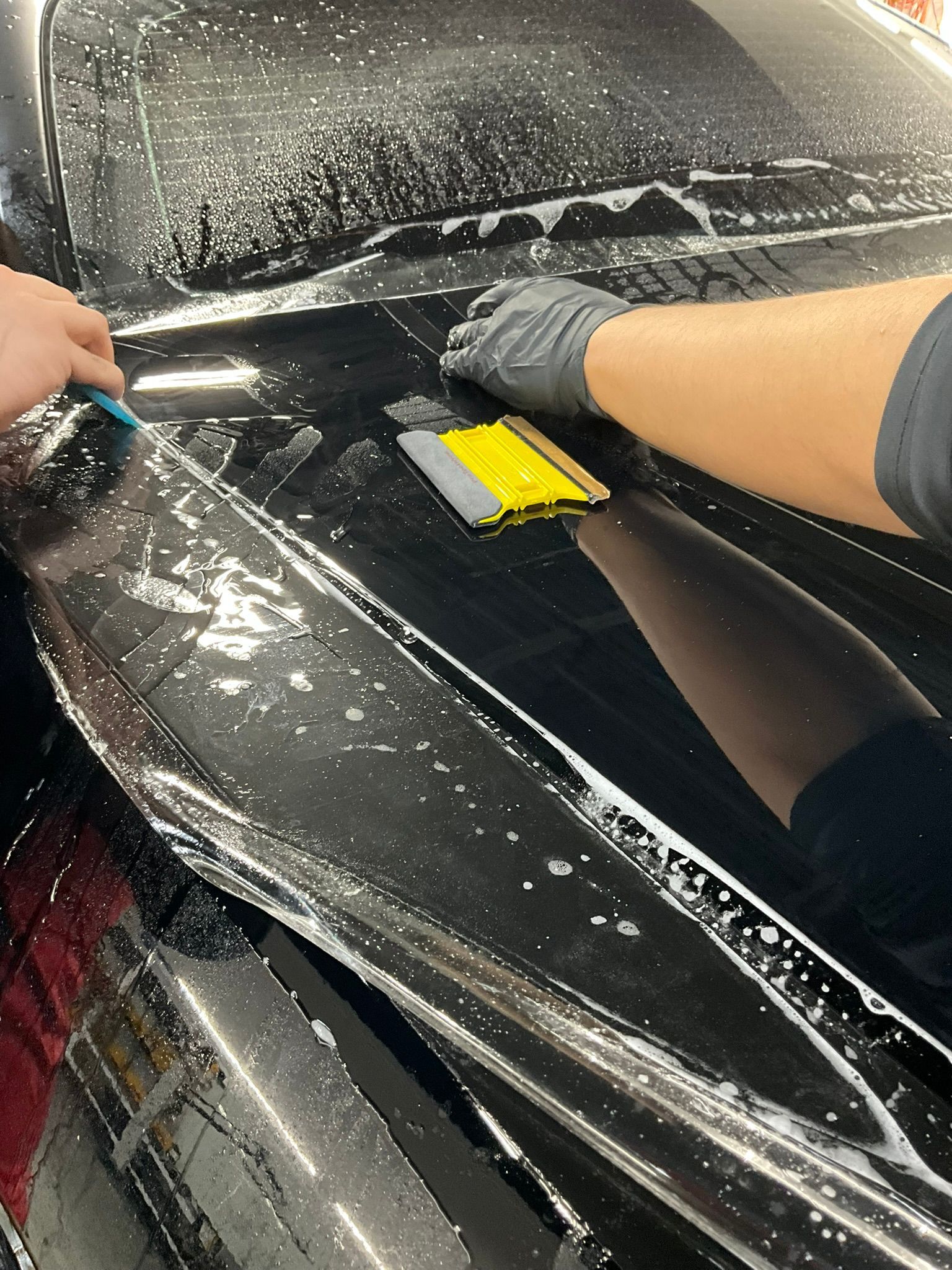
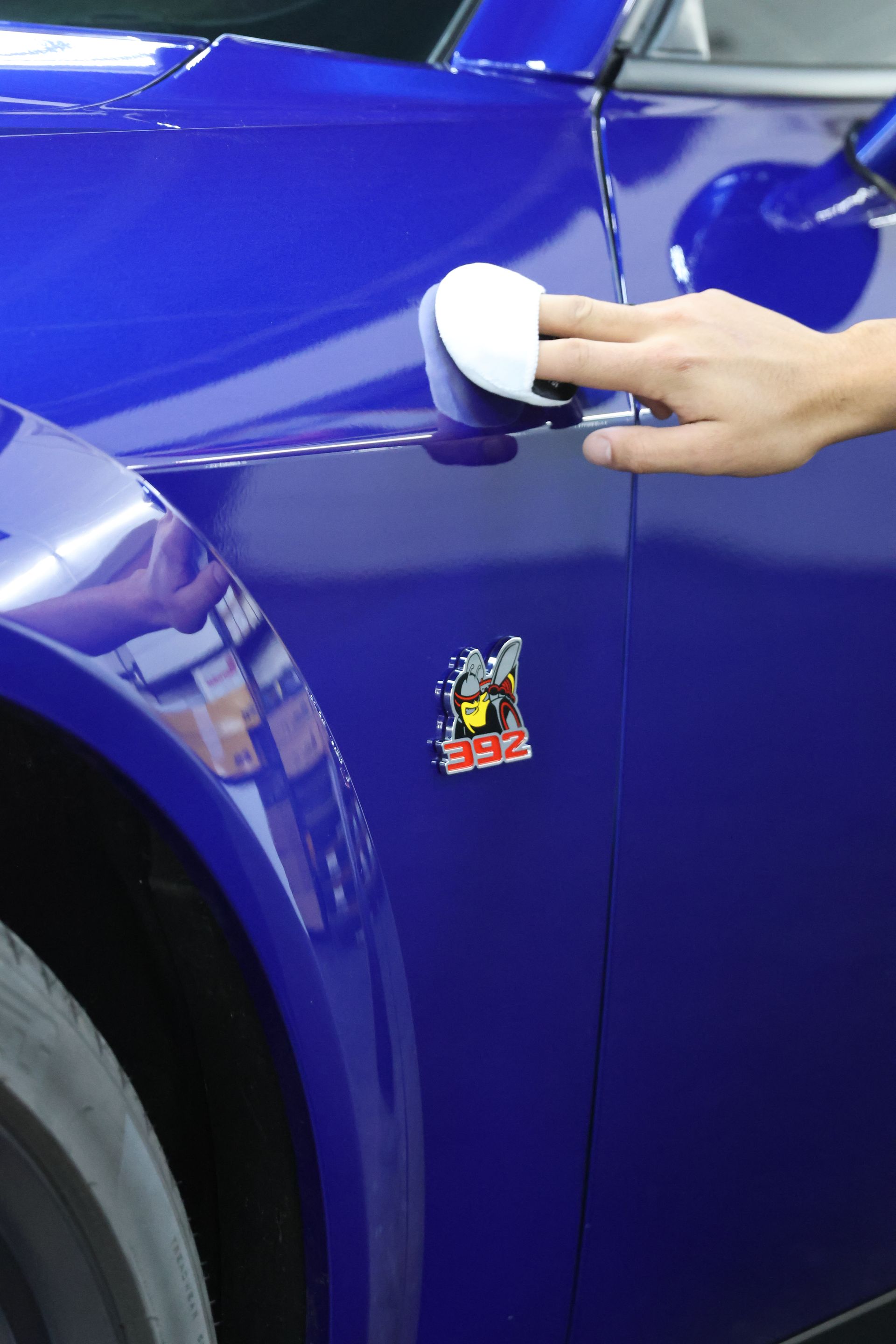
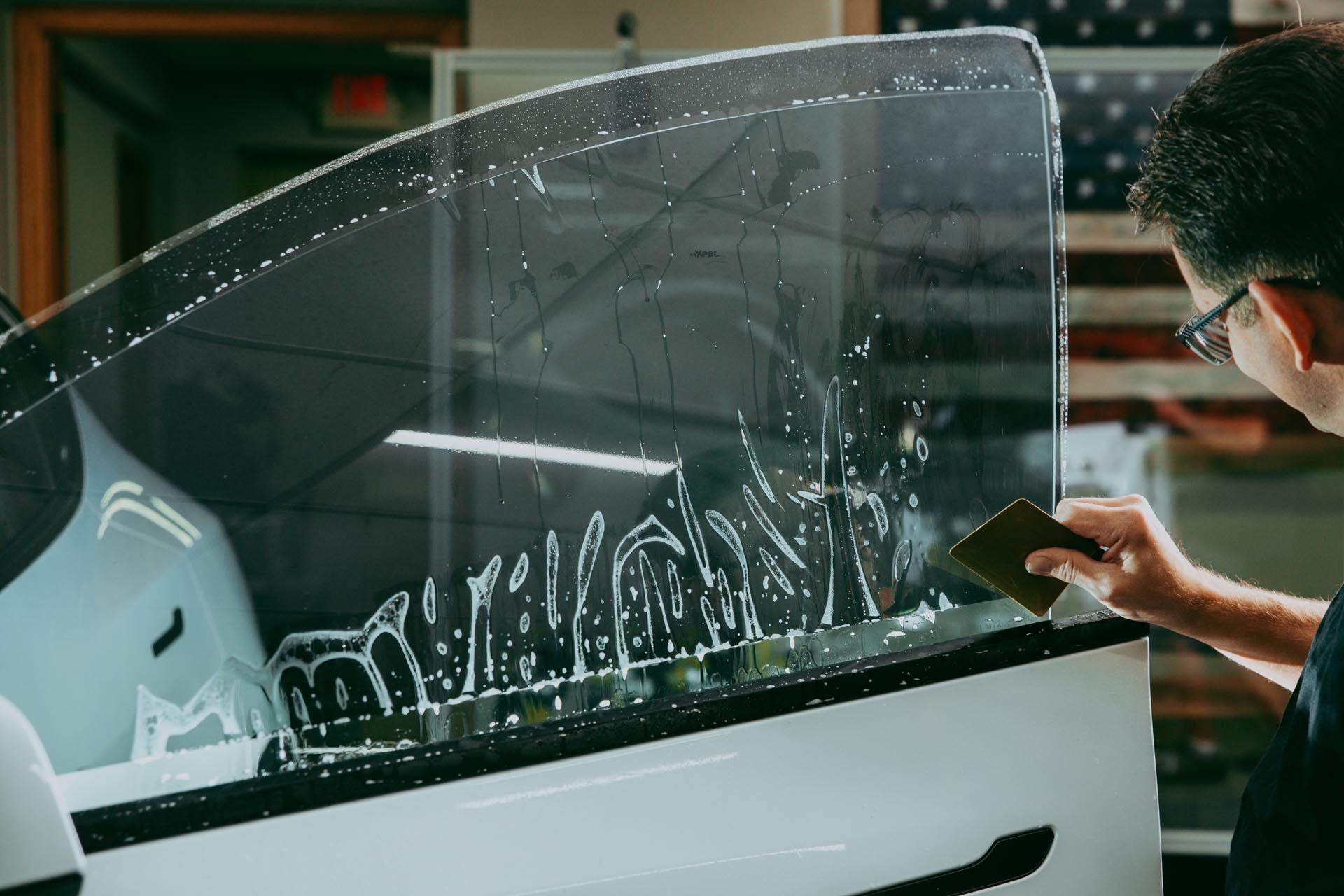
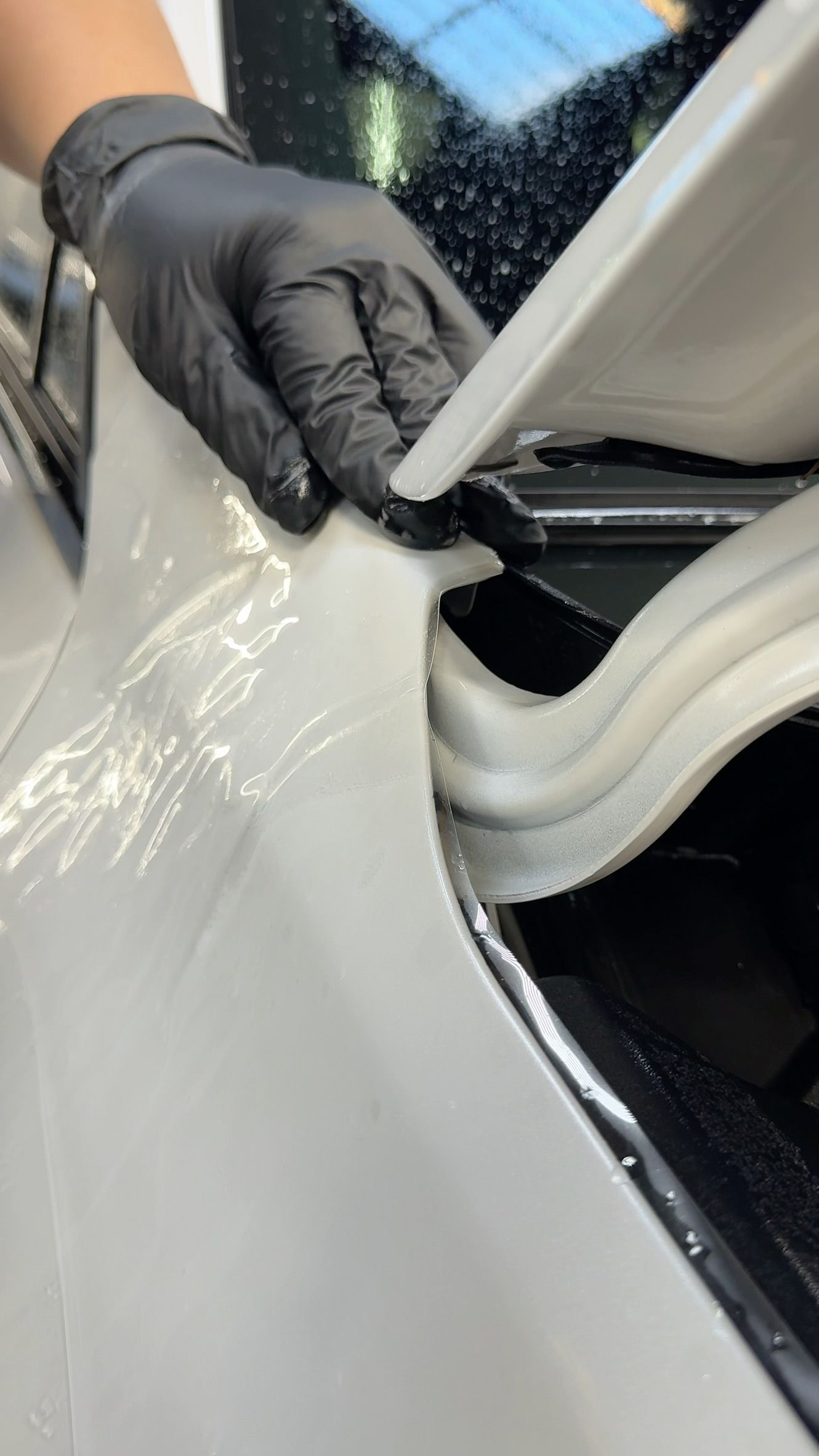
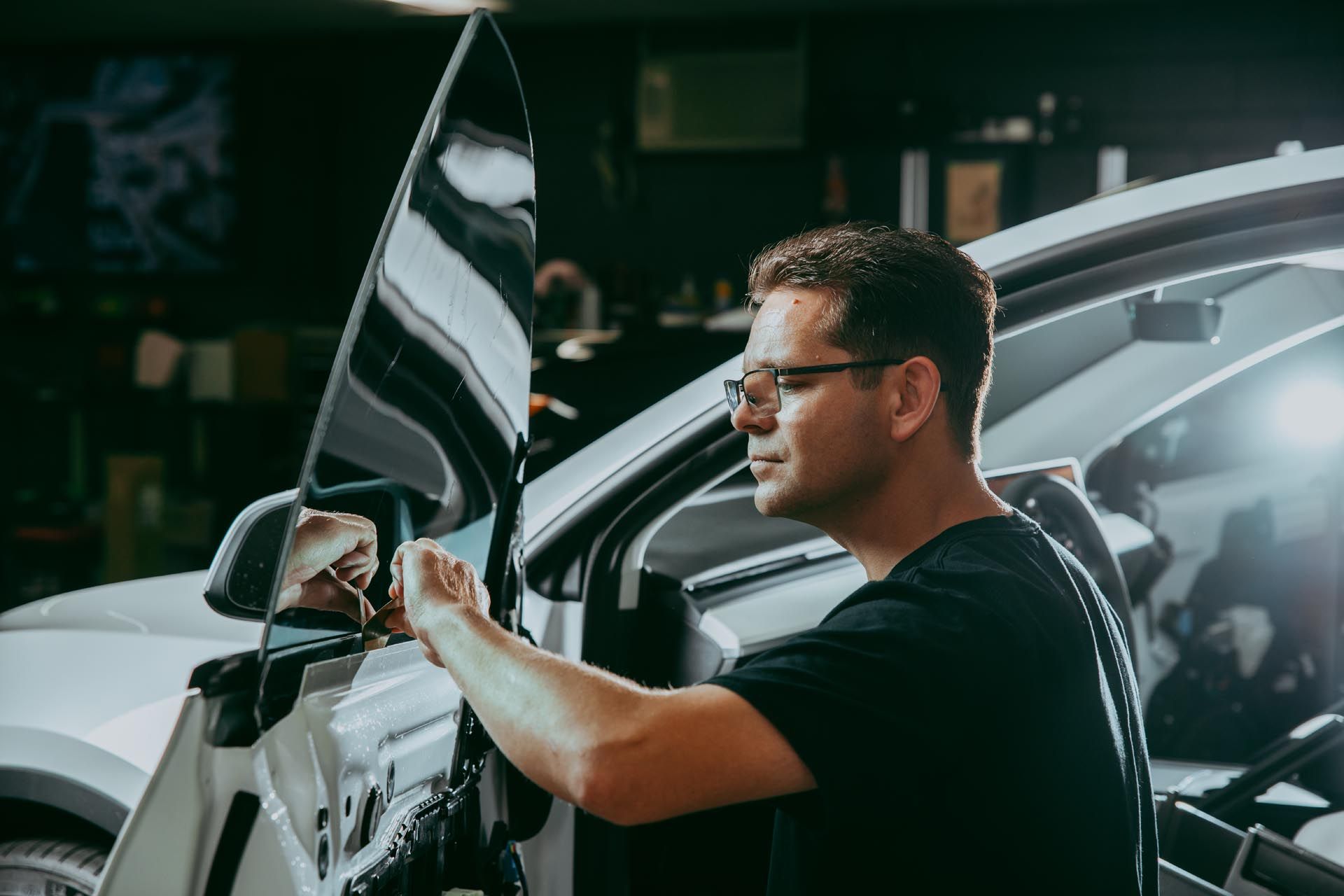
Applying a ceramic coating is a meticulous process that requires careful attention to detail. During the application, the surface to be treated must be thoroughly cleaned and prepped to remove any dirt, oils, or contaminants. This ensures the ceramic coating bonds effectively to the surface. The technician will then apply the coating, often using a specialized applicator, and it will need to cure for a certain amount of time, typically 24-48 hours. Depending on the specific product and the surface being treated, additional layers may be applied for enhanced protection.
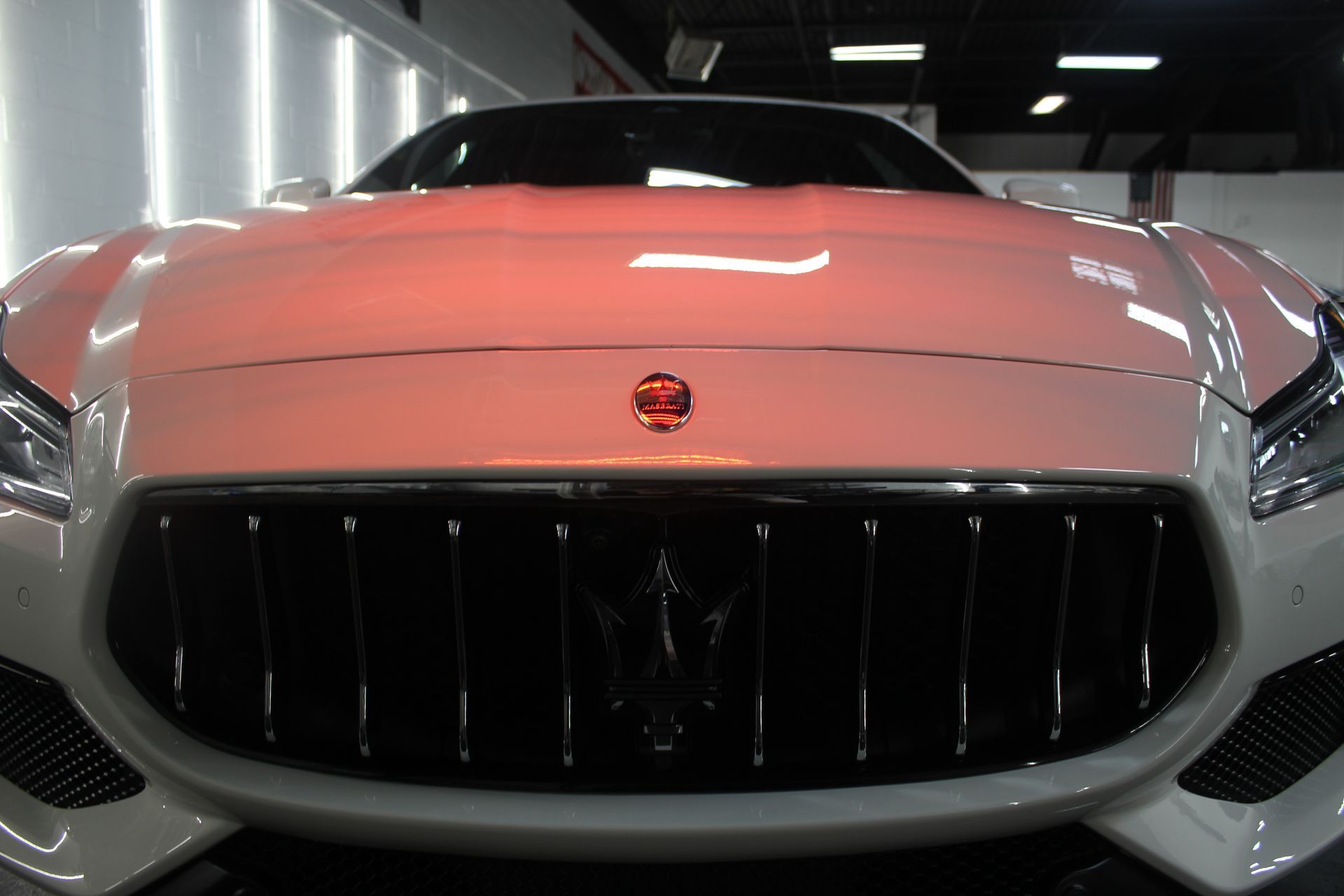
Immediately after application, you’ll notice a dramatic change in the surface’s appearance. The coating creates a slick, glossy finish that enhances the color and depth of the surface. For vehicles, this means a more polished, showroom-like look. You may also notice the surface’s water-repellent properties right away—water will bead up and roll off more easily than before.
In the long term, the ceramic coating will continue to protect the surface by reducing water spots, staining, and UV damage. It helps maintain a cleaner surface since dirt, grime, and contaminants are less likely to bond to the surface. Regular cleaning is easier, as the dirt simply wipes away without leaving stains behind. However, it’s essential to follow proper maintenance guidelines to ensure the coating’s longevity and effectiveness.
How to Maintain and Enhance the Hydrophobic Properties of Ceramic Coatings?
Maintaining the hydrophobic properties of your ceramic coating is essential for ensuring its long-lasting effectiveness. While ceramic coatings are highly durable, proper care can help preserve their water-repellent and protective characteristics over time.
First, it’s crucial to use the right cleaning techniques. Avoid harsh, abrasive cleaners or sponges that could damage the coating. Instead, opt for a soft microfiber cloth or a microfiber mitt, paired with a pH-balanced, gentle car shampoo or cleaner. When washing your vehicle or any surface coated with ceramic, always use a two-bucket method to minimize contaminants, which can scratch the surface. Additionally, rinse thoroughly before washing to remove any larger particles of dirt or debris that could scratch the coating.
To enhance the hydrophobic properties, consider using maintenance sprays designed specifically for ceramic-coated surfaces. These products help replenish the hydrophobic layer and restore the glossy finish. Be sure to use a spray that is compatible with ceramic coatings to avoid damaging the layer or stripping its effects.
Another key to extending the longevity of the hydrophobic effect is performing periodic “top-ups.” These treatments are generally quick and easy to apply and can be done every few months, depending on the exposure and usage of the coated surface. By regularly applying these maintenance products, you’ll keep the surface cleaner, enhance its water-repelling capabilities, and maintain the aesthetic appeal of the ceramic coating for a long time.
Can Hydrophobic Ceramic Coatings Be Applied to Surfaces Beyond Cars?
Hydrophobic ceramic coatings are widely known for their use on vehicles, but did you know that they can be applied to many other surfaces as well? The versatility of ceramic coatings extends far beyond automotive applications, making them an excellent solution for protecting various materials and surfaces.
For instance, marine applications are a natural fit for hydrophobic coatings. Boats and yachts are often exposed to water, which can cause corrosion, staining, and growth of algae. Applying a ceramic coating to the exterior of a boat can create a protective layer that repels water and prevents saltwater buildup, making cleaning much easier and reducing the need for frequent maintenance.
In aviation, hydrophobic coatings can be applied to aircraft windows, helping reduce the buildup of water and grime while flying. This improves visibility, especially during rain or adverse weather conditions, and reduces the need for constant cleaning. It can also extend the lifespan of components, as the coating acts as a protective barrier against the harsh elements encountered in the air.
For residential and commercial properties, hydrophobic coatings are perfect for glass windows, shower doors, and even tiles. On glass, these coatings make it easier to keep surfaces streak-free and resist water spots. They can also be applied to plastics and metals to protect these surfaces from contaminants, corrosion, and staining, providing long-lasting results that enhance both the aesthetic and functional value of the surfaces.
The benefits of hydrophobic coatings are clear: they provide protection, easier maintenance, and longer-lasting results for a wide range of materials beyond just cars!
Conclusion
As we’ve explored throughout this article, the hydrophobic properties of ceramic coatings are truly a game-changer when it comes to surface protection. Whether applied to your vehicle, marine equipment, or even residential and commercial surfaces, these coatings offer exceptional benefits that make them a smart investment. From reducing water spots and stains to improving cleanliness and extending the lifespan of materials, the power of water repellency is not just about aesthetics—it’s about efficiency and long-term protection.
Ceramic coatings work by creating a protective layer that repels water, dirt, and contaminants, helping surfaces remain cleaner for longer. The benefits go beyond just easier cleaning. The protective barrier that hydrophobic coatings provide can significantly enhance the durability of surfaces, making them more resistant to wear and tear from environmental exposure.
However, like any investment, it’s important to consider your specific needs and expectations. Ceramic coatings are an investment that can save time and money on maintenance, but they also require proper application and care to ensure their longevity. While these coatings are highly effective, there are certain limitations to keep in mind—factors like environmental conditions and usage can influence their performance over time.
Ultimately, hydrophobic ceramic coatings represent an innovative solution for anyone looking to enhance the protection, appearance, and maintenance of various surfaces. By applying these coatings to everything from cars to glass and metal, you can expect long-lasting results that make life easier and surfaces more durable. So, if you’re looking for a simple, effective way to protect your investments, ceramic coatings are certainly worth considering.