PPF vs. Ceramic Coating Installation Time: What to Expect During the Process


When it comes to protecting your car’s paint, two of the most popular options on the market today are car PPF (paint protection film) and ceramic coating. Both offer long-lasting protection and help preserve your vehicle’s appearance, but many car owners overlook an important factor: installation time. Knowing how long these processes take—and what’s involved—can help you plan accordingly, especially if your car is your daily driver.
If you’ve recently searched for paint protection film near me or considered getting a ceramic coating, understanding the timeline can help you decide which solution best fits your schedule and needs. Some drivers are surprised to learn that these aren’t quick, in-and-out services. In fact, both ppf film and ceramic coating involve detailed prep work, precision application, and a proper curing period afterward.
In this article, we’ll break down everything you need to know about installation times for auto paint protection film and ceramic coatings. From step-by-step overviews to how long your car will be in the shop, we’ll help you get a realistic idea of what to expect during the process. You’ll also learn how factors like vehicle size, prep level, and installer experience play a role in the total time required.
Whether you’re leaning toward automotive paint protective film, ceramic coating, or a combination of both, knowing the time commitment involved will help you make a smarter decision. So if you’re looking up ppf near me and want to understand the full picture, you’re in the right place. Let’s dive into the details of what makes these installations both thorough and worthwhile.
Installing paint protection film is a detailed, precision-based process that requires more than just sticking a film on your car’s surface. Professionals treat this like a fine craft—and for good reason. Proper installation ensures that your auto paint protection film not only looks flawless but also performs as expected over the long haul.
The process begins with surface preparation. The car is thoroughly washed, and any contaminants such as tar, bug residue, or tree sap are removed. Then, detailers often use a clay bar and perform paint correction to eliminate swirl marks and tiny imperfections. This step is critical, as any debris left on the surface can get trapped under the ppf film, making it visible and affecting adhesion.
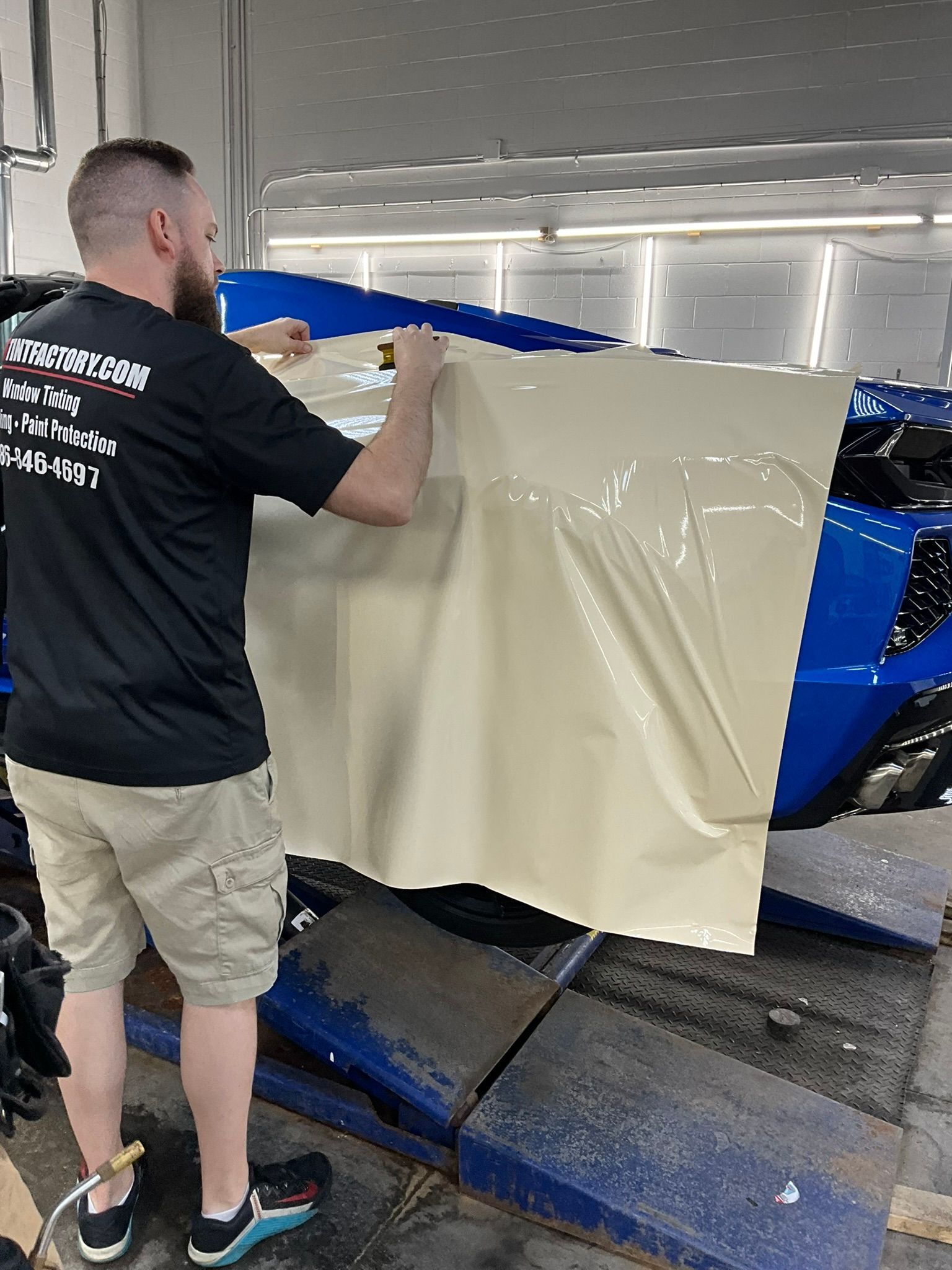
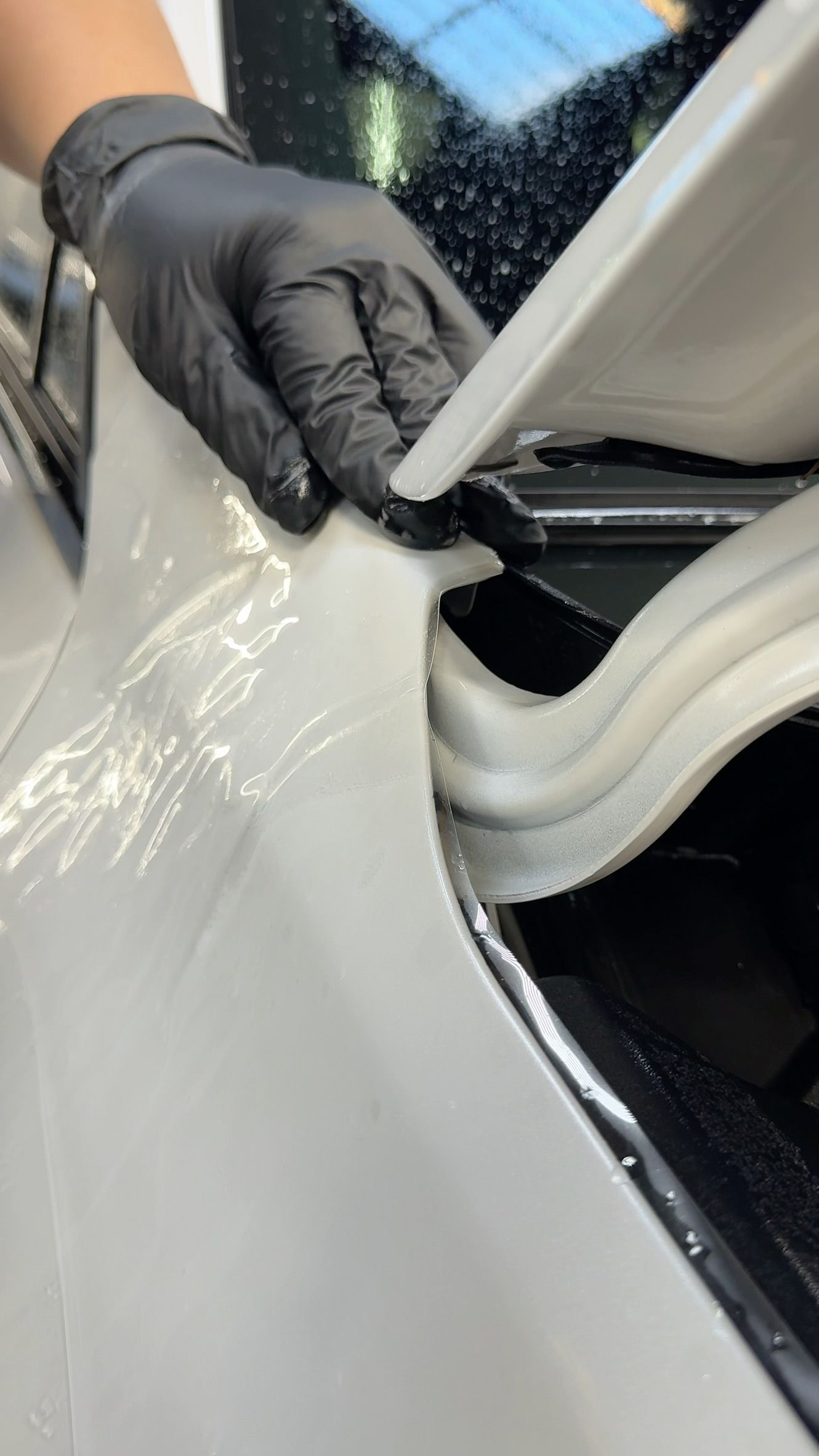
Next, the film is cut—either manually or using a plotter that’s programmed with templates specific to your car’s make and model. This ensures a perfect fit with clean, seamless edges. After cutting, the installer applies a special slip solution that allows the car PPF to be adjusted and aligned perfectly on each panel.
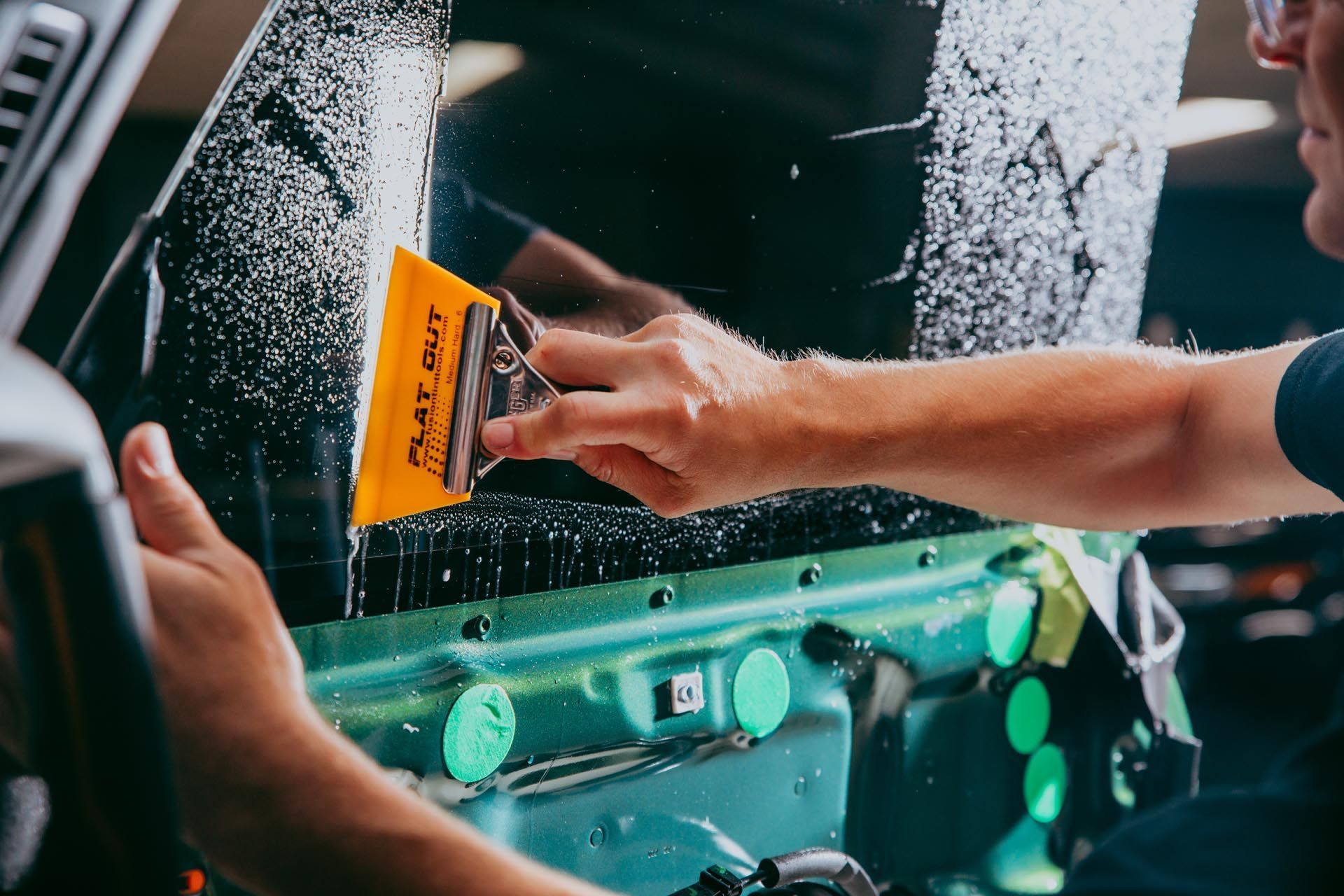
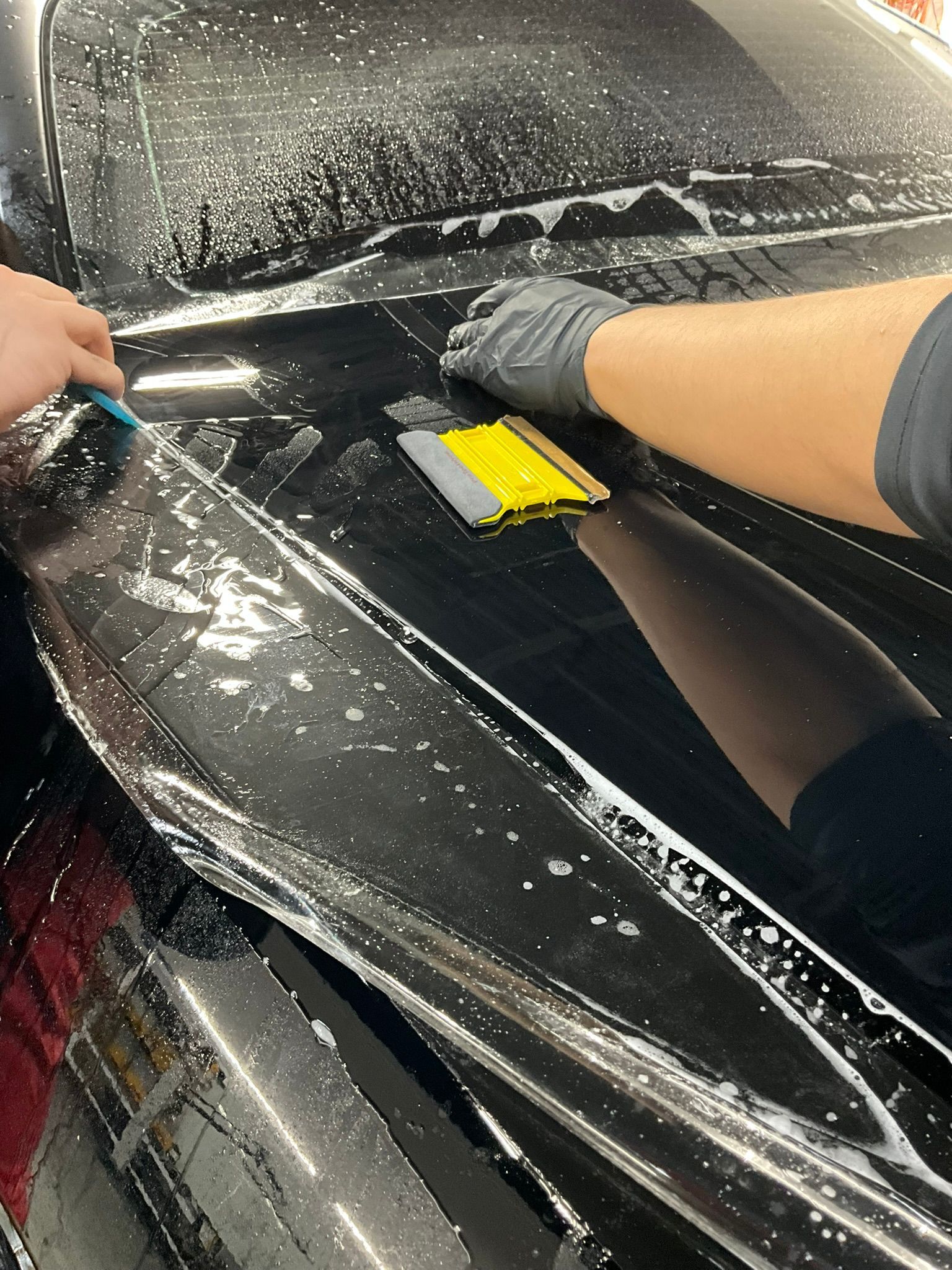
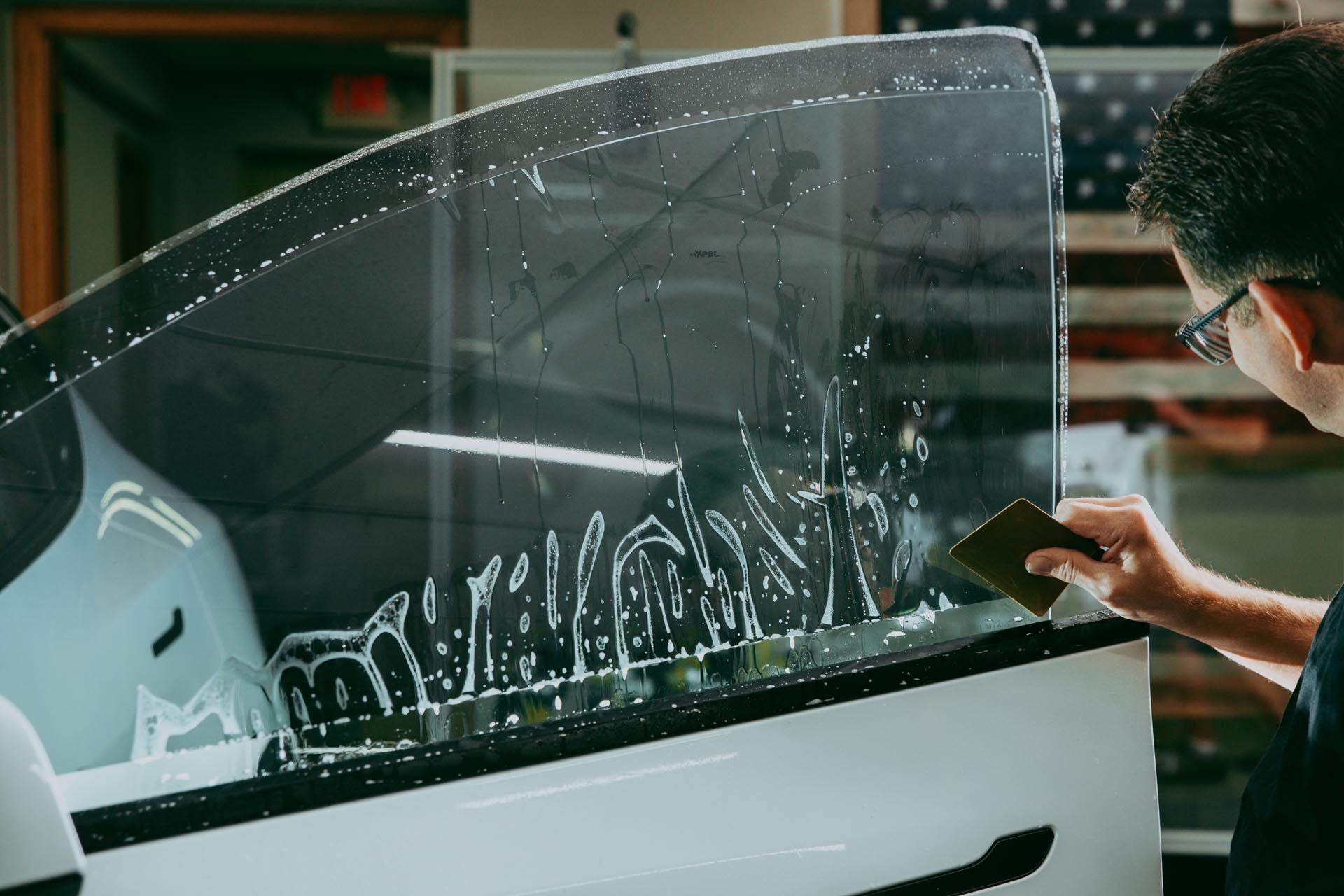
Once in place, the film is carefully squeegeed to remove air bubbles and moisture. Attention to detail is key here, as the film must lay flat without creases or imperfections. After the application, a short curing period begins where the film settles and bonds to the surface.
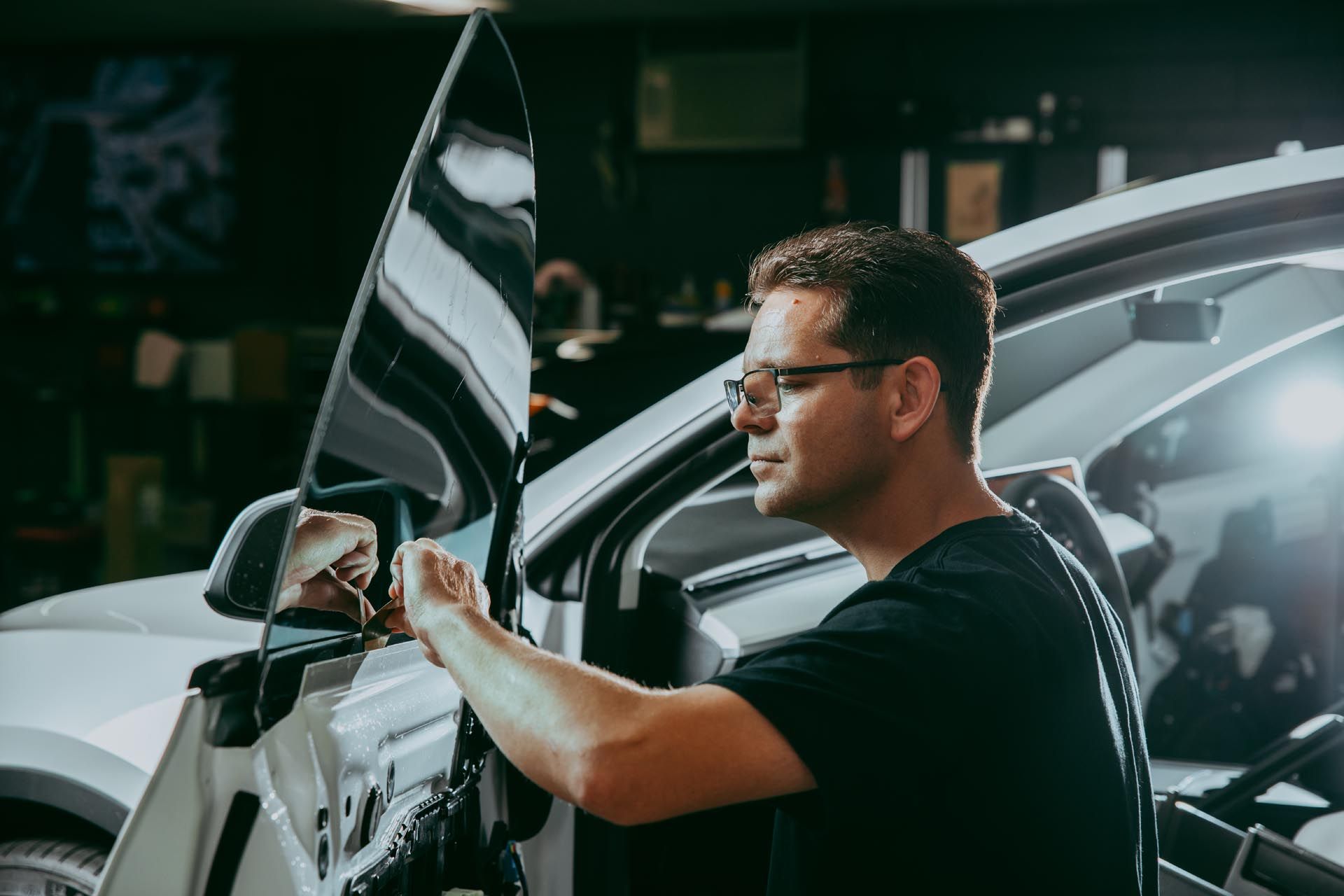
Installing automotive paint protective film requires not only specialized tools like heat guns, squeegees, and cutting software, but also a skilled hand. It’s not a DIY-friendly process, which is why most people search for paint protection film near me to find certified professionals who can deliver top-tier results.
A well-done installation means your vehicle will have invisible yet powerful protection—making all that prep and precision well worth it.
If you’re considering car PPF, one of the first questions that probably comes to mind is, “How long will the installation take?” The answer depends on a few key factors, including the size of your vehicle, the level of coverage you choose, and the experience of the installer.
For a full-body application of auto paint protection film, expect the process to take anywhere from two to five days . This includes prep, installation, and the initial curing period. Full coverage means every painted surface is protected, and that takes time—especially for larger vehicles like trucks, SUVs, or vans.
If you’re going for a partial application—such as a front-end package that includes the hood, bumper, side mirrors, and fenders—you’re looking at a shorter time frame. In most cases, partial PPF film installs can be completed in one to two days , depending on the complexity of the panels and the condition of the vehicle’s paint.
When searching for paint protection film near me, many professional installers will provide you with an estimated timeline during your consultation. They’ll factor in your car’s make and model, the coverage area, and their current shop schedule. Don’t hesitate to ask how many installers will be working on your car or how many vehicles they service per day—it can impact the turnaround time.
Also, keep in mind that even after the installation is complete, your car may need to stay indoors for 12–24 hours to allow the automotive paint protective film to settle and bond properly.
Planning ahead and understanding the timeframe helps you avoid surprises and ensures that your vehicle gets the attention it deserves—resulting in a smooth, seamless car paint protective film installation.
Applying ceramic coating is a meticulous, multi-step process that requires patience, attention to detail, and a controlled environment. Unlike a simple wax job, ceramic coating forms a semi-permanent bond with your vehicle’s paint, so every step leading up to the application must be done with care.
The first phase is thorough prep work . The vehicle is carefully washed to remove loose dirt and grime, followed by a decontamination step using iron removers and a clay bar. This ensures that the paint surface is completely clean and smooth. After decontamination, paint correction may be necessary. This step removes swirl marks, light scratches, and oxidation, giving the ceramic coating a flawless base to bond with.
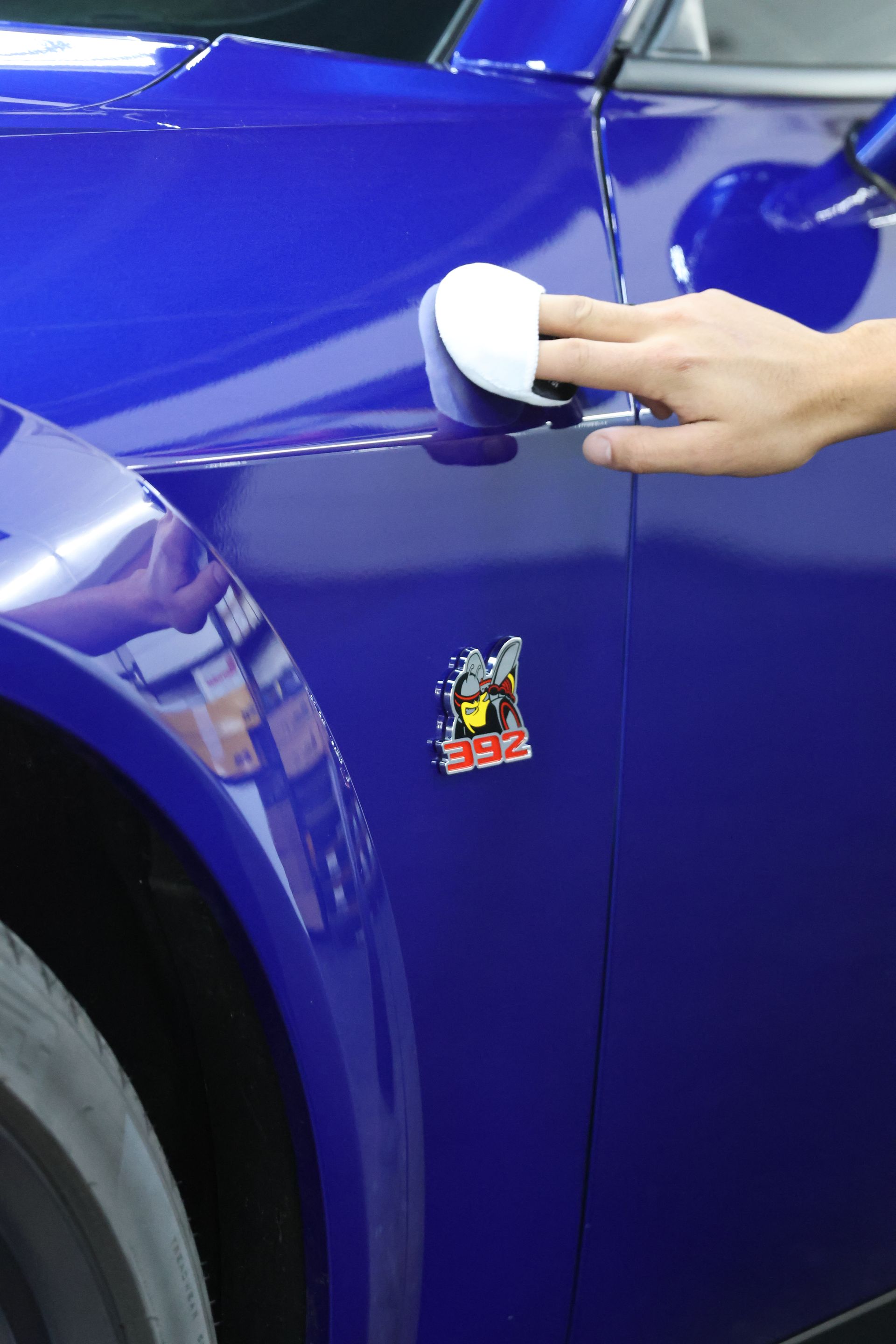
Next comes the coating application . A technician applies the ceramic solution panel by panel, using microfiber applicators to spread the product evenly. Once applied, the coating begins to flash, meaning it starts to bond to the paint. It’s then gently leveled off and buffed using microfiber towels. This must be done at the right time—too soon and the coating won’t adhere properly; too late and it becomes difficult to remove.
After application, curing begins. Depending on the product, initial curing takes a few hours, but full curing may take up to 7 days. Some shops use infrared heat lamps to accelerate the process. A dust-free, temperature-controlled environment is essential during this stage to avoid contamination.
While car PPF uses a physical barrier for protection, ceramic coating creates a chemical bond that resists water, dirt, and UV rays. Many professionals who offer auto paint protection film also provide ceramic services, so if you’re searching for paint protection film near me, ask whether ceramic coating can be applied in the same visit for maximum efficiency.
If you’re thinking about ceramic coating your vehicle, understanding the full timeframe involved can help you plan accordingly. Unlike a quick detailing session, ceramic coating is a multi-step process that can span anywhere from one to three days , depending on several key factors.
The total process begins with intensive prep work, which includes a thorough wash, decontamination, and often, paint correction. This alone can take several hours to a full day , depending on the condition of your car’s paint. Vehicles with heavy swirl marks, oxidation, or scratches will need more correction time before the ceramic layer can be applied.
Once the prep is complete, the actual coating application begins. Technicians apply the product one panel at a time to ensure even coverage. If you opt for multiple layers , which is common for enhanced durability and gloss, the process will take longer. Each layer must be given time to flash and level before the next is added.
After application, the vehicle enters the curing phase . While most ceramic coatings cure to the touch within 12–24 hours, full chemical curing can take up to 7 days . Some shops may use infrared lamps to speed this up, but they’ll still recommend that you avoid washing or exposing the vehicle to moisture for at least 48 hours.
Factors such as the type of coating, number of layers, climate conditions, and technician experience can all affect the timing. If you’re also considering car PPF, some shops offer bundled services. When searching for paint protection film near me, be sure to ask how long ceramic coating will take if added to your service package.
Planning your schedule around this process ensures your vehicle gets the protection it needs—without cutting corners.
Whether you choose car PPF or ceramic coating, one thing is absolutely non-negotiable: proper prep. This step is the foundation of a successful application, and skipping or rushing it can lead to poor adhesion, visible flaws, and shorter lifespan of the protection.
Preparation begins with thorough surface cleaning. Your vehicle is washed using a pH-neutral soap to remove dirt, oils, and road contaminants. After that, a clay bar treatment is performed to lift embedded particles that even washing can’t remove. For both auto paint protection film and ceramic coating, this ensures the surface is as smooth and clean as possible.
Next comes paint correction—a process that addresses minor scratches, swirl marks, and oxidation. For ceramic coatings especially, paint correction is crucial because the coating bonds directly to the paint. If imperfections aren’t addressed beforehand, they’ll be locked in under the coating and remain visible for years. Similarly, when applying paint protection film, any uneven surface can result in trapped debris or air bubbles, compromising the film’s clarity and adhesion.
This prep stage can take several hours—or even an entire day—depending on the condition of the vehicle. But it’s worth the time investment. A properly prepped surface ensures the best bond for the ppf film and the most durable results for ceramic coatings. It also contributes to a flawless, high-gloss finish that truly enhances the appearance of your car.
So, whether you’re working with a local shop you found by searching paint protection film near me, or combining both solutions, be sure they emphasize the prep process. Quality prep directly impacts the longevity, performance, and appearance of your car paint protective film or ceramic coating—making it a critical part of the entire installation journey.
Once your car PPF or ceramic coating has been professionally applied, the process isn’t quite finished. The curing period that follows is just as important as the installation itself. During this time, both auto paint protection film and ceramic coatings settle, bond, and harden to form a long-lasting layer of protection.
For car paint protective film, the initial curing usually takes about 24 to 48 hours, depending on the environment. During this time, it’s crucial to keep your vehicle indoors or at least out of direct sunlight and rain. The film may show minor bubbles or haziness right after application—this is completely normal and will disappear as the film cures fully over the next few days.
Ceramic coating, on the other hand, typically cures to the touch within 12–24 hours but requires up to 7 days for full chemical curing . Most installers recommend keeping your car dry for at least the first 48 hours. Avoid washing the vehicle, using detailing sprays, or exposing it to extreme heat or cold during this time.
Here are a few do’s and don’ts during the first 48–72 hours:
Whether you found your installer by searching for paint protection film near me or through a referral, always follow the post-care instructions they provide. Proper care during this window will ensure your ppf film or ceramic coating sets correctly and delivers maximum durability and performance.
Taking the time to protect your investment right after installation makes a noticeable difference—both in looks and longevity.
Timing your installation appointment for car PPF or ceramic coating can make a big difference in both your convenience and the final result. These services require time, focus, and sometimes extended curing periods—so choosing the right time to schedule is just as important as choosing the right installer.
Whenever possible, try to schedule your appointment during the weekdays. Most professional detail shops experience lower traffic earlier in the week, which means your vehicle is more likely to receive uninterrupted attention. Weekends, on the other hand, tend to be busier with shorter drop-off windows and tighter turnaround times.
It’s also smart to consider the shop’s workload. When you’re researching paint protection film near me, ask the installer how many vehicles they’re currently working on and what their lead time looks like. A quality shop might have a waitlist, but that’s often a sign they’re in high demand for good reason.
Planning time off from driving is also key. For auto paint protection film, expect your car to be in the shop for one to five days, depending on coverage. Ceramic coating usually takes one to three days with a curing period afterward. This means you may need to arrange alternate transportation, especially if your vehicle is your daily driver.
Booking your appointment in advance—ideally during a time when you don’t urgently need the car—allows you to avoid rushing the process. Rushed installations often lead to compromised results, particularly with ppf film or ceramic coatings that require proper bonding and curing conditions.
By choosing the right time and planning ahead, you ensure your vehicle gets the focused, quality care it deserves—and your new car paint protective film or coating performs exactly as it should.
Choosing the right installer for car PPF or ceramic coating is just as important as the products themselves. Even the highest-quality ppf film or coating can fail if applied improperly. That’s why finding a reputable, skilled professional is critical for getting long-lasting protection and flawless results.
Start by searching for ppf near me or paint protection film near me and look at the top-rated shops in your area. Read through online reviews carefully—especially the ones that mention installation quality, customer service, and long-term results. A consistent pattern of positive feedback is a good sign that the shop knows what they’re doing.
Experience and certifications matter. Look for providers that are certified installers for well-known PPF and ceramic coating brands. Certification ensures they’ve received proper training in the products and installation techniques. Don’t hesitate to ask how long they’ve been in business, how many installs they do each week, and whether they offer warranties on their work.
A professional installer will also be transparent during your consultation. They should walk you through the prep process, expected timeframes, aftercare instructions, and what results to expect. If a provider brushes off your questions or promises same-day turnaround with no cure time, that’s a red flag.
Finally, ask to see photos or videos of past work. This gives you a sense of their attention to detail and ability to handle your specific vehicle type. Whether you’re installing auto paint protection film , ceramic coating, or both, a well-chosen installer can make all the difference in quality and durability.
Take your time, ask the right questions, and don’t just choose based on price—because when it comes to protecting your vehicle, skilled application of automotive paint protective film is well worth the investment.
Whether you’re interested in car PPF, ceramic coating, or a combination of both, understanding the installation process and timeline can help you make a more informed, stress-free decision. These aren’t quick-detailing services—they’re precision applications designed to protect your vehicle for years to come.
We explored what goes into installing auto paint protection film, including the careful surface preparation, film cutting, and curing steps. Full-body applications can take several days, while partial installs are often completed within a day or two. Ceramic coating, although typically faster to apply, still requires significant prep work and time to cure properly. From washing and claying to paint correction and application, every step matters.
When comparing both side by side, ppf film generally takes longer due to its hands-on complexity. But both solutions benefit greatly from professional prep and post-installation care. Giving your vehicle the recommended 48–72 hours to cure—along with avoiding moisture and unnecessary handling—is key to getting long-lasting results.
Timing your appointment wisely and choosing the right provider are just as important as the installation itself. Whether you’re searching for ppf near me or a ceramic coating specialist, always look for certified professionals with experience, strong reviews, and a commitment to detail.
Ultimately, protecting your vehicle isn’t just about what product you choose—it’s about trusting the process and the people applying it. When done right, both car paint protective film and ceramic coatings deliver exceptional value, superior protection, and a finish that turns heads.


What Sets 586 Tint Factory Apart
Since opening in 2021, we have focused on one thing: being the best at what we do. That commitment has earned us over 1,000 five-star Google reviews, the recognition of XPEL's top dealership in Michigan for 2024, and a loyal customer base that continues to grow. We opened near the tail end of a challenging time for small businesses and came out stronger for it. Our team understands that your vehicle is an investment, and we treat it accordingly. From a simple window tint to a full-vehicle ceramic coating or PPF install, we bring the same level of professionalism and care to every job.
Email: contact@586tintfactory.com
Phone:
586-846-4697
Monday - Friday: 6:30 a.m. - 5:00 p.m.
Saturday & Sunday: Appointment Only