How Long Does Ceramic Coating Last? Signs It’s Time for a Recoat
The post How Long Does Ceramic Coating Last? Signs It’s Time for a Recoat appeared first on My WordPress Site.


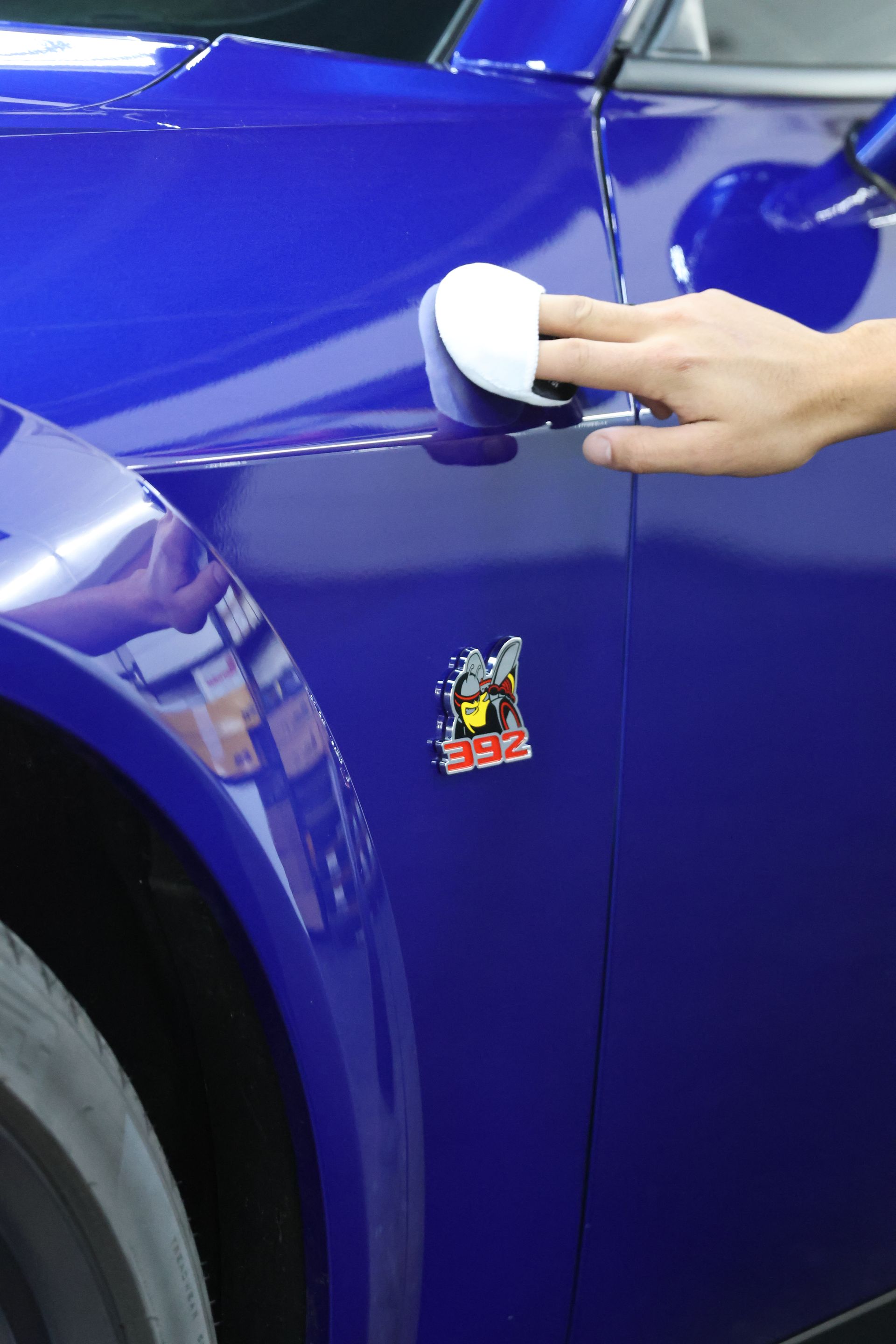
If you’ve invested in a ceramic coating for your vehicle, you already know how great it feels to see that slick, glossy finish and effortless water beading. It’s one of the best upgrades for long-term paint protection—but even the most durable ceramic coatings don’t last forever.
Understanding the lifespan of your ceramic coating is essential to keeping your vehicle looking its best. Over time, environmental exposure, frequent washing, and daily driving can wear the coating down, reducing its effectiveness. That’s why knowing when it’s time for a recoat can help you preserve that like-new shine and strong protection.
What many car owners don’t realize is that ceramic coating often works even better when combined with paint protection film near me, ppf film, or auto paint protection film. This layered defense system not only extends the lifespan of your coating but also shields your vehicle from rock chips, scratches, and harsh elements. More and more drivers are searching for ppf near me or exploring the benefits of car ppf to maximize their vehicle’s protection.
In this article, we’ll explore the key factors that influence how long ceramic coatings last, what signs to look for when the coating begins to break down, and how combining it with automotive paint protective film can help you get the most out of your investment. We’ll also guide you on when and how to schedule a recoat, ensuring your car stays glossy, protected, and showroom-worthy for the long haul.
Let’s break down the timeline and uncover the signs it’s time to refresh your ceramic coating—before it’s too late.
While ceramic coatings are designed to be durable, their lifespan can vary greatly depending on several real-world factors. Understanding these can help you extend the life of your coating and keep your vehicle looking its best for years.
By paying attention to these factors, you can better predict how long your ceramic coating will last—and make smart choices to protect that investment.
So, how long does ceramic coating actually last? The answer depends on several factors—including product quality, application method, and environmental exposure—but on average, ceramic coatings can last anywhere from 1 to 5 years .
Entry-level ceramic coatings , often available as DIY kits, typically provide protection for 12 to 24 months. These are a great starting point for those new to paint protection, but they require more frequent recoating to maintain their effectiveness. On the other hand, professional-grade ceramic coatings , applied by certified detailers, can last up to 5 years or more with proper maintenance. These higher-end options bond better with the vehicle’s surface and offer more resistance to UV damage, water spots, and chemical contaminants.
The lifespan of ceramic coating can be extended even further when paired with car paint protective film or auto paint protection film. These films act as the first line of defense against physical damage—like rock chips, road debris, and scratches—allowing the ceramic layer to focus on repelling contaminants and maintaining shine. Many car owners are now searching for paint protection film near me or ppf near me to get this dual-layer approach for maximum coverage.
If your vehicle has ppf film installed, a properly maintained ceramic coating over it may not need a full recoat as often. Instead, you may only need a light top-up or maintenance layer every few years, depending on wear.
By understanding these averages and how different variables affect longevity, you can set realistic expectations—and take steps to keep your coating looking and performing like new for as long as possible.
Even the most durable ceramic coating won’t last its full potential without proper maintenance. While it significantly reduces the need for constant detailing, it’s not a “set-it-and-forget-it” solution. To get the most out of your coating—and extend its lifespan—you’ll need to follow some essential upkeep practices.
One of the biggest benefits of ceramic coatings is their hydrophobic nature, which helps repel water, dirt, and contaminants. However, if not cleaned regularly, buildup can still occur and gradually degrade the coating. To avoid this, hand washing your vehicle every one to two weeks with a pH-neutral soap is ideal. Avoid automatic car washes with abrasive brushes, as they can dull both your coating and any ppf film you may have underneath.
Using proper washing techniques is especially important if your vehicle is also protected with auto paint protection film or car paint protective film. These layers work in tandem, and poor maintenance can compromise their effectiveness. Keeping both the ceramic coating and automotive paint protective film clean helps preserve the vehicle’s shine and prevents long-term wear.
Another helpful step is periodic decontamination—removing embedded particles that regular washing might miss. Professional detailers offering services like paint protection film near me often include decontamination treatments as part of ongoing maintenance packages.
It’s also wise to apply a ceramic booster spray every few months. This refreshes the hydrophobic properties and helps maintain that deep gloss.
Proper maintenance doesn’t just protect your investment—it also ensures your car continues turning heads on the road. Whether you’ve paired ceramic coating with car ppf or applied it as a standalone, regular care is key to getting long-lasting performance and value.
One of the simplest ways to determine if your ceramic coating is losing effectiveness is by observing your car’s appearance. While ceramic coatings are built to last, they eventually begin to degrade—and your vehicle will show it. Knowing what to look for helps you act early and maintain peak protection.
Dulling or Loss of Gloss:
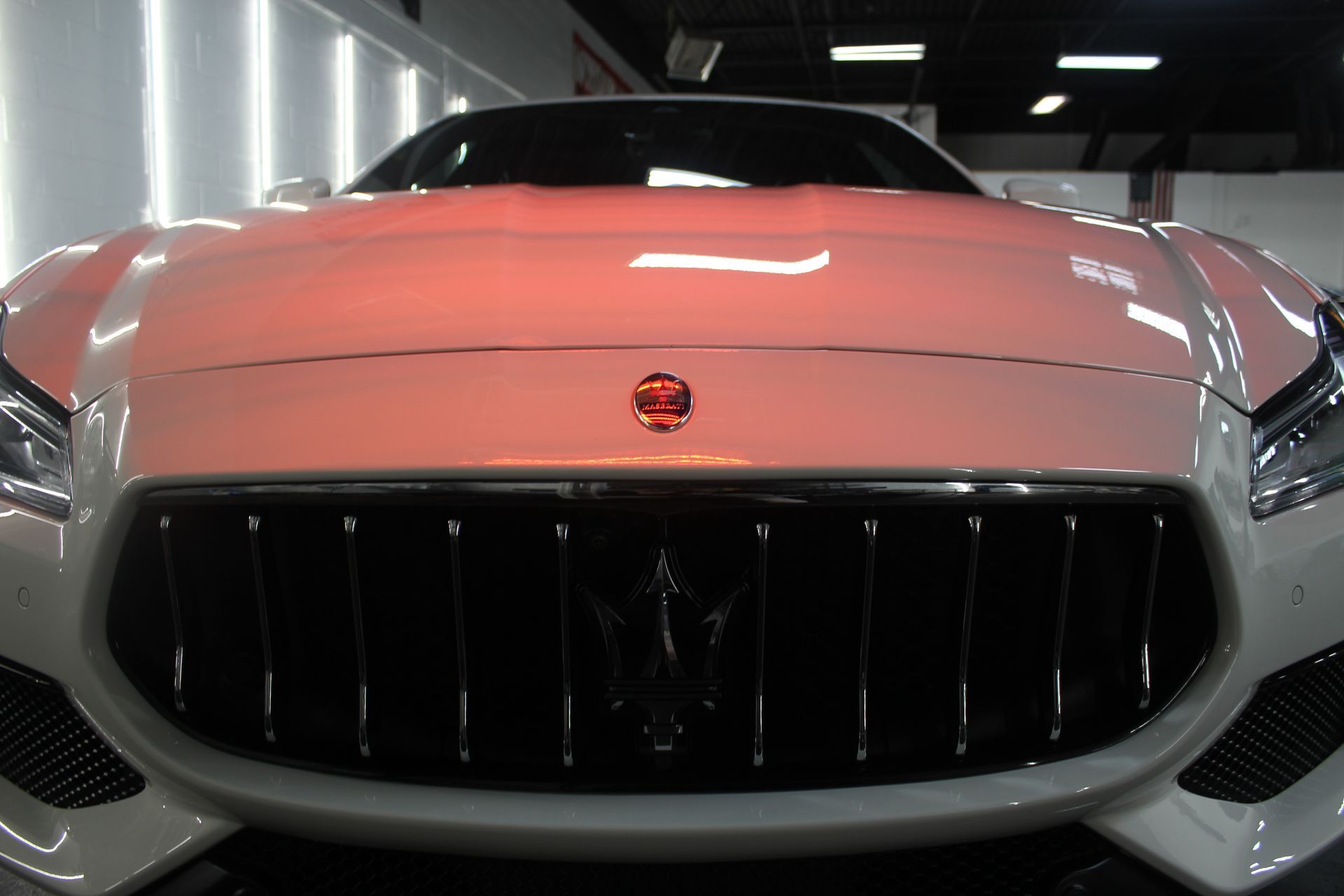
A well-maintained ceramic-coated vehicle should have a high-gloss, reflective finish. If your paint starts to look flat or lacks that deep shine, it may be a sign the coating is wearing thin. This can be especially noticeable when compared to the vehicle’s appearance shortly after the initial application.
Reduced Water Beading:
One of the standout features of ceramic coating is its hydrophobic quality. Water should bead up and roll off the surface effortlessly. If you start noticing water pooling or spreading out instead, the coating may be breaking down. This is often the first visible clue.
Increased Dirt Buildup and Rough Texture:
As the ceramic layer deteriorates, contaminants like dust, road grime, and bug residue tend to stick more easily. You might also feel a rough or gritty texture when you run your hand across the paint. In cases where car paint protective film or ppf film is also applied, you may notice the contrast between coated and uncoated areas more clearly.
These signs often prompt drivers to look up services like paint protection film near me or ppf near me, especially if they’re considering a recoat or fresh layer of auto paint protection film.
Paying attention to these visual cues is key to keeping your ceramic coating—and your car’s appearance—in top shape. Addressing issues early can help you avoid more extensive damage down the line.
Sometimes, the signs that your ceramic coating is wearing off aren’t visible to the eye—but show up in how your vehicle performs against the elements. When the protection isn’t working like it used to, your car becomes more vulnerable to damage—and that’s your signal that a recoat might be needed.
UV Fading or Oxidation:
One of the main purposes of ceramic coating is to protect your car from UV rays. If you notice your paint starting to fade or develop a chalky appearance, that’s oxidation setting in—a clear sign that the coating is no longer shielding your vehicle effectively.
Increased Water Spotting and Chemical Stains:
When ceramic coating is intact, it repels not just water, but also contaminants like bird droppings, bug splatter, and road salt. If you’re starting to see stubborn water spots or discoloration from environmental hazards, the coating’s chemical resistance may be breaking down.
Paint Feels Less Slick or “Grabby” to the Touch:
A fresh ceramic-coated surface feels ultra-smooth and slick. If your paint starts to feel tacky or less slippery, it may be time to evaluate the coating’s condition. This is also important for vehicles with
car ppf
or
auto paint protection film
, where a slick ceramic layer helps reduce surface buildup.
Washing Takes More Effort Than Before:
If washing your car used to be quick and easy—but now feels like a chore—it might be because dirt and debris aren’t sliding off as effortlessly. Drivers often search for
paint protection film near me
or
ppf near me
to add an extra layer or renew existing protection when this happens.
Paying attention to performance shifts can help you catch problems early and keep your coating—and vehicle—performing like new.
If you’re serious about protecting your vehicle’s exterior, combining paint protection film (PPF) with ceramic coating offers one of the most complete protection systems available. Each plays a unique role, and when layered together, they complement one another beautifully.
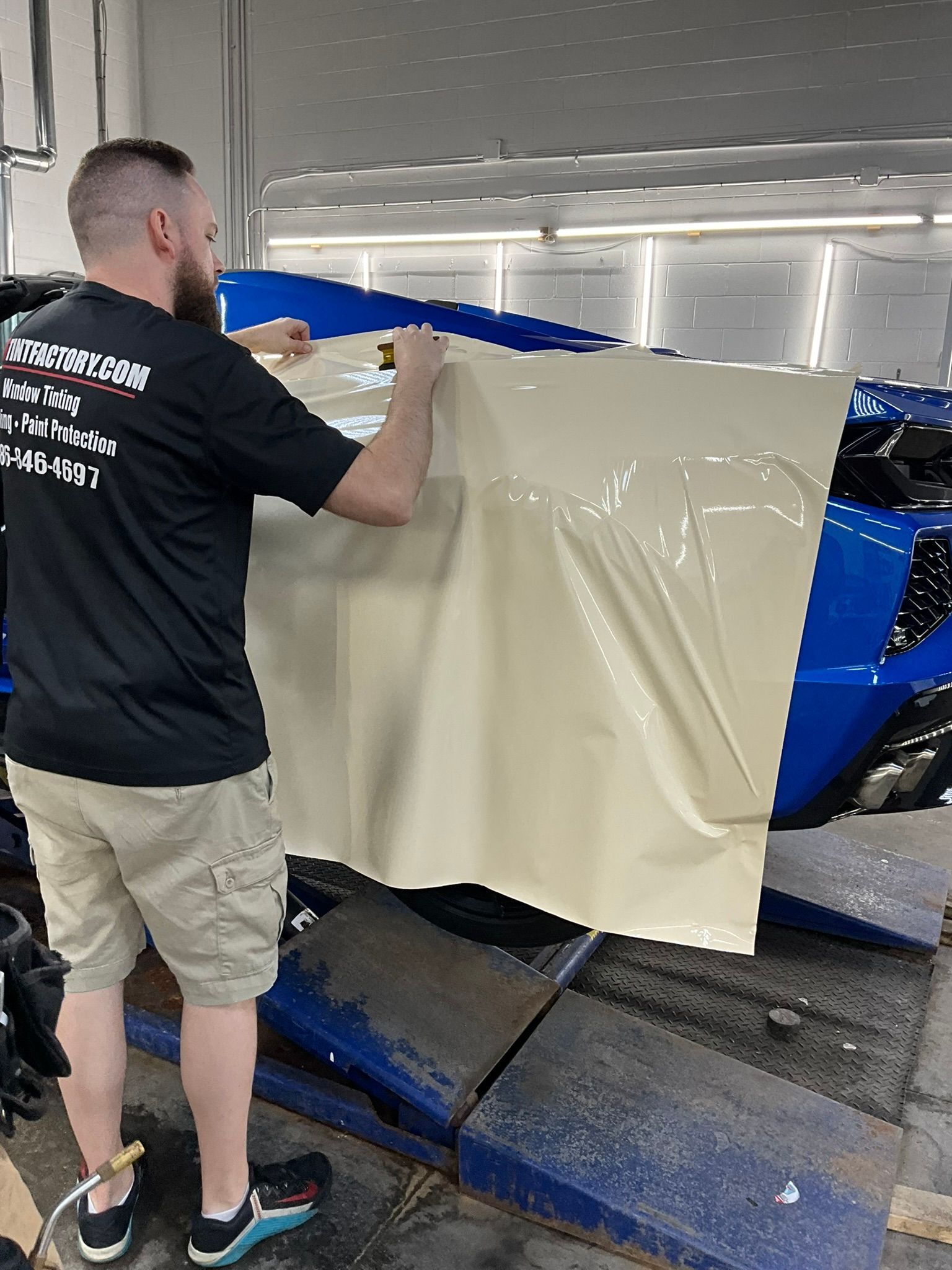
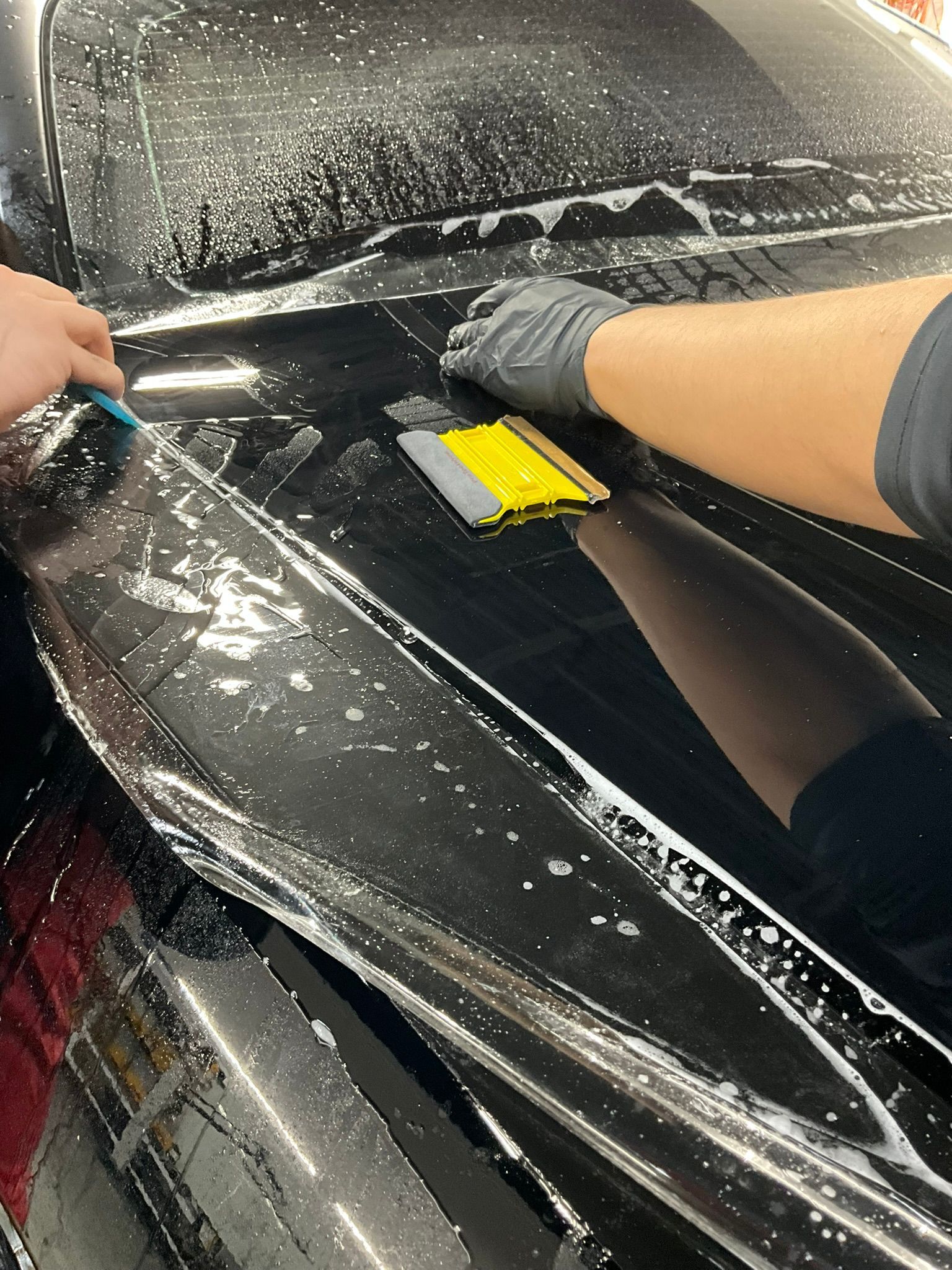
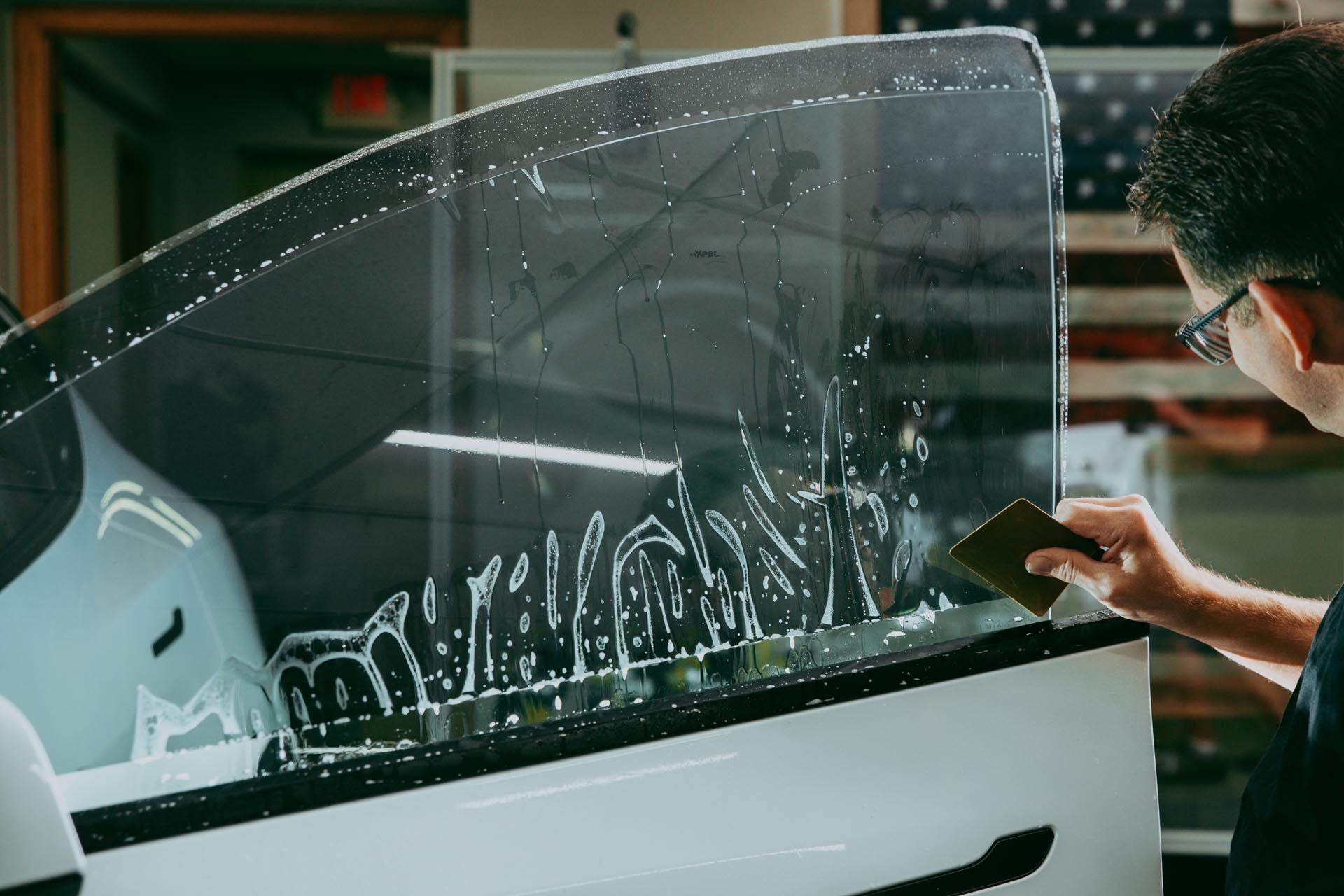
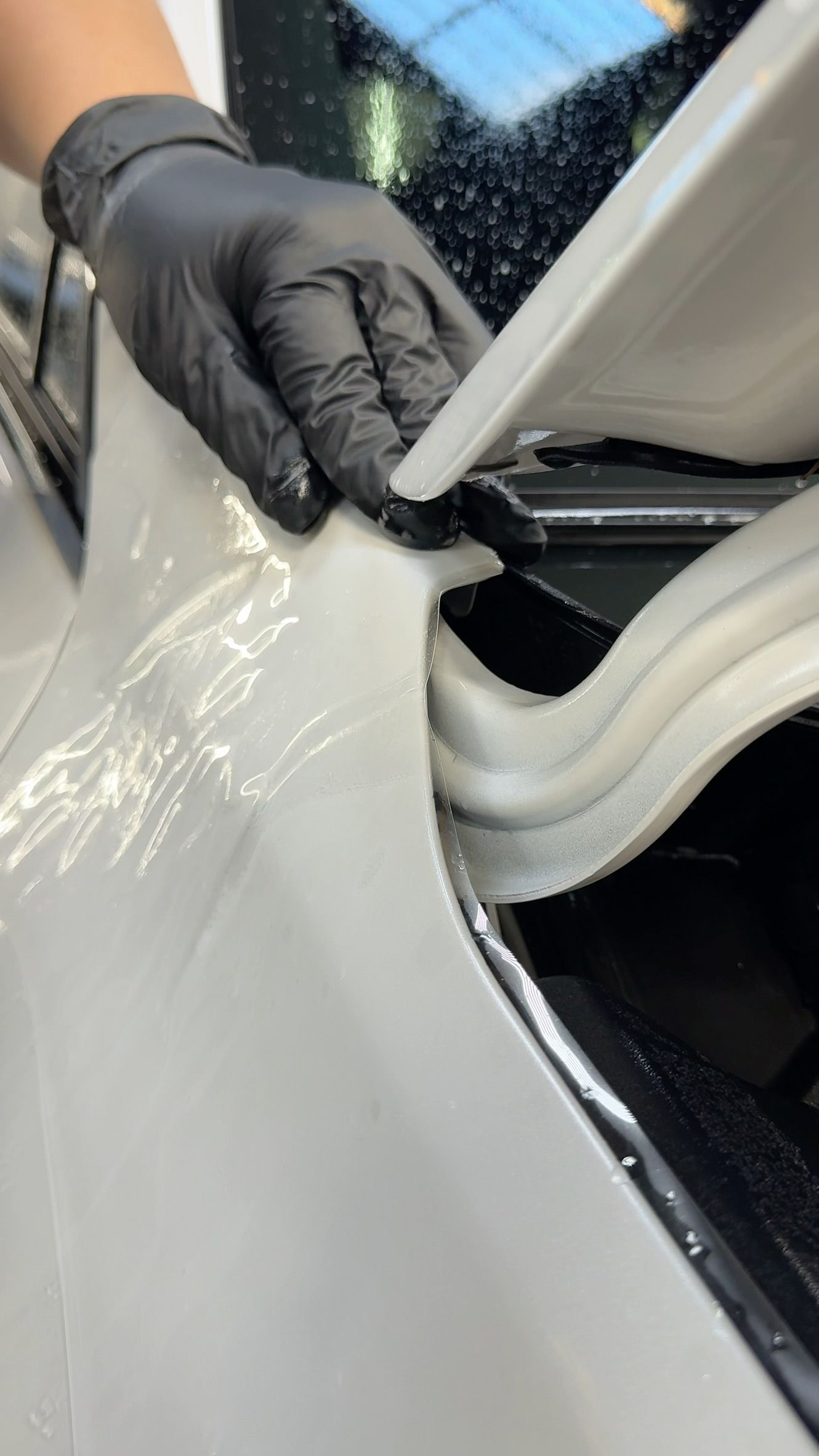
PPF film—also referred to as car ppf or auto paint protection film—acts as a physical barrier. It’s made from a clear, impact-resistant urethane material designed to absorb damage from rock chips, road debris, scratches, and other harsh impacts. It’s especially useful on high-impact areas like bumpers, hoods, and side mirrors. Many vehicle owners search for ppf near me or paint protection film near me to get this professionally installed for long-lasting coverage.
Ceramic coating, on the other hand, forms a hydrophobic, chemical-resistant layer that shields your paint (or your PPF) from UV rays, oxidation, water spots, and chemical contaminants. While it doesn’t stop chips or deep scratches, it enhances shine, makes cleaning easier, and prolongs the appearance of a freshly detailed car.
When used together, ceramic coating enhances the surface of automotive paint protective film, adding depth and gloss while also helping reduce dirt buildup on the film itself. The ceramic layer also protects the film from UV exposure and chemical staining, extending its lifespan.
Layering ceramic coating over car paint protective film gives you the best of both worlds—durable impact resistance plus sleek aesthetics and reduced maintenance. It’s a smart, long-term solution for anyone who wants their car to look pristine with less effort over time.
If you want complete exterior defense, this combination is hard to beat. It’s why so many car owners are choosing to protect their vehicles with both technologies together.
Ceramic coatings are built to last, but they aren’t permanent. Over time, exposure to the elements, improper maintenance, or simple wear and tear will reduce their effectiveness. Knowing when to reapply can help you maintain consistent protection and keep your car looking like new.
Generally, entry-level ceramic coatings require a recoat every 12 to 24 months, while professional-grade coatings can last up to 5 years or more. However, timeline alone shouldn’t be your only indicator. It’s important to also pay attention to how your coating is performing.
If you’ve noticed signs like reduced water beading, dull paint, or increased dirt buildup, it may be time for a recoat. These performance drops usually show up before any serious paint damage occurs—making early action a smart move. Especially if your vehicle is already protected with car paint protective film or ppf film, recoating the ceramic layer helps preserve the look and extend the lifespan of your underlying auto paint protection film.
You should also consider a recoat after major paint correction or surface repairs, as polishing or compounding can strip away your existing ceramic layer. Drivers who rely on automotive paint protective film often search for paint protection film near me or ppf near me to refresh both their film and ceramic coating at the same time for maximum performance.
If your ceramic coating still looks good but is nearing the end of its expected lifespan, applying a maintenance top coat or booster can help extend its performance before committing to a full recoat.
In short, timing a recoat right keeps your car protected, glossy, and easier to maintain—so you can continue enjoying all the benefits without interruption.
If you’ve determined that your ceramic coating needs a refresh, proper preparation is key to ensuring the new layer bonds correctly and performs at its best. A rushed or poorly prepped surface can lead to patchy results, reduced protection, and a shorter lifespan for the new coating.
The first step is to thoroughly wash and decontaminate the vehicle. This includes using a pH-balanced soap to remove dirt, followed by a chemical decontamination using iron and tar removers to break down embedded contaminants. This process helps strip away anything sitting on top of the paint—or on top of your car paint protective film or auto paint protection film—that could interfere with the new ceramic layer.
Next, a clay bar treatment is often used to remove any remaining surface impurities. If your paint shows signs of oxidation, swirl marks, or light scratches, a paint correction process may be necessary. This step is especially important for vehicles with exposed paint or aged coatings. For those with ppf film, make sure your installer checks that the film is still intact and clean, as you don’t want to seal in any defects.
Once your surface is fully clean and corrected, the panel should be wiped down with an isopropyl alcohol (IPA) solution. This ensures a completely clean surface for the new coating to bond with—whether it’s going directly on paint or over automotive paint protective film.
Many car owners search for paint protection film near me or ppf near me when they want a professional to handle this step. Professionals are trained to prep, assess, and reapply ceramic coatings properly—especially over car ppf—to ensure lasting performance and appearance.
With proper prep, your new coating will bond better, perform longer, and deliver that like-new finish all over again.
Staying proactive with ceramic coating maintenance isn’t just about keeping your car looking good—it’s about preserving your vehicle’s value and protection over time. Regular recoats, especially when done at the right intervals, offer long-term benefits that go beyond surface-level shine.
First and foremost, consistent recoating ensures that your car remains shielded from environmental damage. Ceramic coating protects against harmful UV rays, acid rain, bird droppings, and chemical stains. When this layer starts to wear down and isn’t refreshed, your paint becomes vulnerable. However, by staying on top of recoat, your vehicle maintains a strong barrier against the elements year-round.
Another major advantage is easier maintenance . A freshly coated surface repels water, dirt, and grime more effectively, reducing the time and effort needed for regular cleaning. When ceramic coating is applied over car paint protective film or ppf film, this effect is even more noticeable. The film protects against rock chips and scratches, while the ceramic layer keeps the surface slick and glossy.
Long-term upkeep also helps extend the life of your paint protection film . Many vehicle owners search for paint protection film near me or ppf near me not just for initial installation, but also for ongoing maintenance and ceramic top-ups that keep both the film and coating working together.
From a resale standpoint, a well-maintained exterior with auto paint protection film and ceramic coating makes your car more attractive to potential buyers. A vehicle that still shines years down the road tells buyers it’s been well cared for.
In short, timely recoats help maximize the value of your original investment. With minimal effort and the right care, your car can look—and stay—showroom fresh for years to come.
Ceramic coating is a powerful way to protect your vehicle’s exterior, but like any protective solution, it doesn’t last forever. Understanding how long it lasts—and recognizing the signs it’s time for a recoat—can help you get the most out of your investment.
As we’ve covered, the lifespan of a ceramic coating depends on several factors, including the quality of the product, environmental exposure, and how well you maintain your vehicle. Entry-level coatings may last a year or two, while professional applications can protect your paint for up to five years or more—especially when layered over car paint protective film or auto paint protection film.
Throughout this article, we explored both visual and performance-based signs that your coating may be fading—like dullness, reduced water beading, and increased grime buildup. We also discussed how combining ceramic coatings with ppf film not only extends the life of both but enhances your car’s long-term appearance and durability.
Preparing for a recoat properly and staying on top of routine maintenance ensures that your vehicle remains protected, easier to clean, and visually stunning. Whether you’re working with a fresh ceramic layer or considering one for your automotive paint protective film, keeping a regular recoat schedule pays off in both protection and peace of mind.
Many car owners are now turning to trusted services found by searching for paint protection film near me or ppf near me, ensuring both their coating and film stay in top condition.
Ultimately, timely recoats help preserve that showroom shine—so your car continues to look as good as it performs, year after year.
The post How Long Does Ceramic Coating Last? Signs It’s Time for a Recoat appeared first on My WordPress Site.


What Sets 586 Tint Factory Apart
Since opening in 2021, we have focused on one thing: being the best at what we do. That commitment has earned us over 1,000 five-star Google reviews, the recognition of XPEL's top dealership in Michigan for 2024, and a loyal customer base that continues to grow. We opened near the tail end of a challenging time for small businesses and came out stronger for it. Our team understands that your vehicle is an investment, and we treat it accordingly. From a simple window tint to a full-vehicle ceramic coating or PPF install, we bring the same level of professionalism and care to every job.
Email: contact@586tintfactory.com
Phone:
586-846-4697
Monday - Friday: 6:30 a.m. - 5:00 p.m.
Saturday & Sunday: Appointment Only