Winter vs. Summer Car Protection: How PPF and Ceramic Coating Perform in Extreme Temperatures


Your car is one of your most valuable investments, so it only makes sense to protect it from everything the environment throws its way. Whether you’re dealing with harsh winter snow or intense summer sun, your vehicle’s paint is constantly under attack. That’s where car paint protective film and ceramic coating come into play. These two technologies are among the best options for preserving your car’s finish and value year-round.
But how well do they actually perform when temperatures swing from freezing cold to blistering heat? It’s a question every car owner should consider—especially if you’re researching paint protection film near me or thinking about ceramic coating for your daily driver, luxury vehicle, or weekend cruiser.
PPF film, also known as auto paint protection film, offers a physical barrier against road debris, salt, bugs, and UV rays. On the other hand, ceramic coating acts like a shield, giving your car a glossy, hydrophobic surface that resists grime and reduces the need for frequent washes. Both options can be incredibly effective, but their performance in extreme weather—winter or summer—can differ depending on the conditions.
This article will break down how car PPF and ceramic coating handle everything from icy roads to blazing sun. We’ll also explore when it’s best to apply each protection method and how to care for them through the seasons. Whether you’re looking up ppf near me or just trying to understand the value of an automotive paint protective film, this guide will help you make an informed decision about keeping your car protected year-round.
Ready to dive in? Let’s explore how the seasons affect your vehicle and how to stay ahead with smart, long-term protection.
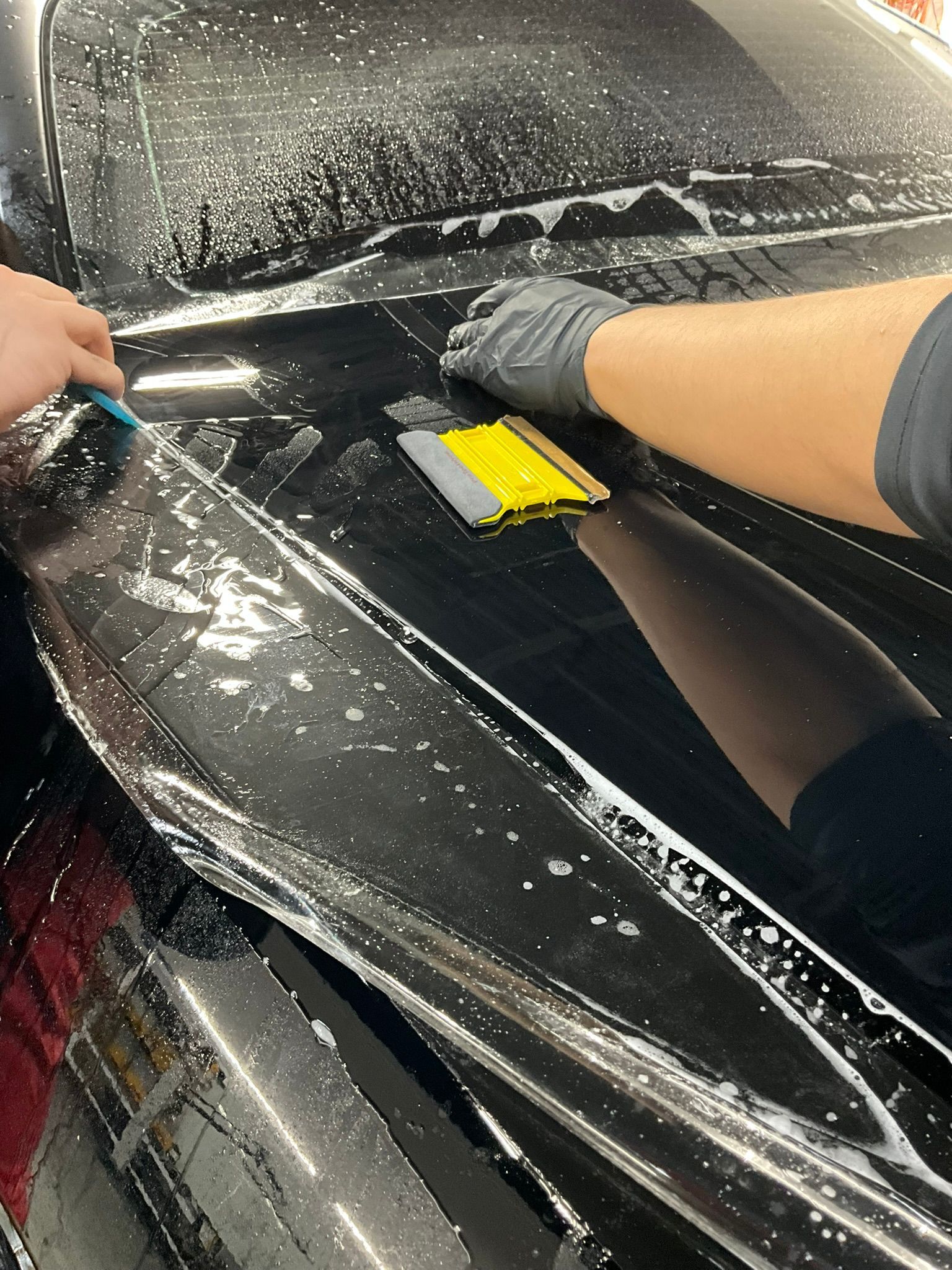
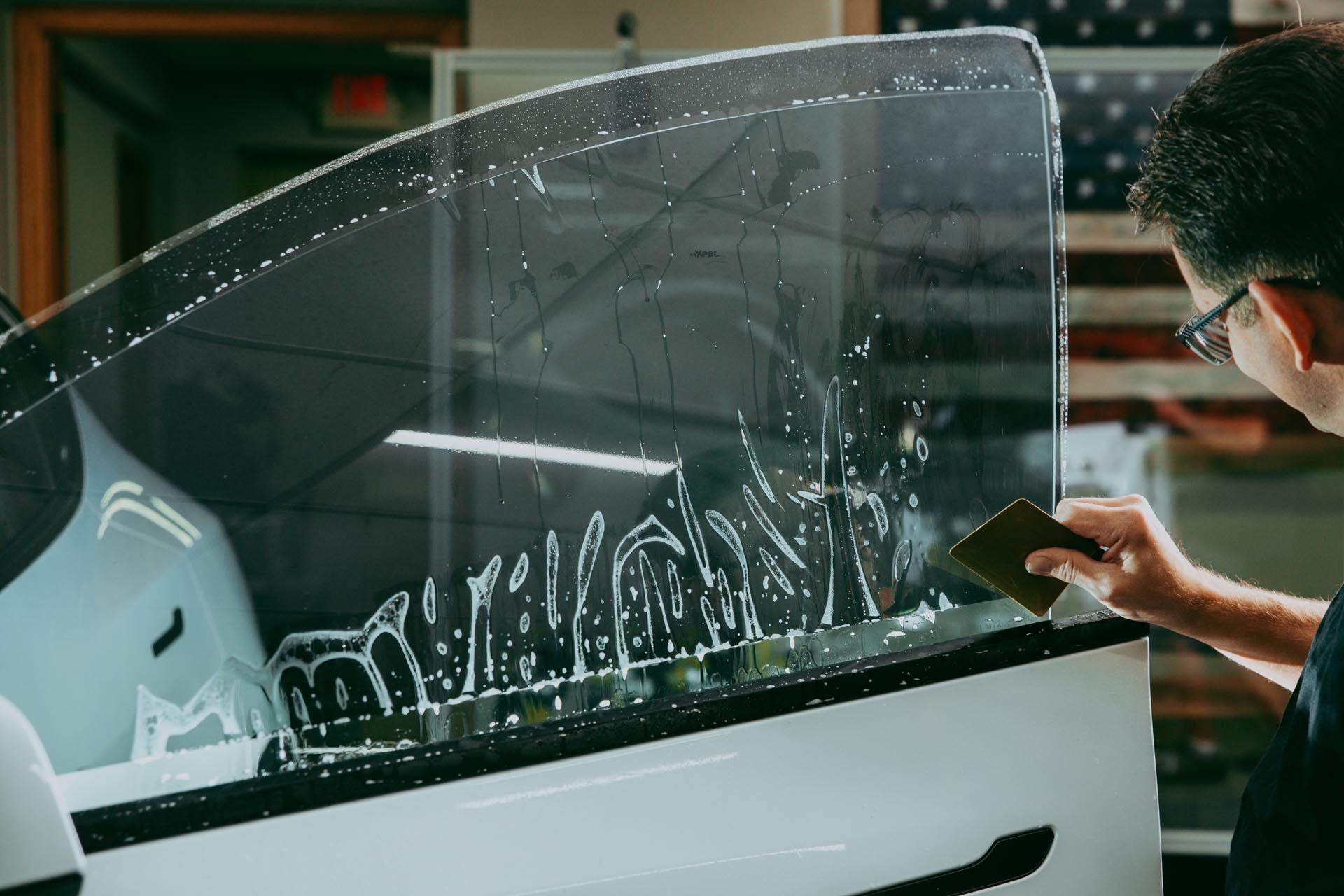
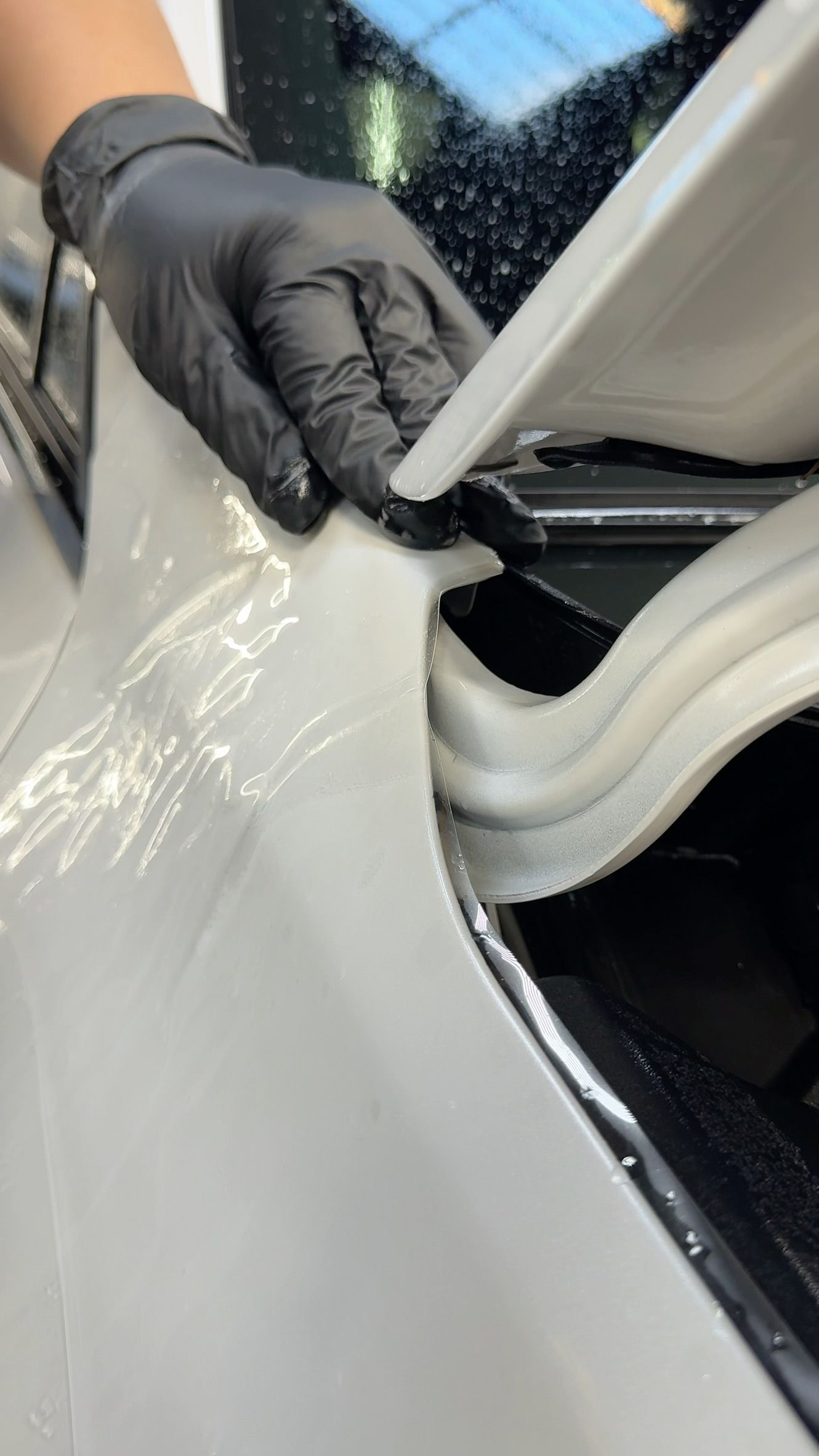
Before diving into how these products perform in extreme temperatures, it’s important to understand what they are and how they work. Let’s start with PPF film, short for paint protection film. Also known as auto paint protection film, this is a transparent, urethane-based layer that’s applied directly to your car’s painted surfaces. Its main job? To act as a physical shield against rock chips, minor scratches, road salt, bug splatter, and other hazards that can damage your vehicle’s finish. If you’ve ever searched for paint protection film near me, you’ve likely come across PPF as a top-tier option for keeping your paint looking brand-new.
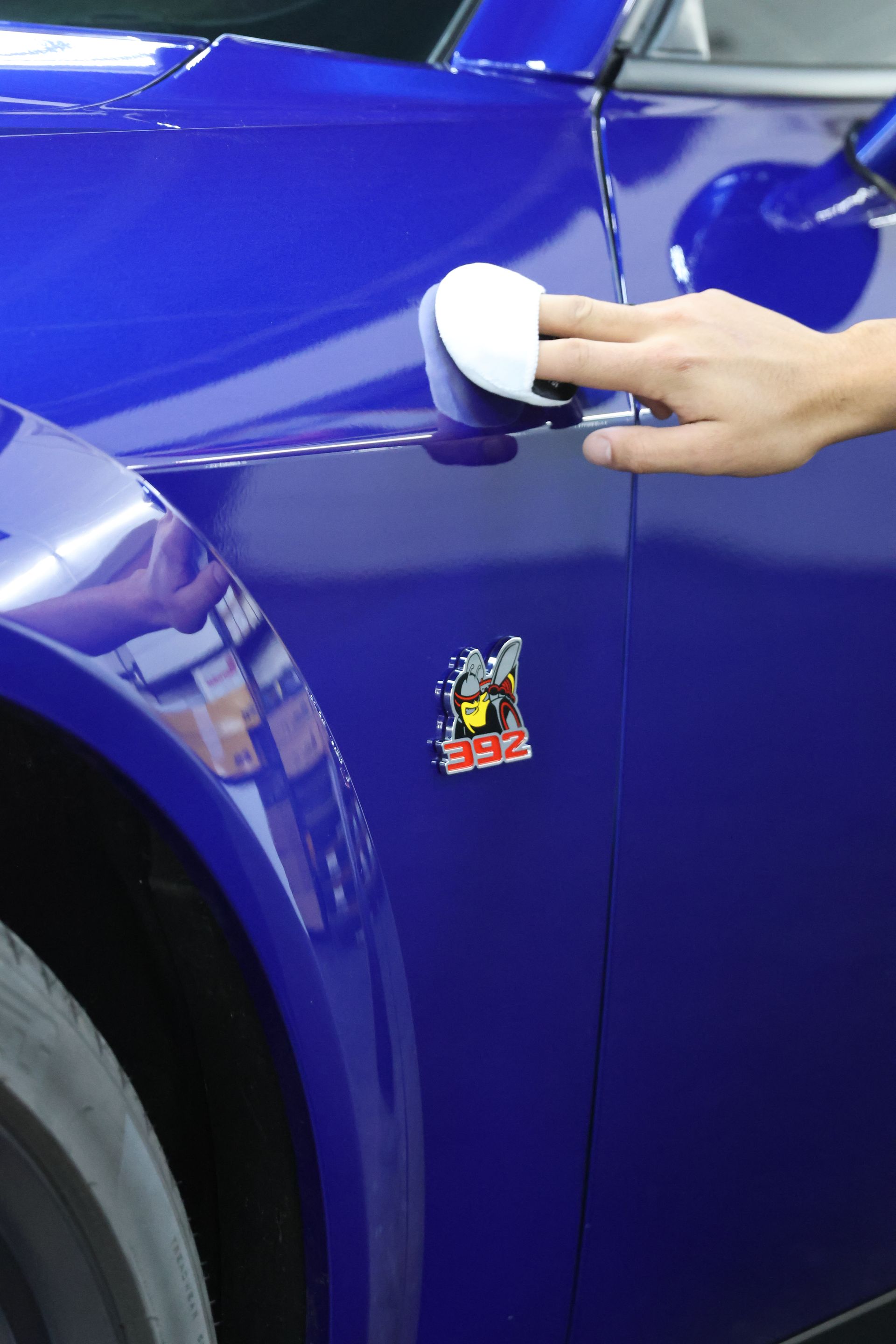
Ceramic coating, on the other hand, is a liquid polymer that chemically bonds with your vehicle’s clear coat. It doesn’t offer the same physical barrier as car paint protective film, but it does create a hard, hydrophobic surface that repels water, dirt, and UV rays. The result? A glossy finish that stays cleaner longer and makes routine washing much easier.
Many car owners choose to use both solutions together—applying car PPF first, followed by a ceramic coating on top. This combo provides the best of both worlds: strong protection against physical damage and enhanced resistance to contaminants and weather-related wear.
So, how do you decide between them? If you drive in areas where road debris, gravel, or winter salt is a constant issue, automotive paint protective film is ideal. If you’re looking for easier maintenance and long-lasting shine, ceramic coating is the way to go. And if you want ultimate protection, combining both is a smart move—especially when you’re searching for the best ppf near me and want long-term value.
Winter can be brutal—not just for you, but for your car’s paint as well. Between the icy roads, snow buildup, and constant exposure to harsh chemicals like road salt, your vehicle’s exterior takes a serious beating during the colder months. What might look like harmless frost or a bit of slush can actually lead to long-term damage that affects both appearance and resale value.
One of the biggest winter culprits is road salt. While it helps keep streets safe, it’s highly corrosive and can eat away at your car’s paint over time, especially if it isn’t cleaned off quickly. Combine that with gravel or sand used on icy roads, and you’ve got a recipe for paint chips, scratches, and accelerated wear. The freezing temperatures can also cause paint to become brittle, making it more susceptible to cracking and peeling. Over time, all of this exposure can lead to fading, rust, and permanent damage.
This is where car paint protective film really shines. By applying a high-quality ppf film, you’re giving your car a nearly invisible armor that stands up to winter’s toughest elements. Auto paint protection film acts as a barrier, absorbing the impact of road debris and preventing salt from making direct contact with your paint. When you’re looking for paint protection film near me, you’re not just investing in appearance—you’re protecting your car from serious seasonal threats.
For drivers in colder climates, car PPF is a smart, proactive choice. It helps preserve your vehicle’s finish, reduces the need for frequent touch-ups, and gives you peace of mind during those harsh winter drives. If you’re serious about maintaining your car’s value, automotive paint protective film is a winter essential.
When winter rolls in, your car faces a whole new set of challenges—but fortunately, car PPF is designed to hold up even when the temperature drops. One of the standout qualities of paint protection film is its ability to remain flexible and durable in a wide range of conditions, including freezing weather. This makes it an ideal year-round solution for vehicle owners who live in areas with cold winters.
High-quality ppf film is engineered using thermoplastic urethane, which has excellent elasticity. This flexibility allows the film to expand and contract with the surface of your car without cracking or peeling, even in subzero temperatures. That means the film won’t become brittle or lose its protective properties just because the weather turns harsh.
Another major advantage is its resistance to winter-specific threats like road salt, slush, and ice. These elements can damage unprotected paint quickly, leading to rust and corrosion. But with auto paint protection film, you’re adding a physical barrier that shields your paint from direct exposure. It helps deflect road debris, keeps salt from penetrating the paint, and reduces staining from dirty snow or ice buildup.
Some people worry that cold weather might impact the adhesive or clarity of car paint protective film, but the reality is that modern PPF products are built to withstand these elements. As long as the film is professionally installed—preferably by someone you found while searching for ppf near me—it will maintain its transparency and bond effectively with your car’s surface, even through the winter months.
So, if you’re concerned about how your car’s protection will hold up in cold climates, rest assured that automotive paint protective film is more than up for the task.
While car PPF offers impressive protection against physical elements, ceramic coating brings its own set of advantages during the winter months—especially when it comes to water repellency and ease of maintenance. One of the biggest challenges of winter driving is the constant buildup of slush, grime, and salt on your vehicle. Ceramic coating provides a slick, hydrophobic surface that causes water, mud, and snow to bead up and roll off, making your car significantly easier to clean.
This is especially helpful in cold climates where frequent washing isn’t always convenient. With a ceramic coating, dirt and road salt don’t bond as easily to the surface of your paint, reducing the risk of long-term damage. A quick rinse or touchless wash can often restore your car’s shine without the need for scrubbing or harsh chemicals.
More importantly, ceramic coating enhances your vehicle’s defense against corrosive salt and chemical residue on the roads. While it doesn’t offer the same impact resistance as car paint protective film, it does create a durable layer that protects your clear coat from oxidation, chemical etching, and surface staining.
When paired with auto paint protection film, ceramic coating creates a powerful, two-layered shield. The automotive paint protective film takes the hits from flying debris and rough conditions, while the ceramic layer keeps the surface clean and glossy. This combination not only extends the life of your car’s exterior but also makes winter maintenance far less of a hassle.
So, if you’ve already searched for paint protection film near me and had it installed, consider adding a ceramic coating on top. Together, they create a winter-ready barrier that keeps your car protected, clean, and looking sharp—even when the weather is anything but.
While winter can be tough on your vehicle, summer brings an entirely different set of challenges. The intense heat, relentless UV rays, and environmental exposure can cause just as much—if not more—damage to your car’s exterior. Without proper protection, your paint is at risk of fading, oxidizing, and developing unsightly blemishes that reduce the overall value and appeal of your vehicle.
UV rays are the biggest summer culprit. Just like they can harm your skin, they can also break down your car’s clear coat and paint layers over time. Prolonged sun exposure leads to color fading, dullness, and eventually oxidation, especially on darker paint colors that absorb more heat. On top of that, high temperatures can make tree sap, bird droppings, and bug residue even more aggressive, eating into the paint faster than they would in cooler weather.
This is where automotive paint protective film and ceramic coating come to the rescue. Car PPF acts as a clear, physical barrier that blocks UV rays and shields your paint from heat-related damage. It helps preserve the original paint color while protecting against minor scratches and chemical contaminants. If you’ve been looking up paint protection film near me, you’re already on the right track toward summer-proofing your car.
Ceramic coating, when layered over auto paint protection film, adds another level of defense. It enhances UV protection and provides a smooth, glossy finish that repels contaminants. This makes cleaning a breeze—even after long road trips or days parked in the sun.
Whether you’re dealing with 100-degree heat or just long days under direct sunlight, combining car paint protective film and ceramic coating is your best bet for year-round paint protection. The summer sun might be strong, but your car’s defense can be stronger.
When it comes to protecting your vehicle from the scorching summer sun, auto paint protection film is one of the most effective tools available. Designed to withstand extreme temperatures, PPF film doesn’t just block physical damage—it also offers reliable heat resistance and UV protection to preserve your car’s paint for years to come.
High-quality car paint protective film is engineered with UV inhibitors that filter out harmful ultraviolet rays before they can reach your vehicle’s paint. This significantly reduces the risk of fading, oxidation, and other sun-related damage. Whether you live in a sunny climate year-round or just face seasonal heat waves, applying car PPF is a smart way to shield your investment.
A common concern among car owners is whether heat can affect the performance or clarity of paint protection film. The good news is that modern PPF technology is built to handle intense sunlight and high surface temperatures. When installed correctly by a professional—ideally someone you found through a paint protection film near me search—the film remains optically clear, flexible, and fully bonded to the vehicle’s surface even under extreme heat.
As for durability, automotive paint protective film can last anywhere from 5 to 10 years, depending on the quality of the film, climate conditions, and how well it’s maintained. In sunny regions, it’s especially important to keep your car clean and occasionally apply a maintenance spray to preserve the film’s appearance and effectiveness.
If you’re planning to protect your vehicle through the heat of summer and beyond, investing in high-grade auto paint protection film is a must. It not only keeps your car looking great but also adds long-term value by maintaining the integrity of your original paint.
Summer heat doesn’t just test your patience—it also tests your vehicle’s exterior. Thankfully, ceramic coating is built to hold up under high temperatures, offering both protection and visual appeal. When applied correctly, ceramic coating delivers outstanding heat resistance while maintaining a long-lasting, showroom-quality shine. Even in triple-digit weather, it helps keep your car looking fresh and clean with minimal effort.
One of the biggest summer challenges is dealing with bug splatter, tree pollen, and fine dust that seem to cling to your car after every drive. Ceramic coating makes these contaminants easier to remove thanks to its hydrophobic properties. Dirt and debris don’t bond as easily to the surface, which means you can rinse or wipe them away with less risk of scratching the paint. This ease of maintenance is a huge time-saver during the warmer months when you’re constantly fighting against buildup from the environment.
When paired with car PPF, ceramic coating becomes even more effective. The car paint protective film serves as the first line of defense against rock chips and UV rays, while the ceramic layer enhances gloss and makes cleaning a breeze. Together, they create a seamless and durable solution that handles both physical and chemical threats posed by the summer sun.
If you’ve already had auto paint protection film applied and are searching for a way to boost its performance in hot weather, adding a ceramic coating is the perfect upgrade. It complements the protective qualities of car PPF without compromising appearance or clarity. For car owners serious about preserving their vehicle’s paint through harsh summer conditions, this combination offers unmatched durability and brilliance—especially when installed by professionals you might find through a paint protection film near me.
To get the most out of your car PPF and ceramic coating, proper seasonal maintenance is essential. While both protection methods are designed to be durable, routine care ensures they continue performing at their best—no matter what the weather brings.
In winter, your focus should be on removing road salt, slush, and grime. Wash your vehicle regularly using a pH-neutral car shampoo and warm water, if possible. Avoid automatic car washes with harsh brushes, as they can damage both the auto paint protection film and ceramic coating. Instead, opt for touchless washes or hand-washing methods. For added protection, consider using a ceramic booster spray every few weeks to maintain the coating’s hydrophobic properties.
During the summer, UV exposure and dust become the main enemies. Wash your car frequently to prevent buildup from tree pollen, bugs, and bird droppings. Using a microfiber wash mitt and drying towel will help you avoid scratching the car paint protective film. Applying a UV protectant spray can also help maintain clarity and gloss through the sunniest months.
Whether you’re checking on a ppf near me installation or maintaining an existing layer, it’s a good idea to inspect your protection every season. Look for signs of peeling, bubbling, or dull spots. These could indicate it’s time for a reapplication or professional touch-up.
As for intervals, washing your vehicle weekly is ideal, with deeper detailing and inspection every 3–4 months. Ceramic coatings may need a topper applied every 6–12 months depending on exposure, while automotive paint protective film typically lasts several years with minimal upkeep.
By following these seasonal care tips, you’ll keep your paint protection film near me and ceramic coatings performing—and looking—their best all year long.
When it comes to protecting your vehicle, there’s no one-size-fits-all solution. The best choice between ppf film, ceramic coating, or a combination of both depends largely on your local climate and how you use your vehicle on a daily basis.
If you live in a colder region with frequent snow, ice, and road salt, prioritizing car PPF makes a lot of sense. The physical barrier provided by auto paint protection film helps guard against salt corrosion, rock chips, and road debris. It’s especially beneficial for highway commuters or anyone who drives regularly in rough winter conditions.
On the flip side, if you’re located in a hot, sunny area, ceramic coating may be your go-to. Its UV-blocking properties, high-gloss finish, and ease of cleaning are ideal for protecting against intense sun exposure, pollen, and environmental pollutants. It’s a great option for those who value easy maintenance and want to preserve their vehicle’s appearance with minimal effort.
For many drivers, the ultimate protection comes from combining both solutions. Applying car paint protective film on high-impact areas—like the front bumper, hood, and side mirrors—while layering ceramic coating over the entire car gives you a well-rounded defense in any climate. This dual approach ensures your car stays protected year-round, regardless of temperature or terrain.
If you’re not sure where to begin, a quick search for paint protection film near me can help you locate local professionals who specialize in both PPF and ceramic coating. Choose a provider with strong reviews, certified installation, and product warranties to ensure your vehicle receives top-tier care.
By factoring in your climate and driving habits, you can make a smart, tailored decision that keeps your car looking its best—and protected from whatever the road brings.
Protecting your car’s exterior is a year-round commitment—and choosing the right solution means understanding how products like car PPF and ceramic coating perform in different seasons. As we’ve explored, both winter and summer bring their own set of challenges, from road salt and freezing temperatures to scorching heat and damaging UV rays.
PPF film, also known as auto paint protection film, is a powerful line of defense during winter, shielding your car from chips, corrosion, and salt damage. In summer, automotive paint protective film continues to shine by resisting UV rays and maintaining your paint’s integrity under extreme heat. Its flexibility, durability, and long lifespan make it a must-have for those seeking serious year-round protection.
Ceramic coating, while not as physically protective as car paint protective film, offers exceptional surface defense—especially against dirt, grime, and environmental exposure. Its hydrophobic properties make it easy to clean in winter slush and summer dust, all while enhancing your car’s gloss and color depth.
When used together, car PPF and ceramic coating deliver unbeatable protection. Whether you’re battling snow-covered roads or sunbaked highways, this combination ensures your vehicle looks sharp and stays protected no matter the conditions.
Ultimately, the right choice depends on your climate, driving habits, and personal priorities. If you’re unsure where to begin, searching for paint protection film near me or ppf near me is a great starting point. Choose a trusted local installer to ensure professional application and long-lasting results.
Your car deserves the best protection—rain, shine, or snow. With the right strategy in place, you’ll keep your vehicle looking like new for years to come.


What Sets 586 Tint Factory Apart
Since opening in 2021, we have focused on one thing: being the best at what we do. That commitment has earned us over 1,000 five-star Google reviews, the recognition of XPEL's top dealership in Michigan for 2024, and a loyal customer base that continues to grow. We opened near the tail end of a challenging time for small businesses and came out stronger for it. Our team understands that your vehicle is an investment, and we treat it accordingly. From a simple window tint to a full-vehicle ceramic coating or PPF install, we bring the same level of professionalism and care to every job.
Email: contact@586tintfactory.com
Phone:
586-846-4697
Monday - Friday: 6:30 a.m. - 5:00 p.m.
Saturday & Sunday: Appointment Only