Understanding Legal Tinting Limits: What You Need to Know
Have you ever been pulled over because of your window tint? Or maybe you’re considering tinting your windows but don’t want to risk a hefty fine? You’re not alone. Window tinting laws are some of the most misunderstood vehicle regulations, and one small mistake could leave you with a ticket—or worse, an order to remove your tint entirely.
So, what makes a window tint legal or illegal? It’s not just about how dark it looks; it’s about something called Visible Light Transmission (VLT)—the percentage of light that passes through your windows. Every state has different rules, and to make matters more complicated, laws can change depending on the type of vehicle, location, and even the purpose of the tint. If you’re a car owner, business owner, or property manager considering residential window tint or commercial window tint, understanding these legal limits is crucial to avoid unnecessary legal trouble.
This article cuts through the confusion and breaks down everything you need to know about legal tinting limits. We’ll cover why these laws exist, how they’re measured, and what happens if you don’t comply. We’ll also look at exemptions, best practices, and how to make sure your tint stays within the legal range—whether for your car, home, or business.
By the end, you’ll know exactly how to navigate tinting laws without the risk of fines, failed inspections, or safety hazards. Let’s dive into the world of window tinting laws and ensure you’re on the right side of the rules.
What Is Window Tinting?
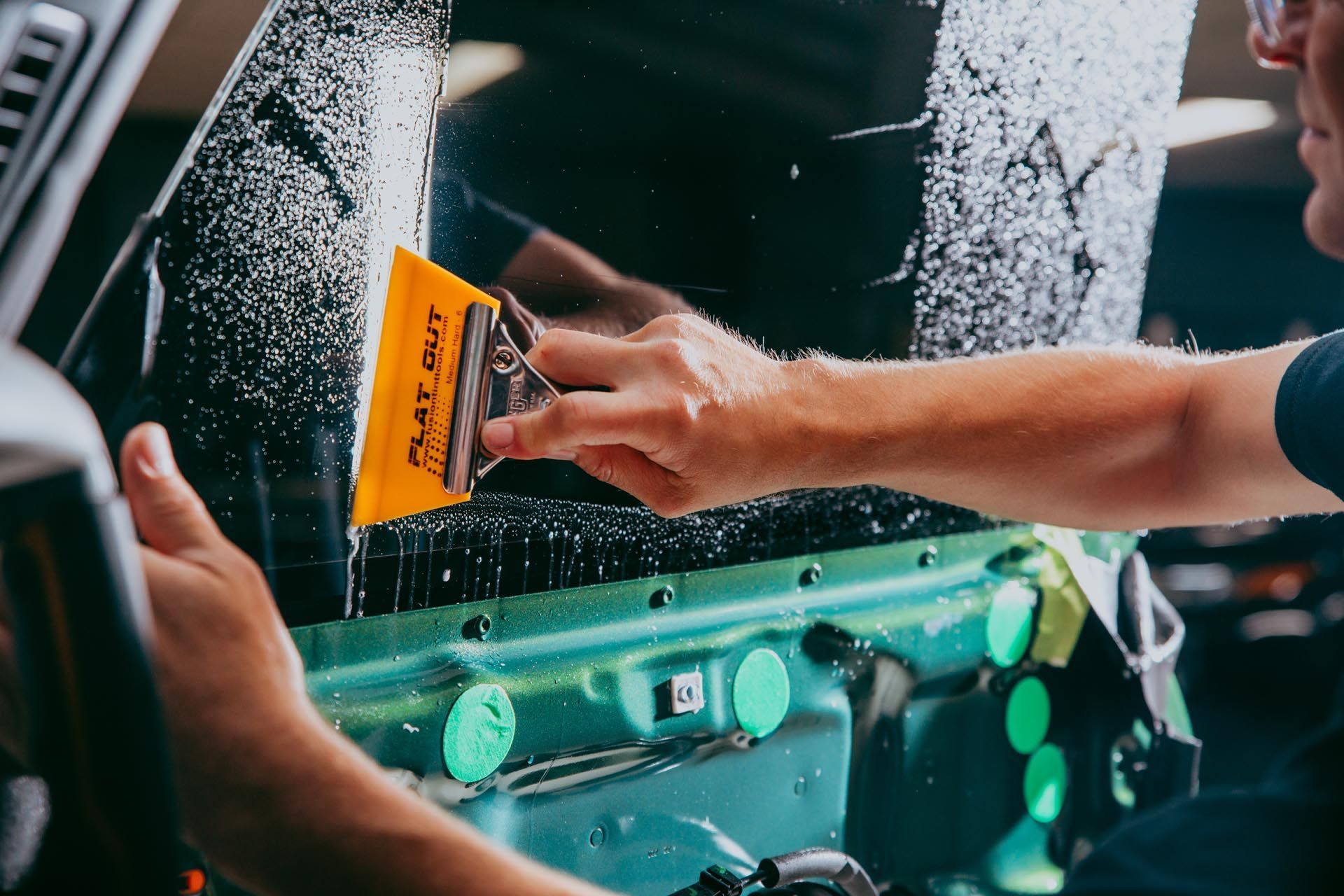
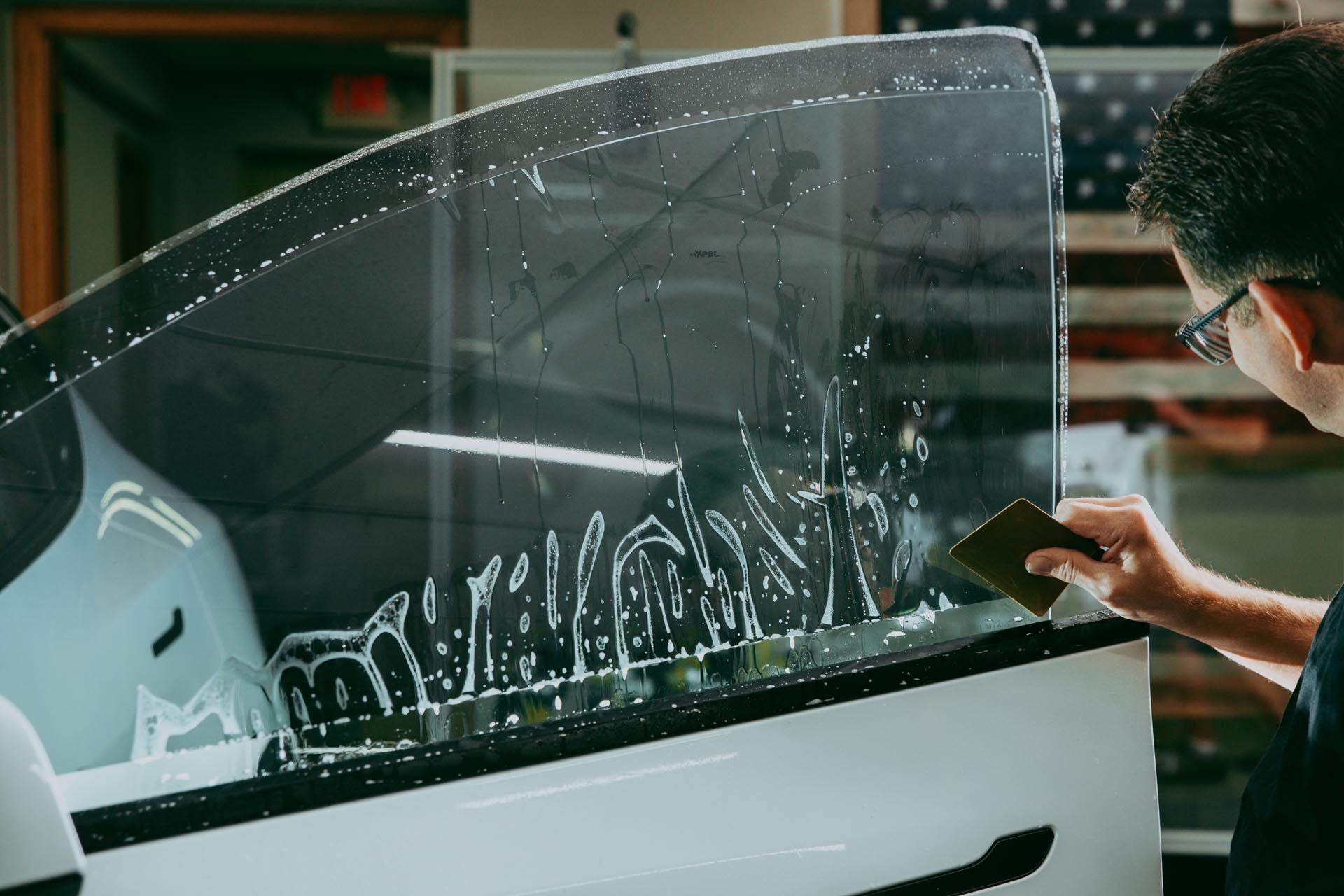
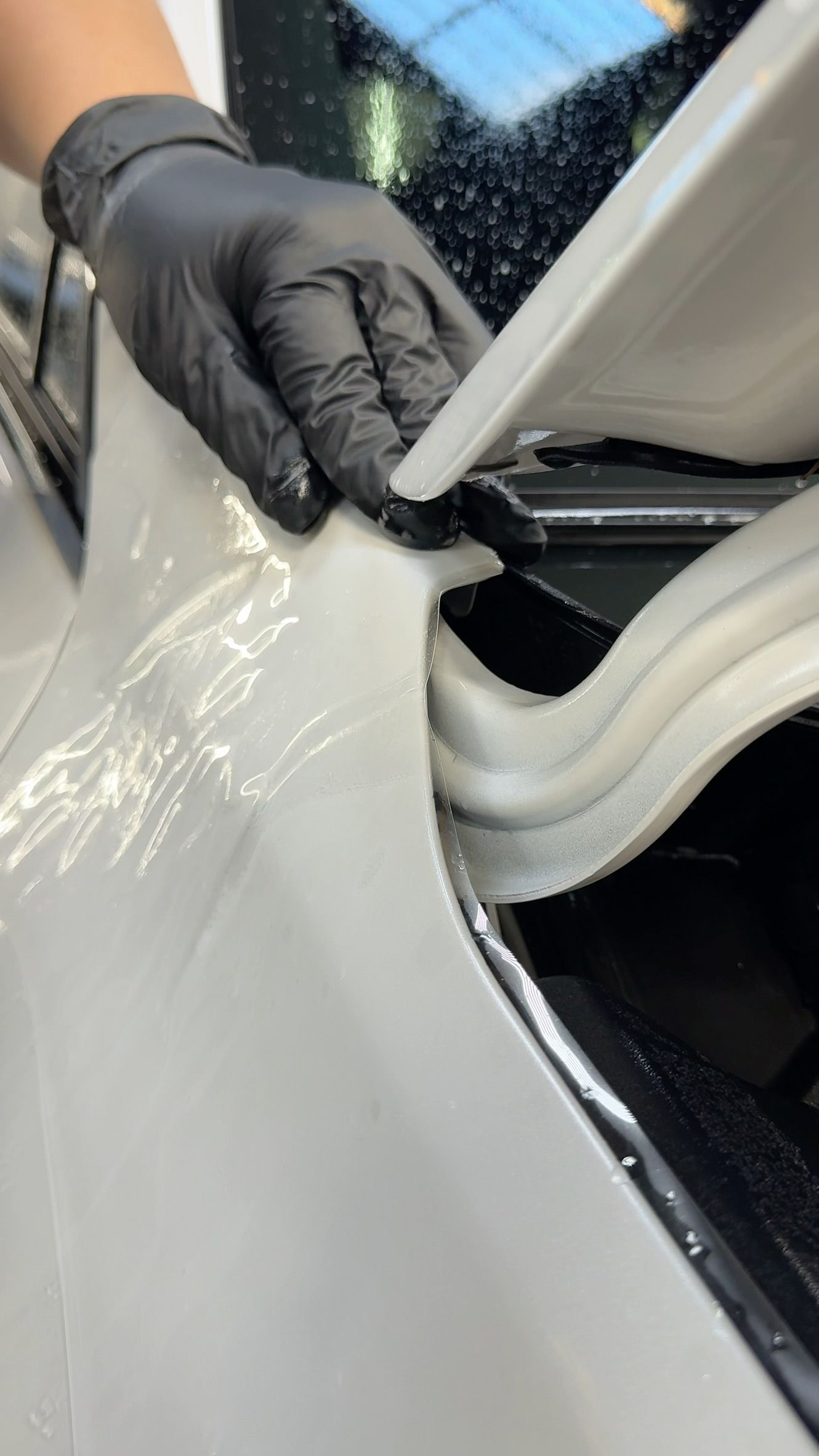
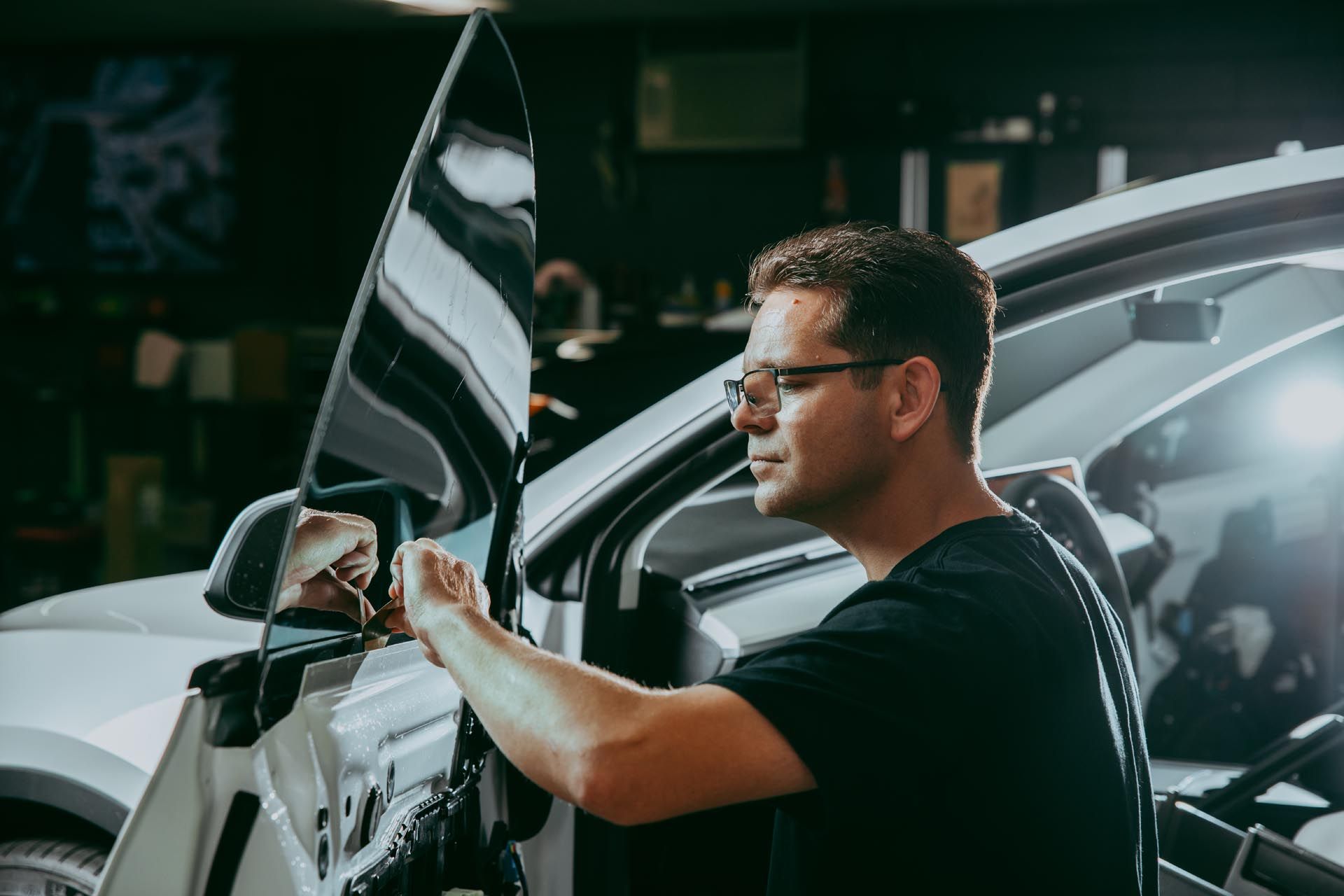
Ever noticed how some cars have sleek, darkened windows that just scream sophistication? That’s window tinting, and it’s more than just a stylish upgrade. At its core, window tinting is a thin, transparent film applied to glass surfaces—usually car windows, but also home and office windows. Its primary purpose? Reduce glare, block harmful UV rays, and enhance privacy. But there’s more to it than just aesthetics.
Think about this: The sun’s UV rays don’t just make your car unbearably hot; they also cause interior fading and even skin damage over time. A good window tint acts like sunglasses for your car, filtering out excessive sunlight while keeping the inside cooler and more comfortable. Not to mention, it can strengthen your windows, offering extra protection in case of an accident or break-in.
So, how does it work? There are different types of tinting materials—dyed, metalized, carbon, and ceramic—each offering unique benefits. Ceramic coating tints, for example, provide superior heat rejection without interfering with GPS or phone signals. Whether you’re after privacy, safety, or energy efficiency, the right window tint can transform your driving (or living) experience.
And while it might seem simple, not all tints are created equal. That’s why knowing the legal limits is key—but more on that later!
Why Are There Legal Limits on Window Tinting?
Ever wondered why you can’t just tint your windows as dark as you want? It all comes down to safety. While window tint has plenty of benefits—privacy, heat reduction, UV protection—going too dark can be dangerous. That’s why there are legal limits in place.
Imagine driving at night with extremely dark tint. Your visibility drops, making it harder to see pedestrians, cyclists, or even other vehicles. The risk of accidents increases, especially in poorly lit areas. Pedestrians, too, face a challenge—if they can’t make eye contact with a driver at a crosswalk, how do they know it’s safe to cross?
Then there’s the issue of law enforcement visibility. Officers need to see inside a vehicle during a traffic stop for safety reasons. If a car’s window tint is too dark, it creates uncertainty—are they approaching a harmless driver or a dangerous situation? Because of this, many states enforce strict Visible Light Transmission (VLT) limits, ensuring officers can still see inside.
There have been real-world consequences. Accidents, delayed emergency responses, and even criminal activities have been linked to overly tinted windows. That’s why legal limits exist—to strike a balance between privacy and public safety.
How Are Tinting Limits Measured?
When it comes to measuring window tint, the key factor to know is Visible Light Transmission (VLT). VLT is essentially the percentage of light that passes through your window. The higher the VLT, the lighter the tint; the lower the VLT, the darker the tint. It’s that simple—but don’t be fooled, because getting the right level of tint is crucial!
For example, a window with 70% VLT means it lets through 70% of the light, and the tint is quite light. In contrast, a 20% VLT means only 20% of light passes through—making it much darker. Depending on where you live, the legal limit could be anywhere from 30% to 70% VLT for your front windows, and much darker for rear windows.
But how do you measure this? Tint meters are the primary tool used by professionals and law enforcement to measure VLT. They’re compact devices that shine light through the window to determine how much is transmitted. Some police officers may even use handheld meters during traffic stops to make sure you’re within the legal limits!
So, whether you’re tinting for comfort or style, understanding how VLT works can save you from a fine or removal orders. It’s all about finding the perfect balance of privacy, safety, and legality.
What Are the Legal Tinting Limits in Different States?
Did you know window tinting laws vary from state to state? What’s legal in one place could be illegal in another, and that’s why checking local regulations is so important before you tint your windows! Each state has its own Visible Light Transmission (VLT) limits, determining how dark your windows can be.
For example, in California, the legal VLT for front side windows is 70%, meaning 30% of light must pass through. On the other hand, Texas allows a darker tint, with a legal VLT of 25% for front side windows! But it’s not just about the front windows. Rear windows, especially for SUVs or vans, can typically have much darker tinting. In California, rear side windows can be as dark as you like, while Texas allows just 15% VLT for rear side windows.
So why does this matter? Well, if you’re caught driving with illegal tint in your state, you could face fines, and in some cases, you might be asked to remove the tint altogether. Always research the local laws before making any decisions. Don’t rely on general rules—specific states can have nuanced laws that apply to different vehicle types or even the time of day!
When Do Exceptions to Tinting Laws Apply?
Not every vehicle is subject to the same window tinting rules, and in some cases, you might be able to get an exception to the law! But before you go ahead and tint your windows, it’s important to know when these exceptions apply.
First up, medical exemptions are a common reason people are allowed to exceed the legal tint limits. If you suffer from a condition that requires extra protection from the sun—like photosensitivity or skin disorders—you might qualify for a medical exemption. However, you’ll need to provide documentation from your doctor to prove the necessity of darker tinting. It’s not a free pass, but it can definitely help if you have a legitimate health concern!
Then there are certain vehicle types that have different rules. Limousines and other specialized vehicles often get more leeway when it comes to tinting. For example, a stretch limo may have tinted windows on the back and sides regardless of state limits. Similarly, commercial vehicles might be subject to less restrictive tinting rules.
If you think you qualify for an exemption, you’ll need to apply through your local DMV or relevant agency. The process often requires paperwork, including the medical documentation or vehicle classification, to get approval. It’s worth checking with your state’s specific rules to make sure you’re on the right track!
Where Can You Get Your Windows Tinted Legally?
So, you’re ready to tint your windows—but how do you know where to go to make sure it’s done legally? Well, it all comes down to choosing a reputable and compliant tinting service! Not all tint shops follow the law to the letter, and you want to avoid any potential headaches.
Start by doing your research. Look for companies with a solid reputation and positive reviews. A good tinting service should be well-versed in local tinting laws and able to help you choose the right level of tint that complies with your state’s regulations. You can ask about their experience and whether they use approved materials and tint meters to ensure proper compliance.
When you visit a shop, don’t hesitate to ask a few key questions:
- “Do you follow the state’s legal tint limits?”
- “Can you provide documentation that your tinting meets local laws?”
- “What materials do you use, and do they pass inspection?”
As tempting as it may be to try DIY tinting, professional services are always the safest bet. While DIY kits are available, they can be tricky to apply, and you might not achieve the precise level of tint you need. Plus, a botched job could result in illegal tinting and extra costs down the line. Stick with the pros to keep your tint legal and looking great
How Can Illegal Tinting Affect You?
While tinted windows may look sleek and stylish, going too dark can lead to some serious consequences—especially if you’re not in compliance with the law. Illegal tinting might seem harmless at first, but trust me, the penalties can be steep!
First, let’s talk about fines and penalties. If you’re caught with illegal tint, you could be slapped with a fine—and in some states, the amount can really add up. Depending on where you live, the fine might start small, but repeat offenses or failure to fix the tint could result in escalating fees. It doesn’t stop there. If your tint is found to be unlawful, you may also be required to remove it and have your vehicle re-inspected, which can cost both time and money.
Then, there’s the impact on vehicle inspections and insurance. In some states, you won’t pass a vehicle inspection with illegal tint, which could delay registration or renewals. Also, insurance companies might have issues covering a vehicle with non-compliant tint—leaving you stuck with higher premiums or even reduced coverage!
Law enforcement takes tinting violations seriously, too. There are cases where officers have issued citations for illegal tint during routine stops. So, even though it may seem like a small issue, illegal tinting can cause big problems in the long run!
What Steps Should You Take to Ensure Compliance?
Ensuring your window tinting is compliant with local laws is simpler than you might think—but it does require a little effort on your part! Fortunately, with a few simple steps, you can avoid the hassle of fines, penalties, or having to remove your tint entirely.
The first step? Research your state’s specific tinting laws! Each state has different rules, so don’t assume one size fits all. Check your local regulations to find out the maximum allowable VLT for your car’s windows. These regulations often vary for front side windows, rear windows, and windshields, so make sure you know the limits for each!
Next, you’ll want to regularly check your tint condition. Over time, tint can fade or peel, which could make it go from legal to illegal without you even noticing. Make it a habit to inspect your windows to ensure the tint is still up to code. If it looks like the tint has changed or is damaged, it’s time to get it looked at!
Lastly, if you qualify for an exemption, make sure you keep documentation handy. Whether it’s a medical exemption or a vehicle type exception, always carry the proper paperwork to show law enforcement if necessary. Being proactive and organized can save you a lot of trouble down the road.
What Are the Differences Between Factory Tint and Aftermarket Tint?
When it comes to window tinting, you’ll hear a lot about factory tint versus aftermarket tint, but what’s the real difference? Let’s break it down!
Factory-installed tint is the tint that comes pre-installed by the vehicle manufacturer. It’s typically applied during the production process, and you’ll often see it on rear windows or sunroofs in certain models. This tint is specifically designed to meet manufacturing standards and state regulations. Because it’s installed at the factory, it’s more likely to be within the legal limits for visibility and light transmission. That’s why you rarely see issues with factory tints—they’re built to be legal from the start!
On the other hand, aftermarket tint is applied by a third party, often after you’ve purchased the vehicle. This tint is applied using a variety of materials, and while it can be customized to your preference, it often runs the risk of being too dark or not meeting the state’s legal tint limits. It’s up to you (and the tinting service) to ensure that the tint complies with local laws, which is why aftermarket tint can sometimes lead to problems.
So, why are some factory tints allowed while aftermarket tints may not be? It’s all about consistency and compliance. Manufacturers design factory tint to comply with the law, while aftermarket tint requires extra care to make sure it’s legal.
How Can You Remove or Adjust Illegal Window Tint?
If you’ve found yourself with illegal window tint, don’t panic! There are ways to remove or adjust it, but it’s important to do so the right way to avoid further legal issues or damage to your windows.
For those who are feeling DIY adventurous, you can attempt to remove the tint at home. One method is using steam or heat to loosen the adhesive. You’ll need a steamer or a hairdryer, along with a razor blade to peel off the tint. Just be sure to take your time—if you rush it, you might damage the window or leave behind residue. Some people also use a solution of soap and water or ammonia to help loosen the tint, but make sure you’re prepared for the mess! While it’s possible to remove tint yourself, it’s a tricky task that requires patience and care.
If DIY sounds a bit too risky, there’s always the option of professional services. Tint removal specialists are trained to safely remove illegal tint without damaging your vehicle’s windows. They have the right tools and expertise to get the job done efficiently, often with a guarantee that the tint will be properly removed.
Once your tint is removed, it’s crucial to ensure that any new tint you apply complies with local laws. Whether you’re doing it yourself or hiring a professional, double-check those legal limits to ensure you’re back on the road without any issues!
Conclusion
In conclusion, understanding and adhering to legal tinting limits is more than just a matter of personal preference—it’s about safety, compliance, and avoiding costly consequences. Throughout this article, we’ve explored the key aspects of window tinting laws, from what defines legal tint to how you can ensure your vehicle stays within those legal boundaries. Whether you’re installing tint for the first time or adjusting existing tint, it’s crucial to stay informed about your state’s regulations to avoid potential fines or complications.
The importance of safety cannot be overstated. Legal tinting limits are in place not only to protect driver visibility but also to ensure pedestrian safety and enable law enforcement to do their job effectively. Illegal tinting can hinder your ability to see clearly, especially at night or in adverse weather conditions, putting both you and others on the road at risk. And let’s not forget the legal risks: fines, failed vehicle inspections, and even insurance complications can quickly add up if your tint falls outside the law.
So, what’s the takeaway? Be proactive! Research your local tinting laws, regularly check the condition of your tint, and, if needed, seek professional help to ensure compliance. Always prioritize safety and legal compliance to avoid unnecessary stress down the line.
If you’re ever unsure about the tinting regulations in your area or need assistance, many resources are available. Local government websites, professional tinting services, and online communities can provide the guidance you need to navigate the world of window tinting.
Remember, tinting isn’t just about aesthetics—it’s about keeping you and your vehicle safe while respecting the laws of the road. Stay smart, stay legal, and stay safe!