PPF Thickness Explained: How to Choose the Right One for Your Car


If you’re thinking about protecting your vehicle’s paint, you’ve probably come across Paint Protection Film (PPF). It’s one of the most trusted ways to shield your car’s surface from everyday threats like rock chips, scratches, road debris, and weather exposure. But as you begin exploring your options, you’ll likely come across one detail that can be confusing: PPF thickness.
So—how thick should PPF be for your car?
PPF isn’t a one-size-fits-all solution. It comes in various thickness levels, usually measured in “mils” (thousandths of an inch), ranging from 6 mil to 10+ mil. While thicker films may offer stronger impact resistance, that doesn’t necessarily mean they’re the right choice for every car or every driver. Some films are better for curved surfaces or subtle full-body wraps, while others are designed for heavy-duty protection in high-impact zones.
Choosing the wrong thickness can mean paying more than necessary or getting protection that doesn’t meet your real-world needs. Whether you’re searching for car PPF, wondering about the best automotive paint protective film, or comparing options for paint protection film near me, understanding thickness is key to making a smart, lasting investment.
In this article, we’ll break down what PPF thickness actually means, how it affects performance and appearance, and how to match the right film to your driving habits, environment, and vehicle type. We’ll also cover how different ppf film types perform, and why auto paint protection film should always be chosen with your specific use case in mind.
By the end, you’ll know how to confidently choose the best car paint protective film for your needs—whether you’re after subtle shine or serious shield.
Paint Protection Film (PPF) is a transparent, durable polyurethane or polymer film that is applied to a vehicle’s painted surfaces to guard against physical and environmental damage. Whether you’re looking to shield your car from rock chips, road salt, scratches, or sun exposure, car PPF serves as a sacrificial barrier—taking the impact so your factory paint doesn’t have to.
PPF typically consists of three key layers:
PPF is measured in mils, with common thicknesses ranging from 6 to 10 mils (1 mil = 0.001 inch). The thickness directly affects durability, flexibility, and how well the film resists damage. Thinner films are typically more pliable and easier to apply on complex curves or full-body wraps. Thicker films, on the other hand, are tougher—offering superior protection in high-impact zones like bumpers, rocker panels, and hoods.
Choosing the right automotive paint protective film thickness depends on how and where you drive. If you frequent gravel roads or highways, opting for a thicker auto paint protection film can make a big difference. But if you’re mostly after a sleek look and light surface protection, a thinner, more flexible ppf film might be better.
Ultimately, understanding the importance of thickness helps ensure you’re investing in the right car paint protective film for your specific needs.
When shopping for Paint Protection Film (PPF), one of the most important specifications you’ll come across is its thickness —often measured in mils or microns . Understanding these units is key to knowing what kind of protection you’re getting and whether it matches your driving needs.
Let’s start with the basics:
One mil equals 0.001 inches
(not to be confused with millimeters). In metric terms,
1 mil is about 25.4 microns
, which is another common unit used to describe PPF thickness. So, a 6-mil film is approximately 152 microns thick, while a 10-mil film comes in at around 254 microns.
Most high-quality car PPF options fall within the 6 to 10+ mil range. This doesn’t include the adhesive or topcoat layers—just the core film itself. Thinner PPF (around 6 to 7 mils) is more pliable, which can make installation easier, especially on complex surfaces with tight curves. These thinner films are often used for full-body wraps where a seamless appearance is the priority.
Thicker PPF (typically 8 to 10+ mils), on the other hand, is designed for maximum impact resistance. These films are better at absorbing road debris and deflecting scratches, making them ideal for areas like front bumpers, hoods, and side mirrors. Many automotive paint protective film products in this range offer superior durability but may require more skill to apply due to their stiffness.
Whether you’re searching for “paint protection film near me” or comparing specs between brands, knowing how mils and microns affect performance helps you choose the right balance of protection, appearance, and ease of maintenance for your vehicle.
Up next, we’ll break down the pros and cons of different thickness levels—so you can decide what works best for your driving lifestyle.
When choosing the right Paint Protection Film (PPF) for your vehicle, one of the most important considerations is film thickness . PPF comes in various thickness levels, each designed to meet different protection and performance needs. Here’s a breakdown of the most common thicknesses and where they shine:
6 Mil PPF
At around 152 microns, 6 mil PPF is on the thinner end of the spectrum. It’s flexible and easier to install, making it a favorite for complex curves and full-body wraps where aesthetics matter. While it still offers basic protection against surface abrasions and UV exposure, this thickness is better suited for city driving or mild environments with less road debris. It’s also a great choice if you want a lighter, nearly invisible finish.
8 Mil PPF
This is considered the standard in the industry and strikes a balance between flexibility and durability. Most car PPF brands offer their flagship products at 8 mils because it provides strong resistance against scratches, rock chips, and minor impacts without being overly difficult to install. Whether you’re doing a full wrap or a partial install on high-impact zones like the hood or fenders, 8 mil PPF is a reliable, all-around option.
10+ Mil PPF
This thicker, heavy-duty automotive paint protective film is built for maximum protection. Ideal for off-road vehicles, fleet trucks, or sports cars driven in high-impact areas, 10+ mil PPF defends against gravel, sand, and even deeper scratches. However, it can be more rigid, requiring expert installation to maintain a smooth finish.
When deciding between a full-body wrap or partial application, thicker film is usually reserved for the front end and high-impact zones , while thinner film may be used elsewhere for a seamless blend. Whether you’re searching for “ppf near me” or planning your first install, choosing the right thickness ensures your vehicle gets the protection it truly needs.
When it comes to protecting your vehicle with Paint Protection Film (PPF) , thickness plays a major role in performance—especially in terms of durability and coverage. Thicker PPF, generally defined as 10 mils or more, is designed to provide maximum defense against physical threats like rock chips, gravel, sand, and even minor scrapes. But like most things in the car protection world, there are both pros and cons to going thicker.
Pros of Thicker PPF
The most obvious benefit is superior impact resistance . A thicker auto paint protection film absorbs more kinetic energy during impact, making it a great choice for vulnerable areas like the front bumper, hood, rocker panels , and side mirrors . If you regularly drive on highways, off-road trails, or in construction-heavy zones, thicker PPF can offer peace of mind by reducing the risk of permanent paint damage.
It’s also more durable over time. Thicker films often stand up better to repeated exposure to road salt, debris, and UV rays, maintaining their protective qualities and clear finish for years.
Cons of Thicker PPF
However, the added thickness can make the film more rigid and less flexible , which poses a challenge when applying it to vehicles with complex curves, tight corners, or intricate body lines. This means installation may take longer and typically requires a highly skilled professional to avoid wrinkles, lift lines, or bubbles. DIY installation is generally not recommended for thicker films.
Additionally, while it provides robust protection, thicker car paint protective film may come at a higher cost due to the material itself and the expertise needed for proper application.
In the next section, we’ll contrast this with the advantages and limitations of thinner PPF and help you decide when it might be the better fit for your car’s needs.
While thicker paint protection film (PPF) is often praised for its durability, thinner PPF —typically in the 6 to 8 mil range—also offers some unique advantages that make it a preferred choice for certain applications. Choosing between a thinner or thicker car paint protective film ultimately comes down to your vehicle’s needs, driving habits, and aesthetic preferences.
Pros of Thinner PPF
One of the biggest benefits of thinner auto paint protection film is its ease of application . Because the film is more pliable and flexible, it conforms more smoothly to the complex curves, edges, and panel transitions found on modern vehicles. This makes it ideal for full-body wraps, where seamless coverage is essential for a professional finish.
Thinner PPF also tends to look more subtle , blending better with the paint surface and maintaining the original styling of the car. It’s less likely to produce noticeable edges or visible lines, especially when installed on lighter-colored vehicles or high-gloss finishes. For car owners who want protection without compromising appearance, this is a major advantage.
Cons of Thinner PPF
However, the tradeoff is reduced resistance to physical damage. Thinner automotive paint protective film is less capable of absorbing the full force of gravel, sharp road debris, or aggressive contact. While it still provides a barrier against light scratches, swirl marks, and UV rays, it may not be as effective as thicker films when it comes to stopping rock chips or deep abrasions—especially in high-impact zones.
If your vehicle frequently encounters harsh conditions, thinner ppf film may not deliver the long-term protection you’re looking for. Still, it can be a solid option for city driving or for those focused on maintaining a showroom-quality look.
Next, we’ll help you determine which thickness is right for your car based on real-world usage.
When deciding which paint protection film near me to choose, it’s essential to consider the environment and driving conditions your vehicle faces on a regular basis. The thickness of your ppf film should match the realities of where and how you drive—not just how your car looks in a garage.
Urban vs. Rural Roads
For city dwellers, thinner car paint protective film (around 6 to 8 mil) is often enough. Urban roads are generally well-maintained, with fewer threats like gravel or loose rocks. Plus, thinner PPF is more flexible and easier to apply over the many curves and contours of modern vehicles, making it ideal for full-body wraps. The subtle look and easy maintenance make it a practical choice for cars parked in clean garages or covered lots.
Highway Driving and Long Commutes
If your daily drive involves highways or long-distance travel, your vehicle is at greater risk for high-speed impacts from debris, bugs, and road salt. In this case, opting for an 8 to 10+ mil automotive paint protective film is a smarter choice—especially for the front bumper, hood, and side mirrors. These zones absorb the most abuse, and a thicker film offers better long-term durability and impact resistance.
Off-Road or Harsh Weather Environments
Drivers who take their vehicles on rural backroads or off-road trails should lean toward a thicker auto paint protection film. Mud, gravel, tree branches, and unpredictable terrain make thicker PPF—10 mil or more—essential for protecting lower panels, rocker arms, and fenders. Similarly, if your region experiences snow, hail, or heavy rainfall, thicker film also helps resist chemical damage from salt and moisture.
Choosing the right PPF thickness based on your driving environment ensures smarter protection and better long-term value—no matter where the road leads.
A common misconception when choosing a car PPF is that thicker films will make your vehicle look hazy or dull. Fortunately, this myth doesn’t hold up against modern PPF technology. The reality is that ppf film , regardless of thickness, can remain virtually invisible when made with high-quality materials and installed professionally.
The key factor in clarity isn’t just the thickness—it’s the topcoat technology . High-grade automotive paint protective film is engineered with advanced, optically clear top layers that enhance gloss, maintain depth, and resist yellowing over time. These films are designed to blend seamlessly with your car’s paint, whether you’re using 6 mil or 10+ mil car paint protective film. In fact, many luxury car owners prefer thick PPF for added protection without sacrificing that showroom finish.
Installation quality also plays a big role. Even the clearest auto paint protection film can look distorted if it’s installed poorly. Bubbles, stretch marks, or trapped debris during application can affect the visual clarity regardless of the film’s thickness. That’s why choosing certified installers and searching for “paint protection film near me” with top-rated service is so important.
So, which thickness offers the best balance of clarity and performance? For most vehicles, 8 mil PPF is the sweet spot. It delivers excellent protection while remaining nearly undetectable on the surface. However, even 10 mil film can appear flawless with proper prep and application, especially in high-impact zones.
In short, thicker PPF doesn’t mean reduced clarity. With the right brand, installer, and film technology, you can enjoy top-tier protection without compromising your car’s visual appeal.
Choosing the right thickness of paint protection film near me involves more than just picking a number—it’s about matching your vehicle, lifestyle, and protection goals with the right level of defense. Whether you’re driving a brand-new sports car or an older daily driver, understanding your specific needs helps determine which ppf film thickness is ideal.
For new, luxury, or leased vehicles, an 8 to 10+ mil car PPF is often recommended. These vehicles are typically higher in value, and owners want to maintain the showroom finish for as long as possible. Thicker auto paint protection film offers better resistance against rock chips, road debris, and harsh weather, helping preserve both paint and resale value. In leased cars, high-impact protection also reduces the risk of end-of-lease charges for cosmetic damage.
If you own an older vehicle or only want to protect certain areas—like the front bumper or side mirrors—thinner films (around 6 to 8 mil) may be more suitable. These offer moderate protection, are easier to install on curves or corners, and provide a cost-effective way to shield frequently damaged panels.
Lifestyle plays a major role too. Do you live in the city with lots of stop-and-go traffic? A standard 8 mil automotive paint protective film may be enough. Drive long distances on highways or rural roads? A thicker 10+ mil car paint protective film will better handle repeated exposure to gravel and road salt. Off-road adventurers may benefit from the added strength of the thickest options available.
Ultimately, personal preference also matters. Some drivers prioritize maximum durability, while others want a more subtle, easily wrapped film. Whichever you choose, make sure it’s installed properly to get the full benefit of the protection.
When it comes to choosing the right paint protection film near me, expert guidance can make all the difference. While online research is a great starting point, nothing compares to advice from experienced installers who’ve worked with different vehicles, environments, and PPF film brands. These professionals consider not only thickness, but also your driving habits, climate, and expectations for appearance and durability.
Most professional installers agree that an 8 mil car PPF is the sweet spot for general use. It offers a solid balance of impact resistance, clarity, and flexibility—making it a popular choice for daily drivers and new car owners alike. For vehicles exposed to more aggressive road conditions or intended for off-road use, pros often recommend stepping up to a 10+ mil auto paint protection film, especially for high-impact zones like the front bumper and rocker panels.
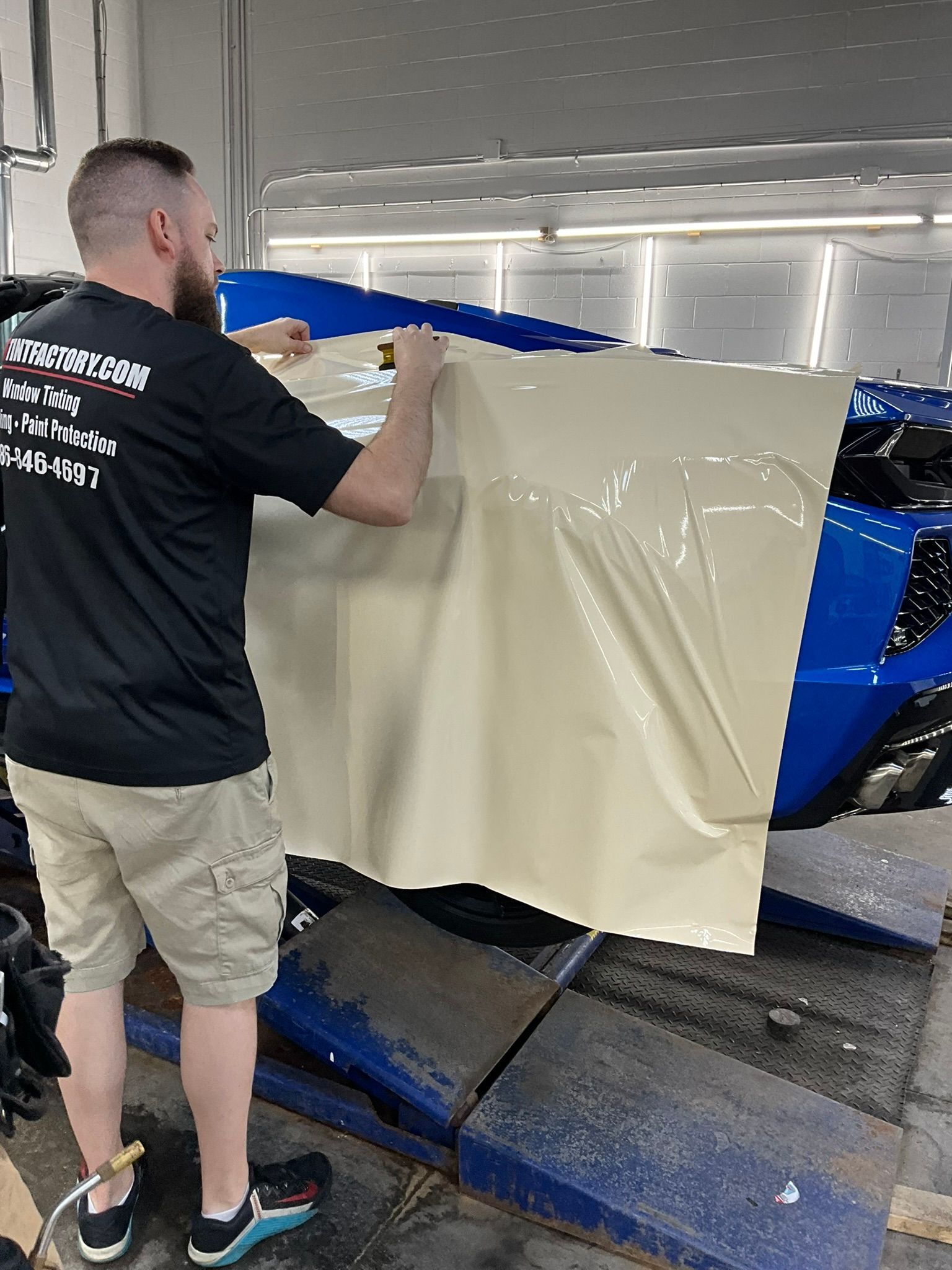
However, seasoned installers emphasize that installation quality matters more than just thickness . Even the best automotive paint protective film won’t perform well if it’s poorly applied. Bubbles, improper alignment, or exposed edges can reduce the film’s effectiveness and appearance. That’s why it’s crucial to work with certified or experienced professionals who use pre-cut templates or custom-fit installations.
Before committing to a specific car paint protective film , ask your installer these important questions:
Trusting your installer’s input—while also knowing the right questions to ask—ensures you get the best protection possible, tailored to your vehicle and lifestyle.
When it comes to protecting your vehicle with paint protection film near me, understanding PPF thickness is key to making a smart, long-lasting investment. Whether you’re installing car PPF on a brand-new luxury car or adding protection to a daily commuter, the thickness of the PPF film plays a major role in how well your vehicle stands up to chips, scratches, road salt, and daily wear.
As we’ve explored, PPF is available in various thicknesses—typically between 6 to 10+ mils. Thinner films are easier to install, more flexible around curves, and offer a more subtle look, making them ideal for full-body wraps and lighter-duty protection. On the other hand, thicker automotive paint protective film is more impact-resistant and better suited for high-risk areas like bumpers, rocker panels, and hoods—especially if you drive frequently on highways or rough roads.
However, thickness isn’t everything. Factors like auto paint protection film quality, topcoat clarity, and professional installation are just as important. A high-quality car paint protective film installed by an experienced professional will always outperform a thick film applied poorly. That’s why it’s so important to consult a trusted installer, discuss your vehicle’s use, and ask questions that help you match the right film to your needs.
Ultimately, there’s no one-size-fits-all answer. But with a better understanding of PPF thickness and real-world factors—like environment, driving habits, and panel coverage—you’ll be better equipped to choose the right level of protection for your car. And with the right setup, your paint can stay looking showroom-new for years to come.


What Sets 586 Tint Factory Apart
Since opening in 2021, we have focused on one thing: being the best at what we do. That commitment has earned us over 1,000 five-star Google reviews, the recognition of XPEL's top dealership in Michigan for 2024, and a loyal customer base that continues to grow. We opened near the tail end of a challenging time for small businesses and came out stronger for it. Our team understands that your vehicle is an investment, and we treat it accordingly. From a simple window tint to a full-vehicle ceramic coating or PPF install, we bring the same level of professionalism and care to every job.
Email: contact@586tintfactory.com
Phone:
586-846-4697
Monday - Friday: 6:30 a.m. - 5:00 p.m.
Saturday & Sunday: Appointment Only