Can PPF and Ceramic Coating Repair Minor Scratches? Here’s What You Need to Know


There’s nothing quite as frustrating as spotting a new scratch on your car—especially if you just spent time or money protecting it with paint protection film (PPF) or ceramic coating. Whether it’s a faint swirl from an automatic car wash or a light scrape from brushing against a bush, these minor imperfections are part of everyday driving. But here’s the big question: Can PPF or ceramic coating actually repair these scratches?
Both PPF and ceramic coatings are marketed as premium protective upgrades, often advertised for their ability to shield against scratches, swirl marks, and other blemishes. And while they do offer impressive defense, there’s still a lot of confusion about what these products can really “fix” once the damage is done. Are they just preventative, or can they actually make small scratches disappear?
If you’ve ever searched terms like “can PPF heal scratches?” or “does ceramic coating remove swirl marks?”, you’re not alone. Understanding how these products work is essential to managing your expectations—and making informed decisions about car care.
In this article, we’ll break down what counts as a “minor” scratch and dive into how PPF and ceramic coating each respond to surface damage. We’ll explain the science behind self-healing films, the limits of ceramic coatings, and when it’s time to call a professional for help. Plus, we’ll share prevention tips so you can keep those scratches from showing up in the first place.
By the end, you’ll know exactly what these protective layers can do—and just as importantly, what they can’t—when it comes to repairing or hiding scratches on your vehicle.
When it comes to vehicle paint damage, not all scratches are created equal. Before diving into whether paint protection film (PPF) or ceramic coating can “repair” a scratch, it’s important to understand what qualifies as minor damage—and why identifying it early can make a big difference.
Minor scratches generally fall into one of three categories:
Most minor damage is caused by routine exposure—dust, debris, tree branches, clothing, and yes, even well-meaning car washes. And while they may seem harmless at first, small scratches can worsen over time, allowing contaminants like moisture or road salts to degrade the finish and lead to corrosion or more visible blemishes.
Catching these imperfections early is key. Whether you’re using automotive paint protective film or a ceramic coating, knowing how to recognize the early signs of wear helps you take action before they become more serious—and more expensive—to fix.
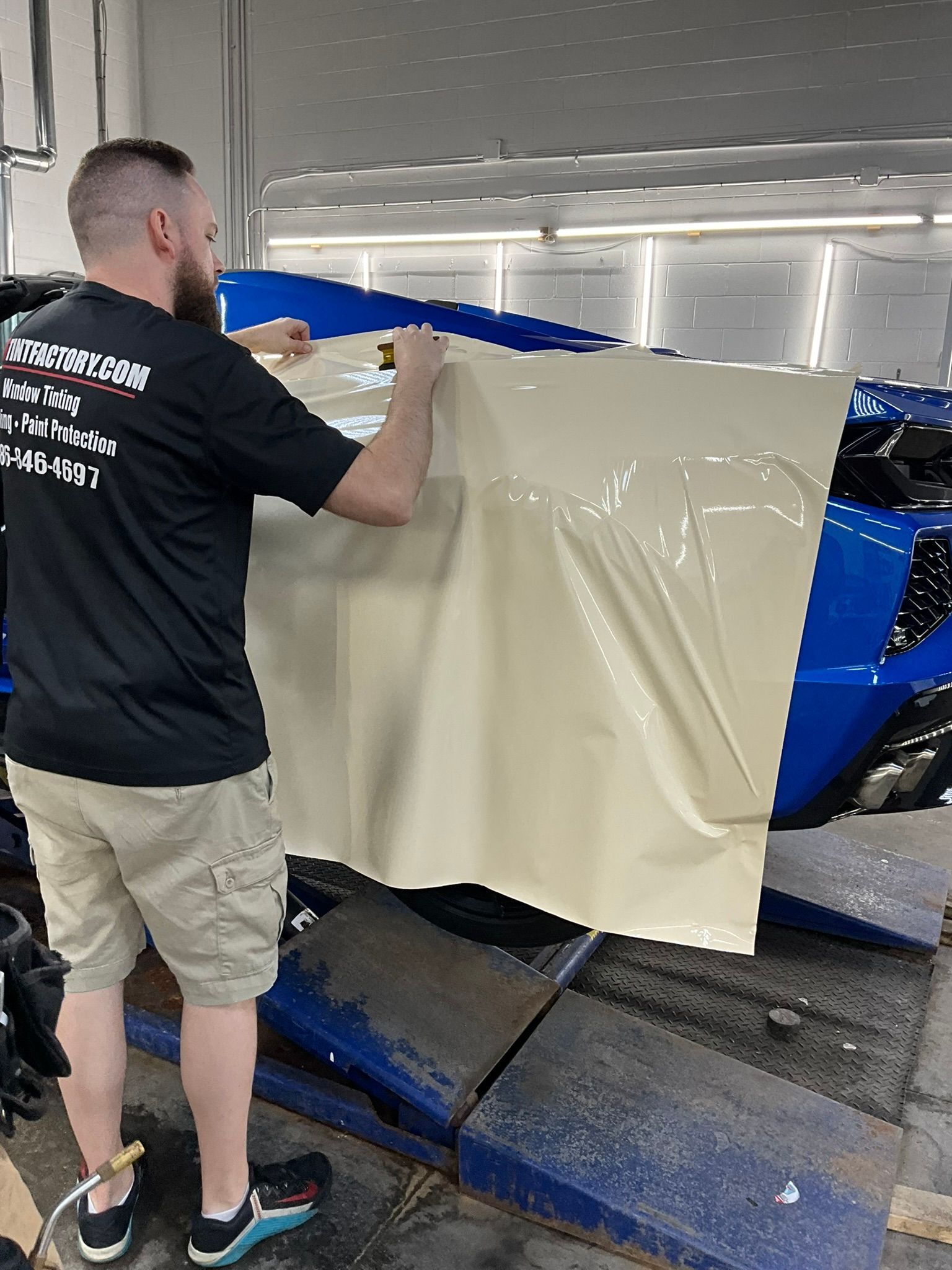
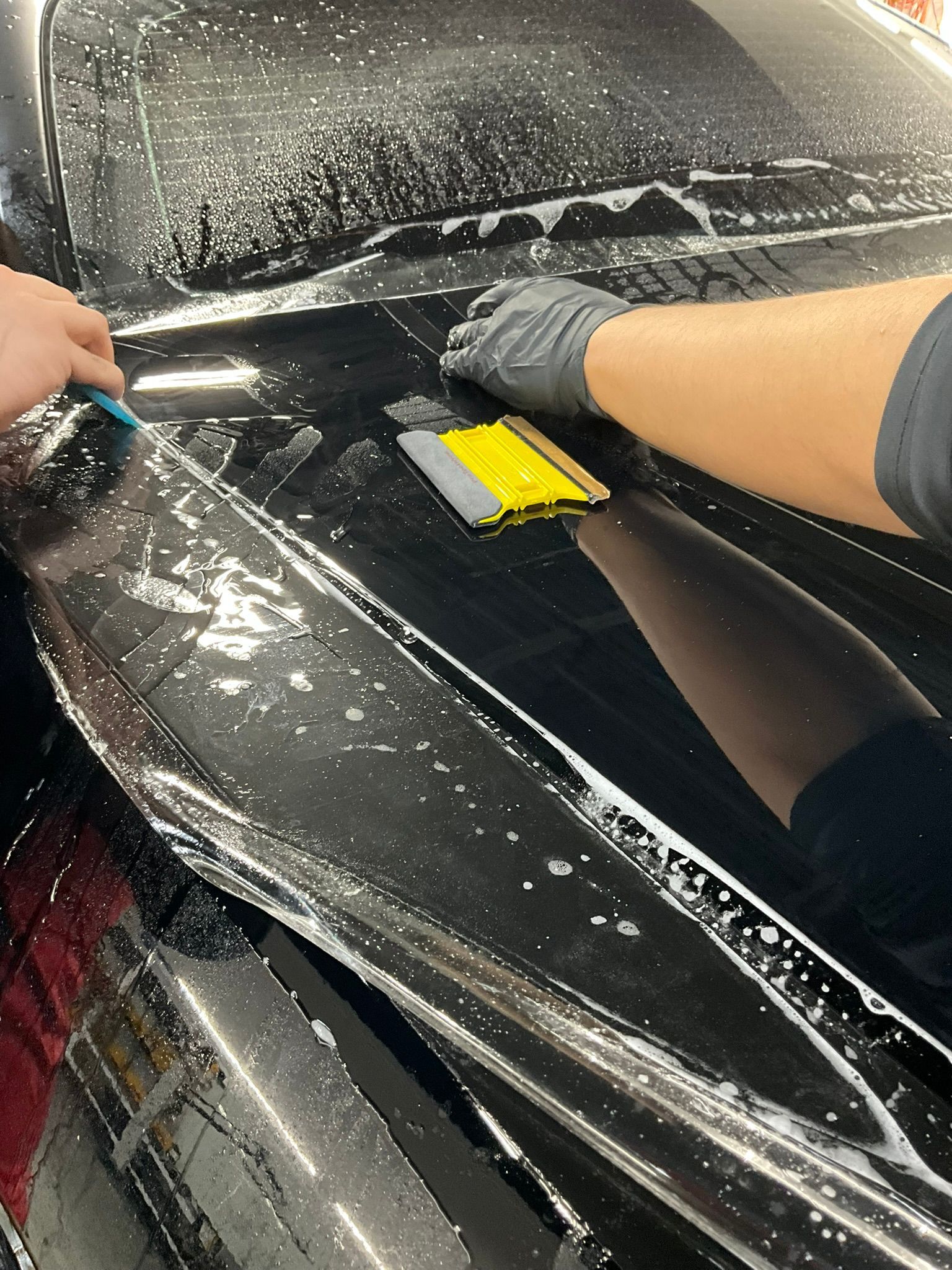
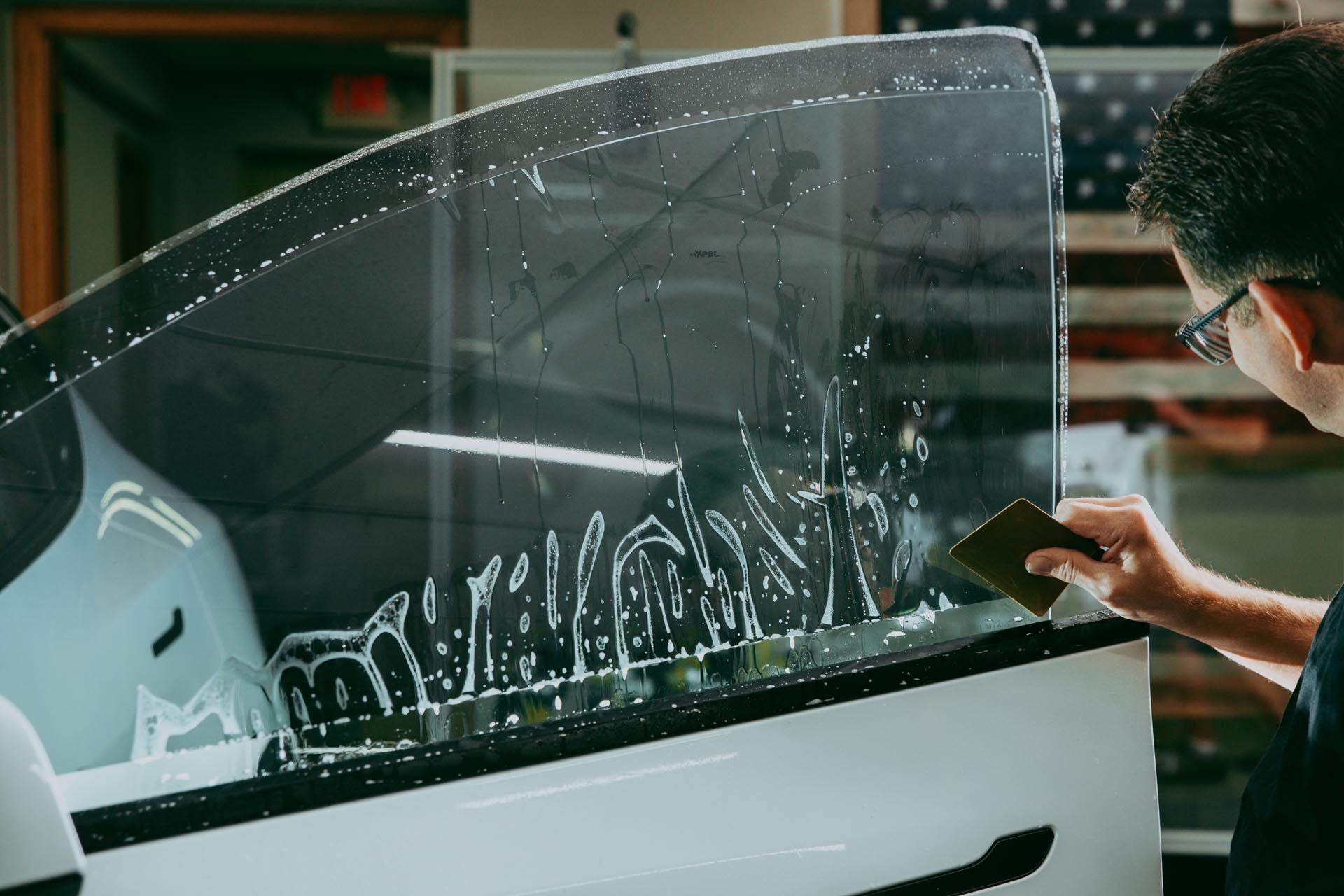
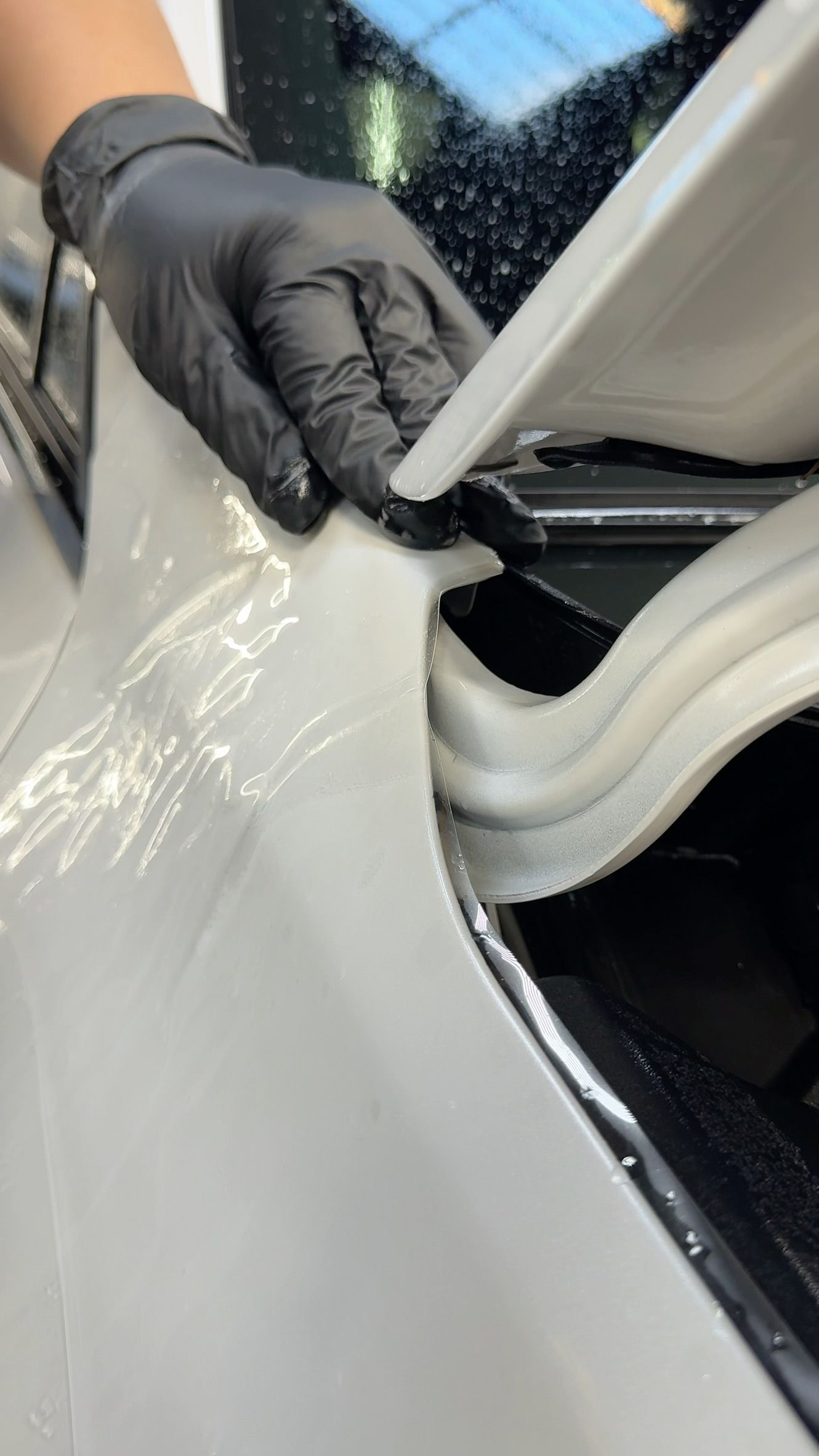
Paint Protection Film (PPF) is one of the most effective solutions available for defending your vehicle’s paint from physical damage. Also known as clear bra or automotive paint protective film, PPF is a virtually invisible, multi-layer polyurethane material that is applied to your vehicle’s painted surfaces. It acts as a sacrificial shield, taking the brunt of daily wear and tear so your actual paint doesn’t have to.
The typical PPF structure includes three key layers:
Most high-quality PPF products come in thicknesses ranging from 6 to 10 mils (1 mil = 0.001 inches), which is thick enough to absorb small rock chips, road debris, and scuffs. Thanks to its elasticity and durability, the film can also “self-heal” from surface-level scratches when exposed to heat from sunlight or warm water. This makes it an ideal defense mechanism against the kind of minor scratches that happen during daily driving or improper washing.
PPF is commonly applied to the most vulnerable areas of your car, including the front bumper, hood, side mirrors, fenders, rocker panels, and door edges. These zones are frequent targets for damage from road debris, bug splatter, and gravel impact.
In short, PPF is not just about maintaining a flawless finish—it’s about extending the life of your vehicle’s appearance by creating a physical, self-repairing barrier that handles real-world challenges before they reach your car’s original paint.
One of the standout features of Paint Protection Film (PPF) is its self-healing capability—a trait that makes it particularly effective at dealing with minor scratches. This self-healing occurs thanks to the film’s elastomeric top coat, which has the ability to return to its original form when exposed to heat. That means light surface marks, swirl lines, or faint scratches often disappear on their own when your vehicle sits in the sun or is rinsed with warm water.
Here’s how it works: When a light scratch disrupts the surface of the PPF, it doesn’t penetrate deeply. The top coat’s memory-like structure reacts to heat by softening and “relaxing” the film, allowing it to rebound and smooth out the blemish. This effect works best for hairline scratches caused by things like dust, improper wiping, or automatic car washes with soft brushes.
However, it’s important to understand PPF’s limitations. While it can heal minor abrasions, it won’t fix deep gouges, cuts, or any scratch that penetrates through the film. For example, if a sharp rock chips into the PPF or if a door gets scratched by metal, the film may become damaged beyond repair and need to be replaced in that specific area.
The quality of the film and how well it’s maintained also influence how well it performs. Premium brands of automotive paint protective film offer more durable self-healing properties and are often more resistant to UV discoloration and staining. Additionally, regular washing, the use of proper detailing sprays, and avoiding harsh chemicals help maintain the film’s self-repairing surface.
In short, car PPF doesn’t just protect against damage—it can also correct some of it. With proper care, it helps your car maintain a flawless look, even after everyday wear.
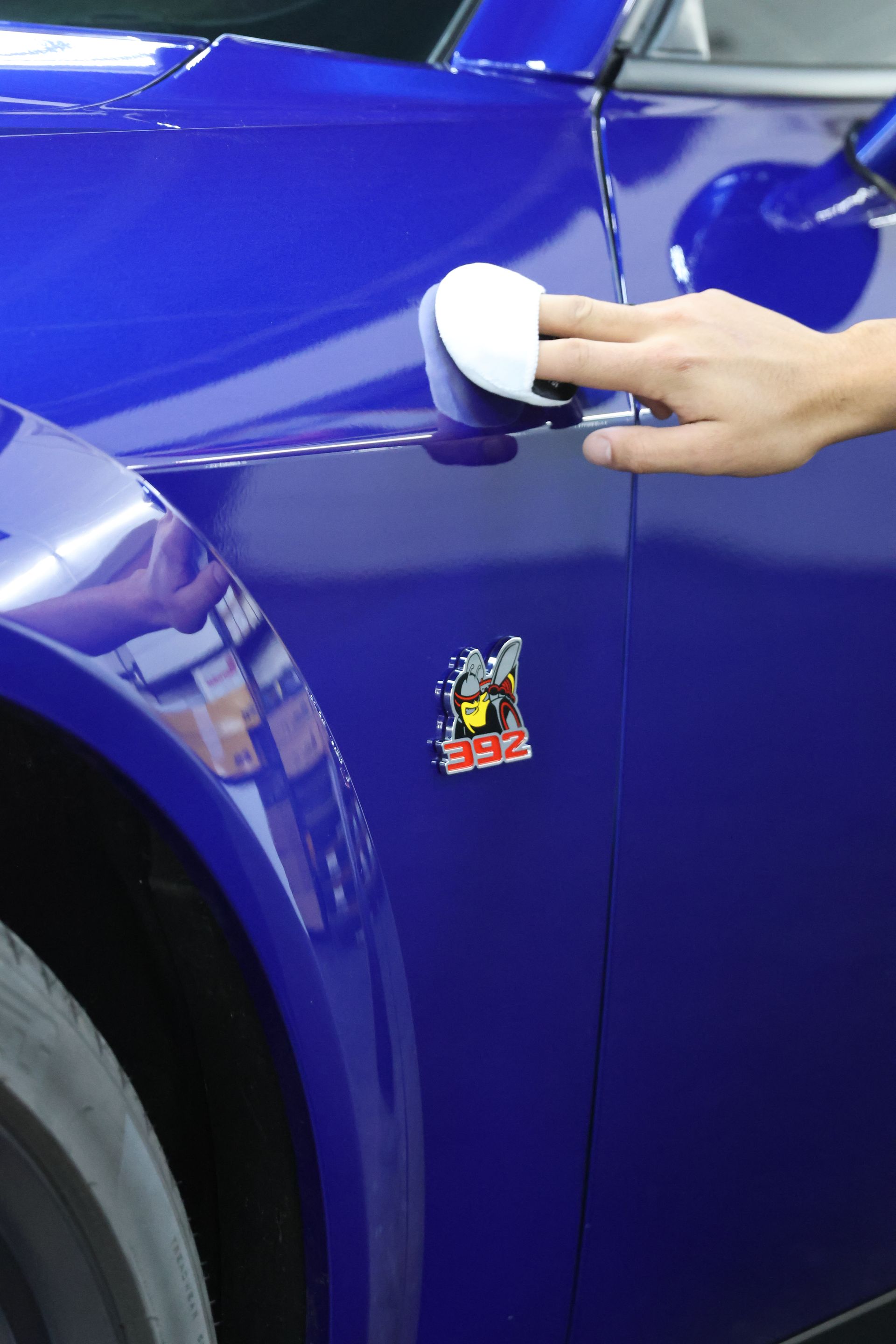
Ceramic coating is a liquid polymer that chemically bonds with your car’s factory paint, creating a semi-permanent layer of protection. Unlike waxes or sealants that sit on the surface, ceramic coatings fuse with the clear coat, forming a hard, hydrophobic shell. This shell helps protect your vehicle against environmental contaminants, including UV rays, bird droppings, tree sap, water spots, and even acidic rain.
One of the biggest appeals of ceramic coating is its ability to enhance gloss and deliver that “just detailed” shine for years—not weeks. It also repels water and dirt, making your car easier to clean and helping reduce swirl marks from washing. This hydrophobic effect gives your vehicle a slick, high-gloss look that car enthusiasts and professionals love.
However, despite common belief, ceramic coating is not designed to be a physical shield like paint protection film (PPF). It doesn’t offer true impact resistance, and it cannot “heal” scratches. Some marketing claims may suggest that ceramic coatings are “scratch proof,” but that’s a misunderstanding. While it can help resist micro-marring and minor abrasions caused by gentle contact, it won’t protect against rock chips, key scratches, or deep paint damage.
Where ceramic coatings truly shine is in their chemical resistance and UV-blocking abilities. They help maintain paint quality by preventing oxidation and fading—especially on cars exposed to the sun for extended periods. High-quality coatings can last anywhere from two to seven years depending on the product and maintenance.
In summary, ceramic coating is an excellent solution for preserving gloss, repelling contaminants, and minimizing maintenance—but it’s not a replacement for car PPF or auto paint protection film when it comes to scratch protection. Knowing this difference helps set realistic expectations and plan a more effective protection strategy.
Ceramic coating is often praised for giving vehicles a glossy, mirror-like finish, but when it comes to fixing scratches, the truth is more nuanced.
Ceramic coating does not “repair” scratches
in the way some people assume. While it can enhance the appearance of the paint, it does
not fill in, erase, or permanently hide
surface damage.
What ceramic coating can do is make very light scratches and swirl marks less visible . Its high-gloss finish and light-reflective properties can reduce the visibility of superficial imperfections—especially those in the clear coat. This optical effect might give the illusion that the paint is flawless, but it’s important to understand that the scratches are still there. The coating simply creates a more uniform surface that reflects light more evenly.
Deeper scratches, gouges, or defects that have gone beyond the clear coat into the paint layer will remain visible even after a ceramic coating is applied. In fact, applying ceramic over an untreated scratch can sometimes highlight the defect, especially if proper paint correction wasn’t done beforehand. That’s why surface preparation is critical before any ceramic coating installation. Most professionals will recommend polishing or machine-compounding the paint to remove imperfections before sealing it with ceramic.
If scratches develop after the coating is applied, you may need to correct the area , which could involve polishing through the coating and reapplying it to that section. While this process can restore appearance, it requires care and ideally should be done by a professional.
In summary, ceramic coating may help diminish the appearance of light surface scratches, but it won’t repair or hide deeper damage. It’s best used as a preventive and aesthetic enhancement —not a fix for existing imperfections.
When it comes to handling minor scratches, Paint Protection Film (PPF) and ceramic coating are often compared—but they serve very different purposes. Understanding their individual benefits and limitations can help you decide which one, or which combination, is best for your vehicle.
PPF is specifically designed to provide physical protection . Its thicker, multi-layered polyurethane structure is capable of absorbing the impact from small debris, preventing scratches before they reach the paint. One of PPF’s standout features is its self-healing capability —light surface scratches and swirl marks can “heal” on their own with exposure to heat (like sunlight or warm water). This makes PPF the better option for scratch prevention and surface-level recovery .
In contrast, ceramic coating excels in chemical and environmental resistance . It bonds with the paint to create a hard, glossy, and hydrophobic surface that repels water, dirt, road salts, and UV rays. However, it does not offer real impact protection and won’t prevent or repair scratches. What it can do is reduce the visibility of minor imperfections and keep the surface looking cleaner longer. It’s great for maintaining that “just detailed” look and minimizing long-term oxidation and staining.
In a head-to-head comparison:
The good news? You don’t have to choose just one. Many car owners combine both —using PPF on high-impact zones (like bumpers and hoods) and applying ceramic coating on top for added gloss and easier cleaning. This combo delivers full-spectrum protection , covering both environmental and physical threats while keeping your car looking fresh and flawless.
While Paint Protection Film (PPF) and ceramic coatings offer impressive defense against surface-level damage, they aren’t miracle fixes for every type of scratch. Knowing when a scratch is too deep for these products to help is crucial—both for your vehicle’s appearance and its long-term health.
To assess whether a scratch is beyond the reach of self-healing PPF or ceramic coating, try the fingernail test : gently run your fingernail across the scratch. If your nail catches, the scratch has likely penetrated beyond the clear coat and into the base paint or primer. This level of damage is too deep for any protective film or coating to “heal” or mask, and it may require professional intervention .
In such cases, paint correction through machine polishing might minimize the appearance, but if the scratch has reached the primer or exposed bare metal, repainting the affected panel may be the only option. Ignoring deeper scratches can lead to rust, oxidation, or peeling , especially in humid or winter climates where moisture and salt can accelerate paint failure.
Even if you’re planning to apply car PPF or ceramic coating later, it’s essential to correct deep scratches first . Applying protection over damaged areas may trap contaminants or moisture under the surface, which can worsen the issue and compromise the effectiveness of the coating or film.
Ultimately, neither PPF nor ceramic coating is designed to repair deep paint damage. These products are preventive—not curative—so addressing serious scratches before installation ensures a clean, durable, and professional finish. When in doubt, consult with a qualified detailer or body shop to determine whether correction or repainting is necessary before moving forward with any protective upgrades.
Whether you’ve invested in car PPF, ceramic coating, or both, long-term protection comes down to maintenance. Even with these protective layers in place, your habits and care routine play a major role in preventing new scratches from forming. Fortunately, adopting a few key maintenance practices can go a long way in keeping your vehicle’s surface pristine.
Start with proper washing and drying techniques . The most common source of light scratches and swirl marks comes from improper washing. Always use the two-bucket method —one bucket for soapy water and another for rinsing your mitt—to reduce the risk of dragging dirt across the surface. Choose a pH-neutral car shampoo and a soft microfiber wash mitt to avoid abrasion. After washing, dry the car using a clean, plush microfiber towel by blotting rather than rubbing.
Using boost sprays or ceramic sealants also helps maintain your car’s hydrophobic and slick surface. These products reinforce the performance of your ceramic coating or enhance the surface slickness over a PPF film, reducing friction and making it harder for dirt and debris to stick. A cleaner surface means fewer chances for scratching during washes.
Lastly, build protective habits into your daily routine. Park away from bushes, trees, and tight parking spots where accidental contact might occur. If possible, store your car in a garage or under a car cover , especially during stormy or dusty conditions. Avoid wiping down a dusty car without proper lubrication—dry dust acts like sandpaper.
Consistently following these maintenance tips doesn’t just preserve the look of your car—it also extends the life and effectiveness of your auto paint protection film and ceramic coating. Taking these simple steps can significantly reduce the risk of minor scratches and keep your car looking showroom-ready.
Even with the best maintenance habits and high-quality products like car PPF or ceramic coating, there comes a time when professional expertise is essential. Whether you’re dealing with persistent imperfections, aging protection, or just want peace of mind, visiting a qualified detailer can help ensure your vehicle stays in top condition.
One major benefit of professional help is the expert inspection and care that trained detailers provide. A certified technician can spot early signs of wear, fading, or damage that may not be obvious to the untrained eye. If your ceramic coating has lost its hydrophobic effect or your paint protection film shows signs of lifting or surface wear, a professional can accurately assess whether it’s time for reapplication, spot repair, or full replacement.
Detailers also offer a range of corrective services and upgrades , from paint correction to remove deeper swirl marks or oxidation, to applying higher-end PPF film or multi-layer ceramic coatings. If your current setup isn’t offering the results you hoped for, a consultation with a trusted pro can help you customize a better protection strategy suited to your needs.
Before committing, make sure to ask the right questions:
• Is the detailer certified by any major brands for ceramic or PPF installation?
• What type of warranty or aftercare support is provided?
• Do they offer touch-up or spot-repair services for car paint protective film or ceramic coatings?
By working with a reputable installer or detailing shop, you not only ensure proper application and care, but also extend the life and performance of your investment. When your goal is to protect your car long-term, professional input can make all the difference between average results and a flawless finish.
When it comes to protecting your vehicle’s finish, both paint protection film (PPF) and ceramic coating offer unique benefits—but their roles in scratch repair are often misunderstood. While neither solution is a magic fix for all types of damage, they each play a valuable part in preserving your car’s appearance and reducing the chances of future blemishes.
PPF shines when it comes to absorbing impact and self-healing light surface scratches , particularly those caused by daily driving debris or minor contact. Its layered structure and elastic surface allow it to “bounce back” from small marks with heat, making it ideal for high-impact areas like bumpers, hoods, and side mirrors.
On the other hand, ceramic coating does not “heal” scratches but can mask very fine surface imperfections. It enhances gloss, repels contaminants, and adds a layer of chemical and UV resistance. While it won’t prevent rock chips or deep gouges, it’s still a solid investment for long-term surface protection and easier maintenance.
When comparing car PPF and ceramic coating, the best results often come from using both in tandem —with PPF covering high-risk areas and ceramic coating enhancing the entire surface’s durability and shine. Together, they provide a layered defense that keeps your paint looking newer, longer.
Ultimately, understanding the limits and strengths of each product helps set realistic expectations. And when scratches do happen, knowing when to seek professional help for correction of reapplication ensures your vehicle remains protected and visually appealing.
By practicing regular maintenance, safe washing habits, and working with trusted detailers, you can keep those minor scratches at bay—and your car looking flawless for years to come.


What Sets 586 Tint Factory Apart
Since opening in 2021, we have focused on one thing: being the best at what we do. That commitment has earned us over 1,000 five-star Google reviews, the recognition of XPEL's top dealership in Michigan for 2024, and a loyal customer base that continues to grow. We opened near the tail end of a challenging time for small businesses and came out stronger for it. Our team understands that your vehicle is an investment, and we treat it accordingly. From a simple window tint to a full-vehicle ceramic coating or PPF install, we bring the same level of professionalism and care to every job.
Email: contact@586tintfactory.com
Phone:
586-846-4697
Monday - Friday: 6:30 a.m. - 5:00 p.m.
Saturday & Sunday: Appointment Only